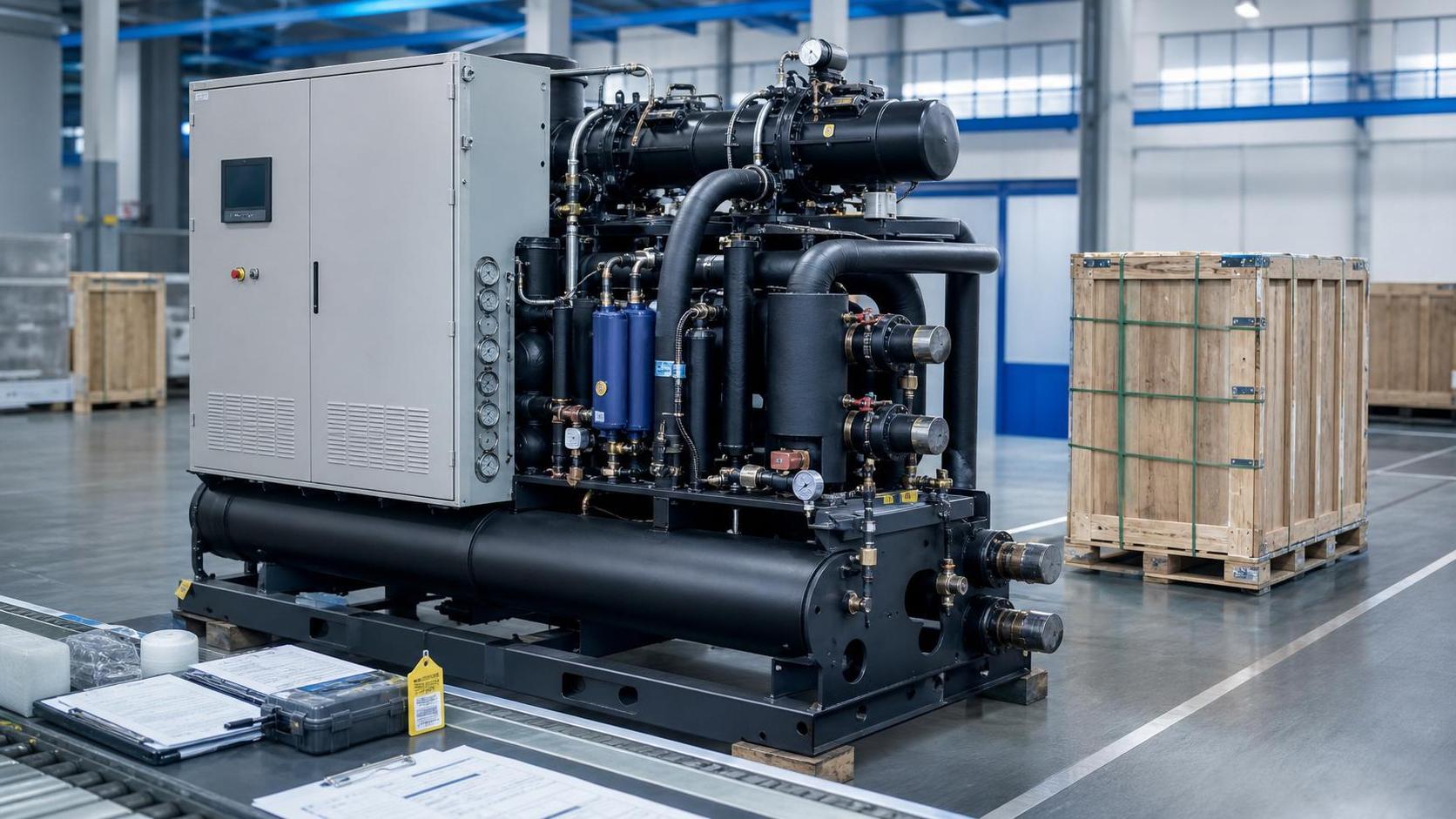




Industrial Refrigeration Costs: What Drives Energy Use in 2026




Why are industrial refrigeration costs harder to predict in 2026?
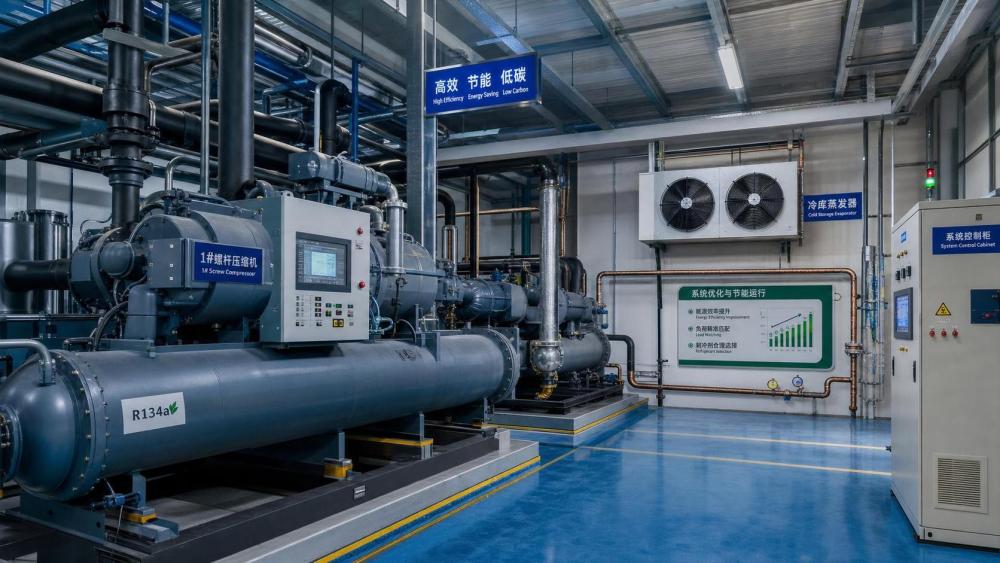
Industrial refrigeration is no longer judged by power price alone. In 2026, energy use depends on system design, control quality, refrigerant strategy, and how closely equipment matches the real load.
That shift matters because refrigeration often runs every hour, not just during peak production. A small efficiency gap can turn into a major operating cost over a full year.
In practical terms, two systems with similar cooling capacity can deliver very different lifetime costs. The difference usually comes from compression efficiency, heat rejection conditions, defrost behavior, and part-load performance.
This is also why many buyers now look beyond nameplate data. They compare annual energy profiles, maintenance implications, refrigerant compliance, and upgrade flexibility before choosing an industrial refrigeration package.
Market watchers such as GTC-Matrix have highlighted the same pattern across food processing, pharmaceuticals, cold storage, chemicals, and electronics. Thermal performance is becoming a strategic cost variable, not just a utility line item.
What actually drives energy use in an industrial refrigeration system?
The short answer is compression work. The longer answer is that compression work rises or falls with several connected factors, and most of them can be evaluated before purchase.
Compressor efficiency still sets the baseline
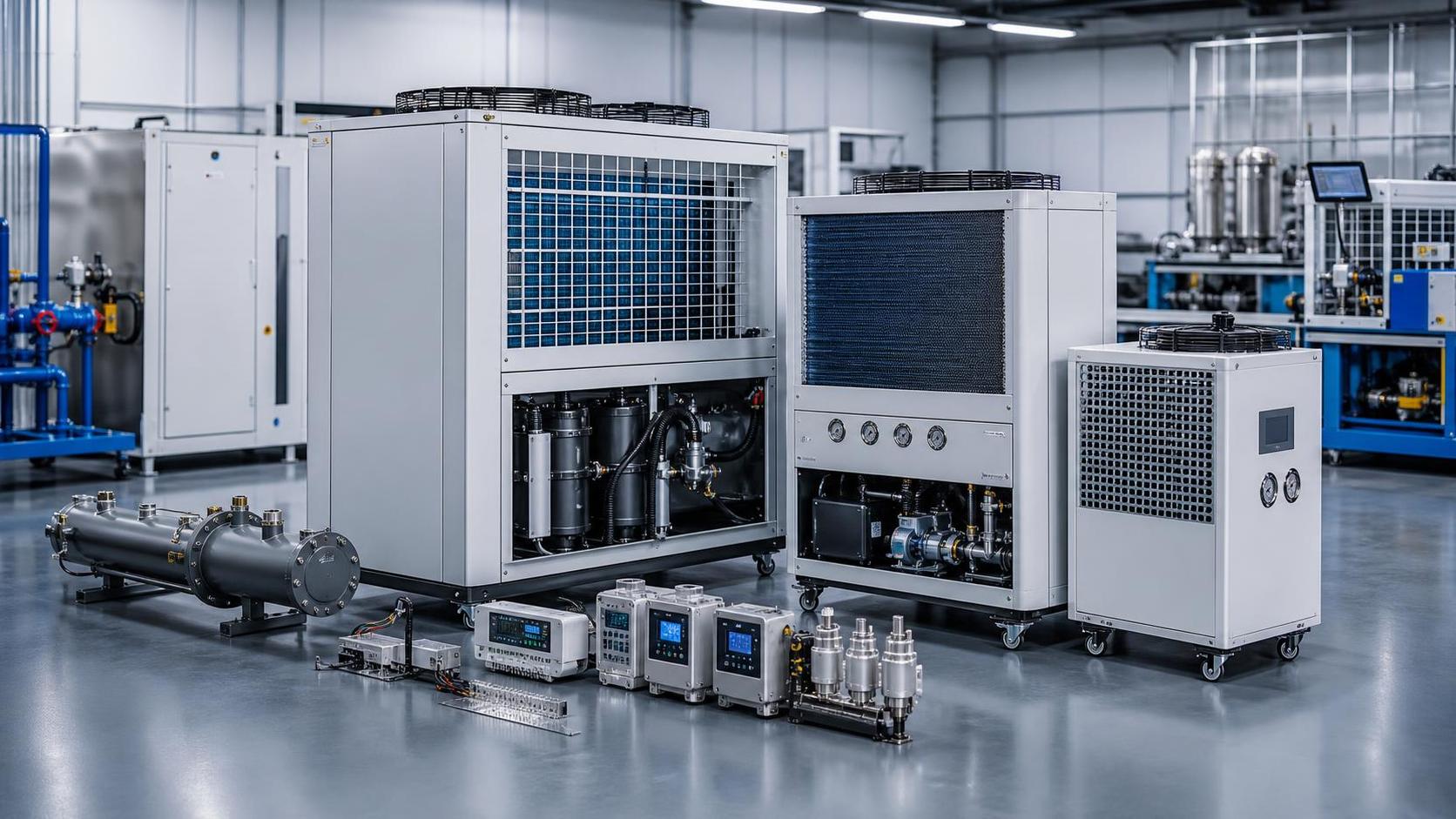
Compressors consume the largest share of electricity in most industrial refrigeration systems. Screw, reciprocating, centrifugal, and oil-free designs perform differently under full load and part load.
A quoted COP is useful, but it is not enough. More reliable evaluation comes from asking for seasonal performance data, expected operating points, and power draw across different suction and condensing conditions.
Load profile often matters more than rated capacity
Many systems are oversized for safety. That sounds prudent, yet it can increase cycling losses, reduce control stability, and hurt efficiency during the many hours when demand stays below design load.
A better question is not only “How much cooling is needed?” but also “How often is that peak required?” For industrial refrigeration, part-load behavior often decides the real energy bill.
Heat exchange performance changes the whole balance
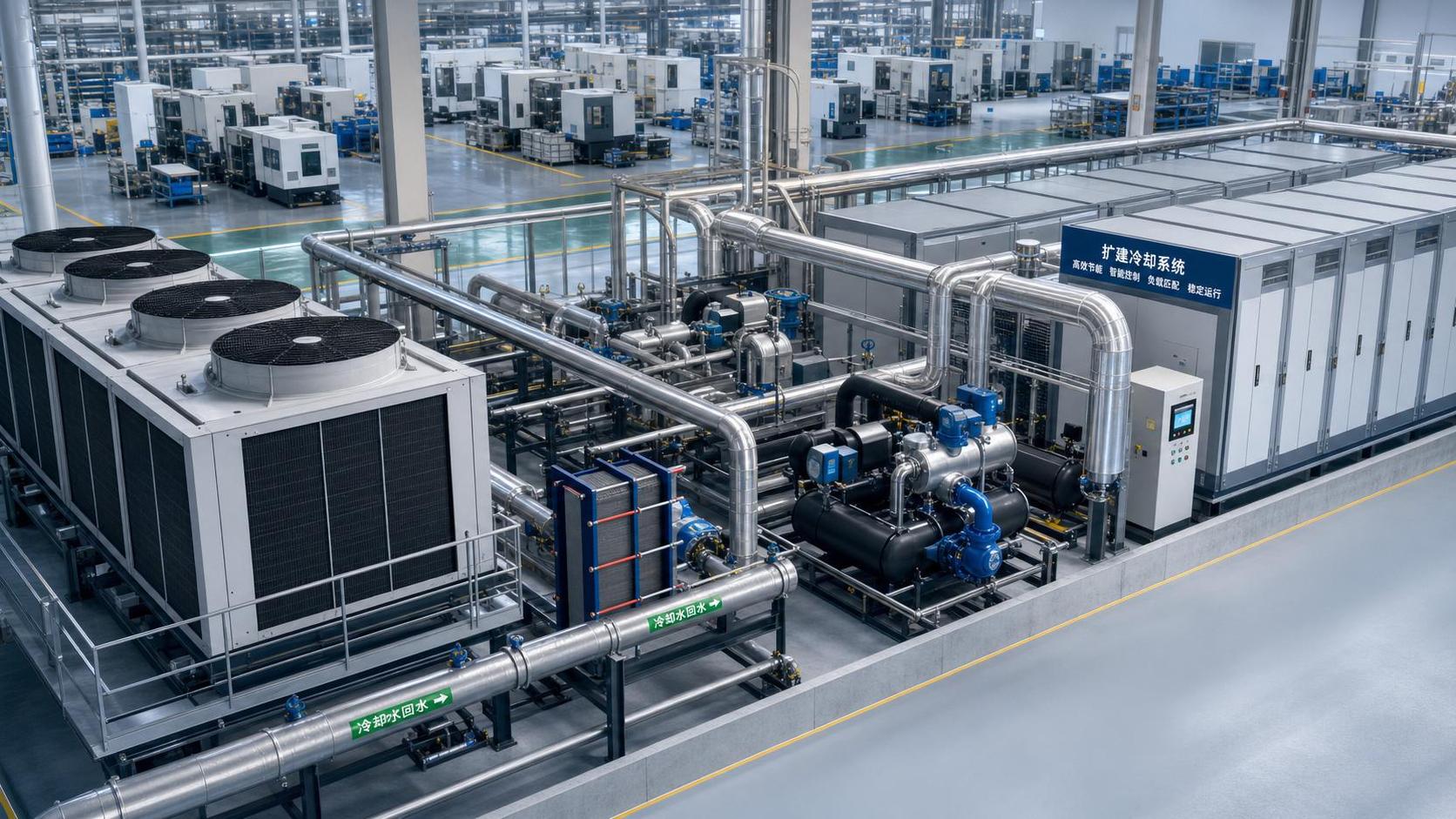
Evaporators and condensers shape suction pressure and condensing temperature. If heat transfer is weak, the compressor works harder to achieve the same cooling effect.
That is why cleaner coil design, microchannel options, proper air or water flow, and realistic fouling assumptions deserve attention during sourcing, not after installation.
Controls influence hidden waste
Variable-speed drives, floating head pressure control, suction optimization, and smart defrost can cut unnecessary energy use. Poor controls do the opposite, even when major hardware looks efficient on paper.
In actual applications, unstable sequencing between compressors, pumps, and fans is a common reason why industrial refrigeration costs exceed the original estimate.
How much does refrigerant choice affect operating cost?
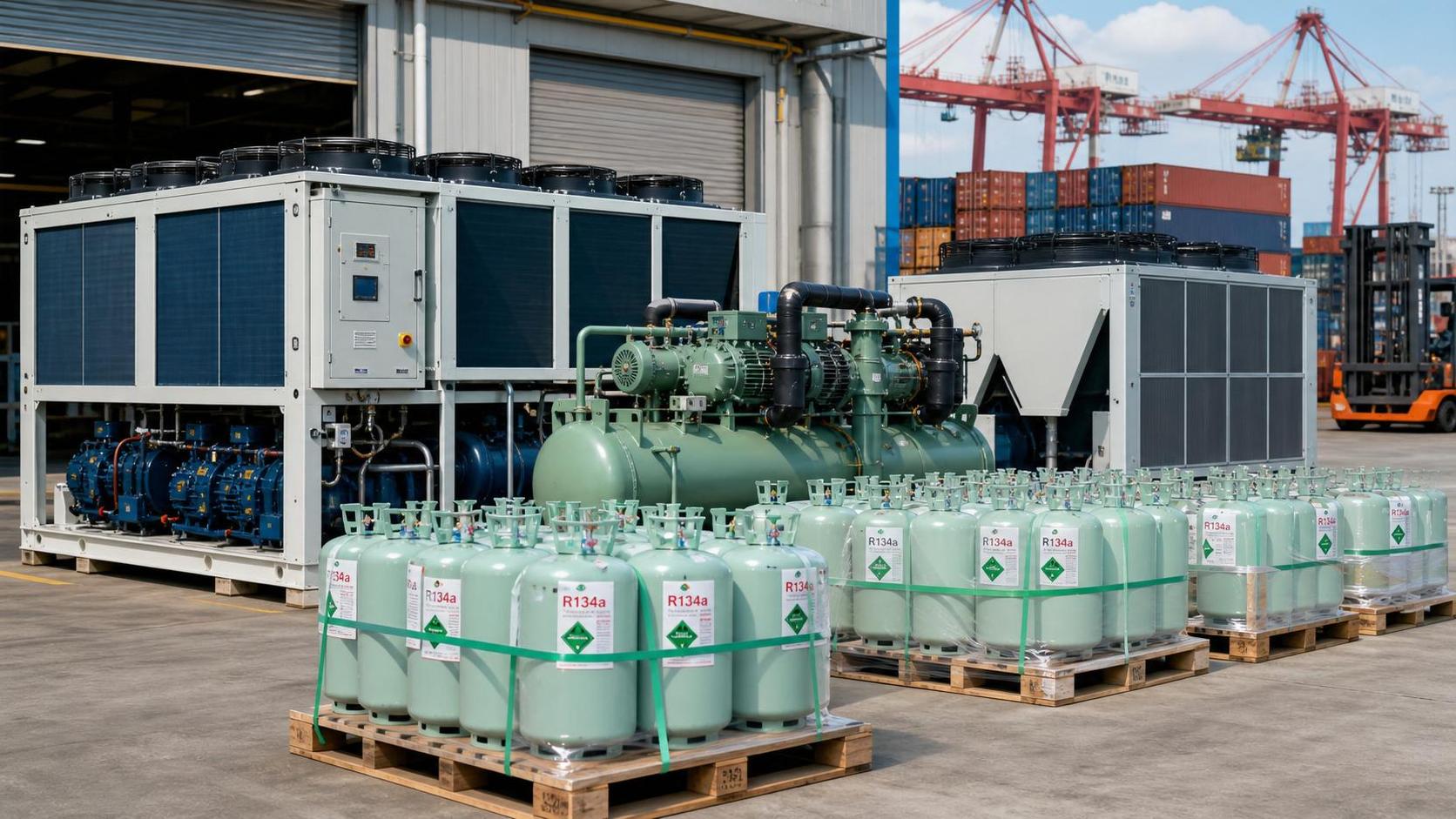
More than many expect. Refrigerant selection affects thermodynamic efficiency, equipment compatibility, safety design, future compliance cost, and service availability.
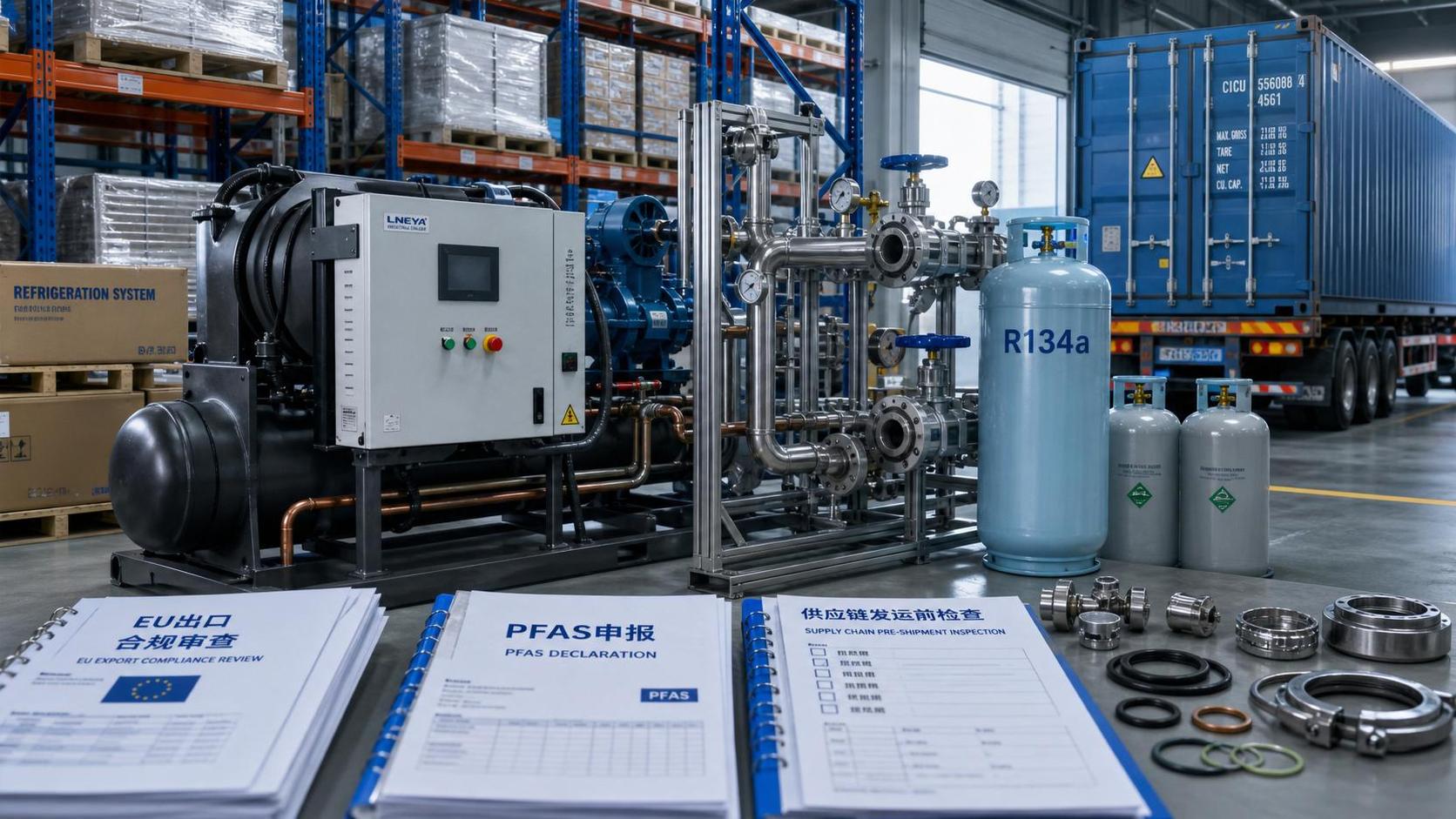
In 2026, the decision is also shaped by quota pressure and regional rules on lower-GWP options. A lower purchase price today can become expensive if the refrigerant faces tighter supply or retrofit constraints later.
Natural refrigerants such as ammonia and CO2 remain attractive in many industrial refrigeration projects, but their suitability depends on temperature range, site layout, operator capability, and safety infrastructure.
Synthetic alternatives may offer easier integration in some facilities, yet performance must be checked under the actual condensing climate and process load. Efficiency claims should always be tied to real operating conditions.
A useful way to compare options is to look at total annualized cost. That includes energy, refrigerant availability risk, leak management, service training, and the likelihood of future redesign.
A quick comparison helps separate headline claims from real impact
Where do sourcing mistakes usually happen?
Most mistakes happen before the technical review is deep enough. A lower bid can look attractive until hidden energy penalties appear in operation.
One common issue is comparing only initial capacity and not annualized power consumption. Another is accepting standard test conditions that do not match the real ambient climate or product pull-down pattern.
There is also a tendency to treat controls as secondary. In reality, industrial refrigeration efficiency often depends on how compressors, valves, fans, and pumps respond together over time.
Needless oversizing is another expensive habit. It can create poor turndown behavior, unstable temperatures, and higher maintenance exposure, especially in multi-shift or seasonal operations.
GTC-Matrix frequently tracks these issues through policy, technology, and sector data. That broader view is helpful because the best refrigeration choice is rarely just a component choice. It is a system decision.
- Ask for performance data at expected suction and condensing points.
- Check part-load efficiency, not only rated efficiency.
- Confirm refrigerant policy exposure over the planned asset life.
- Review defrost, heat recovery, and control sequences in writing.
- Compare maintenance access, spare parts lead time, and service capability.
Which questions help judge long-term value, not just purchase price?
The best questions are practical and measurable. They focus on what the system will consume, how it will behave under changing conditions, and how much risk sits behind the quoted number.
Start with annual performance, not brochure efficiency
Ask for modeled annual energy use based on expected hours, ambient profile, and load variation. A trustworthy supplier should explain assumptions rather than hide behind a single efficiency figure.
Check whether heat can be recovered
Many industrial refrigeration systems reject usable heat. If hot water, space heating, or process preheating exists on site, heat recovery can improve project economics significantly.
Look for operating resilience
The cheapest system may become costly if it struggles during summer peaks, unstable production schedules, or stricter refrigerant rules. Reliability and adaptability deserve a place in cost evaluation.
Use a short decision checklist
When comparing industrial refrigeration offers, these points usually reveal the strongest differences:
- How closely does the selection fit the real load profile?
- What is the expected kWh per year at local conditions?
- How does the refrigerant choice affect future cost exposure?
- Can controls support low-load stability and remote optimization?
- What maintenance tasks will influence efficiency over time?
So what is the smart next step before buying industrial refrigeration?
Begin with a clean operating picture. Define temperature range, hourly demand pattern, ambient conditions, uptime targets, and any opportunity for heat recovery or future expansion.
Then compare industrial refrigeration options using the same assumptions. That makes quoted differences meaningful and reduces the risk of choosing a system that only looks efficient under ideal conditions.
In many cases, the winning option is not the one with the lowest capital number. It is the one that balances compressor efficiency, refrigerant stability, control quality, and service practicality over the full operating cycle.
For teams following sector shifts, GTC-Matrix offers a useful lens on energy costs, refrigerant policy, compression technology, and heat exchange trends. That context helps turn industrial refrigeration sourcing into a better-informed, lower-risk decision.
If the goal is to reduce industrial refrigeration costs in 2026, the most effective move is simple: evaluate energy use as a system outcome, not a single equipment specification.
Related News
- EU Label Deadline Hits China Chiller ExportsAuthor :Cryogenic Systems Expert

- How Smart Thermal Systems Improve Industrial Cooling EfficiencyAuthor :Cryogenic Systems Expert

- How to Choose Process Cooling Equipment for Stable Temperature ControlAuthor :Cryogenic Systems Expert

- EU Finalizes 2026 HFC Quota Cut for R-134a ChillersAuthor :Cryogenic Systems Expert

- EU Tightens HFC-134a Quotas for Industrial ChillersAuthor :Cryogenic Systems Expert

- REACH SVHC Update Pressures HFC-134a Chiller Supply ChainsAuthor :Cryogenic Systems Expert

- EU PFAS Coolant Ban Reshapes Chiller ExportsAuthor :Cryogenic Systems Expert

- EU REACH Restricts PFAS Cooling Media ImportsAuthor :Cryogenic Systems Expert

- EU Ecodesign Rule Takes Effect for Industrial ChillersAuthor :Cryogenic Systems Expert

- EU REACH Rule Takes Effect for PFAS in Industrial Cooling ExportsAuthor :Cryogenic Systems Expert

- Industrial Cooling for Plastic Processing: How to Size for Stable Cycle TimesAuthor :Cryogenic Systems Expert

- EU F-Gas Update Bars R404A/R507 in Commercial CoolingAuthor :Cryogenic Systems Expert

- DOE Raises Chiller Efficiency Standard From October 2026Author :Cryogenic Systems Expert

- India Mandates BIS Energy Certification for Industrial ChillersAuthor :Cryogenic Systems Expert

- Energy-Efficient Heat Exchange for Process Cooling: Cost vs PaybackAuthor :Cryogenic Systems Expert

- EPA R-134a Import Ban Takes Effect on July 13, 2026Author :Cryogenic Systems Expert

- India BIS Rule Takes Effect for Industrial ChillersAuthor :Cryogenic Systems Expert

- EPA Cuts R134a Import Quotas 20% From July 10Author :Cryogenic Systems Expert

- How to Compare Energy-Efficient Cooling Systems for Factory Expansion ProjectsAuthor :Cryogenic Systems Expert

- Chiller Price Index Rises 11.3% in Q2Author :Cryogenic Systems Expert

- Saudi SASO Tightens Chiller Import Compliance From July 10Author :Cryogenic Systems Expert

- Dubai Opens Fast-Track Chiller TendersAuthor :Cryogenic Systems Expert

- Japan Raises Chiller COP Floor to 6.2 From Sept. 1Author :Cryogenic Systems Expert
![]()
- Compact Thermal Management in Smart Devices: Common Failure RisksAuthor :Cryogenic Systems Expert

- Thermal Management for Batteries: Cooling Methods ComparedAuthor :Cryogenic Systems Expert

- How Compact Thermal Design Extends Smart Device UptimeAuthor :Cryogenic Systems Expert

- Shanghai-Rotterdam Reefer Rates Jump 37% in a WeekAuthor :Cryogenic Systems Expert

- Process Cooling Equipment Low Maintenance: What Cuts Downtime Over 5 Years?Author :Cryogenic Systems Expert

- Semiconductor Cooling Solutions: Which Design Works Best for High-Density Tools?Author :Cryogenic Systems Expert

- Semiconductor Thermal Management Systems: Preventing Yield Loss from Heat DriftAuthor :Cryogenic Systems Expert

- EPA Clears R-1234ze(E) for Industrial ChillersAuthor :Cryogenic Systems Expert
 for Industrial Chillers")
- DOE Raises Chiller IEER Floor to 12.8 From Oct. 2026Author :Cryogenic Systems Expert

- Singapore Refrigeration Show Adds Green Compliance HubAuthor :Cryogenic Systems Expert

- How Food Industry Temperature Control Systems Reduce Product LossAuthor :Cryogenic Systems Expert

- EU REACH Adds 12 SVHCs, Raising Chiller Compliance RiskAuthor :Cryogenic Systems Expert

- Precision Temperature Control Air Cooling: Key Setup Mistakes That Reduce StabilityAuthor :Cryogenic Systems Expert