Vietnam Tightens Import Rules for Biomass Boilers




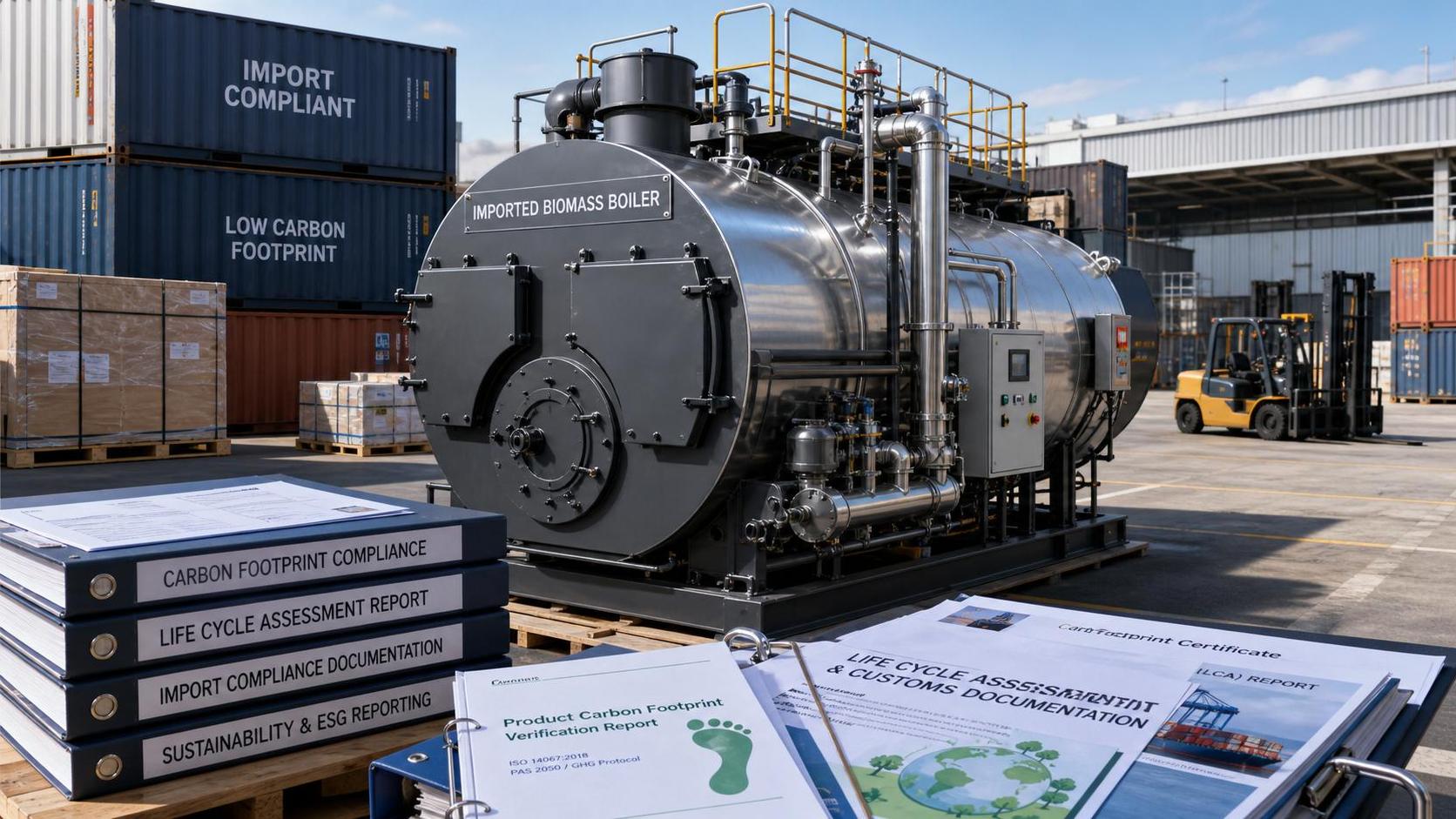
On July 11, 2026, Vietnam’s Ministry of Industry and Trade (MOIT) issued Circular 12/2026/TT-BCT, setting new compliance steps for imported biomass boilers from August 15, 2026. The rule brings two immediate requirements into focus: a Vietnamese-language energy efficiency label on the equipment itself and online filing of operating data with the Vietnam Energy Efficiency Center (VEEC). For importers, equipment suppliers, project delivery teams, and end users preparing installation in Vietnam, the point of attention is practical rather than symbolic: products that are not filed will not pass installation acceptance.
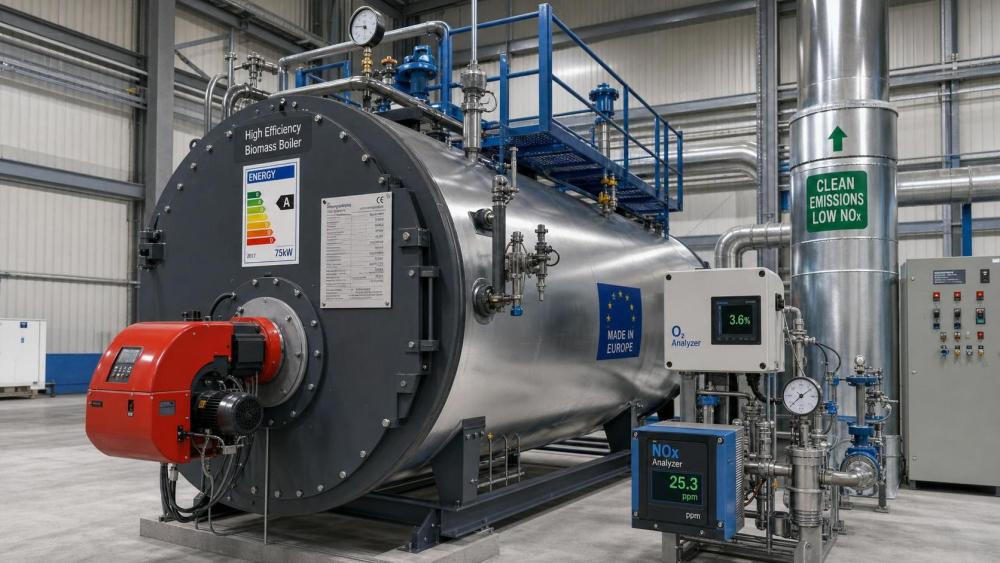
What the New Requirement Clearly Says
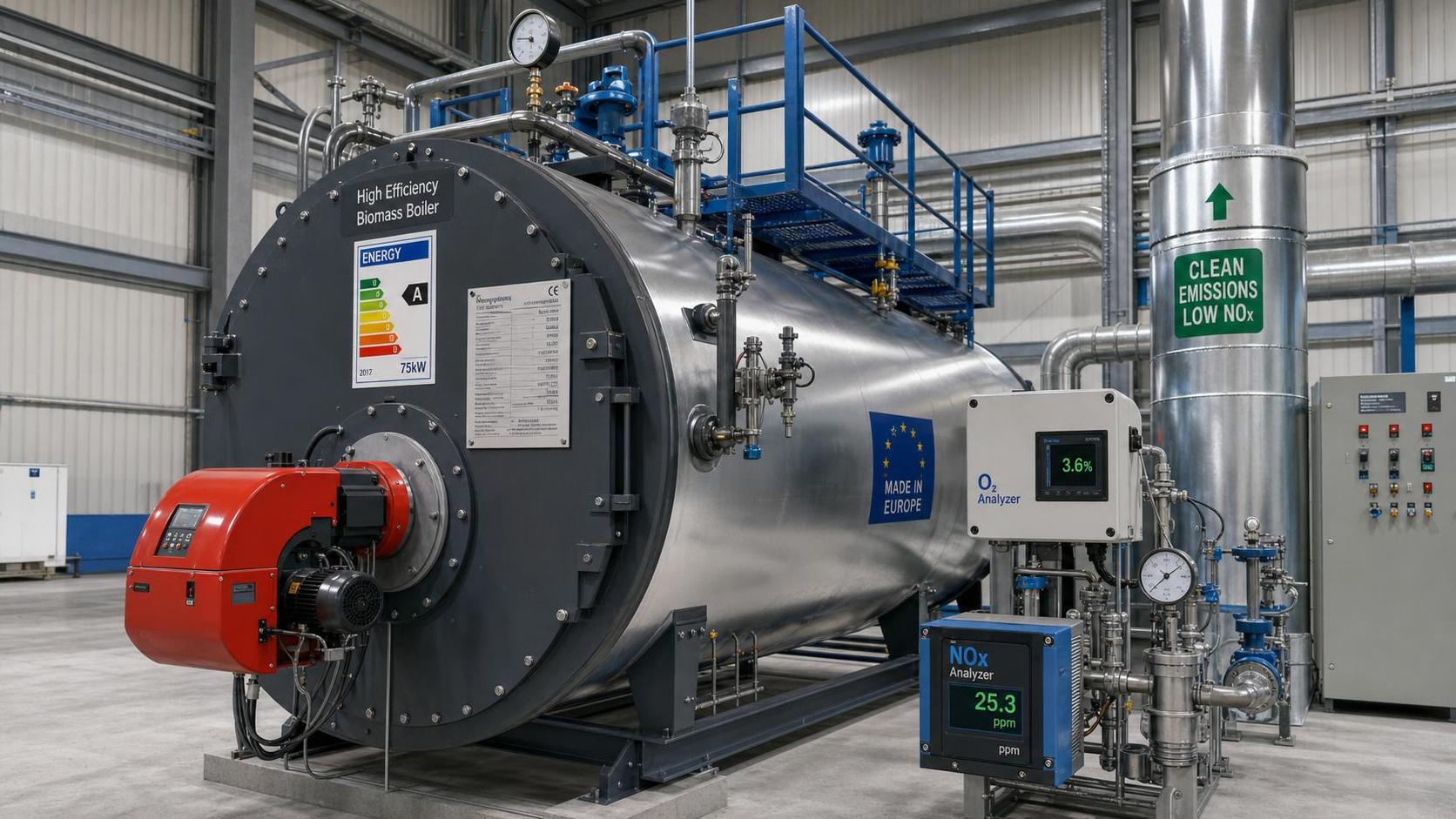
According to the provided information, MOIT released Circular 12/2026/TT-BCT on July 11, 2026. The circular requires that, starting on August 15, 2026, all imported biomass boilers must carry a Vietnamese-language energy efficiency label attached to the physical equipment.
The same rule also requires online filing with VEEC of operating parameters including combustion temperature, flue gas oxygen content, and measured NOx values. The provided information further states that products without this filing will be prohibited from installation acceptance.
Where the Immediate Operational Pressure Falls
Imported equipment supply now faces a documentation-and-labeling checkpoint
From an industry perspective, importers and overseas equipment suppliers are likely to feel the first direct impact because the rule applies specifically to imported biomass boilers. The practical effect is that compliance is no longer limited to customs or commercial paperwork; it also extends to the physical equipment label and to technical operating data submitted online before installation acceptance can proceed.
Project delivery teams must treat filing as part of installation readiness
Companies responsible for project execution, site delivery, or installation coordination may also be affected because the consequence named in the rule is tied to installation acceptance. This means the filing requirement can influence delivery timing, handover preparation, and acceptance scheduling, even when the equipment itself has already arrived.
End users and buyers need closer visibility into supplier preparedness
For end users and procurement teams buying imported biomass boilers for use in Vietnam, the issue is not only product selection but also whether the supplier can support the Vietnamese label and parameter filing process. What deserves closer attention is whether technical data preparation and compliance communication are handled early enough to avoid delays at the acceptance stage.
What Companies Should Watch Now
Separate confirmed legal requirements from internal assumptions
Analysis shows companies should first anchor their actions to the confirmed requirements only: Vietnamese-language energy efficiency labeling on the equipment and online filing of combustion temperature, flue gas oxygen content, and measured NOx values with VEEC. Internal teams should avoid building workflows around assumptions that are not stated in the provided information.
Check whether current product documentation supports the filing process
Observably, the new rule turns operating parameters into a formal filing matter. That makes technical records, test values, and equipment documentation more important in cross-border delivery. Businesses involved in imports or project handover should review whether their current documentation package can support timely filing without waiting until the installation stage.
Review contract timing and handover responsibilities
Because non-filed products will be barred from installation acceptance, commercial and project teams should pay attention to who is responsible for labeling, who prepares the parameter submission, and when those steps must be completed in the delivery sequence. The main issue here is execution clarity, not broad policy interpretation.
Monitor whether further official clarification changes implementation detail
It is more appropriate to understand the current notice as a clear compliance requirement with possible implementation questions still worth tracking. Companies should therefore watch for any further official wording, procedural clarification, or operational guidance related to filing practice and acceptance handling.
Why This Looks Like More Than a Labeling Change
Analysis shows this development should not be read only as a packaging or translation matter. The requirement combines a visible equipment label with the filing of operating and emissions-related parameters, which gives the rule a stronger operational character. In that sense, the immediate signal is compliance at the point of use, not merely product description.
At the same time, it would be premature to overstate the broader market outcome based only on the provided information. What can be said with confidence is that the rule creates a direct link between technical data readiness and installation acceptance for imported biomass boilers in Vietnam.
How This Update Is Best Understood
At this stage, this is best understood as a concrete near-term compliance change with immediate implications for imported biomass boiler projects scheduled around or after August 15, 2026. The industry significance lies in the shift from general product supply toward traceable labeling and filed operating parameters as part of market entry and project completion in Vietnam.
A neutral reading is the most useful one: the rule already sets a clear requirement and a clear consequence for non-filing, while the broader commercial impact still needs continued observation through actual implementation.
Basis of This Article and What Still Needs Verification
This article is based on the user-provided news title, event date, and event summary concerning MOIT Circular 12/2026/TT-BCT and the compliance requirements for imported biomass boilers in Vietnam. For this type of industry update, source categories usually worth checking include official government notices, regulator announcements, corporate compliance notices, industry association updates, authoritative media coverage, and standard or technical documentation.
The specific official source link was not provided in the input, so it still requires ongoing verification against the final published text and any subsequent implementation guidance. Continued attention should focus on whether MOIT or VEEC issues further clarification on filing procedures, acceptance practice, or related compliance wording.
Related News
- IEA Report Flags 37% Rise in Biomass Boiler BudgetsAuthor :Thermal Energy Strategist

- Vietnam Tightens Import Rules for Biomass BoilersAuthor :Thermal Energy Strategist

- SASO Tightens NOx Monitoring Rule for Biomass BoilersAuthor :Thermal Energy Strategist

- Vietnam Halts New Biomass Boiler Import PermitsAuthor :Thermal Energy Strategist

- Industrial Biomass Boilers: Key Cost Factors for Heating ProjectsAuthor :Thermal Energy Strategist
![]()
- PSA Jurong Island Launch Cuts Biomass Fuel Clearance to 48 HoursAuthor :Thermal Energy Strategist
![]()
- Vietnam Requires CFP for Imported Biomass BoilersAuthor :Thermal Energy Strategist

- EU Monitoring Tightens Biomass Boiler Steel SupplyAuthor :Thermal Energy Strategist

- ASHRAE 189.1-2026 Adds Biomass Carbon ReviewAuthor :Thermal Energy Strategist

- ACWA Power Sets 45% Local Content Rule in Boiler TenderAuthor :Thermal Energy Strategist

- India BIS Draft Targets Biomass Boiler Data LinksAuthor :Thermal Energy Strategist

- EU REACH SVHC Update Restricts TCEP in Biomass EquipmentAuthor :Thermal Energy Strategist

- China Customs Adds HS Code Rule for Biomass Boiler ExportsAuthor :Thermal Energy Strategist

- China Adds Carbon Traceability Rule for Biomass Boiler ExportsAuthor :Thermal Energy Strategist

- Sugar Import Quota Notice Raises Biomass Fuel Cost FocusAuthor :Thermal Energy Strategist
![]()
- Urea Drops to $577/Ton, Easing Biomass Boiler CostsAuthor :Thermal Energy Strategist

- Urea Falls to $577/Ton, Easing Biomass Boiler Cost PressureAuthor :Thermal Energy Strategist

- Carbon Neutrality Pressures on Biomass Energy ROIAuthor :Thermal Energy Strategist

- Japan's Crude Imports Plunge 64% in April, Boosting Biomass & Chiller AdoptionAuthor :Thermal Energy Strategist

- Indonesia Tightens Thermal Coal Exports, Boosts Biomass & Industrial Chiller DemandAuthor :Thermal Energy Strategist

- Clean Energy Technology Gains That Make Biomass Worth RevisitingAuthor :Thermal Energy Strategist

- Clean Energy Technology Trends Changing Biomass Energy Project ReturnsAuthor :Thermal Energy Strategist

- Carbon Neutrality Pressures on Biomass Energy ProjectsAuthor :Thermal Energy Strategist

- Biomass Energy Cold-Heat Supply System Named in China’s Top 7 Future IndustriesAuthor :Thermal Energy Strategist

- Carbon Neutrality Pressure and Biomass Energy Project PaybackAuthor :Thermal Energy Strategist

- NEOM Green Infrastructure Certification Expands to Biomass CHP SystemsAuthor :Thermal Energy Strategist

- Saudi SASO Mandates NGIC Certification for Biomass CHP SystemsAuthor :Thermal Energy Strategist

- Clean Energy Technology Trends Changing Biomass Energy ProjectsAuthor :Thermal Energy Strategist

- Saudi SASO Mandates NEOM Green Infrastructure Certification for Biomass CHP SystemsAuthor :Thermal Energy Strategist

- Middle East Bans R134a Imports; Biomass CHP Gains TractionAuthor :Thermal Energy Strategist

- Clean Energy Technology and Biomass Energy: What Changes in 2026Author :Thermal Energy Strategist

- Middle East Bans R134a Equipment Imports; Biomass CCHP Gains TractionAuthor :Thermal Energy Strategist

- Canton Fair Phase II: Biomass Boiler Orders Surge 112% from SEAAuthor :Thermal Energy Strategist

- Carbon Neutrality and Biomass Energy: Where the Business Case Is StrongestAuthor :Thermal Energy Strategist

- Industrial Heat Recovery Ideas That Cut Fuel Use in Daily OperationsAuthor :Thermal Energy Strategist