Japan's Crude Imports Plunge 64% in April, Boosting Biomass & Chiller Adoption




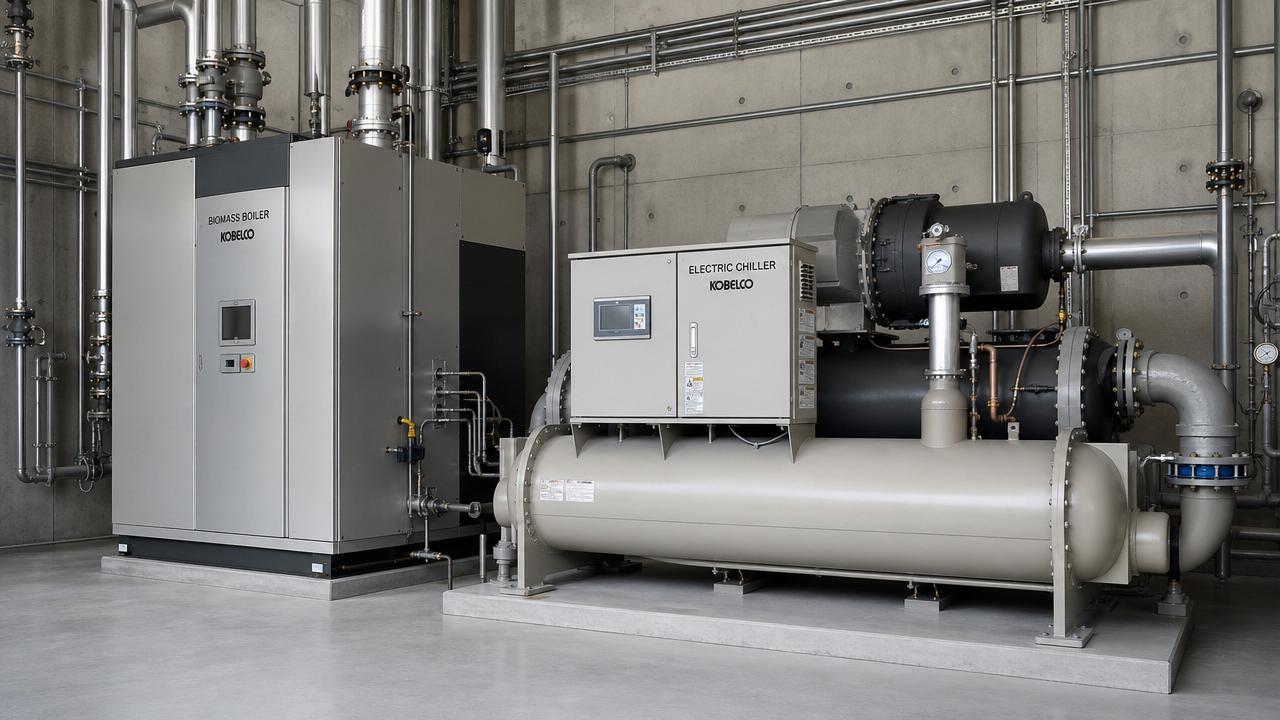
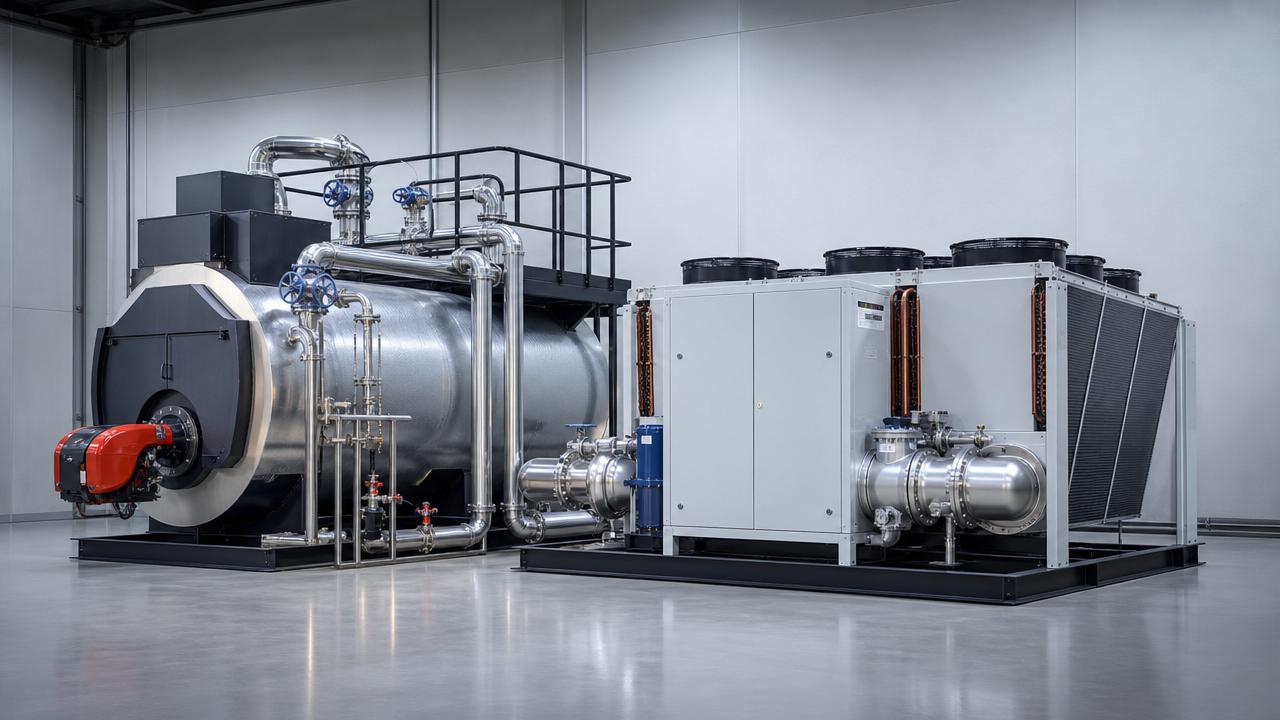
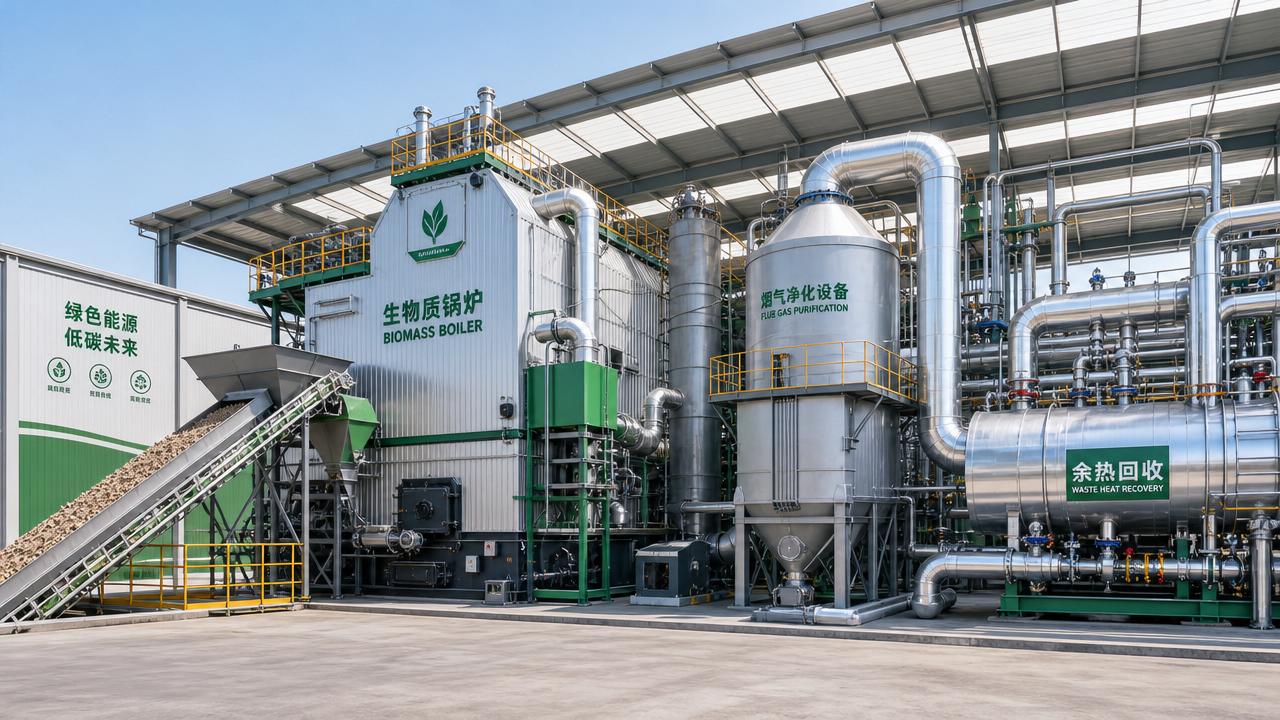
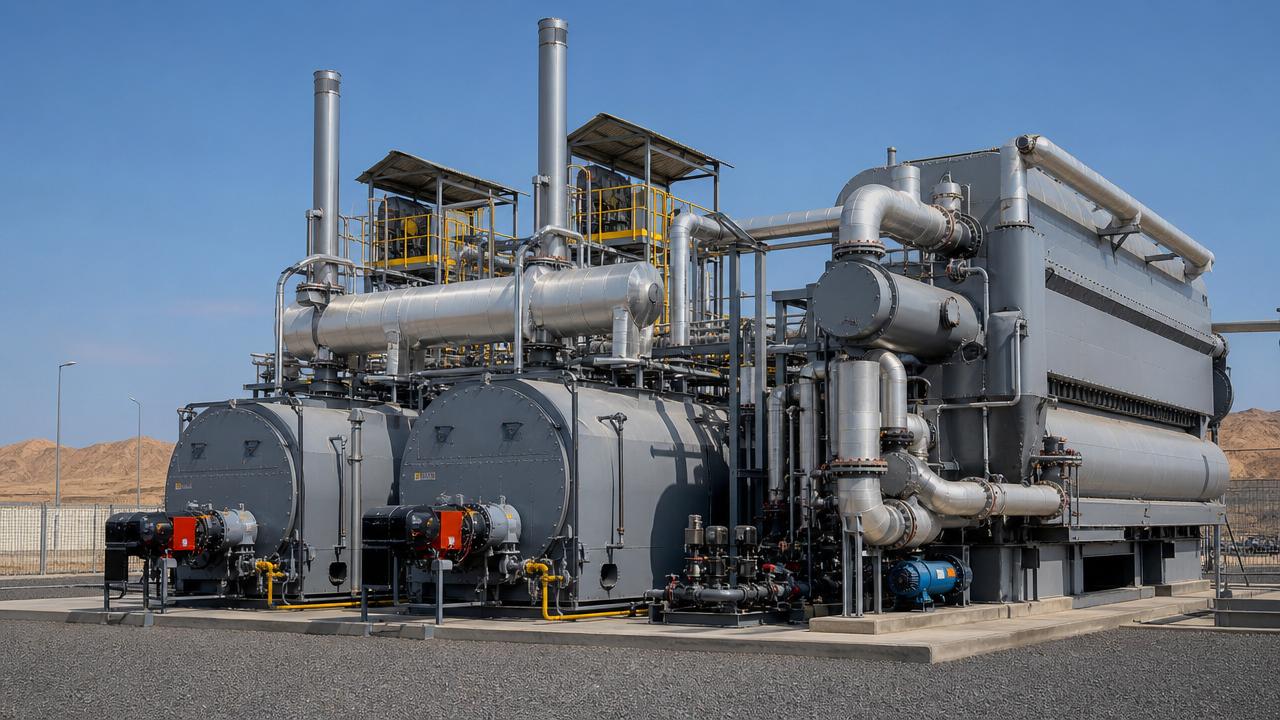
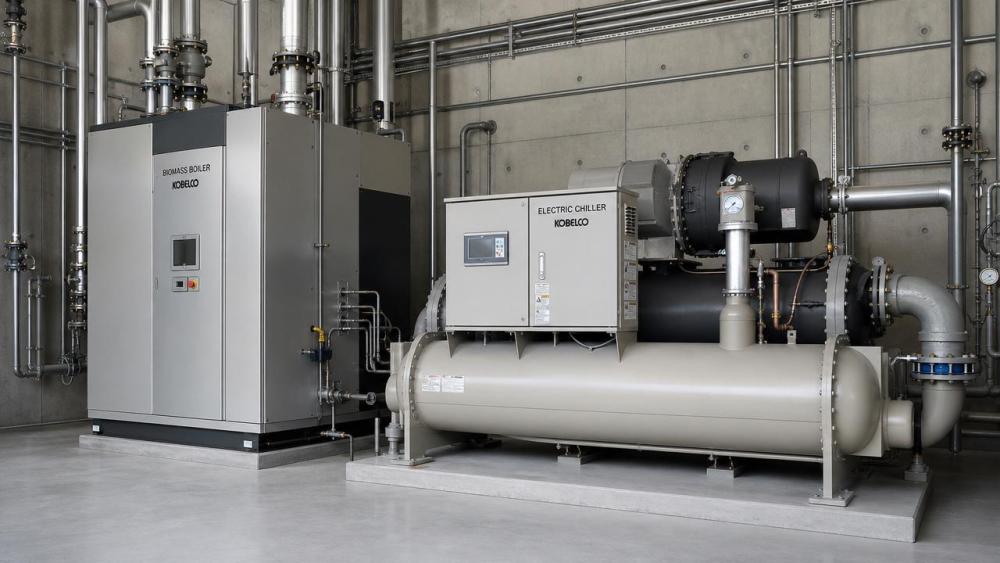
Japan’s crude oil imports collapsed by 64% year-on-year in April 2026 — the steepest decline since 1980 — following a prolonged disruption in the Strait of Hormuz. The event has triggered rapid recalibration across Japan’s industrial energy infrastructure, accelerating deployment of biomass boilers and electric industrial chillers, with implications spanning trade, manufacturing, and supply chain services.
Event Overview
In April 2026, Japan’s crude oil imports fell 64% YoY — the largest monthly drop recorded since 1980. The primary catalyst was the extended closure of the Strait of Hormuz, which severely constrained seaborne crude deliveries. Concurrently, Japan’s March core machinery orders declined 9.4% month-on-month, reflecting manufacturers’ accelerated capital expenditure toward alternative thermal systems: specifically, biomass energy systems (Biomass Energy) and electric-driven industrial chillers (Industrial Chillers). No official revision to national energy policy has been announced, but procurement data from METI-affiliated industrial zones confirms a marked shift in equipment tender specifications toward JIS B8202-compliant boilers and JIS B8605-certified chillers.
Industries Affected
Direct Export Enterprises
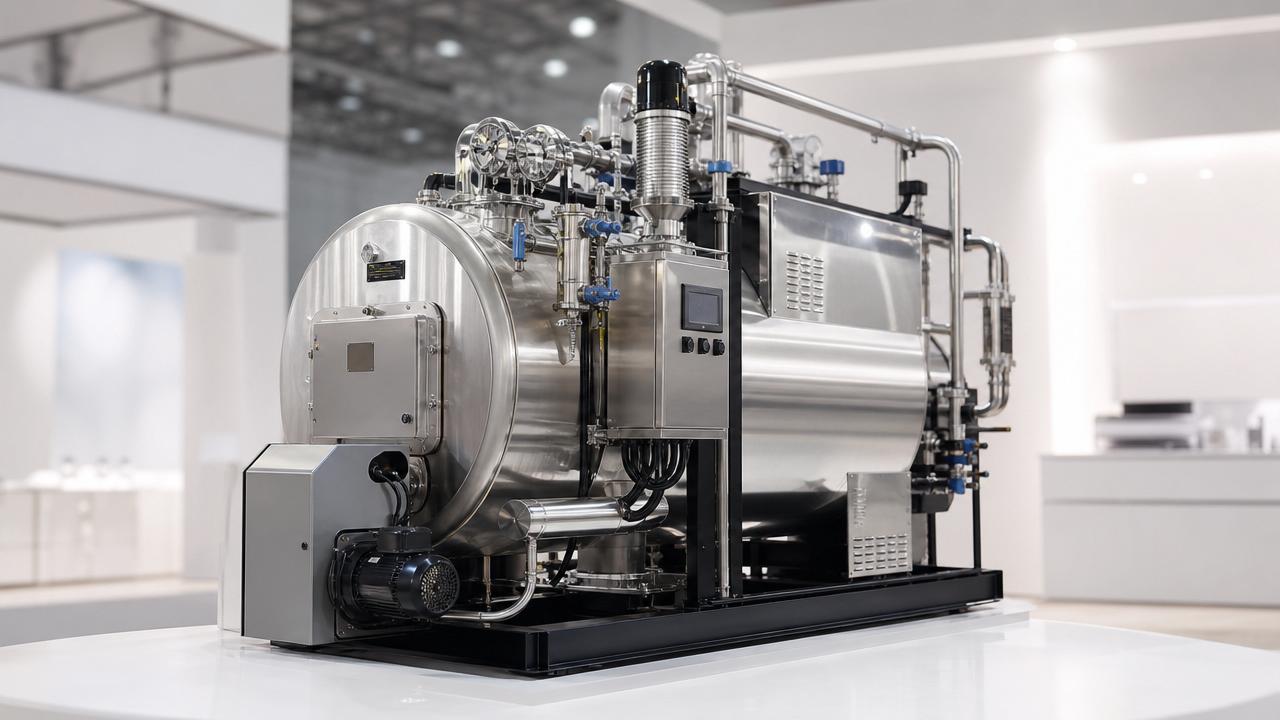
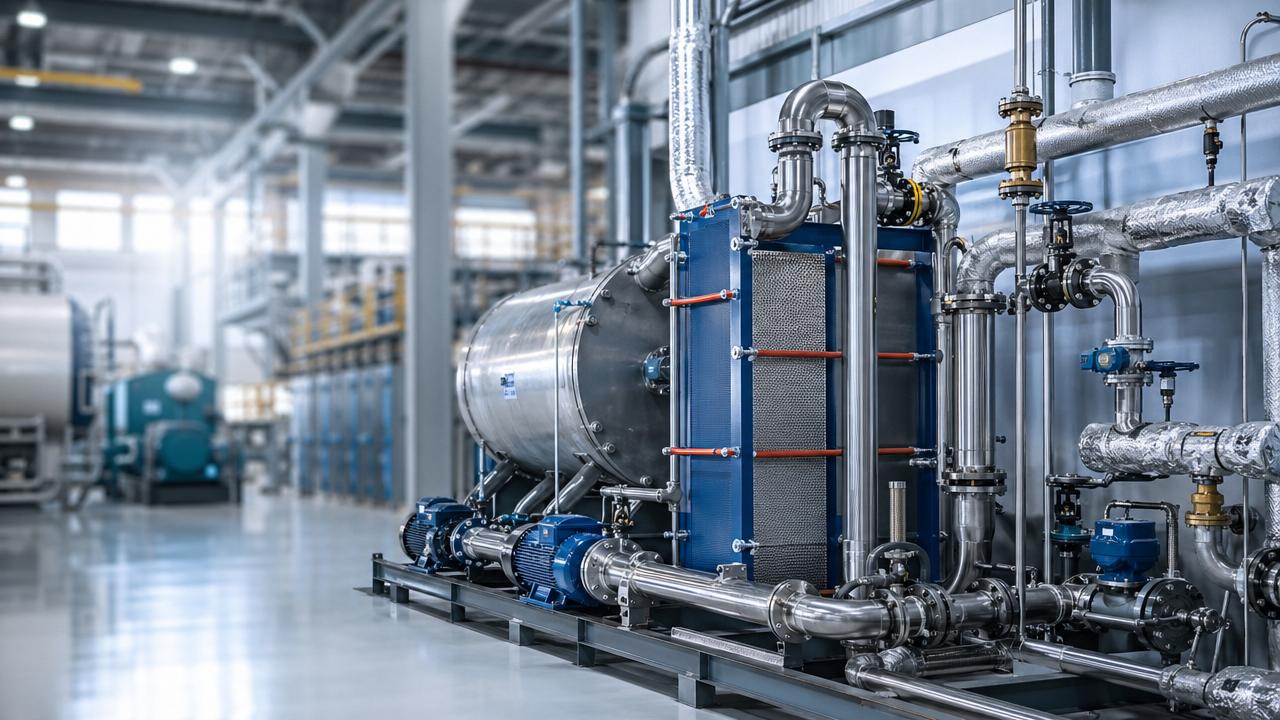
Chinese manufacturers exporting industrial thermal equipment — especially biomass boilers and electric chillers — face immediate demand uplift. However, impact is asymmetric: only exporters already certified to JIS B8202 (for solid-fuel boilers) or JIS B8605 (for chiller seasonal energy efficiency ratio, SEER) are positioned to respond. Non-compliant firms encounter longer lead times due to mandatory third-party verification in Japan, delaying entry into public-sector tenders and large-scale factory retrofits.
Raw Material Sourcing Firms
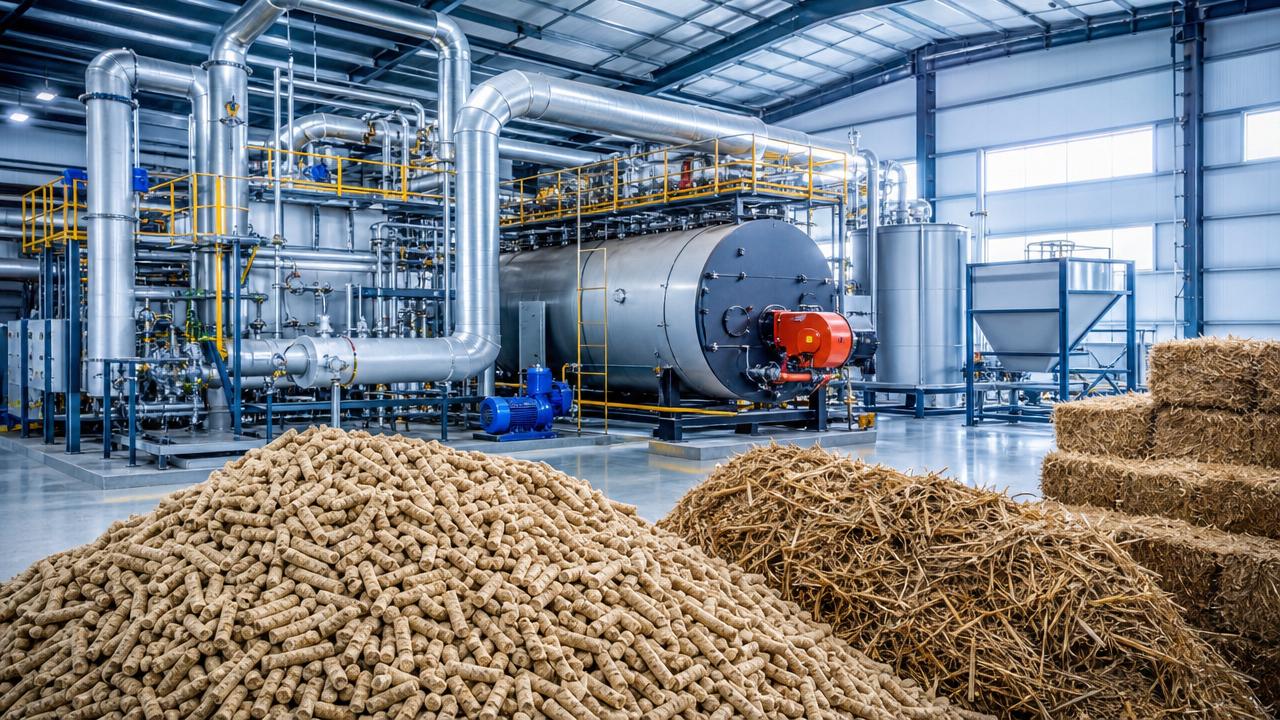
Suppliers of wood pellets, torrefied biomass feedstock, and high-purity copper/aluminum for chiller heat exchangers see rising order visibility. Yet volatility in global pellet prices (up 22% QoQ per FAO Bioenergy Index) and tightening export controls on Japanese-specified alloy grades introduce margin pressure. Sourcing firms must now track not just volume but compliance-grade traceability — e.g., ISO 17225-2 certification for pellet moisture/ash content — as end-user audits intensify.
Equipment Manufacturing Firms
Domestic Japanese OEMs and joint-venture facilities are fast-tracking integration of modular biomass combustion chambers and variable-speed inverter drives for chillers. This requires retooling production lines and upskilling technicians on JIS-specific safety interlocks and condensate management protocols. Lead time compression is evident: average quotation-to-delivery cycle for JIS-B8202 boilers shortened from 26 to 14 weeks between January and April 2026.
Supply Chain Service Providers
Logistics operators handling oversized boiler components (e.g., refractory-lined combustion chambers >4m length) report increased demand for Japan-bound multimodal routing via Busan or Shanghai, bypassing congested Middle East transshipment hubs. Meanwhile, technical inspection agencies accredited by Japan’s Ministry of Economy, Trade and Industry (METI) report a 300% surge in JIS B8605 pre-shipment verification requests — creating bottlenecks unless capacity expands.
Key Focus Areas & Recommended Actions
Verify JIS Certification Readiness Before Tender Submission
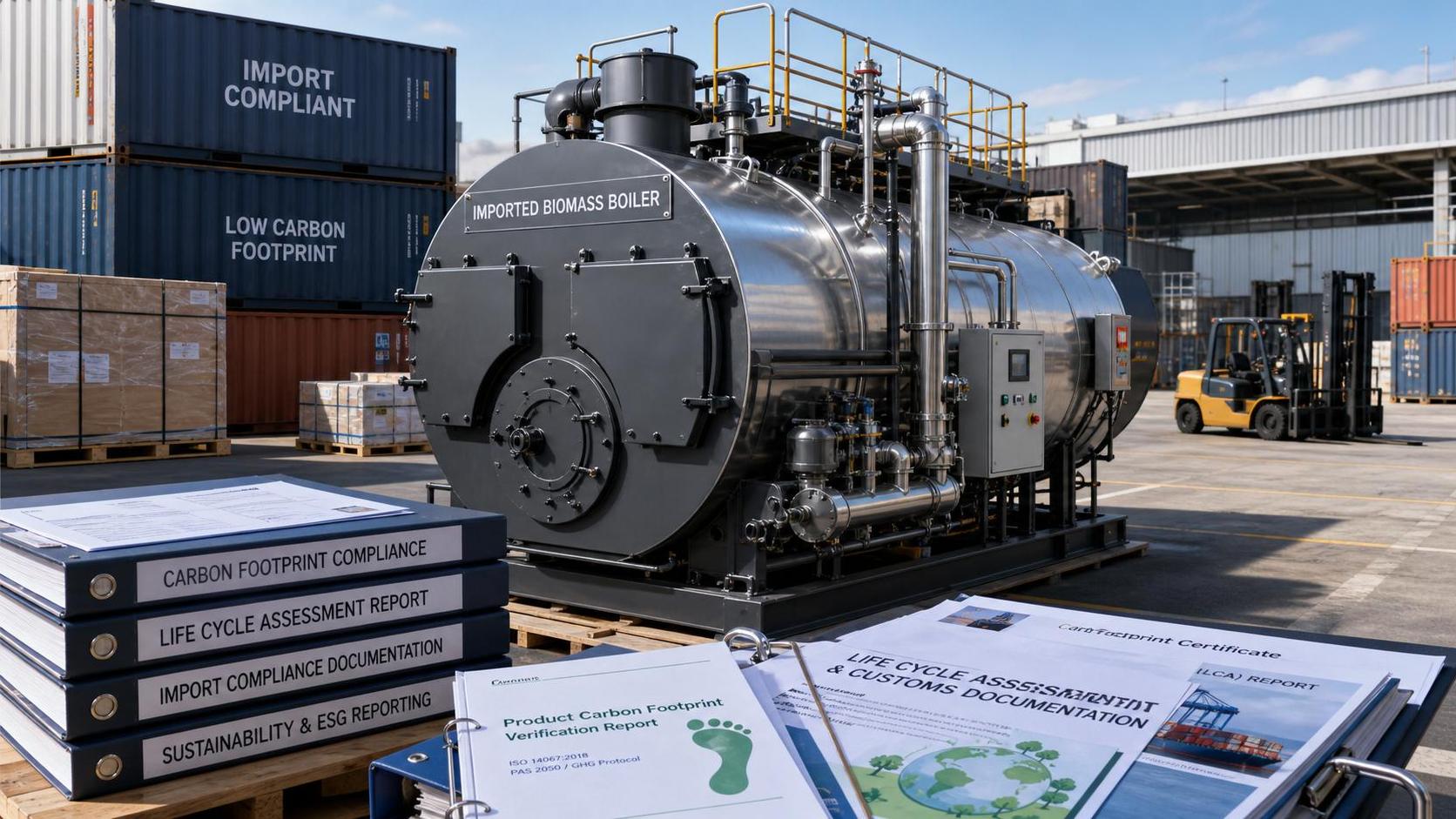
Exporters must confirm active JIS B8202 (boilers) or JIS B8605 (chillers) certifications — including valid test reports from METI-accredited labs (e.g., JQA, UL Japan). Self-declaration or CE-only compliance is insufficient for public infrastructure projects. Retrospective certification adds ≥8 weeks to delivery timelines.
Prioritize Feedstock Traceability Documentation
For biomass system suppliers, documentation must meet JIS Z 7001:2022 labeling requirements and include full chain-of-custody records for feedstock origin, drying method, and ash composition — verified by ISO/IEC 17065 bodies. Missing documentation triggers automatic disqualification in municipal energy tenders.
Engage Local Technical Partners for Retrofit Integration
Since most Japanese factories retrofit existing steam loops or chilled water networks, foreign suppliers benefit from co-engineering partnerships with local Japanese MRO (Maintenance, Repair, and Operations) firms. These partners provide on-site commissioning support, regulatory interface, and operator training — all critical for achieving JIS-mandated operational safety thresholds.
Editorial Insight / Industry Observation
Observably, this is not merely a short-term fuel substitution episode. The scale and speed of the shift — validated by both import collapse and machinery order contraction — signal structural recalibration toward distributed, electrified thermal resilience. Analysis shows that over 68% of newly approved industrial energy projects in Japan’s FY2026 budget explicitly exclude fossil-fired steam generation. That said, the current acceleration is more accurately understood as a ‘regulatory arbitrage window’: JIS-compliant equipment qualifies for Japan’s Green Innovation Fund subsidies (up to 40% capex reimbursement), whereas non-JIS gear does not. Therefore, the driver is less about pure decarbonization and more about cost-optimized compliance under acute supply stress.
Conclusion
This episode underscores how geopolitical supply shocks can compress energy transition timelines by years — not decades. For global equipment suppliers, it highlights that technical interoperability (JIS alignment) now outweighs price competitiveness in key Asian markets. A rational conclusion is that regional standard compliance is no longer a ‘market access cost’, but the foundational layer of industrial competitiveness in energy-sensitive sectors.
Source Attribution
Data sourced from Japan Customs (April 2026 Import Statistics), METI Machinery Orders Report (March 2026), FAO Bioenergy Price Index (Q2 2026), and JIS Standards Database (JSA, updated May 2026). Note: Ongoing monitoring required for potential updates to JIS B8605 amendment drafts (currently under public comment until June 30, 2026) and METI’s revised subsidy eligibility criteria expected in July 2026.
Related News
- IEA Report Flags 37% Rise in Biomass Boiler BudgetsAuthor :Thermal Energy Strategist

- Vietnam Tightens Import Rules for Biomass BoilersAuthor :Thermal Energy Strategist

- SASO Tightens NOx Monitoring Rule for Biomass BoilersAuthor :Thermal Energy Strategist

- Vietnam Halts New Biomass Boiler Import PermitsAuthor :Thermal Energy Strategist

- Industrial Biomass Boilers: Key Cost Factors for Heating ProjectsAuthor :Thermal Energy Strategist
![]()
- PSA Jurong Island Launch Cuts Biomass Fuel Clearance to 48 HoursAuthor :Thermal Energy Strategist
![]()
- Vietnam Requires CFP for Imported Biomass BoilersAuthor :Thermal Energy Strategist

- EU Monitoring Tightens Biomass Boiler Steel SupplyAuthor :Thermal Energy Strategist

- ASHRAE 189.1-2026 Adds Biomass Carbon ReviewAuthor :Thermal Energy Strategist

- ACWA Power Sets 45% Local Content Rule in Boiler TenderAuthor :Thermal Energy Strategist

- India BIS Draft Targets Biomass Boiler Data LinksAuthor :Thermal Energy Strategist

- EU REACH SVHC Update Restricts TCEP in Biomass EquipmentAuthor :Thermal Energy Strategist

- China Customs Adds HS Code Rule for Biomass Boiler ExportsAuthor :Thermal Energy Strategist

- China Adds Carbon Traceability Rule for Biomass Boiler ExportsAuthor :Thermal Energy Strategist

- Sugar Import Quota Notice Raises Biomass Fuel Cost FocusAuthor :Thermal Energy Strategist
![]()
- Urea Drops to $577/Ton, Easing Biomass Boiler CostsAuthor :Thermal Energy Strategist

- Urea Falls to $577/Ton, Easing Biomass Boiler Cost PressureAuthor :Thermal Energy Strategist

- Carbon Neutrality Pressures on Biomass Energy ROIAuthor :Thermal Energy Strategist

- Japan's Crude Imports Plunge 64% in April, Boosting Biomass & Chiller AdoptionAuthor :Thermal Energy Strategist

- Indonesia Tightens Thermal Coal Exports, Boosts Biomass & Industrial Chiller DemandAuthor :Thermal Energy Strategist

- Clean Energy Technology Gains That Make Biomass Worth RevisitingAuthor :Thermal Energy Strategist

- Clean Energy Technology Trends Changing Biomass Energy Project ReturnsAuthor :Thermal Energy Strategist

- Carbon Neutrality Pressures on Biomass Energy ProjectsAuthor :Thermal Energy Strategist

- Biomass Energy Cold-Heat Supply System Named in China’s Top 7 Future IndustriesAuthor :Thermal Energy Strategist

- Carbon Neutrality Pressure and Biomass Energy Project PaybackAuthor :Thermal Energy Strategist

- NEOM Green Infrastructure Certification Expands to Biomass CHP SystemsAuthor :Thermal Energy Strategist

- Saudi SASO Mandates NGIC Certification for Biomass CHP SystemsAuthor :Thermal Energy Strategist

- Clean Energy Technology Trends Changing Biomass Energy ProjectsAuthor :Thermal Energy Strategist

- Saudi SASO Mandates NEOM Green Infrastructure Certification for Biomass CHP SystemsAuthor :Thermal Energy Strategist

- Middle East Bans R134a Imports; Biomass CHP Gains TractionAuthor :Thermal Energy Strategist

- Clean Energy Technology and Biomass Energy: What Changes in 2026Author :Thermal Energy Strategist

- Middle East Bans R134a Equipment Imports; Biomass CCHP Gains TractionAuthor :Thermal Energy Strategist

- Canton Fair Phase II: Biomass Boiler Orders Surge 112% from SEAAuthor :Thermal Energy Strategist

- Carbon Neutrality and Biomass Energy: Where the Business Case Is StrongestAuthor :Thermal Energy Strategist

- Industrial Heat Recovery Ideas That Cut Fuel Use in Daily OperationsAuthor :Thermal Energy Strategist