Clean Energy Technology and Biomass Energy: What Changes in 2026




In 2026, clean energy technology and biomass energy are moving from policy discussion to operational reality. Across industry, energy decisions now affect cost, uptime, emissions, heat quality, and channel growth at the same time.
For businesses tracking thermal systems, compressed air, heat exchange, and power efficiency, the shift is especially important. Clean energy technology now shapes equipment demand, retrofit timing, service models, and long-term competitive positioning.
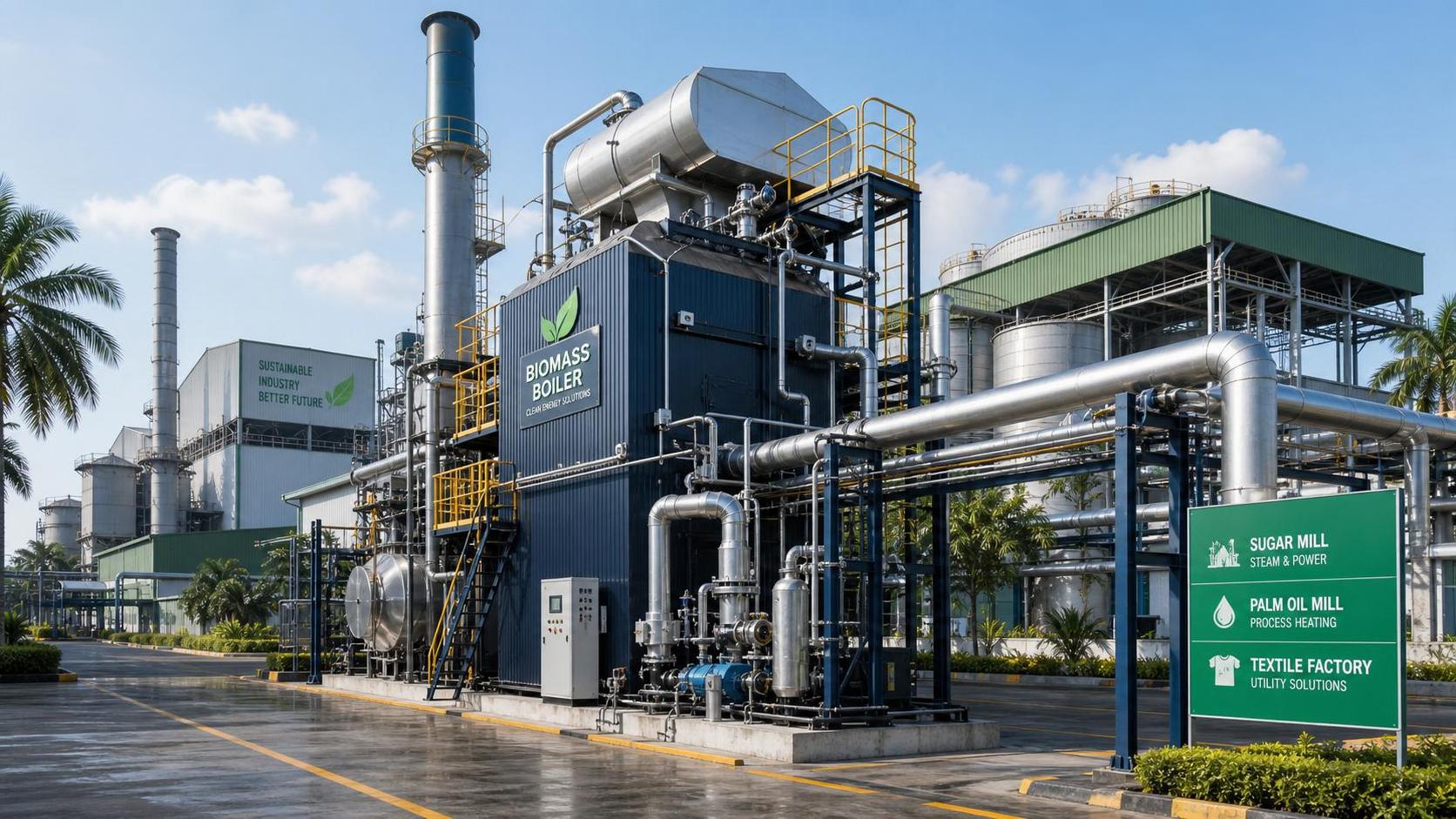
Biomass energy is part of that change. It is no longer viewed only as a rural fuel. In 2026, it increasingly supports steam generation, process heat, combined heat and power, and decarbonization pathways for energy-intensive sites.
This guide explains what is changing, what should be checked first, and how to align decisions with real industrial demand. The focus is practical, market-aware, and relevant to the wider energy and thermal value chain.
Why clean energy technology needs a sharper review in 2026
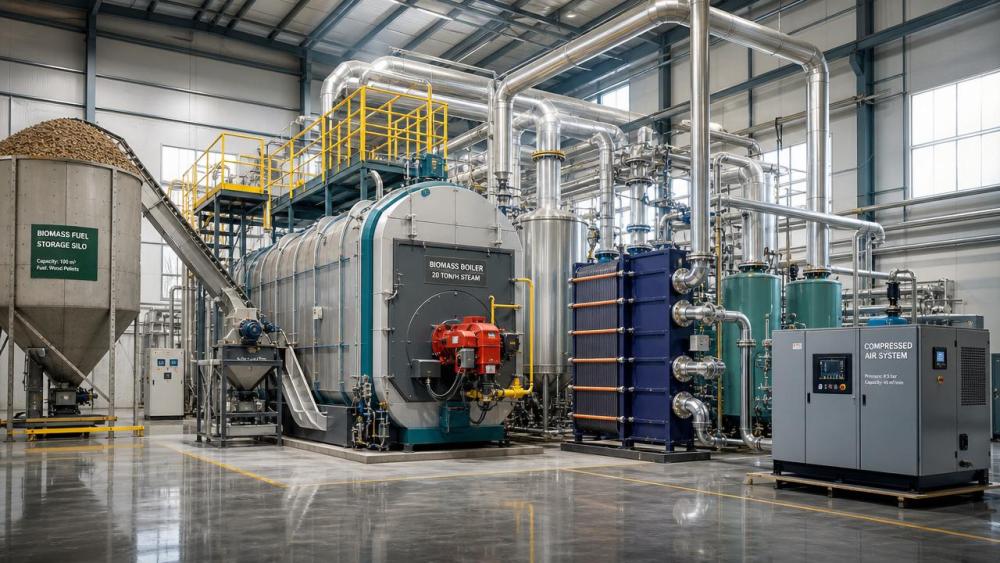
The biggest change in 2026 is integration. Clean energy technology is no longer judged as a stand-alone power option. It is evaluated as part of heat recovery, compression efficiency, process stability, and carbon reporting.
Industrial users increasingly compare biomass energy with electrification, waste heat reuse, low-NOx combustion, thermal storage, and hybrid boiler systems. That means commercial success depends on system fit, not single-product claims.
Another change is policy maturity. Carbon disclosure, fuel traceability, refrigerant rules, and grid volatility are pushing more careful investment screening. Clean energy technology choices now require technical and financial evidence together.
At the same time, the market is rewarding flexible solutions. Platforms such as GTC-Matrix track how thermodynamic performance, compressed air loads, and heat exchange efficiency influence the real value of cleaner energy adoption.
Key checkpoints for evaluating clean energy technology and biomass energy
Use the following checkpoints before expanding a portfolio, supporting a retrofit, or assessing regional opportunities in clean energy technology.
- Verify whether the site needs electricity, low-temperature heat, high-pressure steam, or combined output, because clean energy technology performs differently across thermal and power applications.
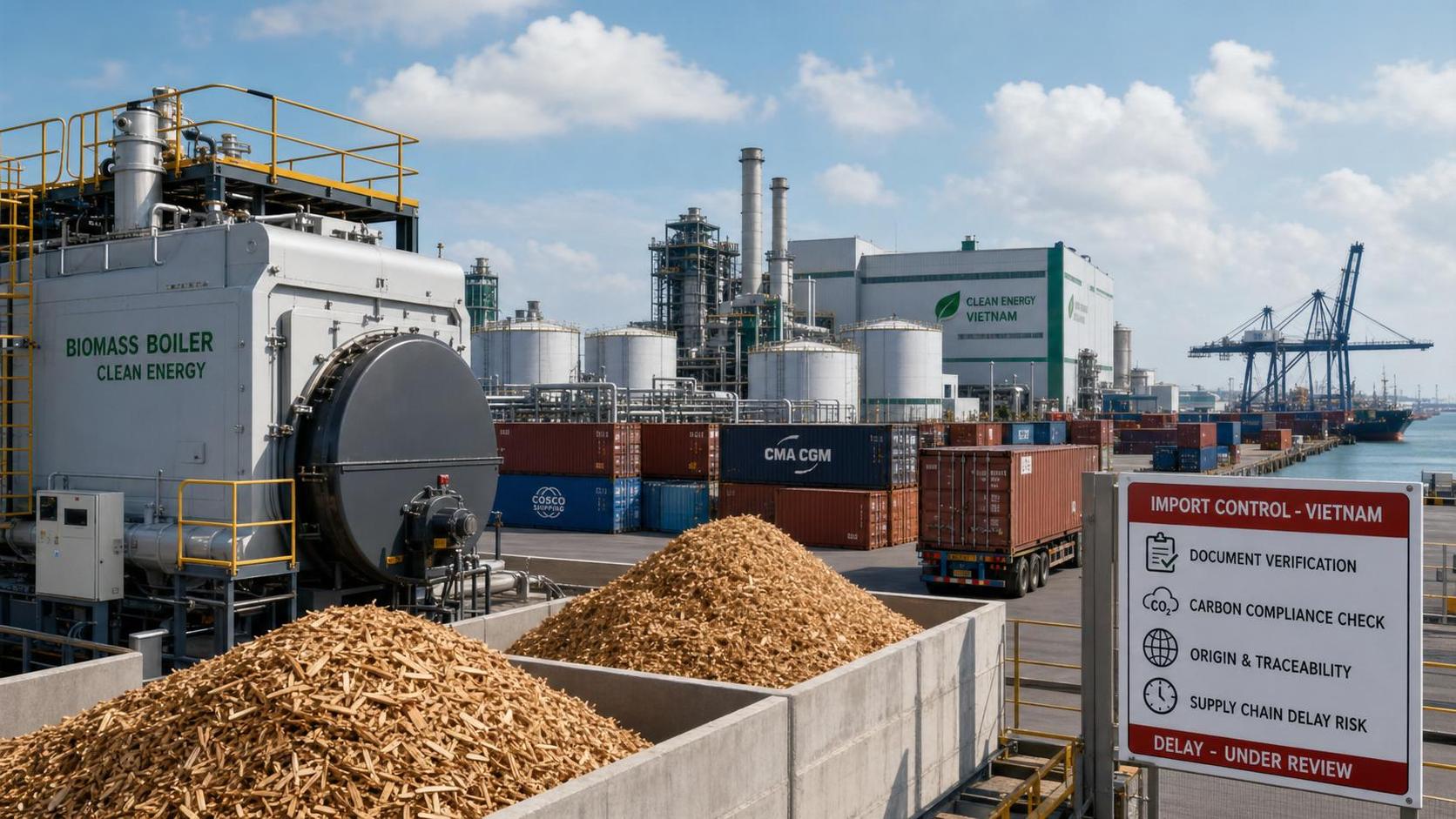
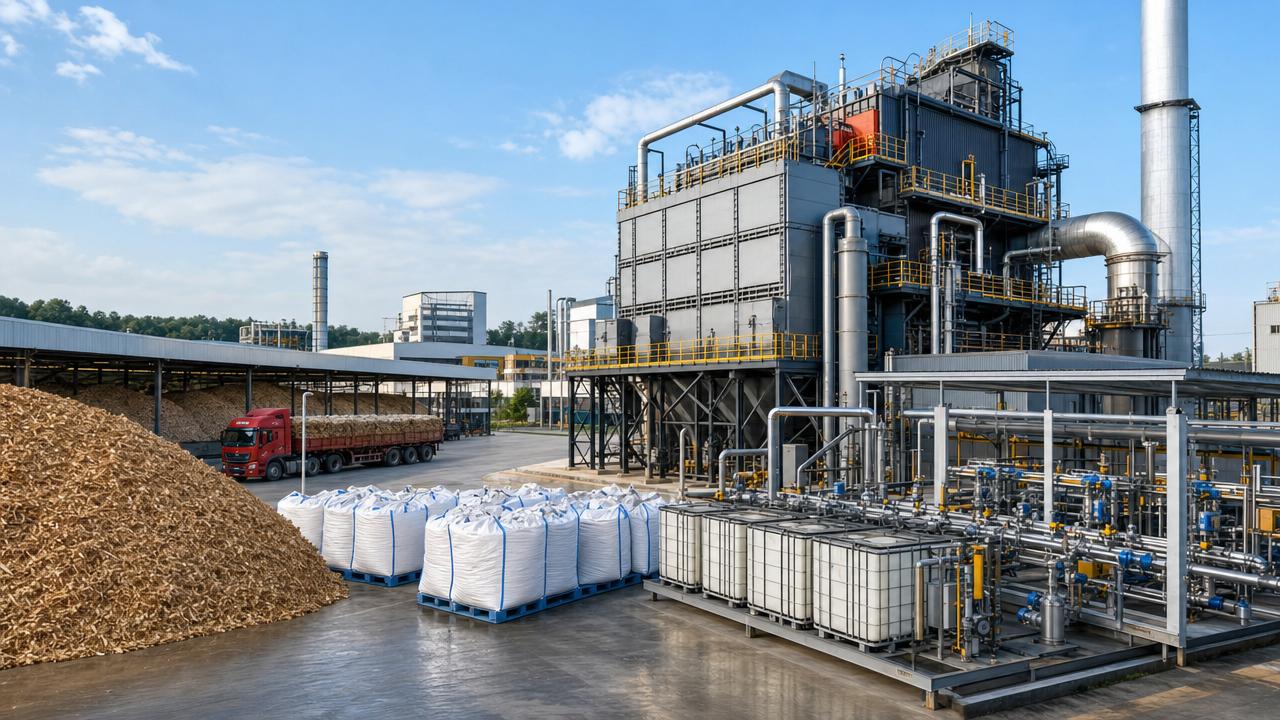
- Check local biomass feedstock availability, moisture consistency, transport radius, and seasonal reliability, since biomass energy economics can weaken quickly when supply logistics become unstable.
- Review existing boilers, compressors, dryers, heat exchangers, and control systems to confirm whether clean energy technology can integrate without causing process imbalance or downtime.
- Measure total energy efficiency, not nameplate efficiency alone, including heat losses, standby consumption, parasitic loads, and the impact on compressed air and cooling demand.
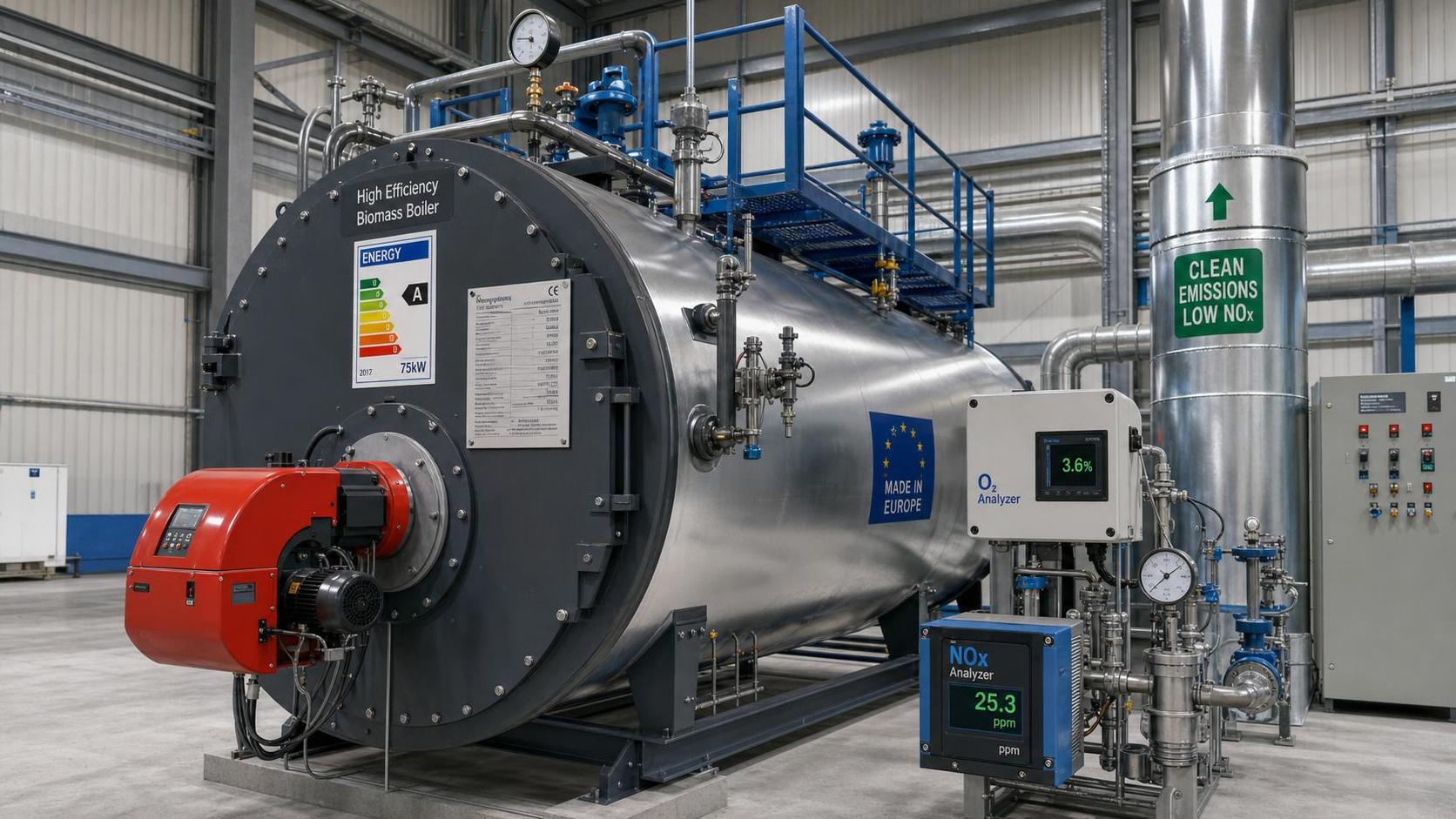
- Confirm emissions compliance early, especially for particulates, NOx, ash handling, and fuel sustainability documentation, because regulatory delays often undermine otherwise promising biomass energy projects.
- Assess water use, condensate quality, corrosion risks, and fouling behavior, since thermal reliability often determines whether clean energy technology delivers stable long-term value.
- Model the business case using fuel price scenarios, carbon cost exposure, maintenance intervals, and asset life, rather than relying only on short-term payback assumptions.
- Check whether digital monitoring is available for fuel quality, heat output, compressor efficiency, and exchanger performance, because data visibility improves operational confidence and service opportunities.
- Identify whether hybrid architecture is better than full replacement, as many 2026 projects combine biomass energy with heat pumps, gas backup, or waste heat recovery.
- Evaluate service readiness, spare parts access, combustion expertise, and commissioning support, since clean energy technology adoption often fails when local technical ecosystems are too weak.
What changes in 2026 for biomass energy and thermal systems
1. Biomass energy is becoming more application-specific
In 2026, biomass energy is less likely to be sold as a universal answer. It is increasingly targeted at sites needing dependable thermal output, especially where electrification alone remains expensive or technically constrained.
This favors process heat sectors with steady load profiles. Steam, hot water, and cogeneration use cases now matter more than broad claims about renewable fuel substitution.
2. Clean energy technology is judged by system efficiency
The market now asks how cleaner power affects the whole thermodynamic chain. If a new fuel source increases fouling, lowers exchanger performance, or complicates compressed air stability, its value falls.
That is why clean energy technology decisions increasingly include thermal mapping, load balancing, and recovery potential. Equipment interaction is now a commercial issue, not only an engineering detail.
3. Carbon value is becoming operational, not symbolic
In 2026, emissions reporting affects financing, supply chain qualification, and customer access. Clean energy technology helps when carbon reductions are measurable, auditable, and tied to real energy performance.
Biomass energy projects now face stronger scrutiny on source certification and lifecycle assumptions. Better documentation often becomes a commercial advantage.
Application notes across different industrial scenarios
Process heating and steam systems
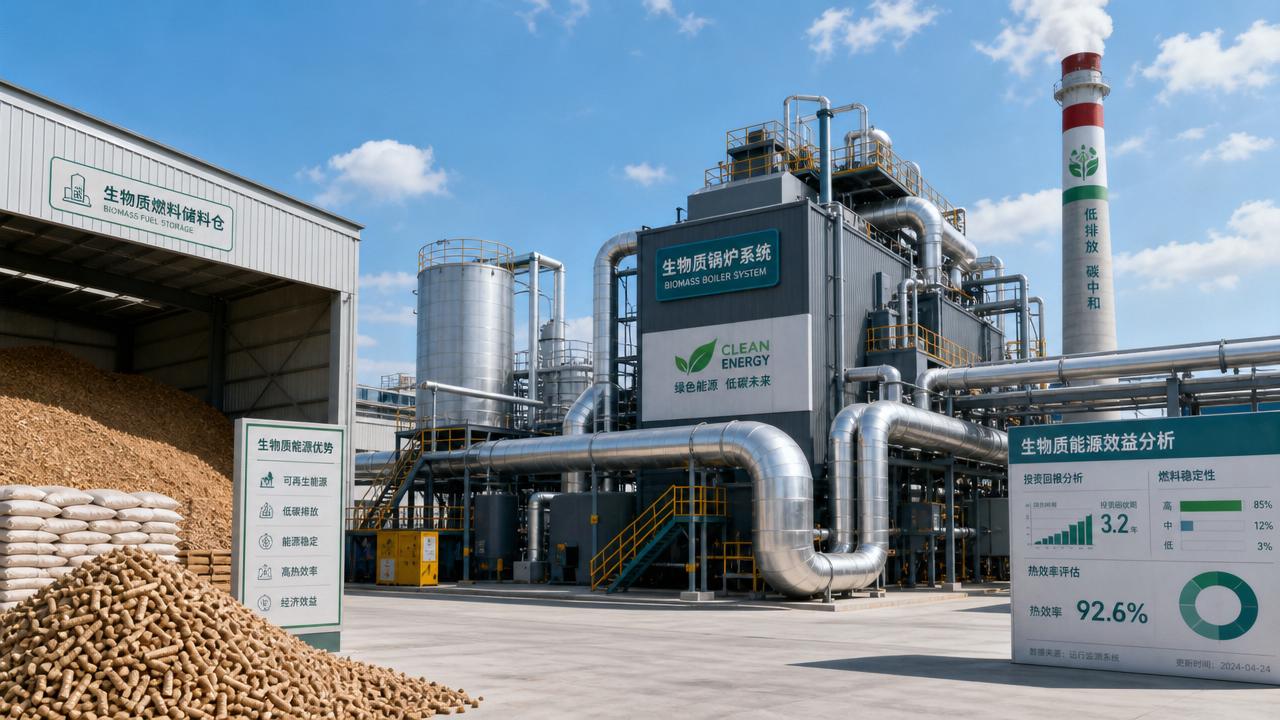
This is one of the strongest areas for biomass energy in 2026. Stable steam demand can support better fuel planning and clearer return calculations.
Check burner compatibility, ash management, water treatment, and exchanger cleaning schedules. Clean energy technology works best here when thermal continuity is protected.
Compressed air and utility optimization
Compressed air systems are rarely the direct target of biomass energy. However, clean energy technology still matters because utility cost structures affect compressor operating strategies and heat recovery economics.
Review whether recovered compressor heat can reduce boiler load. In some facilities, that can improve the economics of broader clean energy technology investments.
Food, pharmaceutical, and sensitive production
These environments require consistency, cleanliness, and traceable utilities. Biomass energy may fit upstream thermal generation, but only if contamination risks and quality controls are tightly managed.
Clean energy technology should be screened for emission control, fuel handling hygiene, backup resilience, and documentation quality before any deployment path is considered credible.
Retrofit-heavy industrial sites
Many 2026 projects are not greenfield builds. They involve older boilers, uneven controls, and fragmented utility infrastructure. That makes retrofit compatibility a central clean energy technology issue.
Focus on phased implementation, hybrid operation, and measurable efficiency gains. Biomass energy may succeed better as part of a staged transition than as an instant replacement.
Commonly overlooked risks
Feedstock quality variation
Biomass energy performance depends heavily on moisture, density, and contamination levels. Poor fuel consistency can reduce combustion stability and increase maintenance frequency.
Hidden balance-of-system costs
Clean energy technology budgets often overlook storage, conveying, filtration, instrumentation, and operator training. These costs can materially change the investment picture.
Underestimating maintenance complexity
Ash disposal, refractory wear, exchanger fouling, and control tuning require planning. Biomass energy is viable, but only when operational discipline matches the thermal design.
Ignoring data transparency
Without monitoring, it is difficult to prove that clean energy technology is delivering expected savings. Data gaps also limit optimization and weaken customer confidence.
Practical execution steps for 2026
- Start with a site energy map covering heat, power, cooling, and compressed air interactions.
- Rank opportunities by technical fit, not by renewable label alone.
- Pilot clean energy technology where demand is steady and performance is measurable.
- Use fuel, emissions, and efficiency dashboards from the beginning.
- Build a hybrid plan that includes backup capacity and maintenance windows.
- Review market intelligence frequently, especially for policy, fuel cost, and thermal technology trends.
FAQ on clean energy technology in 2026
Is biomass energy growing or declining?
It is becoming more selective. Biomass energy is growing in process heat and steam applications where fuel logistics and emissions controls are well managed.
What makes clean energy technology successful in industry?
Success depends on system integration, operating data, compliance readiness, and dependable service support. Stand-alone efficiency claims are no longer enough.
Should companies choose biomass or electrification?
In 2026, the strongest answer is often a hybrid pathway. Clean energy technology choices should match heat grade, grid conditions, and process continuity requirements.
Conclusion and next action
The 2026 shift in clean energy technology is not only about cleaner fuels. It is about better thermodynamic decisions, stronger system integration, and more disciplined operational proof.
Biomass energy can play a valuable role, especially in thermal applications that need reliable heat and carbon improvement. But the best results come from structured evaluation, not broad assumptions.
Use this framework to compare opportunities, identify weak points early, and align energy strategies with measurable industrial performance. In 2026, clean energy technology rewards clarity, data, and execution discipline.
Related News
- IEA Report Flags 37% Rise in Biomass Boiler BudgetsAuthor :Thermal Energy Strategist

- Vietnam Tightens Import Rules for Biomass BoilersAuthor :Thermal Energy Strategist

- SASO Tightens NOx Monitoring Rule for Biomass BoilersAuthor :Thermal Energy Strategist

- Vietnam Halts New Biomass Boiler Import PermitsAuthor :Thermal Energy Strategist

- Industrial Biomass Boilers: Key Cost Factors for Heating ProjectsAuthor :Thermal Energy Strategist
![]()
- PSA Jurong Island Launch Cuts Biomass Fuel Clearance to 48 HoursAuthor :Thermal Energy Strategist
![]()
- Vietnam Requires CFP for Imported Biomass BoilersAuthor :Thermal Energy Strategist

- EU Monitoring Tightens Biomass Boiler Steel SupplyAuthor :Thermal Energy Strategist

- ASHRAE 189.1-2026 Adds Biomass Carbon ReviewAuthor :Thermal Energy Strategist

- ACWA Power Sets 45% Local Content Rule in Boiler TenderAuthor :Thermal Energy Strategist

- India BIS Draft Targets Biomass Boiler Data LinksAuthor :Thermal Energy Strategist

- EU REACH SVHC Update Restricts TCEP in Biomass EquipmentAuthor :Thermal Energy Strategist

- China Customs Adds HS Code Rule for Biomass Boiler ExportsAuthor :Thermal Energy Strategist

- China Adds Carbon Traceability Rule for Biomass Boiler ExportsAuthor :Thermal Energy Strategist

- Sugar Import Quota Notice Raises Biomass Fuel Cost FocusAuthor :Thermal Energy Strategist
![]()
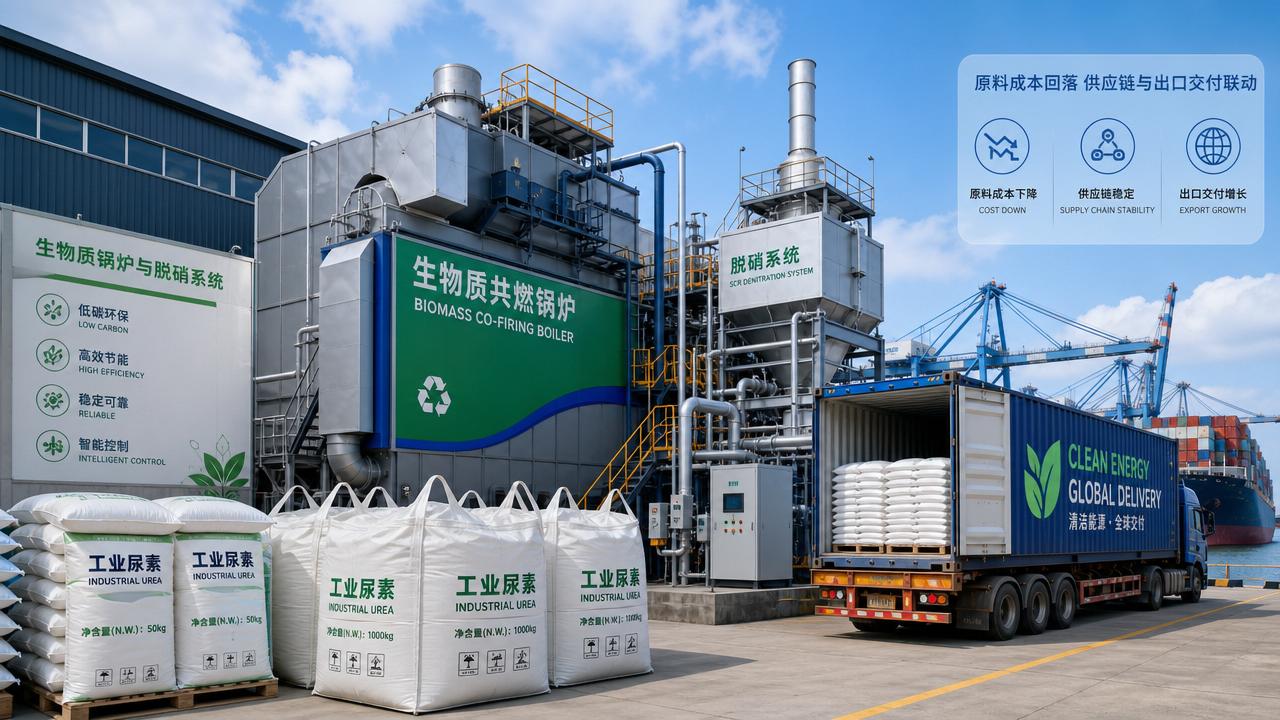
- Urea Drops to $577/Ton, Easing Biomass Boiler CostsAuthor :Thermal Energy Strategist

- Urea Falls to $577/Ton, Easing Biomass Boiler Cost PressureAuthor :Thermal Energy Strategist

- Carbon Neutrality Pressures on Biomass Energy ROIAuthor :Thermal Energy Strategist

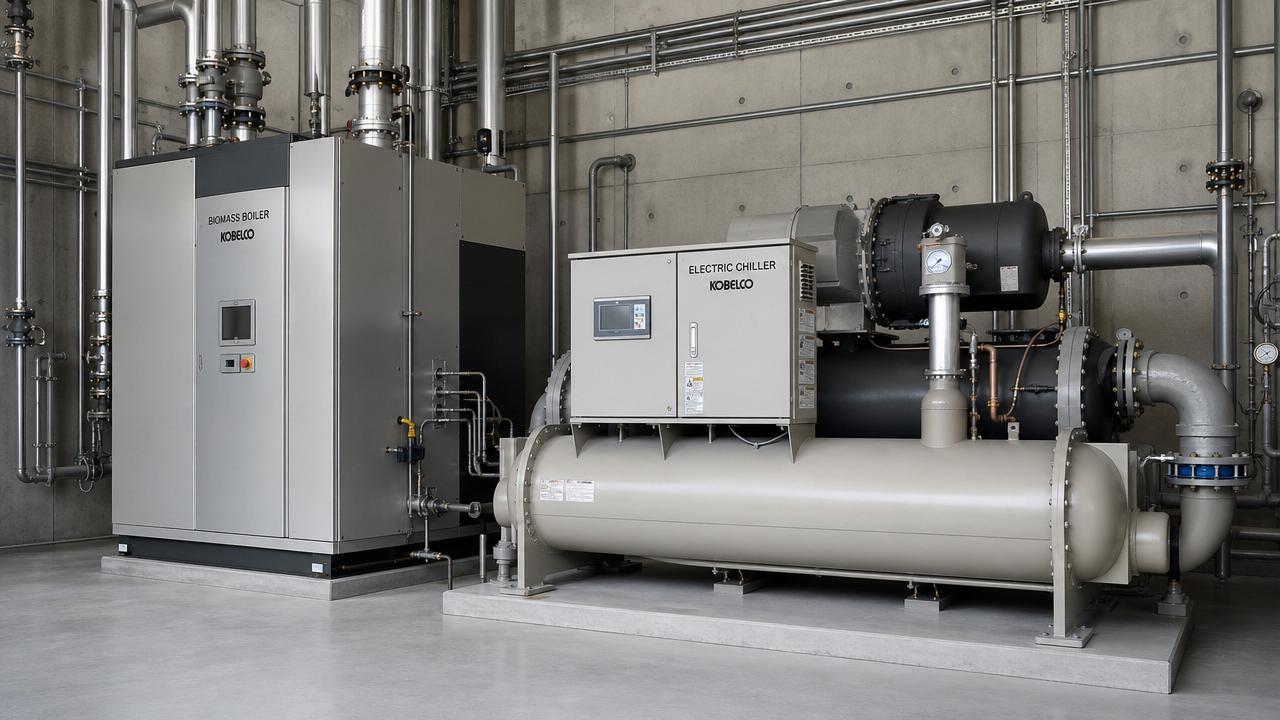
- Japan's Crude Imports Plunge 64% in April, Boosting Biomass & Chiller AdoptionAuthor :Thermal Energy Strategist

- Indonesia Tightens Thermal Coal Exports, Boosts Biomass & Industrial Chiller DemandAuthor :Thermal Energy Strategist

- Clean Energy Technology Gains That Make Biomass Worth RevisitingAuthor :Thermal Energy Strategist

- Clean Energy Technology Trends Changing Biomass Energy Project ReturnsAuthor :Thermal Energy Strategist

- Carbon Neutrality Pressures on Biomass Energy ProjectsAuthor :Thermal Energy Strategist

- Biomass Energy Cold-Heat Supply System Named in China’s Top 7 Future IndustriesAuthor :Thermal Energy Strategist

- Carbon Neutrality Pressure and Biomass Energy Project PaybackAuthor :Thermal Energy Strategist

- NEOM Green Infrastructure Certification Expands to Biomass CHP SystemsAuthor :Thermal Energy Strategist

- Saudi SASO Mandates NGIC Certification for Biomass CHP SystemsAuthor :Thermal Energy Strategist

- Clean Energy Technology Trends Changing Biomass Energy ProjectsAuthor :Thermal Energy Strategist

- Saudi SASO Mandates NEOM Green Infrastructure Certification for Biomass CHP SystemsAuthor :Thermal Energy Strategist

- Middle East Bans R134a Imports; Biomass CHP Gains TractionAuthor :Thermal Energy Strategist

- Clean Energy Technology and Biomass Energy: What Changes in 2026Author :Thermal Energy Strategist

- Middle East Bans R134a Equipment Imports; Biomass CCHP Gains TractionAuthor :Thermal Energy Strategist

- Canton Fair Phase II: Biomass Boiler Orders Surge 112% from SEAAuthor :Thermal Energy Strategist

- Carbon Neutrality and Biomass Energy: Where the Business Case Is StrongestAuthor :Thermal Energy Strategist

- Industrial Heat Recovery Ideas That Cut Fuel Use in Daily OperationsAuthor :Thermal Energy Strategist