



EU Monitoring Tightens Biomass Boiler Steel Supply




The timing of the underlying event is not clearly specified in the source input, but a supply-chain risk brief released by VDMA on July 2, 2026 points to a rule-related shift that deserves attention across the biomass boiler market. The brief indicates that the EU has placed temporary import monitoring on Chinese high-temperature stainless steel plate grades such as X10CrAl24, with quota usage reaching 98%, and that this has extended average lead times for key furnace chamber plate sourced from China by major biomass boiler manufacturers in Germany, Italy, and the Netherlands from nine weeks to eighteen weeks. For equipment makers, project contractors, procurement teams, and cross-border suppliers, the issue is not only material availability but also how trade controls are beginning to affect delivery sequencing and project integration.
What the VDMA brief confirms
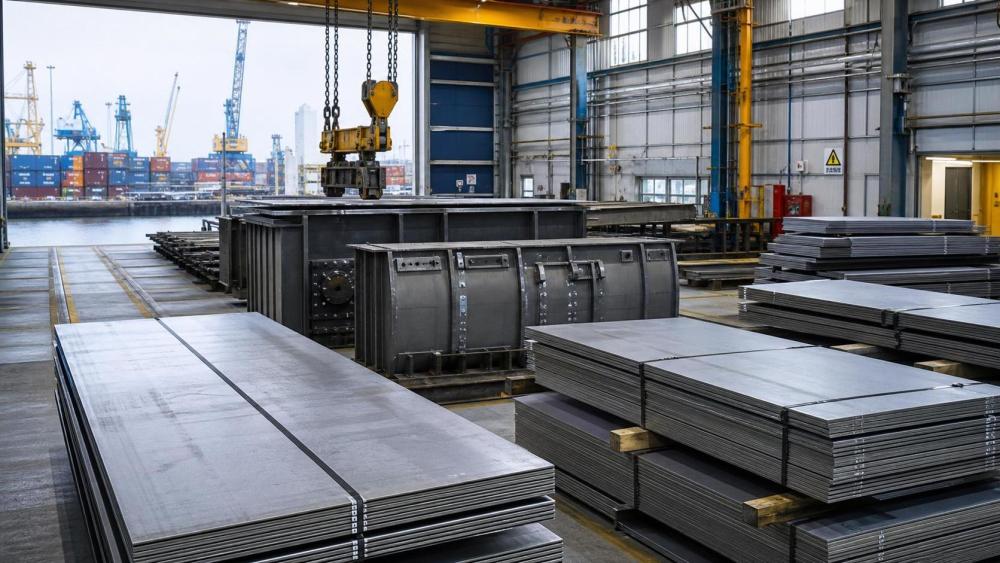
According to the information provided, VDMA issued a supply-chain risk brief on July 2, 2026. The brief states that the EU is applying temporary import monitoring to Chinese high-temperature stainless steel plate grades including X10CrAl24. It also states that quota utilization has reached 98%.
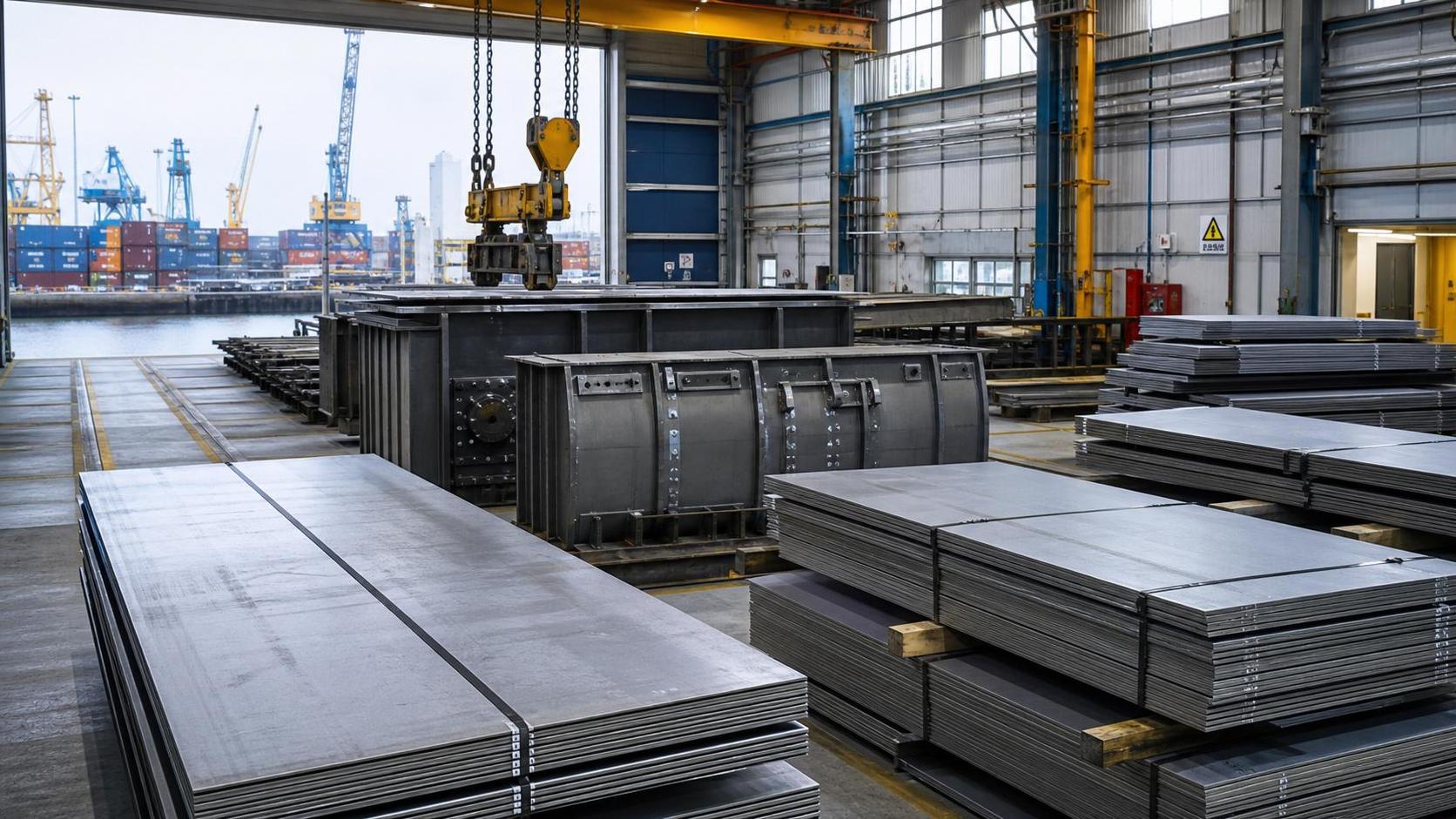
The same brief links that monitoring and quota pressure to longer supply cycles for key furnace chamber plate used in biomass boilers. For mainstream biomass boiler manufacturers in Germany, Italy, and the Netherlands purchasing these materials from China, the average lead time has reportedly increased from nine weeks to eighteen weeks.
The input further states that this development is directly affecting the construction timeline and equipment integration rhythm of biomass energy projects globally.
Where the disruption is likely to surface first
Pressure on cross-border procurement decisions
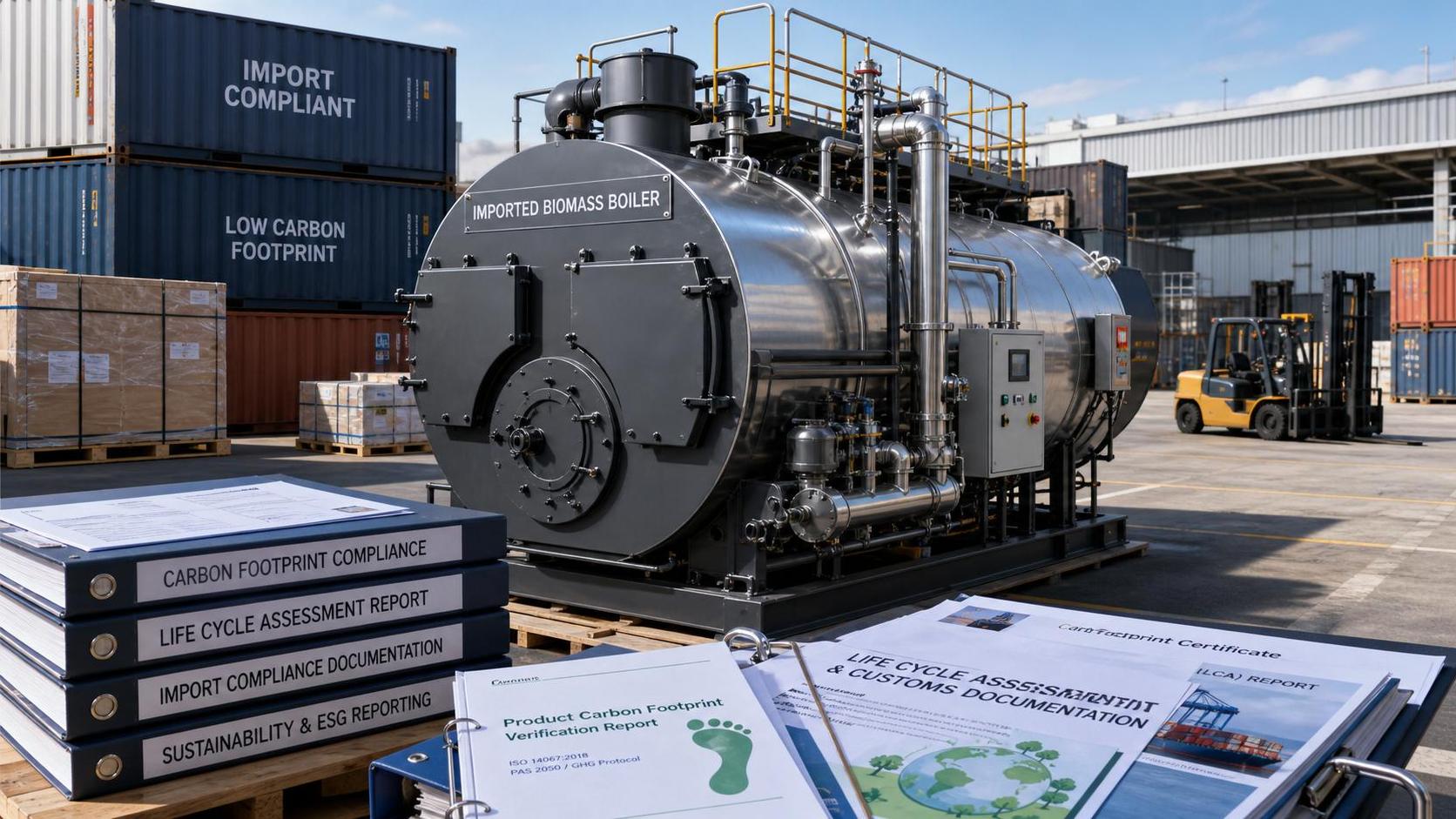
From an industry perspective, buyers that depend on Chinese-origin high-temperature stainless steel plate for biomass boiler applications are likely to feel the earliest impact in sourcing schedules and purchase timing. The relevant change is not described as a broad ban, but as temporary import monitoring combined with quota tightness. That means procurement teams need to pay closer attention to product grade identification, shipment timing, and the documentary consistency needed for monitored imports.
Effects on boiler manufacturing and integration planning
For equipment manufacturers, the immediate issue is the extension of lead times for furnace chamber plate that sits within a critical production path. Analysis shows that when a key high-temperature material moves from a nine-week to an eighteen-week cycle, fabrication sequencing, assembly windows, and downstream integration planning may all need adjustment. What deserves closer attention is whether technical specifications, bill-of-material assumptions, and project delivery milestones still align with actual import availability.
Implications for supply-chain and delivery service providers
Logistics coordinators, sourcing agents, and delivery management teams may also face higher execution risk because monitored imports with near-exhausted quota conditions can create tighter scheduling tolerances. Observably, these participants need to focus on documentation flow, shipment coordination, and communication around revised lead times, especially where customer contracts or installation schedules were built around earlier procurement assumptions.
What companies should watch now
Check whether product grades and documents are aligned
Analysis shows that companies handling high-temperature stainless steel plate for biomass boiler use should review whether material grades, technical descriptions, and trade documents are consistently presented. Where imports are under temporary monitoring, product classification and supporting paperwork can become more important to transaction timing and customs handling, even when the input does not provide detailed enforcement rules.
Revisit procurement calendars and contract milestones
For buyers and project teams, the reported shift from nine weeks to eighteen weeks is a practical signal to recheck procurement calendars, fabrication start dates, and delivery commitments. It is more appropriate to understand this as an operational warning for planning rather than a fully defined new market regime, but it still affects how companies should sequence purchasing and installation activities.
Track later wording from authorities, associations, and tender documents
The input does not provide detailed implementation language beyond temporary import monitoring and quota usage, so companies should watch for later clarification in official wording, association updates, and customer tender documents. From an execution standpoint, the key question is whether market participants begin to reflect the tighter import environment in purchasing terms, lead-time assumptions, or technical procurement conditions.
Prepare for closer supplier and delivery verification
Observably, companies relying on Chinese suppliers for these plate grades may need tighter verification of supplier capacity, promised shipment windows, and downstream service readiness. This is particularly relevant where after-sales timing, installation support, or quality traceability depends on materials arriving within a narrow project schedule.
How this signal should be interpreted
Analysis shows that this development is best read as an execution signal rather than a complete and settled policy endpoint. The confirmed facts point to temporary import monitoring, very high quota usage, and longer lead times already being felt by mainstream biomass boiler manufacturers in several European markets. At the same time, the available input does not establish the full regulatory trajectory, the detailed enforcement path, or the final duration of the tighter import conditions.
What deserves closer attention is the way market behavior may begin to change before any broader formal adjustment is fully clarified. In practice, industry participants often respond first through revised procurement timing, specification review, supplier screening, and tender language. That is why this item matters beyond a single material shortage story: it indicates that trade-control mechanics are already influencing industrial project execution.
A practical reading for the market
The core significance of this update is that a trade-monitoring measure and near-full quota usage are no longer abstract compliance issues; they are being reflected in the delivery cycle for a critical biomass boiler material. For manufacturers, buyers, and project teams, the more rational conclusion is not to assume a fixed long-term outcome, but to treat this as a live operational constraint with possible implications for sourcing discipline, delivery planning, and contract execution.
At the current stage, it is more appropriate to understand this as a rule-driven market signal that has already reached the supply-chain level, while the finer points of implementation and market response still require continued observation.
Basis of this article and points requiring follow-up
This article is based on the user-provided news title, event timing, and event summary. The specific official source link was not provided in the input and still requires further verification. For developments of this type, relevant source categories usually include official notices, information released by regulatory authorities, customs or trade administration updates, industry association publications, standards-related documents, and reporting by authoritative media.
Further follow-up is still needed on later policy detail, the practical enforcement approach, changes in certification or compliance interpretation, shifts in tender documentation, industry feedback, and how companies ultimately adjust procurement and delivery execution.
Related News
- IEA Report Flags 37% Rise in Biomass Boiler BudgetsAuthor :Thermal Energy Strategist

- Vietnam Tightens Import Rules for Biomass BoilersAuthor :Thermal Energy Strategist

- SASO Tightens NOx Monitoring Rule for Biomass BoilersAuthor :Thermal Energy Strategist

- Vietnam Halts New Biomass Boiler Import PermitsAuthor :Thermal Energy Strategist

- Industrial Biomass Boilers: Key Cost Factors for Heating ProjectsAuthor :Thermal Energy Strategist
![]()
- PSA Jurong Island Launch Cuts Biomass Fuel Clearance to 48 HoursAuthor :Thermal Energy Strategist
![]()
- Vietnam Requires CFP for Imported Biomass BoilersAuthor :Thermal Energy Strategist

- EU Monitoring Tightens Biomass Boiler Steel SupplyAuthor :Thermal Energy Strategist

- ASHRAE 189.1-2026 Adds Biomass Carbon ReviewAuthor :Thermal Energy Strategist

- ACWA Power Sets 45% Local Content Rule in Boiler TenderAuthor :Thermal Energy Strategist

- India BIS Draft Targets Biomass Boiler Data LinksAuthor :Thermal Energy Strategist

- EU REACH SVHC Update Restricts TCEP in Biomass EquipmentAuthor :Thermal Energy Strategist

- China Customs Adds HS Code Rule for Biomass Boiler ExportsAuthor :Thermal Energy Strategist

- China Adds Carbon Traceability Rule for Biomass Boiler ExportsAuthor :Thermal Energy Strategist

- Sugar Import Quota Notice Raises Biomass Fuel Cost FocusAuthor :Thermal Energy Strategist
![]()
- Urea Drops to $577/Ton, Easing Biomass Boiler CostsAuthor :Thermal Energy Strategist

- Urea Falls to $577/Ton, Easing Biomass Boiler Cost PressureAuthor :Thermal Energy Strategist

- Carbon Neutrality Pressures on Biomass Energy ROIAuthor :Thermal Energy Strategist

- Japan's Crude Imports Plunge 64% in April, Boosting Biomass & Chiller AdoptionAuthor :Thermal Energy Strategist

- Indonesia Tightens Thermal Coal Exports, Boosts Biomass & Industrial Chiller DemandAuthor :Thermal Energy Strategist

- Clean Energy Technology Gains That Make Biomass Worth RevisitingAuthor :Thermal Energy Strategist

- Clean Energy Technology Trends Changing Biomass Energy Project ReturnsAuthor :Thermal Energy Strategist

- Carbon Neutrality Pressures on Biomass Energy ProjectsAuthor :Thermal Energy Strategist

- Biomass Energy Cold-Heat Supply System Named in China’s Top 7 Future IndustriesAuthor :Thermal Energy Strategist

- Carbon Neutrality Pressure and Biomass Energy Project PaybackAuthor :Thermal Energy Strategist

- NEOM Green Infrastructure Certification Expands to Biomass CHP SystemsAuthor :Thermal Energy Strategist

- Saudi SASO Mandates NGIC Certification for Biomass CHP SystemsAuthor :Thermal Energy Strategist

- Clean Energy Technology Trends Changing Biomass Energy ProjectsAuthor :Thermal Energy Strategist

- Saudi SASO Mandates NEOM Green Infrastructure Certification for Biomass CHP SystemsAuthor :Thermal Energy Strategist

- Middle East Bans R134a Imports; Biomass CHP Gains TractionAuthor :Thermal Energy Strategist

- Clean Energy Technology and Biomass Energy: What Changes in 2026Author :Thermal Energy Strategist

- Middle East Bans R134a Equipment Imports; Biomass CCHP Gains TractionAuthor :Thermal Energy Strategist

- Canton Fair Phase II: Biomass Boiler Orders Surge 112% from SEAAuthor :Thermal Energy Strategist

- Carbon Neutrality and Biomass Energy: Where the Business Case Is StrongestAuthor :Thermal Energy Strategist

- Industrial Heat Recovery Ideas That Cut Fuel Use in Daily OperationsAuthor :Thermal Energy Strategist