IEA Report Flags 37% Rise in Biomass Boiler Budgets




On July 12, 2026, the International Energy Agency (IEA) released its Renewable Energy Market Update Q2 2026, showing that annual global procurement budgets for biomass boilers reached USD 14.2 billion, up 37% year on year. For manufacturers, exporters, procurement teams, and industrial energy users, the update is worth close attention because the largest incremental demand is now concentrated in Southeast Asia, while certification alignment is becoming a more visible part of market access.
What the IEA update confirmed
According to the IEA report released on July 12, 2026, annual global procurement budgets for biomass boilers totaled USD 14.2 billion, representing a 37% year-on-year increase.
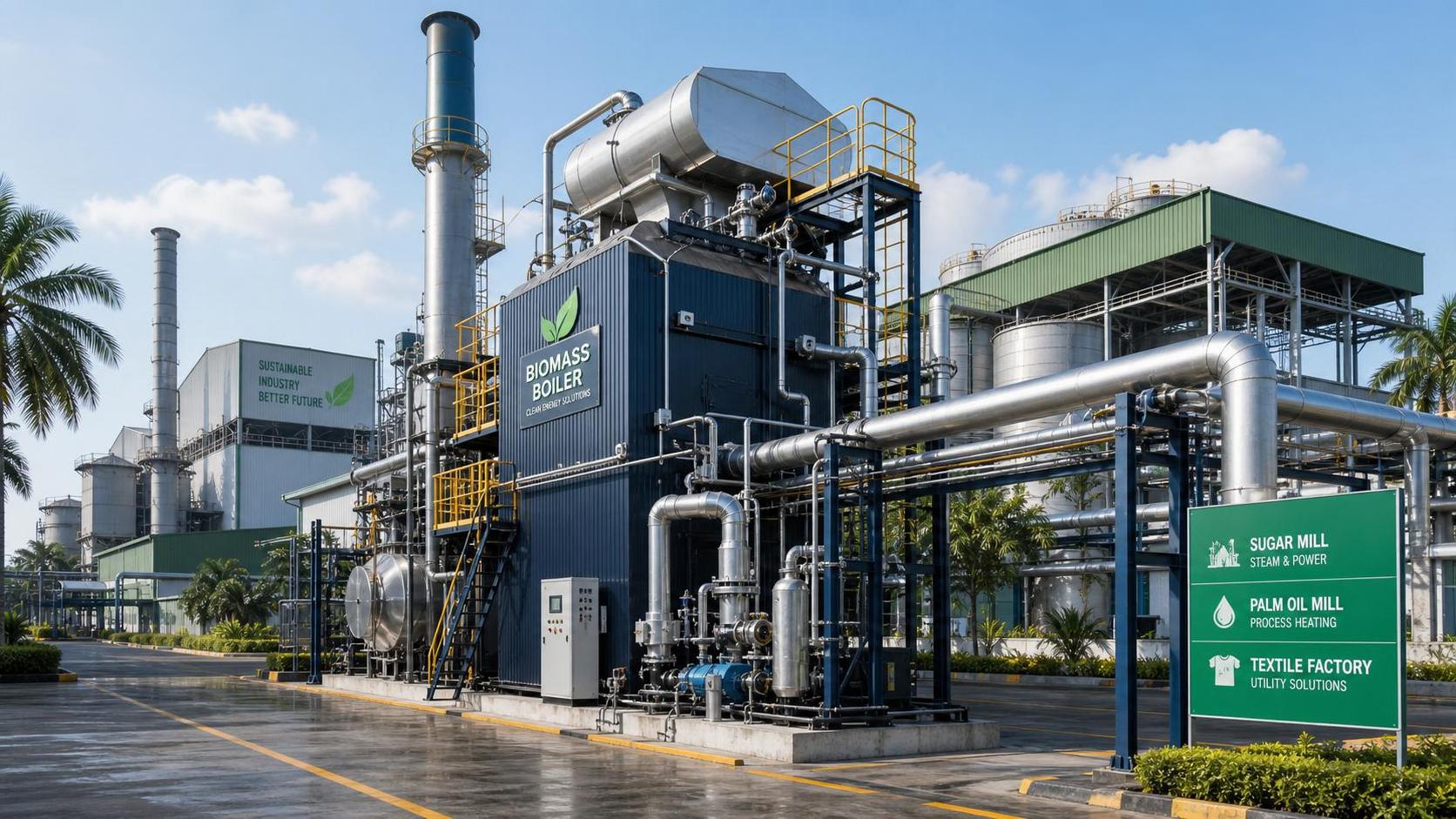
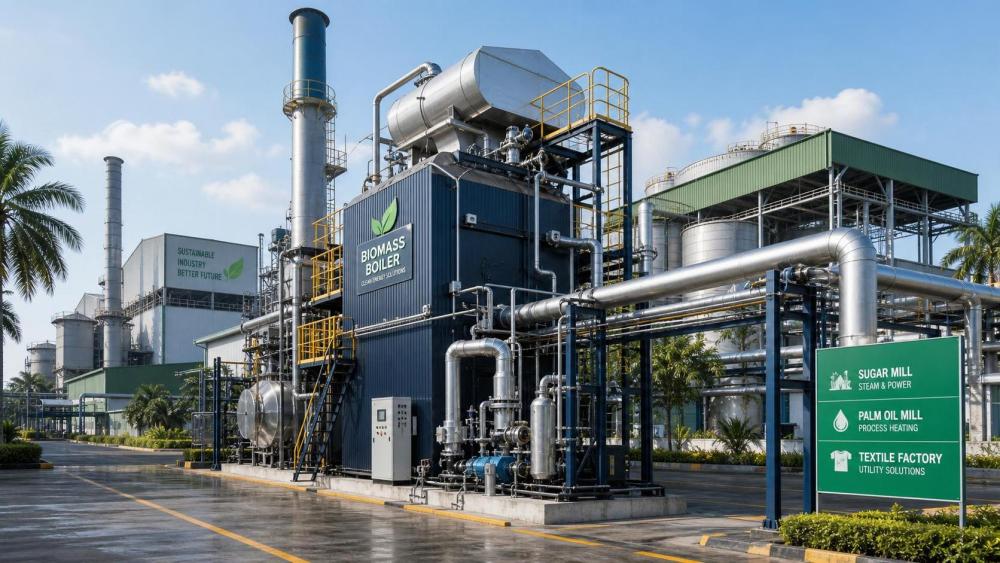
The same update states that Vietnam, Indonesia, and Thailand accounted for 61% of the total increase in procurement share. The main demand drivers identified in the input are decarbonization retrofit projects in sugar processing, palm oil processing, and textile industrial parks.
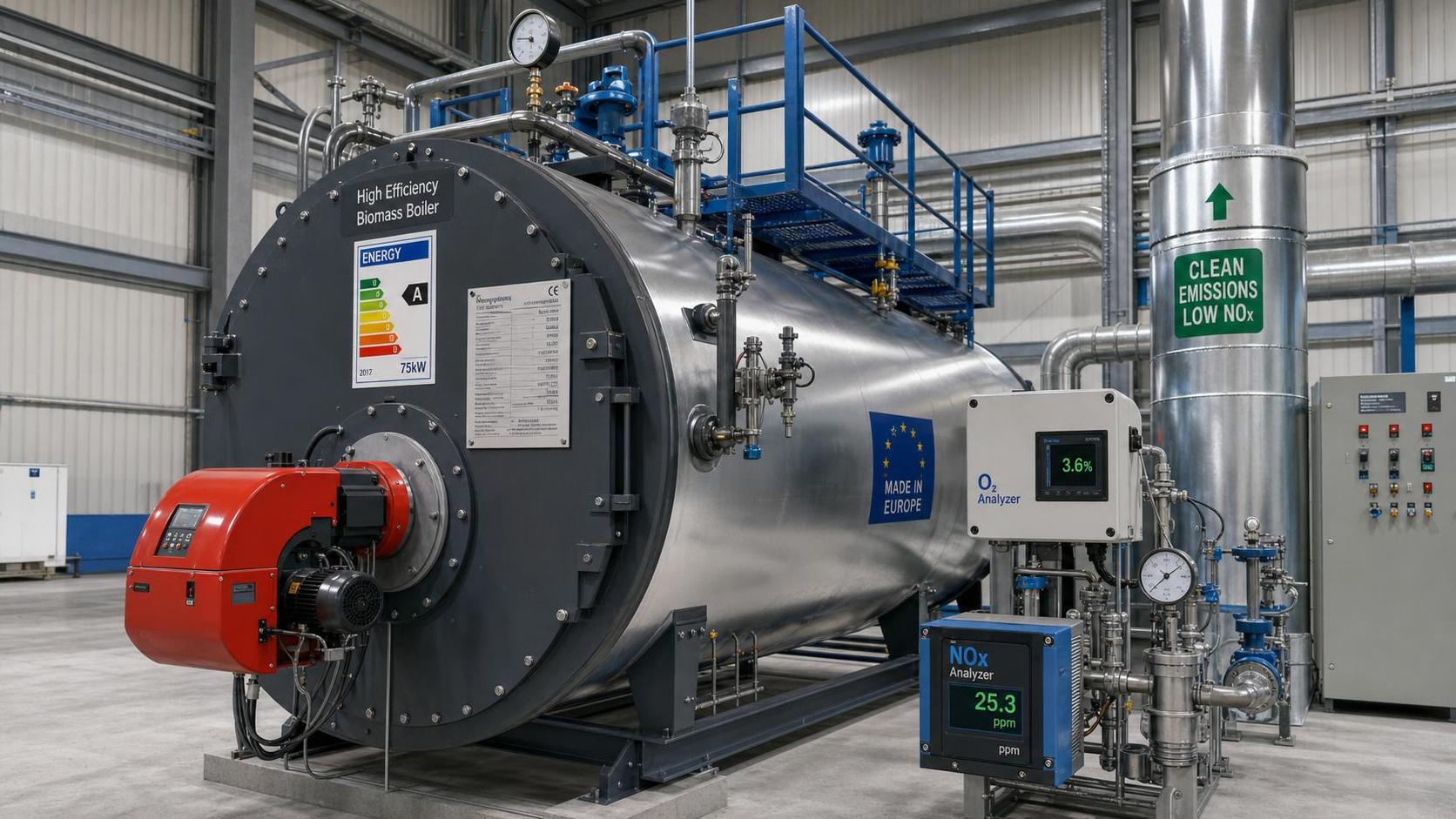
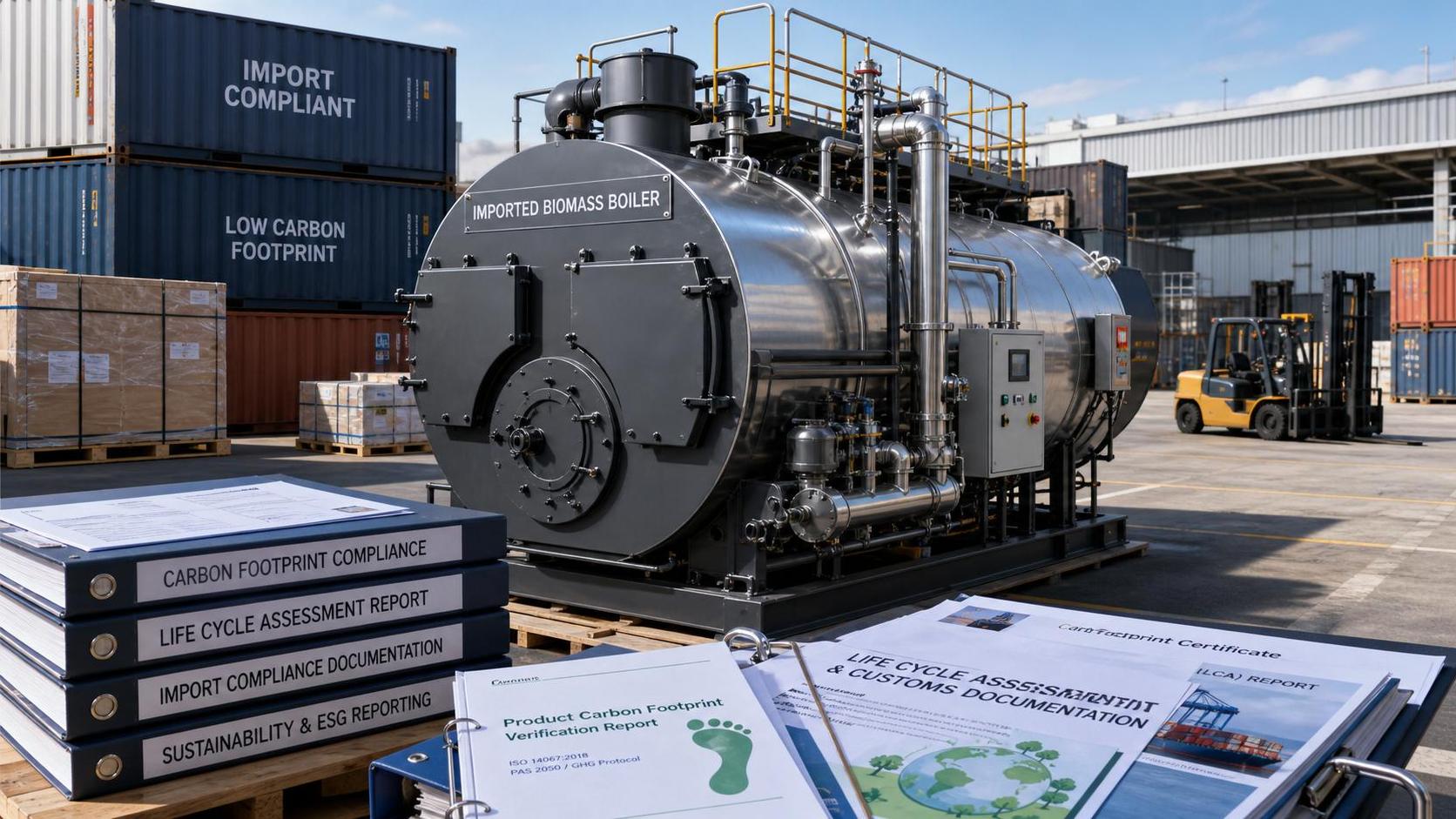
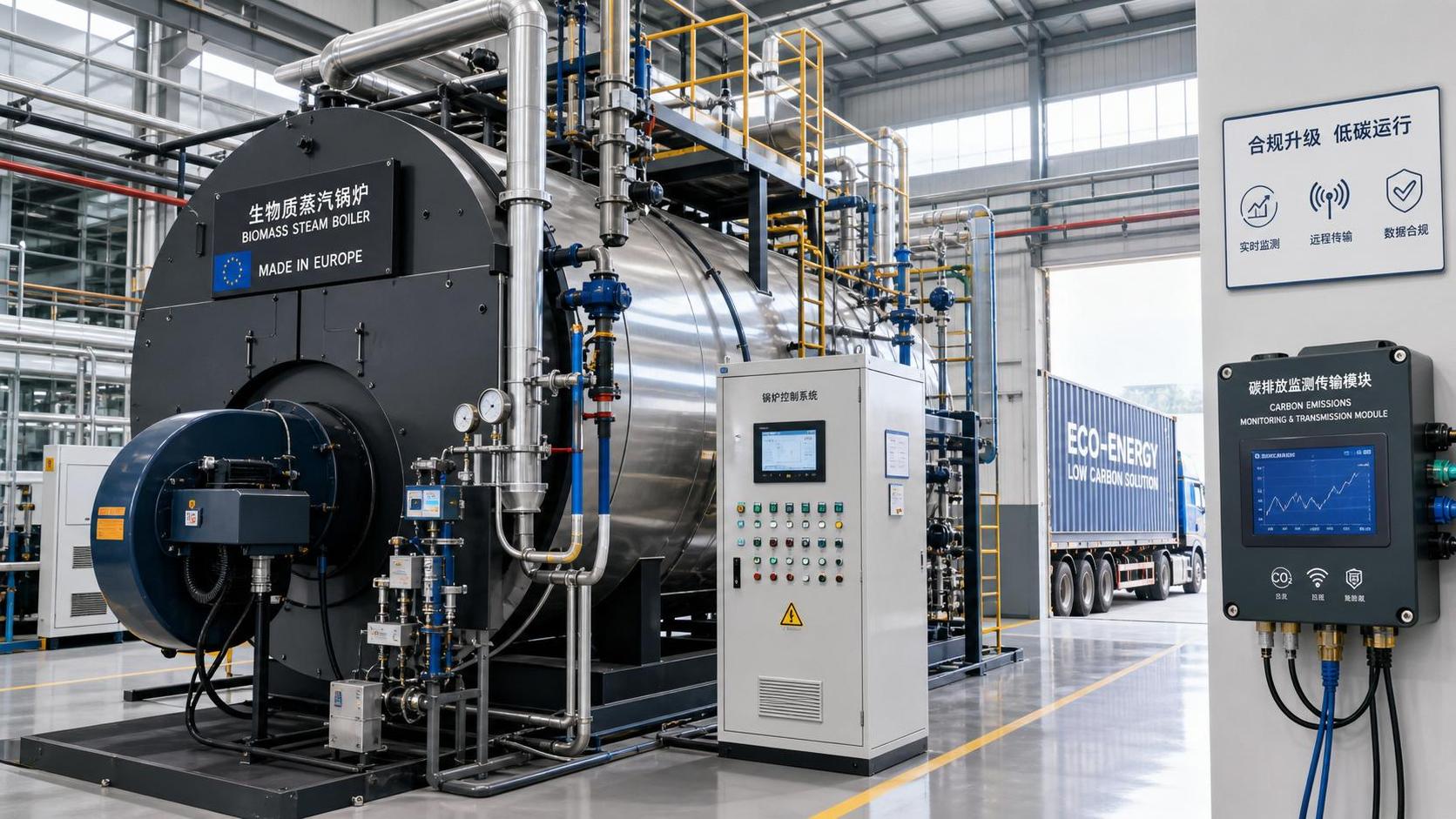
The provided information also states that Chinese biomass boiler exporters are accelerating adaptation to ASME Section I and ISO 17243 local combustion certification requirements.
Why the demand shift matters across the value chain
Southeast Asia-facing equipment suppliers
From an industry perspective, suppliers focused on export business may be affected first because the reported increase is concentrated in Vietnam, Indonesia, and Thailand. The impact is likely to show up in quotation activity, specification matching, certification preparation, and project bidding rhythm. What deserves closer attention is whether customer requirements move beyond price and capacity toward faster compliance alignment for local project execution.
Industrial buyers in process industries
Procurement teams and end users in sugar, palm oil processing, and textile park retrofit projects may face tighter evaluation around technical fit and documentation. Analysis shows that the reported budget increase is not described as broad-based demand across all industries, but as demand tied to specific decarbonization use cases. That makes application matching, fuel-use compliance, and project readiness more relevant than general market sentiment.
Service and delivery participants
Supply chain service providers, certification support firms, and project delivery teams may also see changes in workload. Observably, when procurement budgets rise and demand becomes concentrated in a few markets, the pressure often shifts into documentation flow, qualification review, coordination with local requirements, and delivery scheduling. In this case, the confirmed signal is not a completed outcome, but a rise in procurement intent with clear regional concentration.
What companies should watch now
Certification readiness is moving closer to the sales process
The input specifically notes faster adaptation by Chinese exporters to ASME Section I and ISO 17243 local combustion certification. For companies involved in cross-border biomass boiler business, this suggests that certification is not only a compliance issue after contract award, but increasingly part of pre-sales positioning, customer communication, and bid eligibility.
Market focus should match the reported demand concentration
What deserves closer attention is the geographic concentration of incremental procurement share. Businesses tracking Southeast Asia should watch Vietnam, Indonesia, and Thailand more closely than treating the reported increase as evenly distributed global demand. In practical terms, that affects market prioritization, partner screening, and the order in which technical resources are deployed.
Application scenarios matter more than broad sector labels
The report summary ties the increase mainly to sugar, palm oil processing, and textile industrial park decarbonization projects. Companies should therefore pay attention to how their products, technical documents, and communication materials align with these use cases, rather than assuming that a general biomass narrative will be sufficient in customer discussions.
Separate budget growth from confirmed project conversion
Analysis shows that a rise in procurement budgets is an important commercial signal, but it is not identical to completed orders or finished installations. For sales, planning, and operations teams, the practical focus should remain on project timing, specification clarity, qualification documents, and delivery preparedness instead of reading the figure alone as guaranteed near-term revenue.
How this signal should be read at this stage
Observably, this update is better understood as a strong market signal rather than a final verdict on sustained long-cycle demand. The 37% year-on-year increase and the concentration of new procurement share in three Southeast Asian markets indicate that biomass boiler demand is being shaped by identifiable industrial retrofit activity, not just abstract policy discussion.
At the same time, analysis shows there is still a need for continued observation. The provided information confirms budget expansion and certification adaptation activity, but it does not establish how quickly budgets convert into orders, which project types move first, or how procurement requirements may evolve after initial tendering and compliance review.
What this means for the market now
At this point, it is more appropriate to understand the IEA update as a targeted industry development with clear implications for exporters, industrial buyers, and project service participants connected to Southeast Asia. The strongest immediate takeaway is not simply that the market is larger, but that demand growth is concentrated by geography, application, and compliance requirements.
For industry participants, the rational conclusion is to treat this as a meaningful short-term business signal with possible longer-term relevance, while continuing to verify how procurement budgets, certification requirements, and actual project execution develop over time.
Basis of this article and follow-up verification
This article is based on the user-provided news title, event date, and event summary concerning the IEA report released on July 12, 2026. The concrete official source link was not provided in the input, so continued verification is still necessary.
For this type of industry update, commonly relevant source categories may include official agency publications, company announcements, industry association information, authoritative media reports, and standards organization documents. The areas that still merit follow-up are the wording of subsequent official disclosures, any change in certification or market-entry requirements, and how reported procurement budgets translate into project-level execution.
Related News
- IEA Report Flags 37% Rise in Biomass Boiler BudgetsAuthor :Thermal Energy Strategist

- Vietnam Tightens Import Rules for Biomass BoilersAuthor :Thermal Energy Strategist

- SASO Tightens NOx Monitoring Rule for Biomass BoilersAuthor :Thermal Energy Strategist

- Vietnam Halts New Biomass Boiler Import PermitsAuthor :Thermal Energy Strategist

- Industrial Biomass Boilers: Key Cost Factors for Heating ProjectsAuthor :Thermal Energy Strategist
![]()
- PSA Jurong Island Launch Cuts Biomass Fuel Clearance to 48 HoursAuthor :Thermal Energy Strategist
![]()
- Vietnam Requires CFP for Imported Biomass BoilersAuthor :Thermal Energy Strategist

- EU Monitoring Tightens Biomass Boiler Steel SupplyAuthor :Thermal Energy Strategist

- ASHRAE 189.1-2026 Adds Biomass Carbon ReviewAuthor :Thermal Energy Strategist

- ACWA Power Sets 45% Local Content Rule in Boiler TenderAuthor :Thermal Energy Strategist

- India BIS Draft Targets Biomass Boiler Data LinksAuthor :Thermal Energy Strategist

- EU REACH SVHC Update Restricts TCEP in Biomass EquipmentAuthor :Thermal Energy Strategist

- China Customs Adds HS Code Rule for Biomass Boiler ExportsAuthor :Thermal Energy Strategist

- China Adds Carbon Traceability Rule for Biomass Boiler ExportsAuthor :Thermal Energy Strategist

- Sugar Import Quota Notice Raises Biomass Fuel Cost FocusAuthor :Thermal Energy Strategist
![]()
- Urea Drops to $577/Ton, Easing Biomass Boiler CostsAuthor :Thermal Energy Strategist

- Urea Falls to $577/Ton, Easing Biomass Boiler Cost PressureAuthor :Thermal Energy Strategist

- Carbon Neutrality Pressures on Biomass Energy ROIAuthor :Thermal Energy Strategist

- Japan's Crude Imports Plunge 64% in April, Boosting Biomass & Chiller AdoptionAuthor :Thermal Energy Strategist

- Indonesia Tightens Thermal Coal Exports, Boosts Biomass & Industrial Chiller DemandAuthor :Thermal Energy Strategist

- Clean Energy Technology Gains That Make Biomass Worth RevisitingAuthor :Thermal Energy Strategist

- Clean Energy Technology Trends Changing Biomass Energy Project ReturnsAuthor :Thermal Energy Strategist

- Carbon Neutrality Pressures on Biomass Energy ProjectsAuthor :Thermal Energy Strategist

- Biomass Energy Cold-Heat Supply System Named in China’s Top 7 Future IndustriesAuthor :Thermal Energy Strategist

- Carbon Neutrality Pressure and Biomass Energy Project PaybackAuthor :Thermal Energy Strategist

- NEOM Green Infrastructure Certification Expands to Biomass CHP SystemsAuthor :Thermal Energy Strategist

- Saudi SASO Mandates NGIC Certification for Biomass CHP SystemsAuthor :Thermal Energy Strategist

- Clean Energy Technology Trends Changing Biomass Energy ProjectsAuthor :Thermal Energy Strategist

- Saudi SASO Mandates NEOM Green Infrastructure Certification for Biomass CHP SystemsAuthor :Thermal Energy Strategist

- Middle East Bans R134a Imports; Biomass CHP Gains TractionAuthor :Thermal Energy Strategist

- Clean Energy Technology and Biomass Energy: What Changes in 2026Author :Thermal Energy Strategist

- Middle East Bans R134a Equipment Imports; Biomass CCHP Gains TractionAuthor :Thermal Energy Strategist

- Canton Fair Phase II: Biomass Boiler Orders Surge 112% from SEAAuthor :Thermal Energy Strategist

- Carbon Neutrality and Biomass Energy: Where the Business Case Is StrongestAuthor :Thermal Energy Strategist

- Industrial Heat Recovery Ideas That Cut Fuel Use in Daily OperationsAuthor :Thermal Energy Strategist