Vietnam Halts New Biomass Boiler Import Permits




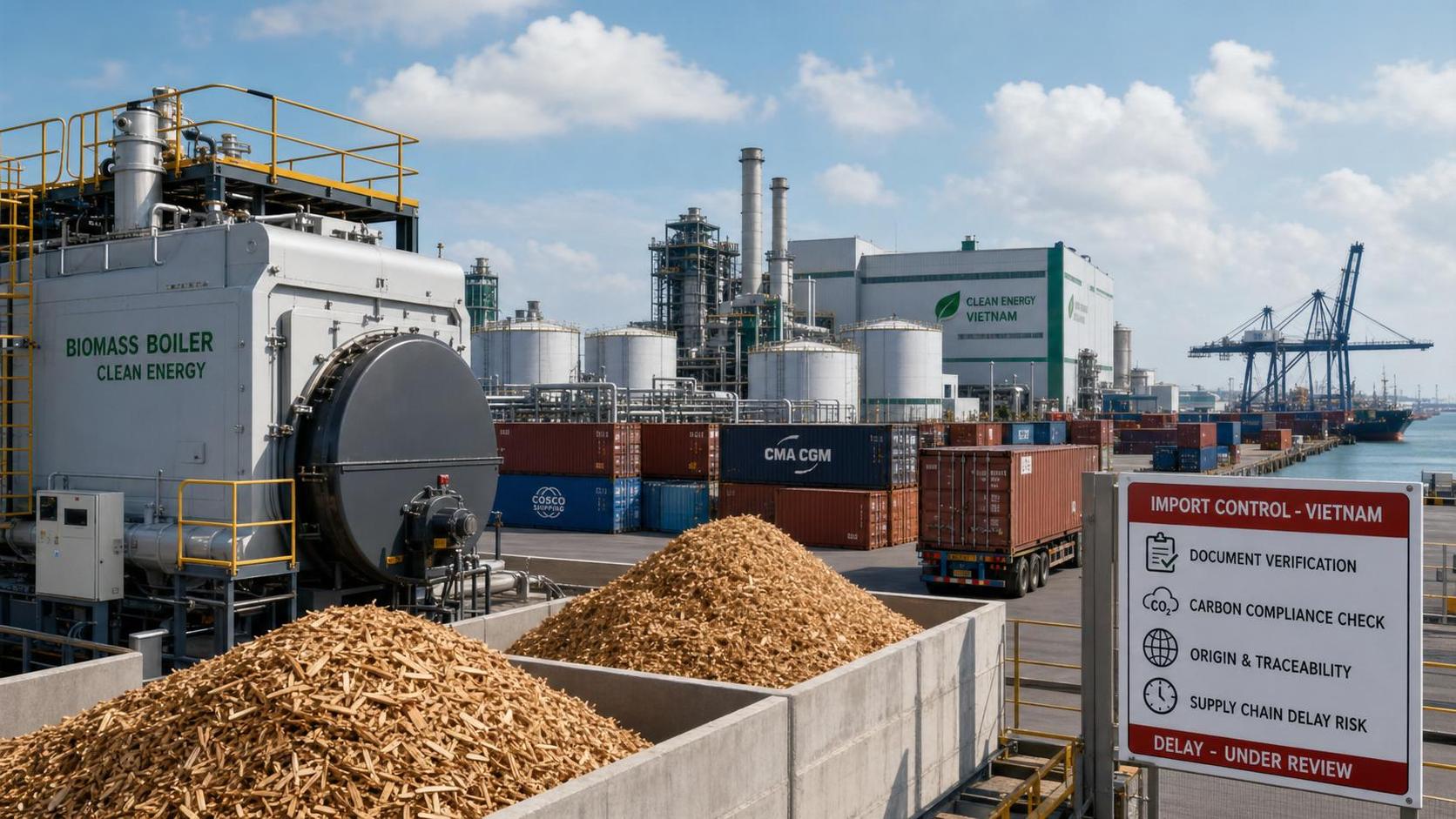
On July 6, 2026, Vietnam’s Ministry of Industry and Trade (MOIT) signaled an immediate tightening of import control for new biomass boilers by suspending acceptance of new import permit applications and linking future filings to carbon footprint pre-review requirements. For boiler exporters, project importers, procurement teams, certification service providers, and cross-border supply chain operators involved in China-Vietnam trade, the development matters because it affects filing readiness, approval timing, and delivery planning at the same time.
What the MOIT Notice Confirms
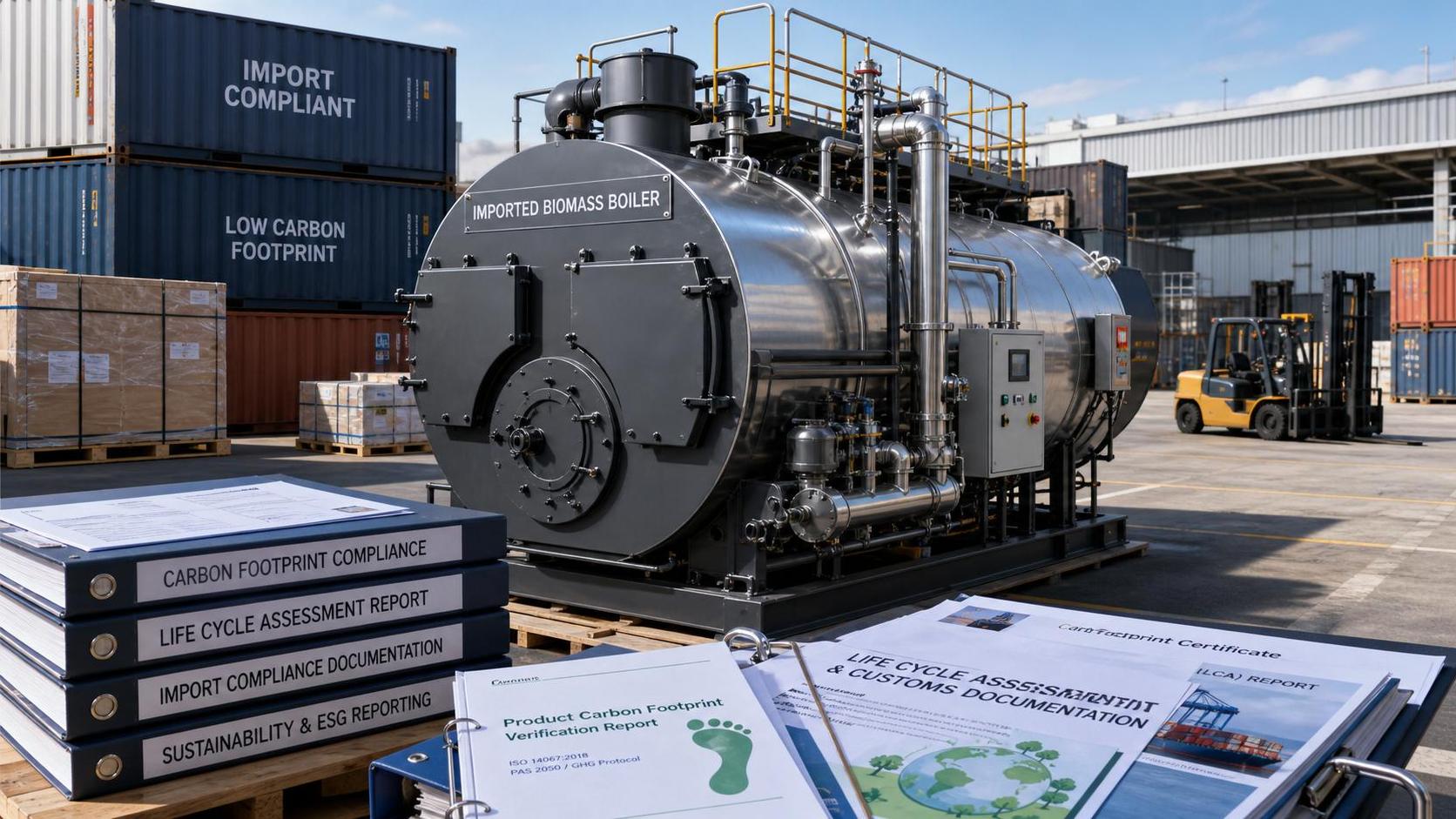
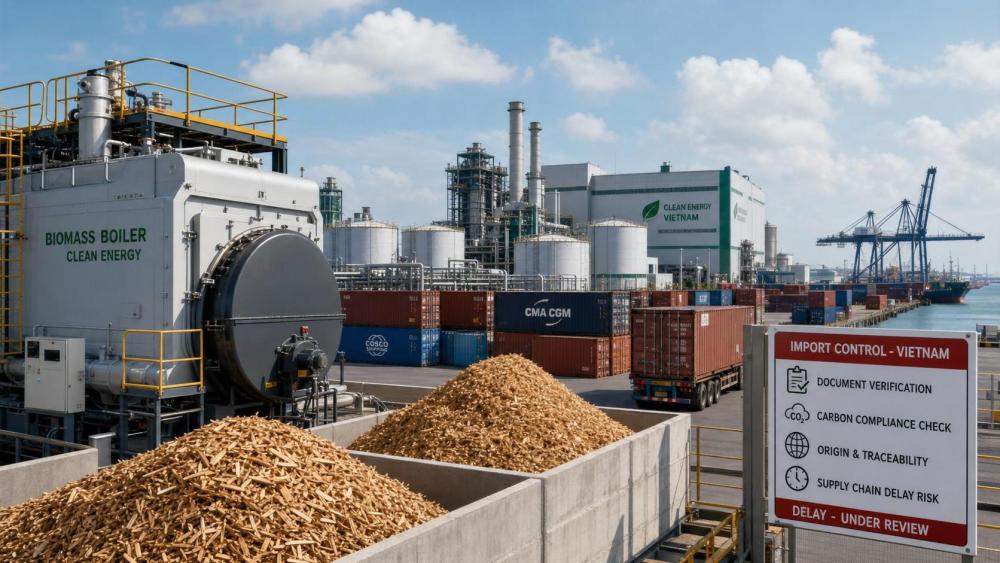
According to the information provided, MOIT issued an urgent notice on July 6, 2026, under which all new import license applications for newly built biomass boilers are suspended with immediate effect. Starting in the third quarter of 2026, all declared projects must submit an LCA carbon footprint report certified by Vietnam-recognized body QUACERT and prepared in line with ISO 14040/44.
The same information states that the projects must meet a carbon threshold of CO2e less than or equal to 120 kg/MWh per unit of steam output. It also indicates that the average import approval cycle is expected to extend to more than 14 weeks, with a direct effect on the pace of boiler trade between China and Vietnam.
Where the pressure is likely to appear first
For exporters and import traders, the issue is no longer only shipment timing
From an industry perspective, companies directly involved in biomass boiler trade may feel the impact first in pre-shipment documentation, project declaration sequencing, and contract scheduling. The immediate suspension of new applications means that transaction progress can no longer be judged only by commercial readiness; permit intake and carbon documentation now become practical gating items.
For project procurement teams, filing completeness becomes a commercial risk
Procurement-side participants may face pressure where project schedules depend on imported equipment arrival. The requirement to submit a QUACERT-certified LCA report from the third quarter adds a new compliance layer to project preparation, which may affect supplier selection, technical clarification, and internal approval timing.
For certification and supply chain service providers, lead-time coordination moves to the center
Service providers handling compliance, customs-facing coordination, or documentation support may be affected through longer handoff cycles and tighter sequencing between technical files and import filings. What deserves closer attention is the interaction between certification completion and the reported extension of the average approval cycle beyond 14 weeks.
What companies should watch now
Track whether the suspension language changes in follow-up notices
Analysis shows that the immediate pause on new applications is the most direct operational issue. Companies with projects tied to near-term imports should closely monitor whether MOIT provides further clarification on scope, transition treatment, or filing conditions for applications prepared around the third quarter of 2026.
Review whether existing technical materials can support LCA submission
The new requirement is not limited to a general environmental statement. The filing package must include a QUACERT-certified LCA carbon footprint report under ISO 14040/44, so suppliers and project parties should check whether current technical and emissions-related documentation is sufficient for that process.
Recalculate delivery and contract communication around a longer approval cycle
Because the provided information points to an average approval period of more than 14 weeks, companies should revisit delivery commitments, procurement milestones, and customer communication. In practice, this is less about a single administrative step and more about the knock-on effect on shipping windows and project coordination.
Separate policy wording from execution readiness
Observably, the announced threshold of CO2e less than or equal to 120 kg/MWh creates a clear compliance benchmark, but the practical challenge for companies is whether they can produce acceptable evidence in the format required by the Vietnamese side. That distinction between stated requirement and filing readiness deserves close attention in ongoing transactions.
How this should be read at this stage
Analysis shows that this development is both a short-term operational disruption and a longer-term policy signal, but it should not yet be overstated as a settled market outcome. The confirmed facts point to tighter entry conditions for new biomass boiler imports and a stronger compliance role for lifecycle carbon accounting. At the same time, the industry still needs to watch how consistently the requirement is applied in actual project review and whether additional implementation details emerge.
A near-term disruption with longer policy implications
It is more appropriate to understand this as an immediate change in import processing with broader implications for how biomass boiler projects are prepared for the Vietnamese market. The suspension of new permit acceptance is already a concrete procedural change, while the carbon footprint pre-review requirement suggests a deeper compliance direction that businesses in the trade chain cannot ignore. For now, the most rational reading is that this is a material policy move that requires continued observation rather than a basis for broad conclusions beyond the information confirmed so far.
Basis of this article and what still needs verification
This article is based on the user-provided news title, event date, and event summary. For this type of industry update, commonly relevant source categories may include official government notices, company disclosures, industry association updates, authoritative media coverage, and standards-related documents. A specific official source link was not provided in the input, so the exact notice text and any later interpretive guidance still require ongoing verification. Follow-up attention should remain on any additional MOIT clarification, implementation details tied to QUACERT-certified LCA reports, and any changes affecting filing scope or approval timing.
Related News
- IEA Report Flags 37% Rise in Biomass Boiler BudgetsAuthor :Thermal Energy Strategist

- Vietnam Tightens Import Rules for Biomass BoilersAuthor :Thermal Energy Strategist

- SASO Tightens NOx Monitoring Rule for Biomass BoilersAuthor :Thermal Energy Strategist

- Vietnam Halts New Biomass Boiler Import PermitsAuthor :Thermal Energy Strategist

- Industrial Biomass Boilers: Key Cost Factors for Heating ProjectsAuthor :Thermal Energy Strategist
![]()
- PSA Jurong Island Launch Cuts Biomass Fuel Clearance to 48 HoursAuthor :Thermal Energy Strategist
![]()
- Vietnam Requires CFP for Imported Biomass BoilersAuthor :Thermal Energy Strategist

- EU Monitoring Tightens Biomass Boiler Steel SupplyAuthor :Thermal Energy Strategist

- ASHRAE 189.1-2026 Adds Biomass Carbon ReviewAuthor :Thermal Energy Strategist

- ACWA Power Sets 45% Local Content Rule in Boiler TenderAuthor :Thermal Energy Strategist

- India BIS Draft Targets Biomass Boiler Data LinksAuthor :Thermal Energy Strategist

- EU REACH SVHC Update Restricts TCEP in Biomass EquipmentAuthor :Thermal Energy Strategist

- China Customs Adds HS Code Rule for Biomass Boiler ExportsAuthor :Thermal Energy Strategist

- China Adds Carbon Traceability Rule for Biomass Boiler ExportsAuthor :Thermal Energy Strategist

- Sugar Import Quota Notice Raises Biomass Fuel Cost FocusAuthor :Thermal Energy Strategist
![]()
- Urea Drops to $577/Ton, Easing Biomass Boiler CostsAuthor :Thermal Energy Strategist

- Urea Falls to $577/Ton, Easing Biomass Boiler Cost PressureAuthor :Thermal Energy Strategist

- Carbon Neutrality Pressures on Biomass Energy ROIAuthor :Thermal Energy Strategist

- Japan's Crude Imports Plunge 64% in April, Boosting Biomass & Chiller AdoptionAuthor :Thermal Energy Strategist

- Indonesia Tightens Thermal Coal Exports, Boosts Biomass & Industrial Chiller DemandAuthor :Thermal Energy Strategist

- Clean Energy Technology Gains That Make Biomass Worth RevisitingAuthor :Thermal Energy Strategist

- Clean Energy Technology Trends Changing Biomass Energy Project ReturnsAuthor :Thermal Energy Strategist

- Carbon Neutrality Pressures on Biomass Energy ProjectsAuthor :Thermal Energy Strategist

- Biomass Energy Cold-Heat Supply System Named in China’s Top 7 Future IndustriesAuthor :Thermal Energy Strategist

- Carbon Neutrality Pressure and Biomass Energy Project PaybackAuthor :Thermal Energy Strategist

- NEOM Green Infrastructure Certification Expands to Biomass CHP SystemsAuthor :Thermal Energy Strategist

- Saudi SASO Mandates NGIC Certification for Biomass CHP SystemsAuthor :Thermal Energy Strategist

- Clean Energy Technology Trends Changing Biomass Energy ProjectsAuthor :Thermal Energy Strategist

- Saudi SASO Mandates NEOM Green Infrastructure Certification for Biomass CHP SystemsAuthor :Thermal Energy Strategist

- Middle East Bans R134a Imports; Biomass CHP Gains TractionAuthor :Thermal Energy Strategist

- Clean Energy Technology and Biomass Energy: What Changes in 2026Author :Thermal Energy Strategist

- Middle East Bans R134a Equipment Imports; Biomass CCHP Gains TractionAuthor :Thermal Energy Strategist

- Canton Fair Phase II: Biomass Boiler Orders Surge 112% from SEAAuthor :Thermal Energy Strategist

- Carbon Neutrality and Biomass Energy: Where the Business Case Is StrongestAuthor :Thermal Energy Strategist

- Industrial Heat Recovery Ideas That Cut Fuel Use in Daily OperationsAuthor :Thermal Energy Strategist