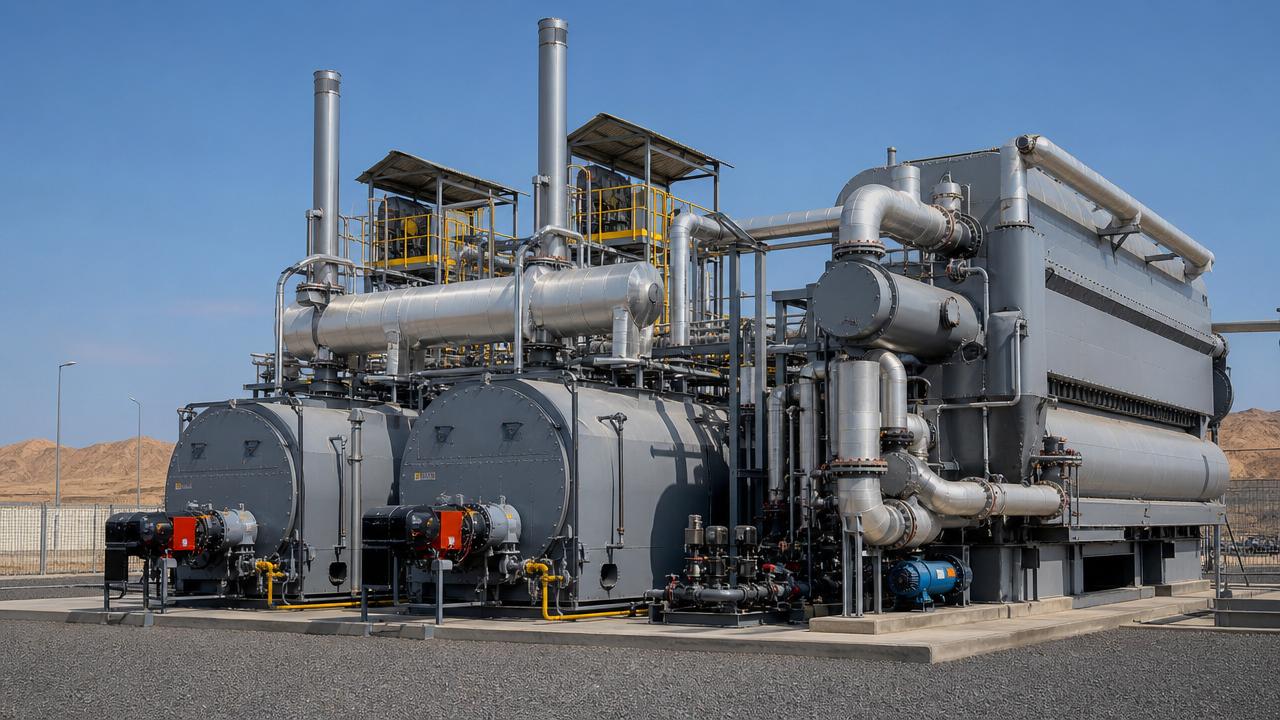
Saudi SASO Mandates NEOM Green Infrastructure Certification for Biomass CHP Systems




Saudi Arabia’s Standards, Metrology and Quality Organization (SASO) issued Technical Circular No. SASO/TC-2026/042 on May 13, 2026, requiring all biomass energy-based combined cooling, heating, and power (CHP) systems destined for NEOM city and the ‘Green Hydrogen Corridor’ projects to obtain the NEOM Green Infrastructure Certification (NGIC). This development directly impacts manufacturers, exporters, certification bodies, and supply chain stakeholders serving the Saudi clean energy infrastructure market.
Event Overview
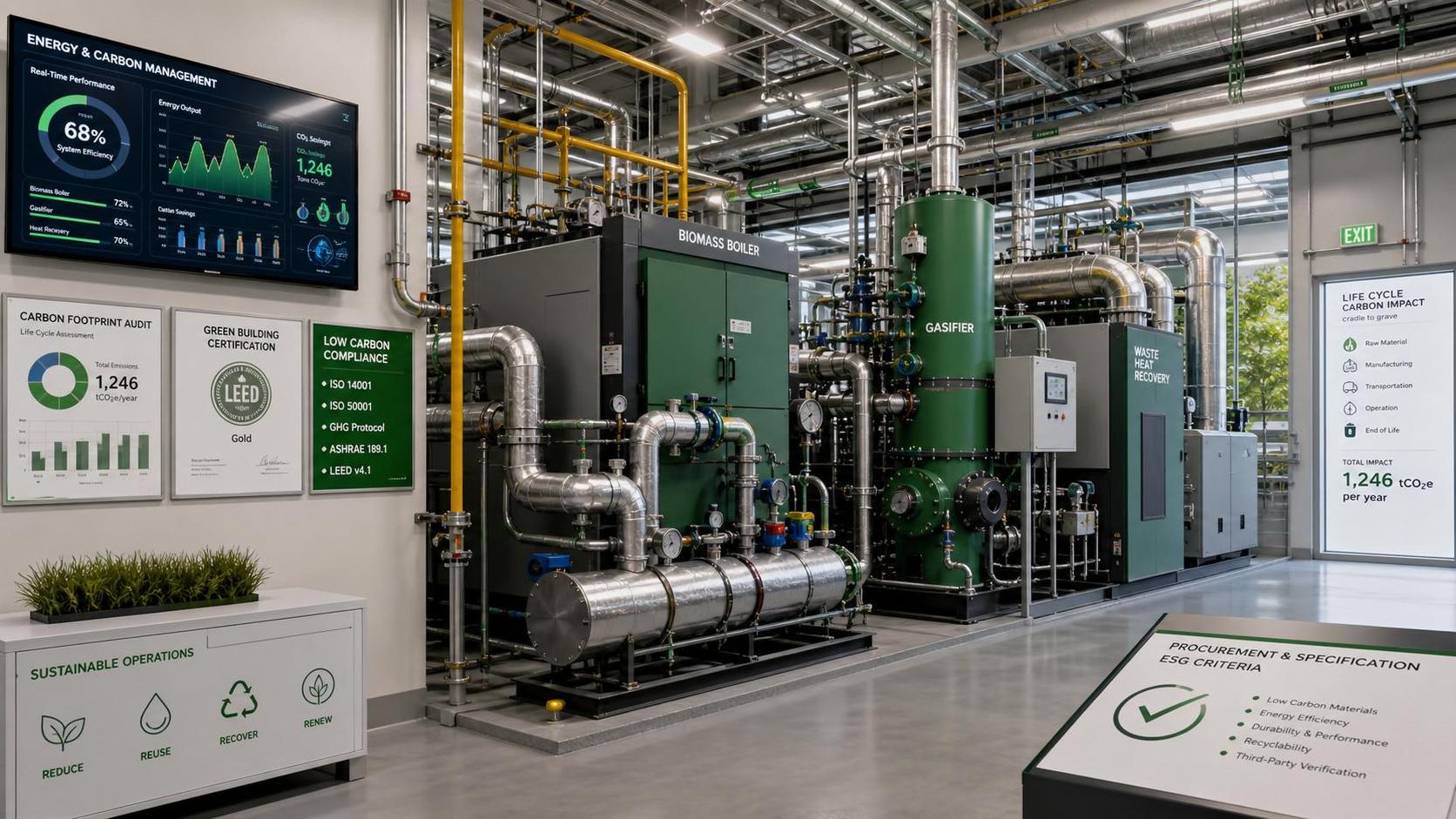
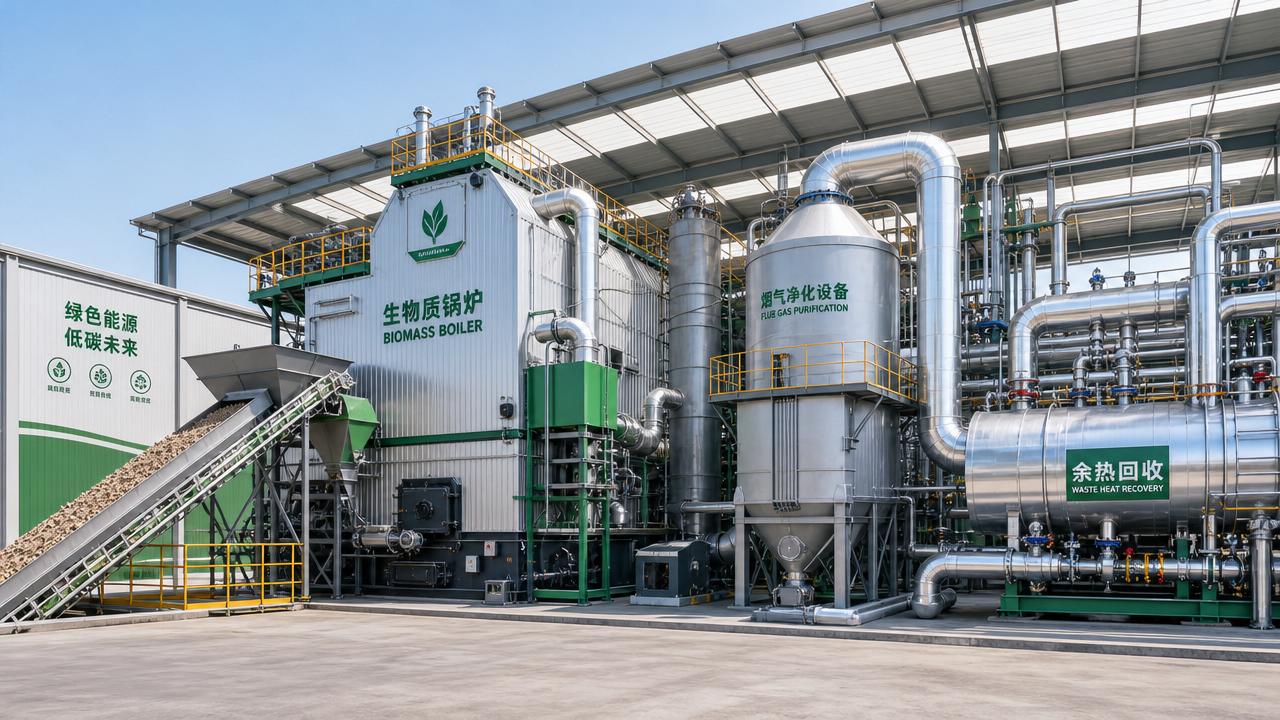
On May 13, 2026, SASO published Technical Circular No. SASO/TC-2026/042. The circular stipulates that biomass-fueled CHP systems supplied to NEOM and the Green Hydrogen Corridor must comply with the NEOM Green Infrastructure Certification (NGIC). NGIC imposes three mandatory technical requirements: ash content in biomass fuel ≤5%, waste heat recovery efficiency ≥82%, and inclusion of a remote carbon emissions monitoring interface. As of publication, the NGIC pre-assessment pathway is open to laboratories in China; however, the first application window accepts submissions only from certification bodies accredited to ISO/IEC 17065.
Impact on Specific Industry Segments
Equipment Manufacturers (Biomass CHP System Producers)
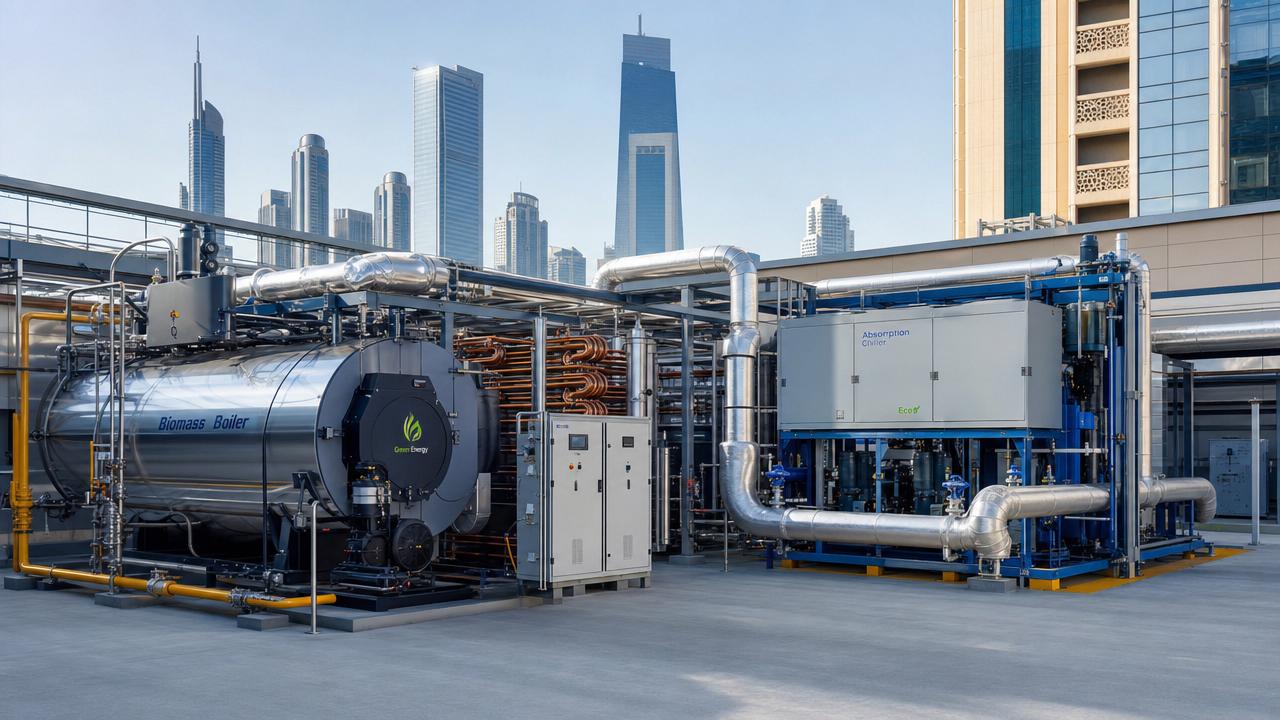
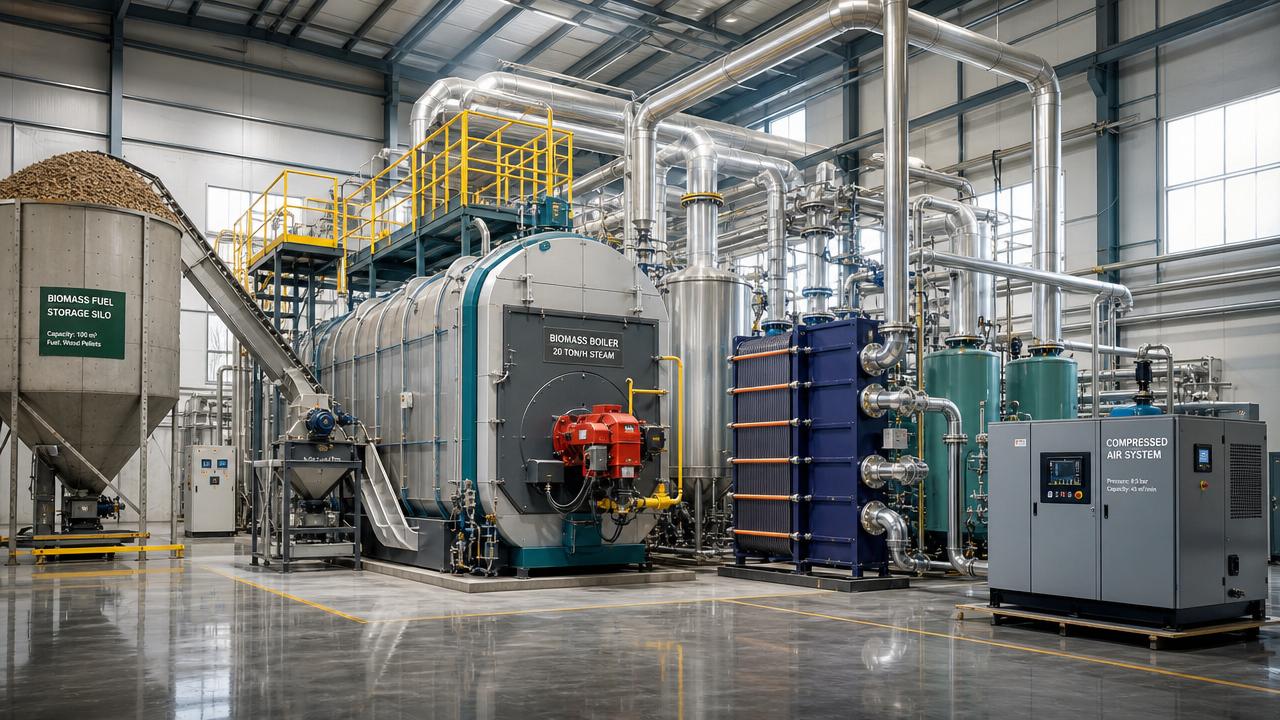
Manufacturers exporting or planning to export biomass CHP units to NEOM or related green corridor projects are directly subject to NGIC compliance. Their product designs, control architecture, and fuel compatibility must now meet the three hard metrics — particularly the remote emissions interface and verified thermal efficiency — which may require hardware upgrades, firmware updates, or third-party validation protocols not previously mandated under general SASO conformity assessment.
Raw Material Suppliers (Biomass Fuel Providers)
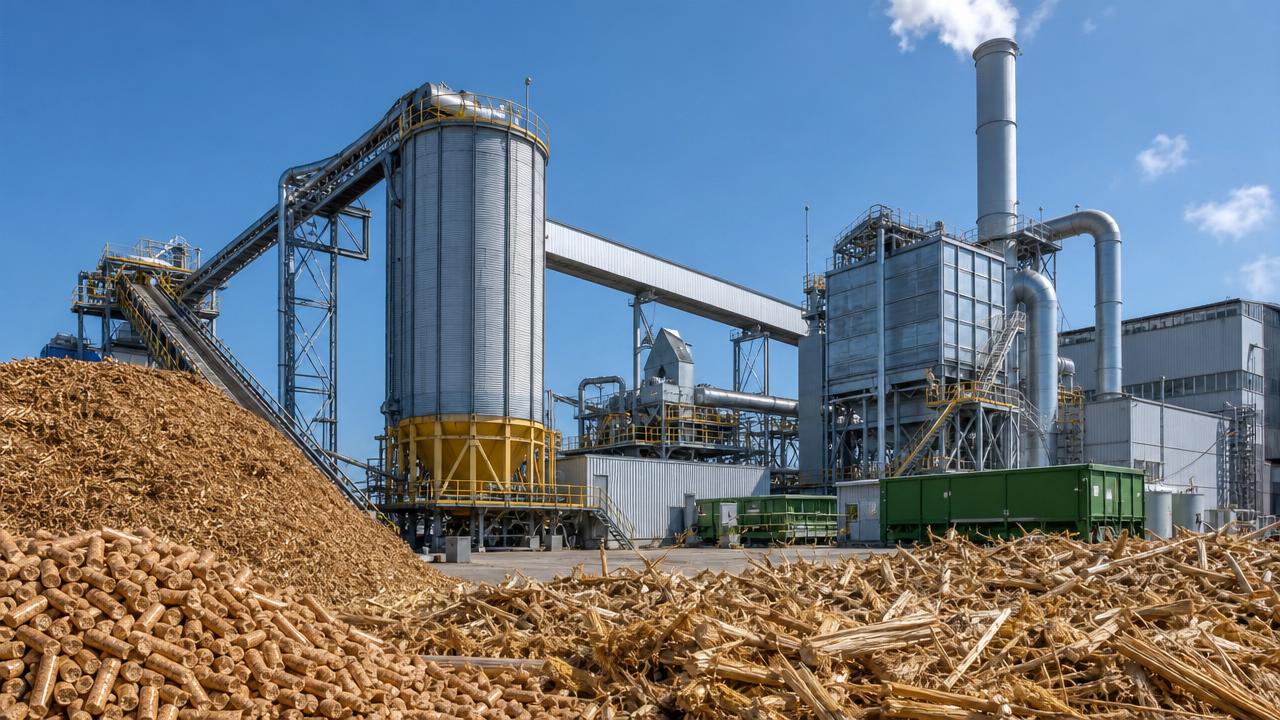
Suppliers of solid biomass feedstock (e.g., wood pellets, agricultural residues) face new quality enforcement pressure. The ≤5% ash content limit is stricter than many widely traded commercial biomass grades. Entities sourcing or producing fuel for NEOM-bound CHP systems must ensure batch-level traceability and third-party ash testing documentation — potentially shifting procurement toward premium-certified feedstocks or triggering reformulation efforts.
Certification and Testing Service Providers
Only ISO/IEC 17065-accredited certification bodies may submit applications during the initial NGIC rollout phase. This creates an immediate gatekeeping effect: non-accredited labs — even if technically capable — cannot initiate formal NGIC assessments. Accredited providers gain early access to a high-value niche, while others must either pursue accreditation or partner with eligible entities to remain competitive in this segment.
Exporters and Trade Intermediaries
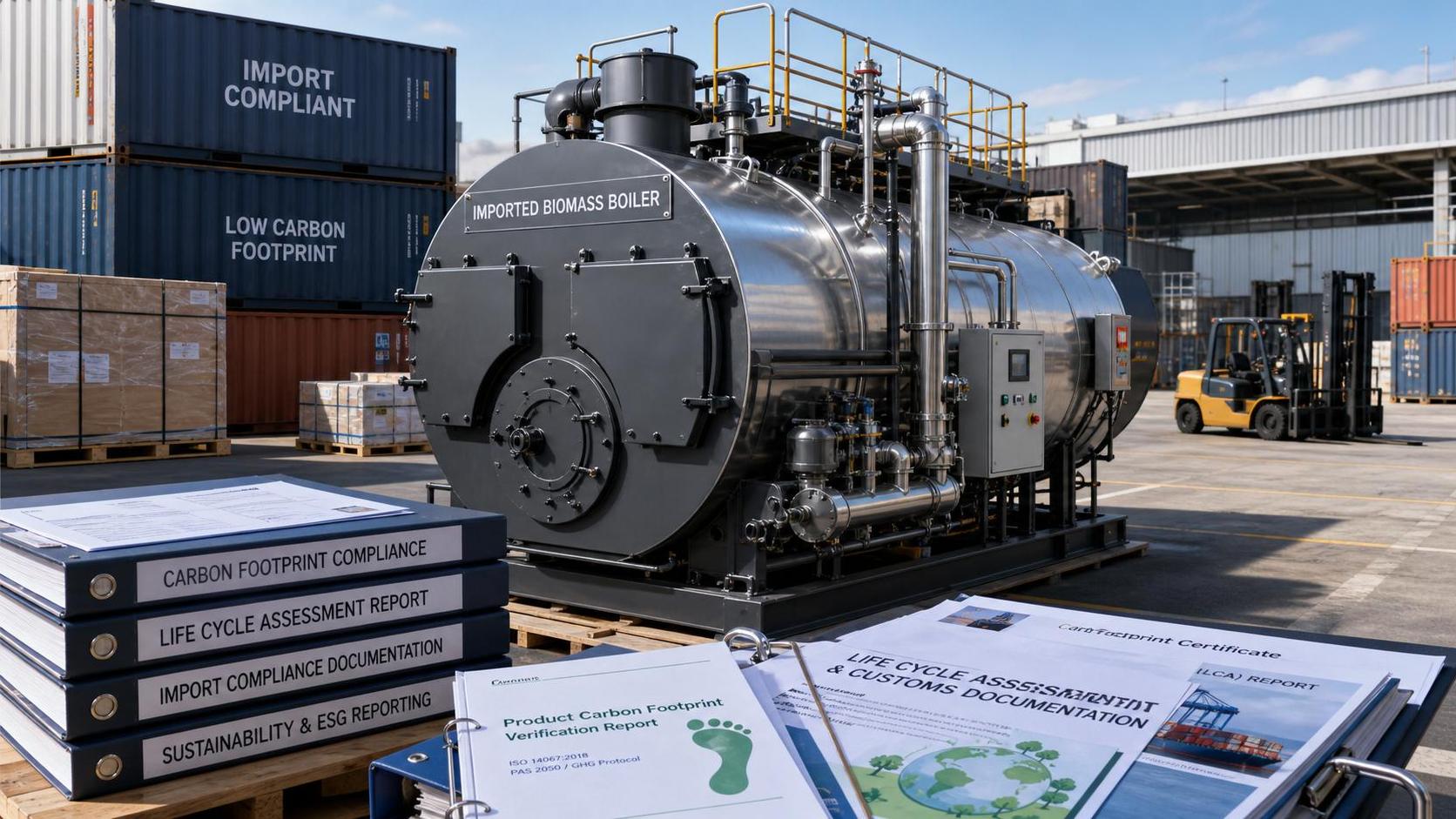
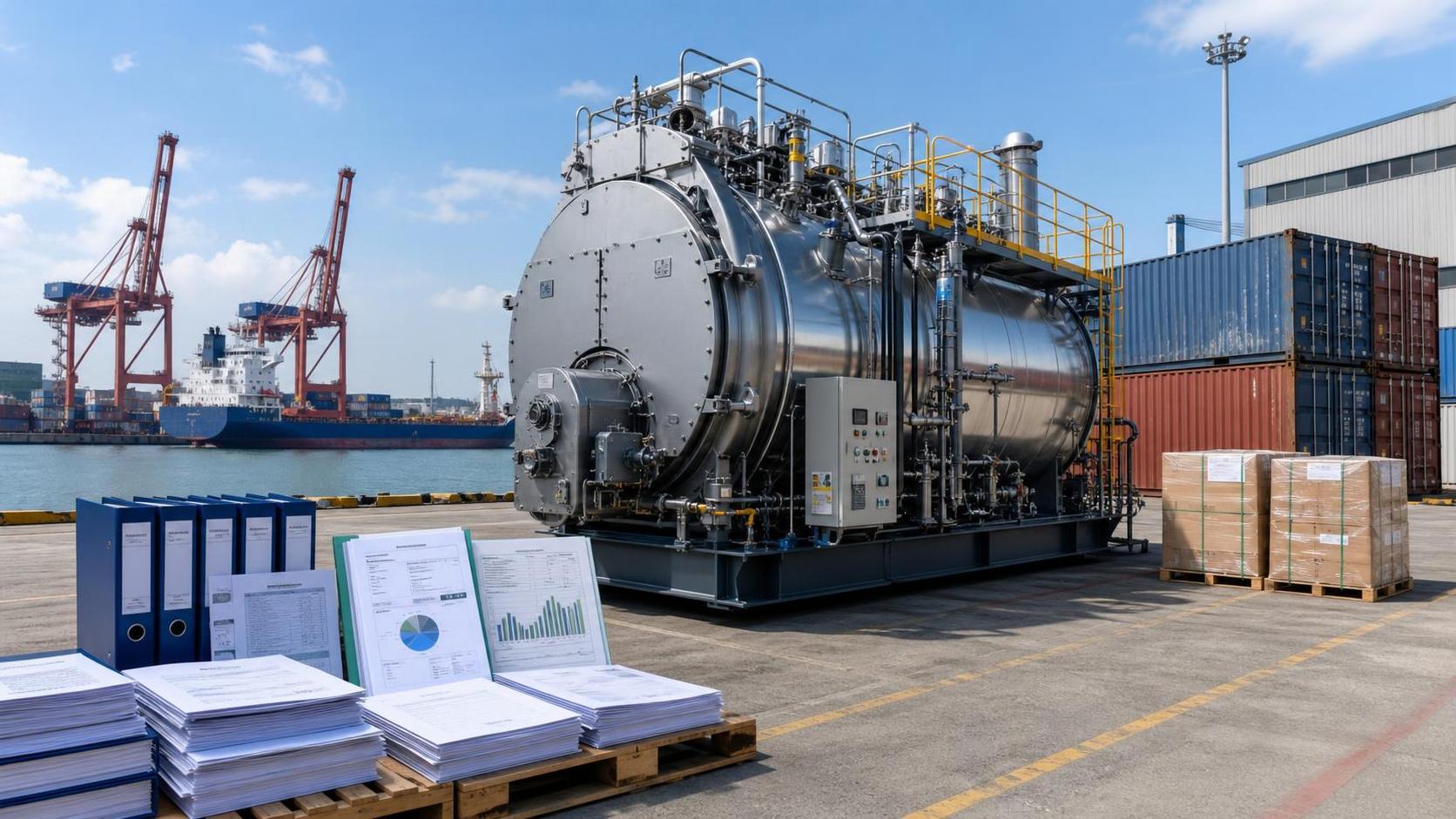
Companies facilitating cross-border shipments of biomass CHP systems into Saudi Arabia must now verify NGIC status prior to customs clearance for NEOM/Green Corridor consignments. Absence of NGIC certification may result in shipment rejection or project delivery delays. Documentation workflows must integrate NGIC certificate numbers, test reports aligned with the three criteria, and evidence of remote monitoring interface functionality.
What Stakeholders Should Monitor and Act On Now
Track official NGIC implementation timelines and scope clarifications
The current circular establishes requirements but does not specify effective dates for enforcement, transitional arrangements, or whether retroactive certification applies to already-contracted systems. Stakeholders should monitor SASO and NEOM’s official channels for follow-up notices — especially regarding deadlines, audit frequency, and conformity mark usage rules.
Verify eligibility of current and planned certification partners
Because only ISO/IEC 17065-accredited bodies may apply in Phase 1, companies should confirm whether their preferred certification provider holds valid accreditation for relevant technical scopes (e.g., energy systems, emissions monitoring devices). If not, engagement with an eligible body should begin without delay — accreditation processes can take several months.
Distinguish between NGIC as a project-specific requirement versus a national standard
This mandate applies explicitly to NEOM and the Green Hydrogen Corridor — not all Saudi markets. While it signals SASO’s direction toward stricter green infrastructure criteria, it does not yet replace or amend existing SASO SABER or energy efficiency regulations for general-purpose biomass equipment. Businesses should avoid overgeneralizing NGIC applicability beyond these defined geographies and use cases.
Prepare technical documentation aligned with the three NGIC metrics
Manufacturers and suppliers should compile test reports for ash content (per ASTM E1755 or ISO 18122), validated heat recovery efficiency calculations (including boundary definitions and measurement methodology), and functional specifications for the remote carbon emissions monitoring interface (e.g., data protocol, encryption, API schema). Pre-submission review by an eligible certification body is advisable before formal application.
Editorial Observation / Industry Perspective
Observably, this circular functions less as an immediate operational mandate and more as a targeted signal of NEOM’s infrastructure governance model — one that layers project-specific certification atop national regulatory frameworks. Analysis shows NGIC is not a standalone standard but a compliance gateway tightly coupled to NEOM’s sovereign sustainability objectives. Its narrow initial scope (limited to biomass CHP, specific geography, and accredited certifiers only) suggests phased scalability rather than broad regulatory overhaul. From an industry standpoint, NGIC reflects growing differentiation between ‘general market’ and ‘NEOM-grade’ clean energy products — a segmentation likely to influence tendering practices, financing terms, and long-term technology roadmaps across the Gulf’s green infrastructure pipeline.

Conclusion: This SASO circular marks a formal institutionalization of NEOM’s green infrastructure quality expectations — not a nationwide regulation, but a high-stakes compliance threshold for a strategically critical development zone. It is best understood not as a broad policy shift, but as an early indicator of how future mega-project procurements in Saudi Arabia may embed layered, performance-based certification requirements. For affected stakeholders, proactive alignment with NGIC’s technical and procedural conditions remains the most operationally relevant response at this stage.
Source: SASO Technical Circular No. SASO/TC-2026/042, issued May 13, 2026.
Note: Implementation timeline, enforcement date, and potential expansion beyond biomass CHP systems remain pending official clarification and are subject to ongoing monitoring.
Related News
- IEA Report Flags 37% Rise in Biomass Boiler BudgetsAuthor :Thermal Energy Strategist

- Vietnam Tightens Import Rules for Biomass BoilersAuthor :Thermal Energy Strategist

- SASO Tightens NOx Monitoring Rule for Biomass BoilersAuthor :Thermal Energy Strategist

- Vietnam Halts New Biomass Boiler Import PermitsAuthor :Thermal Energy Strategist

- Industrial Biomass Boilers: Key Cost Factors for Heating ProjectsAuthor :Thermal Energy Strategist
![]()
- PSA Jurong Island Launch Cuts Biomass Fuel Clearance to 48 HoursAuthor :Thermal Energy Strategist
![]()
- Vietnam Requires CFP for Imported Biomass BoilersAuthor :Thermal Energy Strategist

- EU Monitoring Tightens Biomass Boiler Steel SupplyAuthor :Thermal Energy Strategist

- ASHRAE 189.1-2026 Adds Biomass Carbon ReviewAuthor :Thermal Energy Strategist

- ACWA Power Sets 45% Local Content Rule in Boiler TenderAuthor :Thermal Energy Strategist

- India BIS Draft Targets Biomass Boiler Data LinksAuthor :Thermal Energy Strategist

- EU REACH SVHC Update Restricts TCEP in Biomass EquipmentAuthor :Thermal Energy Strategist

- China Customs Adds HS Code Rule for Biomass Boiler ExportsAuthor :Thermal Energy Strategist

- China Adds Carbon Traceability Rule for Biomass Boiler ExportsAuthor :Thermal Energy Strategist

- Sugar Import Quota Notice Raises Biomass Fuel Cost FocusAuthor :Thermal Energy Strategist
![]()
- Urea Drops to $577/Ton, Easing Biomass Boiler CostsAuthor :Thermal Energy Strategist

- Urea Falls to $577/Ton, Easing Biomass Boiler Cost PressureAuthor :Thermal Energy Strategist

- Carbon Neutrality Pressures on Biomass Energy ROIAuthor :Thermal Energy Strategist

- Japan's Crude Imports Plunge 64% in April, Boosting Biomass & Chiller AdoptionAuthor :Thermal Energy Strategist

- Indonesia Tightens Thermal Coal Exports, Boosts Biomass & Industrial Chiller DemandAuthor :Thermal Energy Strategist

- Clean Energy Technology Gains That Make Biomass Worth RevisitingAuthor :Thermal Energy Strategist

- Clean Energy Technology Trends Changing Biomass Energy Project ReturnsAuthor :Thermal Energy Strategist

- Carbon Neutrality Pressures on Biomass Energy ProjectsAuthor :Thermal Energy Strategist

- Biomass Energy Cold-Heat Supply System Named in China’s Top 7 Future IndustriesAuthor :Thermal Energy Strategist

- Carbon Neutrality Pressure and Biomass Energy Project PaybackAuthor :Thermal Energy Strategist

- NEOM Green Infrastructure Certification Expands to Biomass CHP SystemsAuthor :Thermal Energy Strategist

- Saudi SASO Mandates NGIC Certification for Biomass CHP SystemsAuthor :Thermal Energy Strategist

- Clean Energy Technology Trends Changing Biomass Energy ProjectsAuthor :Thermal Energy Strategist

- Saudi SASO Mandates NEOM Green Infrastructure Certification for Biomass CHP SystemsAuthor :Thermal Energy Strategist

- Middle East Bans R134a Imports; Biomass CHP Gains TractionAuthor :Thermal Energy Strategist

- Clean Energy Technology and Biomass Energy: What Changes in 2026Author :Thermal Energy Strategist

- Middle East Bans R134a Equipment Imports; Biomass CCHP Gains TractionAuthor :Thermal Energy Strategist

- Canton Fair Phase II: Biomass Boiler Orders Surge 112% from SEAAuthor :Thermal Energy Strategist

- Carbon Neutrality and Biomass Energy: Where the Business Case Is StrongestAuthor :Thermal Energy Strategist

- Industrial Heat Recovery Ideas That Cut Fuel Use in Daily OperationsAuthor :Thermal Energy Strategist