India BIS Draft Targets Biomass Boiler Data Links




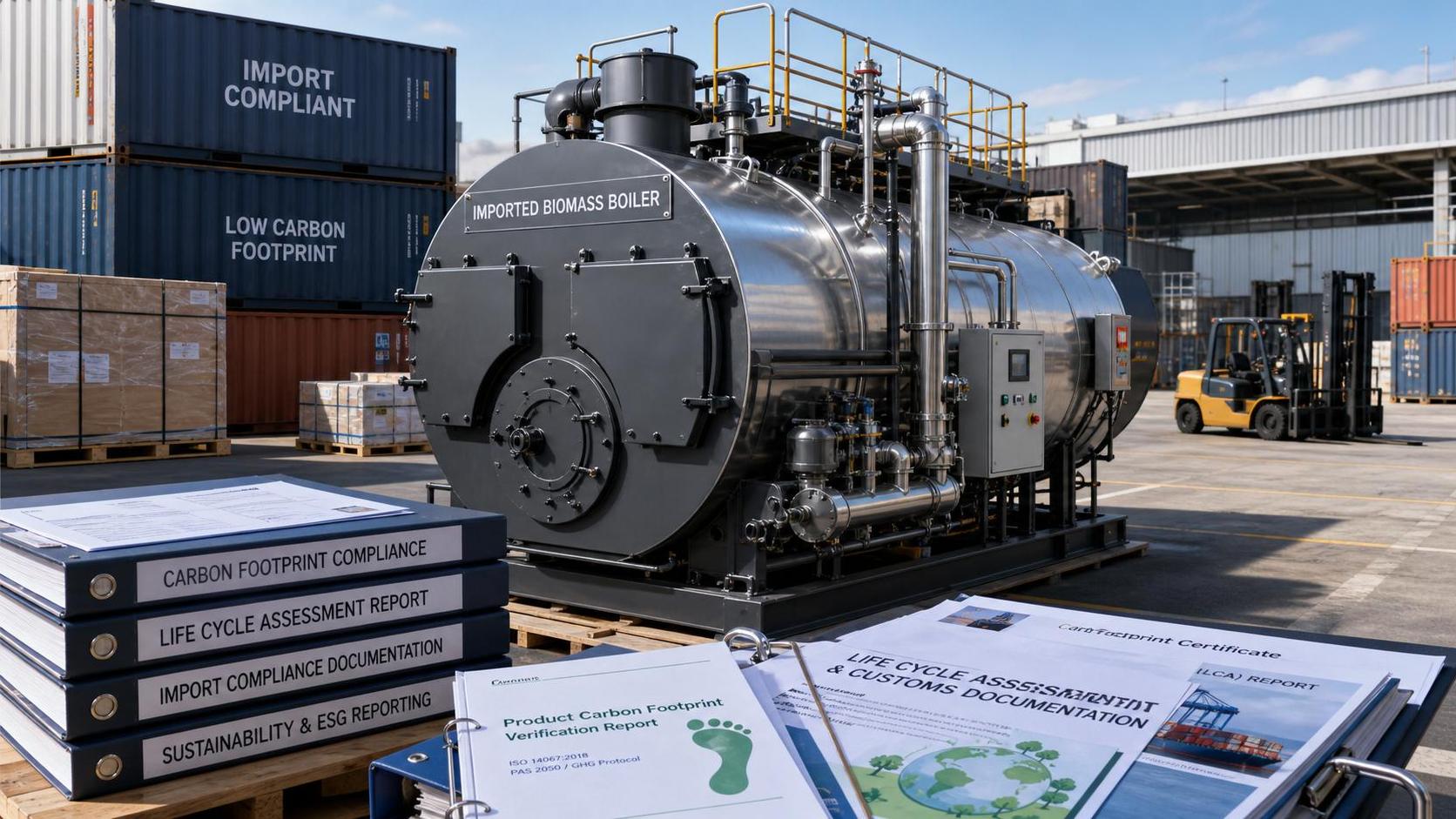
On June 28, 2026, the Bureau of Indian Standards (BIS) released the draft IS 17842:2026, pointing to a more specific compliance path for imported biomass steam boilers in India. The draft does not only address energy performance; it also introduces a direct remote carbon-emissions data transmission requirement for imported biomass boilers with a rated evaporation capacity of 2 t/h or above. For boiler manufacturers, exporters, import-side buyers, certification-related service providers, and delivery teams, this is worth close attention because the change could affect product configuration, technical documentation, procurement specifications, and delivery readiness ahead of the expected Q4 2026 implementation.
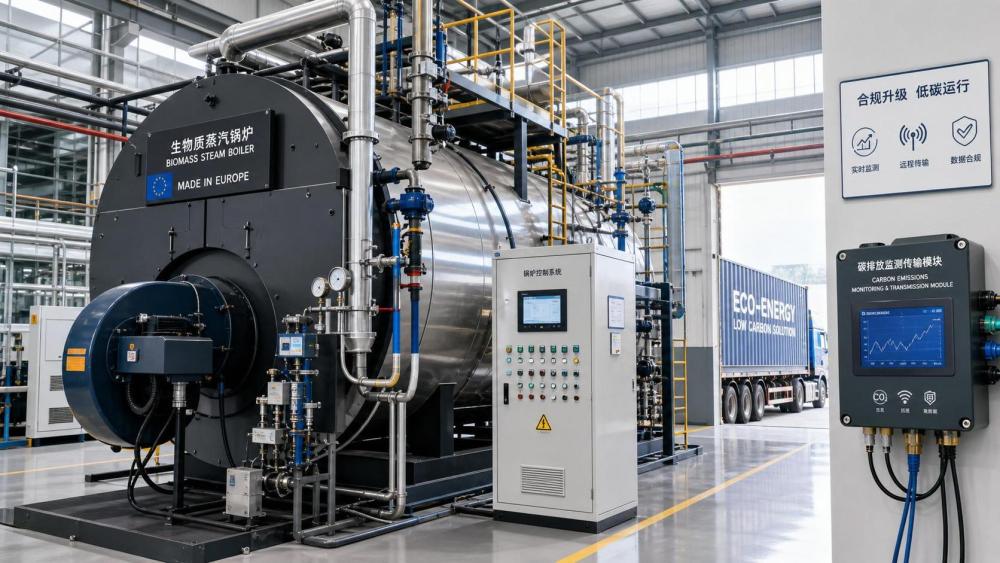
What the draft clearly requires
According to the information provided, BIS published the draft IS 17842:2026, titled Specification for Energy Efficiency and Carbon Data Management of Biomass Steam Boilers, on June 28, 2026.
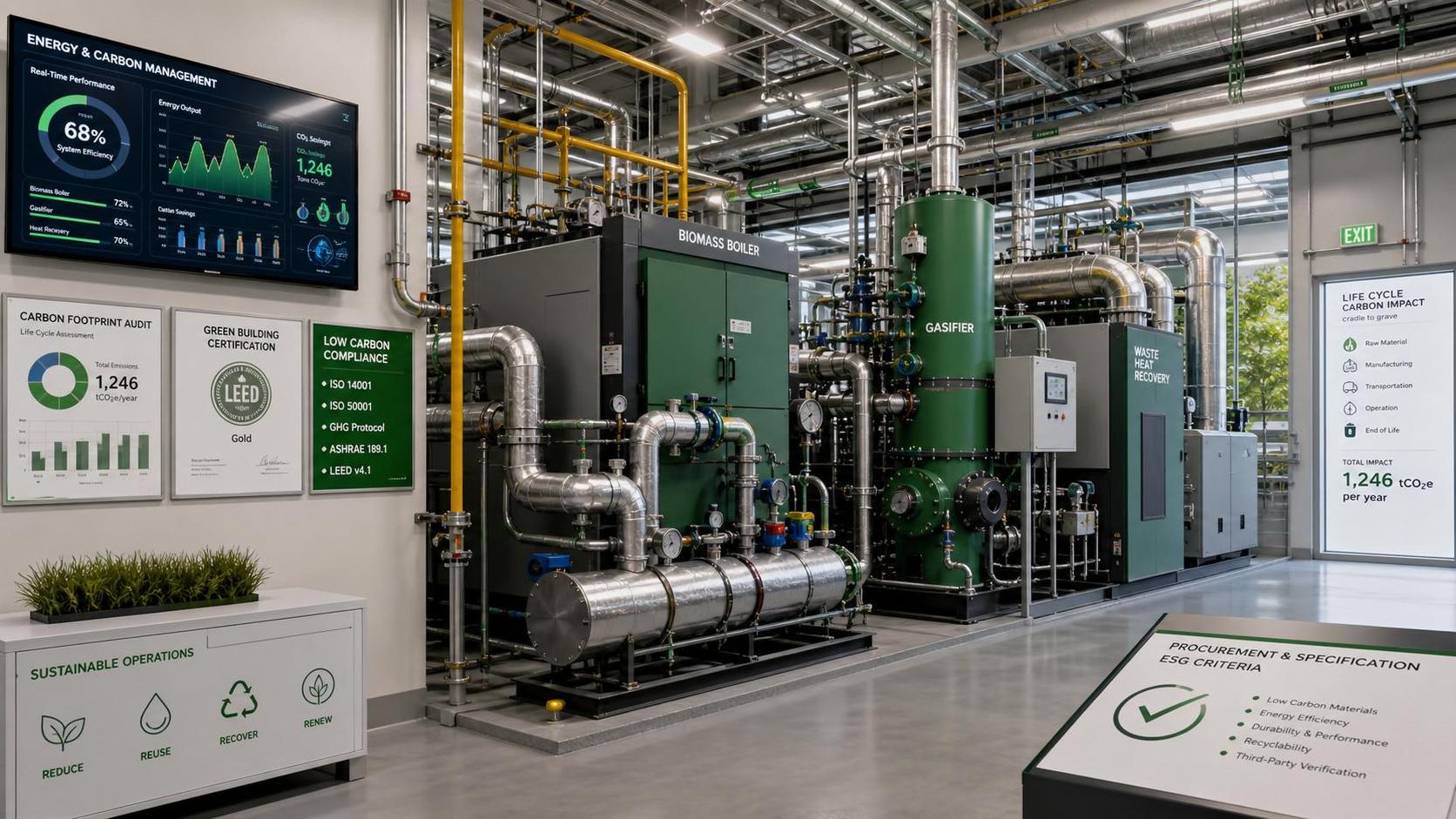
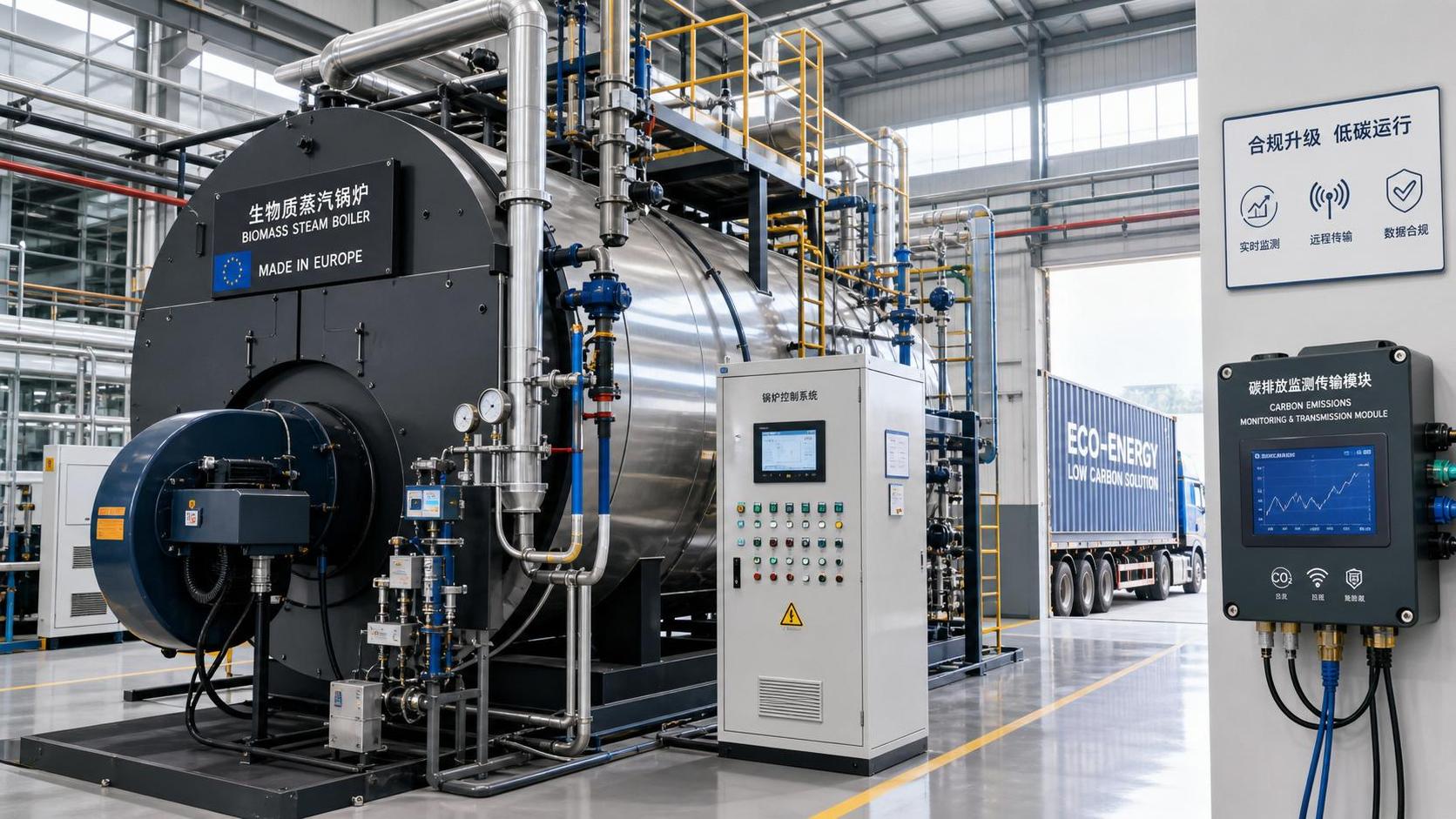
The draft requires all imported biomass boilers with a rated evaporation capacity of 2 t/h or above to be pre-installed with a remote carbon-emissions monitoring and direct transmission module that complies with MQTT 5.0.
The same draft also requires those products to connect to India’s National Green Energy Platform (NGEP).
The public comment period runs until August 15, 2026, and the measure is expected to be formally implemented in Q4 2026.
Where the commercial impact is likely to appear first
Equipment suppliers may face a product configuration shift
From an industry perspective, the most immediate effect for boiler manufacturers and export suppliers is that the compliance focus may move beyond core thermal equipment performance into embedded data interface capability. If a boiler shipped into India falls within the stated capacity threshold, the relevant business risk may no longer be limited to the boiler body or efficiency parameters, but may also extend to whether the unit is already equipped with a compliant MQTT 5.0-based transmission module and whether NGEP connection requirements can be met.
In practical terms, this could affect technical bid alignment, model configuration, factory acceptance preparation, and export documentation review. Companies active in India-bound sales may need to check whether their existing product platforms can support the required module as a standard or optional configuration.
Import-side buyers and project procurement teams may need to revise specifications
For buyers, EPC-style procurement teams, and project owners sourcing imported biomass boilers, the draft signals that procurement specifications may need to reflect data connectivity and platform-access readiness rather than focusing only on boiler capacity and energy performance. Analysis shows that purchase orders, tender documents, and technical annexes may increasingly need clearer wording on pre-installation status, protocol compatibility, and delivery scope for monitoring modules.
This matters because procurement mismatches often surface late, during inspection, customs preparation, commissioning, or handover. Even before formal implementation, market participants may start treating this requirement as an upcoming precondition in negotiations or supplier screening.
Certification and testing-related services may see a documentation burden increase
Certification-related companies, testing service providers, and technical documentation teams may also be affected. Observably, when a draft standard introduces both equipment and data-transmission conditions, supporting materials usually become more important in compliance workflows. In this case, the areas likely to draw attention are technical descriptions of the installed module, protocol conformity statements, interface-related records, and documentation showing readiness for NGEP connection.
This should not be read as a confirmed final certification procedure, because the provided information does not include detailed enforcement steps. Still, the draft already suggests that documentation quality could become a more visible part of market access preparation.
Delivery and after-sales planning could become more tightly linked to compliance
For supply-chain service providers and after-sales teams, the draft may also affect how delivery commitments are structured. If product shipment, installation readiness, and platform connectivity need to align more closely, then delivery planning may need earlier coordination between manufacturing, controls integration, and local commissioning support. Analysis shows that companies should pay attention to whether the remote transmission function is treated as part of the delivered equipment scope rather than a later retrofit item.
What companies should watch before the draft moves further
Review whether affected models fall within the stated threshold
A first practical step is to identify which India-bound imported biomass boilers fall within the draft’s stated scope, especially the threshold of rated evaporation capacity at or above 2 t/h. This is basic, but it determines whether the product may be drawn into the new compliance path described in the draft.
Check module readiness against the stated protocol requirement
Companies should also examine whether current configurations already include, or can readily integrate, a remote carbon-emissions monitoring and direct transmission module compliant with MQTT 5.0. What deserves closer attention is not only the module itself, but whether product literature, technical files, and bid documents describe that capability consistently.
Track how India-facing documents are written from this point onward
Because the draft comment period runs until August 15, 2026, and formal implementation is expected in Q4 2026, exporters and buyers should monitor how this requirement begins to appear in quotations, tender language, technical specifications, and supplier qualification reviews. The current stage is still a draft stage, so companies should avoid assuming that every execution detail is already fixed. At the same time, ignoring the wording now could compress later delivery timelines.
Prepare for possible changes in compliance evidence and handover materials
Analysis shows that teams handling export compliance, project handover, and customer acceptance should begin checking whether additional records may be needed if the draft proceeds in its current direction. The provided information does not define final document lists or enforcement mechanics, so this remains a watchpoint rather than a settled requirement. Even so, early internal alignment across engineering, sales, and compliance functions may reduce friction later.
Why this looks more like an execution signal than a routine draft
Observably, the draft matters because it links biomass boiler market access to a specific digital reporting capability rather than leaving carbon-related obligations at a broad policy level. That makes this more than a general sustainability signal. It suggests a possible shift toward device-level data connectivity as part of import-side compliance expectations for certain industrial equipment.
At the same time, it is more appropriate to understand this as a developing rule dynamic rather than a fully settled final regime. The draft has a stated consultation deadline, and the information provided does not include detailed enforcement language, certification workflow, or platform onboarding procedures. For that reason, the market should watch not only the final text, but also how procurement practice and compliance interpretation evolve around it.
How the market may need to read this stage
In summary, the BIS draft points to a concrete compliance direction for imported biomass boilers in India: equipment above the stated capacity threshold may need to arrive with built-in remote carbon data transmission capability and NGEP connectivity readiness. The significance lies less in headline policy language and more in the possibility that product design, procurement wording, and delivery preparation may all need to adjust.
At the current stage, this is best understood as a strong regulatory signal with likely operational implications, but one that still requires close monitoring before companies treat every implementation detail as final.
Basis of this article and what still needs verification
This article is based on the user-provided news title, event date, and event summary concerning the BIS draft IS 17842:2026 released on June 28, 2026.
For developments of this type, relevant source categories typically include official notices, publications by regulatory authorities, trade or customs authorities, industry association updates, standards organization documents, and reporting by authoritative media. No specific official source link was provided in the input, so the underlying official publication link still needs to be verified on an ongoing basis.
Further monitoring is still needed on the final text of the draft, implementation wording, certification interpretation, tender document changes, market feedback, and how affected companies execute the requirement in practice.
Related News
- IEA Report Flags 37% Rise in Biomass Boiler BudgetsAuthor :Thermal Energy Strategist

- Vietnam Tightens Import Rules for Biomass BoilersAuthor :Thermal Energy Strategist

- SASO Tightens NOx Monitoring Rule for Biomass BoilersAuthor :Thermal Energy Strategist

- Vietnam Halts New Biomass Boiler Import PermitsAuthor :Thermal Energy Strategist

- Industrial Biomass Boilers: Key Cost Factors for Heating ProjectsAuthor :Thermal Energy Strategist
![]()
- PSA Jurong Island Launch Cuts Biomass Fuel Clearance to 48 HoursAuthor :Thermal Energy Strategist
![]()
- Vietnam Requires CFP for Imported Biomass BoilersAuthor :Thermal Energy Strategist

- EU Monitoring Tightens Biomass Boiler Steel SupplyAuthor :Thermal Energy Strategist

- ASHRAE 189.1-2026 Adds Biomass Carbon ReviewAuthor :Thermal Energy Strategist

- ACWA Power Sets 45% Local Content Rule in Boiler TenderAuthor :Thermal Energy Strategist

- India BIS Draft Targets Biomass Boiler Data LinksAuthor :Thermal Energy Strategist

- EU REACH SVHC Update Restricts TCEP in Biomass EquipmentAuthor :Thermal Energy Strategist

- China Customs Adds HS Code Rule for Biomass Boiler ExportsAuthor :Thermal Energy Strategist

- China Adds Carbon Traceability Rule for Biomass Boiler ExportsAuthor :Thermal Energy Strategist

- Sugar Import Quota Notice Raises Biomass Fuel Cost FocusAuthor :Thermal Energy Strategist
![]()
- Urea Drops to $577/Ton, Easing Biomass Boiler CostsAuthor :Thermal Energy Strategist

- Urea Falls to $577/Ton, Easing Biomass Boiler Cost PressureAuthor :Thermal Energy Strategist

- Carbon Neutrality Pressures on Biomass Energy ROIAuthor :Thermal Energy Strategist

- Japan's Crude Imports Plunge 64% in April, Boosting Biomass & Chiller AdoptionAuthor :Thermal Energy Strategist

- Indonesia Tightens Thermal Coal Exports, Boosts Biomass & Industrial Chiller DemandAuthor :Thermal Energy Strategist

- Clean Energy Technology Gains That Make Biomass Worth RevisitingAuthor :Thermal Energy Strategist

- Clean Energy Technology Trends Changing Biomass Energy Project ReturnsAuthor :Thermal Energy Strategist

- Carbon Neutrality Pressures on Biomass Energy ProjectsAuthor :Thermal Energy Strategist

- Biomass Energy Cold-Heat Supply System Named in China’s Top 7 Future IndustriesAuthor :Thermal Energy Strategist

- Carbon Neutrality Pressure and Biomass Energy Project PaybackAuthor :Thermal Energy Strategist

- NEOM Green Infrastructure Certification Expands to Biomass CHP SystemsAuthor :Thermal Energy Strategist

- Saudi SASO Mandates NGIC Certification for Biomass CHP SystemsAuthor :Thermal Energy Strategist

- Clean Energy Technology Trends Changing Biomass Energy ProjectsAuthor :Thermal Energy Strategist

- Saudi SASO Mandates NEOM Green Infrastructure Certification for Biomass CHP SystemsAuthor :Thermal Energy Strategist

- Middle East Bans R134a Imports; Biomass CHP Gains TractionAuthor :Thermal Energy Strategist

- Clean Energy Technology and Biomass Energy: What Changes in 2026Author :Thermal Energy Strategist

- Middle East Bans R134a Equipment Imports; Biomass CCHP Gains TractionAuthor :Thermal Energy Strategist

- Canton Fair Phase II: Biomass Boiler Orders Surge 112% from SEAAuthor :Thermal Energy Strategist

- Carbon Neutrality and Biomass Energy: Where the Business Case Is StrongestAuthor :Thermal Energy Strategist

- Industrial Heat Recovery Ideas That Cut Fuel Use in Daily OperationsAuthor :Thermal Energy Strategist