



Vietnam Requires CFP for Imported Biomass Boilers




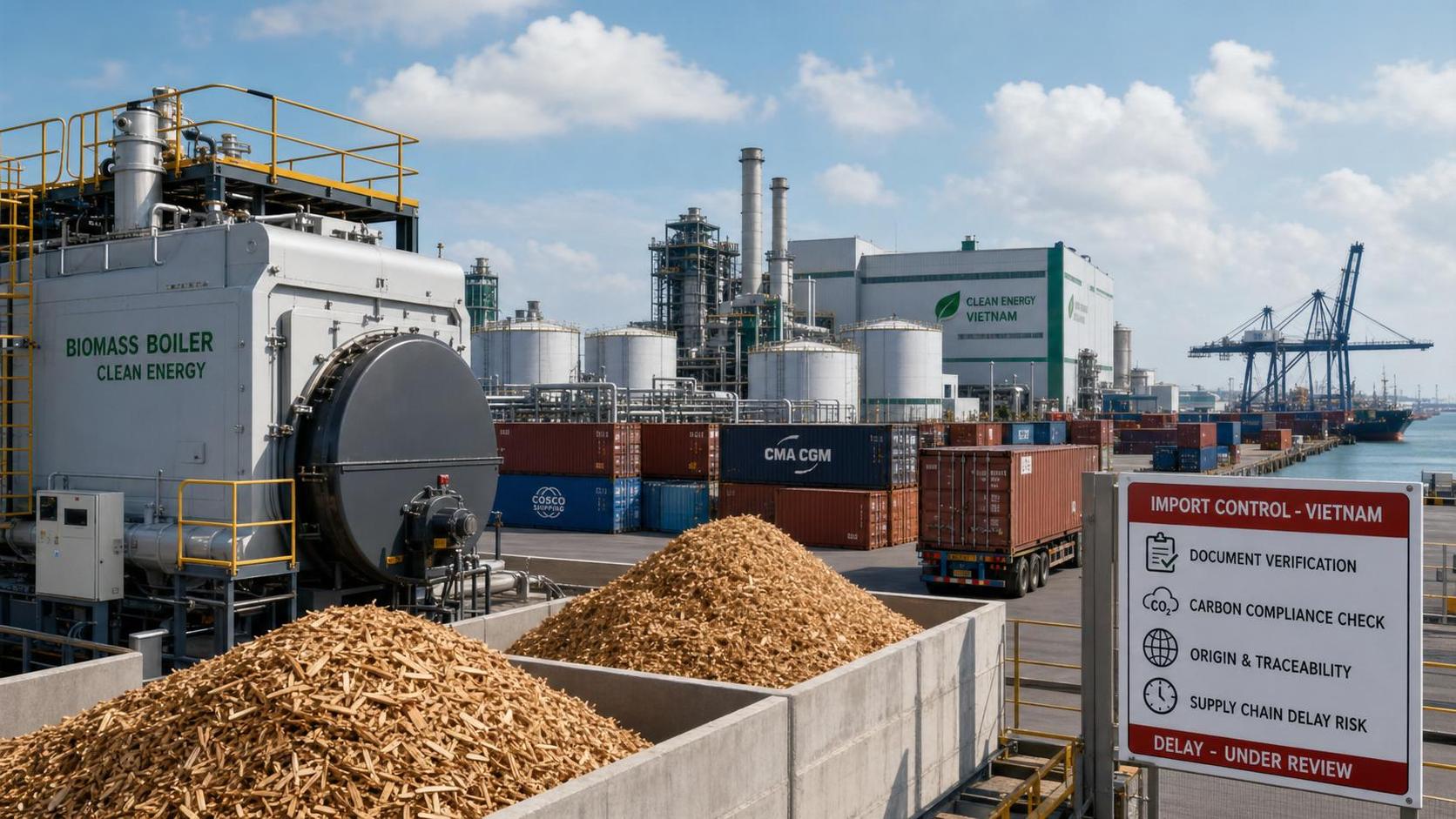
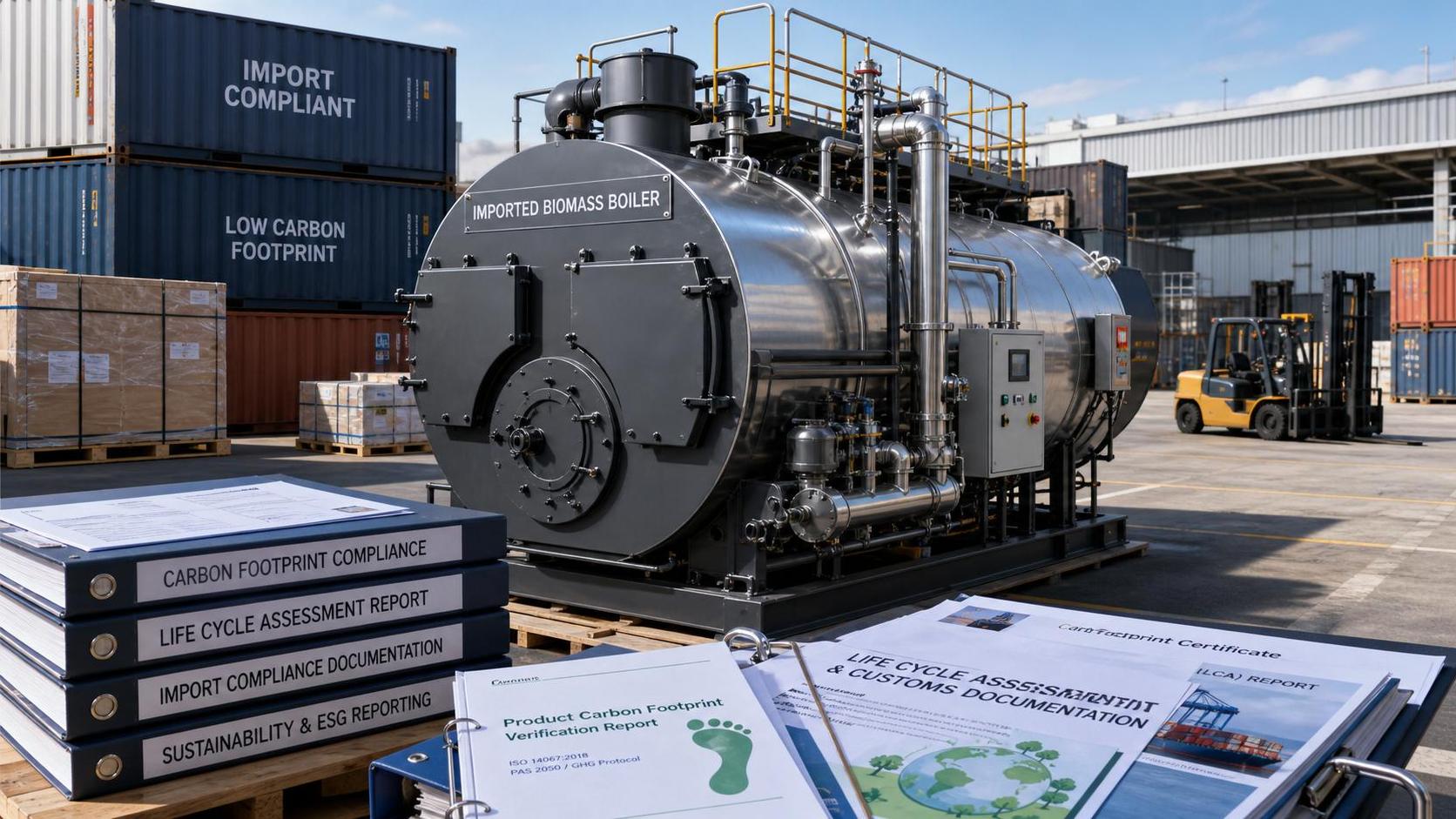
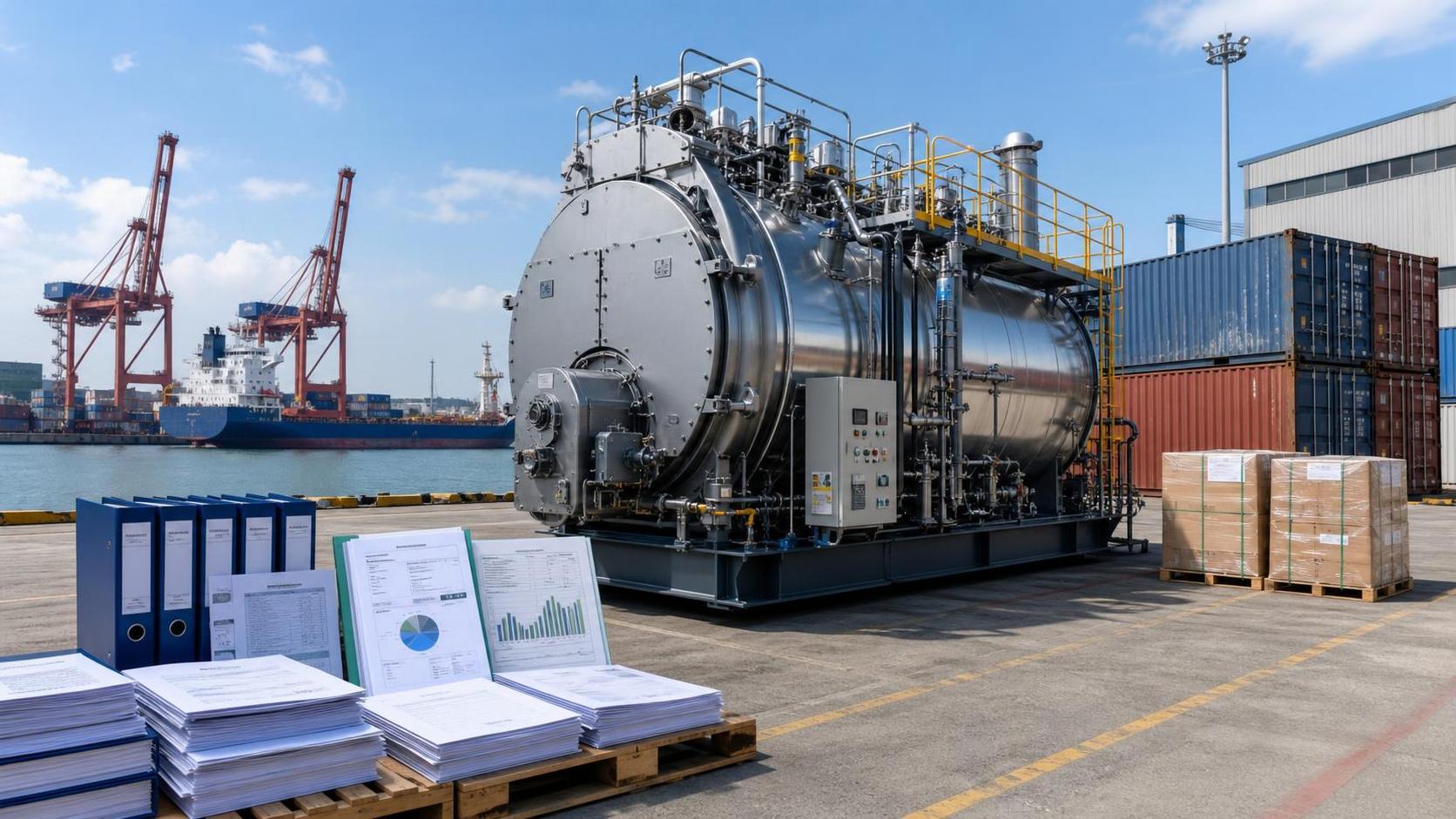
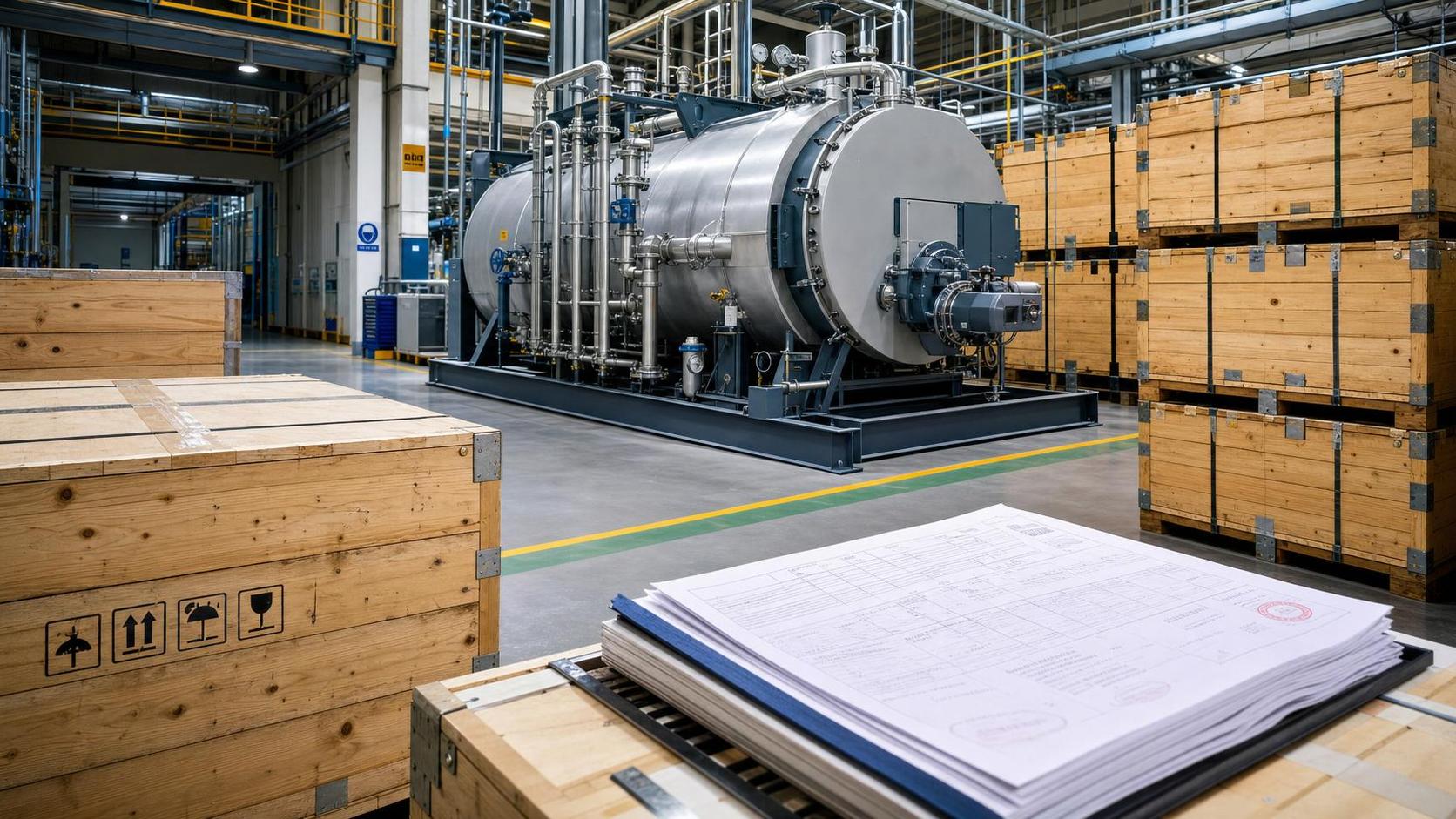
Vietnam’s Ministry of Industry and Trade issued a new compliance signal on July 4, 2026 that directly affects imported biomass boilers: shipments must now be accompanied by a lifecycle carbon footprint declaration. For exporters, importers, procurement teams, testing partners, and delivery planners, this is not simply a documentation update. It introduces a new carbon disclosure requirement into the import process and deserves attention because it links market access to verifiable emissions data covering fuel production, transport, and combustion.
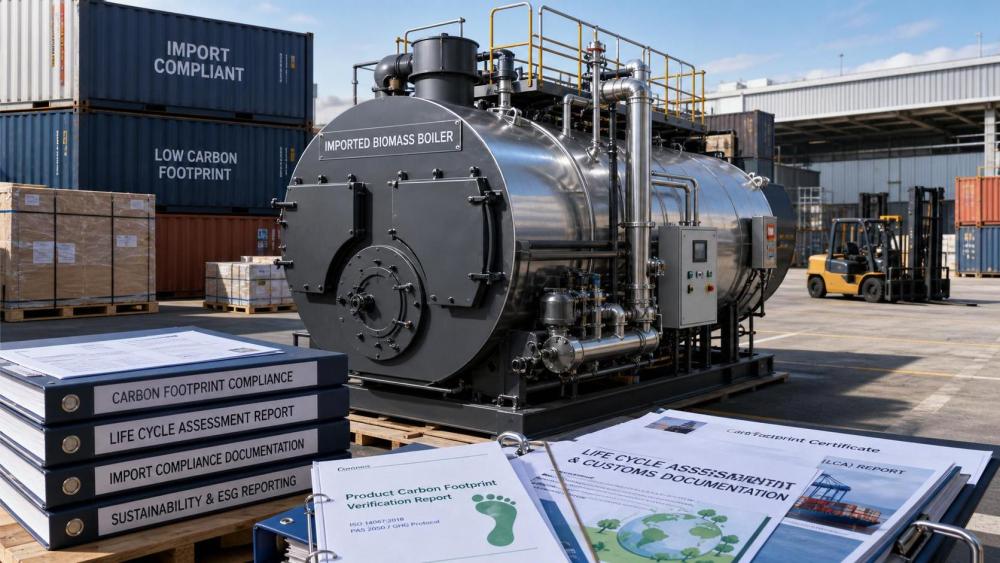
A new import filing requirement is now in place
According to the confirmed information provided, MOIT released Circular No. 18/2026/TT-BCT on July 4, 2026. The circular requires all imported biomass boilers, effective immediately, to be accompanied by a full lifecycle carbon footprint declaration.
The declaration must be issued by a laboratory recognized by VIRI. The required data scope covers emissions from fuel production, transportation, and combustion.
The measure is described as the first mandatory carbon disclosure requirement of its kind in ASEAN. The provided event summary also states that the change will affect the LCA modeling capability of Chinese biomass boiler exporters and their arrangements with third-party verification partners.
Where the pressure points are likely to appear
Export transactions may face a new documentation threshold
From an industry perspective, companies shipping biomass boilers into Vietnam may be affected first at the trade documentation stage. The key reason is that the import requirement is tied to a carbon footprint declaration rather than only to product specifications or routine shipment papers. What deserves closer attention is whether exporters already have the underlying lifecycle data structure needed to support filing, review, and handover during export delivery.
Procurement and project teams may need earlier data coordination
Buyers, sourcing teams, and project coordinators may feel the impact in supplier qualification and order scheduling. Analysis shows that once a CFP becomes part of import compliance, procurement work may need to begin earlier, especially where suppliers, technical documents, and testing arrangements must align before shipment. The practical issue is less about the existence of a single report and more about whether the carbon data package can travel with the order in a usable form.
Testing and verification partners become part of the delivery path
Observably, laboratories and third-party verification partners move closer to the transaction itself under this rule change. Because the declaration must come from a VIRI-recognized laboratory, certification-related service providers and compliance coordinators may become involved earlier in export planning, document preparation, and final delivery checks. The business impact is likely to appear in workflow coordination rather than only in technical review.
After-sales and traceability teams should watch record consistency
For companies managing post-delivery service or product traceability, the change may also matter because declared lifecycle emissions data could become part of the compliance file associated with a delivered unit. Analysis shows that document consistency across technical files, shipment records, and supporting declarations may become more important where customers or local counterparts request aligned records after import.
What companies should monitor now
Review whether current LCA inputs are decision-ready
Analysis shows that exporters of biomass boilers should first check whether their existing lifecycle assessment inputs can support a carbon footprint declaration covering fuel production, transport, and combustion. The immediate issue is not to assume a reporting format beyond the provided facts, but to verify whether the necessary underlying data can be assembled in a defensible and consistent way.
Check verification arrangements before shipment planning
What deserves closer attention is the interface with VIRI-recognized laboratories. Since the declaration must be issued through that channel, companies involved in export scheduling, bid support, or order fulfillment should review whether their current third-party verification arrangements are compatible with the new requirement.
Revisit contract files and bid documents
Observably, contracts, quotation files, tender attachments, and technical submittals may need closer review where delivery into Vietnam is involved. Even without additional implementation details in the provided information, companies should watch for whether carbon declaration language begins to appear in commercial documents, technical schedules, or acceptance-related paperwork.
Watch execution language rather than assuming stable practice
The provided summary confirms the rule change, but it does not provide full operational detail on review procedures, document format, or enforcement handling. For that reason, companies should monitor subsequent official wording, practical interpretation, and document expectations instead of treating the current notice as a fully settled operating manual.
How this should be read at this stage
Analysis shows that this development is best understood as an executed compliance change with immediate trade relevance, rather than as a distant policy direction. At the same time, it is more appropriate to understand this as an early-stage execution signal, because the supplied information confirms the requirement itself but does not answer every implementation question that exporters and import-side operators will face in practice.
From an industry perspective, the more important message is that carbon disclosure is moving into import control for a specific equipment category. That matters because it can shift compliance work upstream into product data preparation, third-party validation, and shipment readiness.
Why the market will keep watching this closely
This update does not by itself establish every operational outcome, but it clearly marks a change in market-entry expectations for imported biomass boilers in Vietnam. The most reasonable reading at present is that the rule is already meaningful for exporters and supply-chain participants, while the detailed execution path still needs continued observation through official interpretation, certification practice, procurement language, and market feedback.
Basis of this article and what still needs verification
This article is based on the user-provided news title, event date, and event summary. For developments of this type, commonly relevant source categories may include official notices, releases from regulatory authorities, customs or trade administration updates, industry association communications, standards-related documents, and reporting by authoritative media.
A specific official source link was not provided in the input, so the underlying document trail still requires continued verification. Observably, the areas that still merit follow-up include detailed implementation language, certification and laboratory execution practice, changes in tender or procurement documents, market feedback, and how affected companies carry the requirement into actual export operations.
Related News
- IEA Report Flags 37% Rise in Biomass Boiler BudgetsAuthor :Thermal Energy Strategist

- Vietnam Tightens Import Rules for Biomass BoilersAuthor :Thermal Energy Strategist

- SASO Tightens NOx Monitoring Rule for Biomass BoilersAuthor :Thermal Energy Strategist

- Vietnam Halts New Biomass Boiler Import PermitsAuthor :Thermal Energy Strategist

- Industrial Biomass Boilers: Key Cost Factors for Heating ProjectsAuthor :Thermal Energy Strategist
![]()
- PSA Jurong Island Launch Cuts Biomass Fuel Clearance to 48 HoursAuthor :Thermal Energy Strategist
![]()
- Vietnam Requires CFP for Imported Biomass BoilersAuthor :Thermal Energy Strategist

- EU Monitoring Tightens Biomass Boiler Steel SupplyAuthor :Thermal Energy Strategist

- ASHRAE 189.1-2026 Adds Biomass Carbon ReviewAuthor :Thermal Energy Strategist

- ACWA Power Sets 45% Local Content Rule in Boiler TenderAuthor :Thermal Energy Strategist

- India BIS Draft Targets Biomass Boiler Data LinksAuthor :Thermal Energy Strategist

- EU REACH SVHC Update Restricts TCEP in Biomass EquipmentAuthor :Thermal Energy Strategist

- China Customs Adds HS Code Rule for Biomass Boiler ExportsAuthor :Thermal Energy Strategist

- China Adds Carbon Traceability Rule for Biomass Boiler ExportsAuthor :Thermal Energy Strategist

- Sugar Import Quota Notice Raises Biomass Fuel Cost FocusAuthor :Thermal Energy Strategist
![]()
- Urea Drops to $577/Ton, Easing Biomass Boiler CostsAuthor :Thermal Energy Strategist

- Urea Falls to $577/Ton, Easing Biomass Boiler Cost PressureAuthor :Thermal Energy Strategist

- Carbon Neutrality Pressures on Biomass Energy ROIAuthor :Thermal Energy Strategist

- Japan's Crude Imports Plunge 64% in April, Boosting Biomass & Chiller AdoptionAuthor :Thermal Energy Strategist

- Indonesia Tightens Thermal Coal Exports, Boosts Biomass & Industrial Chiller DemandAuthor :Thermal Energy Strategist

- Clean Energy Technology Gains That Make Biomass Worth RevisitingAuthor :Thermal Energy Strategist

- Clean Energy Technology Trends Changing Biomass Energy Project ReturnsAuthor :Thermal Energy Strategist

- Carbon Neutrality Pressures on Biomass Energy ProjectsAuthor :Thermal Energy Strategist

- Biomass Energy Cold-Heat Supply System Named in China’s Top 7 Future IndustriesAuthor :Thermal Energy Strategist

- Carbon Neutrality Pressure and Biomass Energy Project PaybackAuthor :Thermal Energy Strategist

- NEOM Green Infrastructure Certification Expands to Biomass CHP SystemsAuthor :Thermal Energy Strategist

- Saudi SASO Mandates NGIC Certification for Biomass CHP SystemsAuthor :Thermal Energy Strategist

- Clean Energy Technology Trends Changing Biomass Energy ProjectsAuthor :Thermal Energy Strategist

- Saudi SASO Mandates NEOM Green Infrastructure Certification for Biomass CHP SystemsAuthor :Thermal Energy Strategist

- Middle East Bans R134a Imports; Biomass CHP Gains TractionAuthor :Thermal Energy Strategist

- Clean Energy Technology and Biomass Energy: What Changes in 2026Author :Thermal Energy Strategist

- Middle East Bans R134a Equipment Imports; Biomass CCHP Gains TractionAuthor :Thermal Energy Strategist

- Canton Fair Phase II: Biomass Boiler Orders Surge 112% from SEAAuthor :Thermal Energy Strategist

- Carbon Neutrality and Biomass Energy: Where the Business Case Is StrongestAuthor :Thermal Energy Strategist

- Industrial Heat Recovery Ideas That Cut Fuel Use in Daily OperationsAuthor :Thermal Energy Strategist