



Middle East Bans R134a Equipment Imports; Biomass CCHP Gains Traction




Effective May 9, 2026, Saudi Arabia, the United Arab Emirates, and Qatar have imposed temporary import restrictions on commercial refrigeration equipment containing R134a refrigerant — a move triggered by fuel shortages and sharp electricity price hikes linked to regional instability, including the ongoing Iran-related conflict.
Event Overview
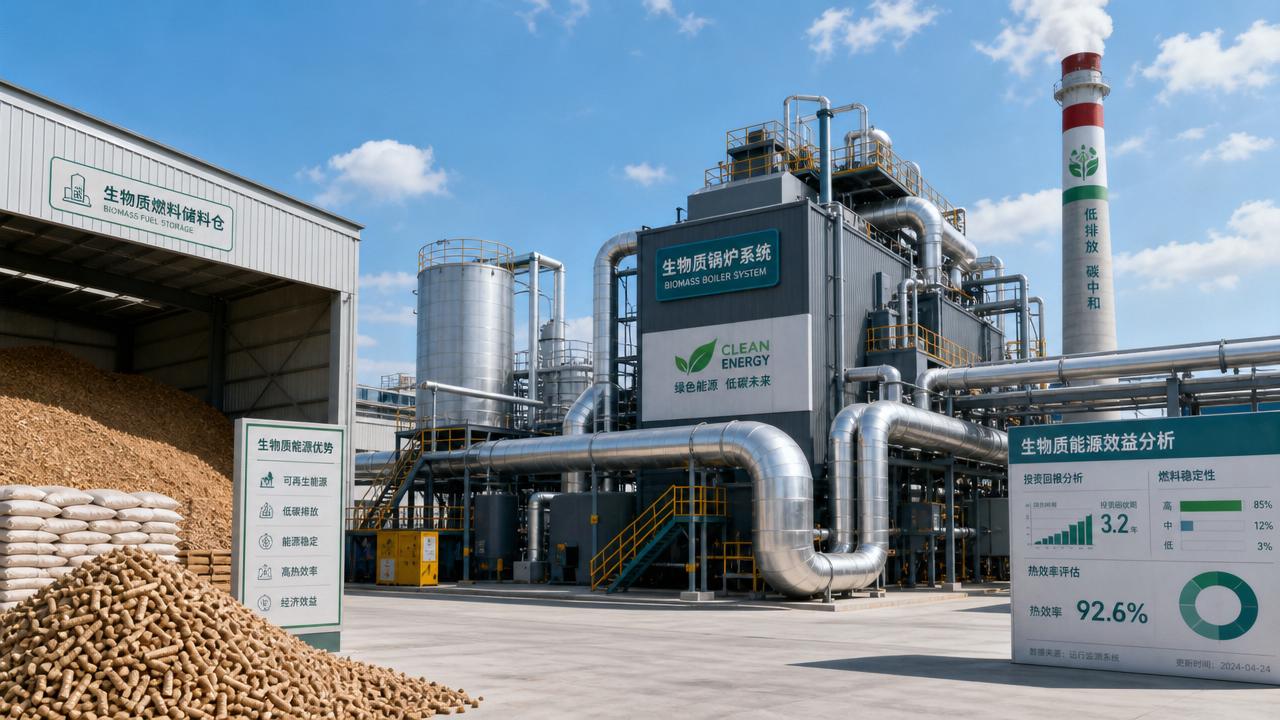
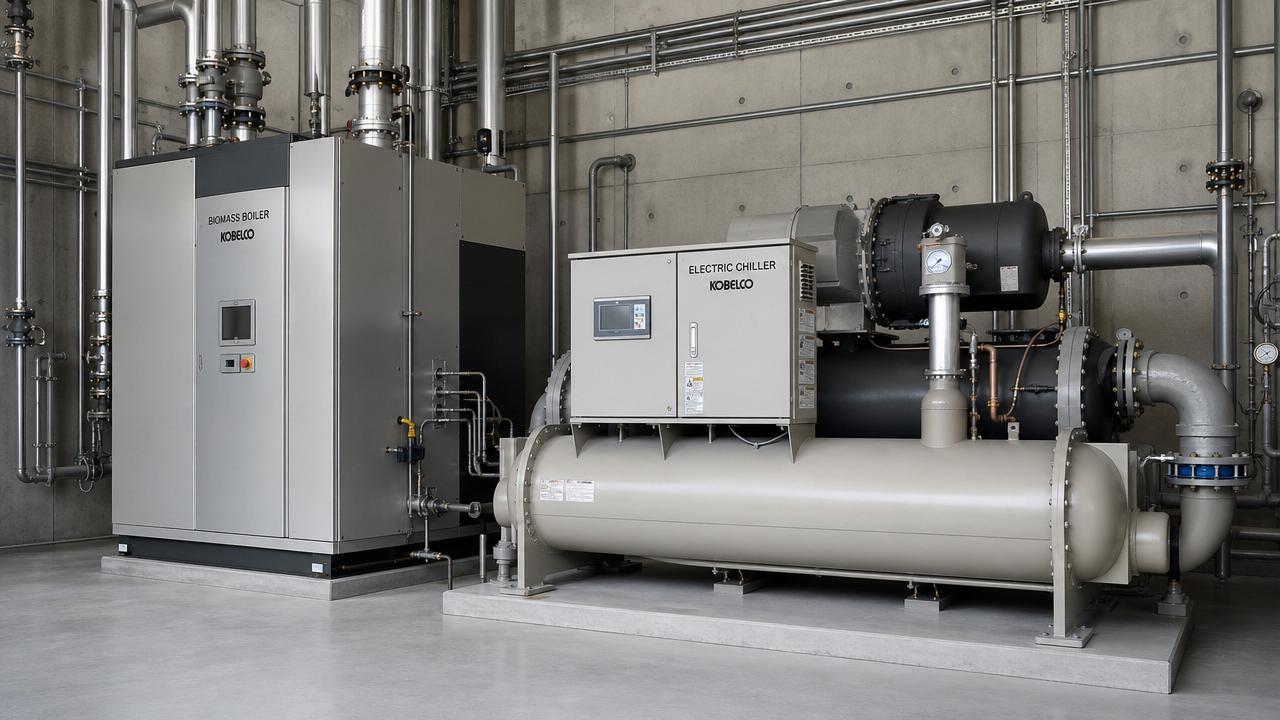
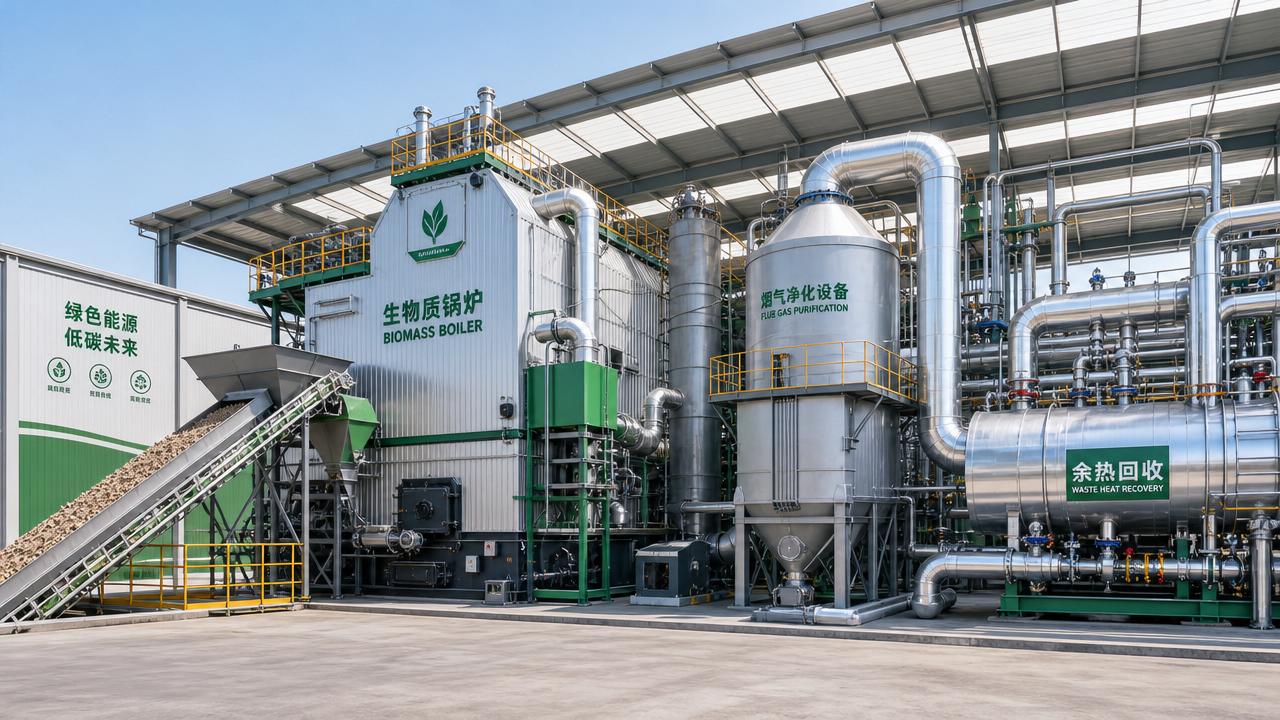
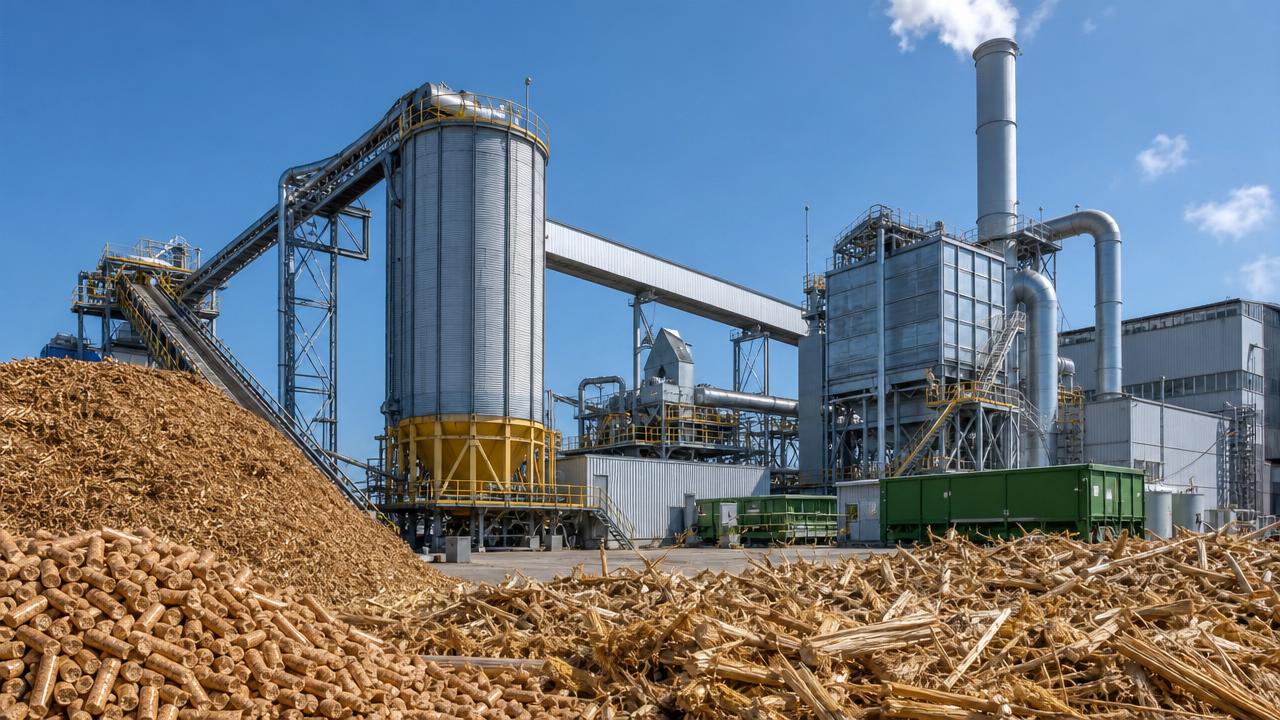
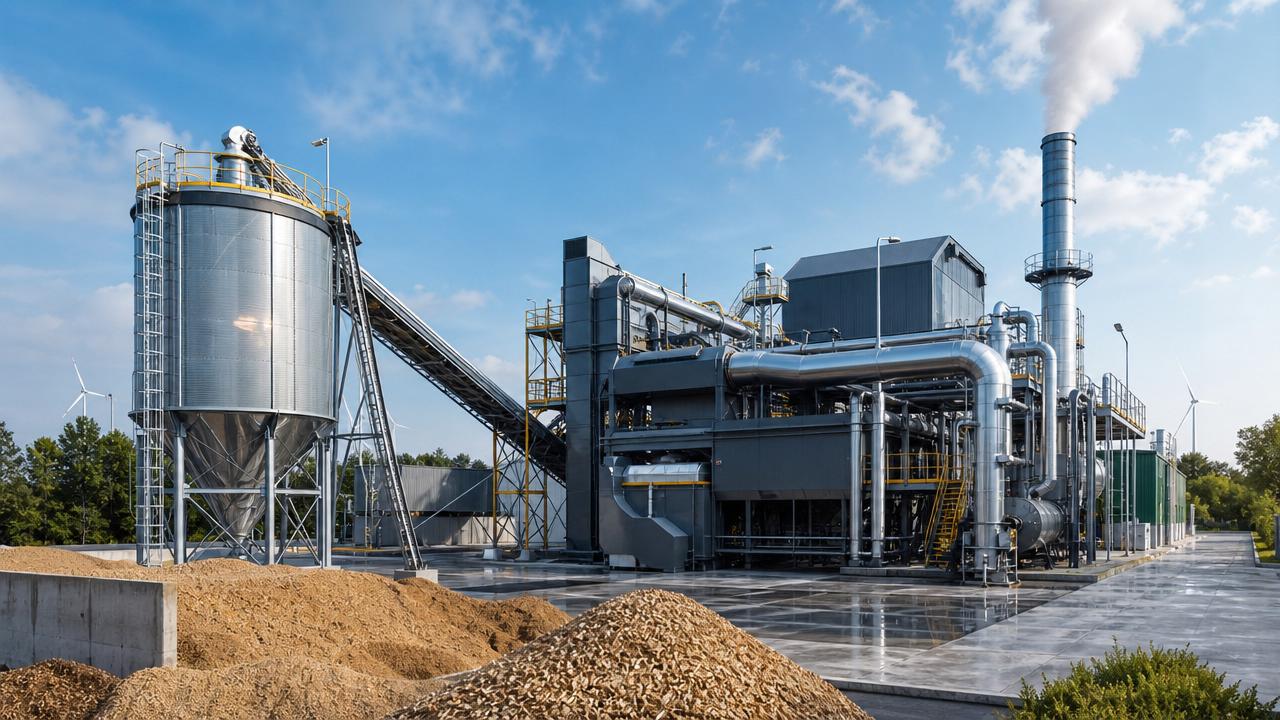
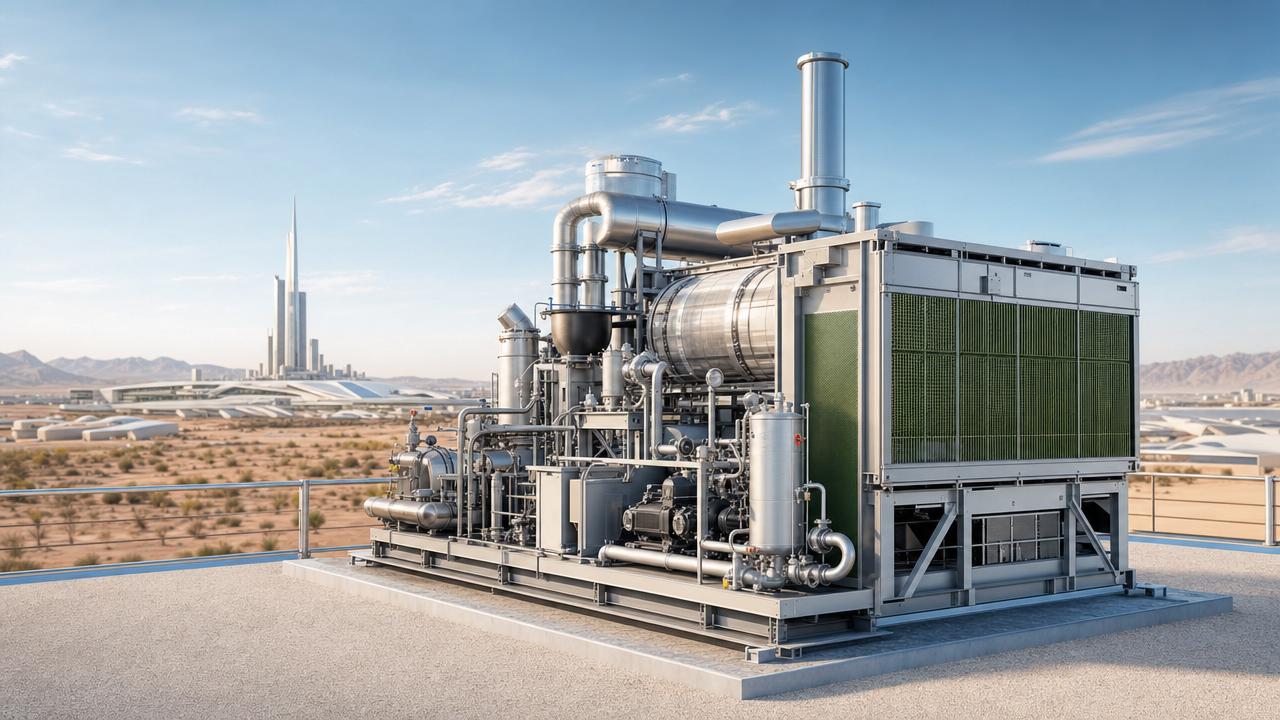
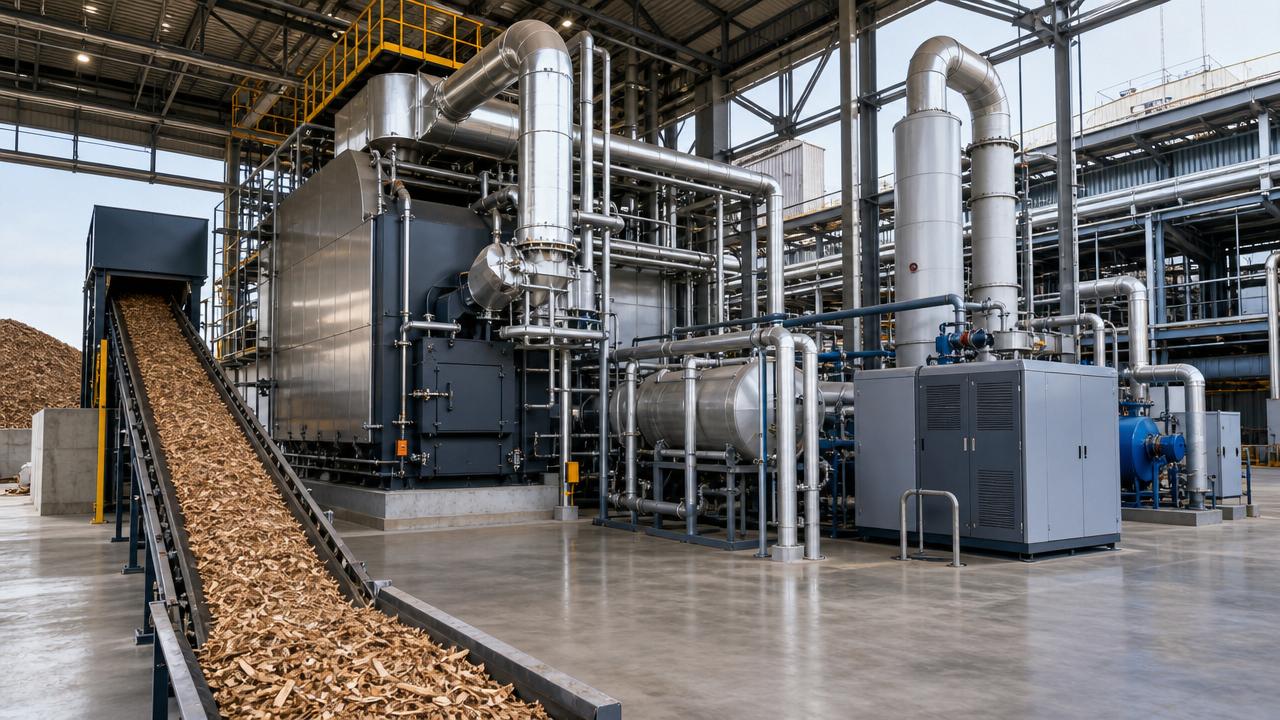
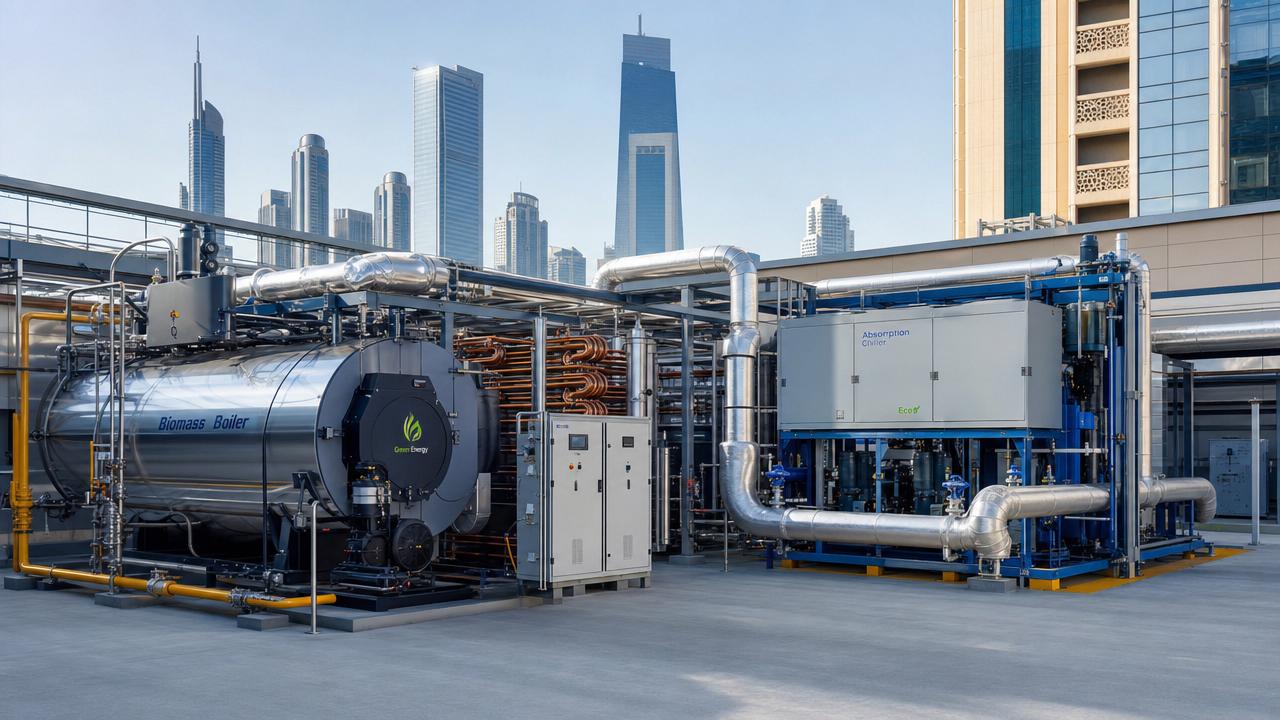
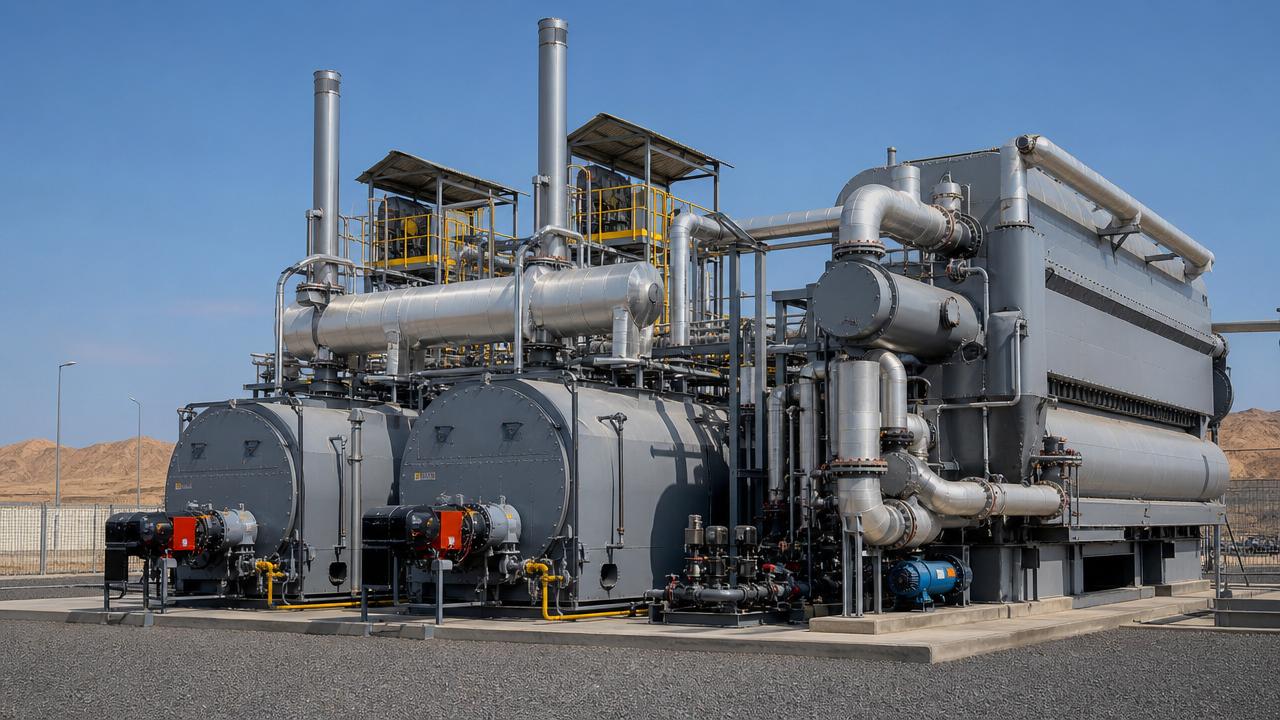
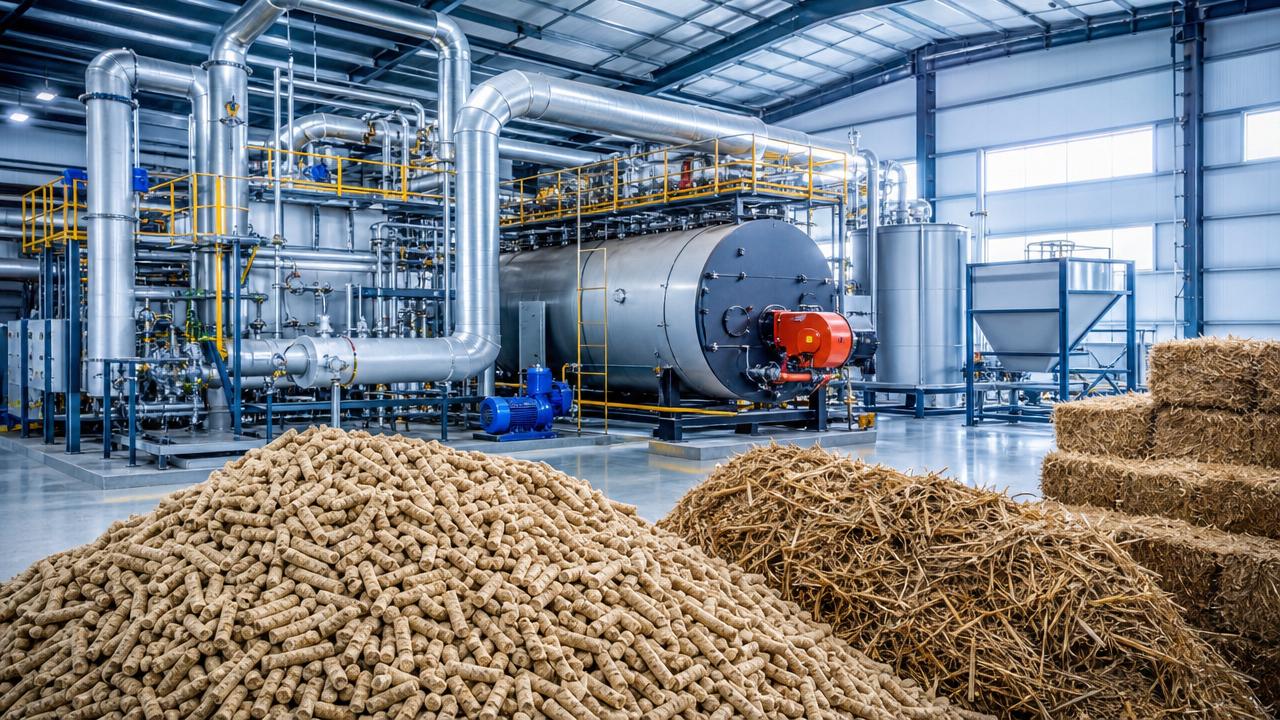
On May 9, 2026, energy ministries of Saudi Arabia, the UAE, and Qatar jointly announced the suspension of imports for all new commercial refrigeration units utilizing R134a. Concurrently, public tenders were launched for biomass-fueled combined cooling, heating, and power (CCHP) systems, specifying three mandatory technical criteria: zero-fluorocarbon operation, compatibility with locally sourced biomass feedstocks (e.g., date palm residues, agricultural waste), and autonomous off-grid functionality. According to industry procurement platforms, weekly inquiry volume for integrated Chinese biomass boiler–absorption chiller solutions rose 320% week-on-week.
Impact on Specific Industry Segments
Direct trading enterprises: Exporters of R134a-based chillers, cold rooms, and vending refrigerators face immediate shipment halts and contract renegotiations. Customs clearance delays and pending regulatory exemptions are now critical operational risks — particularly for firms lacking dual-refrigerant (e.g., R290 or CO₂) product lines.
Raw material procurement enterprises: Suppliers of R134a gas, seals, lubricants, and compatible compressors report sudden order cancellations and inventory overhang. Demand shift toward natural refrigerant-compatible components (e.g., polyolester oils for R290, stainless-steel tubing for CO₂) is accelerating, but lead times remain extended due to limited global production capacity.
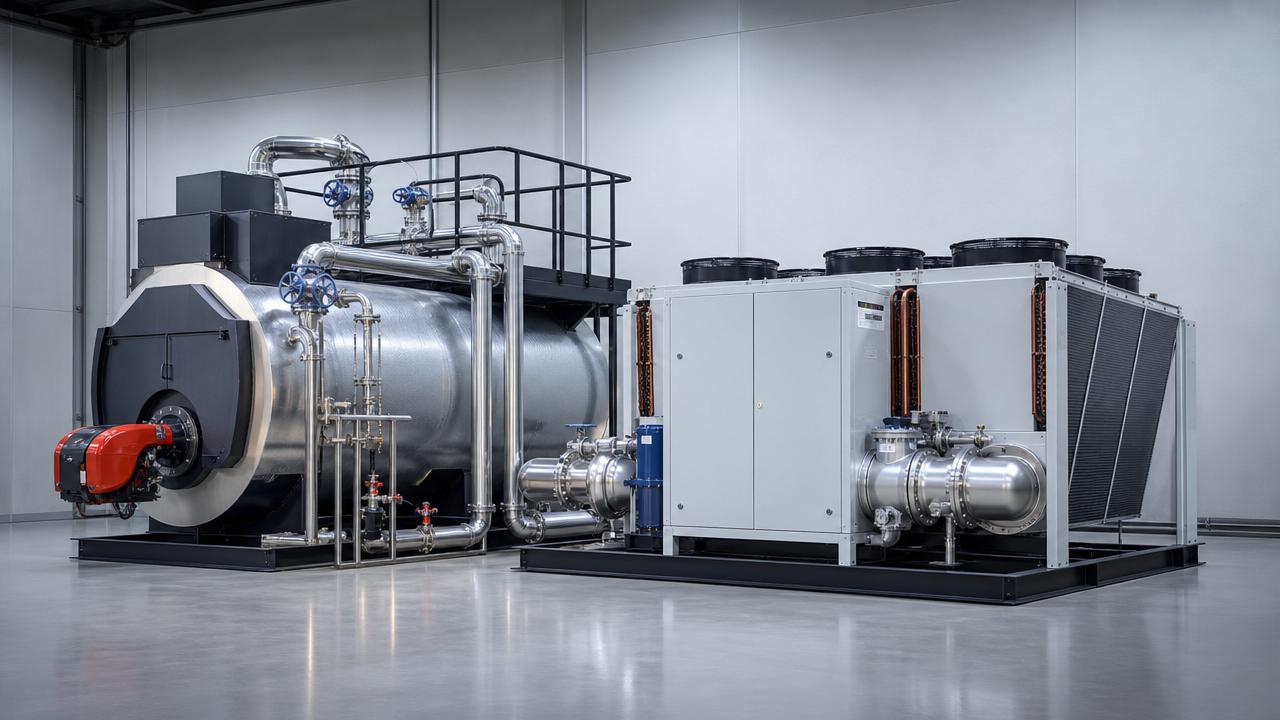
Manufacturing enterprises: OEMs producing packaged air-cooled chillers or supermarket refrigeration systems must urgently re-engineer condenser loops and control logic for alternative refrigerants — a process requiring new safety certifications (e.g., ISO 5149-2:2023 for flammables) and field validation under desert ambient conditions (>50°C). Integration complexity rises further when coupling with biomass boilers, demanding cross-disciplinary engineering alignment.
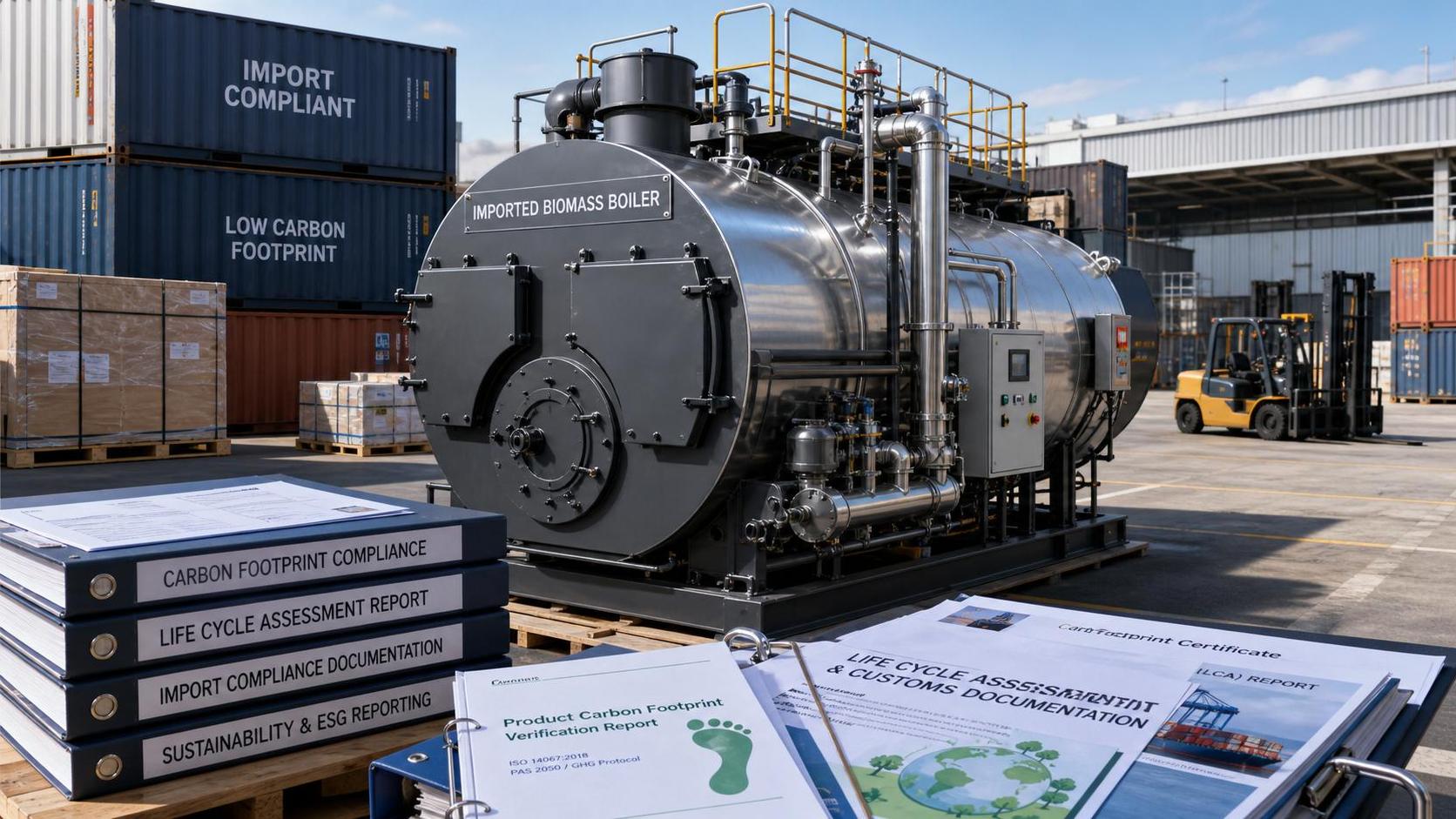
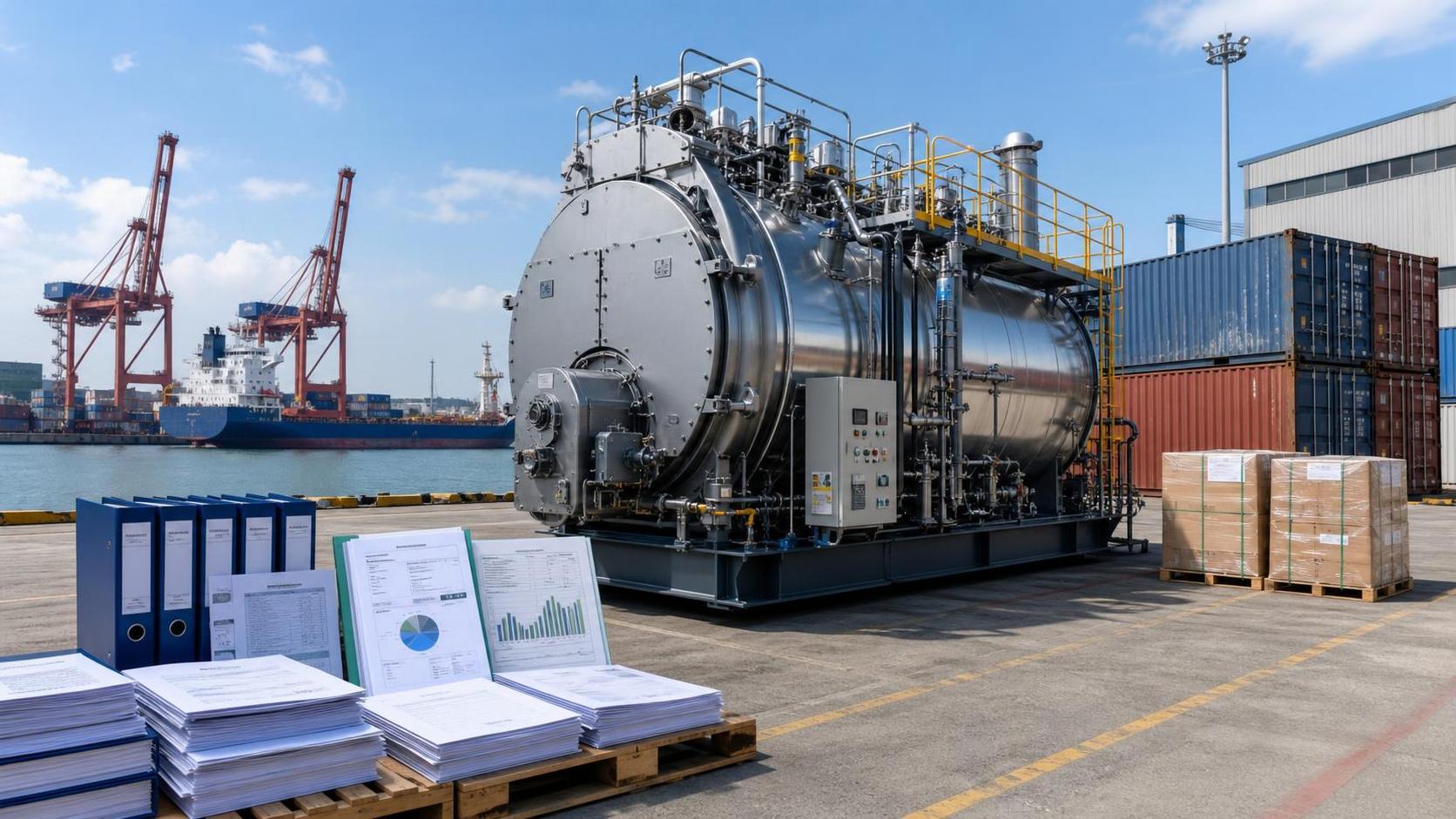
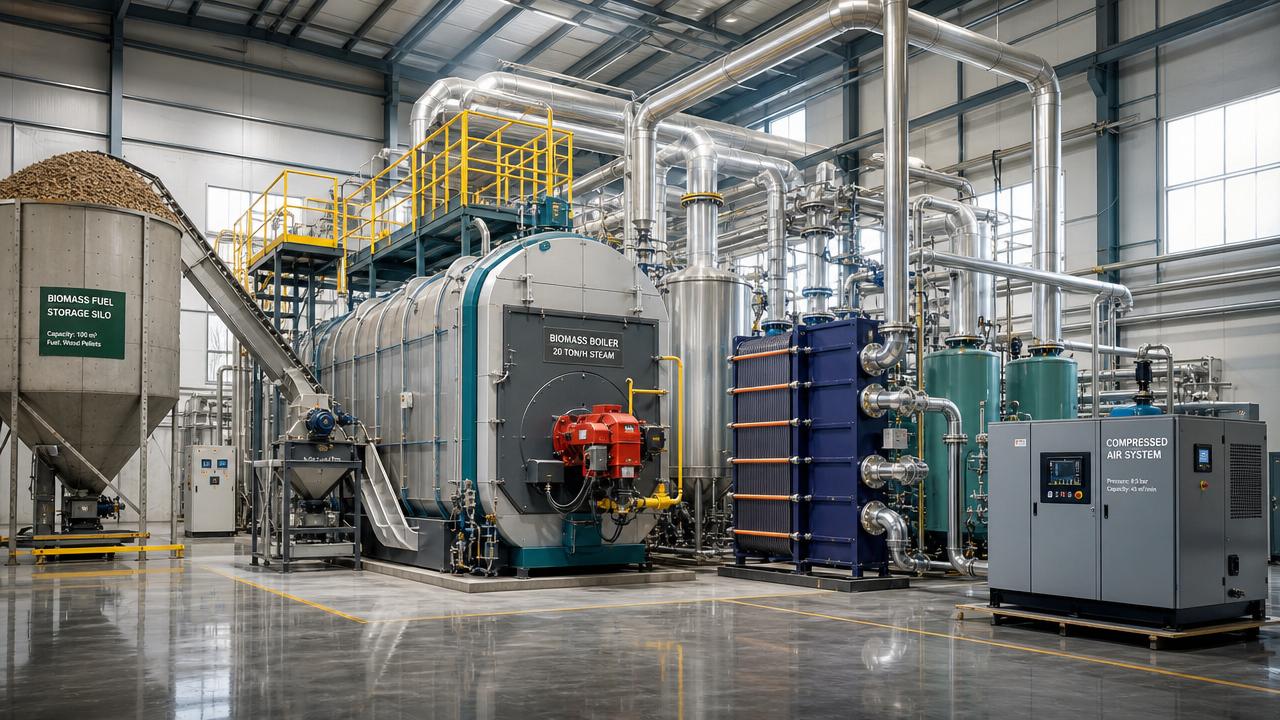
Supply chain service enterprises: Logistics providers specializing in temperature-controlled freight face reduced volume for R134a-dependent equipment, while demand surges for oversized biomass boiler shipments (often >8 m in length) and modular absorption chiller skids. Certification support services — especially for ASME Section I boiler compliance and local fire-code-adapted biomass storage design — are now differentiating offerings.
Key Focus Areas and Recommended Actions
Verify refrigerant pathway compliance across entire product lifecycle
Manufacturers must audit not only final equipment but also component-level refrigerant declarations (e.g., charge amount per compressor, residual gas in heat exchangers) — as Gulf customs authorities are now applying trace-level GC-MS screening at ports.
Prioritize modular, field-assemblable CCHP architecture
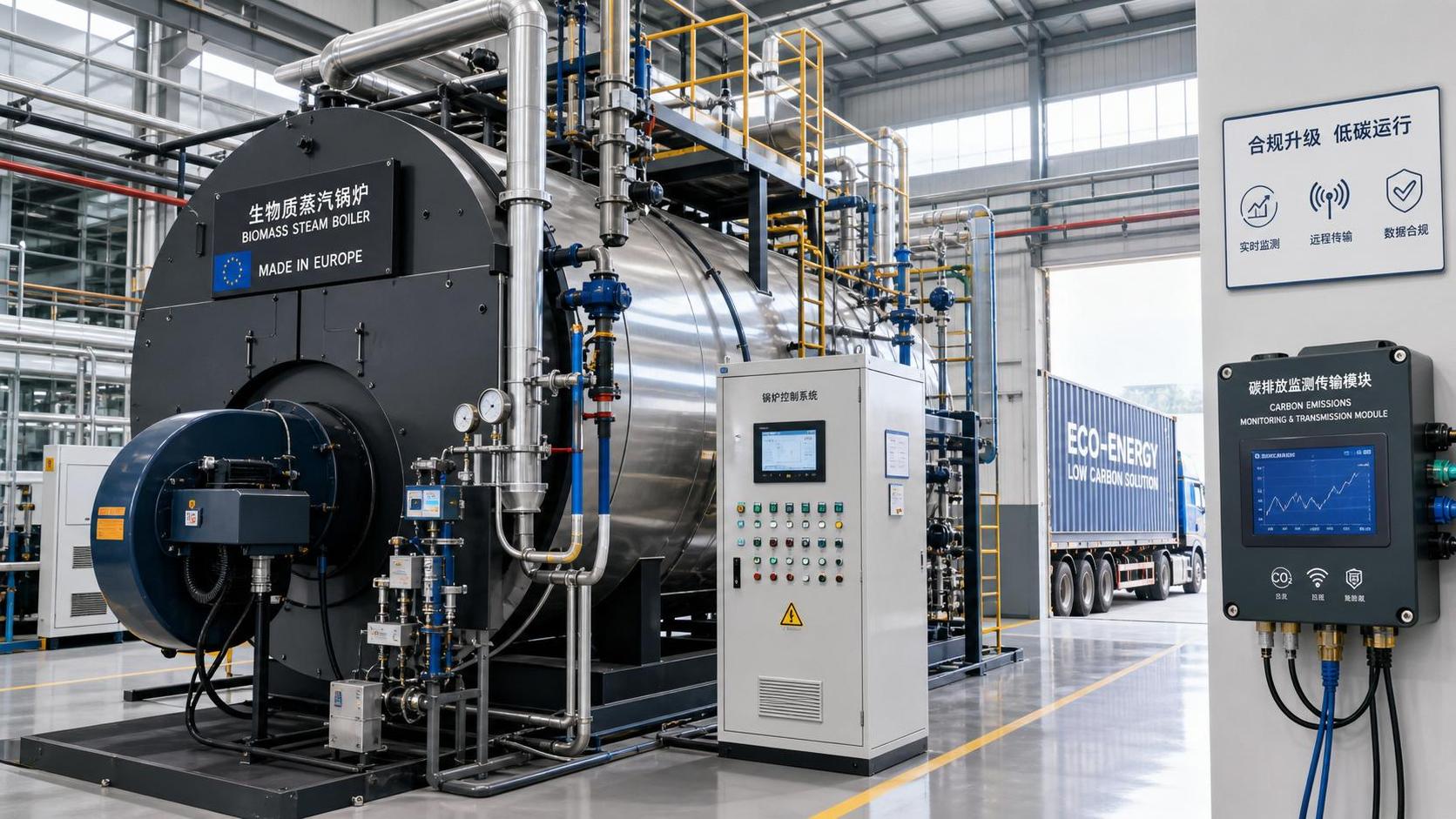
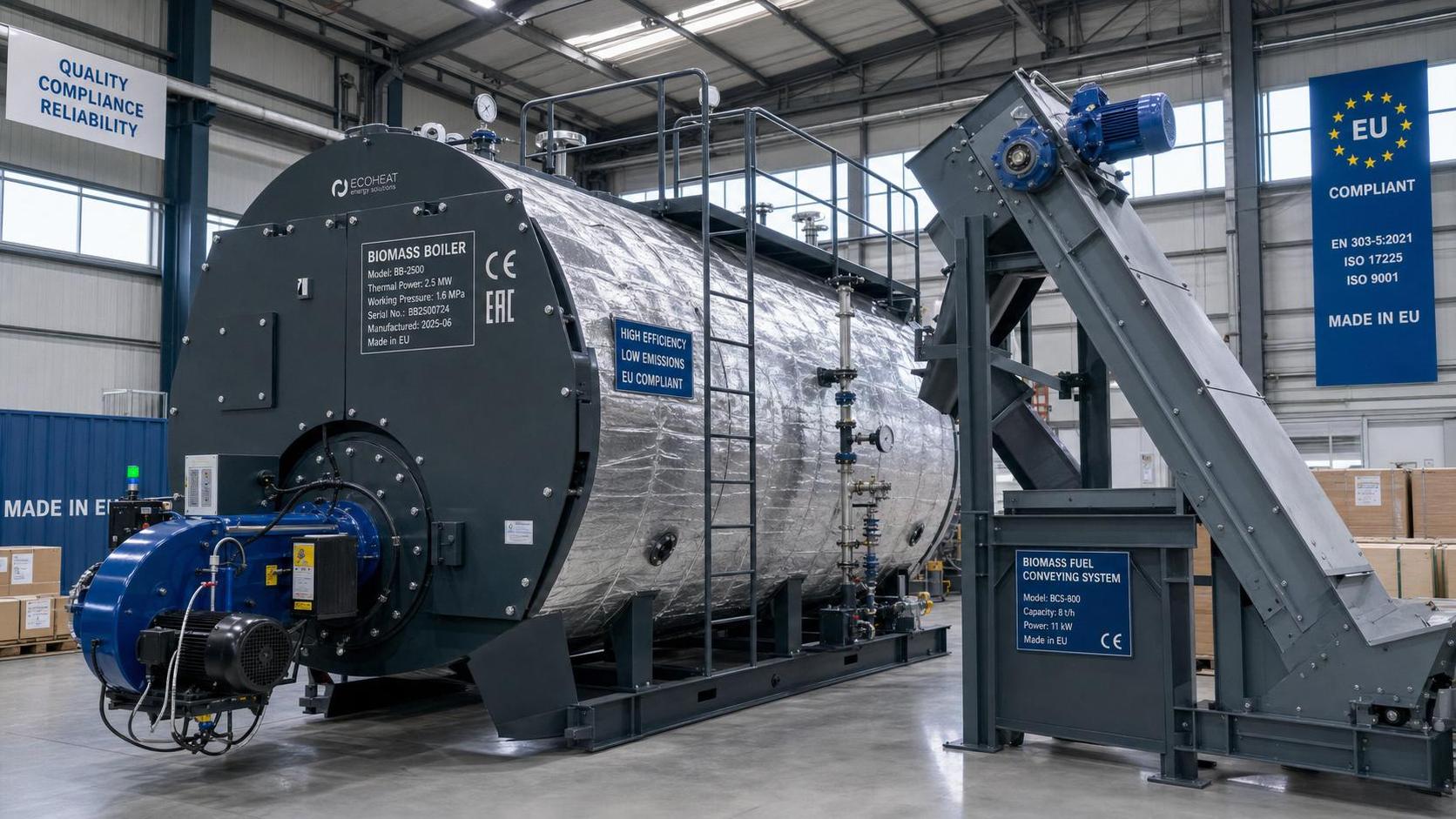
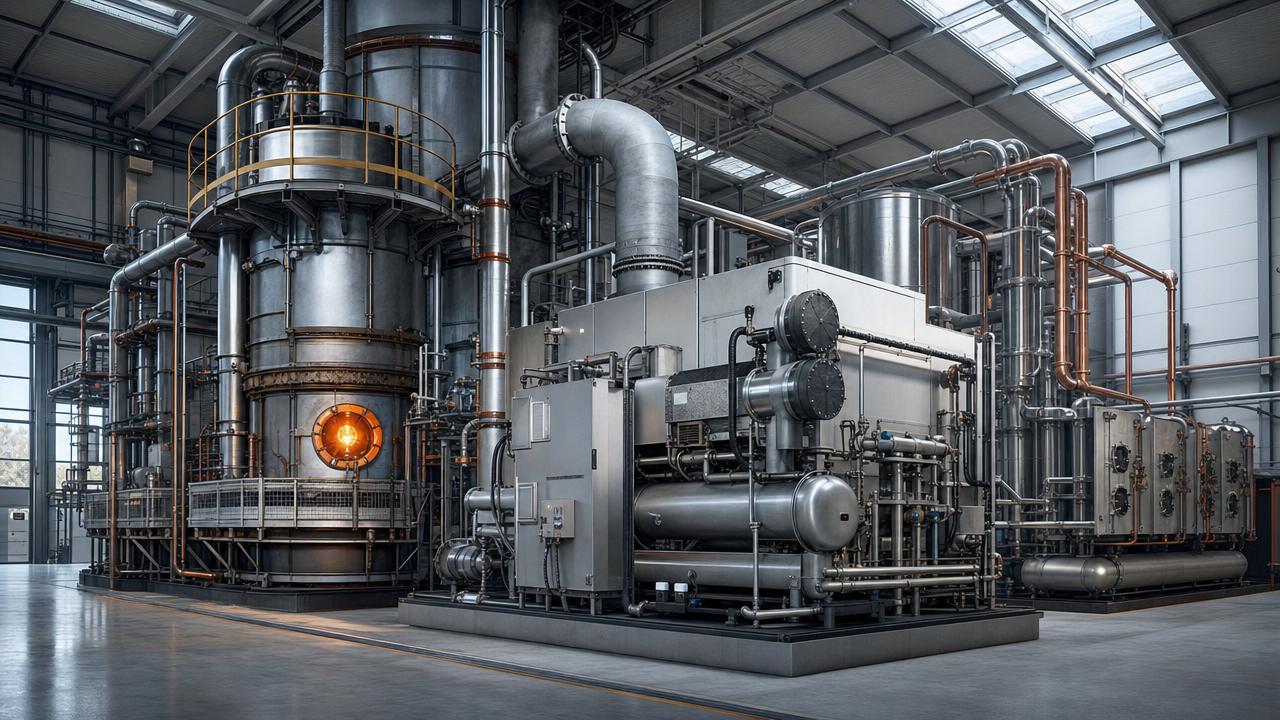
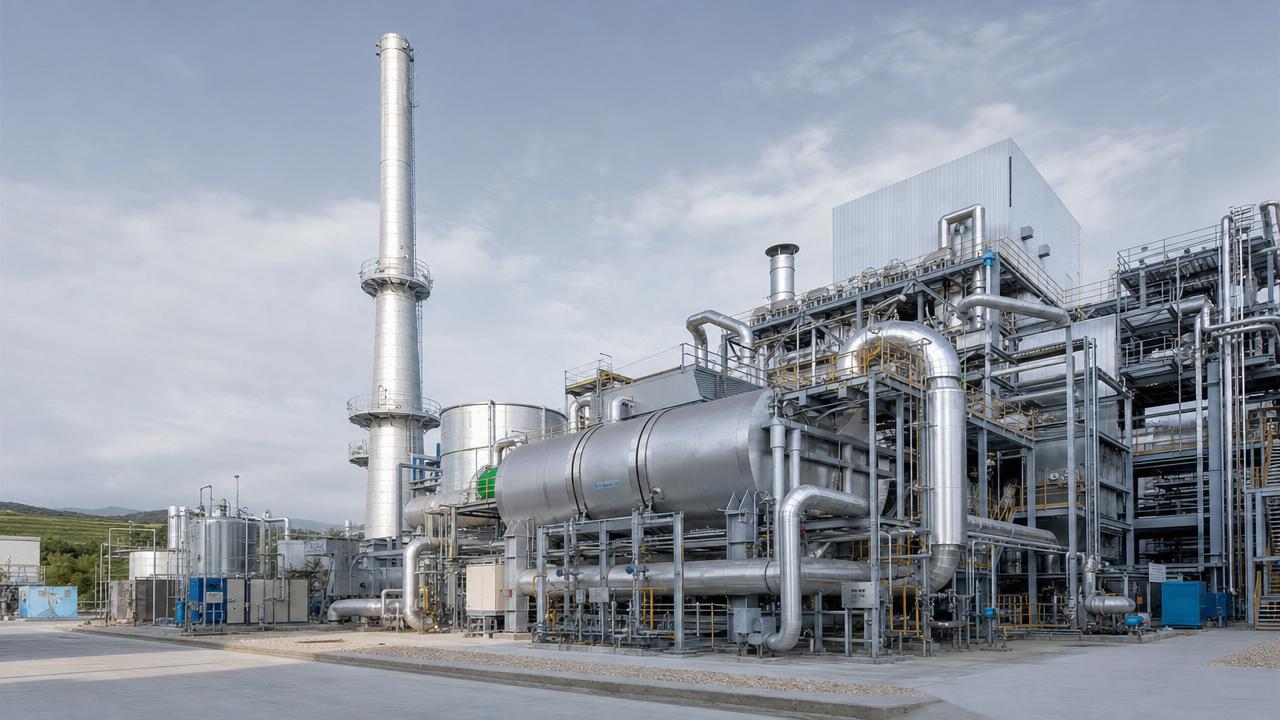
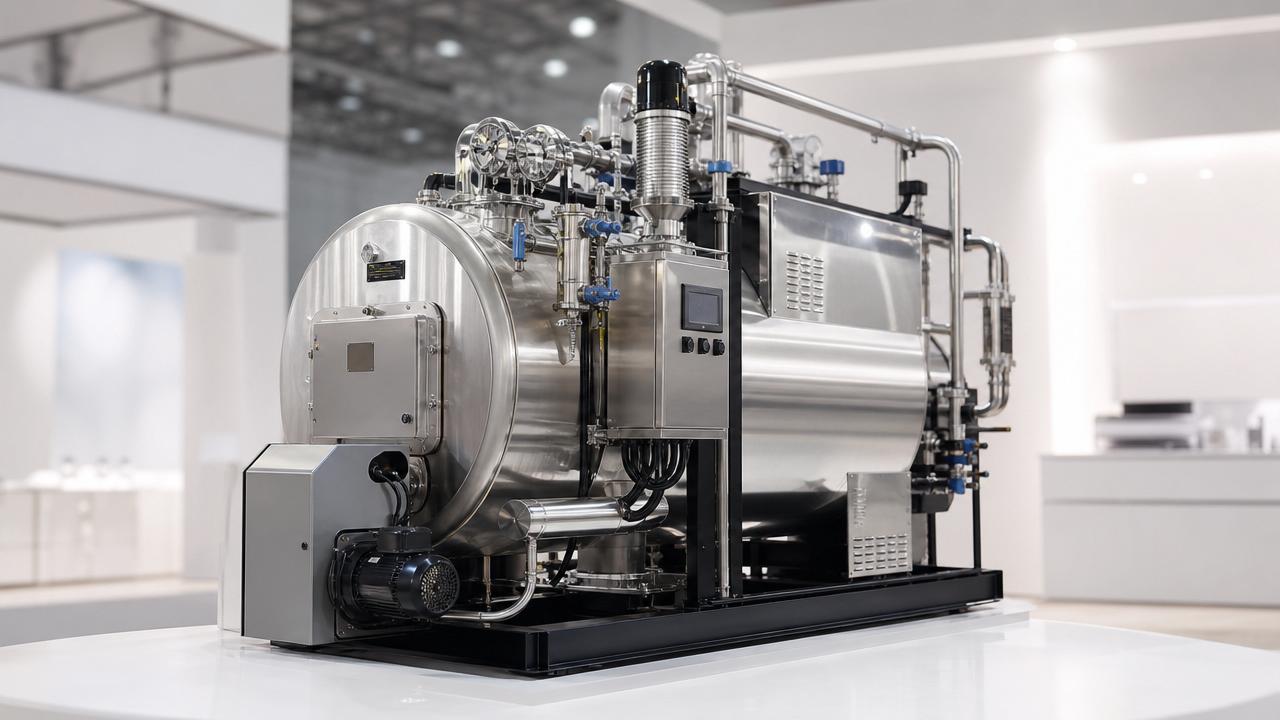
Tender specifications emphasize rapid deployment and desert-service adaptability. Pre-certified, containerized biomass boiler + single-effect LiBr absorption chiller units — with standardized interfaces for local fuel feeding and thermal storage integration — are emerging as preferred bid configurations.
Engage early with national biomass fuel certification bodies
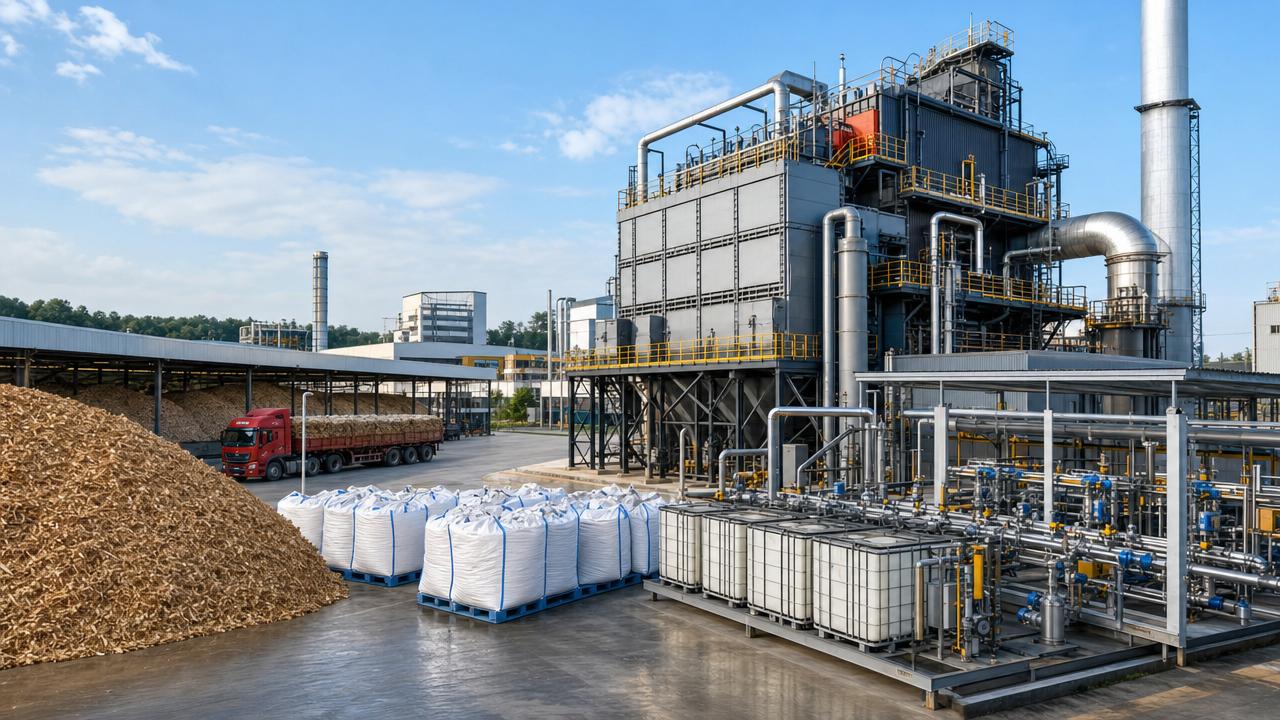
Each GCC country is developing distinct biomass feedstock grading standards (e.g., UAE’s ‘Emirates Biomass Quality Protocol’). Suppliers must align fuel moisture, ash content, and particle size specifications *before* system commissioning — not during handover.
Editorial Perspective / Industry Observation
This policy shift is better understood not as an isolated environmental measure, but as a strategic energy sovereignty response. Observably, the emphasis on ‘local fuel adaptability’ and ‘off-grid operation’ signals a structural pivot away from centralized, fossil-fueled infrastructure — especially where grid reliability has deteriorated. Analysis shows that biomass CCHP adoption is currently being driven less by carbon pricing and more by operational resilience metrics: uptime assurance, fuel supply chain redundancy, and tariff insulation. From an industry standpoint, this marks the first major regional test of distributed thermal generation as a core element of national cooling strategy — not merely a niche supplement.
Conclusion
The Middle East’s R134a import pause reflects a broader recalibration of cooling infrastructure priorities — one where refrigerant choice is now inseparable from energy security, fuel logistics, and climatic durability. For global suppliers, success hinges not on substituting one refrigerant for another, but on redefining system boundaries: integrating fuel handling, thermal storage, and load-flexible dispatch into a single validated platform. The current trend is less about phaseout compliance and more about platform interoperability under extreme operating constraints.
Source Attribution
Official notices published by the Saudi Energy Ministry (Circular No. EN/2026/05-09-REF), UAE Ministry of Energy and Infrastructure (Tender ID: MEI/BIO-CCHP/2026-01), and Qatar General Electricity and Water Corporation (Kahramaa) Procurement Bulletin, May 9, 2026. Regulatory interpretation remains subject to clarification regarding retroactive application to in-transit shipments and exemption pathways for medical or laboratory-grade R134a equipment — topics under active inter-ministerial review.
Related News
- IEA Report Flags 37% Rise in Biomass Boiler BudgetsAuthor :Thermal Energy Strategist

- Vietnam Tightens Import Rules for Biomass BoilersAuthor :Thermal Energy Strategist

- SASO Tightens NOx Monitoring Rule for Biomass BoilersAuthor :Thermal Energy Strategist

- Vietnam Halts New Biomass Boiler Import PermitsAuthor :Thermal Energy Strategist

- Industrial Biomass Boilers: Key Cost Factors for Heating ProjectsAuthor :Thermal Energy Strategist
![]()
- PSA Jurong Island Launch Cuts Biomass Fuel Clearance to 48 HoursAuthor :Thermal Energy Strategist
![]()
- Vietnam Requires CFP for Imported Biomass BoilersAuthor :Thermal Energy Strategist

- EU Monitoring Tightens Biomass Boiler Steel SupplyAuthor :Thermal Energy Strategist

- ASHRAE 189.1-2026 Adds Biomass Carbon ReviewAuthor :Thermal Energy Strategist

- ACWA Power Sets 45% Local Content Rule in Boiler TenderAuthor :Thermal Energy Strategist

- India BIS Draft Targets Biomass Boiler Data LinksAuthor :Thermal Energy Strategist

- EU REACH SVHC Update Restricts TCEP in Biomass EquipmentAuthor :Thermal Energy Strategist

- China Customs Adds HS Code Rule for Biomass Boiler ExportsAuthor :Thermal Energy Strategist

- China Adds Carbon Traceability Rule for Biomass Boiler ExportsAuthor :Thermal Energy Strategist

- Sugar Import Quota Notice Raises Biomass Fuel Cost FocusAuthor :Thermal Energy Strategist
![]()
- Urea Drops to $577/Ton, Easing Biomass Boiler CostsAuthor :Thermal Energy Strategist

- Urea Falls to $577/Ton, Easing Biomass Boiler Cost PressureAuthor :Thermal Energy Strategist

- Carbon Neutrality Pressures on Biomass Energy ROIAuthor :Thermal Energy Strategist

- Japan's Crude Imports Plunge 64% in April, Boosting Biomass & Chiller AdoptionAuthor :Thermal Energy Strategist

- Indonesia Tightens Thermal Coal Exports, Boosts Biomass & Industrial Chiller DemandAuthor :Thermal Energy Strategist

- Clean Energy Technology Gains That Make Biomass Worth RevisitingAuthor :Thermal Energy Strategist

- Clean Energy Technology Trends Changing Biomass Energy Project ReturnsAuthor :Thermal Energy Strategist

- Carbon Neutrality Pressures on Biomass Energy ProjectsAuthor :Thermal Energy Strategist

- Biomass Energy Cold-Heat Supply System Named in China’s Top 7 Future IndustriesAuthor :Thermal Energy Strategist

- Carbon Neutrality Pressure and Biomass Energy Project PaybackAuthor :Thermal Energy Strategist

- NEOM Green Infrastructure Certification Expands to Biomass CHP SystemsAuthor :Thermal Energy Strategist

- Saudi SASO Mandates NGIC Certification for Biomass CHP SystemsAuthor :Thermal Energy Strategist

- Clean Energy Technology Trends Changing Biomass Energy ProjectsAuthor :Thermal Energy Strategist

- Saudi SASO Mandates NEOM Green Infrastructure Certification for Biomass CHP SystemsAuthor :Thermal Energy Strategist

- Middle East Bans R134a Imports; Biomass CHP Gains TractionAuthor :Thermal Energy Strategist

- Clean Energy Technology and Biomass Energy: What Changes in 2026Author :Thermal Energy Strategist

- Middle East Bans R134a Equipment Imports; Biomass CCHP Gains TractionAuthor :Thermal Energy Strategist

- Canton Fair Phase II: Biomass Boiler Orders Surge 112% from SEAAuthor :Thermal Energy Strategist

- Carbon Neutrality and Biomass Energy: Where the Business Case Is StrongestAuthor :Thermal Energy Strategist

- Industrial Heat Recovery Ideas That Cut Fuel Use in Daily OperationsAuthor :Thermal Energy Strategist