



ASHRAE 189.1-2026 Adds Biomass Carbon Review




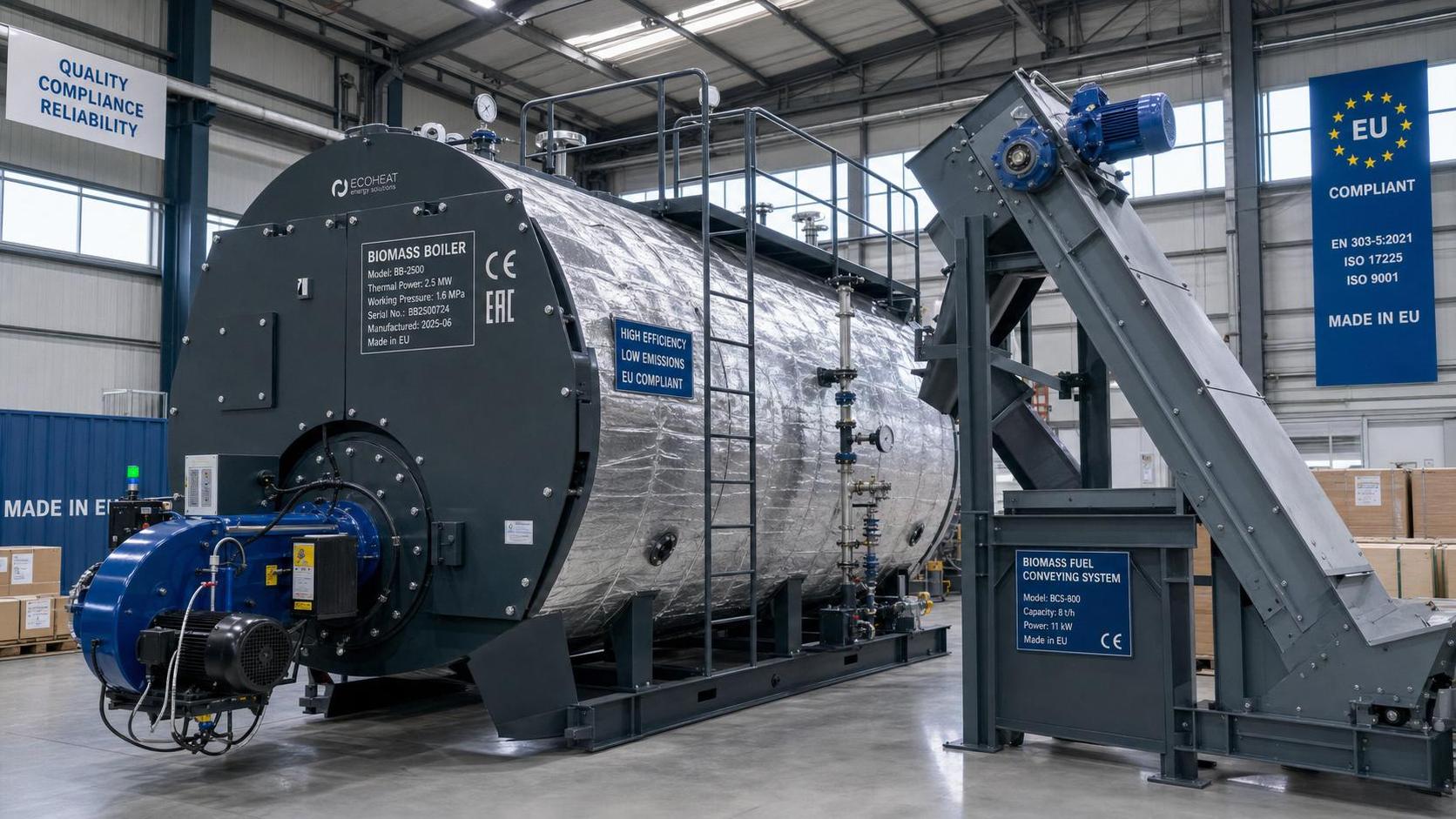
ASHRAE’s approval of the revised ANSI/ASHRAE Standard 189.1-2026 on July 1, 2026 introduces a clear rule change for commercial green building certification: lifecycle carbon intensity for biomass boilers, gasifiers, and related heat recovery systems will now be part of mandatory review under LEED v5 and Green Globes. For equipment suppliers, project specifiers, certification-facing contractors, and procurement teams, this matters because the change shifts biomass energy systems from a technology option to a compliance-sensitive purchasing and documentation issue ahead of the October 1, 2026 effective date.
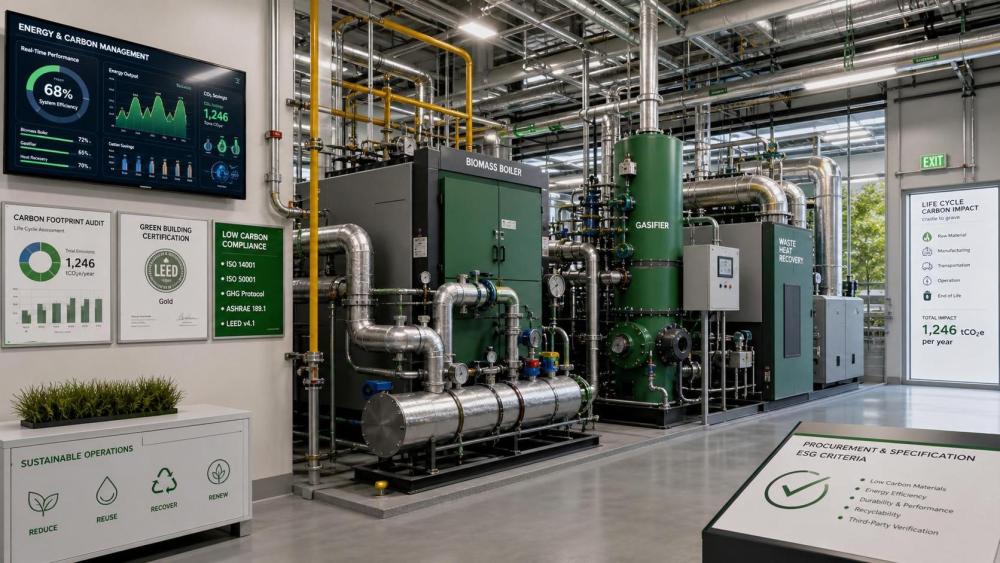
What the approved revision formally changes
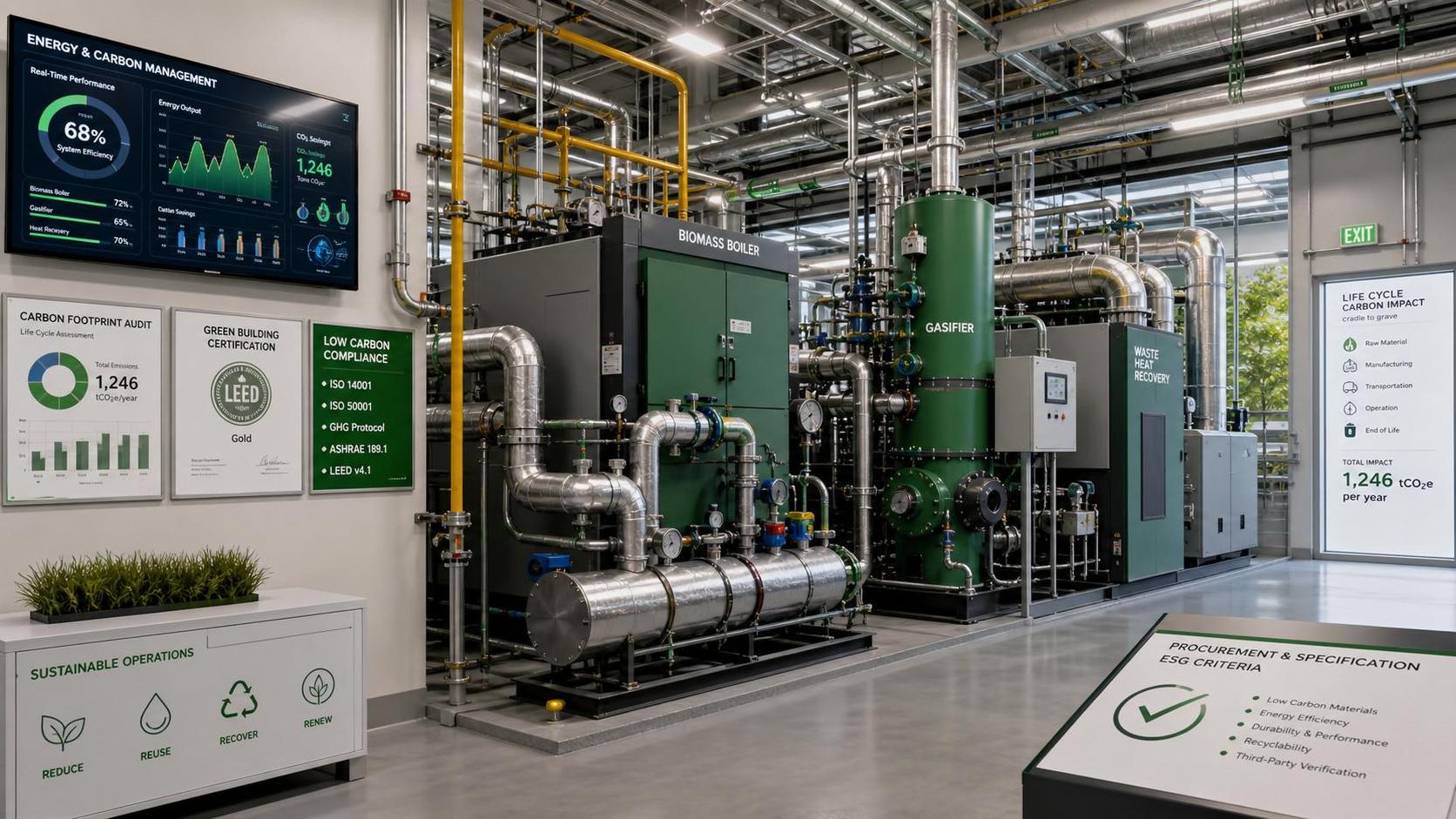
According to the provided event information, ASHRAE formally approved the revised ANSI/ASHRAE Standard 189.1-2026 on July 1, 2026. The revision, for the first time, brings the lifecycle carbon emission factor of biomass boilers, gasifiers, and associated heat recovery systems, expressed as kgCO₂e/kWh, into the mandatory review scope for commercial building LEED v5 and Green Globes certification. The standard will become mandatory on October 1, 2026. The provided summary also states that this change will materially raise procurement weighting and technical specification requirements for high-efficiency, low-emission biomass energy equipment in the North American market.
Where the pressure is likely to appear first
Specification and design decisions are likely to tighten
From an industry perspective, project teams involved in equipment selection and technical specification alignment may be affected early because lifecycle carbon performance now sits closer to certification review rather than remaining a secondary product attribute. The practical impact is likely to show up in design-stage screening, specification drafting, and equipment comparison documents. What deserves closer attention is whether technical submittals clearly present lifecycle carbon information in a form that can support LEED v5 and Green Globes review.
Manufacturers and exporters may face a higher documentation threshold
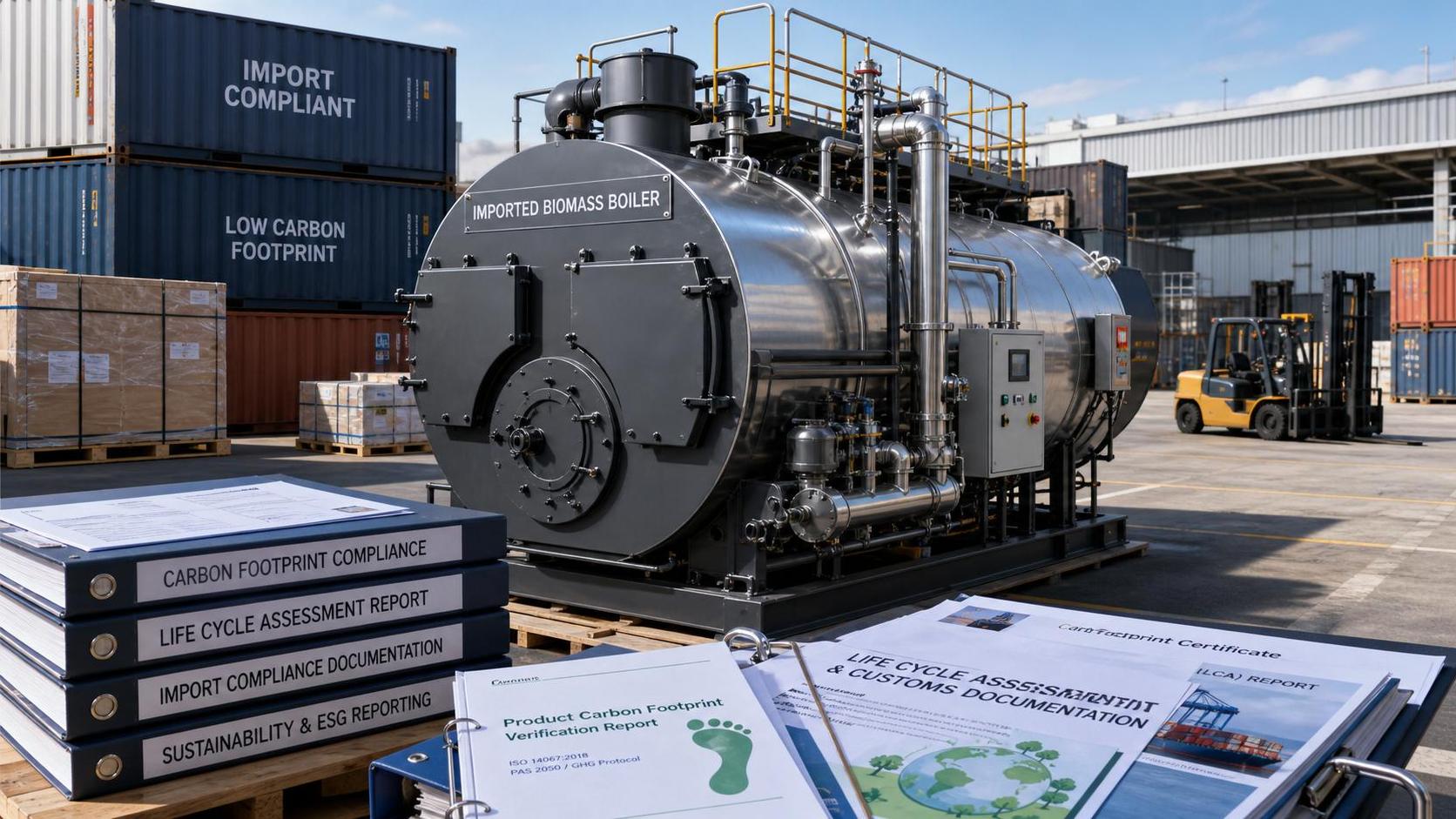
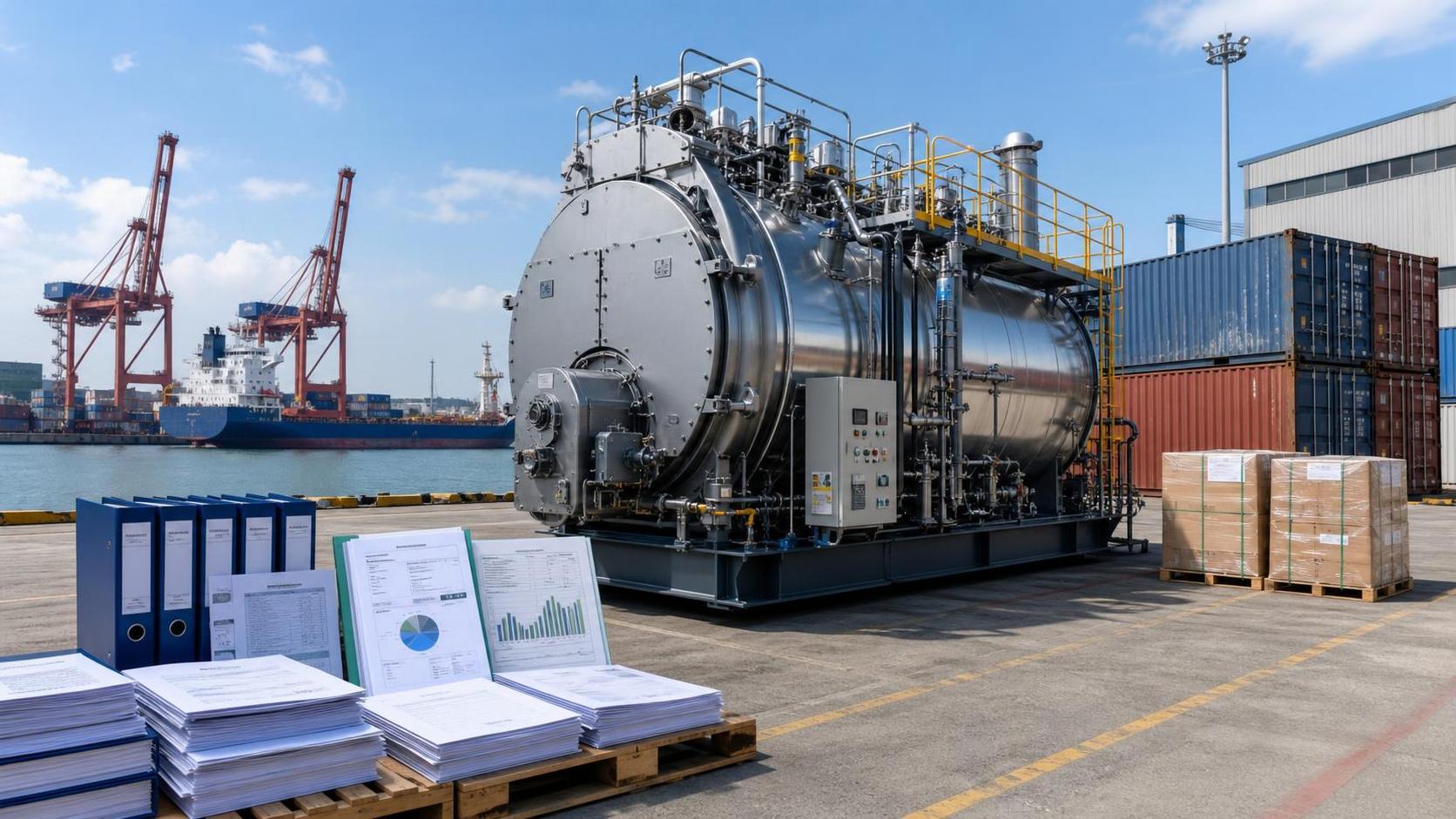
For manufacturers, system integrators, and export-oriented suppliers of biomass boilers, gasifiers, and heat recovery equipment, the rule change may alter how products are evaluated in tenders and procurement reviews. Analysis shows the issue is not only product efficiency, but also whether technical files, emissions-related statements, and supporting compliance materials can align with a certification-driven review process. Companies active in cross-border supply should pay attention to whether buyers begin requesting more standardized carbon-related documentation before order confirmation or shipment scheduling.
Procurement and owner-side reviews may become more selective
Buyers, developers, and procurement teams connected to commercial building certification are also likely to be affected because the update changes the basis on which biomass systems are compared. Observably, procurement review may place greater weight on low-emission and high-efficiency characteristics when shortlisting equipment. This could influence bid evaluation, supplier qualification checks, and acceptance criteria in contract or delivery documentation, even where project teams have historically focused more heavily on price, output, or system integration alone.
Certification and support service providers may see new review demands
Certification-related consultants, testing support providers, and after-sales service teams may need to respond to a more document-intensive process. The likely pressure points are interpretation of submission requirements, readiness of technical evidence, and traceability of installed systems against approved specifications. It is more appropriate to understand this as a workflow change across compliance support and project delivery, rather than as a product-only update.
What companies should watch before the effective date
Prepare certification-facing technical files
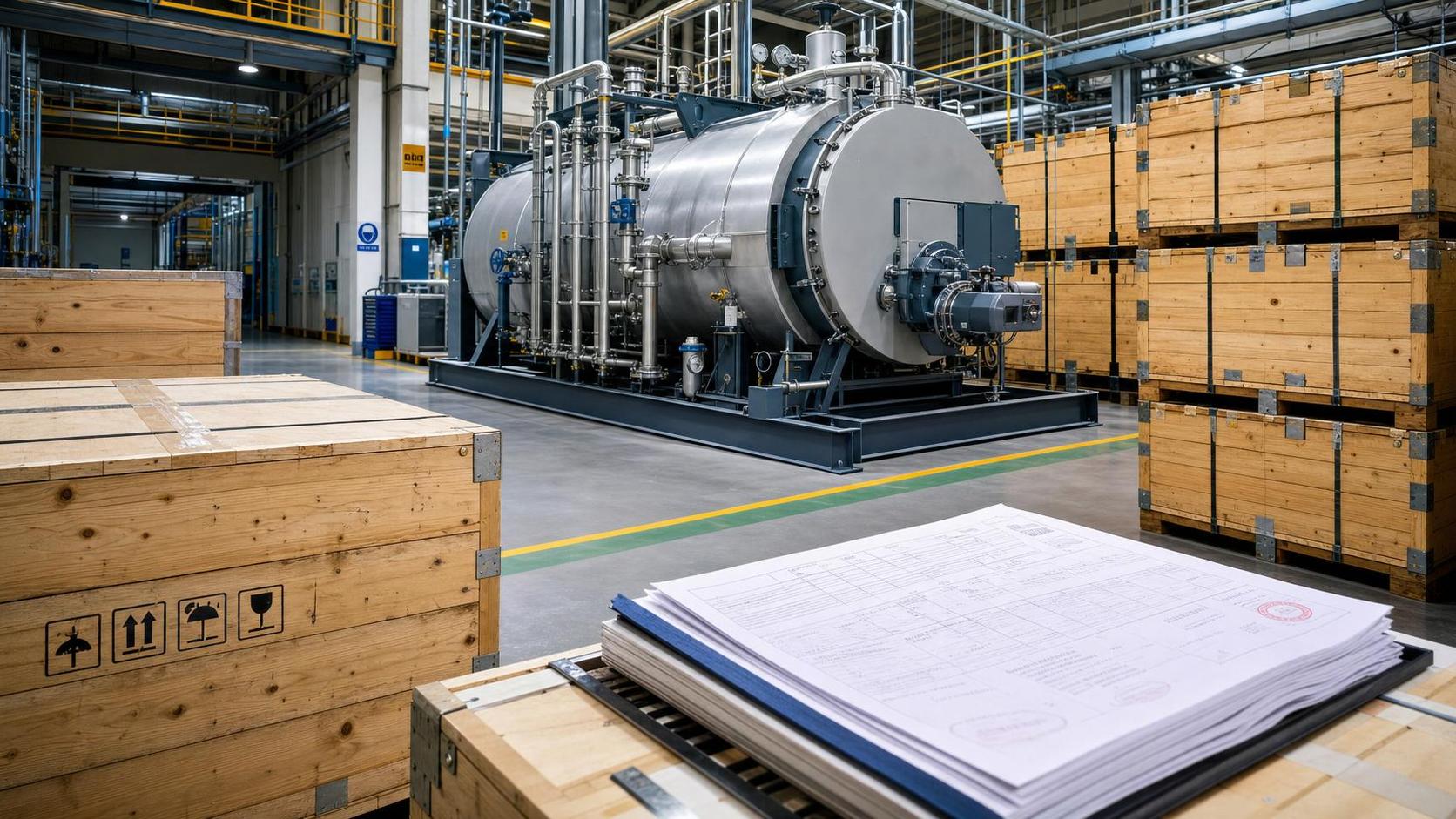
Analysis shows companies linked to biomass energy systems should review whether product literature, technical data packages, and bid materials can support lifecycle carbon-related review under LEED v5 and Green Globes. The provided information does not define detailed submission formats, so this is not yet a confirmed documentation checklist, but it is a practical area that requires attention.
Track how procurement language starts to shift
What deserves closer attention is how buyers, specifiers, and tendering parties begin to translate the revised standard into purchasing language. Companies should watch for changes in technical specifications, prequalification wording, bid annexes, and acceptance conditions that place explicit emphasis on kgCO₂e/kWh or related lifecycle carbon presentation.
Review delivery planning and supplier readiness
Because the standard becomes mandatory on October 1, 2026, suppliers and project teams should pay attention to orders and deliveries that fall close to the implementation window. Observably, the main issue is not only product availability, but whether the supporting compliance record can move with the equipment through procurement, delivery, and project approval stages.
Keep after-sales and traceability processes aligned
For service providers and system vendors, it is prudent to monitor whether project owners or certification-linked reviewers begin requesting clearer traceability between supplied equipment and the technical basis used during approval. The provided event summary does not confirm a specific post-installation review method, so this remains a point to monitor rather than an established requirement.
Why this looks like an execution signal, not just a policy headline
Analysis shows this development is better read as an implementation signal with a defined timetable, because the approved revision has a stated mandatory date and connects directly to recognized green building certification pathways. At the same time, it would be premature to treat every downstream requirement as fully settled. Observably, the market still needs to watch how certification interpretation, tender language, and project-level compliance practice develop once the standard moves into active use.
How to read the market significance now
At this stage, it is more appropriate to understand the update as a confirmed rule change with practical commercial consequences, especially for equipment evaluation, specification alignment, and procurement review in certification-linked projects. The event does not by itself establish all execution details, but it does indicate that lifecycle carbon performance for biomass energy systems is moving closer to the center of compliance and purchasing decisions rather than remaining a peripheral technical claim.
Basis of this article and points for continued verification
This article is based on the user-provided title, event date, and event summary concerning ASHRAE’s approval of the ANSI/ASHRAE Standard 189.1-2026 revision. For events of this type, relevant source categories commonly include official announcements, information released by regulatory bodies, trade or customs authorities, industry associations, standard-setting organizations, and reporting by authoritative media. A specific official source link was not provided in the input, so the underlying wording and later implementation details still require ongoing verification. Areas that remain worth monitoring include certification interpretation, implementation guidance, tender document changes, industry feedback, and how companies apply the new requirements in actual procurement and delivery practice.
Related News
- IEA Report Flags 37% Rise in Biomass Boiler BudgetsAuthor :Thermal Energy Strategist

- Vietnam Tightens Import Rules for Biomass BoilersAuthor :Thermal Energy Strategist

- SASO Tightens NOx Monitoring Rule for Biomass BoilersAuthor :Thermal Energy Strategist

- Vietnam Halts New Biomass Boiler Import PermitsAuthor :Thermal Energy Strategist

- Industrial Biomass Boilers: Key Cost Factors for Heating ProjectsAuthor :Thermal Energy Strategist
![]()
- PSA Jurong Island Launch Cuts Biomass Fuel Clearance to 48 HoursAuthor :Thermal Energy Strategist
![]()
- Vietnam Requires CFP for Imported Biomass BoilersAuthor :Thermal Energy Strategist

- EU Monitoring Tightens Biomass Boiler Steel SupplyAuthor :Thermal Energy Strategist

- ASHRAE 189.1-2026 Adds Biomass Carbon ReviewAuthor :Thermal Energy Strategist

- ACWA Power Sets 45% Local Content Rule in Boiler TenderAuthor :Thermal Energy Strategist

- India BIS Draft Targets Biomass Boiler Data LinksAuthor :Thermal Energy Strategist

- EU REACH SVHC Update Restricts TCEP in Biomass EquipmentAuthor :Thermal Energy Strategist

- China Customs Adds HS Code Rule for Biomass Boiler ExportsAuthor :Thermal Energy Strategist

- China Adds Carbon Traceability Rule for Biomass Boiler ExportsAuthor :Thermal Energy Strategist

- Sugar Import Quota Notice Raises Biomass Fuel Cost FocusAuthor :Thermal Energy Strategist
![]()
- Urea Drops to $577/Ton, Easing Biomass Boiler CostsAuthor :Thermal Energy Strategist

- Urea Falls to $577/Ton, Easing Biomass Boiler Cost PressureAuthor :Thermal Energy Strategist

- Carbon Neutrality Pressures on Biomass Energy ROIAuthor :Thermal Energy Strategist

- Japan's Crude Imports Plunge 64% in April, Boosting Biomass & Chiller AdoptionAuthor :Thermal Energy Strategist

- Indonesia Tightens Thermal Coal Exports, Boosts Biomass & Industrial Chiller DemandAuthor :Thermal Energy Strategist

- Clean Energy Technology Gains That Make Biomass Worth RevisitingAuthor :Thermal Energy Strategist

- Clean Energy Technology Trends Changing Biomass Energy Project ReturnsAuthor :Thermal Energy Strategist

- Carbon Neutrality Pressures on Biomass Energy ProjectsAuthor :Thermal Energy Strategist

- Biomass Energy Cold-Heat Supply System Named in China’s Top 7 Future IndustriesAuthor :Thermal Energy Strategist

- Carbon Neutrality Pressure and Biomass Energy Project PaybackAuthor :Thermal Energy Strategist

- NEOM Green Infrastructure Certification Expands to Biomass CHP SystemsAuthor :Thermal Energy Strategist

- Saudi SASO Mandates NGIC Certification for Biomass CHP SystemsAuthor :Thermal Energy Strategist

- Clean Energy Technology Trends Changing Biomass Energy ProjectsAuthor :Thermal Energy Strategist

- Saudi SASO Mandates NEOM Green Infrastructure Certification for Biomass CHP SystemsAuthor :Thermal Energy Strategist

- Middle East Bans R134a Imports; Biomass CHP Gains TractionAuthor :Thermal Energy Strategist

- Clean Energy Technology and Biomass Energy: What Changes in 2026Author :Thermal Energy Strategist

- Middle East Bans R134a Equipment Imports; Biomass CCHP Gains TractionAuthor :Thermal Energy Strategist

- Canton Fair Phase II: Biomass Boiler Orders Surge 112% from SEAAuthor :Thermal Energy Strategist

- Carbon Neutrality and Biomass Energy: Where the Business Case Is StrongestAuthor :Thermal Energy Strategist

- Industrial Heat Recovery Ideas That Cut Fuel Use in Daily OperationsAuthor :Thermal Energy Strategist