ACWA Power Sets 45% Local Content Rule in Boiler Tender




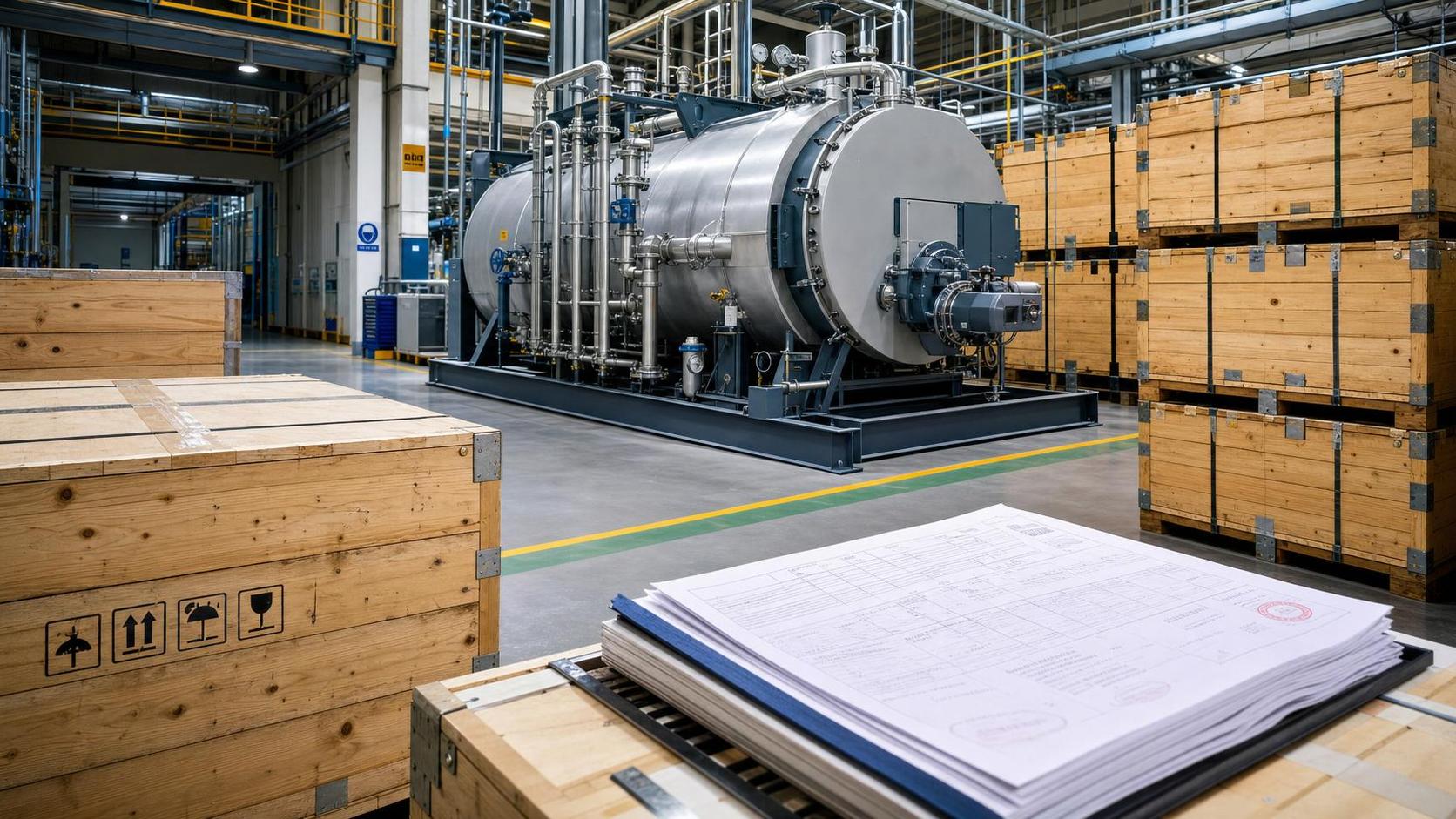
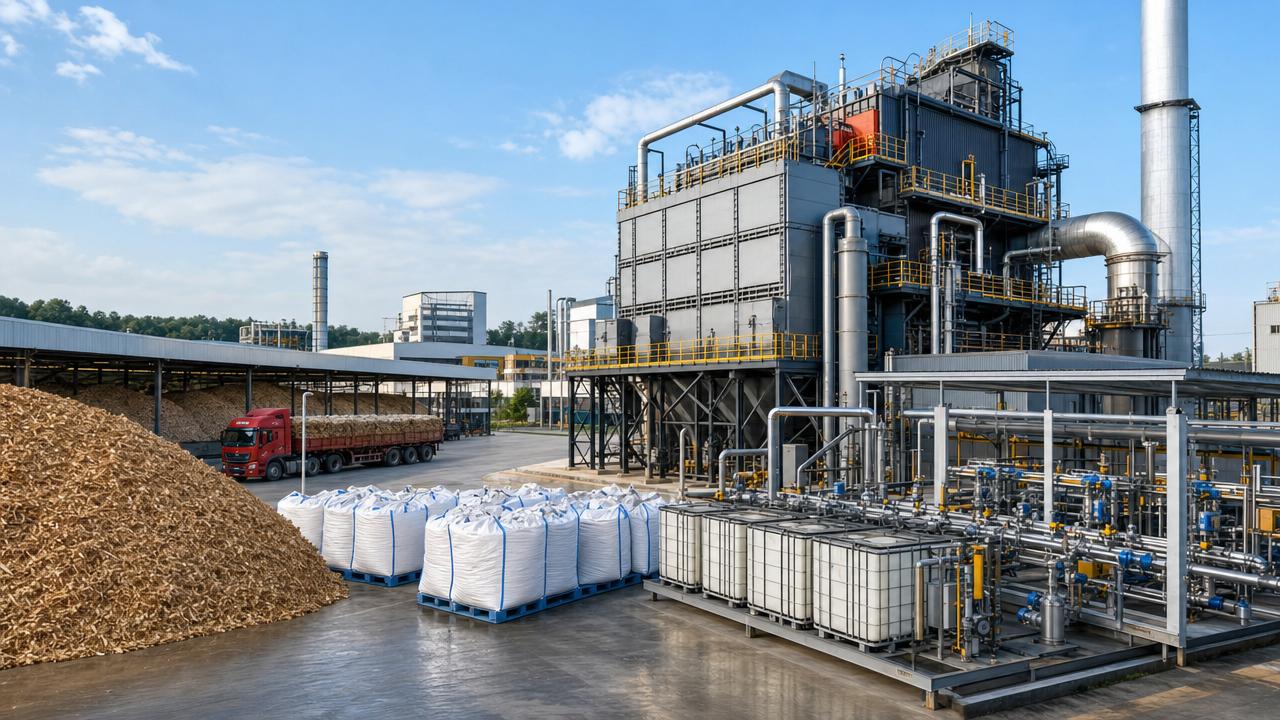
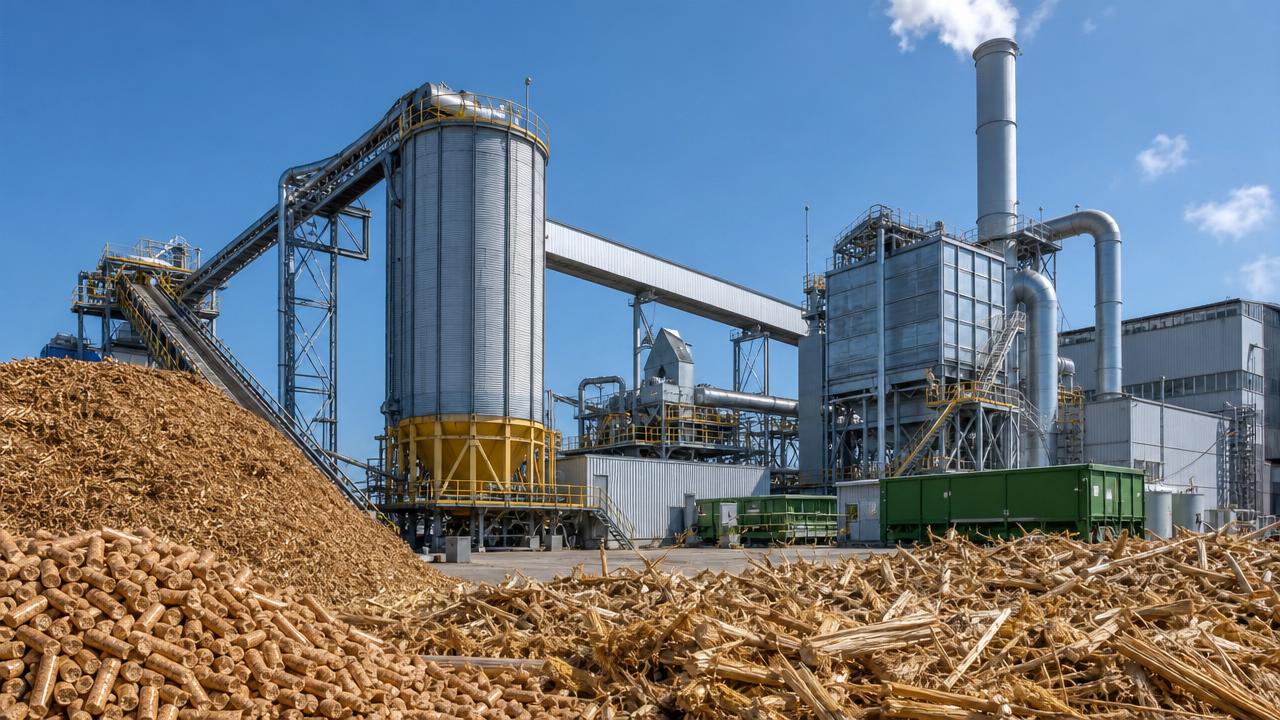
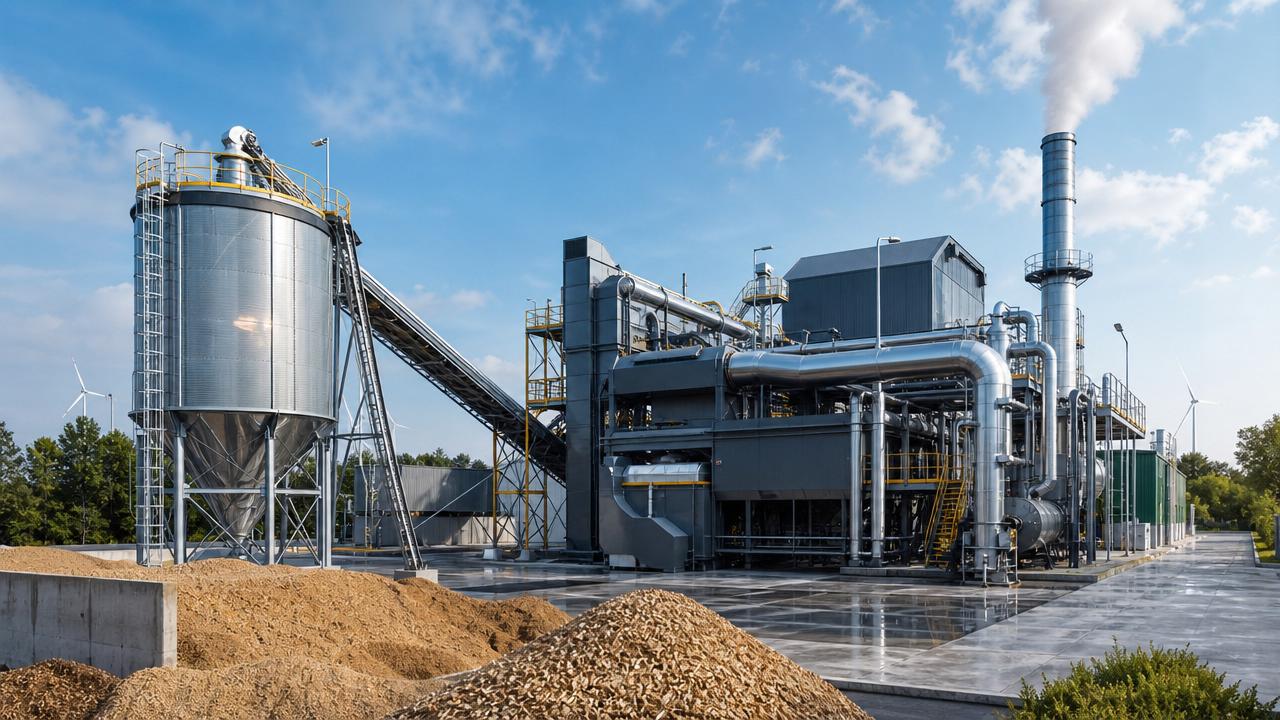
On June 28, 2026, ACWA Power released an international tender for the boiler package of Phase II of the Al-Rass biomass power project, and the document stands out less for the equipment volume than for the compliance structure attached to it. The tender ties access to the project to a minimum 45% local manufacturing ratio for key boiler components, dual technical verification by a SASO-recognized third party, and a BIM-enabled operations interface in the technical bid. For boiler manufacturers, local partners, testing bodies, procurement teams, and export-facing supply chains, this is a practical signal that bidding conditions are being defined not only by price and performance, but also by localization, verification, and digital delivery requirements.
What the tender document clearly requires
According to the information provided, ACWA Power issued the Al-Rass biomass power Phase II boiler system international tender on June 28, 2026, under reference ACWA-BIO-BOILER-2026-02.
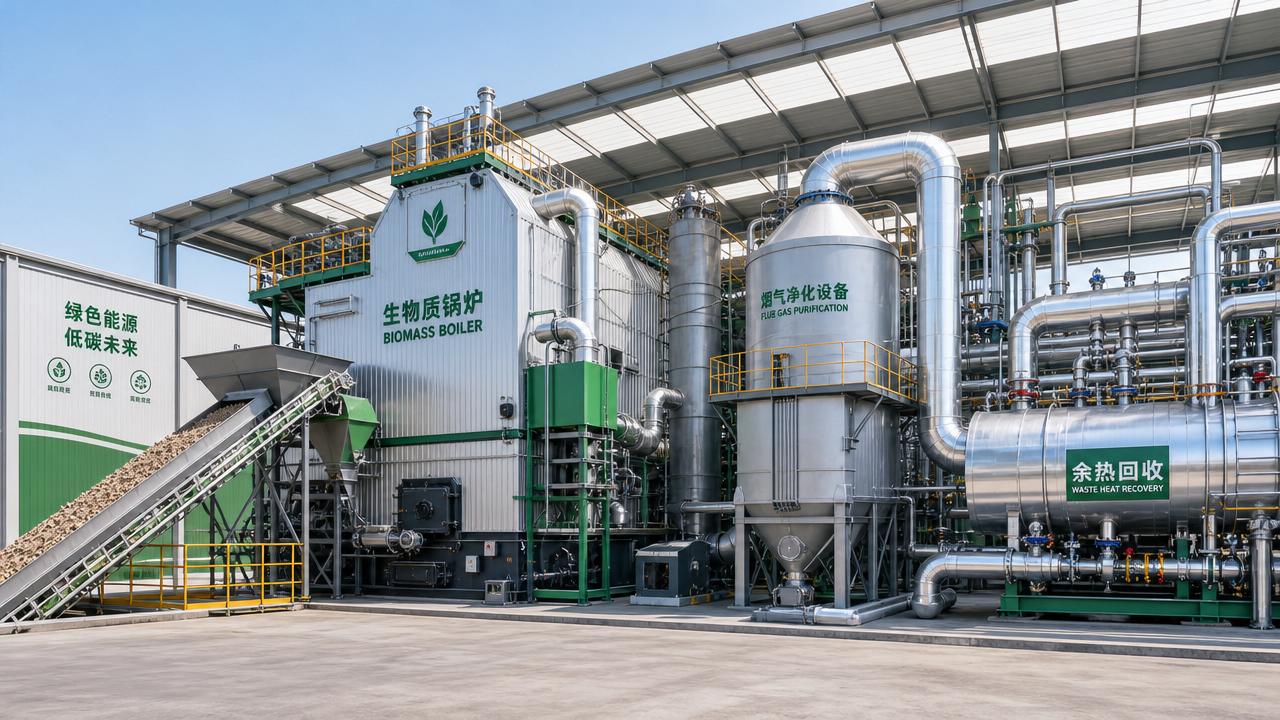
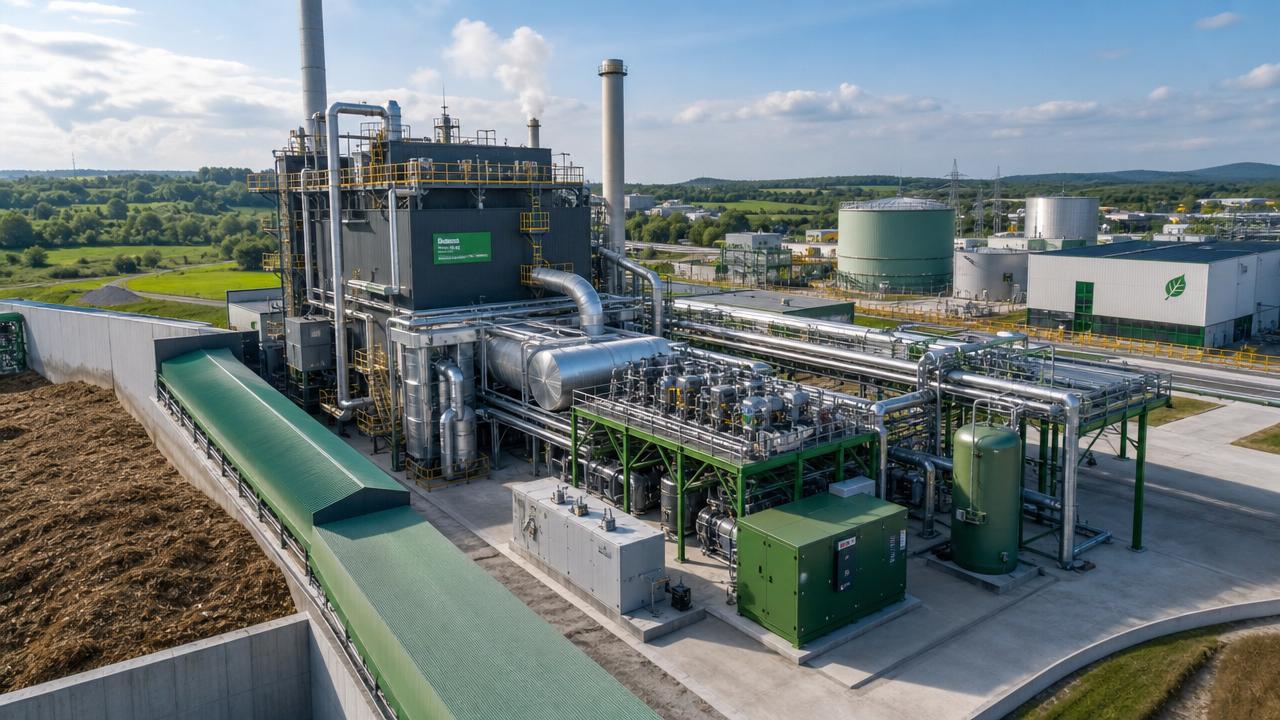
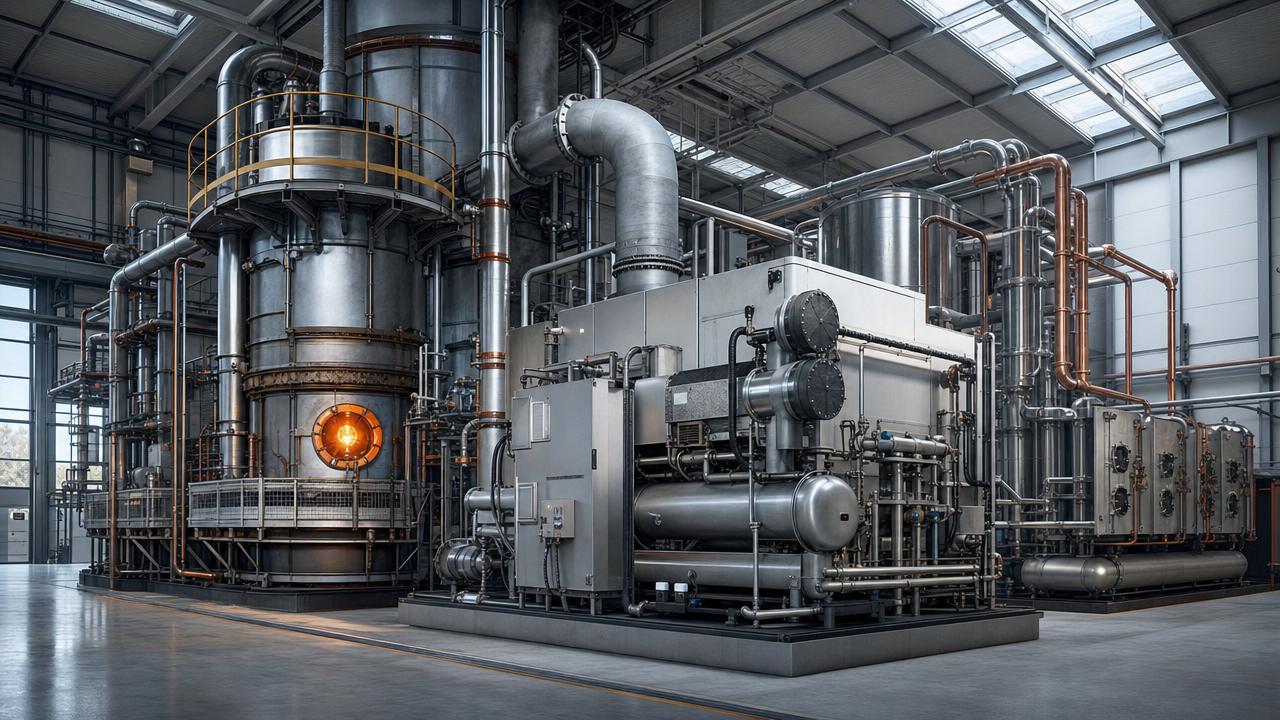
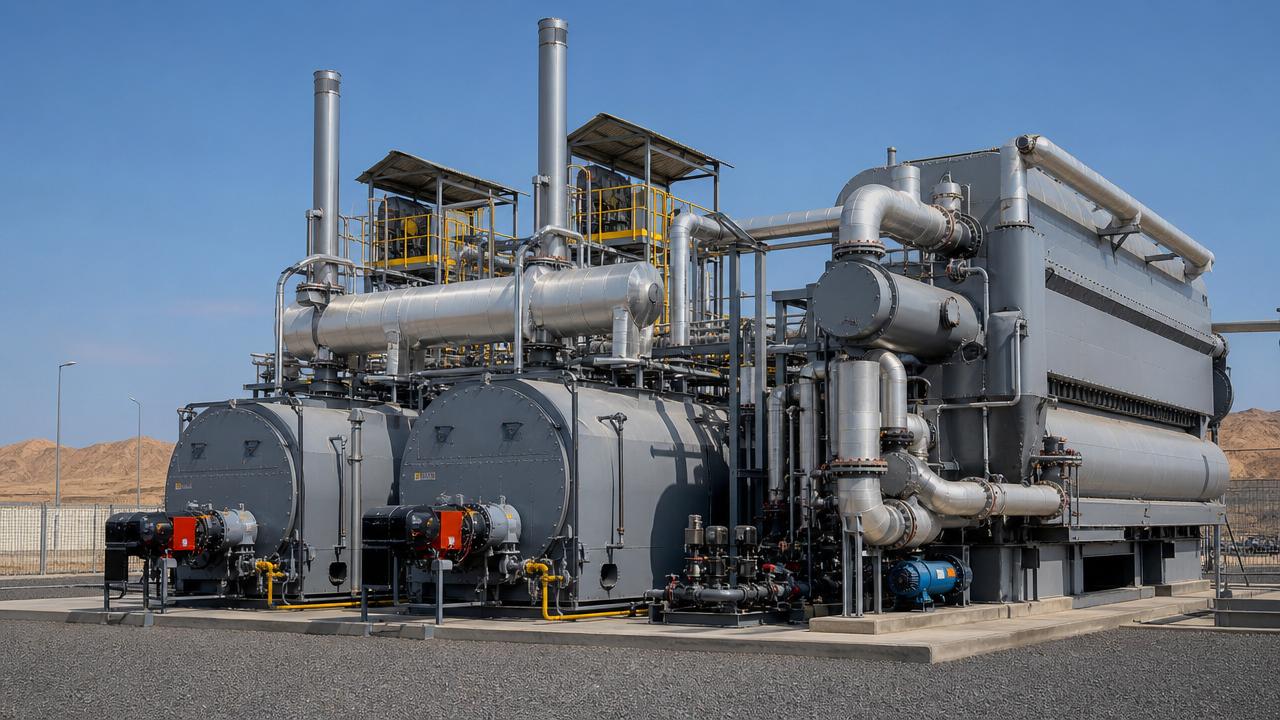
The procurement scope covers 2×65MW high-temperature, high-pressure biomass boilers.
The tender states that the local manufacturing ratio for key components, specifically the furnace, superheater, and economizer, must be no lower than 45%.
It also requires dual verification of combustion efficiency and ash fusion temperature by a third-party body recognized by SASO.
For Chinese boiler manufacturers, the bidding arrangement requires participation together with a Saudi local partner.
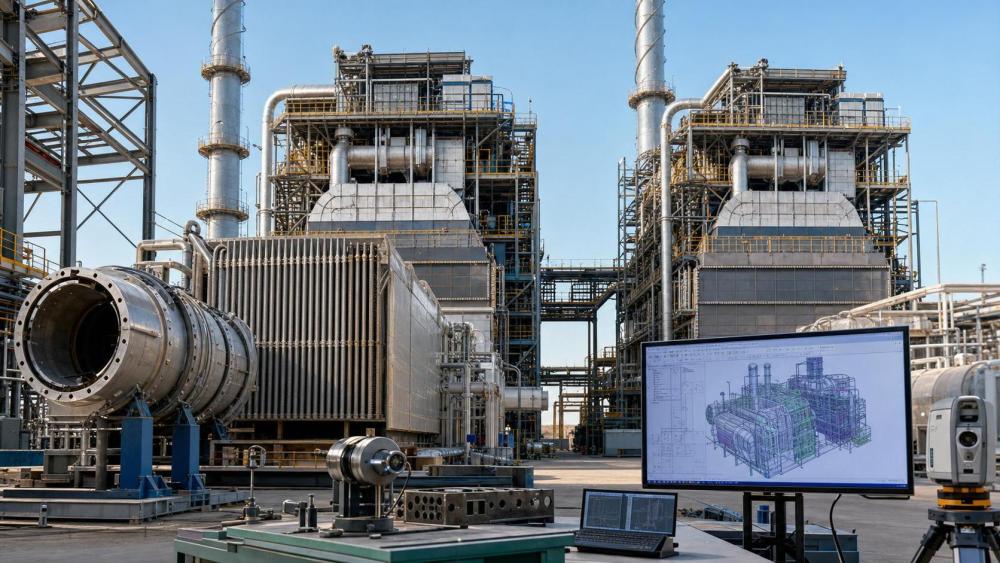
The technical bid must include a BIM interface for operations and maintenance.
Why the compliance burden is shifting across the supply chain
Boiler manufacturers now face a broader qualification threshold
From an industry perspective, the impact on manufacturers is not limited to fabrication. The stated local content requirement means suppliers need to assess which parts of the furnace, superheater, and economizer can be manufactured locally and how that allocation will be evidenced in bid preparation and later delivery documentation. The SASO-recognized third-party verification requirement also shifts attention to test planning, technical substantiation, and acceptance readiness, rather than leaving performance claims solely within the supplier's own documentation.
Local partners become part of bid access, not just project support
For companies entering from overseas, especially Chinese boiler suppliers named in the tender conditions, the local partner is not merely a post-award service arrangement. Analysis shows the local partner becomes part of the market-entry structure for the bid itself. That has implications for commercial coordination, manufacturing allocation, document flow, and responsibility boundaries tied to compliance and delivery.
Testing and certification-related service providers may see a more central role
The requirement for combustion efficiency and ash fusion temperature to be validated by a SASO-recognized third party gives recognized testing and verification bodies a direct place in the procurement chain. What deserves closer attention is that technical compliance here appears to depend on externally recognized validation, which may affect bid timing, report preparation, and acceptance of technical submissions.
Digital handover requirements are moving into the bid stage
The BIM operations interface requirement means technical bid teams, engineering teams, and later-stage service providers may need tighter alignment earlier in the tender process. This affects document preparation, interface definitions, and the way suppliers present lifecycle support capability, rather than treating operations data integration as a post-award detail.
What bidders and suppliers should examine now
Check how local manufacturing content will be demonstrated
Analysis shows one immediate task is to review how the 45% threshold for the specified core components can be mapped into manufacturing plans, supplier arrangements, and bid documents. The information provided does not define the exact calculation method or documentary standard, so this part should be treated as an active compliance point requiring close reading of tender materials and any later clarifications.
Prepare for recognized third-party verification early
Companies involved in the tender should pay attention to how combustion efficiency and ash fusion temperature evidence will be generated, formatted, and accepted. Since the requirement specifically points to SASO-recognized third parties, bidders need to watch the verification pathway closely rather than assume that existing internal or non-recognized reports will satisfy the submission requirement.
Align partner structure with bid responsibility
Because Chinese manufacturers are required to bid with a Saudi local partner, supplier due diligence should extend beyond commercial presence to responsibility sharing in manufacturing, documentation, coordination, and after-delivery support. Observably, this is not only a partner-selection issue but also a bid-governance issue.
Treat BIM interface content as a bid compliance item
The required BIM operations interface should be addressed as part of technical qualification rather than left for later engineering discussion. Companies should focus on whether their technical package, data structure, and interface description are sufficient for bid-stage review. The input does not provide the detailed interface standard, so this remains an area where later tender clarification may matter.
How this should be read at this stage
Observably, this tender is more than a routine equipment purchase notice. It combines three distinct gatekeeping signals: localization of core manufacturing, recognized third-party technical validation, and digital operations compatibility. Analysis shows that these elements affect who can bid, how bids must be structured, and what kind of delivery model is likely to be considered credible.
At the same time, it is more appropriate to understand this as an execution signal within a specific tender context rather than a fully generalized market rule beyond the information provided. The practical weight of the requirement will depend on how documentation is reviewed, how verification is accepted, and whether later tender clarifications refine the compliance path.
What this means for the market right now
The immediate significance of the ACWA Power tender lies in its clear linkage between procurement access and compliance design. For boiler suppliers and related service providers, the issue is not simply whether demand exists, but whether manufacturing localization, recognized verification, and digital bid content can be assembled into a compliant offer. Current industry reading should remain measured: this is a concrete market-entry and delivery signal for the named tender, and it warrants continued attention as a rule-in-use rather than as a settled, fully standardized framework across all projects.
Basis of this article and what still needs verification
This article is based on the user-provided title, event date, and event summary. For events of this type, relevant source categories typically include official tender notices, releases from regulatory or standards-related bodies, trade and procurement authority information, industry association materials, standards documentation, and reporting by established industry media.
No specific official source link was provided in the input, so the underlying tender text, any formal clarification notices, and any later official interpretation still need to be continuously verified. What remains worth monitoring includes the detailed application of the local content requirement, the acceptance criteria for SASO-recognized third-party verification, any change in tender documentation, market feedback from bidders, and actual implementation by participating companies.
Related News
- ACWA Power Sets 45% Local Content Rule in Boiler TenderAuthor :Thermal Energy Strategist

- India BIS Draft Targets Biomass Boiler Data LinksAuthor :Thermal Energy Strategist

- EU REACH SVHC Update Restricts TCEP in Biomass EquipmentAuthor :Thermal Energy Strategist

- China Customs Adds HS Code Rule for Biomass Boiler ExportsAuthor :Thermal Energy Strategist

- China Adds Carbon Traceability Rule for Biomass Boiler ExportsAuthor :Thermal Energy Strategist

- Sugar Import Quota Notice Raises Biomass Fuel Cost FocusAuthor :Thermal Energy Strategist
![]()
- Urea Drops to $577/Ton, Easing Biomass Boiler CostsAuthor :Thermal Energy Strategist

- Urea Falls to $577/Ton, Easing Biomass Boiler Cost PressureAuthor :Thermal Energy Strategist

- Carbon Neutrality Pressures on Biomass Energy ROIAuthor :Thermal Energy Strategist

- Japan's Crude Imports Plunge 64% in April, Boosting Biomass & Chiller AdoptionAuthor :Thermal Energy Strategist

- Indonesia Tightens Thermal Coal Exports, Boosts Biomass & Industrial Chiller DemandAuthor :Thermal Energy Strategist

- Clean Energy Technology Gains That Make Biomass Worth RevisitingAuthor :Thermal Energy Strategist

- Clean Energy Technology Trends Changing Biomass Energy Project ReturnsAuthor :Thermal Energy Strategist

- Carbon Neutrality Pressures on Biomass Energy ProjectsAuthor :Thermal Energy Strategist

- Biomass Energy Cold-Heat Supply System Named in China’s Top 7 Future IndustriesAuthor :Thermal Energy Strategist

- Carbon Neutrality Pressure and Biomass Energy Project PaybackAuthor :Thermal Energy Strategist

- NEOM Green Infrastructure Certification Expands to Biomass CHP SystemsAuthor :Thermal Energy Strategist

- Saudi SASO Mandates NGIC Certification for Biomass CHP SystemsAuthor :Thermal Energy Strategist

- Clean Energy Technology Trends Changing Biomass Energy ProjectsAuthor :Thermal Energy Strategist

- Saudi SASO Mandates NEOM Green Infrastructure Certification for Biomass CHP SystemsAuthor :Thermal Energy Strategist

- Middle East Bans R134a Imports; Biomass CHP Gains TractionAuthor :Thermal Energy Strategist

- Clean Energy Technology and Biomass Energy: What Changes in 2026Author :Thermal Energy Strategist

- Middle East Bans R134a Equipment Imports; Biomass CCHP Gains TractionAuthor :Thermal Energy Strategist

- Canton Fair Phase II: Biomass Boiler Orders Surge 112% from SEAAuthor :Thermal Energy Strategist

- Carbon Neutrality and Biomass Energy: Where the Business Case Is StrongestAuthor :Thermal Energy Strategist

- Industrial Heat Recovery Ideas That Cut Fuel Use in Daily OperationsAuthor :Thermal Energy Strategist