Carbon Neutrality Pressure and Biomass Energy Project Payback




As carbon neutrality targets tighten across global industry, biomass energy projects are moving from policy discussion to boardroom priority. Yet for enterprise decision-makers, the key question is not only sustainability—it is payback. This article explores how fuel supply, capital cost, policy incentives, and thermal system efficiency shape project returns, helping businesses evaluate whether biomass can deliver both decarbonization value and long-term financial resilience.
What Decision-Makers Are Really Asking About Biomass Payback
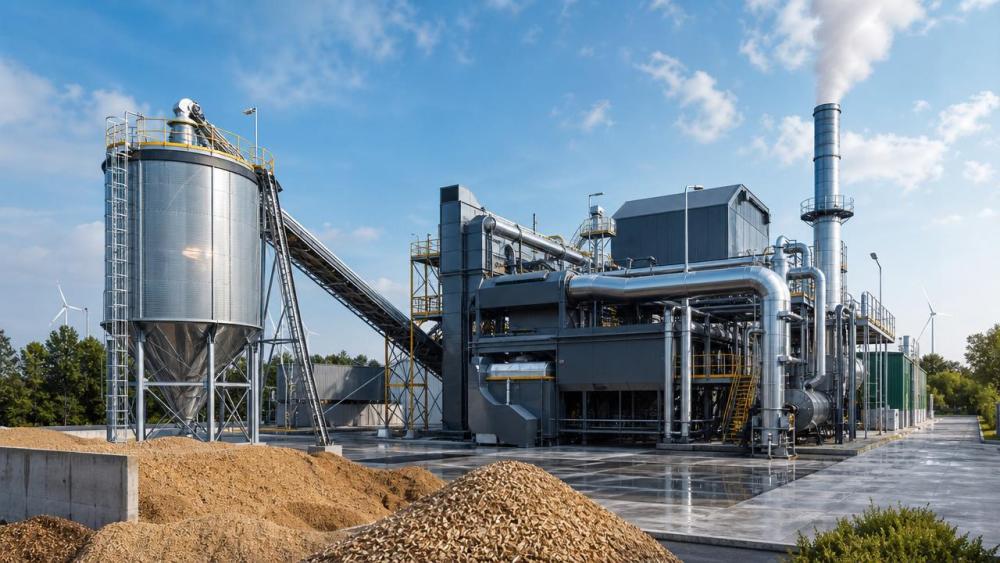
The core search intent behind carbon neutrality and biomass payback is practical, not academic. Executives want to know whether biomass projects can reduce emissions without damaging cash flow.
They are usually comparing biomass against natural gas, coal, fuel oil, or grid electricity. The real question is how quickly the project returns capital under real operating conditions.
For most enterprise readers, interest in biomass is driven by pressure from regulation, customer decarbonization demands, energy price volatility, and internal ESG commitments linked to financing or procurement access.
That means broad sustainability arguments are not enough. What matters is whether a project improves energy resilience, lowers long-term thermal cost, and supports carbon neutrality with measurable financial returns.
The overall judgment is clear. Biomass can offer attractive payback, but only when feedstock security, heat demand stability, policy support, and system design are aligned from the start.
Why Carbon Neutrality Pressure Is Changing Investment Logic
In the past, many companies evaluated energy projects almost entirely on short-term utility savings. Today, carbon neutrality is adding a second layer of economic value to investment decisions.
That value appears in several forms. Companies may avoid future carbon taxes, reduce compliance cost, improve eligibility for green finance, and strengthen position in supply chains demanding lower embedded emissions.
For export-oriented manufacturers, low-carbon thermal systems increasingly affect customer audits and contract renewal. In some sectors, failure to decarbonize process heat can become a commercial disadvantage, not just an environmental issue.
Biomass therefore enters the conversation as more than an alternative fuel. It becomes a strategic tool for managing regulatory exposure and preserving market access in a carbon-constrained economy.
However, this does not mean every biomass project is automatically justified. Carbon neutrality pressure may accelerate board interest, but it does not remove the need for disciplined capital evaluation.
What Determines the Payback Period of a Biomass Energy Project
Payback depends on a combination of technical, commercial, and policy variables. The four biggest drivers are feedstock economics, capital expenditure, operating efficiency, and available incentives.
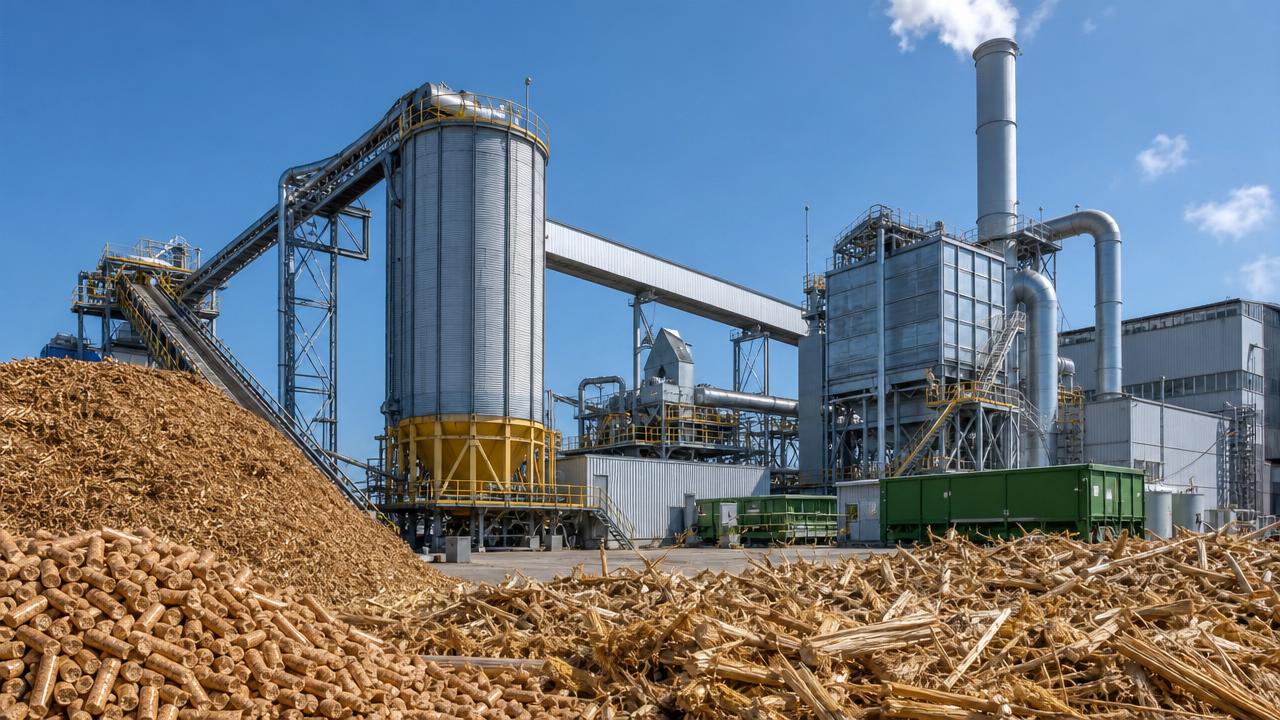
Feedstock is often the deciding factor. A plant with low-cost, stable local biomass supply can achieve strong returns, while one exposed to seasonal scarcity or long-distance transport can struggle.
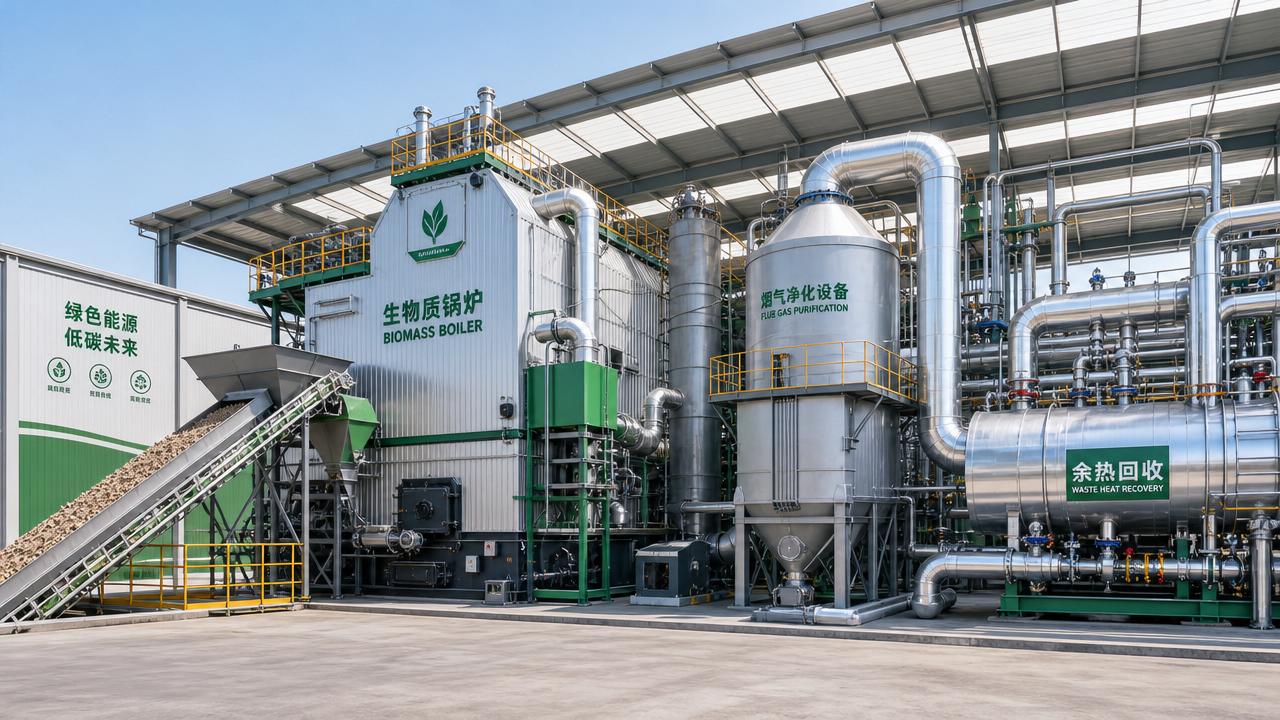
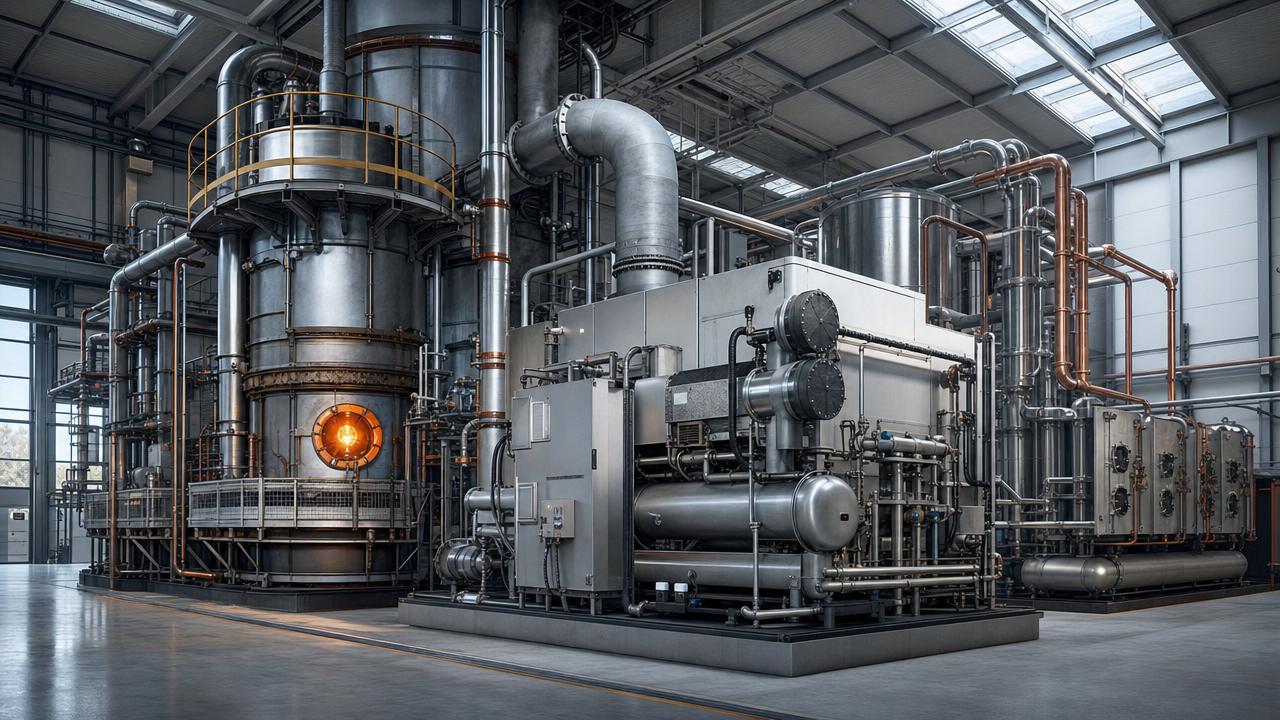
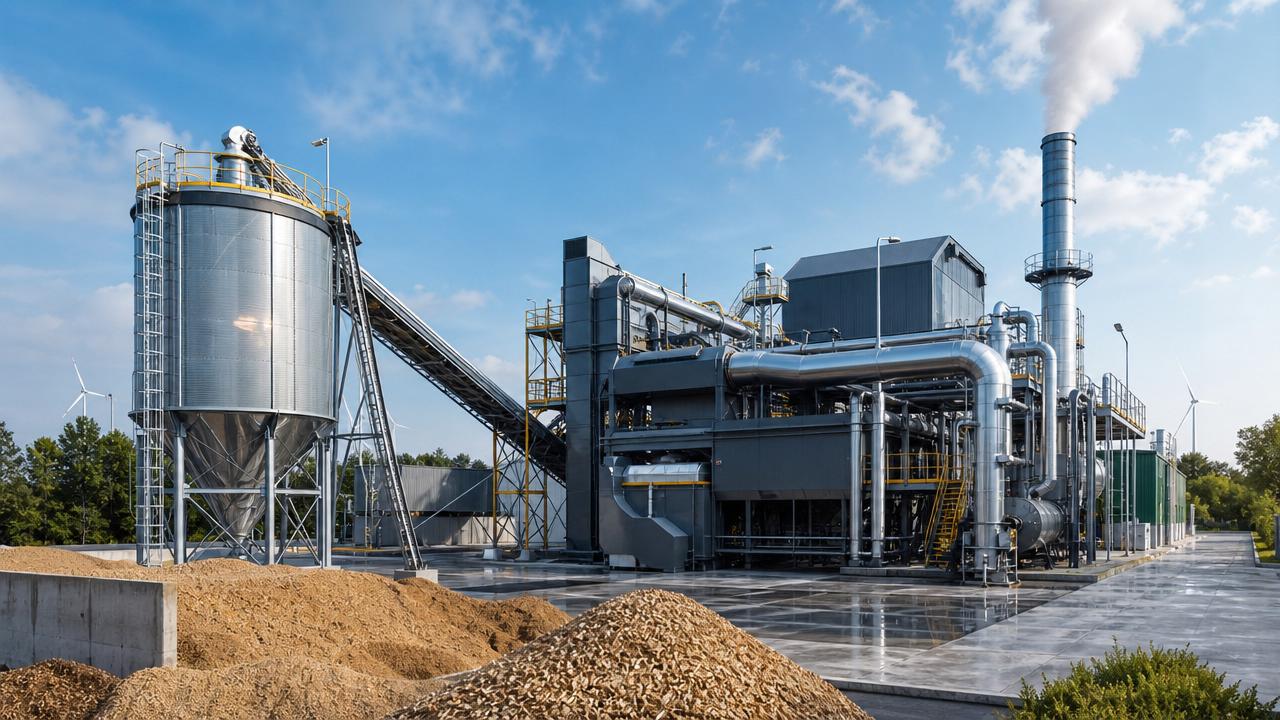
Capital cost must be assessed beyond boiler or gasifier price alone. Total installed cost includes storage, handling, emissions control, grid or steam integration, civil works, and automation systems.
Operating efficiency matters because biomass systems do not create value simply by being renewable. Poor combustion control, moisture variation, and weak heat recovery can destroy expected savings.
Policy incentives can materially shorten payback. These may include capital grants, tax credits, renewable heat tariffs, accelerated depreciation, carbon market benefits, or low-interest green lending facilities.
Project economics become stronger when these factors reinforce each other. If one or more are weak, especially fuel logistics or thermal utilization, the payback model can quickly become unattractive.
Feedstock Security: The First Test Before Any Financial Model
Many biomass projects look compelling on spreadsheets but fail in operation because fuel planning was treated as a procurement detail rather than a strategic risk factor.
Decision-makers should first ask where biomass will come from, who controls the supply, how moisture and calorific value vary, and whether competing demand could change pricing over time.
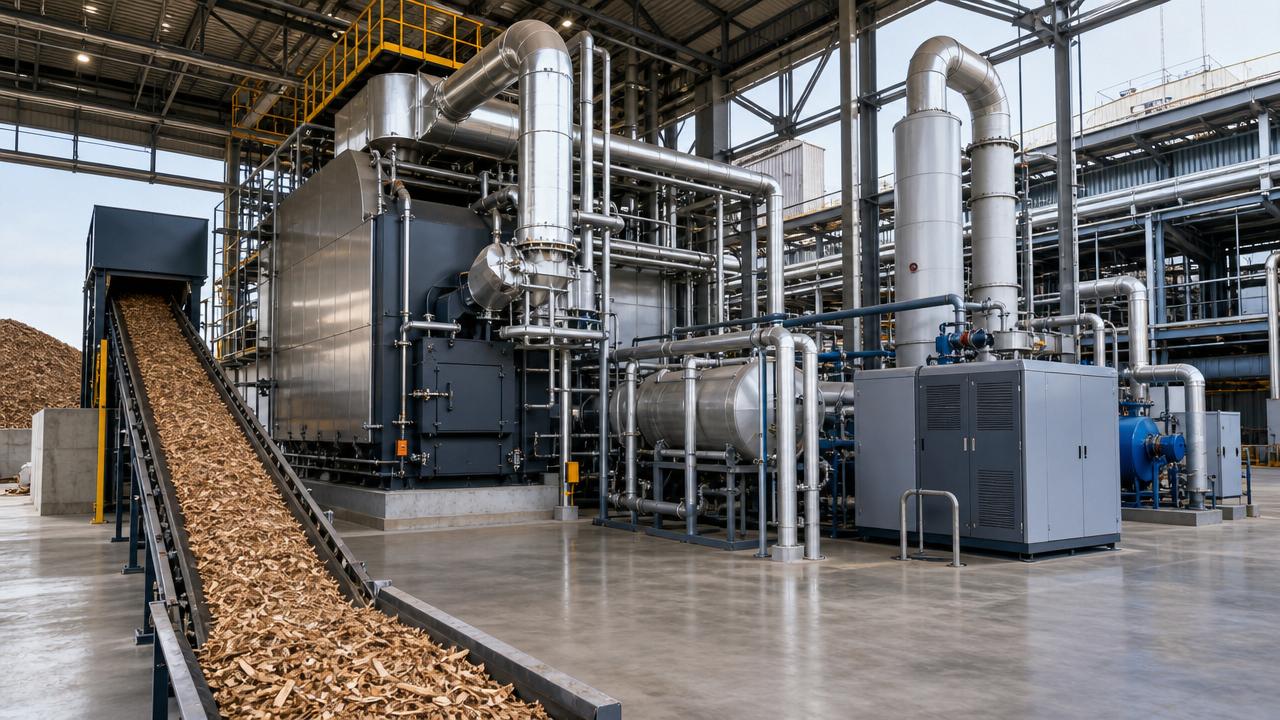
Residues from agriculture, forestry, wood processing, food production, or municipal streams may seem abundant locally. Yet availability on paper is different from contracted, specification-compliant, year-round delivery.
Fuel quality inconsistency affects combustion stability, maintenance cycles, ash handling, and actual efficiency. These factors directly influence both operating cost and the credibility of payback assumptions.
A robust project usually has long-term supply agreements, diversified sourcing, storage planning, and a technical design capable of handling realistic feedstock variability without major performance losses.
If fuel supply is uncertain, the project should be viewed as high risk regardless of carbon neutrality benefits. No financial model can compensate for unreliable thermal input.
Capex Is Only Part of the Story: Look at the Full System Boundary
Enterprise buyers often focus first on equipment price, but biomass economics depend on the entire thermal system boundary. Integration quality can influence returns as much as the combustion unit itself.
If the project requires steam network retrofits, drying systems, flue gas treatment, fuel reception infrastructure, or backup fossil capacity, the investment case may change substantially.
Engineering decisions also matter. Oversized systems often suffer from low load operation, while undersized systems reduce displacement of fossil fuel and weaken the carbon neutrality impact.
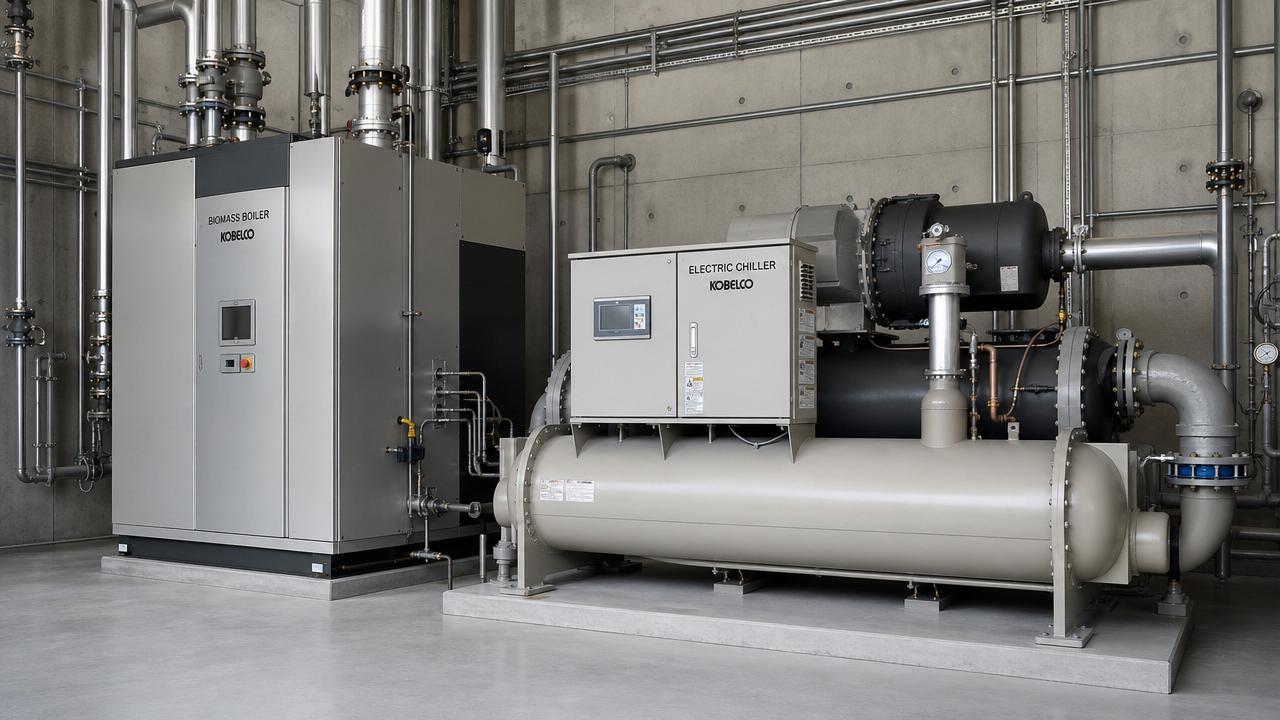
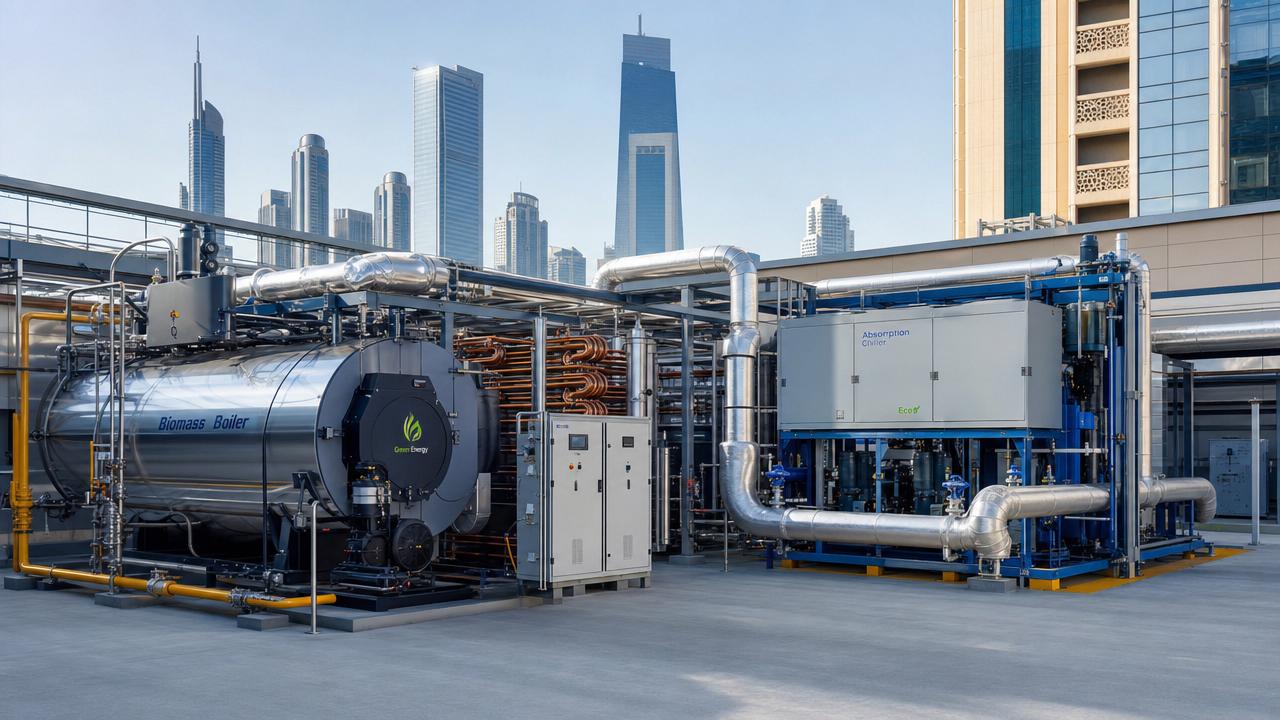
For sites with variable heat demand, hybrid architecture can improve economics. Biomass may carry the thermal base load, while gas or electric systems cover peak demand or operational fluctuations.
This approach can reduce capital intensity and improve utilization rate. A smaller, well-loaded biomass system usually pays back faster than a larger asset operating inefficiently for much of the year.
Executives should therefore request a system-level model, not just a vendor quotation. Payback is created through integration discipline, not through equipment selection alone.
Efficiency Decides Whether Renewable Heat Becomes Financially Competitive
One common mistake is assuming biomass automatically lowers energy cost because the fuel is renewable. In reality, thermal efficiency determines how much usable value each ton of biomass delivers.
Moisture control, combustion tuning, heat exchanger performance, insulation quality, condensate recovery, and load management all shape real-life fuel consumption and maintenance cost.
For industrial facilities, the most attractive projects are usually those linked to stable thermal demand such as process steam, hot water, drying, district heating, or CHP applications.
Where heat demand is intermittent or poorly matched to system design, the economics deteriorate. Low annual operating hours spread fixed costs over too little useful energy output.
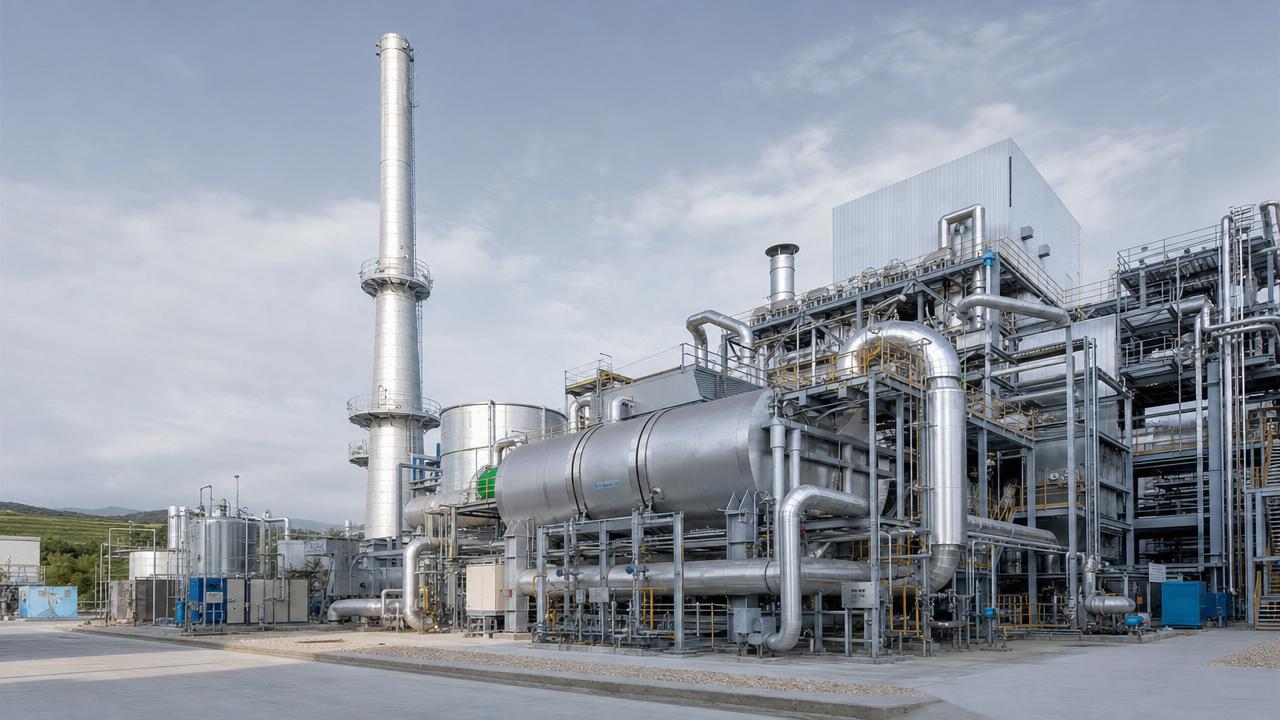
This is where expertise in industrial thermal systems becomes important. The value of biomass increases when the surrounding heat recovery and distribution network is optimized at the same time.
In other words, biomass payback is not only a fuel-switching issue. It is a thermal efficiency project that must be engineered as part of a wider energy conversion strategy.
How Policy Incentives and Carbon Markets Change the Business Case
For many companies, policy support is the factor that moves biomass from marginal to bankable. Incentives can reshape project economics more dramatically than small differences in equipment cost.
In some markets, renewable thermal energy receives direct financial support. In others, the value comes indirectly through avoided emissions costs, compliance advantages, or green financing terms.
Carbon pricing is especially important for sectors with substantial process heat demand. As carbon costs rise, fossil-fuel-based steam and hot water systems become progressively less attractive.
Companies should also evaluate whether biomass contributes to science-based targets, supplier scorecards, product carbon footprint reduction, or qualification for sustainable procurement frameworks.
These effects are not always captured in a basic payback model, yet they can materially affect enterprise value. A board-level decision should include both direct and strategic returns.
Still, incentive dependence creates risk. Decision-makers should test whether the project remains acceptable under reduced subsidy scenarios or changes in carbon accounting rules.
What Is a Good Payback Period for Biomass in Today’s Market
There is no universal benchmark, because project quality varies widely by geography, industry, and fuel source. Still, many enterprises use three broad categories for initial screening.
A payback under three years is usually considered highly attractive, often driven by low-cost residues, strong fossil fuel displacement, or generous policy support.
A payback between three and six years can still be compelling for strategic assets, especially where carbon neutrality goals, energy resilience, and customer pressure justify a longer investment horizon.
Beyond six years, projects require closer scrutiny. They may still make sense if they protect long-term competitiveness, but the assumptions need to be robust and transparent.
Decision-makers should avoid relying on simple payback alone. Net present value, internal rate of return, fuel price sensitivity, downtime assumptions, and carbon cost scenarios all deserve attention.
In current markets, the best biomass investments are rarely those with the cheapest headline proposal. They are the ones with the strongest operational realism and risk-adjusted resilience.
The Main Risks That Can Delay or Destroy Expected Returns
Biomass projects usually underperform for predictable reasons. The most common are weak feedstock control, low plant utilization, underbudgeted maintenance, and optimistic carbon accounting assumptions.
Permitting can also create delays, especially where air emissions, truck traffic, land use, or waste classification rules are complex. Delayed commissioning can materially affect return timing.
Technology mismatch is another issue. A system designed for uniform fuel may struggle with mixed residues, causing efficiency loss, downtime, or unexpected wear on handling equipment.
Management teams should also consider organizational readiness. Biomass systems often require different operational skills than conventional gas-fired assets, particularly in fuel handling and combustion management.
Finally, reputation risk matters. If sustainability claims are based on contested sourcing or weak lifecycle accounting, the carbon neutrality narrative may become vulnerable under stakeholder scrutiny.
None of these risks are reasons to reject biomass automatically. They are reasons to apply disciplined project development before committing capital.
A Practical Evaluation Framework for Enterprise Leaders
For board members and senior managers, the most useful approach is a staged decision framework. Start with thermal demand quality before looking at technology proposals.
First, confirm that the site has stable annual heat demand with sufficient operating hours. Biomass performs best where it can displace a meaningful and consistent fossil thermal load.
Second, validate feedstock availability through commercial evidence, not assumptions. Require supply mapping, price history, logistics analysis, and quality specifications.
Third, build a full-system financial model that includes integration cost, maintenance, staffing, backup capacity, and fuel variability. Use conservative assumptions and sensitivity testing.
Fourth, quantify policy benefits and carbon value separately from core operating savings. This creates a clearer view of whether the asset is fundamentally sound or subsidy-dependent.
Fifth, review execution capability. The right engineering, controls, thermal recovery design, and service structure can determine whether modeled returns become actual returns.
Where Biomass Is Most Likely to Deliver Strong Payback
Biomass tends to work best in industries with significant, predictable thermal demand and access to nearby residues or established fuel supply chains.
Food processing, pulp and paper, wood products, agro-industry, textiles, district energy, and some chemical processes often offer strong conditions for renewable heat substitution.
Sites already using steam, hot water, or drying operations are typically better candidates than facilities dominated by highly intermittent or low-grade energy demand.
Projects also become more attractive when waste streams can be valorized internally. Using production residues as fuel can reduce disposal cost while improving carbon neutrality performance.
For companies in sectors under customer decarbonization pressure, even a moderate financial payback may justify action if it secures strategic contracts or strengthens pricing power.
The strongest opportunities therefore combine operational fit, supply security, and commercial advantage. Biomass is most powerful when environmental and industrial logic point in the same direction.
Conclusion: Biomass Payback Under Carbon Neutrality Pressure Requires Discipline, Not Hype
Carbon neutrality is reshaping how industrial energy investments are judged, and biomass has become a serious option for companies seeking lower-emission thermal supply.
But for enterprise decision-makers, the answer is not simply whether biomass is green. The answer is whether the project can convert decarbonization pressure into durable financial value.
That value depends on stable feedstock, sound system integration, high thermal efficiency, realistic capex, and policy support that strengthens rather than masks project fundamentals.
When those conditions are present, biomass can offer more than compliance. It can improve energy resilience, reduce carbon exposure, and create a credible pathway toward carbon neutrality.
When those conditions are absent, payback projections become fragile. The most successful companies will be those that treat biomass not as a symbolic ESG move, but as a rigorously engineered business decision.
Related News
- ACWA Power Sets 45% Local Content Rule in Boiler TenderAuthor :Thermal Energy Strategist

- India BIS Draft Targets Biomass Boiler Data LinksAuthor :Thermal Energy Strategist

- EU REACH SVHC Update Restricts TCEP in Biomass EquipmentAuthor :Thermal Energy Strategist

- China Customs Adds HS Code Rule for Biomass Boiler ExportsAuthor :Thermal Energy Strategist

- China Adds Carbon Traceability Rule for Biomass Boiler ExportsAuthor :Thermal Energy Strategist

- Sugar Import Quota Notice Raises Biomass Fuel Cost FocusAuthor :Thermal Energy Strategist
![]()
- Urea Drops to $577/Ton, Easing Biomass Boiler CostsAuthor :Thermal Energy Strategist

- Urea Falls to $577/Ton, Easing Biomass Boiler Cost PressureAuthor :Thermal Energy Strategist

- Carbon Neutrality Pressures on Biomass Energy ROIAuthor :Thermal Energy Strategist

- Japan's Crude Imports Plunge 64% in April, Boosting Biomass & Chiller AdoptionAuthor :Thermal Energy Strategist

- Indonesia Tightens Thermal Coal Exports, Boosts Biomass & Industrial Chiller DemandAuthor :Thermal Energy Strategist

- Clean Energy Technology Gains That Make Biomass Worth RevisitingAuthor :Thermal Energy Strategist

- Clean Energy Technology Trends Changing Biomass Energy Project ReturnsAuthor :Thermal Energy Strategist

- Carbon Neutrality Pressures on Biomass Energy ProjectsAuthor :Thermal Energy Strategist

- Biomass Energy Cold-Heat Supply System Named in China’s Top 7 Future IndustriesAuthor :Thermal Energy Strategist

- Carbon Neutrality Pressure and Biomass Energy Project PaybackAuthor :Thermal Energy Strategist

- NEOM Green Infrastructure Certification Expands to Biomass CHP SystemsAuthor :Thermal Energy Strategist

- Saudi SASO Mandates NGIC Certification for Biomass CHP SystemsAuthor :Thermal Energy Strategist

- Clean Energy Technology Trends Changing Biomass Energy ProjectsAuthor :Thermal Energy Strategist

- Saudi SASO Mandates NEOM Green Infrastructure Certification for Biomass CHP SystemsAuthor :Thermal Energy Strategist

- Middle East Bans R134a Imports; Biomass CHP Gains TractionAuthor :Thermal Energy Strategist

- Clean Energy Technology and Biomass Energy: What Changes in 2026Author :Thermal Energy Strategist

- Middle East Bans R134a Equipment Imports; Biomass CCHP Gains TractionAuthor :Thermal Energy Strategist

- Canton Fair Phase II: Biomass Boiler Orders Surge 112% from SEAAuthor :Thermal Energy Strategist

- Carbon Neutrality and Biomass Energy: Where the Business Case Is StrongestAuthor :Thermal Energy Strategist

- Industrial Heat Recovery Ideas That Cut Fuel Use in Daily OperationsAuthor :Thermal Energy Strategist