Industrial Heat Recovery Ideas That Cut Fuel Use in Daily Operations




Industrial heat recovery is no longer a technical side project reserved for large plants with excess capital. For industrial businesses under pressure to lower fuel consumption, reduce exposure to volatile energy prices, and support decarbonization targets, it is one of the most practical ways to improve daily operating efficiency. The key question for decision-makers is not whether waste heat exists, but where it is being lost, how reliably it can be captured, and whether the economics fit current production realities.
In most facilities, valuable thermal energy leaves the system every day through exhaust gases, hot process water, cooling loops, compressors, ovens, dryers, boilers, and condensers. Recovering even a portion of that energy can reduce primary fuel demand, ease utility costs, and improve process stability. The strongest opportunities usually come from targeted, application-specific measures rather than broad “energy upgrade” programs.
What Business Leaders Actually Need to Know First
When executives search for industrial heat recovery ideas, they are rarely looking for theory. They want to know which options cut fuel use in real operations, how quickly savings can appear, what level of disruption is involved, and whether the investment will stay valuable as energy prices and regulatory expectations change.
The most useful evaluation starts with four questions: Where is heat currently wasted? Can that heat be reused at a useful temperature level? Does recovery align with daily operating hours and production patterns? And can the project be implemented without creating reliability risks? These questions matter more than equipment marketing claims because the success of industrial heat recovery depends on thermal fit, not just technology availability.
Where the Best Daily Heat Recovery Opportunities Usually Appear
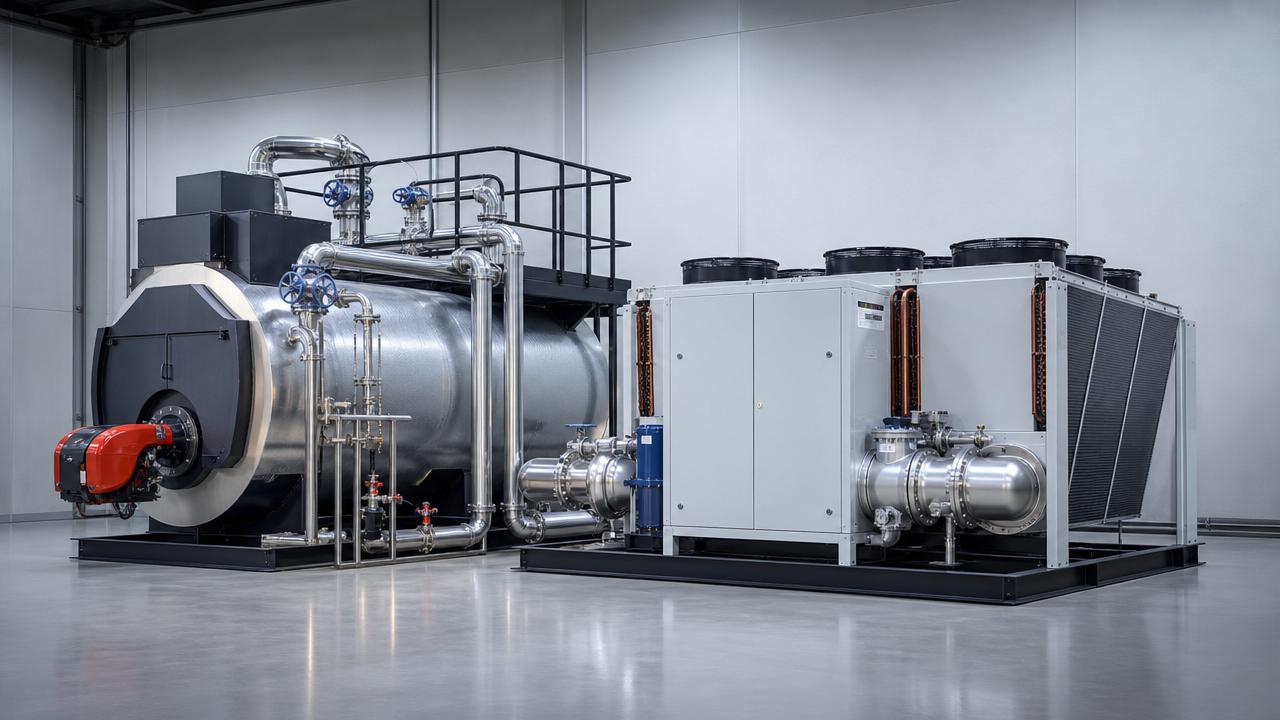
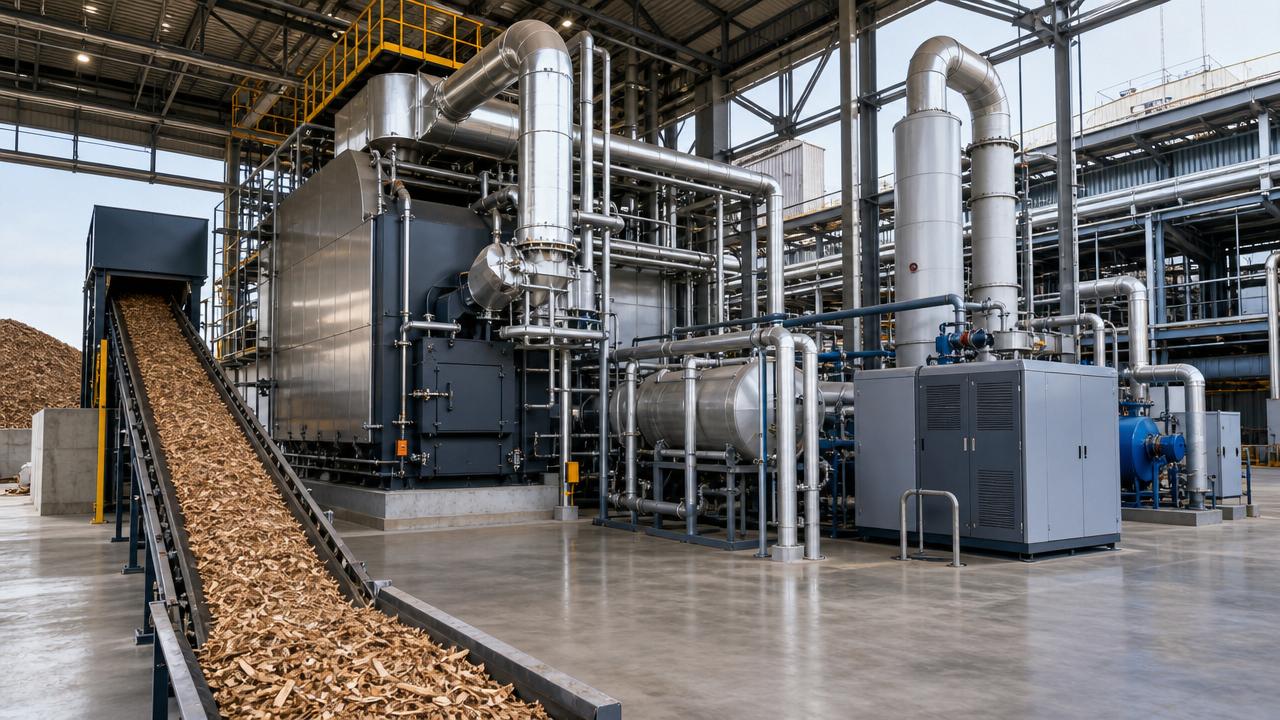
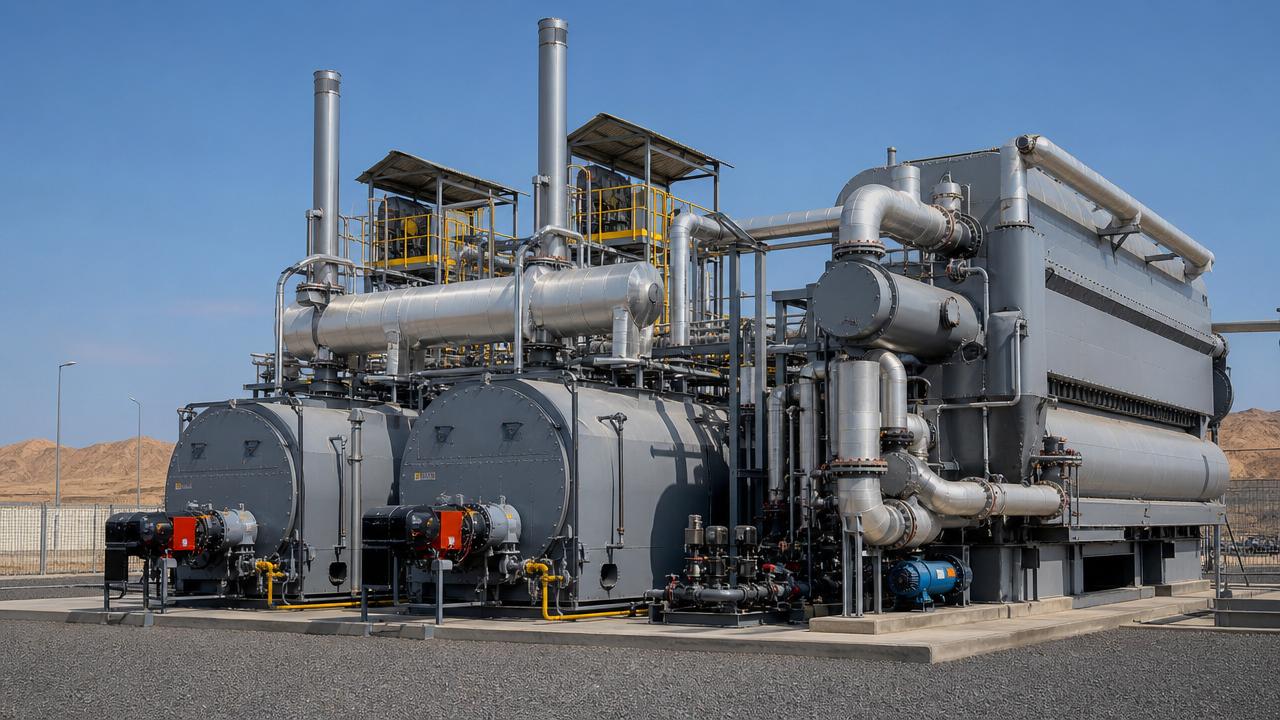
For many plants, the first high-value opportunities are found in routine systems that run continuously. Boiler exhaust is one of the most common examples. Economizers and condensing heat recovery units can capture energy from flue gases and use it to preheat feedwater, combustion air, or nearby process streams. This lowers fuel demand without changing core production output.
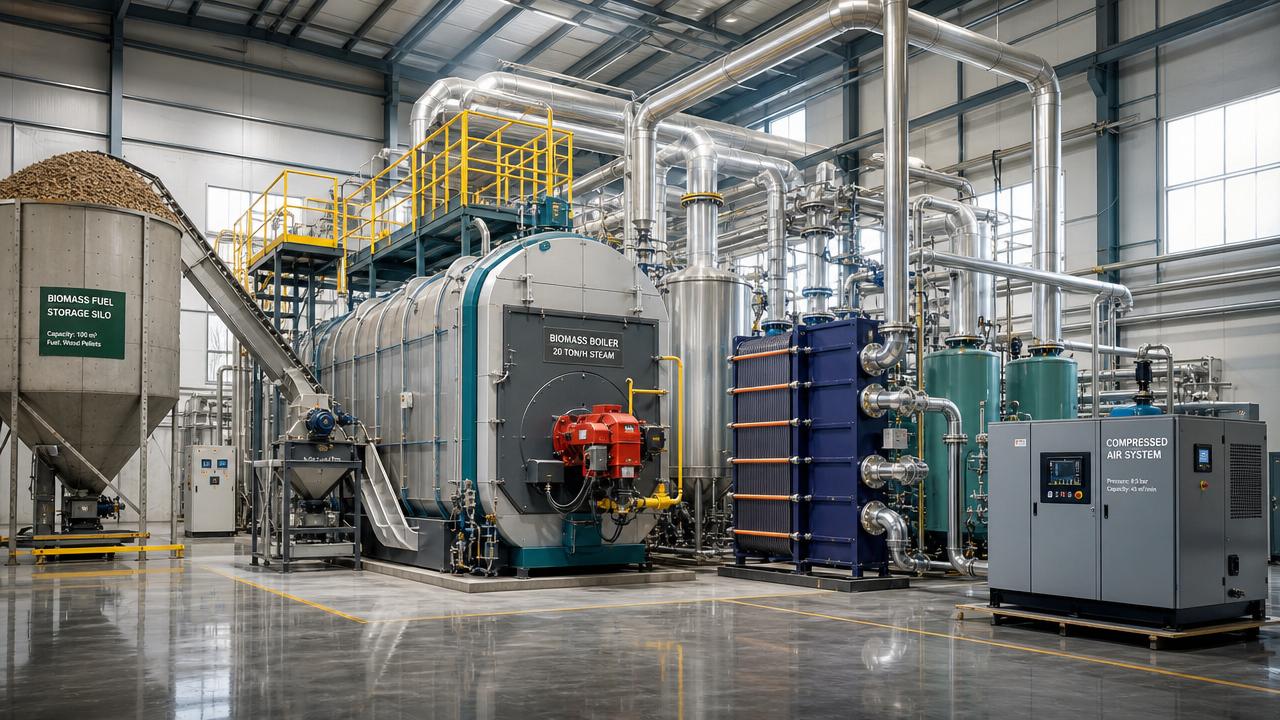
Air compressors also create large amounts of recoverable heat. In many operations, a majority of compressor input energy becomes heat that can be redirected for space heating, process water preheating, drying, or low-temperature thermal loads. Because compressors often operate for long hours, heat recovery from compressed air systems can provide a relatively straightforward path to measurable savings.
Other frequent targets include ovens, furnaces, kilns, dryers, refrigeration systems, and hot wastewater discharge. Even cooling systems can become heat sources when waste heat from one process offsets thermal demand in another. Facilities with simultaneous heating and cooling loads are often especially well positioned to benefit from industrial heat recovery.
Which Heat Recovery Ideas Deliver the Most Practical Value
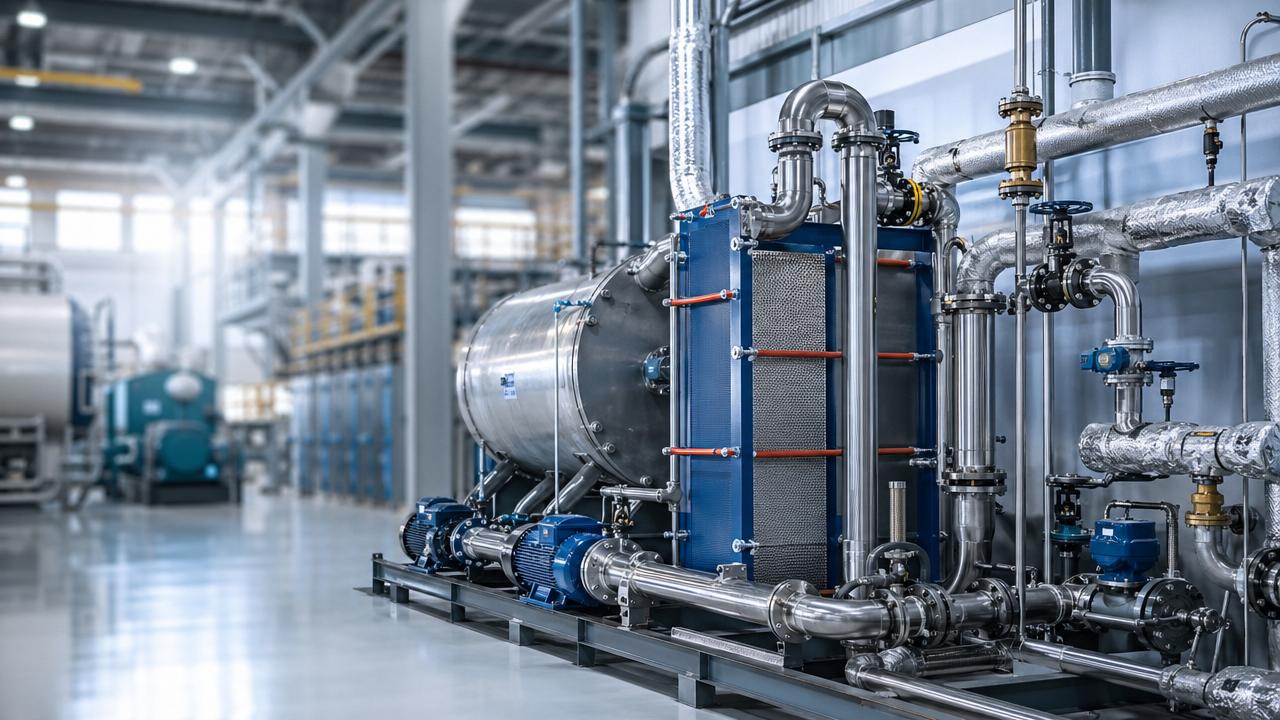
The best ideas are not always the most advanced. Heat exchangers for preheating incoming air, water, or product streams remain among the most effective measures because they are proven, modular, and relatively easy to integrate. In many sites, simple preheating produces a stronger return than more complex conversion technologies.
Another practical option is waste heat recovery for boiler makeup water or process wash water. If a facility already uses significant volumes of hot water, recovering low- or medium-grade heat can directly cut fuel use every day. This is especially relevant in food processing, chemicals, pharmaceuticals, and general manufacturing with cleaning or thermal treatment operations.
Heat pumps are also becoming more important, particularly where low-grade waste heat is abundant but not hot enough for direct reuse. Industrial heat pumps can upgrade this thermal energy to useful temperature levels, helping plants reduce gas or steam demand. For decision-makers, the appeal lies in turning previously unusable heat into a controllable, repeatable energy resource.
In more energy-intensive settings, thermal storage may strengthen project value. If heat is available at one time and needed at another, storage can improve utilization and shorten the path to acceptable returns. This approach is often overlooked, yet it can determine whether a technically valid recovery concept becomes economically viable.
How to Judge ROI Without Oversimplifying the Decision
Fuel savings are the headline benefit, but they should not be the only basis for investment decisions. A stronger business case includes avoided fuel purchases, reduced boiler loading, lower cooling demand, improved process consistency, possible maintenance benefits, and support for emissions reporting or compliance goals. In some cases, heat recovery also increases system resilience by reducing dependence on a single energy input.
At the same time, leaders should be careful with overoptimistic payback assumptions. Heat recovery projects can underperform when thermal supply and thermal demand do not match in timing, temperature, or scale. A system that looks attractive on paper may deliver weaker returns if production shifts, batch schedules vary, or recovered heat cannot be used consistently.
That is why high-quality assessment matters. Good project screening should include load profiles, seasonal variation, minimum and maximum temperatures, operating hours, maintenance implications, controls integration, and future expansion plans. The goal is to identify stable, repeatable heat use cases rather than one-off savings estimates.
Common Risks That Slow Adoption—and How to Reduce Them
One major concern is operational disruption. Decision-makers often hesitate because they assume retrofits will interrupt production or complicate maintenance. In practice, many industrial heat recovery solutions can be phased in during planned shutdowns or tied to existing upgrade cycles. Early coordination between operations, maintenance, and engineering reduces this risk significantly.
Another concern is contamination or process integrity. In regulated or high-purity sectors, direct recovery between streams may be unacceptable. This does not eliminate the opportunity; it simply changes the design approach. Indirect heat exchange, secondary loops, and proper material selection can preserve compliance while still capturing thermal value.
There is also a strategic risk in treating heat recovery as a stand-alone equipment purchase. The better approach is to see it as part of a broader energy system, connected to boilers, compressed air, refrigeration, HVAC, process heating, and plant controls. Projects integrated at the system level usually deliver stronger and more durable results than isolated upgrades.
How to Prioritize the Right Projects Across a Portfolio of Sites
For companies with multiple facilities, the smartest next step is not to launch everything at once. Start by ranking sites according to fuel intensity, operating hours, heat rejection levels, utility costs, and ease of integration. Plants with stable production, high thermal loads, and visible waste heat streams often provide the fastest wins.
It also helps to divide opportunities into three tiers: quick wins, medium-complexity retrofits, and strategic transformation projects. Quick wins may include compressor heat recovery or flue gas economizers. Medium-complexity projects can involve process integration and hot water networks. Strategic projects may include industrial heat pumps, thermal storage, or broader redesign of plant energy architecture.
This staged approach gives leadership a clearer investment roadmap. It supports early savings, builds internal confidence, and creates data for scaling future projects across the organization.
Conclusion: Industrial Heat Recovery Should Be Treated as an Operating Strategy
Industrial heat recovery is not just an energy efficiency concept. It is a practical operating strategy that can cut fuel use in daily operations, improve cost control, and support long-term competitiveness. For business decision-makers, the biggest value comes from focusing on repeatable waste heat sources, matching them to reliable thermal demand, and judging projects through both economic and operational lenses.
The companies that move first are often not the ones with the most ambitious sustainability language, but the ones that evaluate thermal losses with discipline and act on the opportunities that fit real plant conditions. In a market shaped by energy volatility, carbon pressure, and the need for resilient production, industrial heat recovery is increasingly a decision about business performance, not just engineering efficiency.
Related News
- Sugar Import Quota Notice Raises Biomass Fuel Cost FocusAuthor :Thermal Energy Strategist
![]()
- Urea Drops to $577/Ton, Easing Biomass Boiler CostsAuthor :Thermal Energy Strategist

- Urea Falls to $577/Ton, Easing Biomass Boiler Cost PressureAuthor :Thermal Energy Strategist

- Carbon Neutrality Pressures on Biomass Energy ROIAuthor :Thermal Energy Strategist

- Japan's Crude Imports Plunge 64% in April, Boosting Biomass & Chiller AdoptionAuthor :Thermal Energy Strategist

- Indonesia Tightens Thermal Coal Exports, Boosts Biomass & Industrial Chiller DemandAuthor :Thermal Energy Strategist

- Clean Energy Technology Gains That Make Biomass Worth RevisitingAuthor :Thermal Energy Strategist

- Clean Energy Technology Trends Changing Biomass Energy Project ReturnsAuthor :Thermal Energy Strategist

- Carbon Neutrality Pressures on Biomass Energy ProjectsAuthor :Thermal Energy Strategist

- Biomass Energy Cold-Heat Supply System Named in China’s Top 7 Future IndustriesAuthor :Thermal Energy Strategist

- Carbon Neutrality Pressure and Biomass Energy Project PaybackAuthor :Thermal Energy Strategist

- NEOM Green Infrastructure Certification Expands to Biomass CHP SystemsAuthor :Thermal Energy Strategist

- Saudi SASO Mandates NGIC Certification for Biomass CHP SystemsAuthor :Thermal Energy Strategist

- Clean Energy Technology Trends Changing Biomass Energy ProjectsAuthor :Thermal Energy Strategist

- Saudi SASO Mandates NEOM Green Infrastructure Certification for Biomass CHP SystemsAuthor :Thermal Energy Strategist

- Middle East Bans R134a Imports; Biomass CHP Gains TractionAuthor :Thermal Energy Strategist

- Clean Energy Technology and Biomass Energy: What Changes in 2026Author :Thermal Energy Strategist

- Middle East Bans R134a Equipment Imports; Biomass CCHP Gains TractionAuthor :Thermal Energy Strategist

- Canton Fair Phase II: Biomass Boiler Orders Surge 112% from SEAAuthor :Thermal Energy Strategist

- Carbon Neutrality and Biomass Energy: Where the Business Case Is StrongestAuthor :Thermal Energy Strategist

- Industrial Heat Recovery Ideas That Cut Fuel Use in Daily OperationsAuthor :Thermal Energy Strategist