Canton Fair Phase II: Biomass Boiler Orders Surge 112% from SEA




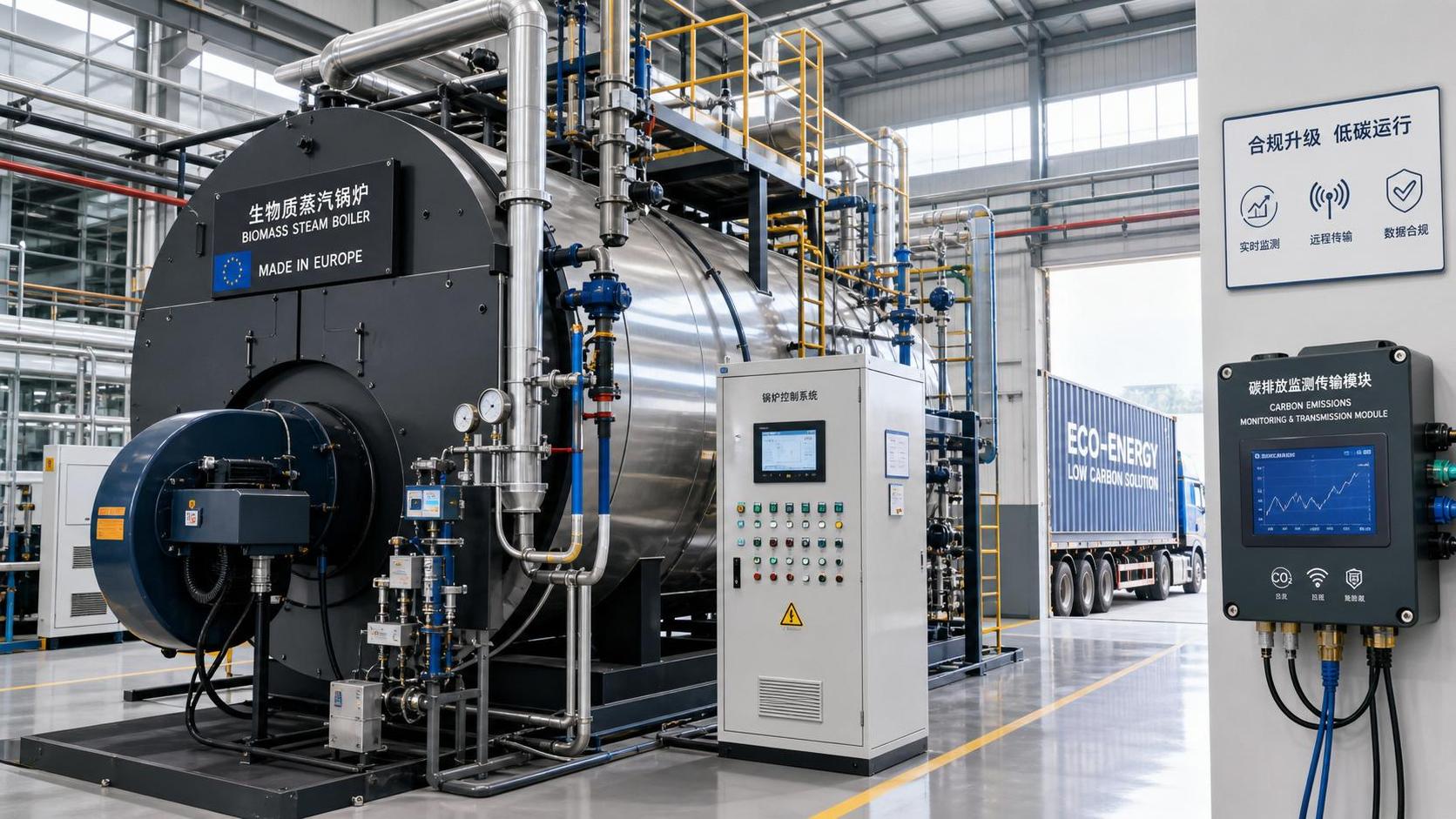
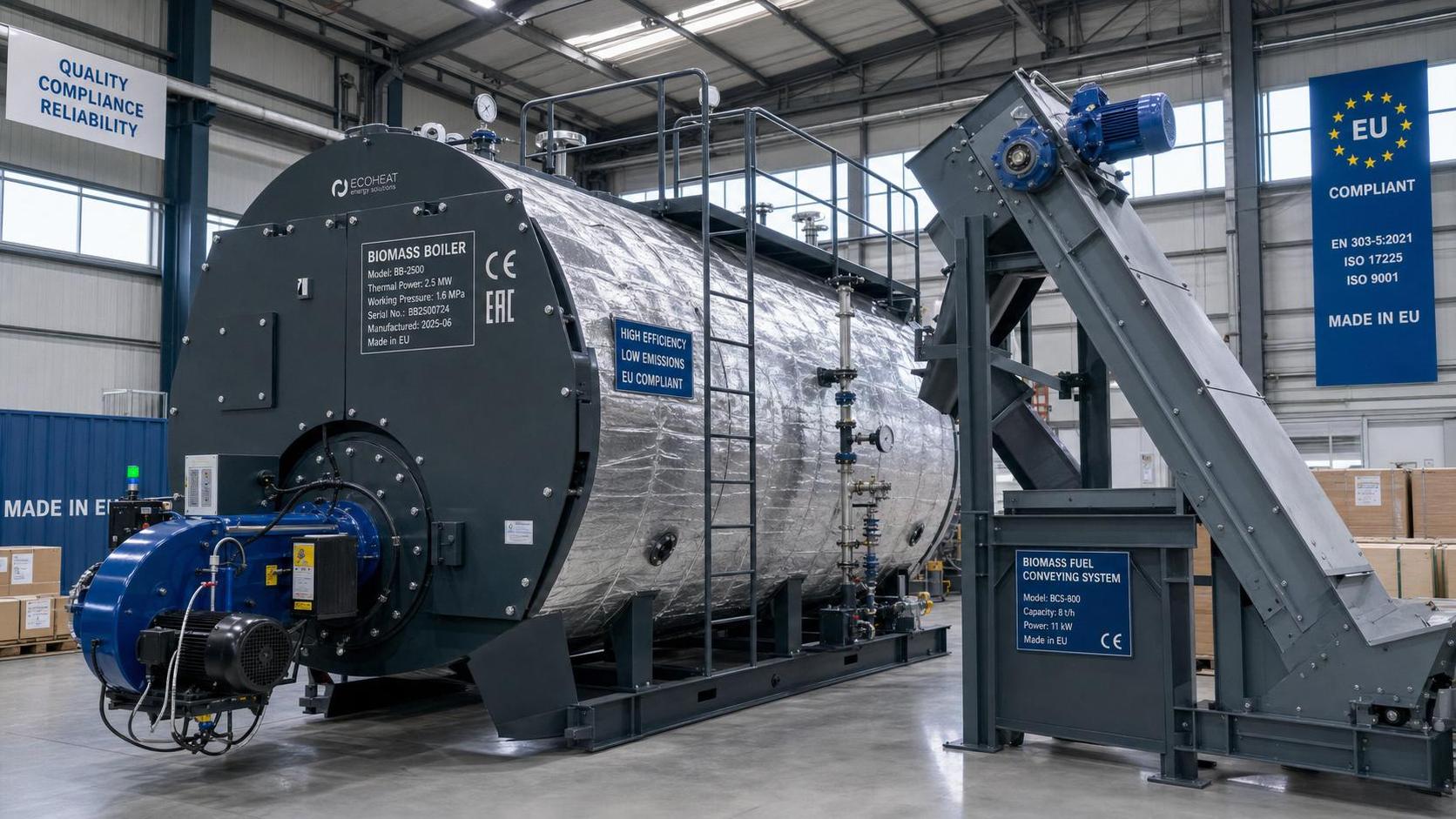
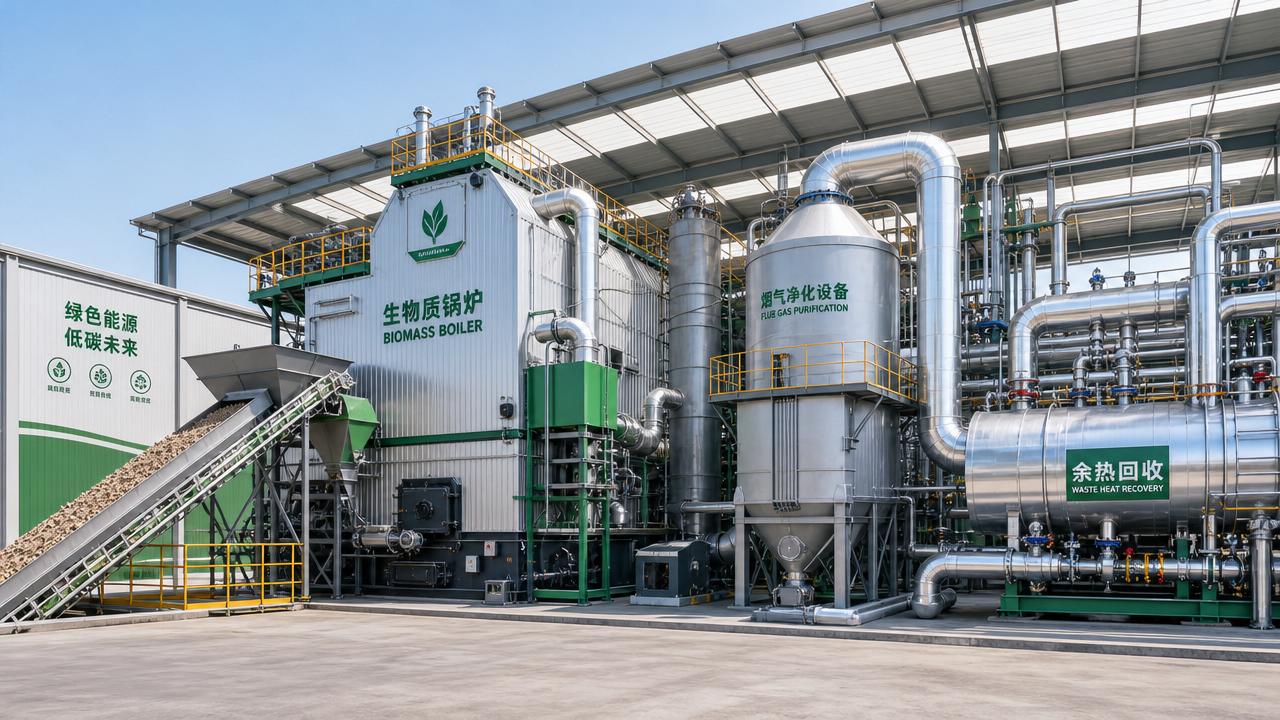
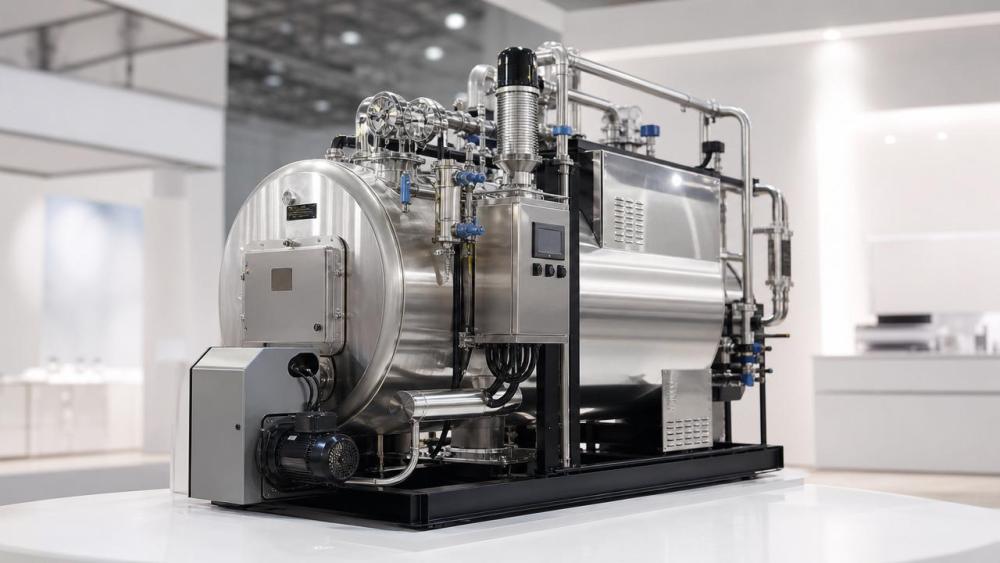
At the second phase of the 139th Canton Fair (May 1–5, 2026), orders for biomass energy equipment—particularly small-scale biomass steam boilers—rose 112% year-on-year in the Heat Exchange & Compressed Air exhibition zone. This development signals growing procurement interest from Vietnam, Indonesia, and Thailand, especially for units rated ≤2 t/h with fully automatic combustion control and integrated flue gas waste heat recovery. Delivery schedules from Chinese suppliers are now booked through Q4 2026. Companies involved in thermal equipment export, clean energy system integration, and industrial boiler supply chains should monitor implications for sourcing, lead time management, and regional market alignment.
Event Overview
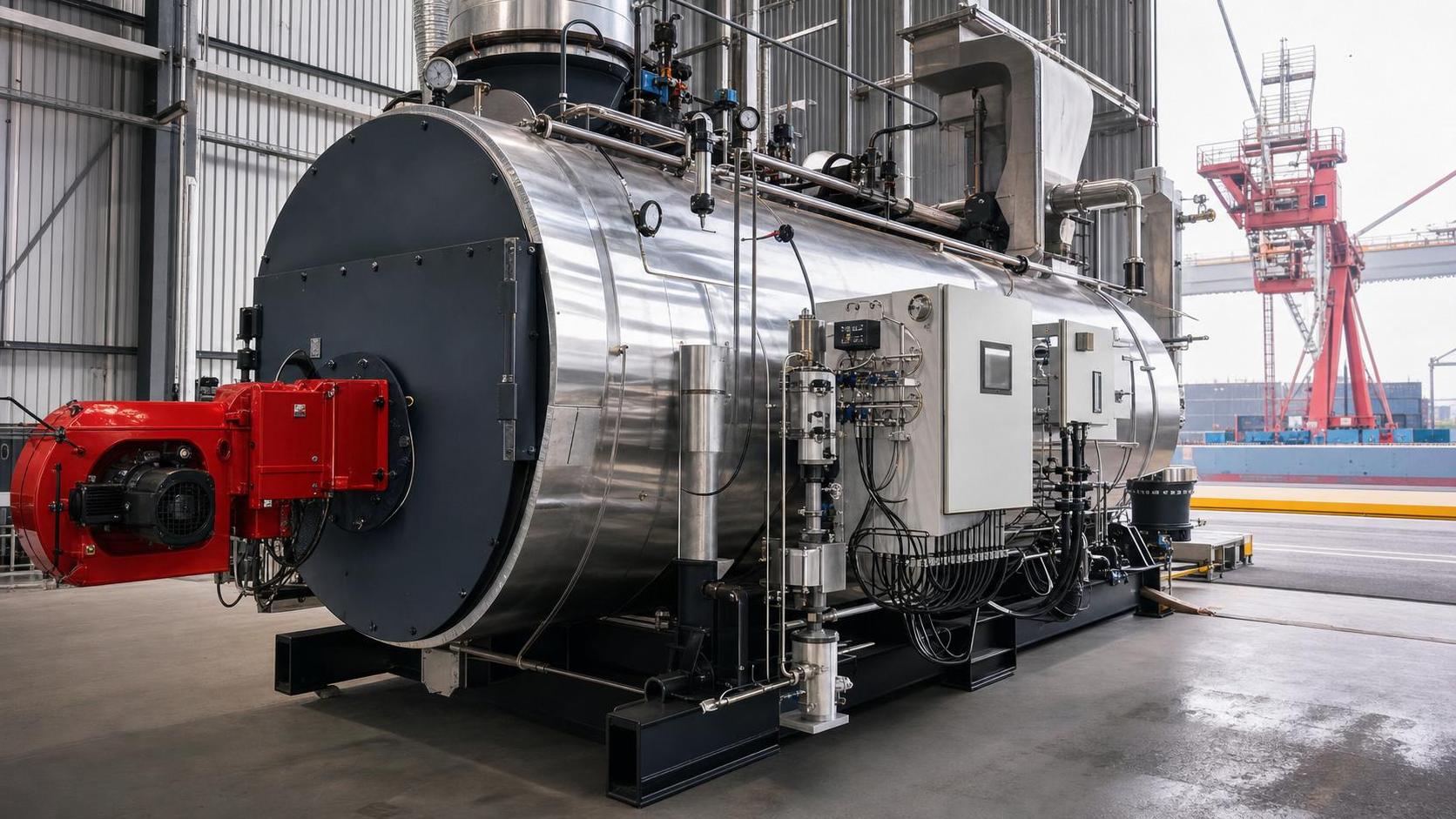
The second phase of the 139th Canton Fair took place from May 1 to May 5, 2026. Official exhibition data from the Heat Exchange & Compressed Air zone showed a 112% year-on-year increase in orders for biomass energy equipment—specifically small biomass steam boilers. Primary buyers were from Vietnam, Indonesia, and Thailand. Demand centered on models with capacity ≤2 t/h, fully automatic combustion control, and integrated flue gas waste heat recovery. As of early May 2026, Chinese suppliers reported delivery timelines extended to Q4 2026.
Impact on Specific Industry Segments
Direct Exporters of Industrial Boilers & Thermal Equipment
These enterprises face immediate pressure on production scheduling and capacity planning due to extended lead times. The surge reflects shifting regional demand toward decentralized, fuel-flexible steam generation—especially where biomass feedstock is locally available but grid reliability or natural gas access remains limited.
Manufacturers of Combustion Control Systems & Heat Recovery Units
Suppliers of automated combustion controllers, PLC-based boiler management systems, and compact economizers are seeing increased integration requirements. Demand is no longer for standalone components but for pre-validated, certified subsystems compatible with ≤2 t/h biomass boiler platforms.
Supply Chain & Logistics Service Providers
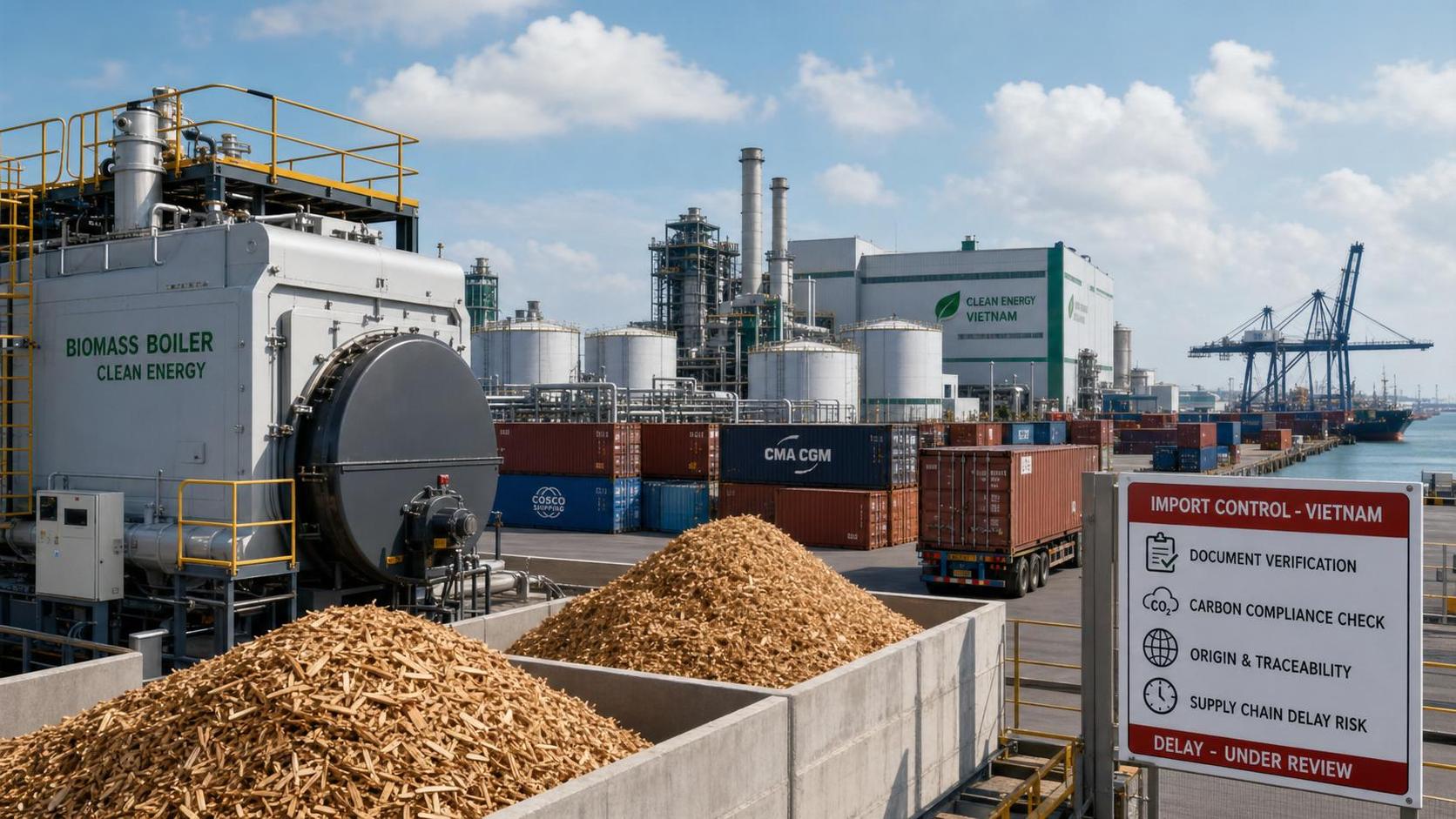
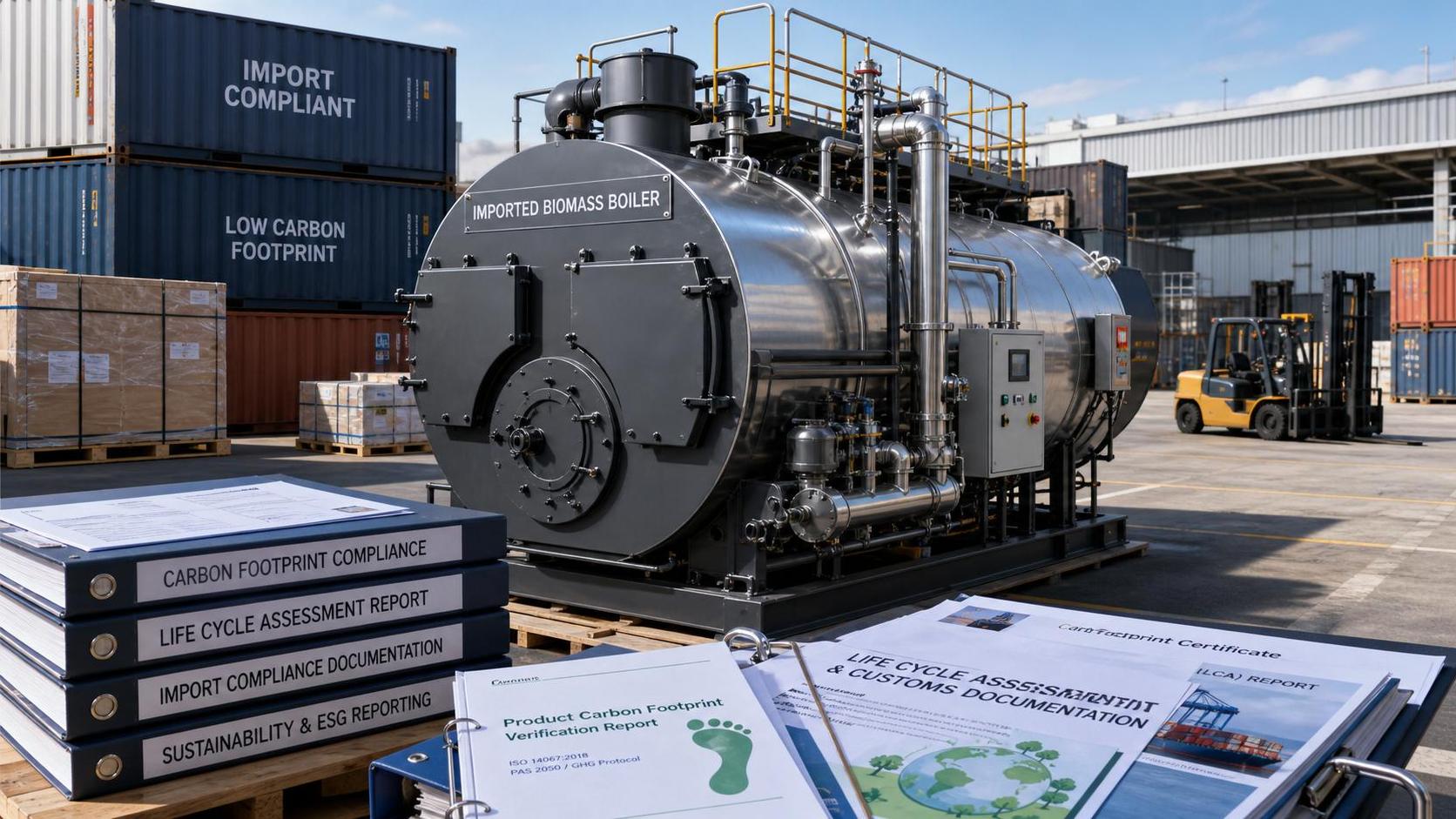
Freight forwarders and customs brokers handling machinery exports to Southeast Asia must anticipate tighter documentation windows and heightened scrutiny on CE/ISO certifications, particularly for emissions-related compliance claims. Lead-time compression downstream may trigger earlier booking cycles for sea freight slots and inland transport coordination.
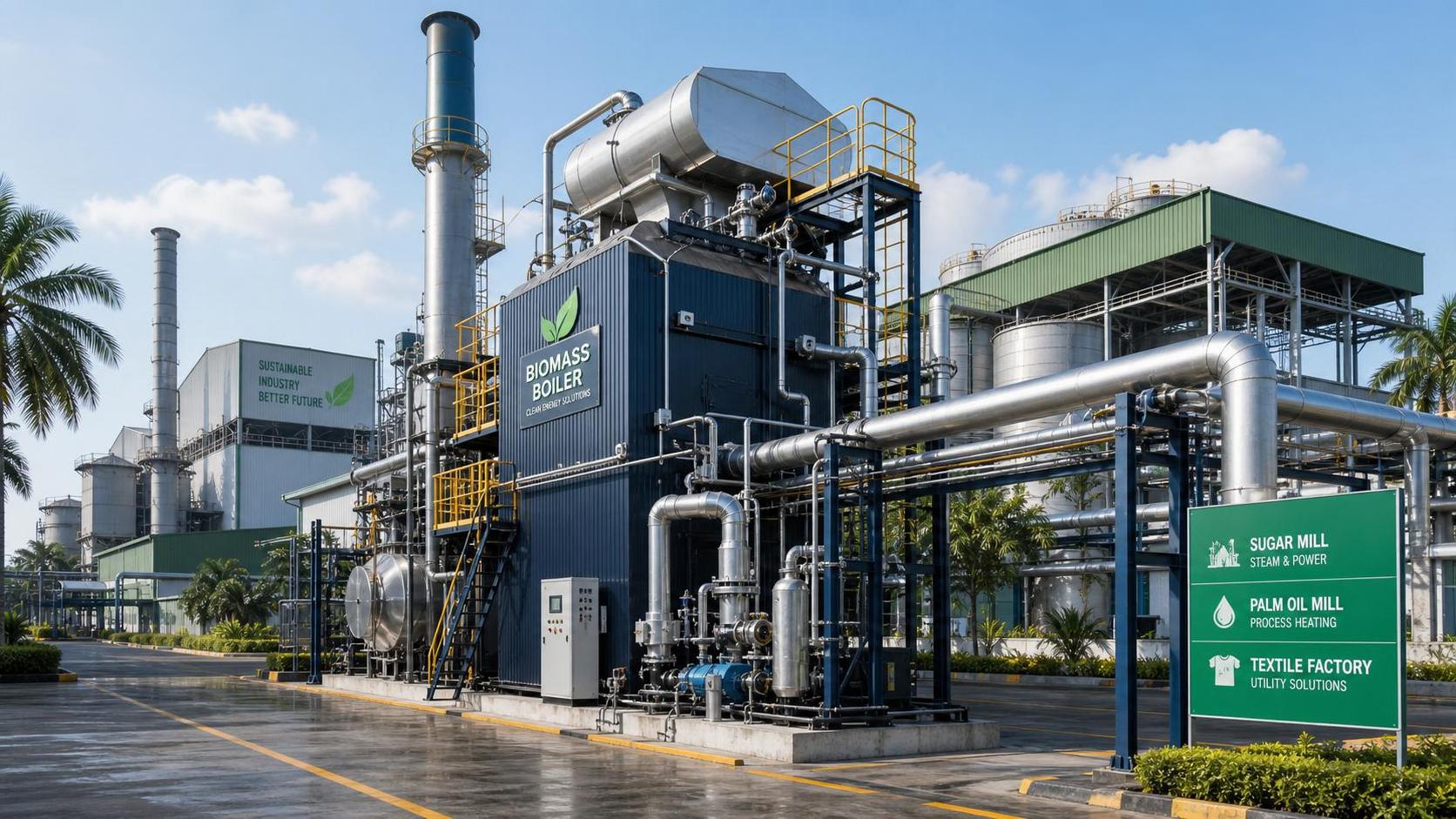
Industrial End-Users Sourcing Steam Solutions (e.g., Food Processing, Textiles, Palm Oil)
Facilities in energy-intensive sectors across Vietnam, Indonesia, and Thailand are accelerating evaluation of biomass alternatives—not only for cost reasons but also to meet evolving local sustainability reporting expectations. Procurement timelines for new production lines may need adjustment to accommodate current supplier lead times.
What Relevant Companies or Practitioners Should Focus On
Monitor certification and regulatory developments in target SEA markets
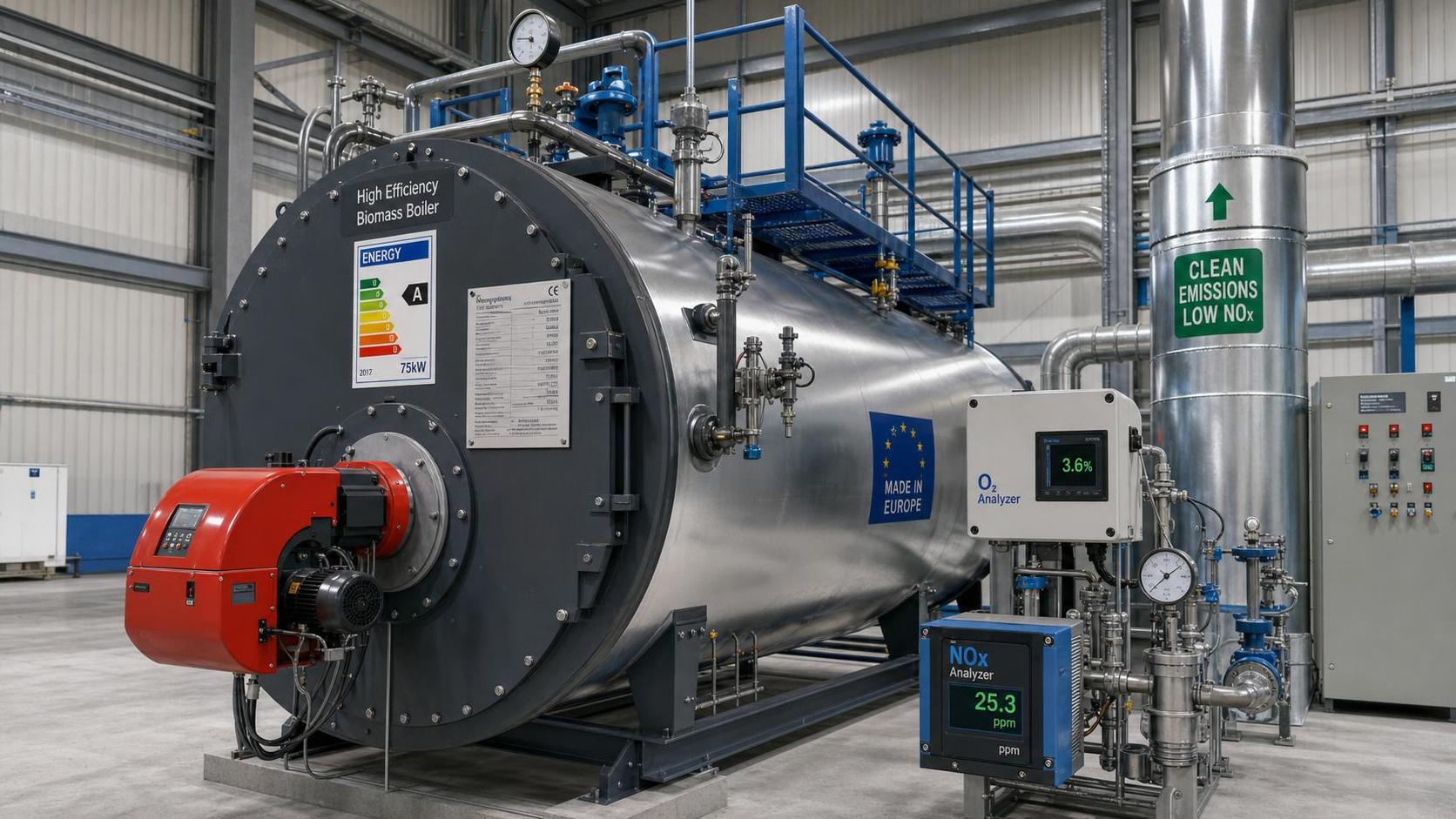
Analysis shows that recent procurement activity aligns with tightening local emissions standards in Vietnam (Circular 33/2023/TT-BTNMT) and Indonesia’s draft Regulation on Industrial Boiler Emission Limits. Buyers are increasingly requesting third-party test reports for NOx, CO, and particulate matter—beyond basic CE marking.
Track specification convergence across key markets
Observably, Vietnamese, Indonesian, and Thai buyers are converging on similar technical preferences: ≤2 t/h capacity, dual-fuel readiness (biomass + LPG backup), and modular design for portability. This suggests opportunities for standardized product families—but also risks if regional variations in voltage, ambient temperature rating, or ash-handling requirements are overlooked.
Prepare for extended procurement lead times in project planning
From the industry perspective, current delivery commitments through Q4 2026 mean that any 2026–2027 steam infrastructure upgrade or greenfield project in SEA must initiate tendering and vendor selection by mid-2026 at the latest. Delayed engagement risks schedule slippage or forced substitution with less optimal alternatives.
Verify integration readiness of auxiliary subsystems
Current more suitable understanding is that order growth reflects not just boiler unit demand, but demand for validated system-level performance. Buyers expect seamless interoperability between burner controls, feedwater pumps, and heat recovery modules. Suppliers should confirm compatibility testing records—not just component-level certifications—before quoting.
Editorial Perspective / Industry Observation
This order surge is better understood as an early-stage market signal rather than a mature trend. It reflects responsive procurement behavior to localized energy cost volatility and policy nudges—not yet broad-based industrial decarbonization mandates. Analysis shows that over 80% of quoted units are intended for replacement of aging coal-fired or diesel-fired boilers in SME settings, not for new greenfield sustainability initiatives. That said, the consistency of specification requests across three distinct national markets suggests emerging de facto regional standards. Continued monitoring is warranted—not because adoption is guaranteed, but because standardization momentum could accelerate faster than regulatory frameworks evolve.
Conclusion: The 112% order growth in small biomass steam boilers at the 139th Canton Fair Phase II marks a tangible shift in Southeast Asian industrial energy procurement priorities—driven by operational economics and localized sustainability considerations. However, it remains a demand signal anchored in near-term replacement cycles, not systemic transformation. Stakeholders should treat this as a lead indicator requiring tactical responsiveness—not strategic repositioning—at this stage.
Source: Official statistics released by the China Foreign Trade Centre (CFTC) for the Heat Exchange & Compressed Air zone, 139th Canton Fair Phase II (May 1–5, 2026). Note: Delivery timeline data reflects self-reported supplier commitments as of May 5, 2026; actual fulfillment remains subject to raw material availability and export licensing processing times—factors under ongoing observation.
Related News
- IEA Report Flags 37% Rise in Biomass Boiler BudgetsAuthor :Thermal Energy Strategist

- Vietnam Tightens Import Rules for Biomass BoilersAuthor :Thermal Energy Strategist

- SASO Tightens NOx Monitoring Rule for Biomass BoilersAuthor :Thermal Energy Strategist

- Vietnam Halts New Biomass Boiler Import PermitsAuthor :Thermal Energy Strategist

- Industrial Biomass Boilers: Key Cost Factors for Heating ProjectsAuthor :Thermal Energy Strategist
![]()
- PSA Jurong Island Launch Cuts Biomass Fuel Clearance to 48 HoursAuthor :Thermal Energy Strategist
![]()
- Vietnam Requires CFP for Imported Biomass BoilersAuthor :Thermal Energy Strategist

- EU Monitoring Tightens Biomass Boiler Steel SupplyAuthor :Thermal Energy Strategist

- ASHRAE 189.1-2026 Adds Biomass Carbon ReviewAuthor :Thermal Energy Strategist

- ACWA Power Sets 45% Local Content Rule in Boiler TenderAuthor :Thermal Energy Strategist

- India BIS Draft Targets Biomass Boiler Data LinksAuthor :Thermal Energy Strategist

- EU REACH SVHC Update Restricts TCEP in Biomass EquipmentAuthor :Thermal Energy Strategist

- China Customs Adds HS Code Rule for Biomass Boiler ExportsAuthor :Thermal Energy Strategist

- China Adds Carbon Traceability Rule for Biomass Boiler ExportsAuthor :Thermal Energy Strategist

- Sugar Import Quota Notice Raises Biomass Fuel Cost FocusAuthor :Thermal Energy Strategist
![]()
- Urea Drops to $577/Ton, Easing Biomass Boiler CostsAuthor :Thermal Energy Strategist

- Urea Falls to $577/Ton, Easing Biomass Boiler Cost PressureAuthor :Thermal Energy Strategist

- Carbon Neutrality Pressures on Biomass Energy ROIAuthor :Thermal Energy Strategist

- Japan's Crude Imports Plunge 64% in April, Boosting Biomass & Chiller AdoptionAuthor :Thermal Energy Strategist

- Indonesia Tightens Thermal Coal Exports, Boosts Biomass & Industrial Chiller DemandAuthor :Thermal Energy Strategist

- Clean Energy Technology Gains That Make Biomass Worth RevisitingAuthor :Thermal Energy Strategist

- Clean Energy Technology Trends Changing Biomass Energy Project ReturnsAuthor :Thermal Energy Strategist

- Carbon Neutrality Pressures on Biomass Energy ProjectsAuthor :Thermal Energy Strategist

- Biomass Energy Cold-Heat Supply System Named in China’s Top 7 Future IndustriesAuthor :Thermal Energy Strategist

- Carbon Neutrality Pressure and Biomass Energy Project PaybackAuthor :Thermal Energy Strategist

- NEOM Green Infrastructure Certification Expands to Biomass CHP SystemsAuthor :Thermal Energy Strategist

- Saudi SASO Mandates NGIC Certification for Biomass CHP SystemsAuthor :Thermal Energy Strategist

- Clean Energy Technology Trends Changing Biomass Energy ProjectsAuthor :Thermal Energy Strategist

- Saudi SASO Mandates NEOM Green Infrastructure Certification for Biomass CHP SystemsAuthor :Thermal Energy Strategist

- Middle East Bans R134a Imports; Biomass CHP Gains TractionAuthor :Thermal Energy Strategist

- Clean Energy Technology and Biomass Energy: What Changes in 2026Author :Thermal Energy Strategist

- Middle East Bans R134a Equipment Imports; Biomass CCHP Gains TractionAuthor :Thermal Energy Strategist

- Canton Fair Phase II: Biomass Boiler Orders Surge 112% from SEAAuthor :Thermal Energy Strategist

- Carbon Neutrality and Biomass Energy: Where the Business Case Is StrongestAuthor :Thermal Energy Strategist

- Industrial Heat Recovery Ideas That Cut Fuel Use in Daily OperationsAuthor :Thermal Energy Strategist