Industrial Biomass Boilers: Key Cost Factors for Heating Projects




Why do biomass boiler budgets vary so much in industrial heating projects?

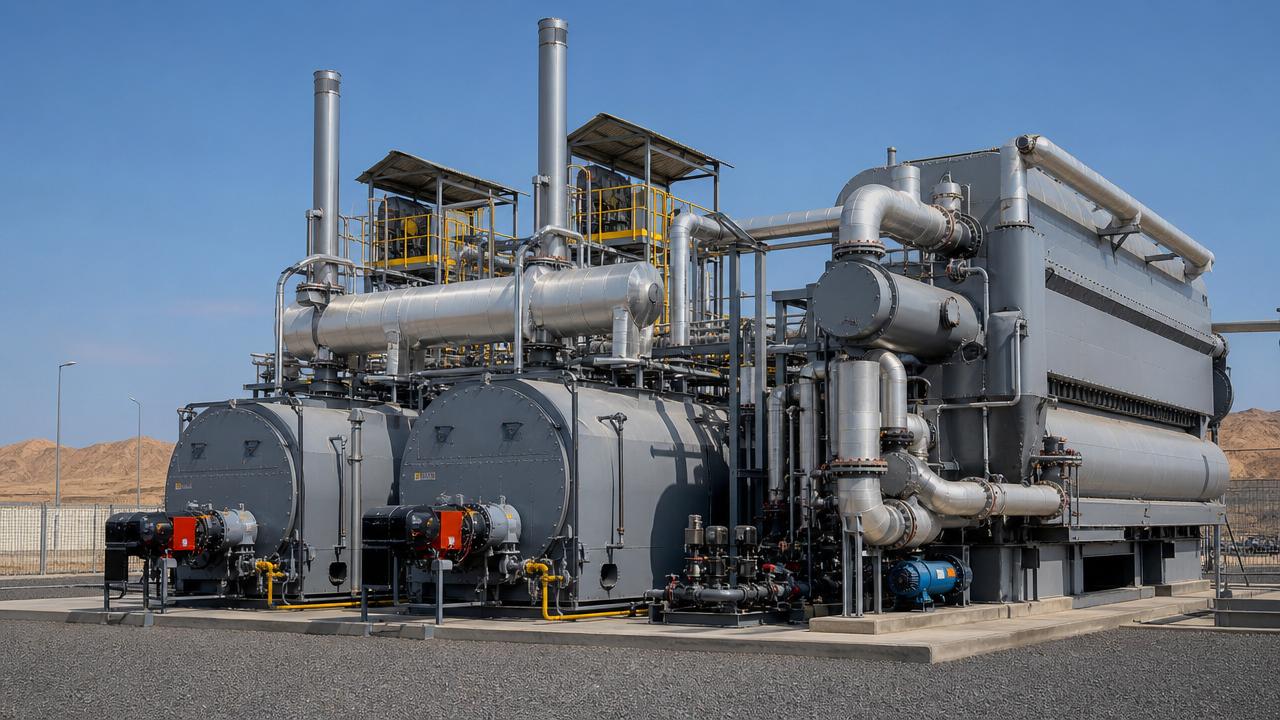
Industrial heating budgets rarely hinge on the boiler alone. In biomass boilers industrial heating, the total cost shifts with fuel, controls, civil works, and emissions compliance.
That is why two projects with similar output can show very different capital and operating costs. The real question is not only price, but cost structure.
In practice, heating demand profile matters first. A plant needing steady baseload heat often fits biomass better than a site with sharp daily peaks.
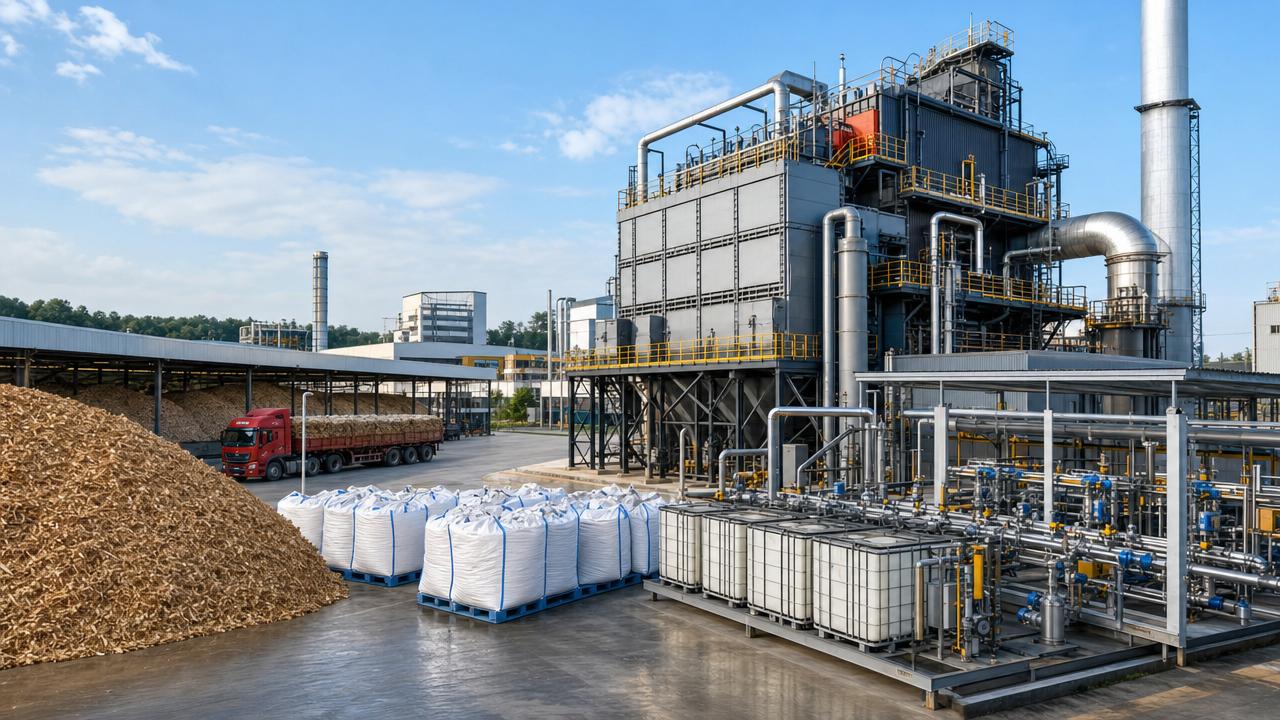
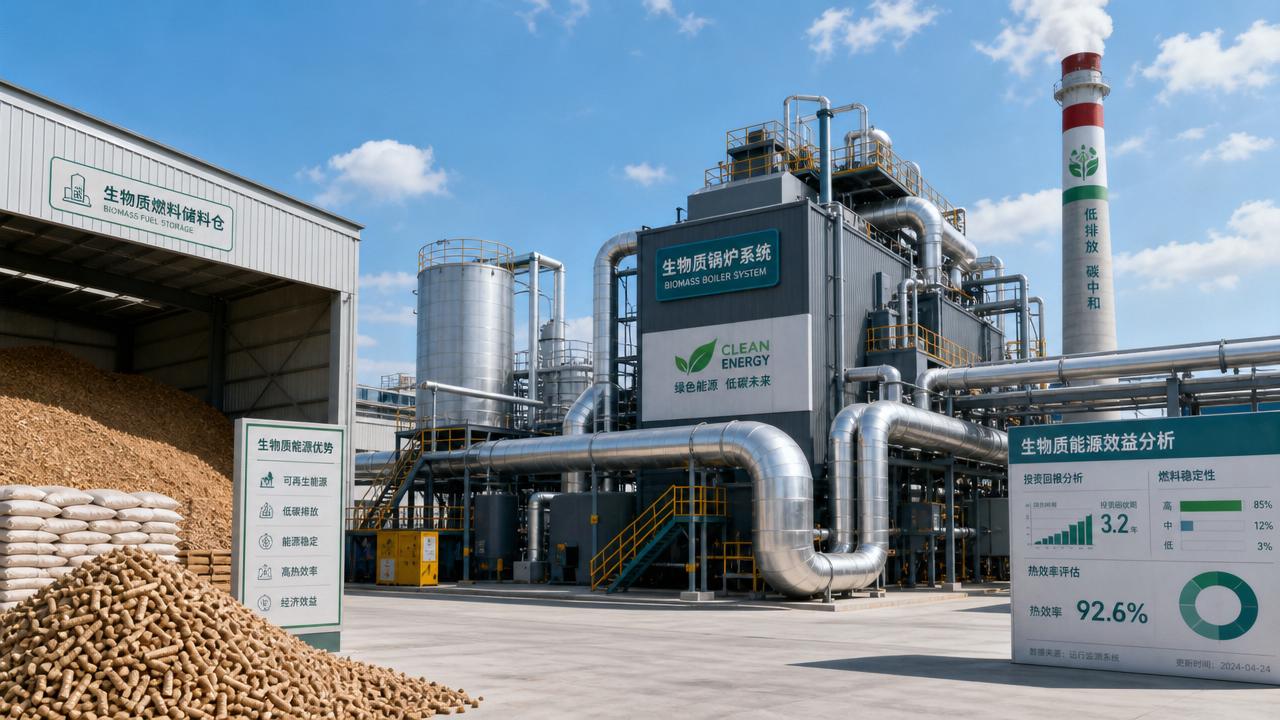
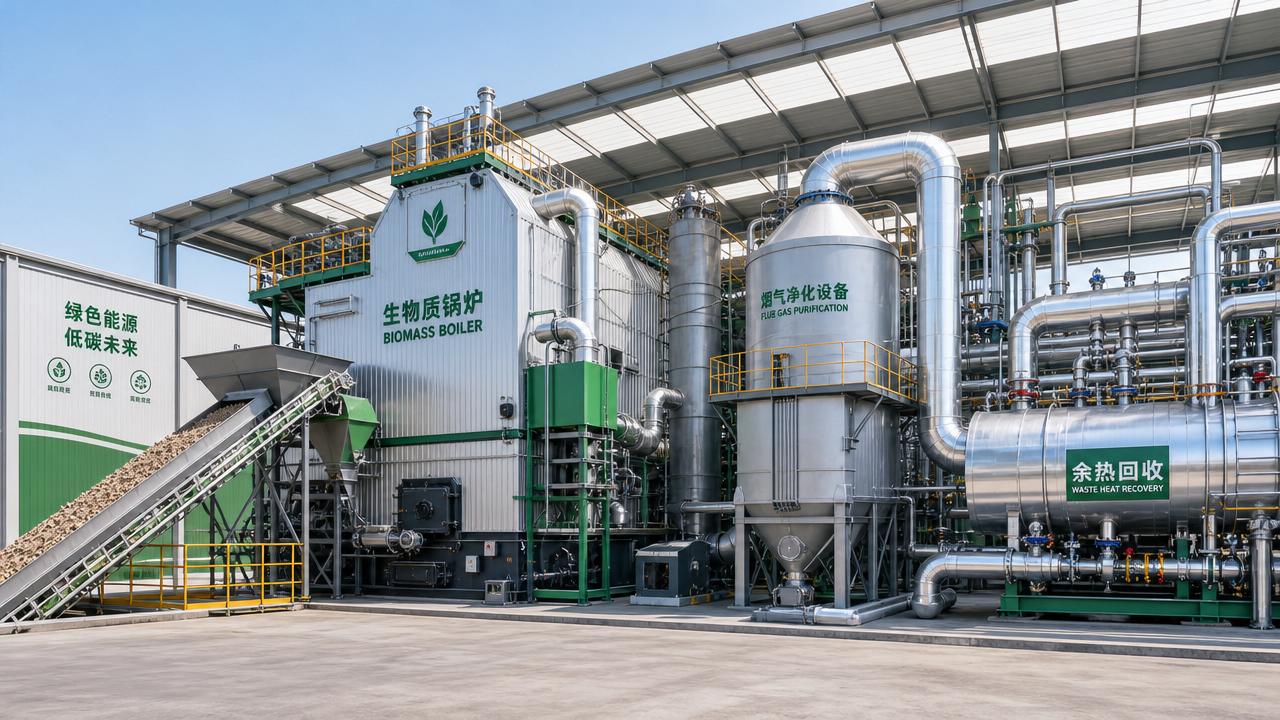
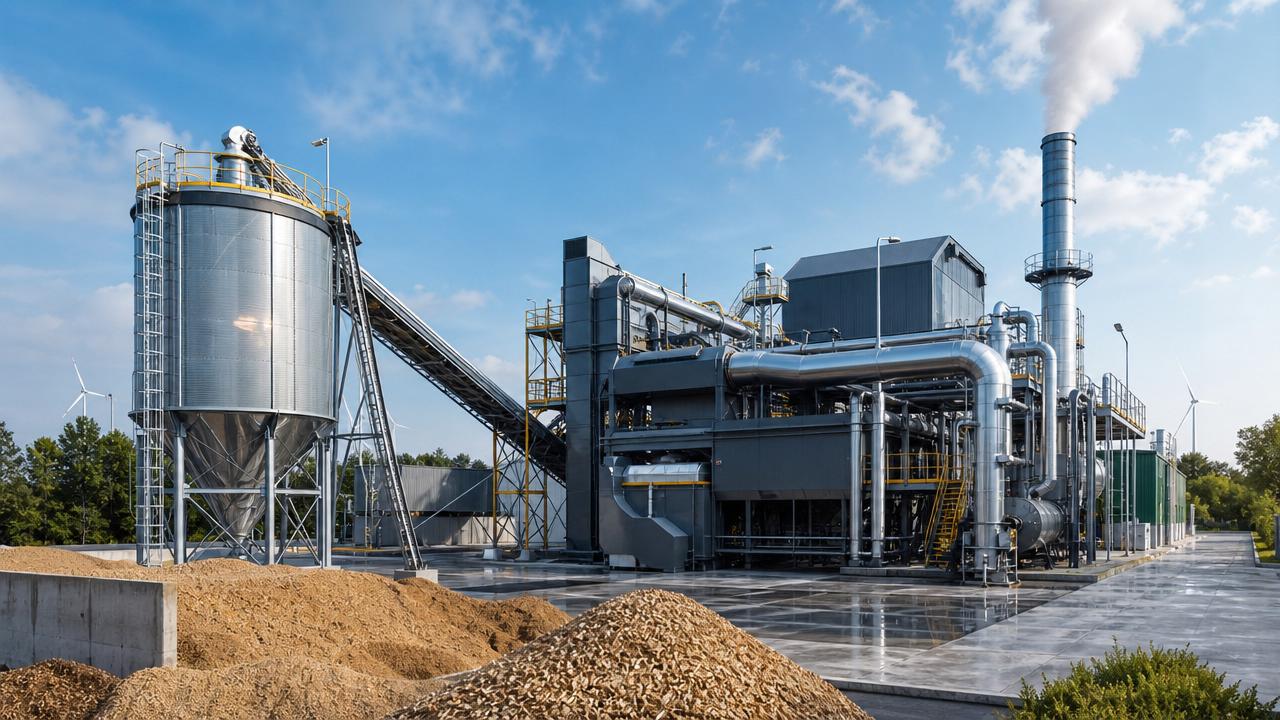
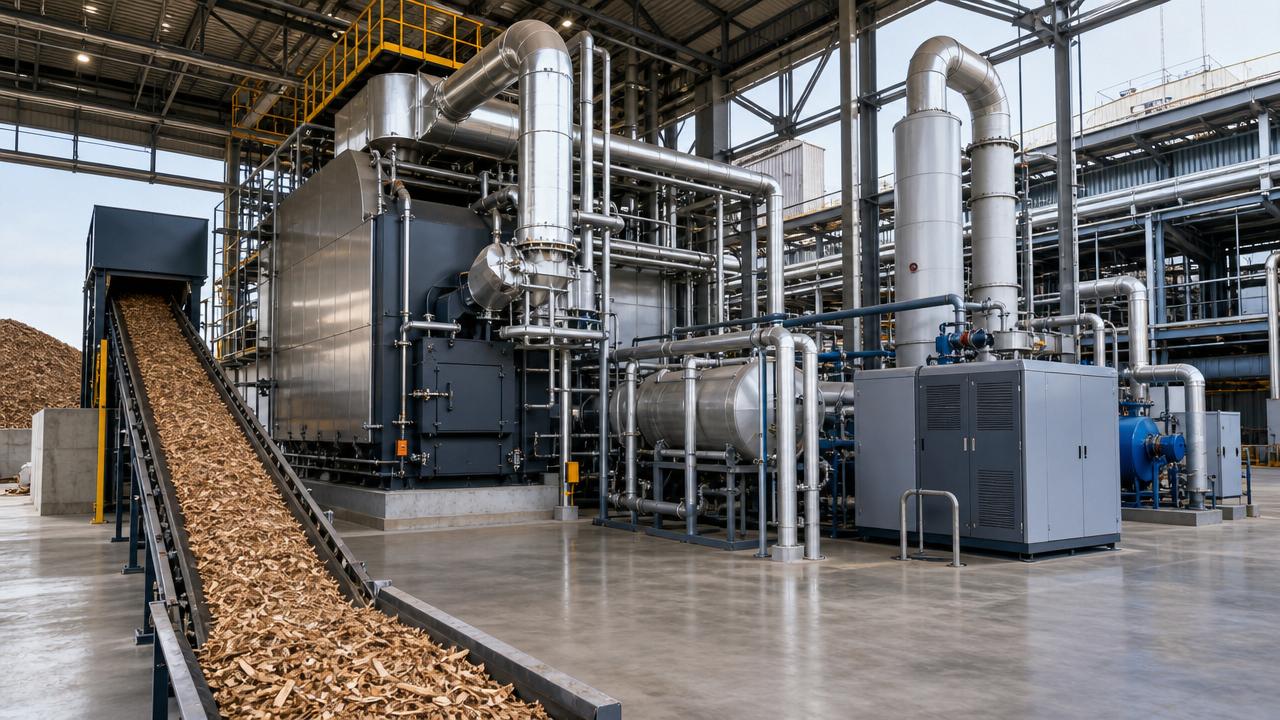
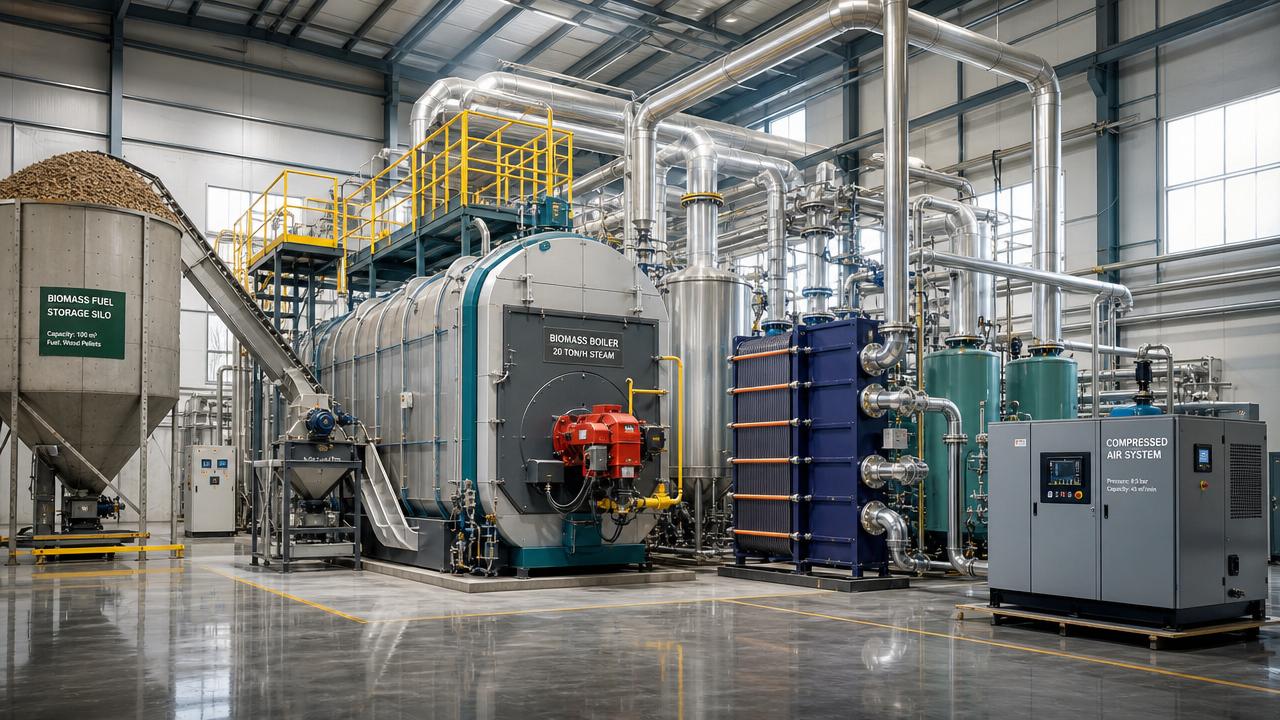
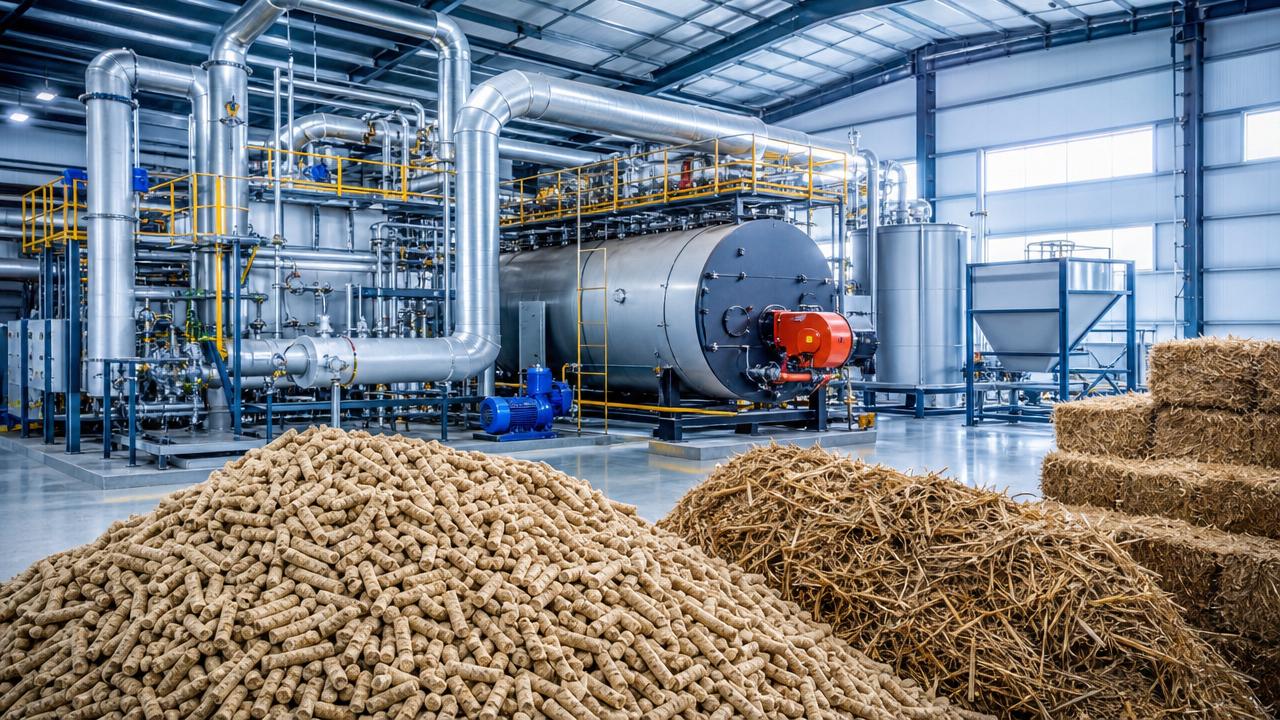
Fuel handling can also reshape the investment. Storage silos, conveyors, de-ashing systems, and fire protection are often underestimated during early planning.
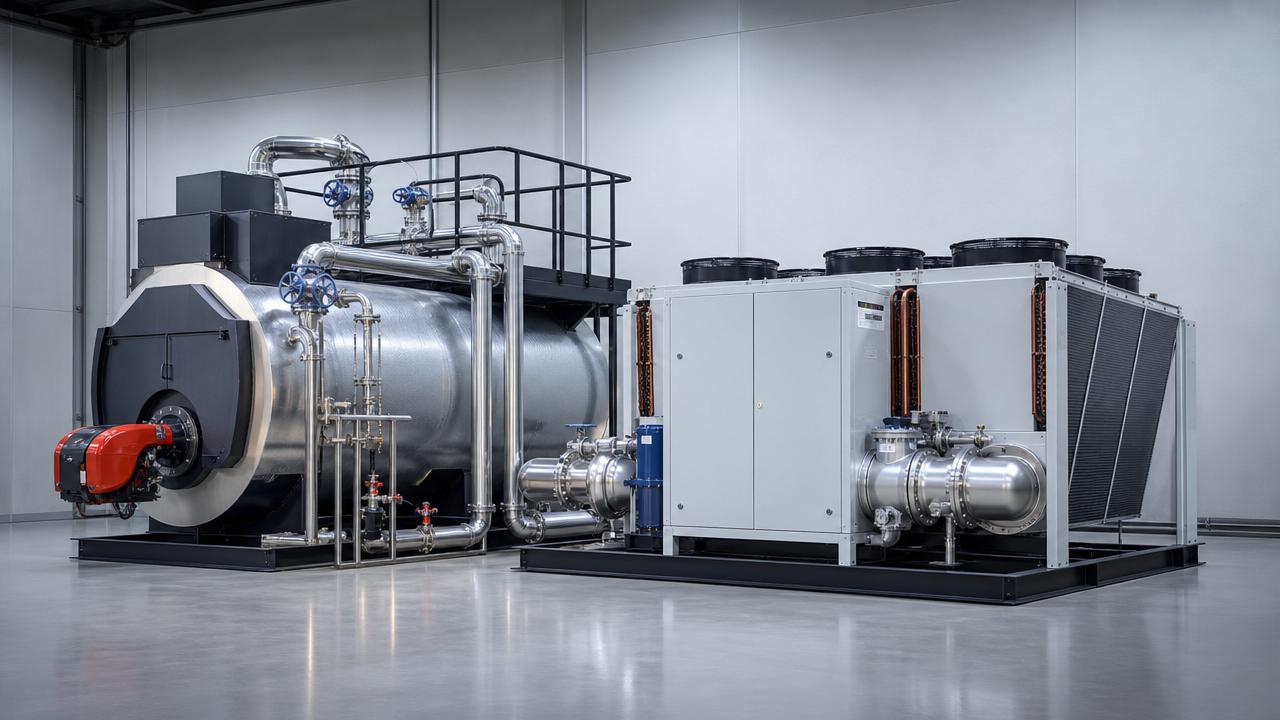
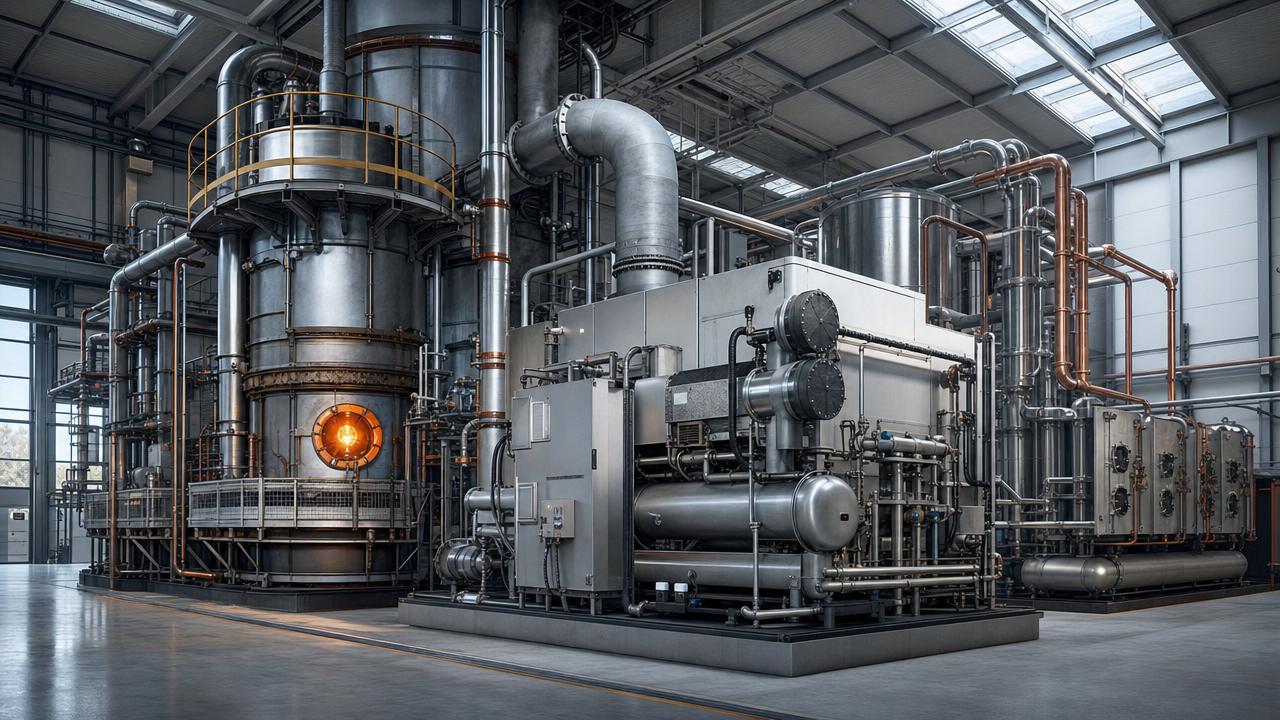
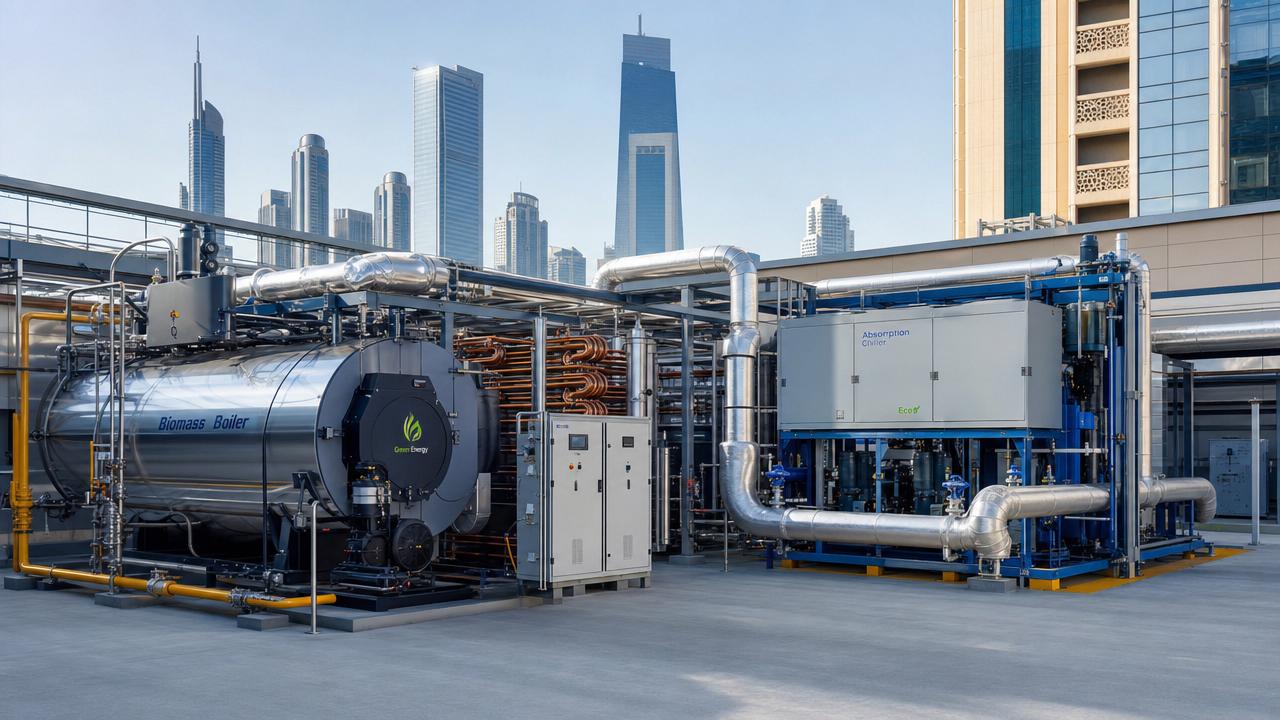
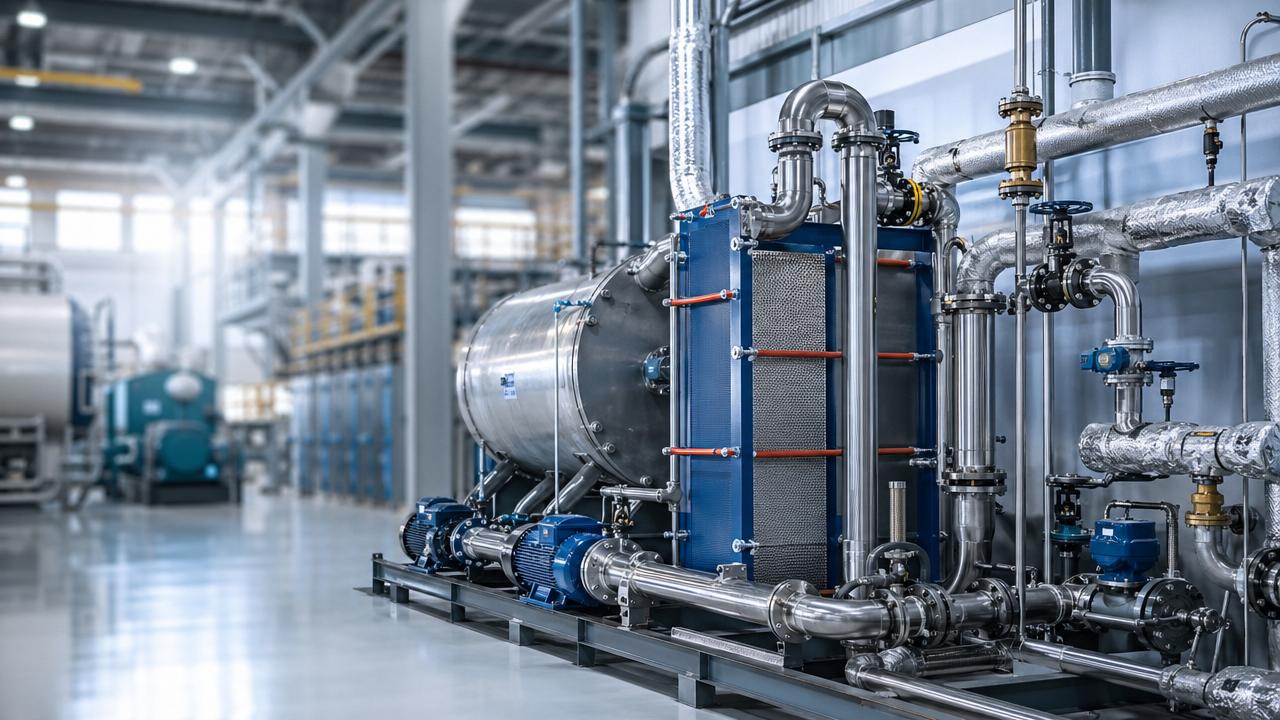
Another point is system integration. Biomass boilers industrial heating usually connects with steam loops, hot water circuits, process heat exchangers, and plant automation.
This broader thermal context matters. It is also why intelligence platforms such as GTC-Matrix track heat exchange efficiency, combustion evolution, and energy cost signals together.
A useful starting view is simple: separate cost into equipment, fuel logistics, installation, compliance, and lifecycle operation. That frame makes later decisions clearer.
What usually drives the upfront cost most?
Boiler output rating is important, but it is rarely the whole story. Capacity, combustion design, and redundancy level directly affect the capital budget.
Larger systems may benefit from lower unit energy cost, yet they often need more complex feeding, ash removal, and controls. Oversizing creates both waste and operational instability.
Fuel quality tolerance is another major cost driver. A unit designed for variable moisture and particle size usually requires stronger combustion management and sturdier fuel preparation.
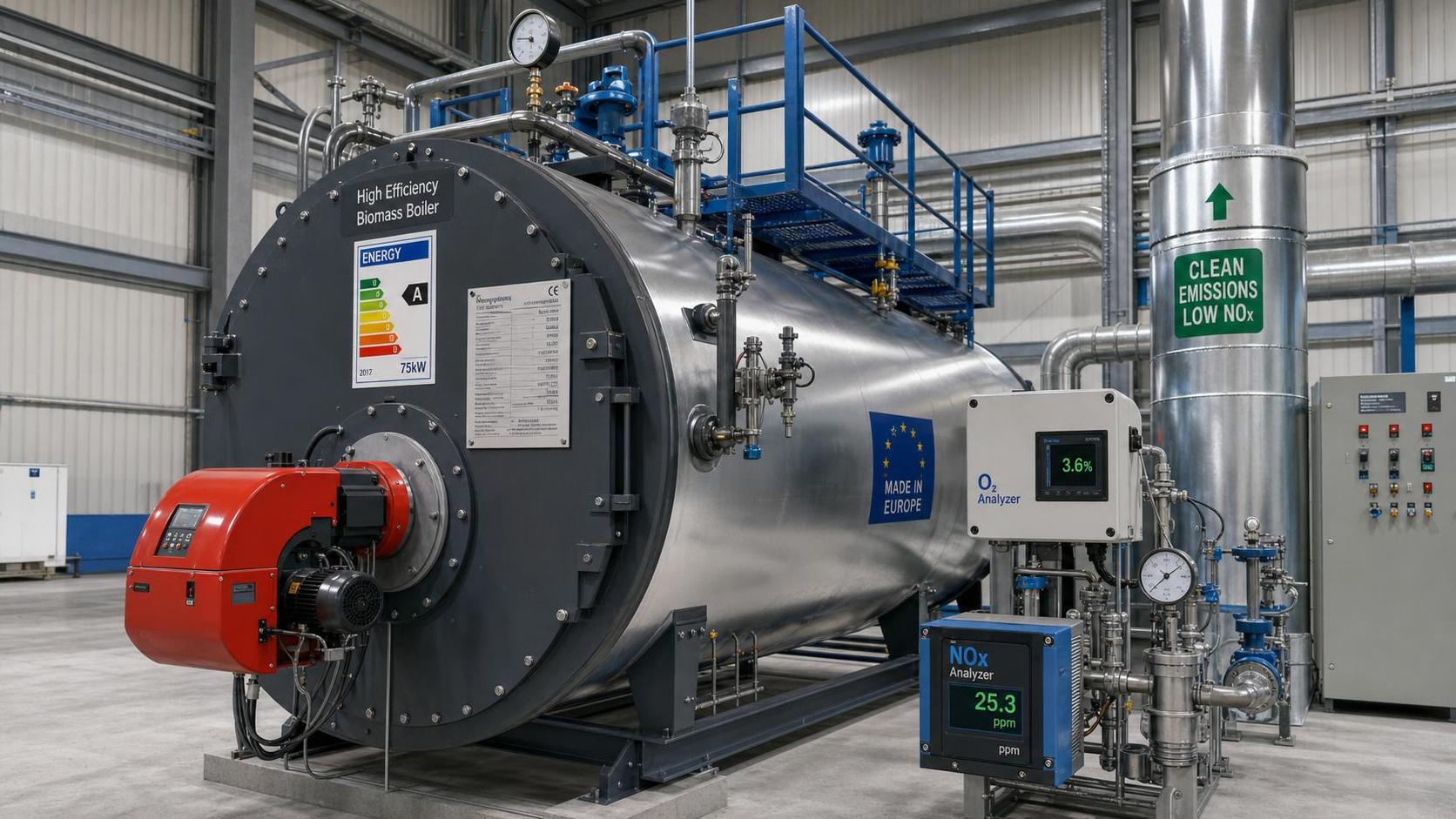
Emissions controls can add substantial cost. Cyclones, bag filters, flue gas recirculation, oxygen trim, and low-NOx features are not optional in many jurisdictions.
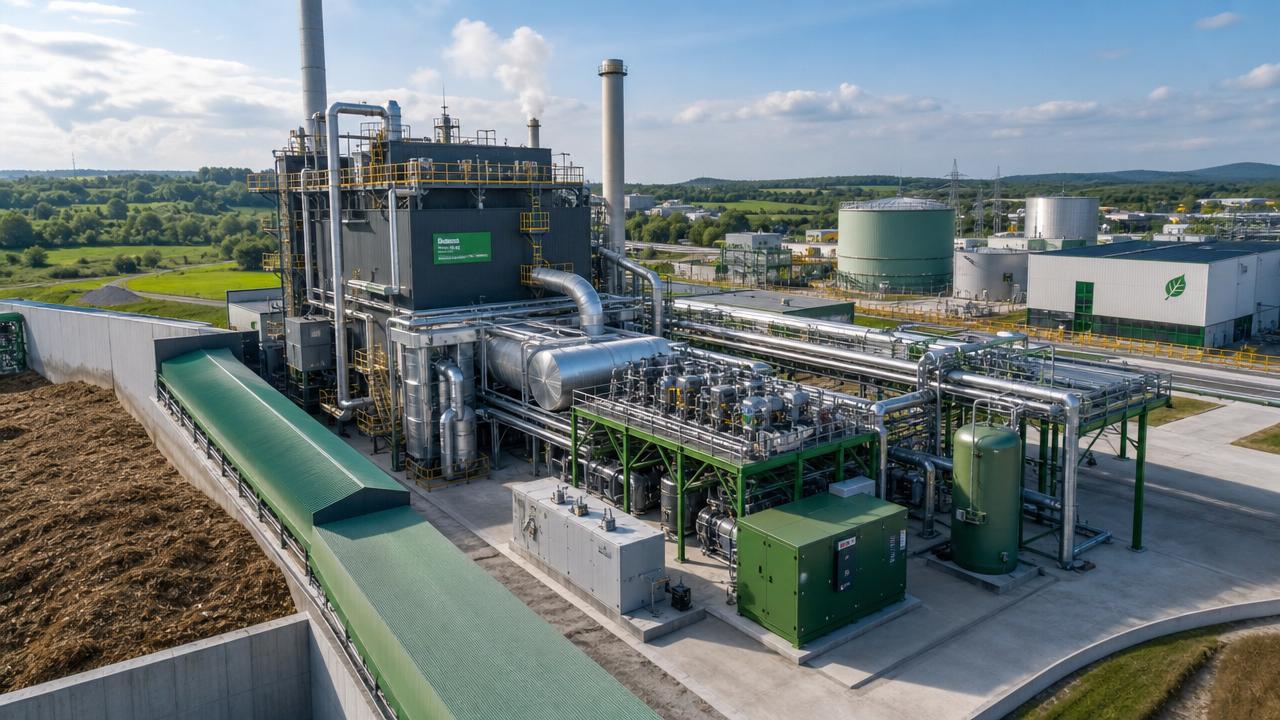
Civil and mechanical installation also deserves attention. Foundations, stack height, fuel yard design, and tie-ins to existing thermal networks often consume more budget than expected.
The table below helps frame the cost conversation before requesting quotations.
When this review is skipped, quotes look comparable on paper but differ sharply once installation scope is added.
How much does fuel logistics change the economics?
Often more than expected. In biomass boilers industrial heating, fuel cost is not just the purchase price per ton.
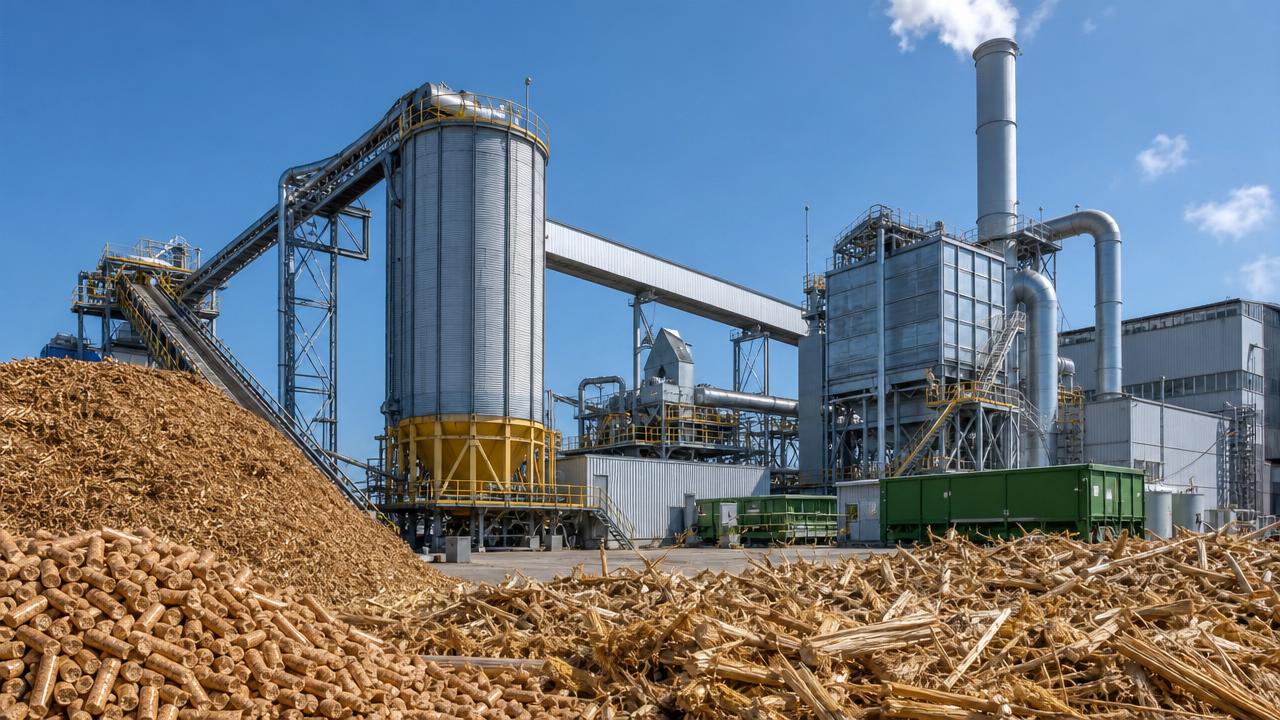
Moisture content changes usable energy, transport efficiency, storage behavior, and combustion stability. Wet biomass can quietly erode savings through lower efficiency and higher maintenance.
Supply radius matters too. A low-cost fuel source may become expensive after trucking, handling losses, and delivery scheduling are included.
There is also a resilience question. If the project depends on one supplier or one biomass grade, commercial risk increases during seasonal disruptions.
A practical evaluation usually includes these checks:
- Expected annual fuel tonnage and average delivery frequency
- Moisture range and its effect on boiler efficiency
- Storage days available on site during weather or logistics delays
- Dust, odor, and housekeeping requirements around the fuel area
- Backup fuel or hybrid operation during supply interruptions
This is where broader market intelligence becomes useful. GTC-Matrix regularly connects energy cost movements with thermal equipment choices, which helps make biomass cost assumptions more realistic.
Is a higher-efficiency system always worth the extra investment?
Not automatically. The better question is whether efficiency gains survive real operating conditions.
A premium design may include advanced controls, oxygen optimization, economizers, and better heat recovery. Those features can reduce fuel use meaningfully in continuous operations.
However, savings weaken if the load swings sharply, the fuel quality varies, or maintenance discipline is inconsistent. High design efficiency does not guarantee high annual efficiency.
In industrial heating, the strongest projects evaluate the whole thermal chain. Boiler efficiency, exchanger performance, condensate recovery, and control strategy should be reviewed together.
This system view aligns with how advanced thermal analysts work. Heat generation and heat transfer should not be separated during cost evaluation.
A sensible comparison model includes:
- Initial premium for high-efficiency components
- Fuel savings under realistic load curves
- Maintenance cost for sensors, fans, filters, and controls
- Downtime risk if specialized parts are not locally available
If payback still works after those adjustments, the upgrade is usually justified. If not, a simpler configuration may deliver better lifecycle value.
Where do industrial heating projects run into hidden cost or delay?
Most overruns appear around permitting, integration, and commissioning. The boiler arrives, but the site is not fully ready to absorb it.
Permitting can take longer than equipment fabrication. Air emissions approval, stack design review, and fire safety requirements may alter scope late in the project.
Tie-ins are another frequent problem. Existing steam pressure, return temperatures, or exchanger limits may force redesign of pumps, piping, or control valves.
Utilities are easy to miss as well. Fans, conveyors, ash systems, water treatment, and compressed air all add balance-of-plant cost.
The most common warning signs include:
- No confirmed fuel specification attached to the bid package
- No defined boundary between boiler supply and site works
- No shutdown plan for connecting to live thermal systems
- No operator training scope for automated combustion control
These details look minor early on, yet they often determine whether biomass boilers industrial heating meets schedule and budget expectations.
What is the smarter way to compare suppliers and proposals?
A useful comparison starts with normalized assumptions. Different suppliers may quote different fuel quality, emission scope, automation depth, and service boundaries.
Without alignment, the lowest proposal may simply exclude difficult items. A fair review needs technical, commercial, and operational criteria in one sheet.
The shortlist below works well for biomass boilers industrial heating decisions:
It also helps to ask how the supplier supports thermal optimization after startup. That answer often reveals whether the project is treated as equipment delivery or as a functioning heat system.
Before moving ahead, what should be confirmed?
A strong next step is to lock the project basis before comparing price. This keeps biomass boilers industrial heating decisions tied to measurable site needs.
Confirm the annual load profile, acceptable fuel range, emissions target, integration boundaries, and expected operating model. Those five items influence almost every cost line.
Then test the economics under realistic conditions, not brochure conditions. Include fuel variability, maintenance intervals, spare parts, operator training, and startup support.
For organizations tracking industrial decarbonization, biomass can be a strong fit. Still, the best results come when combustion, heat exchange, and energy intelligence are evaluated together.
That is where informed market observation helps. GTC-Matrix reflects this broader view by linking thermal performance, equipment evolution, and energy conversion efficiency in one decision context.
In short, the right project is rarely the cheapest proposal. It is the one with the clearest assumptions, the most stable operating case, and the fewest hidden thermal surprises.
Related News
- IEA Report Flags 37% Rise in Biomass Boiler BudgetsAuthor :Thermal Energy Strategist

- Vietnam Tightens Import Rules for Biomass BoilersAuthor :Thermal Energy Strategist

- SASO Tightens NOx Monitoring Rule for Biomass BoilersAuthor :Thermal Energy Strategist

- Vietnam Halts New Biomass Boiler Import PermitsAuthor :Thermal Energy Strategist

- Industrial Biomass Boilers: Key Cost Factors for Heating ProjectsAuthor :Thermal Energy Strategist
![]()
- PSA Jurong Island Launch Cuts Biomass Fuel Clearance to 48 HoursAuthor :Thermal Energy Strategist
![]()
- Vietnam Requires CFP for Imported Biomass BoilersAuthor :Thermal Energy Strategist

- EU Monitoring Tightens Biomass Boiler Steel SupplyAuthor :Thermal Energy Strategist

- ASHRAE 189.1-2026 Adds Biomass Carbon ReviewAuthor :Thermal Energy Strategist

- ACWA Power Sets 45% Local Content Rule in Boiler TenderAuthor :Thermal Energy Strategist

- India BIS Draft Targets Biomass Boiler Data LinksAuthor :Thermal Energy Strategist

- EU REACH SVHC Update Restricts TCEP in Biomass EquipmentAuthor :Thermal Energy Strategist

- China Customs Adds HS Code Rule for Biomass Boiler ExportsAuthor :Thermal Energy Strategist

- China Adds Carbon Traceability Rule for Biomass Boiler ExportsAuthor :Thermal Energy Strategist

- Sugar Import Quota Notice Raises Biomass Fuel Cost FocusAuthor :Thermal Energy Strategist
![]()
- Urea Drops to $577/Ton, Easing Biomass Boiler CostsAuthor :Thermal Energy Strategist

- Urea Falls to $577/Ton, Easing Biomass Boiler Cost PressureAuthor :Thermal Energy Strategist

- Carbon Neutrality Pressures on Biomass Energy ROIAuthor :Thermal Energy Strategist

- Japan's Crude Imports Plunge 64% in April, Boosting Biomass & Chiller AdoptionAuthor :Thermal Energy Strategist

- Indonesia Tightens Thermal Coal Exports, Boosts Biomass & Industrial Chiller DemandAuthor :Thermal Energy Strategist

- Clean Energy Technology Gains That Make Biomass Worth RevisitingAuthor :Thermal Energy Strategist

- Clean Energy Technology Trends Changing Biomass Energy Project ReturnsAuthor :Thermal Energy Strategist

- Carbon Neutrality Pressures on Biomass Energy ProjectsAuthor :Thermal Energy Strategist

- Biomass Energy Cold-Heat Supply System Named in China’s Top 7 Future IndustriesAuthor :Thermal Energy Strategist

- Carbon Neutrality Pressure and Biomass Energy Project PaybackAuthor :Thermal Energy Strategist

- NEOM Green Infrastructure Certification Expands to Biomass CHP SystemsAuthor :Thermal Energy Strategist

- Saudi SASO Mandates NGIC Certification for Biomass CHP SystemsAuthor :Thermal Energy Strategist

- Clean Energy Technology Trends Changing Biomass Energy ProjectsAuthor :Thermal Energy Strategist

- Saudi SASO Mandates NEOM Green Infrastructure Certification for Biomass CHP SystemsAuthor :Thermal Energy Strategist

- Middle East Bans R134a Imports; Biomass CHP Gains TractionAuthor :Thermal Energy Strategist

- Clean Energy Technology and Biomass Energy: What Changes in 2026Author :Thermal Energy Strategist

- Middle East Bans R134a Equipment Imports; Biomass CCHP Gains TractionAuthor :Thermal Energy Strategist

- Canton Fair Phase II: Biomass Boiler Orders Surge 112% from SEAAuthor :Thermal Energy Strategist

- Carbon Neutrality and Biomass Energy: Where the Business Case Is StrongestAuthor :Thermal Energy Strategist

- Industrial Heat Recovery Ideas That Cut Fuel Use in Daily OperationsAuthor :Thermal Energy Strategist