China Customs Adds HS Code Rule for Biomass Boiler Exports




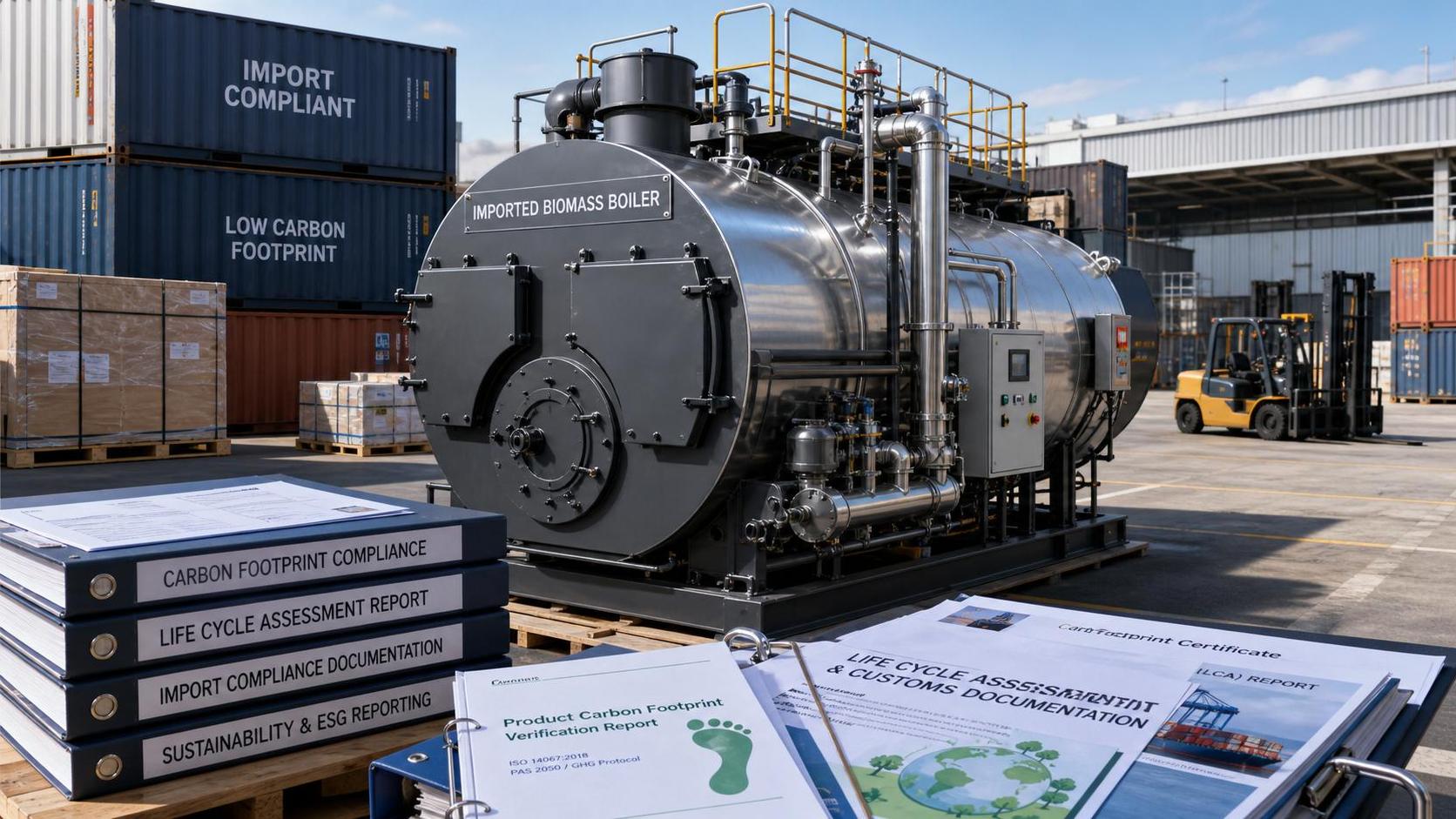
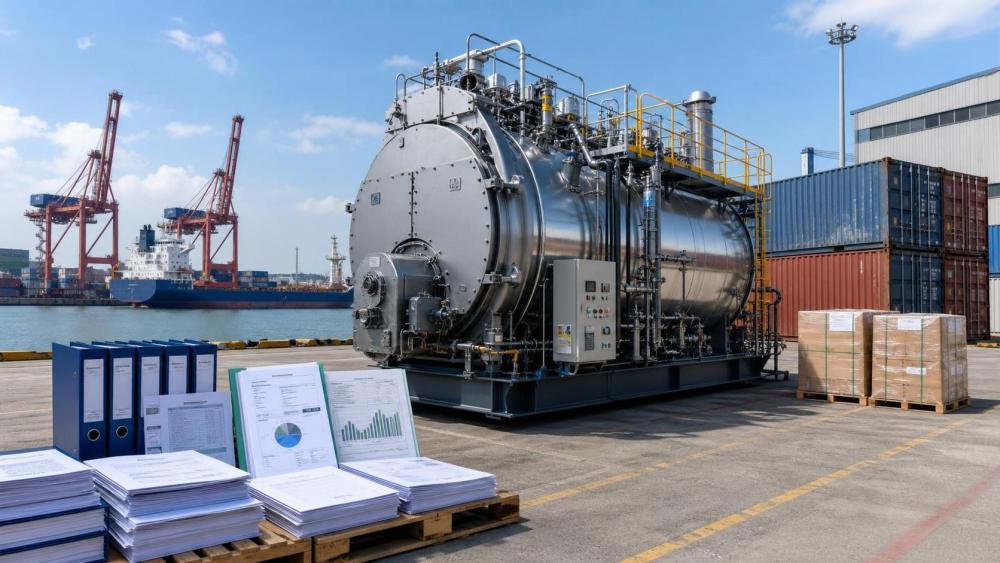
On June 25, 2026, China Customs began applying a new compliance requirement to biomass boiler exports, combining a new HS code with a mandatory lifecycle carbon footprint declaration at the time of customs filing. For exporters, manufacturers, suppliers, and logistics service providers linked to biomass energy equipment, the development deserves close attention because the first week already saw cargo delays tied to missing documents, with average customs clearance pushed back by 7–10 working days.
What the new customs requirement includes
According to the provided information, the General Administration of Customs of China started using the new HS code 84029090.11 for exported biomass boilers from June 25, 2026.
At the same time, customs filings must include a full lifecycle carbon footprint declaration issued by a CNAS-accredited laboratory. The declaration is required to cover three stages: raw material cultivation, manufacturing, and transportation.
The first week after implementation has already seen multiple shipments held at port because the required documents were missing. The reported average delay in customs clearance was 7–10 working days.
Where the immediate pressure may appear
Export-facing manufacturers may see documentation become a shipment-critical step
From an industry perspective, biomass boiler producers that export directly may be affected first because the new HS code and carbon footprint declaration now sit inside the customs filing process rather than outside it. The practical impact may show up in shipment scheduling, internal document checks, and handoff between compliance, sales, and shipping teams.
Upstream suppliers may face higher traceability demands
Analysis shows that suppliers connected to raw material cultivation and manufacturing inputs may receive more requests for supporting data, because the required declaration covers the cultivation and production stages. What deserves closer attention is not only whether data exists, but whether it can be organized in a form that supports laboratory-issued documentation.
Freight and customs service providers may need earlier file coordination
For customs brokers, freight forwarders, and related service providers, the effect may be most visible in pre-declaration checks and exception handling. If required files are incomplete when cargo reaches the port, the resulting delay can extend delivery timelines and create downstream communication pressure.
Buyers and project-side recipients may need to watch delivery timing
Purchasers and end users may not be directly responsible for filing customs documents, but they can still be affected through delayed delivery, installation planning, or contract execution. Observably, the first-week delays suggest that documentation readiness may become part of routine delivery risk discussions.
What companies should focus on now
Check whether product classification and filing practice are aligned
Companies involved in biomass boiler exports should first confirm whether their relevant shipments are being handled under the new HS code 84029090.11 and whether internal customs filing procedures have been updated accordingly.
Review the readiness of carbon footprint documentation
Because the declaration must come from a CNAS-accredited laboratory and cover cultivation, manufacturing, and transportation, a key practical issue is whether the necessary underlying information can be assembled in time for export filing.
Separate policy language from operational execution
What deserves closer attention is the difference between knowing the rule and being able to execute against it shipment by shipment. The first-week delays indicate that document availability, not only policy awareness, can determine whether goods move on schedule.
Prepare customer and delivery communication in advance
Where delivery windows are tight, exporters and supply chain teams may need earlier communication with customers, logistics partners, and internal planning teams if there is any risk that supporting documents will not be ready at the time of declaration.
Why this looks larger than a one-week disruption
Analysis shows that this development can be read as more than a short-term filing adjustment, because the new requirement links product classification with a lifecycle carbon footprint document covering multiple stages of the value chain. That does not by itself confirm a wider policy outcome beyond the provided facts, but it does suggest that compliance expectations are moving closer to traceability and carbon-related documentation in actual export operations.
At the same time, it is more appropriate to understand this as an active compliance change that still requires observation, rather than as a fully settled long-term market conclusion. The immediate confirmed result is customs delay where documents are missing; broader implications still need continued monitoring.
How this update is best understood for now
At this stage, the clearest takeaway is that biomass boiler exports from China now face a more document-intensive customs process under a new HS code, and missing paperwork can quickly translate into operational delay. From an industry perspective, this is best understood as a concrete short-term compliance change with potential longer-term significance, but one that still needs to be tracked through further implementation practice.
Basis of this article
This article is based on the user-provided news title, event date, and event summary. For developments of this kind, commonly relevant source types may include official customs notices, company statements, industry association updates, authoritative media reporting, and standard-related documents.
No specific official source link was provided in the input, so the exact primary publication path still needs to be verified on an ongoing basis. Further observation should focus on whether customs wording, document expectations, and practical filing implementation continue to evolve after the initial rollout period.
Related News
- IEA Report Flags 37% Rise in Biomass Boiler BudgetsAuthor :Thermal Energy Strategist

- Vietnam Tightens Import Rules for Biomass BoilersAuthor :Thermal Energy Strategist

- SASO Tightens NOx Monitoring Rule for Biomass BoilersAuthor :Thermal Energy Strategist

- Vietnam Halts New Biomass Boiler Import PermitsAuthor :Thermal Energy Strategist

- Industrial Biomass Boilers: Key Cost Factors for Heating ProjectsAuthor :Thermal Energy Strategist
![]()
- PSA Jurong Island Launch Cuts Biomass Fuel Clearance to 48 HoursAuthor :Thermal Energy Strategist
![]()
- Vietnam Requires CFP for Imported Biomass BoilersAuthor :Thermal Energy Strategist

- EU Monitoring Tightens Biomass Boiler Steel SupplyAuthor :Thermal Energy Strategist

- ASHRAE 189.1-2026 Adds Biomass Carbon ReviewAuthor :Thermal Energy Strategist

- ACWA Power Sets 45% Local Content Rule in Boiler TenderAuthor :Thermal Energy Strategist

- India BIS Draft Targets Biomass Boiler Data LinksAuthor :Thermal Energy Strategist

- EU REACH SVHC Update Restricts TCEP in Biomass EquipmentAuthor :Thermal Energy Strategist

- China Customs Adds HS Code Rule for Biomass Boiler ExportsAuthor :Thermal Energy Strategist

- China Adds Carbon Traceability Rule for Biomass Boiler ExportsAuthor :Thermal Energy Strategist

- Sugar Import Quota Notice Raises Biomass Fuel Cost FocusAuthor :Thermal Energy Strategist
![]()
- Urea Drops to $577/Ton, Easing Biomass Boiler CostsAuthor :Thermal Energy Strategist

- Urea Falls to $577/Ton, Easing Biomass Boiler Cost PressureAuthor :Thermal Energy Strategist

- Carbon Neutrality Pressures on Biomass Energy ROIAuthor :Thermal Energy Strategist

- Japan's Crude Imports Plunge 64% in April, Boosting Biomass & Chiller AdoptionAuthor :Thermal Energy Strategist

- Indonesia Tightens Thermal Coal Exports, Boosts Biomass & Industrial Chiller DemandAuthor :Thermal Energy Strategist

- Clean Energy Technology Gains That Make Biomass Worth RevisitingAuthor :Thermal Energy Strategist

- Clean Energy Technology Trends Changing Biomass Energy Project ReturnsAuthor :Thermal Energy Strategist

- Carbon Neutrality Pressures on Biomass Energy ProjectsAuthor :Thermal Energy Strategist

- Biomass Energy Cold-Heat Supply System Named in China’s Top 7 Future IndustriesAuthor :Thermal Energy Strategist

- Carbon Neutrality Pressure and Biomass Energy Project PaybackAuthor :Thermal Energy Strategist

- NEOM Green Infrastructure Certification Expands to Biomass CHP SystemsAuthor :Thermal Energy Strategist

- Saudi SASO Mandates NGIC Certification for Biomass CHP SystemsAuthor :Thermal Energy Strategist

- Clean Energy Technology Trends Changing Biomass Energy ProjectsAuthor :Thermal Energy Strategist

- Saudi SASO Mandates NEOM Green Infrastructure Certification for Biomass CHP SystemsAuthor :Thermal Energy Strategist

- Middle East Bans R134a Imports; Biomass CHP Gains TractionAuthor :Thermal Energy Strategist

- Clean Energy Technology and Biomass Energy: What Changes in 2026Author :Thermal Energy Strategist

- Middle East Bans R134a Equipment Imports; Biomass CCHP Gains TractionAuthor :Thermal Energy Strategist

- Canton Fair Phase II: Biomass Boiler Orders Surge 112% from SEAAuthor :Thermal Energy Strategist

- Carbon Neutrality and Biomass Energy: Where the Business Case Is StrongestAuthor :Thermal Energy Strategist

- Industrial Heat Recovery Ideas That Cut Fuel Use in Daily OperationsAuthor :Thermal Energy Strategist