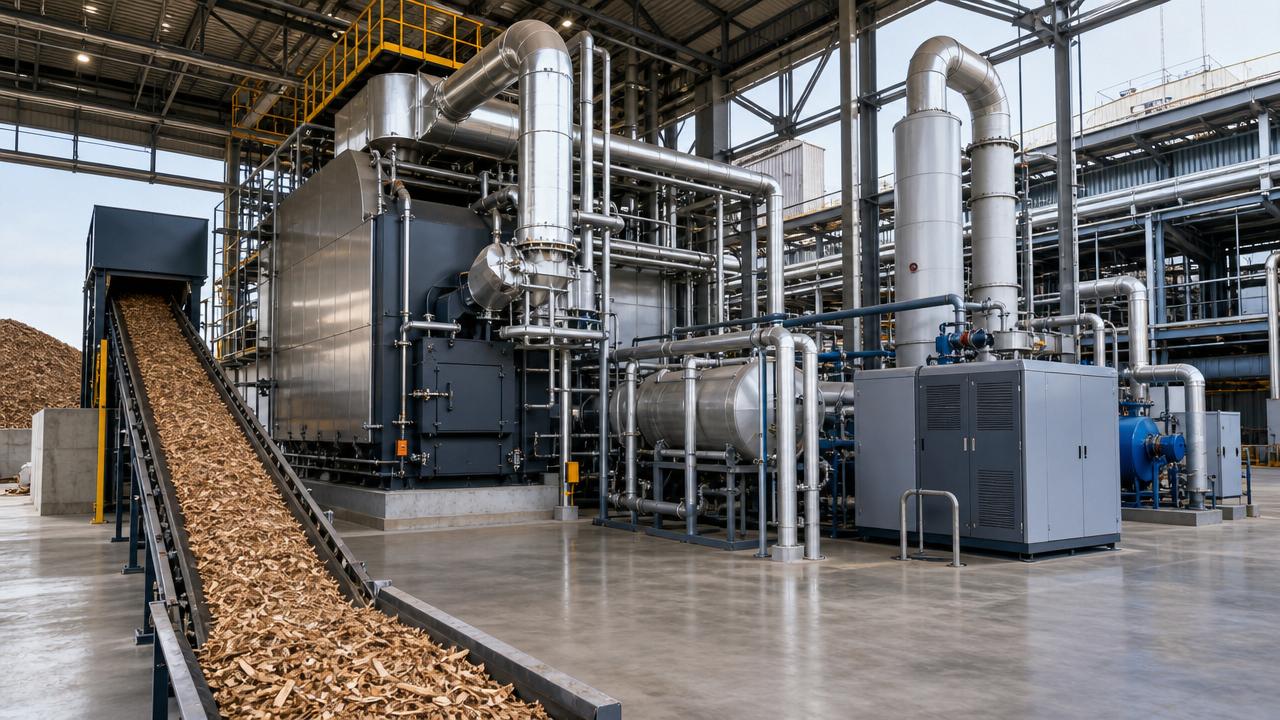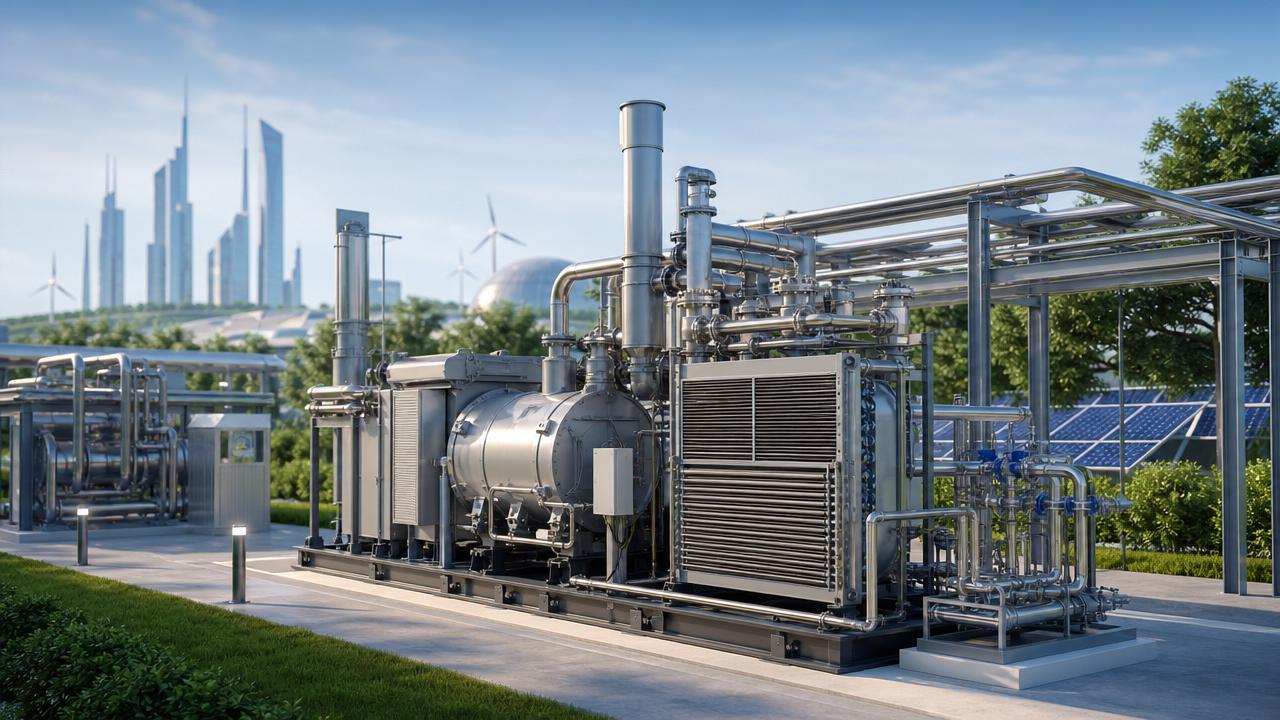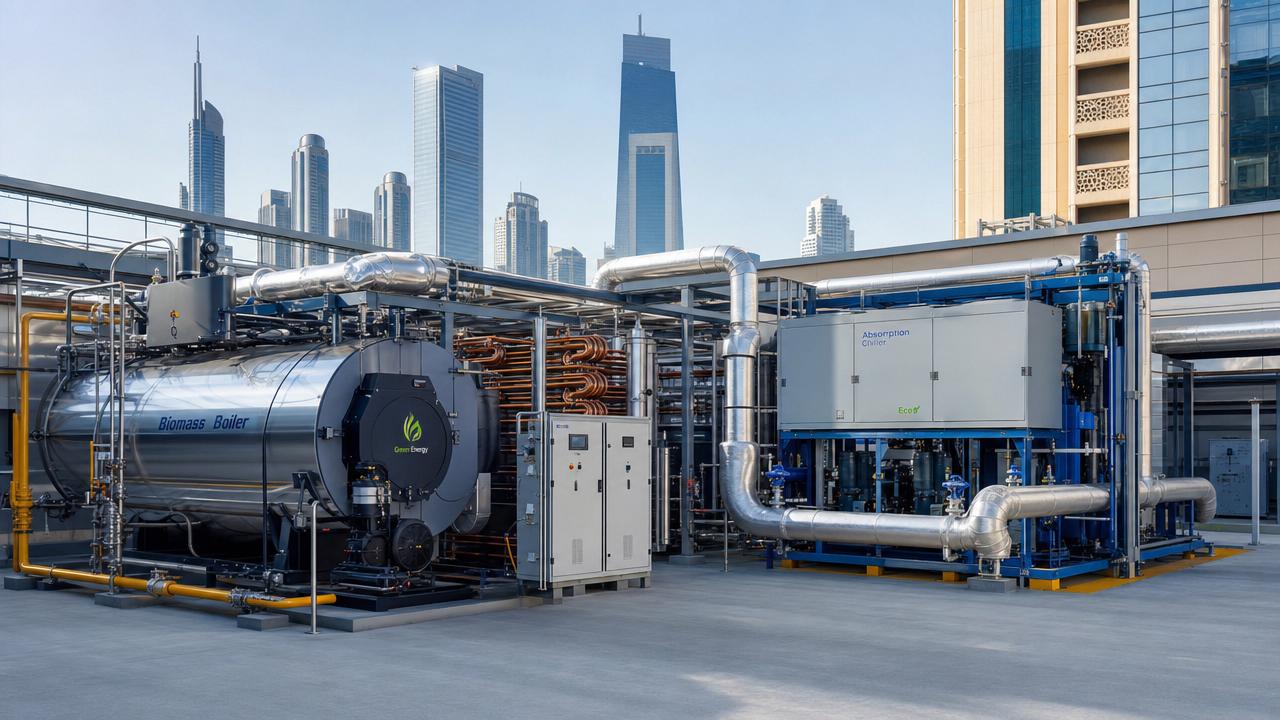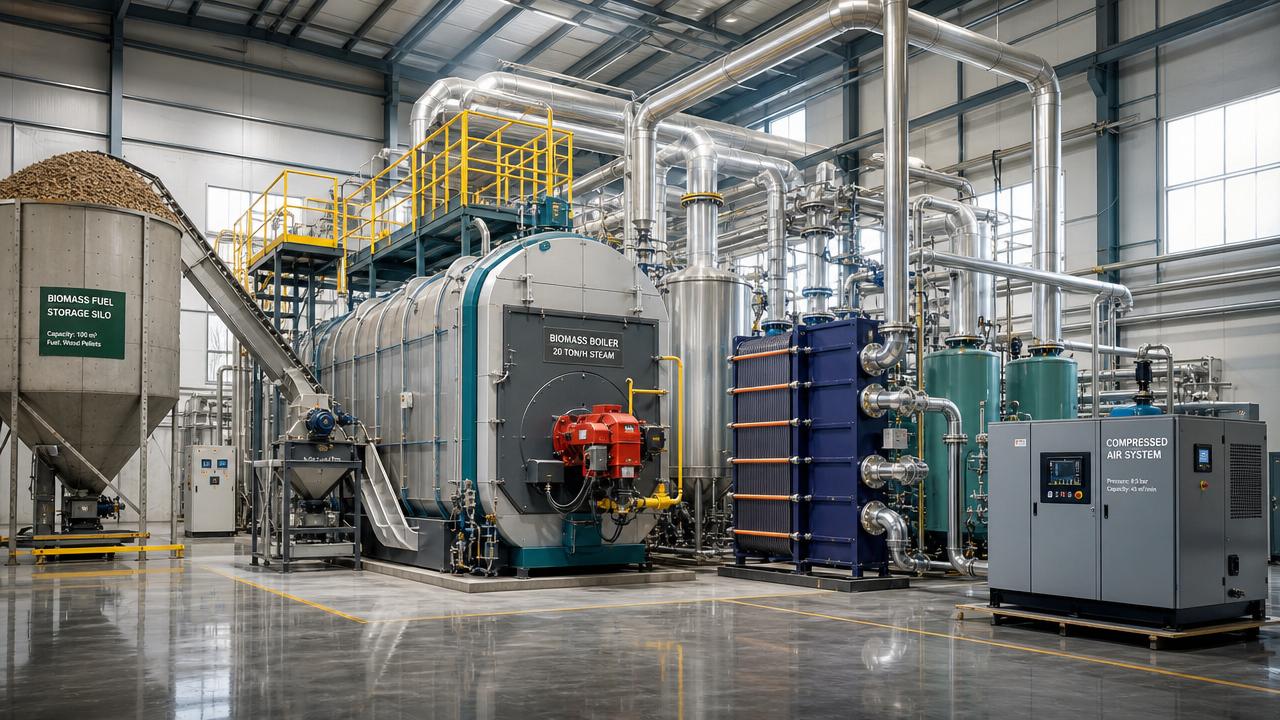




Clean Energy Technology Trends Changing Biomass Energy Project Returns




For business evaluators tracking biomass project profitability, clean energy technology is rapidly reshaping return models. Advances in heat recovery, compression efficiency, low-emission combustion, and smarter thermal management are no longer marginal upgrades—they directly influence operating costs, policy compliance, and long-term asset value. Understanding these trends is essential for assessing how biomass energy projects can improve resilience, competitiveness, and investment performance in a changing industrial energy landscape.
What does clean energy technology now mean for biomass project returns?
Clean energy technology now covers more than fuel switching. It includes combustion control, waste heat recovery, digital monitoring, thermal integration, and emissions reduction systems.
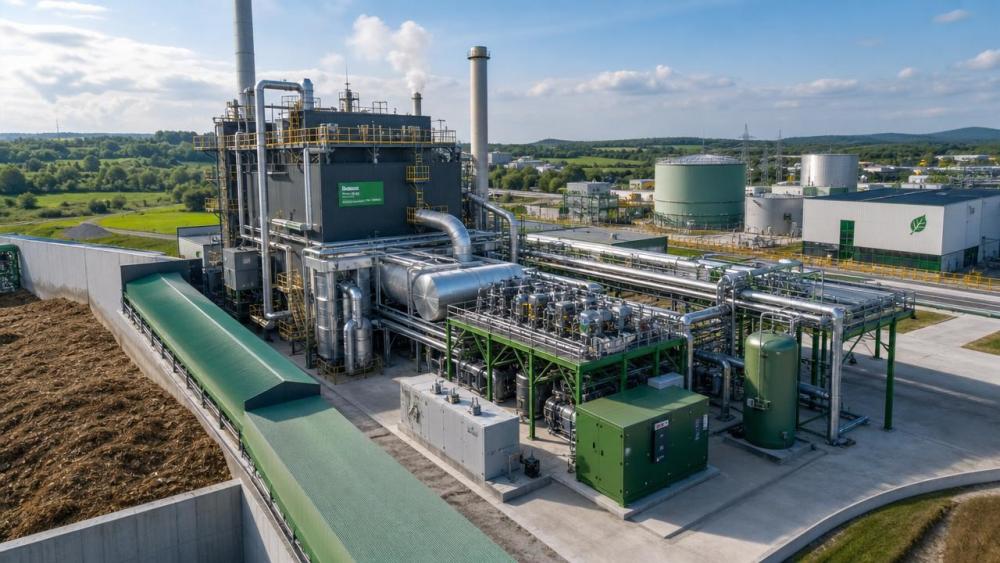
In biomass facilities, these upgrades change project economics by lowering heat loss, improving uptime, and reducing auxiliary power consumption.
Return models once focused mainly on feedstock cost and electricity tariffs. Today, they must also price efficiency gains, carbon policy exposure, and operational flexibility.
This shift matters across the broader industrial landscape. Biomass plants increasingly serve heating networks, industrial steam loads, and hybrid energy systems.
A modern clean energy technology stack can raise net output from the same biomass input. That improves revenue stability without requiring proportional fuel growth.
It also supports compliance. Tighter rules on particulates, NOx, and lifecycle emissions can quickly erode returns for older assets.
For valuation, the key question is simple: does the technology convert more usable thermal or electrical energy per ton of biomass while reducing risk?
Which clean energy technology trends are changing profitability most?
Several trends stand out because they directly affect yield, maintenance burden, and policy resilience.
1. High-efficiency heat recovery
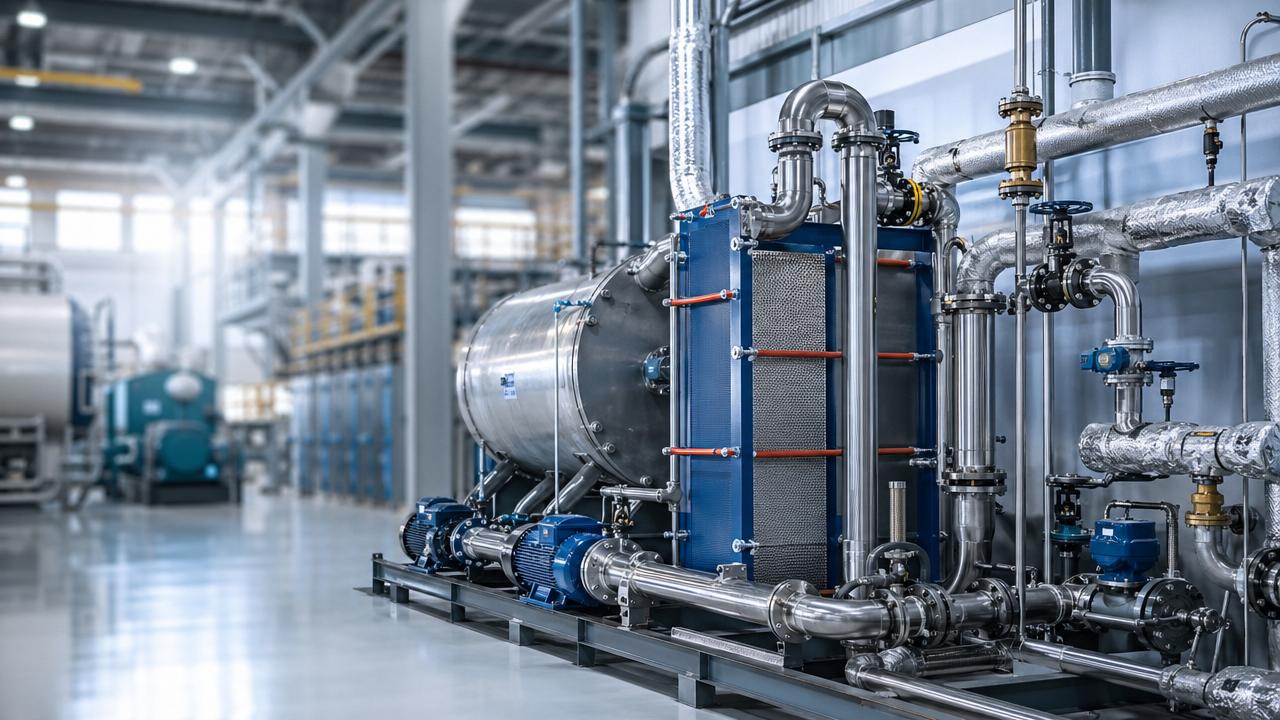
Advanced heat exchangers capture more usable energy from flue gas, condensate, and process loops. That reduces wasted thermal potential.
Microchannel and compact exchanger designs are especially relevant where space, response speed, and fouling control matter.
2. Better compression and air systems
Compressed air often supports fuel handling, controls, and ash processing. Efficient compressors reduce parasitic load and improve plant-wide energy balance.
Oil-free systems can also help where cleanliness, maintenance predictability, or sensitive downstream equipment are priorities.
3. Low-emission combustion optimization
Low-NOx burner strategies, staged combustion, and better oxygen control improve thermal efficiency while protecting against regulatory penalties.
This is important because poor combustion quality damages both fuel utilization and environmental compliance.
4. Smarter thermal management
Sensors, analytics, and predictive controls allow plants to adjust for moisture variation, load swings, and seasonal demand changes.
That reduces unstable operation, unplanned downtime, and inefficient partial-load performance.
5. Hybrid integration
Biomass projects increasingly pair with solar thermal, storage, district heating, or industrial recovery loops. Clean energy technology enables those integrations.
Hybrid design can improve utilization rates and strengthen long-term contract attractiveness.
How do these trends affect cost, payback, and asset value?
The most visible impact is lower operating cost. Fuel is used more effectively, and wasted heat becomes a recoverable asset.
A second impact is risk reduction. Better clean energy technology decreases exposure to shutdowns, emissions retrofits, and volatile energy purchase needs.
Third, asset value improves when a project can serve multiple revenue pathways, such as power, steam, hot water, and process heat.
Projects with integrated thermal intelligence often show stronger resilience under changing tariff conditions. They can adapt rather than simply absorb margin pressure.
However, not every upgrade produces the same return speed. Evaluators should compare capex size against measurable performance gains.
When returns are modeled correctly, clean energy technology often contributes through both margin improvement and downside protection.
What should be checked before judging a biomass technology upgrade?
A strong review starts with process realities, not marketing claims. Biomass quality varies, and technology performance depends on that variation.
Check these factors before assigning financial value:
- Feedstock moisture, ash content, and consistency
- Current thermal losses across the plant
- Existing compressor and fan energy intensity
- Maintenance history and unplanned outage frequency
- Local emissions rules and expected policy tightening
- Potential for heat sales or process integration
It is also useful to compare gross efficiency with usable efficiency. A project may look efficient on paper while still wasting recoverable heat.
Another critical point is system matching. Clean energy technology creates value when combustion, compression, and heat exchange work as one coordinated design.
This systems view aligns with the intelligence approach advanced by GTC-Matrix. Thermal performance and power efficiency must be analyzed together.
Where do investors and operators often misread clean energy technology benefits?
A frequent mistake is assuming all efficiency gains are permanent. In reality, fouling, poor controls, and inconsistent fuel quality can erode performance.
Another mistake is valuing only direct fuel savings. Clean energy technology also affects compliance cost, equipment life, and contract reliability.
Some models ignore auxiliary systems. Yet pumps, blowers, and compressed air infrastructure can materially change net returns.
There is also a timing issue. Certain upgrades produce fast savings, while others mainly protect long-term viability under stricter environmental frameworks.
Misreading policy direction is especially costly. Carbon accounting, air quality rules, and renewable certification standards increasingly shape biomass economics.
The best assessment treats clean energy technology as a strategic risk-adjusted investment, not just an equipment expense.
How can clean energy technology be prioritized for stronger returns?
Prioritization works best when upgrades are ranked by measurable impact, implementation difficulty, and compatibility with future operating scenarios.
In many cases, the best sequence starts with measurement, then control optimization, then targeted hardware replacement.
That order limits unnecessary capex and exposes the highest-value bottlenecks early.
A disciplined roadmap should combine thermal audits, compression reviews, emissions forecasting, and sensitivity testing for fuel variability.
Conclusion: what is the practical next step?
Clean energy technology is changing biomass returns by improving efficiency, reducing auxiliary demand, supporting compliance, and increasing revenue flexibility.
The biggest gains usually come from integrated decisions, not isolated equipment purchases. Heat exchange, compression, combustion, and digital control must be evaluated together.
A practical next step is to build a project screen using three lenses: recoverable energy, avoidable risk, and expandable market value.
For deeper benchmarking across thermal systems, compressed air performance, and industrial energy intelligence, GTC-Matrix provides a useful reference framework.
In a market shaped by tighter standards and sharper competition, clean energy technology is no longer optional background. It is a core driver of biomass project returns.
Related News
- IEA Report Flags 37% Rise in Biomass Boiler BudgetsAuthor :Thermal Energy Strategist

- Vietnam Tightens Import Rules for Biomass BoilersAuthor :Thermal Energy Strategist

- SASO Tightens NOx Monitoring Rule for Biomass BoilersAuthor :Thermal Energy Strategist

- Vietnam Halts New Biomass Boiler Import PermitsAuthor :Thermal Energy Strategist

- Industrial Biomass Boilers: Key Cost Factors for Heating ProjectsAuthor :Thermal Energy Strategist
![]()
- PSA Jurong Island Launch Cuts Biomass Fuel Clearance to 48 HoursAuthor :Thermal Energy Strategist
![]()
- Vietnam Requires CFP for Imported Biomass BoilersAuthor :Thermal Energy Strategist

- EU Monitoring Tightens Biomass Boiler Steel SupplyAuthor :Thermal Energy Strategist

- ASHRAE 189.1-2026 Adds Biomass Carbon ReviewAuthor :Thermal Energy Strategist

- ACWA Power Sets 45% Local Content Rule in Boiler TenderAuthor :Thermal Energy Strategist

- India BIS Draft Targets Biomass Boiler Data LinksAuthor :Thermal Energy Strategist

- EU REACH SVHC Update Restricts TCEP in Biomass EquipmentAuthor :Thermal Energy Strategist

- China Customs Adds HS Code Rule for Biomass Boiler ExportsAuthor :Thermal Energy Strategist

- China Adds Carbon Traceability Rule for Biomass Boiler ExportsAuthor :Thermal Energy Strategist

- Sugar Import Quota Notice Raises Biomass Fuel Cost FocusAuthor :Thermal Energy Strategist
![]()
- Urea Drops to $577/Ton, Easing Biomass Boiler CostsAuthor :Thermal Energy Strategist

- Urea Falls to $577/Ton, Easing Biomass Boiler Cost PressureAuthor :Thermal Energy Strategist

- Carbon Neutrality Pressures on Biomass Energy ROIAuthor :Thermal Energy Strategist

- Japan's Crude Imports Plunge 64% in April, Boosting Biomass & Chiller AdoptionAuthor :Thermal Energy Strategist

- Indonesia Tightens Thermal Coal Exports, Boosts Biomass & Industrial Chiller DemandAuthor :Thermal Energy Strategist

- Clean Energy Technology Gains That Make Biomass Worth RevisitingAuthor :Thermal Energy Strategist

- Clean Energy Technology Trends Changing Biomass Energy Project ReturnsAuthor :Thermal Energy Strategist

- Carbon Neutrality Pressures on Biomass Energy ProjectsAuthor :Thermal Energy Strategist

- Biomass Energy Cold-Heat Supply System Named in China’s Top 7 Future IndustriesAuthor :Thermal Energy Strategist

- Carbon Neutrality Pressure and Biomass Energy Project PaybackAuthor :Thermal Energy Strategist

- NEOM Green Infrastructure Certification Expands to Biomass CHP SystemsAuthor :Thermal Energy Strategist

- Saudi SASO Mandates NGIC Certification for Biomass CHP SystemsAuthor :Thermal Energy Strategist

- Clean Energy Technology Trends Changing Biomass Energy ProjectsAuthor :Thermal Energy Strategist

- Saudi SASO Mandates NEOM Green Infrastructure Certification for Biomass CHP SystemsAuthor :Thermal Energy Strategist

- Middle East Bans R134a Imports; Biomass CHP Gains TractionAuthor :Thermal Energy Strategist

- Clean Energy Technology and Biomass Energy: What Changes in 2026Author :Thermal Energy Strategist

- Middle East Bans R134a Equipment Imports; Biomass CCHP Gains TractionAuthor :Thermal Energy Strategist

- Canton Fair Phase II: Biomass Boiler Orders Surge 112% from SEAAuthor :Thermal Energy Strategist

- Carbon Neutrality and Biomass Energy: Where the Business Case Is StrongestAuthor :Thermal Energy Strategist

- Industrial Heat Recovery Ideas That Cut Fuel Use in Daily OperationsAuthor :Thermal Energy Strategist