



EU REACH SVHC Update Restricts TCEP in Biomass Equipment




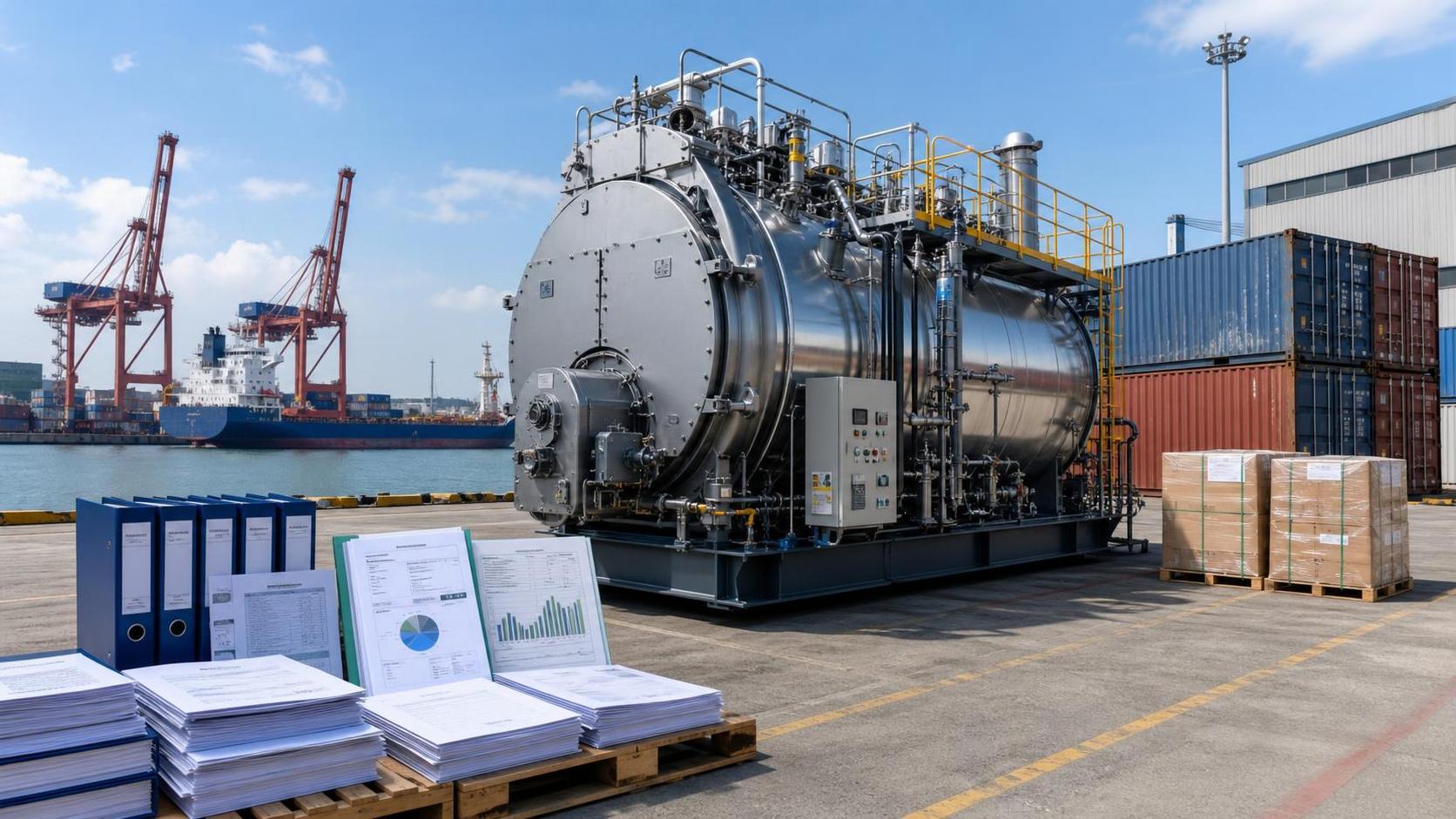
On June 27, 2026, ECHA added tris(2-chloroethyl) phosphate (TCEP) to the REACH Substances of Very High Concern (SVHC) list, a move that matters directly to biomass energy equipment exported to the EU. Because TCEP is widely used in insulation layers for biomass boilers and in flame-retardant coatings for conveying systems, the change is relevant not only for exporters, but also for manufacturers, procurement teams, compliance staff, and downstream EU customers that will need SCIP database unique IDs from December 2026 onward.
What Has Been Confirmed So Far
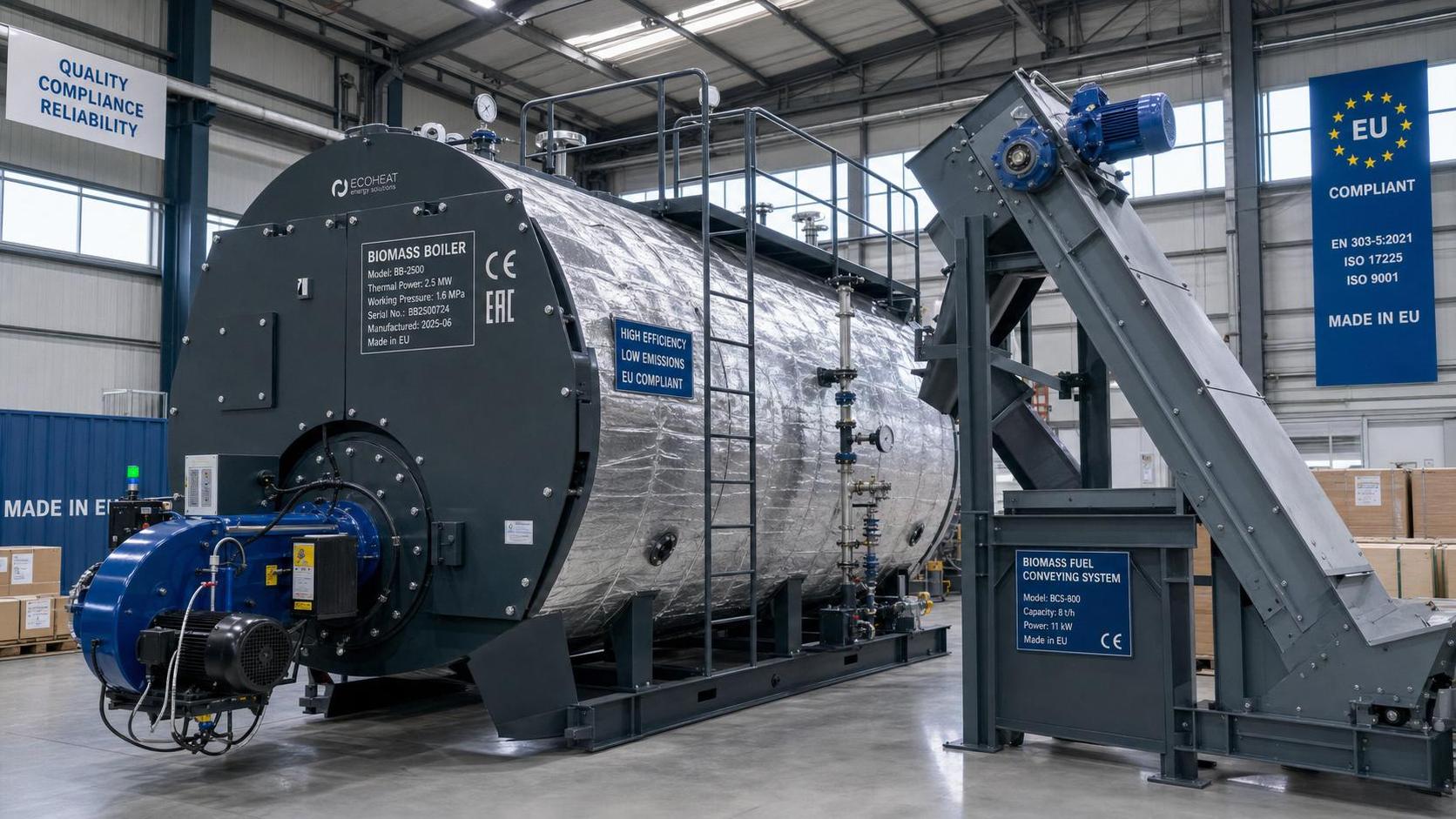
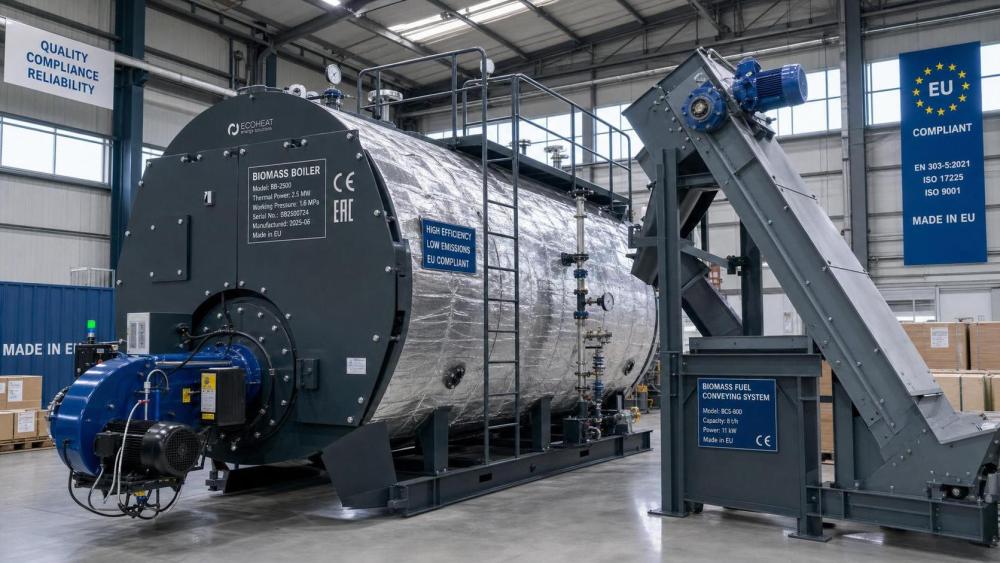
The confirmed development is that ECHA formally placed TCEP on the REACH SVHC list on June 27, 2026. According to the provided information, this substance is widely used in flame-retardant applications within biomass energy equipment, especially in biomass boiler insulation layers and conveying system coatings.
The same information states that from December 2026, imported equipment containing TCEP at or above 0.1% will be subject to notification obligations. It also states that downstream customers must obtain a SCIP database unique ID. The impact identified in the source information falls directly on Chinese biomass energy equipment exporters serving the EU market, particularly in relation to compliance arrangements and technical substitution planning.
Where The Pressure Is Likely To Appear First
Export transactions may face a stricter compliance checkpoint
From an industry perspective, exporters of biomass boilers and related conveying equipment are likely to feel the impact first because the rule change is tied to imported equipment entering the EU market. The main pressure point is not only product composition itself, but also whether notification duties and SCIP-related information can be handled in time for customer and market requirements.
Manufacturing and formulation choices move into focus
Analysis shows that manufacturers using flame-retardant coatings or insulation materials in biomass equipment may need to review whether TCEP is present in relevant parts or assemblies. The operational impact is likely to center on material selection, design review, and the feasibility of technical substitution where existing specifications rely on TCEP-based applications.
Downstream customers will pay closer attention to documentation
Observably, EU-side downstream customers are likely to focus on whether suppliers can provide the required SCIP database unique ID once the December 2026 threshold becomes relevant. For purchasing and project delivery teams, this shifts part of the discussion from product performance alone to documentation readiness and supply-chain transparency.
Supply-chain service providers may see more document coordination work
What deserves closer attention is that service providers involved in export procedures, product documentation, or customer handover may also be affected in practice. Their role is likely to become more document-driven, especially where suppliers, exporters, and customers need aligned declarations on substance content and compliance status.
What Companies Should Watch Now
Check which product categories are exposed
Companies serving the EU market should first identify whether their biomass boilers, insulation components, or conveying system coatings involve TCEP in the applications described in the provided information. The key practical issue is product mapping: which items, assemblies, or coating systems may fall within the scope of the coming notification requirement.
Separate regulatory obligation from technical substitution timing
Analysis shows that regulatory compliance and material replacement are related but not identical tasks. The December 2026 obligation concerns notification and SCIP-related information where TCEP is present at or above the stated threshold, while technical substitution planning concerns whether and how companies adjust product design or sourcing. Treating these as separate workstreams may help avoid delays in customer communication and order execution.
Prepare supplier and customer documentation earlier
What deserves closer attention is the document chain behind compliance. Businesses may need to confirm substance information with suppliers and, in parallel, prepare the materials needed by downstream EU customers that will require a SCIP database unique ID. In practice, the timing of information collection may matter as much as the substance review itself.
Continue tracking official wording and implementation details
Observably, companies should pay attention to how official wording is applied in actual business processes, especially around notification handling and customer-facing documentation. The current information already signals a clear compliance trigger, but firms still need to keep watching how the requirement is interpreted in transactions, internal review, and customer requests.
Why This Looks Like More Than A Routine List Update
Analysis shows that this is not merely a background regulatory change for the biomass equipment sector. It directly connects substance listing, import obligations, and downstream data requirements in a way that can affect export readiness. For that reason, it is more appropriate to understand this as a concrete short-term compliance change with longer-term implications for material selection and supplier coordination.
At the same time, it would be premature to treat it as a fully settled end state for every affected business scenario. Observably, the immediate facts concern TCEP listing, the December 2026 notification trigger, and the need for downstream customers to obtain a SCIP unique ID. How individual firms absorb the change will depend on their product composition, documentation readiness, and substitution pathway.
How This Update Should Be Interpreted Now
At this stage, the industry significance lies in the fact that a specific substance used in biomass energy equipment has moved from a material issue to a trade and compliance issue for EU-facing business. The most balanced reading is that the update creates a clear near-term operational requirement while also sending a longer-term signal on the need to reassess flame-retardant material choices in relevant equipment categories.
It is more appropriate to understand this development as an actionable compliance signal rather than a complete market conclusion. The immediate task is preparation around product review, documentation, and customer-facing compliance support; the broader implications for substitution and procurement strategy still require continued observation.
Basis Of This Article And What Still Needs Verification
This article is based on the user-provided news title, event date, and event summary regarding the June 27, 2026 REACH SVHC update involving TCEP and its relevance to biomass energy equipment exports to the EU. For this type of industry development, commonly relevant source categories may include official notices, company disclosures, industry association updates, authoritative media coverage, and standard-setting or regulatory documents.
No specific official source link was provided in the input, so the exact official reference still needs continued verification. Follow-up attention should remain on any further official wording, implementation detail, and practical documentation expectations related to notification obligations and SCIP database handling in actual export business.
Related News
- IEA Report Flags 37% Rise in Biomass Boiler BudgetsAuthor :Thermal Energy Strategist

- Vietnam Tightens Import Rules for Biomass BoilersAuthor :Thermal Energy Strategist

- SASO Tightens NOx Monitoring Rule for Biomass BoilersAuthor :Thermal Energy Strategist

- Vietnam Halts New Biomass Boiler Import PermitsAuthor :Thermal Energy Strategist

- Industrial Biomass Boilers: Key Cost Factors for Heating ProjectsAuthor :Thermal Energy Strategist
![]()
- PSA Jurong Island Launch Cuts Biomass Fuel Clearance to 48 HoursAuthor :Thermal Energy Strategist
![]()
- Vietnam Requires CFP for Imported Biomass BoilersAuthor :Thermal Energy Strategist

- EU Monitoring Tightens Biomass Boiler Steel SupplyAuthor :Thermal Energy Strategist

- ASHRAE 189.1-2026 Adds Biomass Carbon ReviewAuthor :Thermal Energy Strategist

- ACWA Power Sets 45% Local Content Rule in Boiler TenderAuthor :Thermal Energy Strategist

- India BIS Draft Targets Biomass Boiler Data LinksAuthor :Thermal Energy Strategist

- EU REACH SVHC Update Restricts TCEP in Biomass EquipmentAuthor :Thermal Energy Strategist

- China Customs Adds HS Code Rule for Biomass Boiler ExportsAuthor :Thermal Energy Strategist

- China Adds Carbon Traceability Rule for Biomass Boiler ExportsAuthor :Thermal Energy Strategist

- Sugar Import Quota Notice Raises Biomass Fuel Cost FocusAuthor :Thermal Energy Strategist
![]()
- Urea Drops to $577/Ton, Easing Biomass Boiler CostsAuthor :Thermal Energy Strategist

- Urea Falls to $577/Ton, Easing Biomass Boiler Cost PressureAuthor :Thermal Energy Strategist

- Carbon Neutrality Pressures on Biomass Energy ROIAuthor :Thermal Energy Strategist

- Japan's Crude Imports Plunge 64% in April, Boosting Biomass & Chiller AdoptionAuthor :Thermal Energy Strategist

- Indonesia Tightens Thermal Coal Exports, Boosts Biomass & Industrial Chiller DemandAuthor :Thermal Energy Strategist

- Clean Energy Technology Gains That Make Biomass Worth RevisitingAuthor :Thermal Energy Strategist

- Clean Energy Technology Trends Changing Biomass Energy Project ReturnsAuthor :Thermal Energy Strategist

- Carbon Neutrality Pressures on Biomass Energy ProjectsAuthor :Thermal Energy Strategist

- Biomass Energy Cold-Heat Supply System Named in China’s Top 7 Future IndustriesAuthor :Thermal Energy Strategist

- Carbon Neutrality Pressure and Biomass Energy Project PaybackAuthor :Thermal Energy Strategist

- NEOM Green Infrastructure Certification Expands to Biomass CHP SystemsAuthor :Thermal Energy Strategist

- Saudi SASO Mandates NGIC Certification for Biomass CHP SystemsAuthor :Thermal Energy Strategist

- Clean Energy Technology Trends Changing Biomass Energy ProjectsAuthor :Thermal Energy Strategist

- Saudi SASO Mandates NEOM Green Infrastructure Certification for Biomass CHP SystemsAuthor :Thermal Energy Strategist

- Middle East Bans R134a Imports; Biomass CHP Gains TractionAuthor :Thermal Energy Strategist

- Clean Energy Technology and Biomass Energy: What Changes in 2026Author :Thermal Energy Strategist

- Middle East Bans R134a Equipment Imports; Biomass CCHP Gains TractionAuthor :Thermal Energy Strategist

- Canton Fair Phase II: Biomass Boiler Orders Surge 112% from SEAAuthor :Thermal Energy Strategist

- Carbon Neutrality and Biomass Energy: Where the Business Case Is StrongestAuthor :Thermal Energy Strategist

- Industrial Heat Recovery Ideas That Cut Fuel Use in Daily OperationsAuthor :Thermal Energy Strategist