



PSA Jurong Island Launch Cuts Biomass Fuel Clearance to 48 Hours




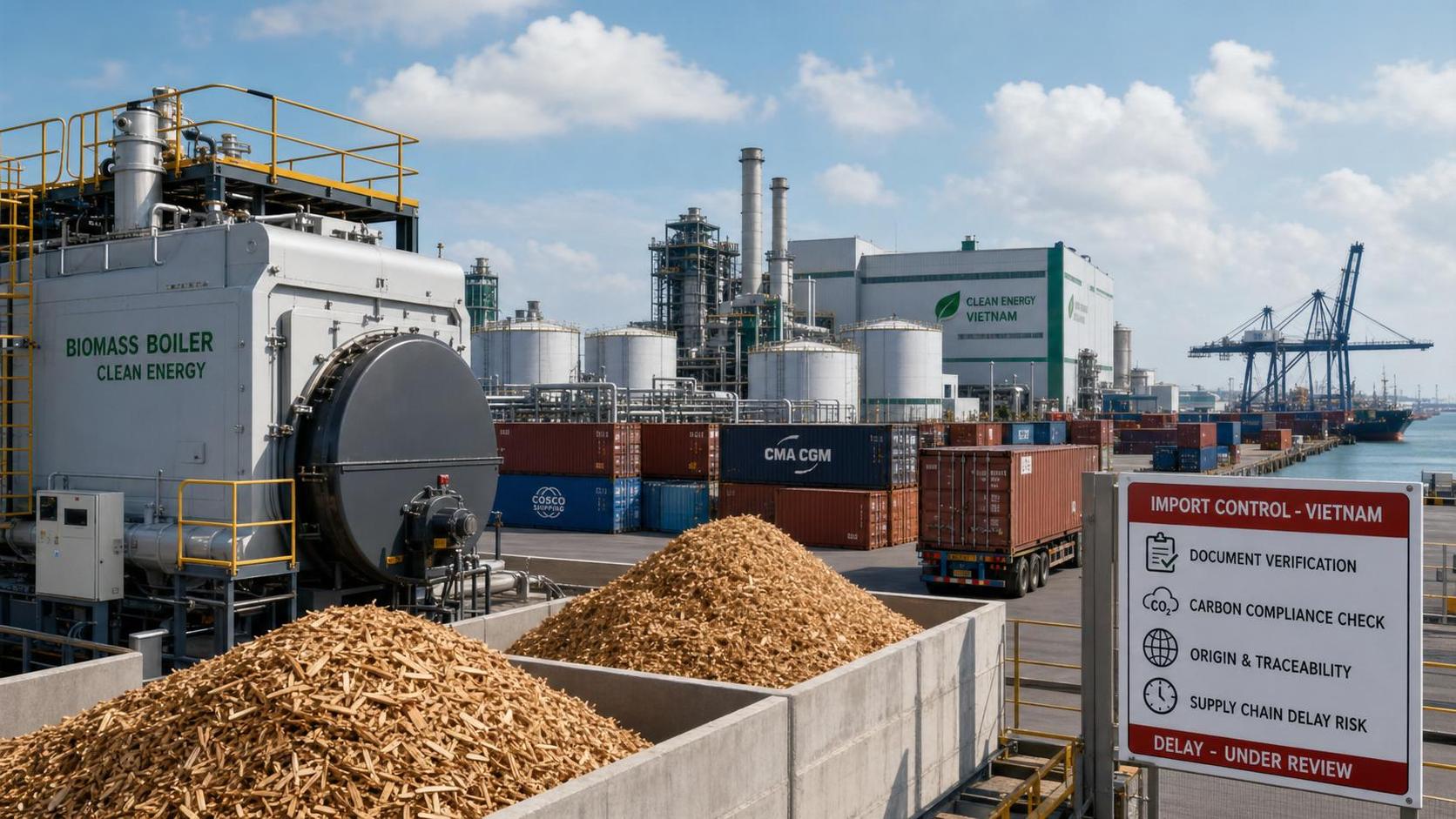
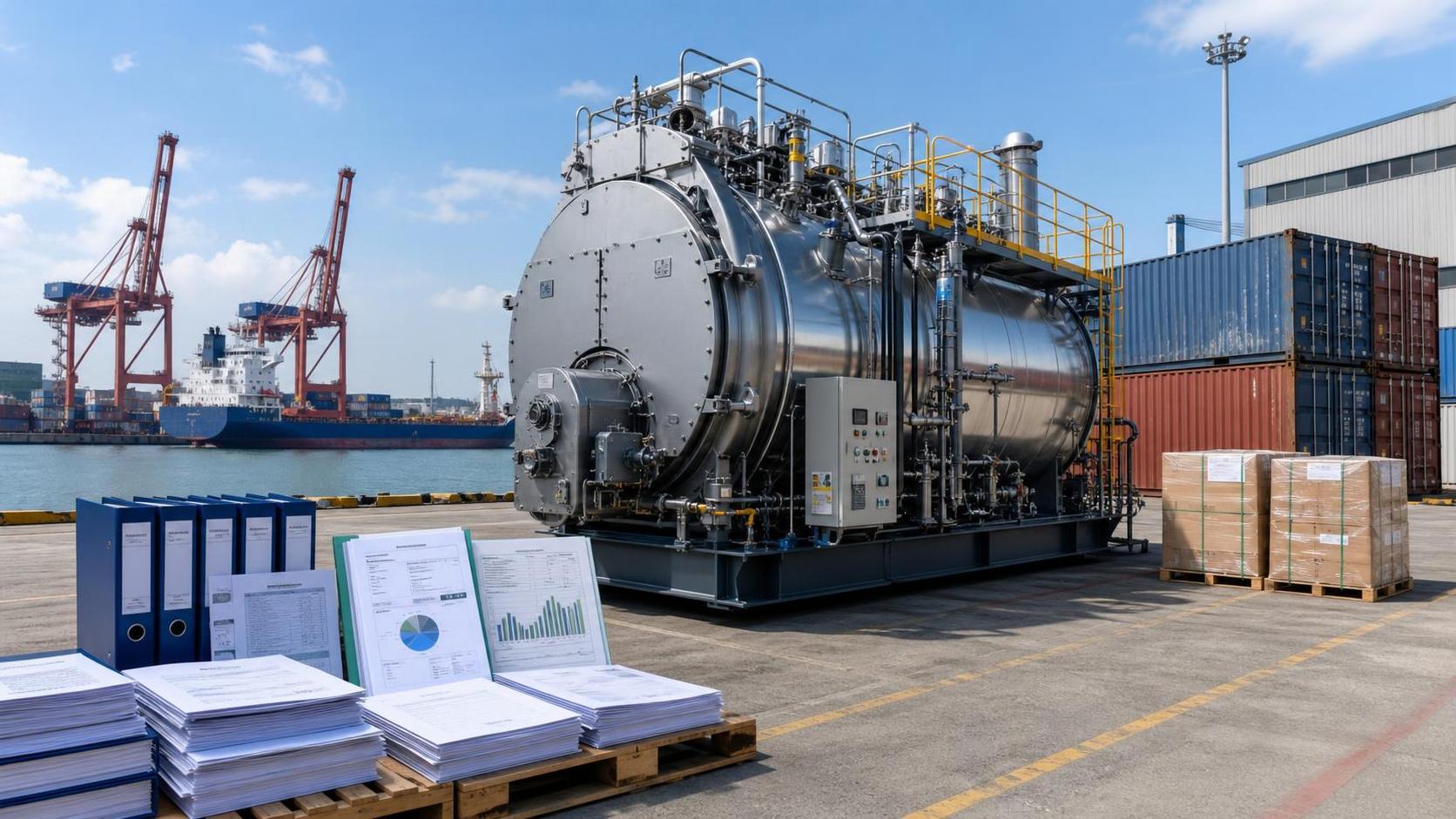
On July 6, 2026, PSA announced that the No. 3 cryogenic terminal at Jurong Island Port in Singapore had entered operation, adding a dedicated berth for low-temperature hazardous cargo with LNG/biodiesel-compatible storage and an automated customs declaration channel. For companies handling biomass briquette fuel, biomass gasification furnaces, and related boiler systems from China into Southeast Asia, the key point is not only the port upgrade itself, but the reduction of import clearance time from an average of five days to within 48 hours, a change that directly affects inventory turnover, delivery rhythm, and cross-border supply planning.

What Has Been Confirmed So Far
According to the information provided, PSA stated on July 6, 2026 that the No. 3 cryogenic terminal at Jurong Island Port had officially started operations. The facility includes dedicated LNG and biodiesel dual-compatible storage tanks and an automated declaration channel for hazardous chemicals.
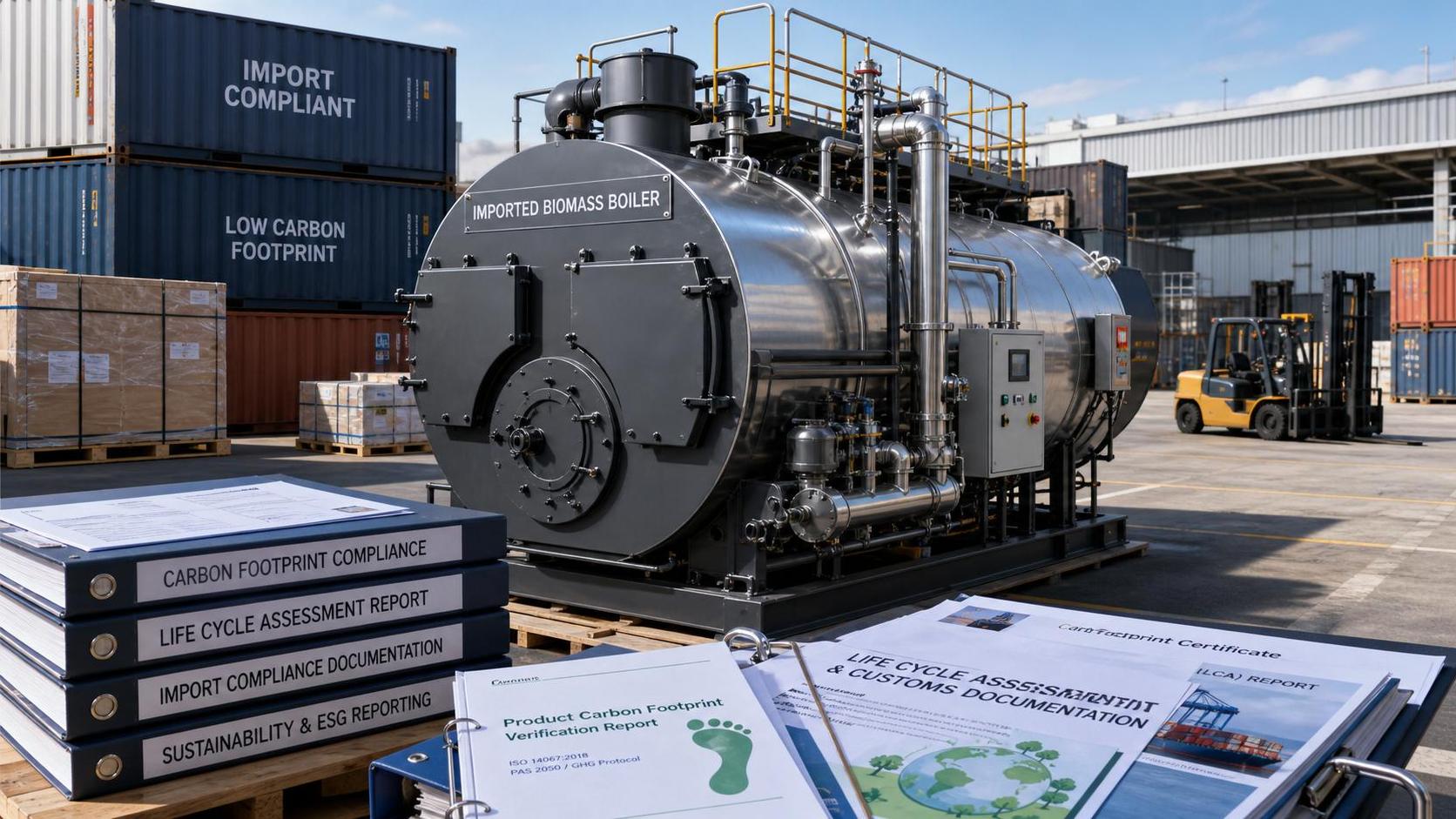
The stated result is a reduction in import clearance time for biomass densified fuel, biomass gasification furnaces, and supporting boiler systems produced in China, from an average of five days to within 48 hours. The information also indicates that this improvement is expected to raise inventory turnover efficiency for distributors in Southeast Asia.
Where the Immediate Pressure and Opportunity May Appear
Trade flows tied to imported biomass fuel and equipment
From an industry perspective, direct trading companies may feel the impact first because customs lead time is closely tied to shipment scheduling and customer promise dates. A shorter clearance window can change how importers arrange replenishment cycles, but what deserves closer attention is whether internal planning, documentation, and handoff processes are ready to match the faster port-side timeline.
Distributors managing stock in Southeast Asia
Distributors are likely to focus on inventory turnover because the provided information explicitly links the new setup to faster stock movement. The business effect may show up in warehouse rhythm, reorder timing, and buffer stock decisions. Observably, the shorter clearance period could reduce waiting time between arrival and availability, but distributors still need to watch whether this operational gain is consistent across the specific product categories they handle.
Suppliers of boiler systems and related equipment
For suppliers of biomass gasification furnaces and supporting boiler systems, the relevance is not limited to fuel cargo. Equipment shipments tied to installation schedules may also be sensitive to customs timing. The operational focus may shift toward aligning production release, export documents, and customer installation windows more tightly if import processing is indeed completed within 48 hours.
Supply chain service providers handling regulated cargo
Logistics and customs service providers may be affected at the execution layer. The combination of cryogenic handling capability and automated hazardous cargo declaration suggests that compliance workflow could become a more visible differentiator. What deserves closer attention is whether service providers can support clients with document accuracy, cargo classification, and timing coordination under a faster processing expectation.
What Companies Should Watch in Practice
How the faster clearance applies across specific cargo types
Companies should track how the stated 48-hour timeline is applied in real transactions involving biomass briquette fuel, biomass gasification furnaces, and related boiler systems. The announcement provides a clear direction, but in practice, businesses will need to verify how each product category is treated in operational processing.
Whether documentation readiness becomes the new bottleneck
Analysis shows that when port and declaration processing accelerate, incomplete or inconsistent paperwork can become a more visible source of delay. Exporters, importers, and service providers should pay close attention to product descriptions, compliance documents, and handoff timing so that the benefit of the shorter clearance window is not lost upstream.
How customer delivery commitments should be updated
For firms selling into Southeast Asia, the more practical issue may be customer communication. If import clearance is shortened from five days to within 48 hours, quoted lead times, stock availability messages, and delivery commitments may need to be revised carefully. It is more appropriate to treat this as an operational planning issue rather than a marketing claim.
Whether official wording is followed by further procedural detail
Businesses should also monitor whether additional operational clarification follows the announcement, especially around the use of the automated hazardous chemicals declaration channel. Policy signaling and actual workflow execution are not always identical, so companies should distinguish between announced capability and repeatable day-to-day implementation.
Why This Reads as More Than a Port Upgrade
Analysis shows that this development matters because it sits at the intersection of infrastructure, regulated cargo handling, and the movement of biomass-related fuel and equipment. The confirmed fact is a shorter import clearance timeline tied to PSA's new cryogenic berth and automated declaration setup. The broader observation is that the market may begin to price speed and compliance capability more explicitly into regional distribution decisions.
At the same time, it is more appropriate to understand this as an operational signal rather than a finished market outcome. The information provided supports the conclusion that clearance efficiency has improved, but it does not yet establish how broadly or consistently businesses across the chain will convert that improvement into lower costs, tighter delivery performance, or different sourcing strategies.
How to Read the Development Now
The most balanced reading is that the July 6 announcement points to a meaningful short-term change in import processing for specific biomass fuel and boiler-related cargo entering Southeast Asia through Singapore, while also serving as a longer-term signal about the value of specialized hazardous cargo infrastructure. For industry participants, the practical significance lies less in the headline alone and more in whether faster customs handling can be translated into smoother inventory rotation, more reliable delivery schedules, and better coordination across trade and service partners.
Basis of This Article
This article is based on the user-provided news title, event date, and event summary regarding PSA's launch of the No. 3 cryogenic terminal at Jurong Island Port on July 6, 2026 and the stated reduction in import clearance time for biomass-related fuel and equipment. For reporting of this type, commonly relevant source categories may include official port operator announcements, company statements, industry association updates, authoritative media coverage, and standards or compliance-related documents.
A specific official source link was not provided in the input, so the underlying announcement and any subsequent procedural details still require ongoing verification. Follow-up attention should focus on whether further official clarification is issued on cargo scope, declaration procedures, and practical execution of the reported 48-hour clearance timeline.
Related News
- IEA Report Flags 37% Rise in Biomass Boiler BudgetsAuthor :Thermal Energy Strategist

- Vietnam Tightens Import Rules for Biomass BoilersAuthor :Thermal Energy Strategist

- SASO Tightens NOx Monitoring Rule for Biomass BoilersAuthor :Thermal Energy Strategist

- Vietnam Halts New Biomass Boiler Import PermitsAuthor :Thermal Energy Strategist

- Industrial Biomass Boilers: Key Cost Factors for Heating ProjectsAuthor :Thermal Energy Strategist
![]()
- PSA Jurong Island Launch Cuts Biomass Fuel Clearance to 48 HoursAuthor :Thermal Energy Strategist
![]()
- Vietnam Requires CFP for Imported Biomass BoilersAuthor :Thermal Energy Strategist

- EU Monitoring Tightens Biomass Boiler Steel SupplyAuthor :Thermal Energy Strategist

- ASHRAE 189.1-2026 Adds Biomass Carbon ReviewAuthor :Thermal Energy Strategist

- ACWA Power Sets 45% Local Content Rule in Boiler TenderAuthor :Thermal Energy Strategist

- India BIS Draft Targets Biomass Boiler Data LinksAuthor :Thermal Energy Strategist

- EU REACH SVHC Update Restricts TCEP in Biomass EquipmentAuthor :Thermal Energy Strategist

- China Customs Adds HS Code Rule for Biomass Boiler ExportsAuthor :Thermal Energy Strategist

- China Adds Carbon Traceability Rule for Biomass Boiler ExportsAuthor :Thermal Energy Strategist

- Sugar Import Quota Notice Raises Biomass Fuel Cost FocusAuthor :Thermal Energy Strategist
![]()
- Urea Drops to $577/Ton, Easing Biomass Boiler CostsAuthor :Thermal Energy Strategist

- Urea Falls to $577/Ton, Easing Biomass Boiler Cost PressureAuthor :Thermal Energy Strategist

- Carbon Neutrality Pressures on Biomass Energy ROIAuthor :Thermal Energy Strategist

- Japan's Crude Imports Plunge 64% in April, Boosting Biomass & Chiller AdoptionAuthor :Thermal Energy Strategist

- Indonesia Tightens Thermal Coal Exports, Boosts Biomass & Industrial Chiller DemandAuthor :Thermal Energy Strategist

- Clean Energy Technology Gains That Make Biomass Worth RevisitingAuthor :Thermal Energy Strategist

- Clean Energy Technology Trends Changing Biomass Energy Project ReturnsAuthor :Thermal Energy Strategist

- Carbon Neutrality Pressures on Biomass Energy ProjectsAuthor :Thermal Energy Strategist

- Biomass Energy Cold-Heat Supply System Named in China’s Top 7 Future IndustriesAuthor :Thermal Energy Strategist

- Carbon Neutrality Pressure and Biomass Energy Project PaybackAuthor :Thermal Energy Strategist

- NEOM Green Infrastructure Certification Expands to Biomass CHP SystemsAuthor :Thermal Energy Strategist

- Saudi SASO Mandates NGIC Certification for Biomass CHP SystemsAuthor :Thermal Energy Strategist

- Clean Energy Technology Trends Changing Biomass Energy ProjectsAuthor :Thermal Energy Strategist

- Saudi SASO Mandates NEOM Green Infrastructure Certification for Biomass CHP SystemsAuthor :Thermal Energy Strategist

- Middle East Bans R134a Imports; Biomass CHP Gains TractionAuthor :Thermal Energy Strategist

- Clean Energy Technology and Biomass Energy: What Changes in 2026Author :Thermal Energy Strategist

- Middle East Bans R134a Equipment Imports; Biomass CCHP Gains TractionAuthor :Thermal Energy Strategist

- Canton Fair Phase II: Biomass Boiler Orders Surge 112% from SEAAuthor :Thermal Energy Strategist

- Carbon Neutrality and Biomass Energy: Where the Business Case Is StrongestAuthor :Thermal Energy Strategist

- Industrial Heat Recovery Ideas That Cut Fuel Use in Daily OperationsAuthor :Thermal Energy Strategist