Clean Energy Technology Trends Changing Biomass Energy Projects




For business evaluators assessing biomass energy projects, clean energy technology is rapidly redefining performance, compliance, and investment value. From advanced heat recovery and low-emission combustion to smarter compression and thermal management systems, today’s innovation is reshaping how biomass facilities compete in a carbon-conscious market. Understanding these trends is essential for identifying scalable opportunities, reducing operational risk, and making informed decisions in a fast-evolving energy landscape.
What does clean energy technology mean for modern biomass energy projects?
In biomass, clean energy technology no longer means only cleaner fuel input. It now includes combustion control, heat exchange, digital monitoring, emissions treatment, and efficient compression systems.
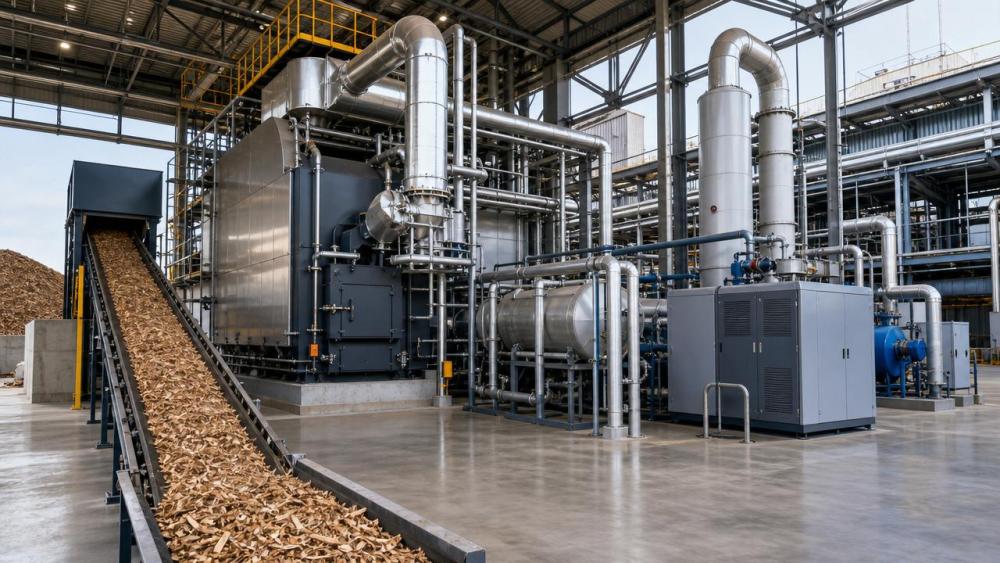
This broader definition matters because project value depends on total system performance. A plant may use renewable feedstock, yet still lose competitiveness through heat waste, unstable pressure, or poor thermal balance.
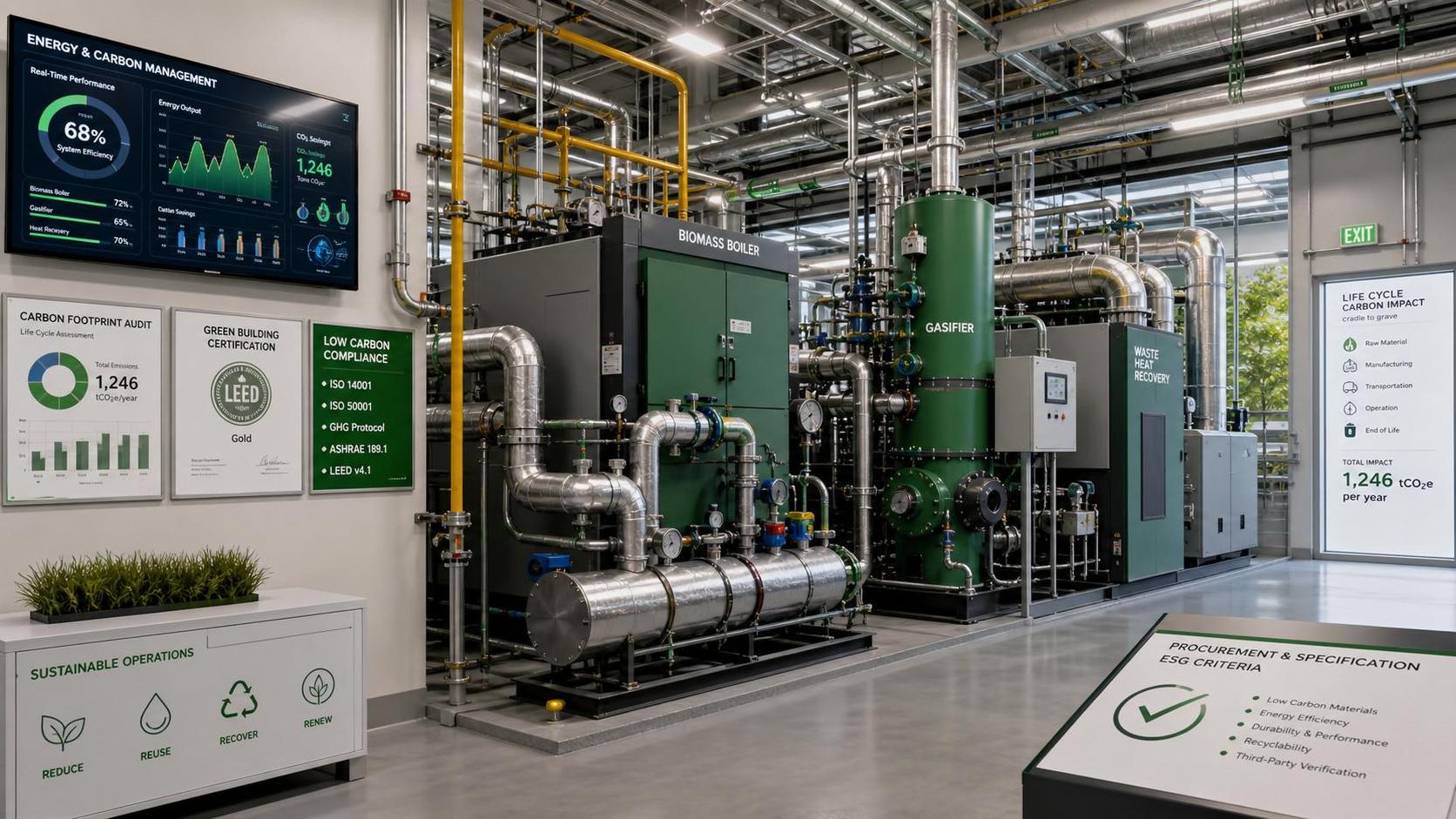
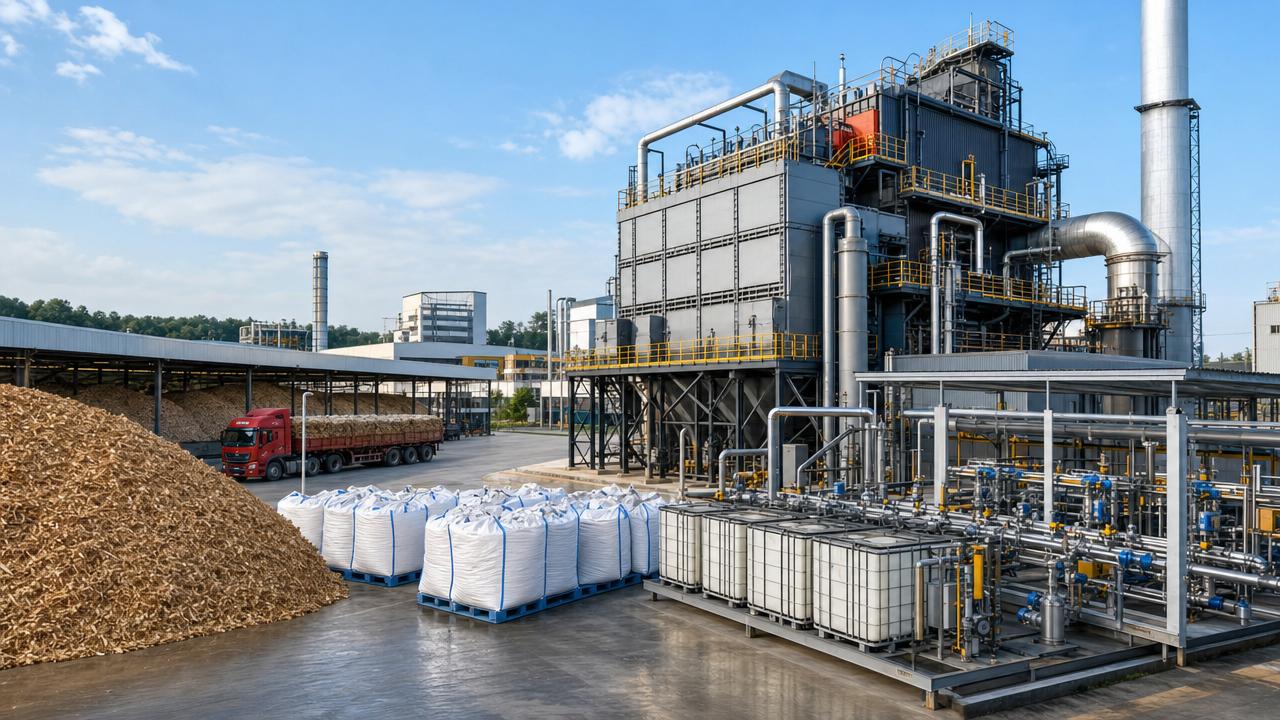
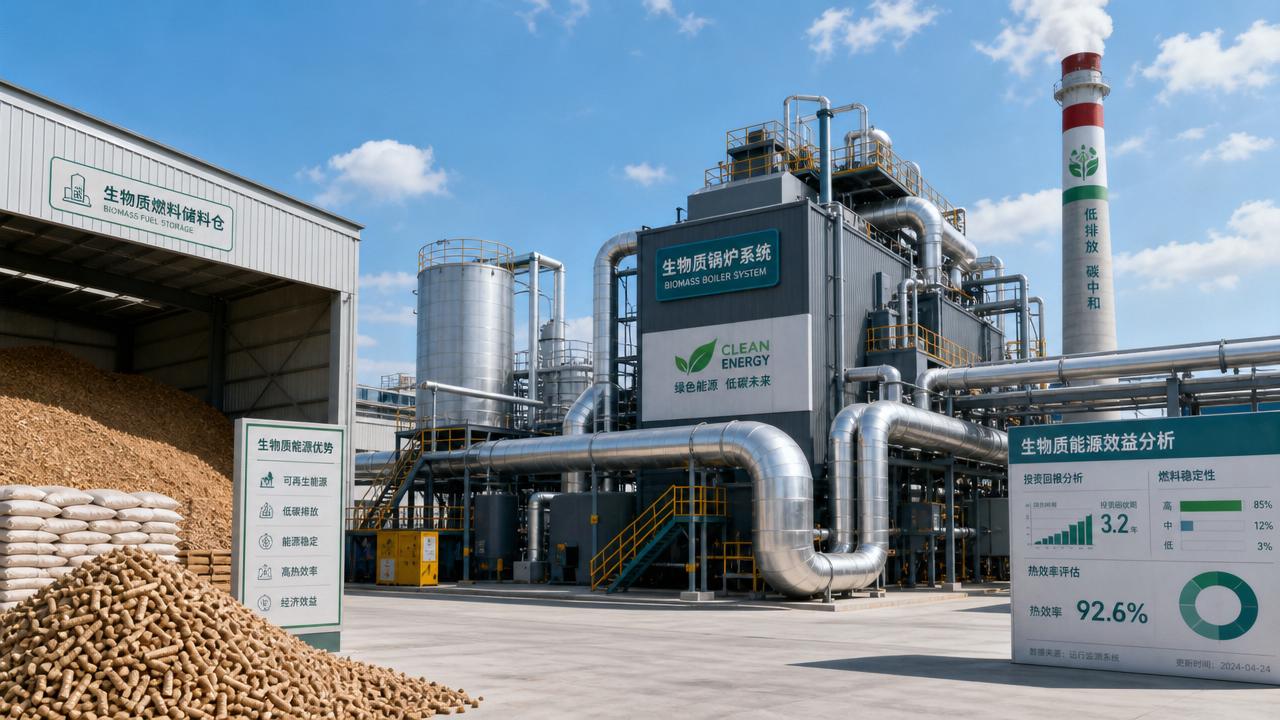
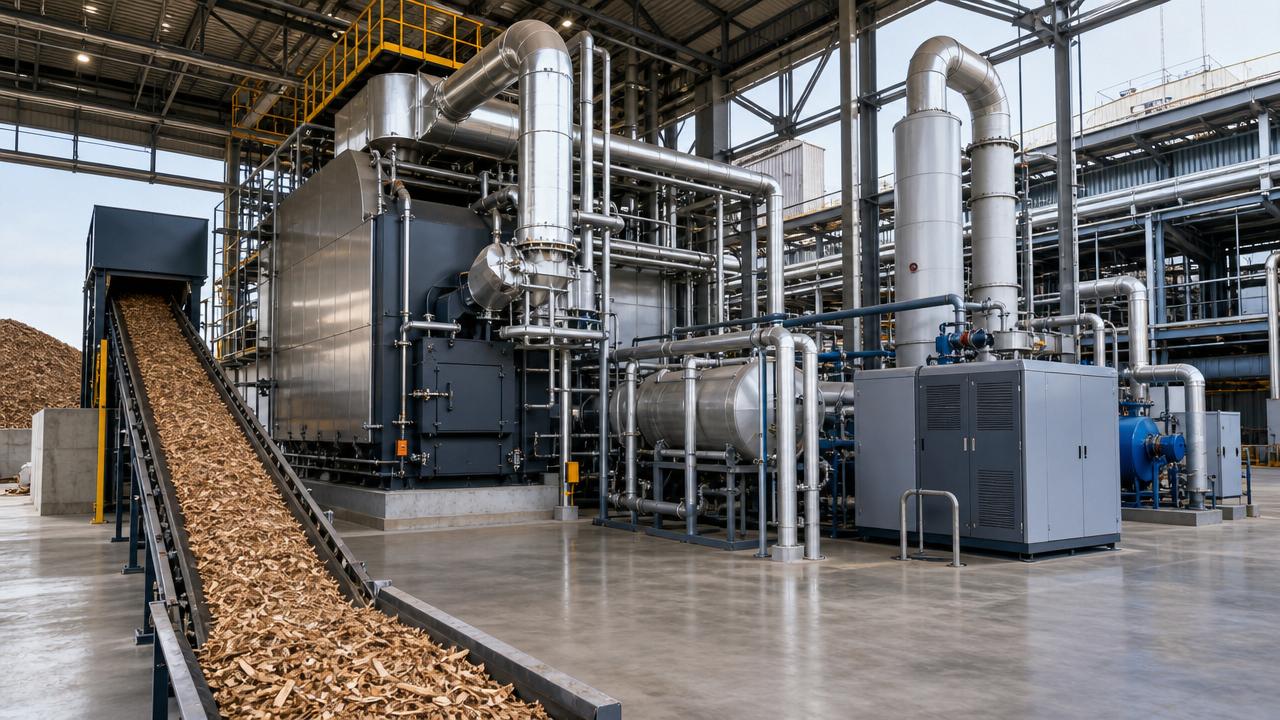
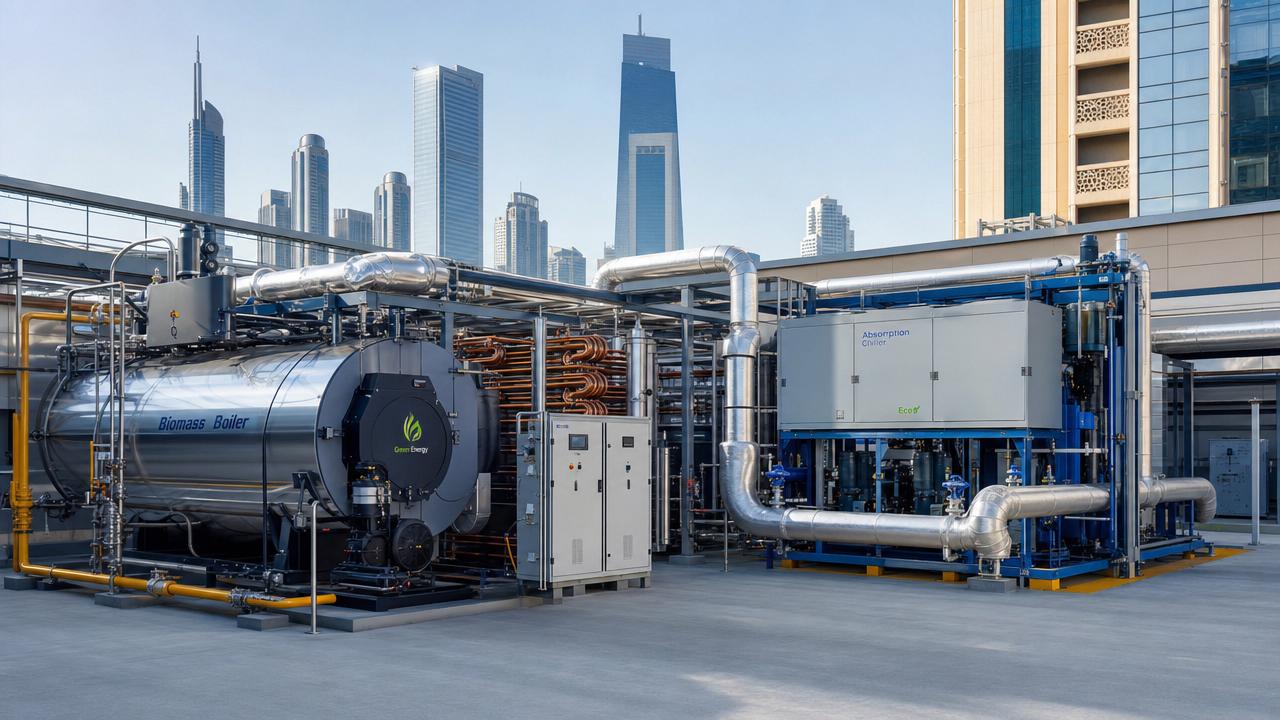
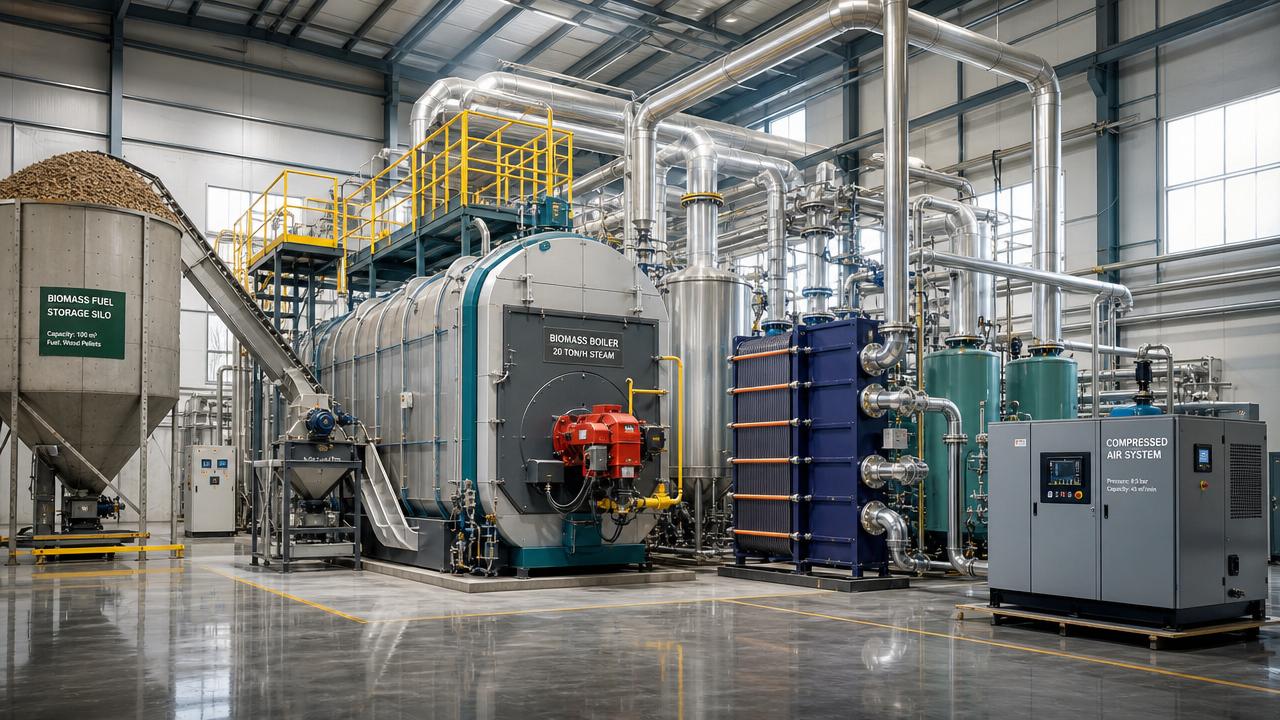
Biomass sites increasingly operate like integrated energy platforms. Boilers, dryers, condensers, fans, compressors, and control software must work together under tighter carbon and efficiency expectations.
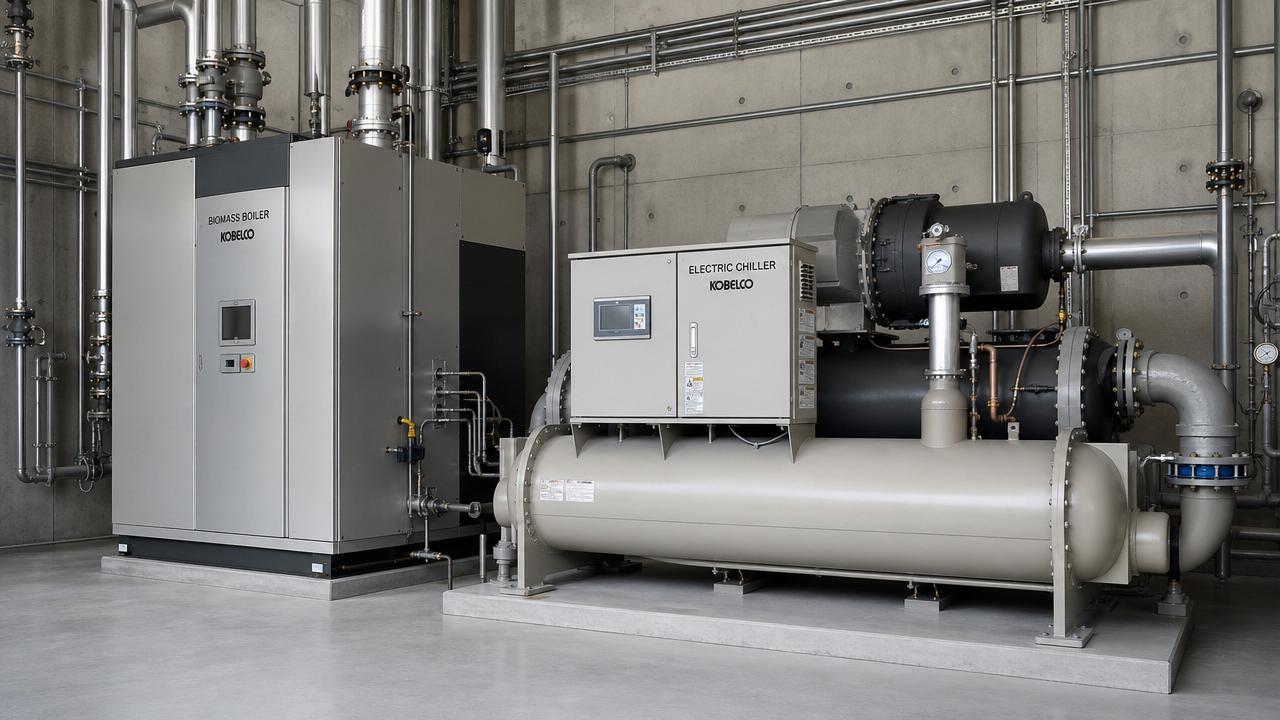
That is where intelligence from platforms such as GTC-Matrix becomes useful. Industrial cooling, compressed air, vacuum processes, and heat exchange data help reveal hidden efficiency gaps.
A useful way to evaluate clean energy technology in biomass projects is to ask four questions:
- Does it raise net energy conversion efficiency?
- Does it reduce emissions and compliance exposure?
- Does it improve operational stability across feedstock variation?
- Does it support long-term economics, not only pilot-stage results?
Which clean energy technology trends are changing biomass project performance most?
Several trends are moving from optional upgrades to core investment criteria. These trends improve output quality, lower lifecycle costs, and strengthen regulatory resilience.
1. Advanced heat recovery and thermal integration
Heat losses remain one of the biggest value leaks in biomass systems. Modern heat exchangers recover exhaust energy and reuse it for feedstock drying, water preheating, or district energy support.
Microchannel and compact exchanger designs improve transfer efficiency while reducing footprint. This trend is especially relevant where land, retrofit space, or utility costs create project constraints.
2. Low-emission combustion and better air management
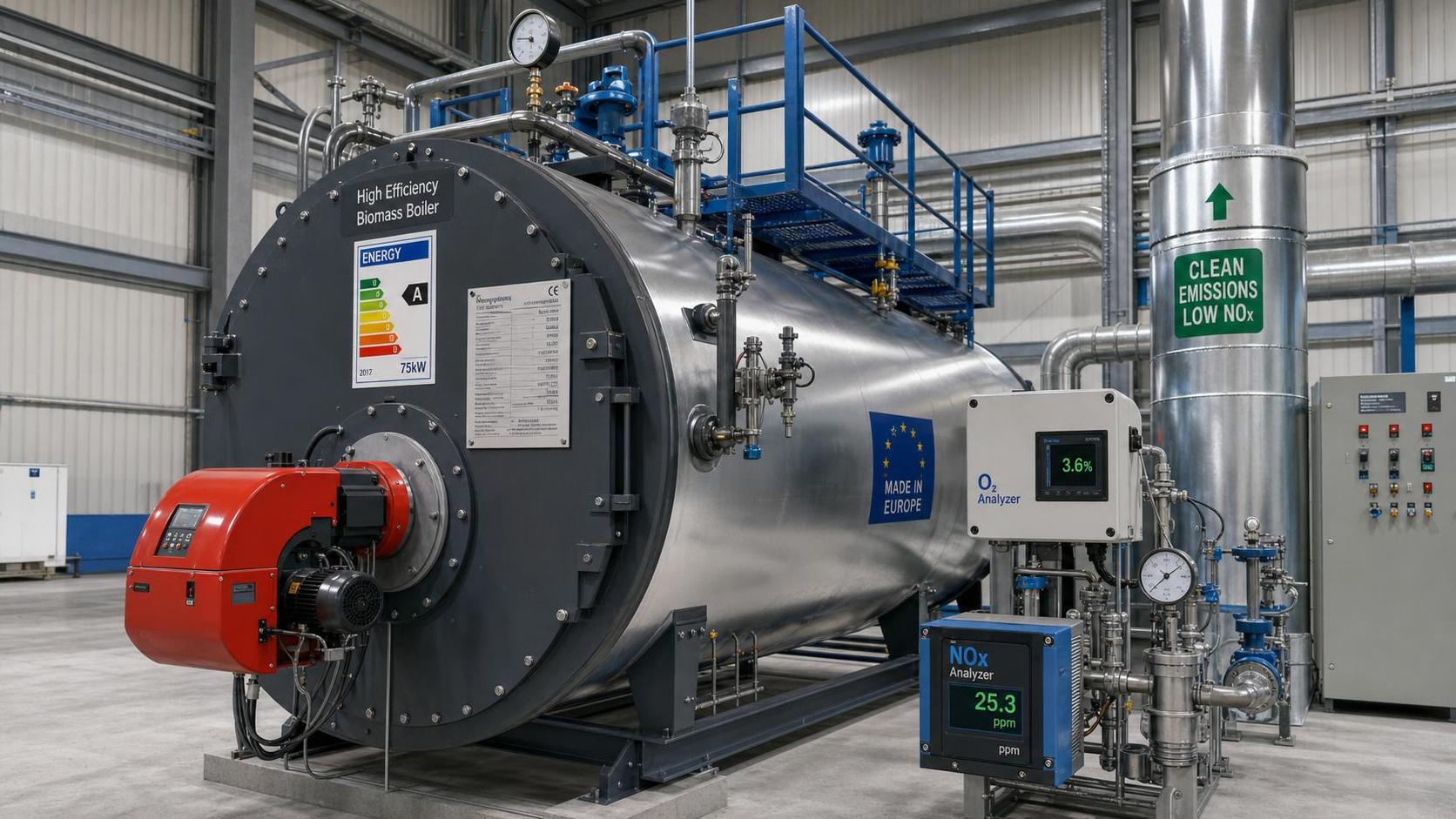
Low-NOx burners, staged combustion, and oxygen optimization are helping biomass facilities balance output with cleaner flue gas. Better air control also reduces fuel inconsistency impacts.
These upgrades are not only about permits. Stable combustion can reduce unburned carbon, improve boiler efficiency, and limit shutdowns caused by ash or temperature swings.
3. Oil-free compression and smarter pneumatic systems
Biomass plants often rely on compressed air for conveying, instrument control, and cleaning. Oil-free systems help protect process purity and reduce contamination risk in sensitive applications.
Variable-speed drives and leak detection also support clean energy technology goals. Compressed air is expensive when unmanaged, and hidden losses can erode project economics quickly.
4. Digital optimization and predictive monitoring
Digital control platforms now track temperature, pressure, moisture, and emissions in real time. This makes biomass plants more adaptive when feedstock quality changes across seasons or suppliers.
Predictive analytics also identify fouling, compressor inefficiency, and exchanger degradation before serious losses appear. For evaluators, that means reduced uncertainty in long-term performance assumptions.
How do these clean energy technology trends affect investment decisions and project bankability?
A biomass project is increasingly judged on dispatch reliability, measurable emissions performance, and verifiable efficiency data. Technology choices now affect financing confidence as much as engineering outcomes.
Lenders and stakeholders often prefer projects with transparent thermal and power balances. Systems that integrate advanced monitoring and proven efficiency equipment support stronger due diligence narratives.
This is especially true when carbon pricing, renewable incentives, or refrigerant policies influence future operating costs. A project designed around current minimum standards may become exposed too quickly.
The best clean energy technology investments usually show value across three layers:
- Direct savings through energy efficiency and lower maintenance.
- Indirect protection through easier compliance and lower downtime risk.
- Strategic upside through scalability, reporting quality, and market credibility.
In this context, intelligence on compression, cooling, and heat exchange is not secondary. It often determines whether the business case remains attractive after real operating conditions appear.
Which applications or project types benefit most from clean energy technology upgrades?
Not every biomass project needs the same upgrade path. However, some project profiles gain especially strong returns from advanced thermal and compression improvements.
- Combined heat and power plants: They benefit from tighter thermal integration and better heat recovery.
- Waste-to-energy biomass facilities: They need stronger emissions control and feedstock flexibility.
- Industrial steam projects: They gain from efficient boilers, condensate recovery, and stable compressed air support.
- Pellet and drying operations: They depend heavily on moisture control and exchanger performance.
- Retrofit projects: They often find quick wins in instrumentation, oil-free compression, and heat recovery modules.
Facilities serving pharmaceutical, semiconductor, or food-adjacent energy demand may face stricter expectations for temperature stability and pure utility systems. Here, clean energy technology can influence customer trust.
What risks and common mistakes should be avoided when evaluating clean energy technology in biomass?
One common mistake is focusing only on headline efficiency numbers. Laboratory performance may not match real conditions involving inconsistent biomass moisture, ash content, or seasonal operating schedules.
Another risk is treating subsystems separately. A strong boiler upgrade may underperform if air compression, cooling, or heat exchange bottlenecks remain unresolved.
It is also risky to underestimate maintenance complexity. Some high-performance systems require cleaner operating environments, tighter controls, or more specialized service capabilities.
A practical review should check these points before final decisions:
How should businesses compare options and prepare the next step?
The most effective approach is a system-level comparison, not a single-equipment comparison. Biomass economics depend on interactions between fuel handling, combustion, compression, cooling, and heat recovery.
Start with a baseline of current thermal losses, air demand, emissions intensity, and maintenance patterns. Then compare upgrade scenarios using realistic operating hours and feedstock variability ranges.
Decision quality improves when technical data is matched with policy and market intelligence. GTC-Matrix highlights this connection by linking thermodynamic analysis with commercial and regulatory signals.
For many projects, the strongest path is not the newest technology alone. It is the best-fit clean energy technology package with measurable efficiency gains and manageable operational demands.
Quick comparison guide
As biomass markets mature, clean energy technology becomes the filter that separates resilient projects from vulnerable ones. The winning projects are efficient, transparent, compliant, and adaptable.
The next step is clear: review biomass opportunities through thermodynamic performance, compression efficiency, and heat exchange intelligence together. That integrated lens supports better strategy, stronger project confidence, and more durable energy value.
Related News
- IEA Report Flags 37% Rise in Biomass Boiler BudgetsAuthor :Thermal Energy Strategist

- Vietnam Tightens Import Rules for Biomass BoilersAuthor :Thermal Energy Strategist

- SASO Tightens NOx Monitoring Rule for Biomass BoilersAuthor :Thermal Energy Strategist

- Vietnam Halts New Biomass Boiler Import PermitsAuthor :Thermal Energy Strategist

- Industrial Biomass Boilers: Key Cost Factors for Heating ProjectsAuthor :Thermal Energy Strategist
![]()
- PSA Jurong Island Launch Cuts Biomass Fuel Clearance to 48 HoursAuthor :Thermal Energy Strategist
![]()
- Vietnam Requires CFP for Imported Biomass BoilersAuthor :Thermal Energy Strategist

- EU Monitoring Tightens Biomass Boiler Steel SupplyAuthor :Thermal Energy Strategist

- ASHRAE 189.1-2026 Adds Biomass Carbon ReviewAuthor :Thermal Energy Strategist

- ACWA Power Sets 45% Local Content Rule in Boiler TenderAuthor :Thermal Energy Strategist

- India BIS Draft Targets Biomass Boiler Data LinksAuthor :Thermal Energy Strategist

- EU REACH SVHC Update Restricts TCEP in Biomass EquipmentAuthor :Thermal Energy Strategist

- China Customs Adds HS Code Rule for Biomass Boiler ExportsAuthor :Thermal Energy Strategist

- China Adds Carbon Traceability Rule for Biomass Boiler ExportsAuthor :Thermal Energy Strategist

- Sugar Import Quota Notice Raises Biomass Fuel Cost FocusAuthor :Thermal Energy Strategist
![]()
- Urea Drops to $577/Ton, Easing Biomass Boiler CostsAuthor :Thermal Energy Strategist

- Urea Falls to $577/Ton, Easing Biomass Boiler Cost PressureAuthor :Thermal Energy Strategist

- Carbon Neutrality Pressures on Biomass Energy ROIAuthor :Thermal Energy Strategist

- Japan's Crude Imports Plunge 64% in April, Boosting Biomass & Chiller AdoptionAuthor :Thermal Energy Strategist

- Indonesia Tightens Thermal Coal Exports, Boosts Biomass & Industrial Chiller DemandAuthor :Thermal Energy Strategist

- Clean Energy Technology Gains That Make Biomass Worth RevisitingAuthor :Thermal Energy Strategist

- Clean Energy Technology Trends Changing Biomass Energy Project ReturnsAuthor :Thermal Energy Strategist

- Carbon Neutrality Pressures on Biomass Energy ProjectsAuthor :Thermal Energy Strategist

- Biomass Energy Cold-Heat Supply System Named in China’s Top 7 Future IndustriesAuthor :Thermal Energy Strategist

- Carbon Neutrality Pressure and Biomass Energy Project PaybackAuthor :Thermal Energy Strategist

- NEOM Green Infrastructure Certification Expands to Biomass CHP SystemsAuthor :Thermal Energy Strategist

- Saudi SASO Mandates NGIC Certification for Biomass CHP SystemsAuthor :Thermal Energy Strategist

- Clean Energy Technology Trends Changing Biomass Energy ProjectsAuthor :Thermal Energy Strategist

- Saudi SASO Mandates NEOM Green Infrastructure Certification for Biomass CHP SystemsAuthor :Thermal Energy Strategist

- Middle East Bans R134a Imports; Biomass CHP Gains TractionAuthor :Thermal Energy Strategist

- Clean Energy Technology and Biomass Energy: What Changes in 2026Author :Thermal Energy Strategist

- Middle East Bans R134a Equipment Imports; Biomass CCHP Gains TractionAuthor :Thermal Energy Strategist

- Canton Fair Phase II: Biomass Boiler Orders Surge 112% from SEAAuthor :Thermal Energy Strategist

- Carbon Neutrality and Biomass Energy: Where the Business Case Is StrongestAuthor :Thermal Energy Strategist

- Industrial Heat Recovery Ideas That Cut Fuel Use in Daily OperationsAuthor :Thermal Energy Strategist