Clean Energy Technology Gains That Make Biomass Worth Revisiting




As energy markets tighten and decarbonization pressures rise, clean energy technology is reshaping how industry evaluates biomass. What once seemed limited now looks more practical. Better conversion efficiency, tighter emissions control, and stronger heat integration are changing the investment case.
For industrial systems, biomass matters when it supports dependable steam, process heat, and distributed power. That is why this topic now connects closely with thermal management, compressed air reliability, and site-level energy resilience. The real question is no longer whether biomass is old. It is whether modern systems make it newly useful.
Why clean energy technology is putting biomass back on the industrial agenda
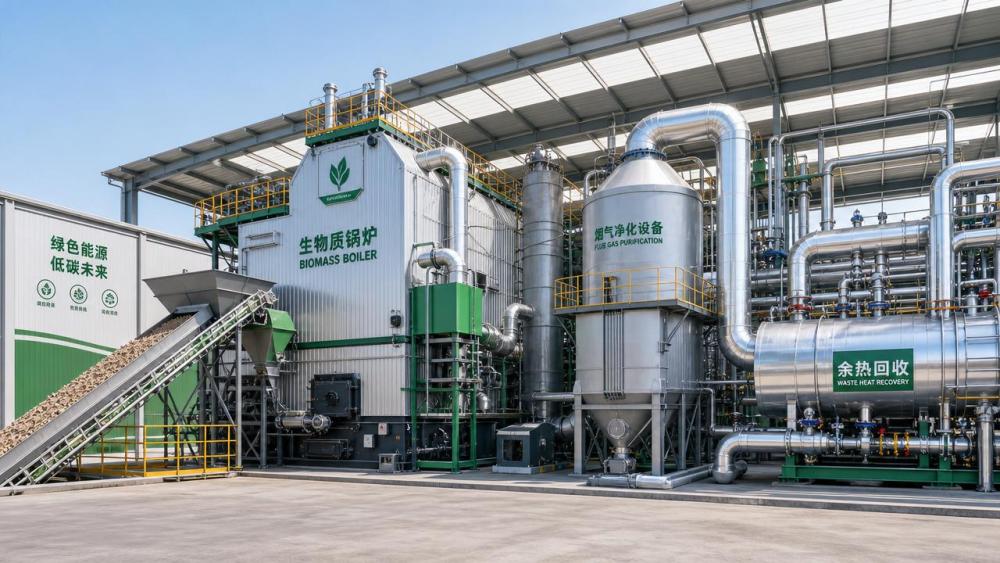
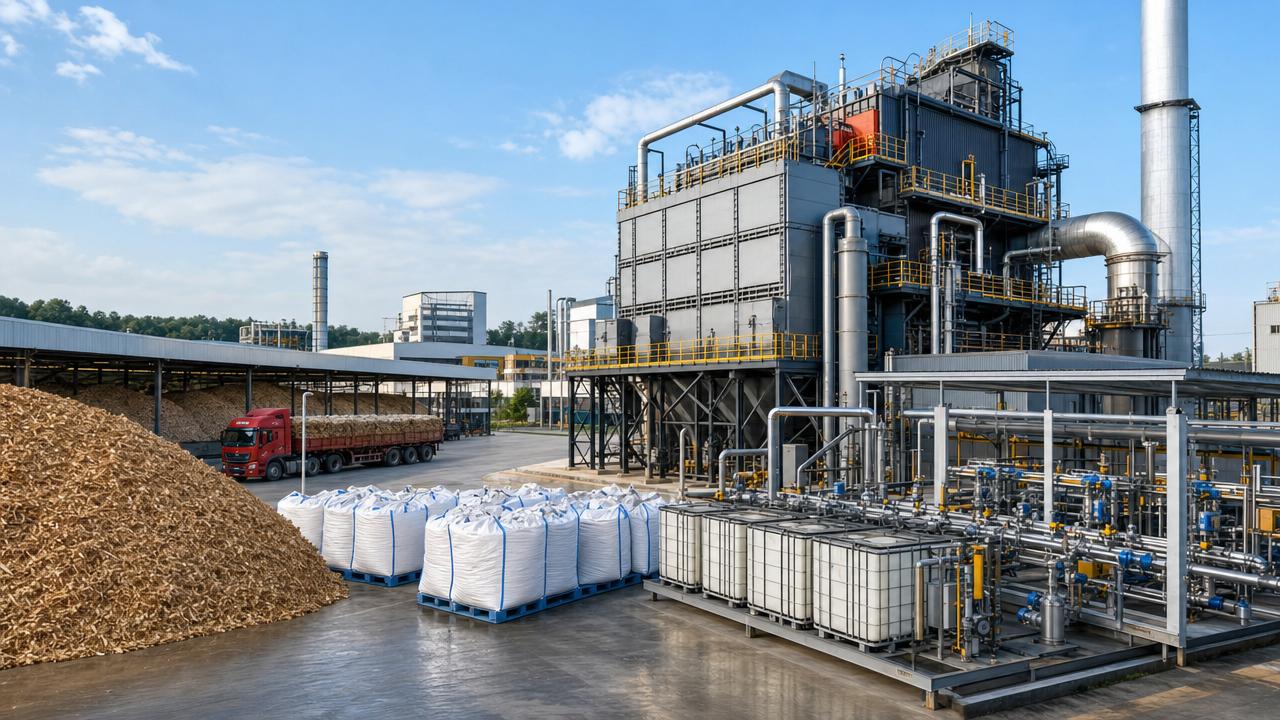
The return of biomass is not driven by nostalgia. It is driven by economics, carbon pressure, and system integration. Modern clean energy technology has improved how biomass is sourced, burned, gasified, and monitored in real operating conditions.
Industrial sites increasingly need flexible energy portfolios. Grid volatility, fuel price swings, and pressure to cut Scope emissions all support local, dispatchable alternatives. Biomass can answer part of that need when fuel quality, heat demand, and emissions compliance are managed well.
This shift is especially relevant in sectors with steady thermal loads. Food processing, pulp, chemicals, district energy, and selected manufacturing operations often value heat as much as electricity. In those cases, biomass gains strength because thermal efficiency can define project value more than simple power output.
The strongest trend signals now visible across energy and thermal systems
Several market signals suggest biomass deserves a second look within broader clean energy technology strategies. These signals are technical, regulatory, and operational rather than purely ideological.
- More attention to process heat decarbonization, not only renewable electricity procurement.
- Growing use of hybrid energy systems combining biomass, heat recovery, and electrified equipment.
- Improved controls that stabilize combustion and lower particulate, NOx, and CO emissions.
- Wider adoption of CHP models where waste heat improves project economics.
- Rising demand for local fuel diversification in regions exposed to gas or power instability.
These signals matter because biomass works best when seen as part of an integrated thermal architecture. It rarely competes alone. It competes as one component in a smarter energy system.
What is driving this change in clean energy technology adoption
The drivers behind biomass reconsideration can be summarized clearly. They show why industrial energy planning is widening beyond one-fuel thinking.
The table shows an important point. Biomass becomes more competitive when energy planning moves from single equipment choices to full thermal system design. That is where clean energy technology creates measurable gains.
Where modern biomass performs better than its older reputation suggests
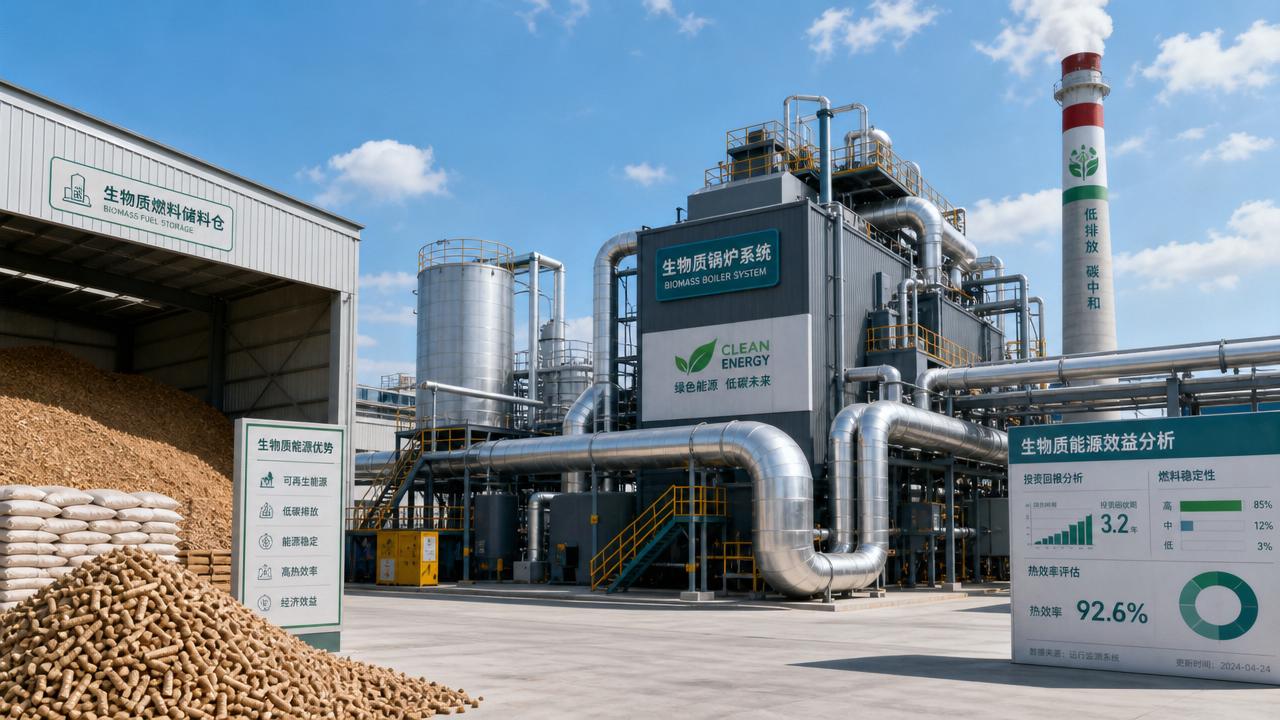
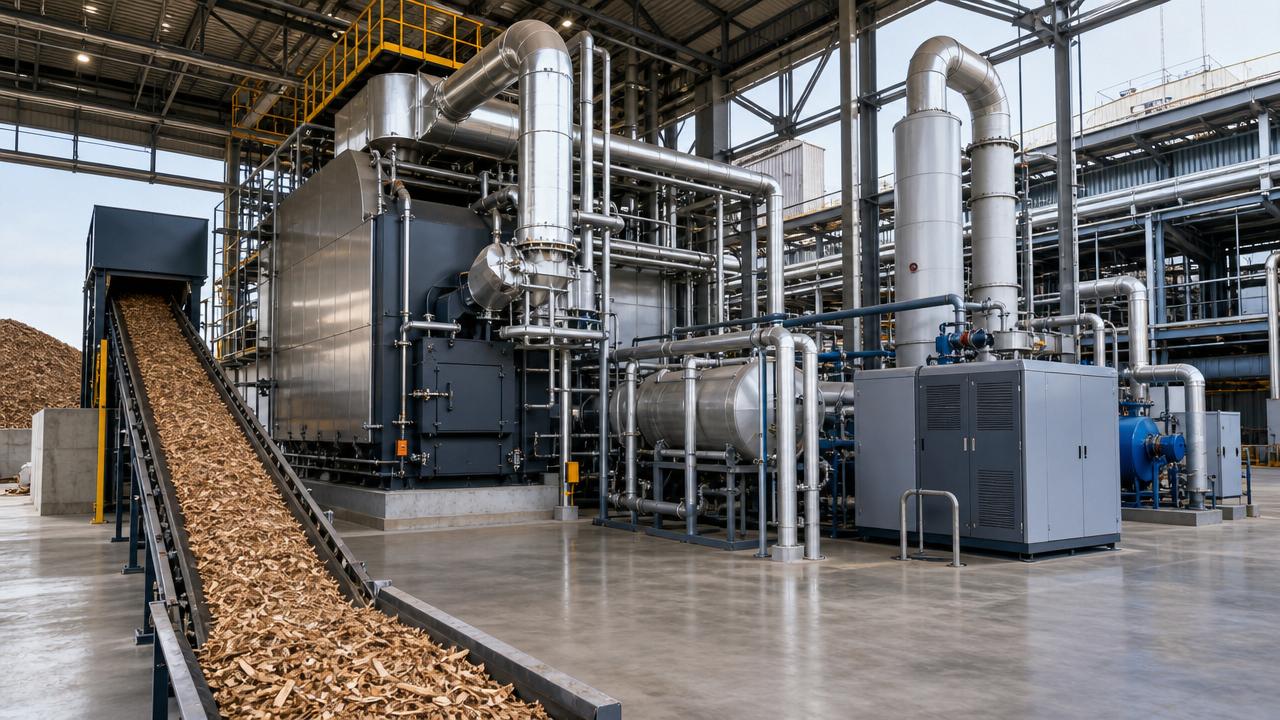
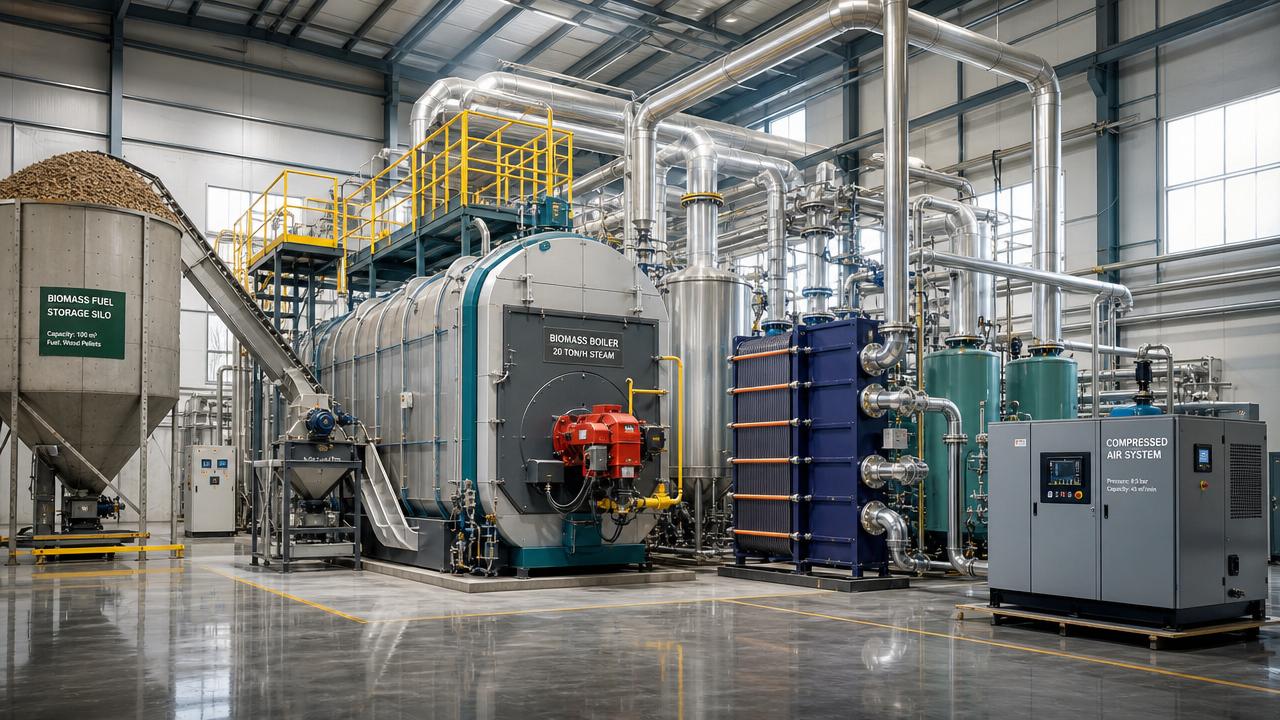
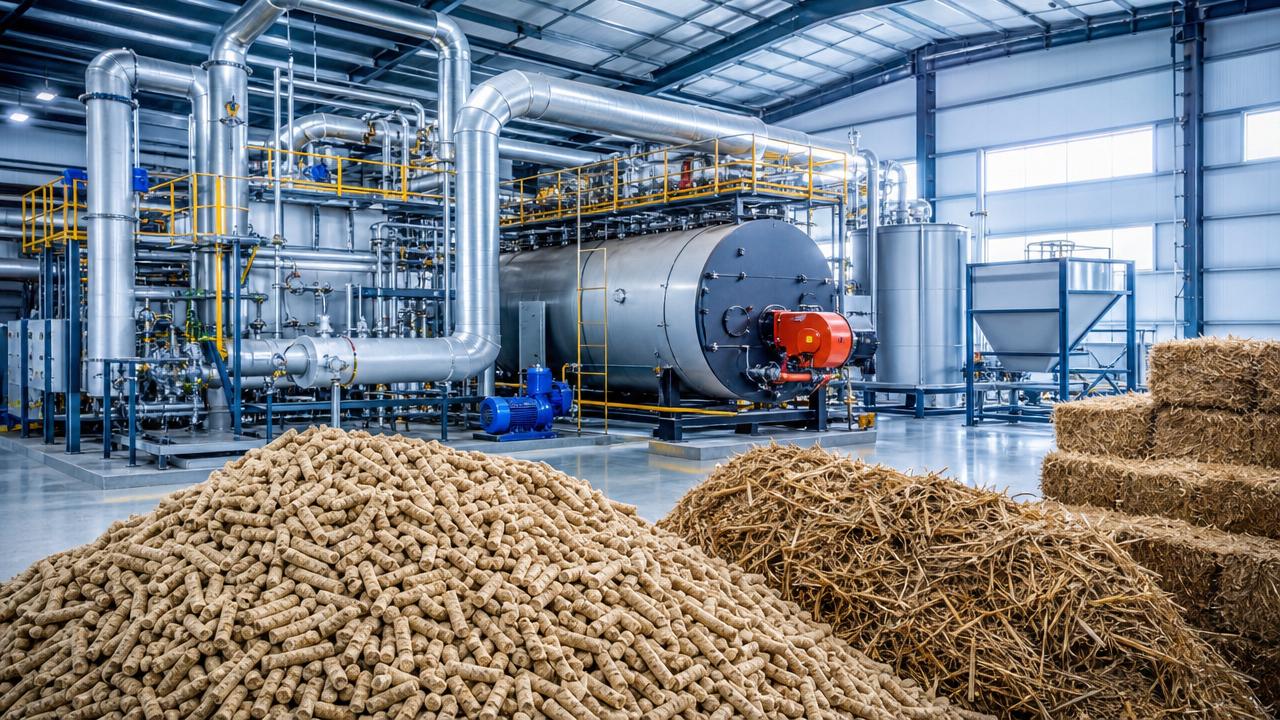
Older biomass projects often suffered from variable fuel quality, weak controls, and limited integration. Newer systems address many of those issues through automation, staged combustion, advanced feed handling, and better heat exchange design.
Smarter conversion and process control
Today’s clean energy technology can track oxygen, moisture, temperature, and load in near real time. That improves combustion stability. It also reduces avoidable losses that once made biomass seem inefficient or difficult to manage.
Better emissions treatment
Modern filtration and flue gas treatment improve compliance performance. Electrostatic precipitators, bag filters, and optimized burners make emissions outcomes more predictable. That directly affects project confidence and permitting success.
Stronger thermal integration
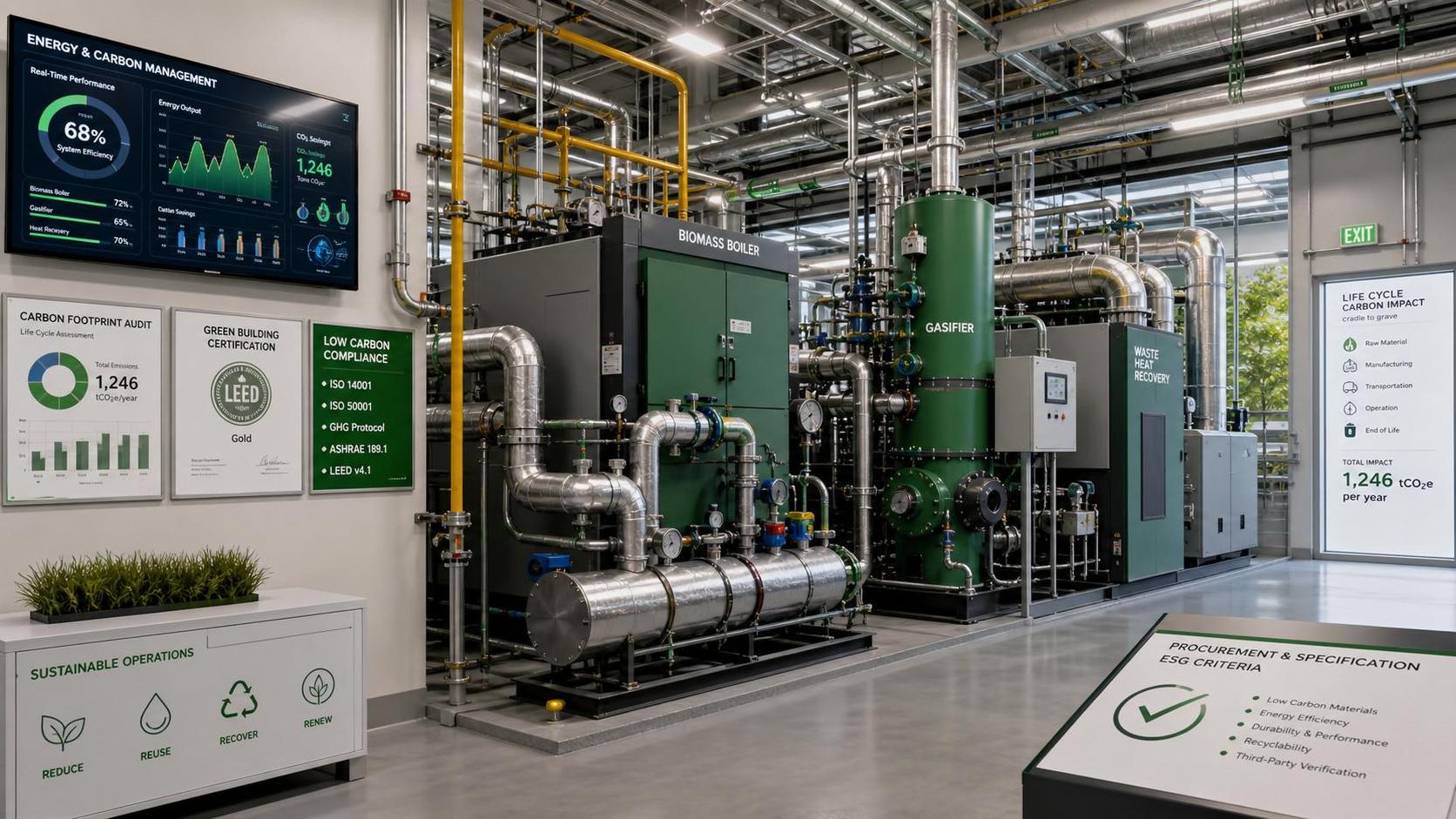
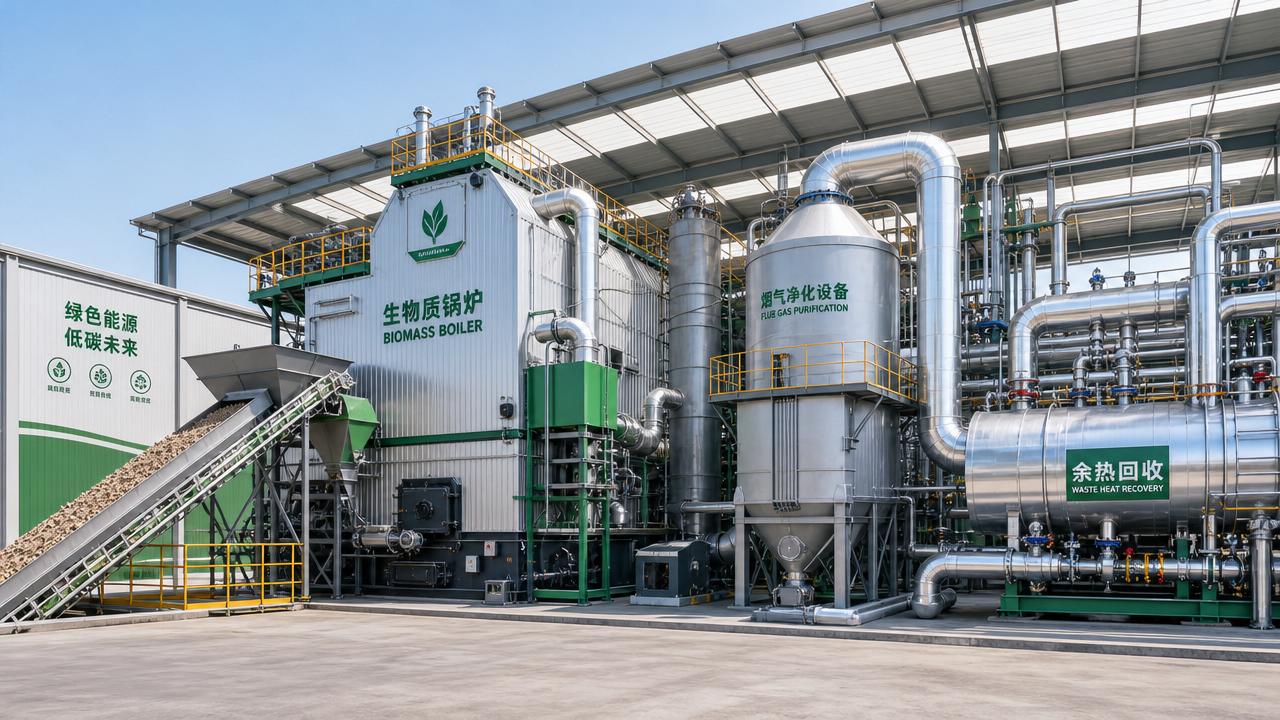
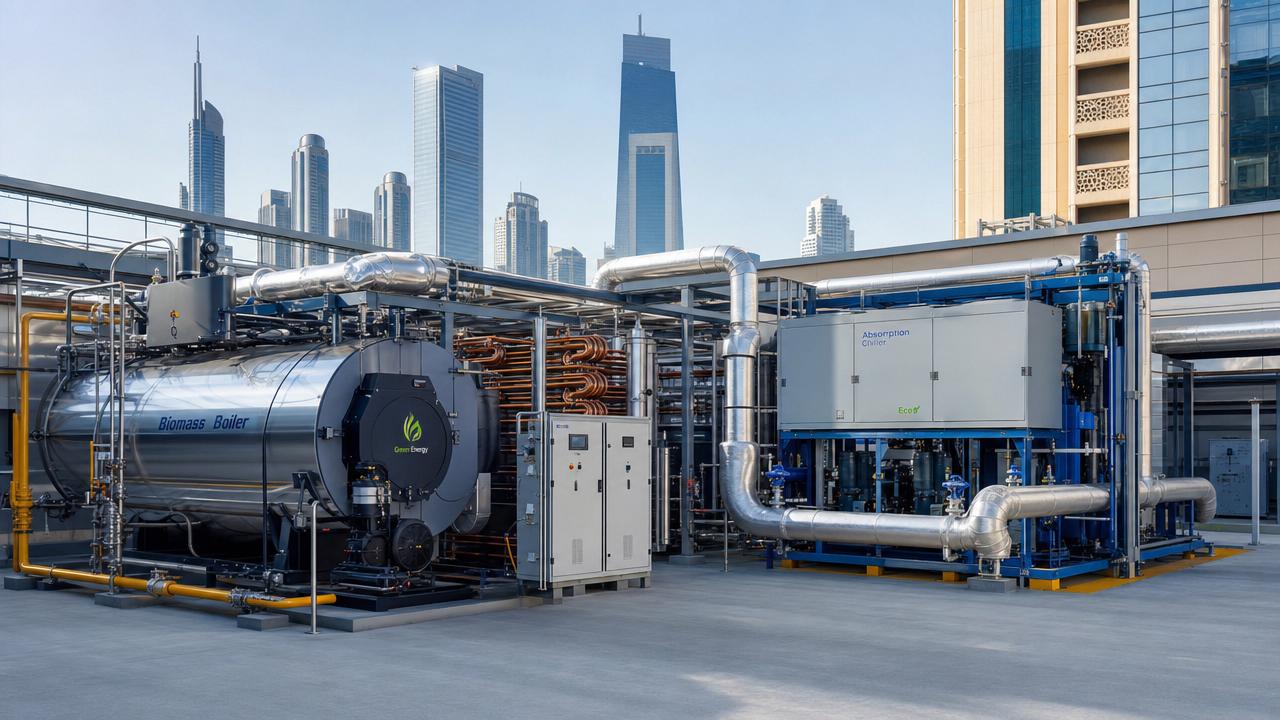
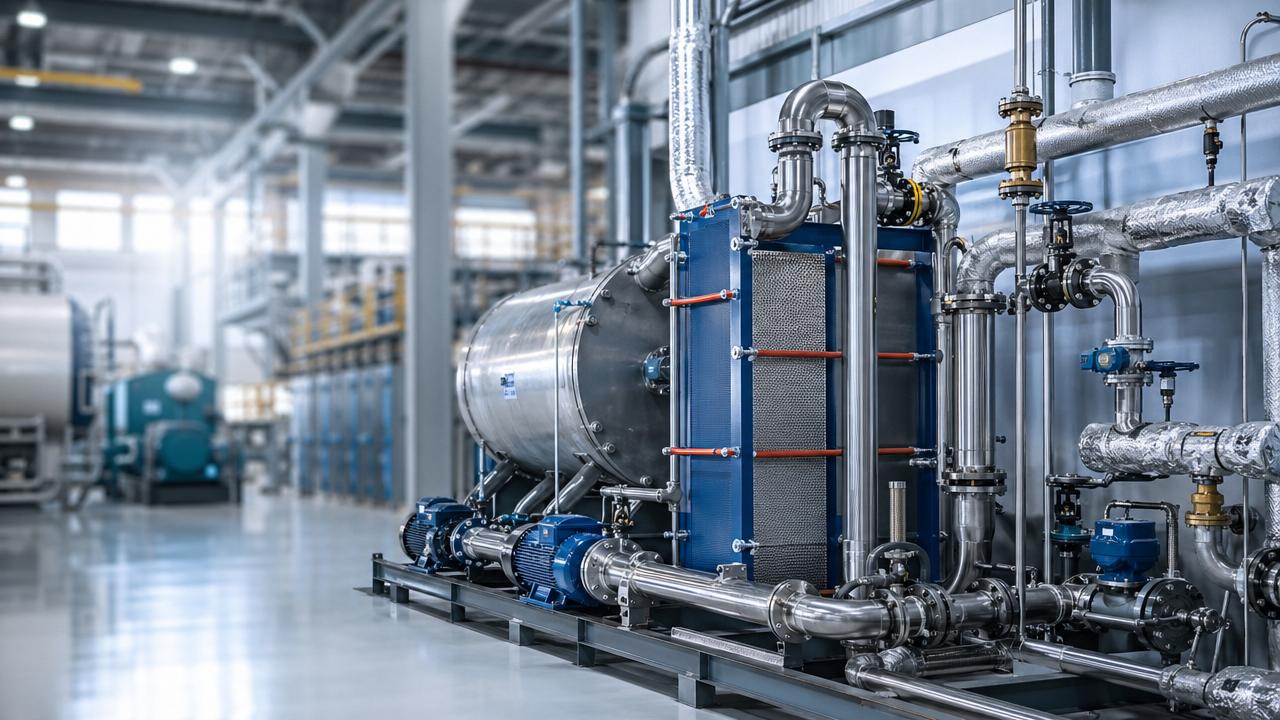
Biomass creates more value when linked with heat exchangers, thermal storage, and waste heat recovery. In industrial settings, recovered heat can support drying, washing, preheating, or low-pressure steam demand. That broader thermal use improves asset utilization.
How this shift affects industrial operations and business planning
Revisiting biomass changes more than the boiler room. It can influence fuel procurement, maintenance planning, utility contracts, site decarbonization sequencing, and reporting frameworks. The operational effect depends on how deeply biomass is integrated into the energy mix.
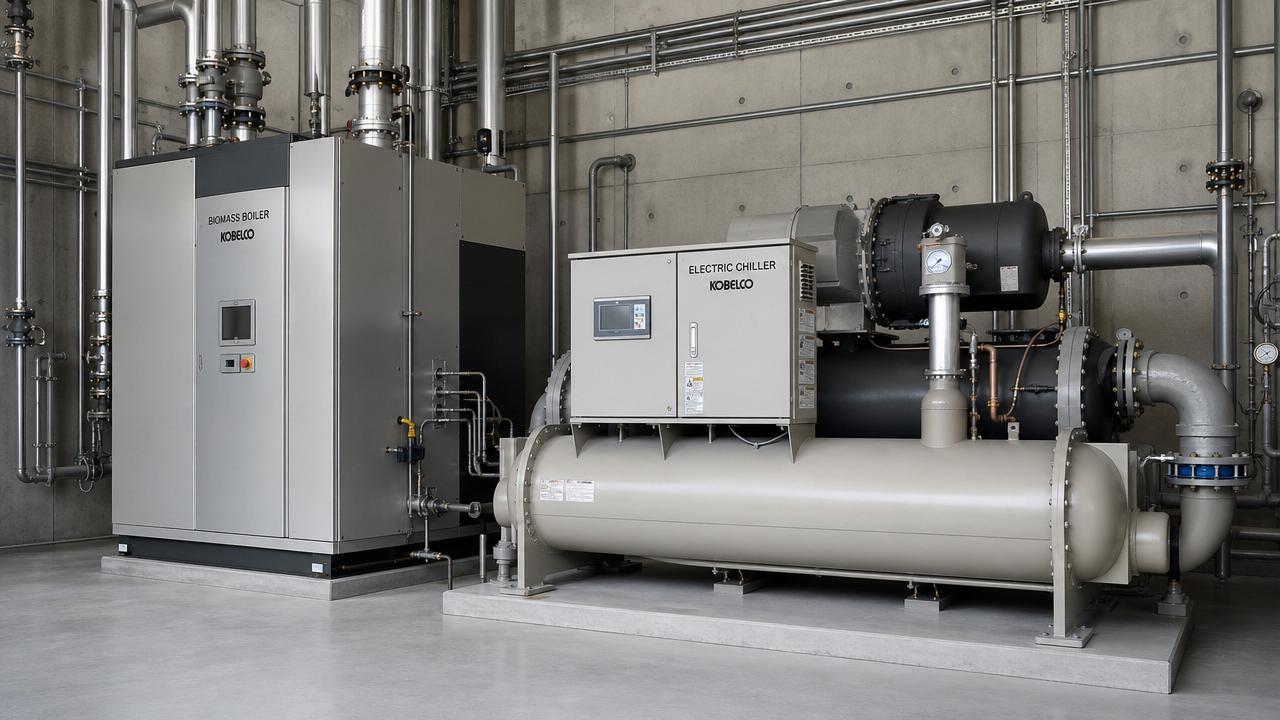
For thermal-intensive sites, biomass may reduce dependence on volatile fossil fuel pricing. For multi-utility facilities, it can reshape how electricity, steam, cooling, and compressed air systems interact. That system view matters because one energy decision often affects several process loads.
- Heat users may gain a more resilient baseload thermal source.
- Power users may benefit more through CHP than through electricity-only schemes.
- Facilities with strong heat recovery can improve total project returns.
- Sites with unstable biomass supply may face quality and logistics risks.
This is why GTC-Matrix-style analysis remains relevant. Biomass should be judged through thermodynamic performance, fuel handling realities, and integration with cooling, compression, and heat exchange systems rather than through headline claims alone.
What deserves close attention before any biomass decision moves forward
Not every project should adopt biomass. Yet every serious decarbonization review should test it against local conditions. The following checkpoints help separate workable opportunities from expensive assumptions.
- Fuel consistency: Moisture, ash, particle size, and seasonal variability change performance.
- Heat profile: Stable thermal demand usually improves economics more than variable demand.
- Space and logistics: Storage, feeding systems, and truck access affect feasibility.
- Emissions compliance: Local air rules can shape technology choice and cost.
- Water and maintenance: Auxiliary resource needs should be mapped early.
- Integration value: Heat exchangers, boilers, and process users must be evaluated together.
These points show why clean energy technology decisions cannot be reduced to fuel price alone. A cheaper fuel can still underperform if system matching is poor. A higher capital design can still win if total thermal efficiency is much stronger.
A practical way to judge whether biomass fits a future-ready energy strategy
A structured review helps turn market interest into grounded action. The goal is not to prove biomass right. The goal is to test whether it strengthens resilience, compliance, and long-term energy efficiency.
- Map current thermal loads by temperature, operating hours, and process criticality.
- Assess local biomass availability, quality ranges, and contract stability.
- Compare boiler-only, CHP, and hybrid scenarios using total energy balance.
- Model emissions control requirements and likely compliance costs.
- Evaluate heat recovery and exchanger upgrades alongside the biomass option.
- Stress-test downtime, storage, and seasonal supply risk assumptions.
This approach aligns with how advanced industrial intelligence platforms assess energy transitions. It reflects the reality that thermal assets, compression systems, and power reliability should be evaluated as one connected performance network.
The next move: revisit biomass through system intelligence, not outdated assumptions
Biomass is not a universal answer. It is a selective opportunity made stronger by modern clean energy technology. Where thermal demand is steady and fuel logistics are credible, it may unlock meaningful gains in resilience, carbon strategy, and operating efficiency.
The most useful next step is a site-level thermal review. Examine heat demand, exchanger performance, utility interactions, and fuel flexibility together. That kind of disciplined analysis reveals whether biomass belongs in the future energy mix or outside it.
In a tighter energy landscape, revisiting biomass is less about returning to the past. It is about applying clean energy technology to practical industrial realities and finding smarter ways to optimize thermal power across the value chain.
Related News
- IEA Report Flags 37% Rise in Biomass Boiler BudgetsAuthor :Thermal Energy Strategist

- Vietnam Tightens Import Rules for Biomass BoilersAuthor :Thermal Energy Strategist

- SASO Tightens NOx Monitoring Rule for Biomass BoilersAuthor :Thermal Energy Strategist

- Vietnam Halts New Biomass Boiler Import PermitsAuthor :Thermal Energy Strategist

- Industrial Biomass Boilers: Key Cost Factors for Heating ProjectsAuthor :Thermal Energy Strategist
![]()
- PSA Jurong Island Launch Cuts Biomass Fuel Clearance to 48 HoursAuthor :Thermal Energy Strategist
![]()
- Vietnam Requires CFP for Imported Biomass BoilersAuthor :Thermal Energy Strategist

- EU Monitoring Tightens Biomass Boiler Steel SupplyAuthor :Thermal Energy Strategist

- ASHRAE 189.1-2026 Adds Biomass Carbon ReviewAuthor :Thermal Energy Strategist

- ACWA Power Sets 45% Local Content Rule in Boiler TenderAuthor :Thermal Energy Strategist

- India BIS Draft Targets Biomass Boiler Data LinksAuthor :Thermal Energy Strategist

- EU REACH SVHC Update Restricts TCEP in Biomass EquipmentAuthor :Thermal Energy Strategist

- China Customs Adds HS Code Rule for Biomass Boiler ExportsAuthor :Thermal Energy Strategist

- China Adds Carbon Traceability Rule for Biomass Boiler ExportsAuthor :Thermal Energy Strategist

- Sugar Import Quota Notice Raises Biomass Fuel Cost FocusAuthor :Thermal Energy Strategist
![]()
- Urea Drops to $577/Ton, Easing Biomass Boiler CostsAuthor :Thermal Energy Strategist

- Urea Falls to $577/Ton, Easing Biomass Boiler Cost PressureAuthor :Thermal Energy Strategist

- Carbon Neutrality Pressures on Biomass Energy ROIAuthor :Thermal Energy Strategist

- Japan's Crude Imports Plunge 64% in April, Boosting Biomass & Chiller AdoptionAuthor :Thermal Energy Strategist

- Indonesia Tightens Thermal Coal Exports, Boosts Biomass & Industrial Chiller DemandAuthor :Thermal Energy Strategist

- Clean Energy Technology Gains That Make Biomass Worth RevisitingAuthor :Thermal Energy Strategist

- Clean Energy Technology Trends Changing Biomass Energy Project ReturnsAuthor :Thermal Energy Strategist

- Carbon Neutrality Pressures on Biomass Energy ProjectsAuthor :Thermal Energy Strategist

- Biomass Energy Cold-Heat Supply System Named in China’s Top 7 Future IndustriesAuthor :Thermal Energy Strategist

- Carbon Neutrality Pressure and Biomass Energy Project PaybackAuthor :Thermal Energy Strategist

- NEOM Green Infrastructure Certification Expands to Biomass CHP SystemsAuthor :Thermal Energy Strategist

- Saudi SASO Mandates NGIC Certification for Biomass CHP SystemsAuthor :Thermal Energy Strategist

- Clean Energy Technology Trends Changing Biomass Energy ProjectsAuthor :Thermal Energy Strategist

- Saudi SASO Mandates NEOM Green Infrastructure Certification for Biomass CHP SystemsAuthor :Thermal Energy Strategist

- Middle East Bans R134a Imports; Biomass CHP Gains TractionAuthor :Thermal Energy Strategist

- Clean Energy Technology and Biomass Energy: What Changes in 2026Author :Thermal Energy Strategist

- Middle East Bans R134a Equipment Imports; Biomass CCHP Gains TractionAuthor :Thermal Energy Strategist

- Canton Fair Phase II: Biomass Boiler Orders Surge 112% from SEAAuthor :Thermal Energy Strategist

- Carbon Neutrality and Biomass Energy: Where the Business Case Is StrongestAuthor :Thermal Energy Strategist

- Industrial Heat Recovery Ideas That Cut Fuel Use in Daily OperationsAuthor :Thermal Energy Strategist