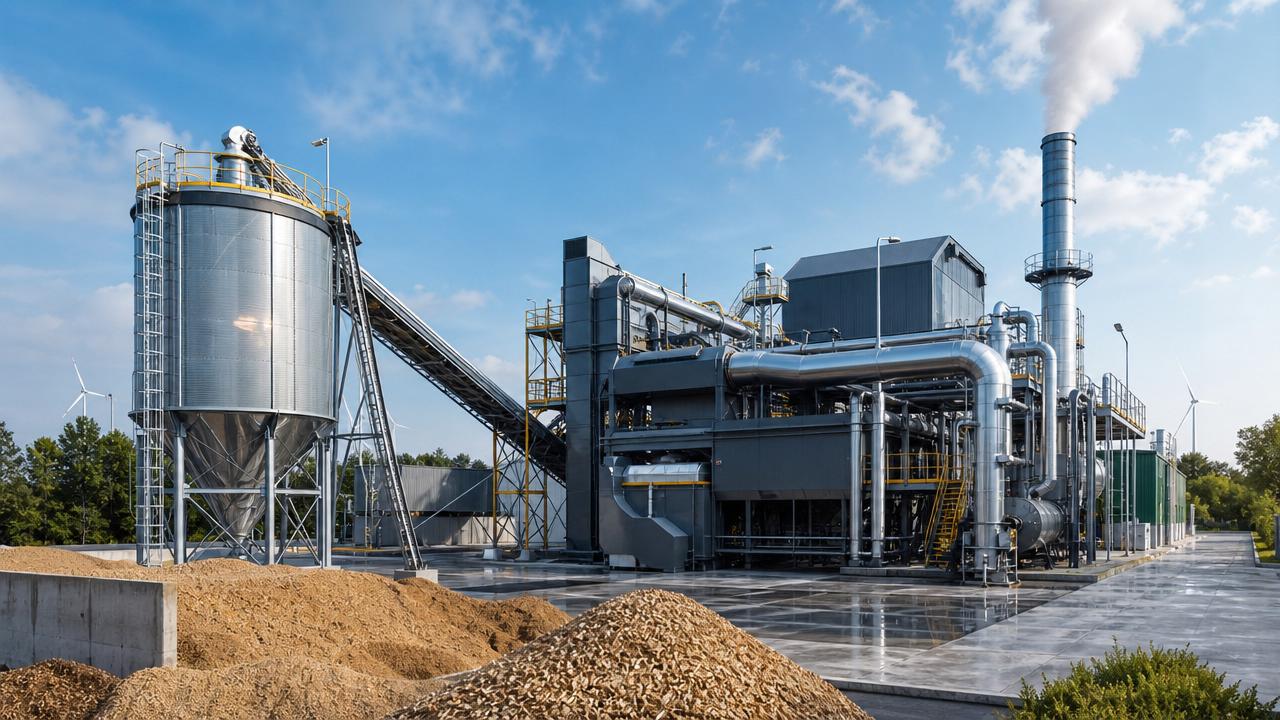
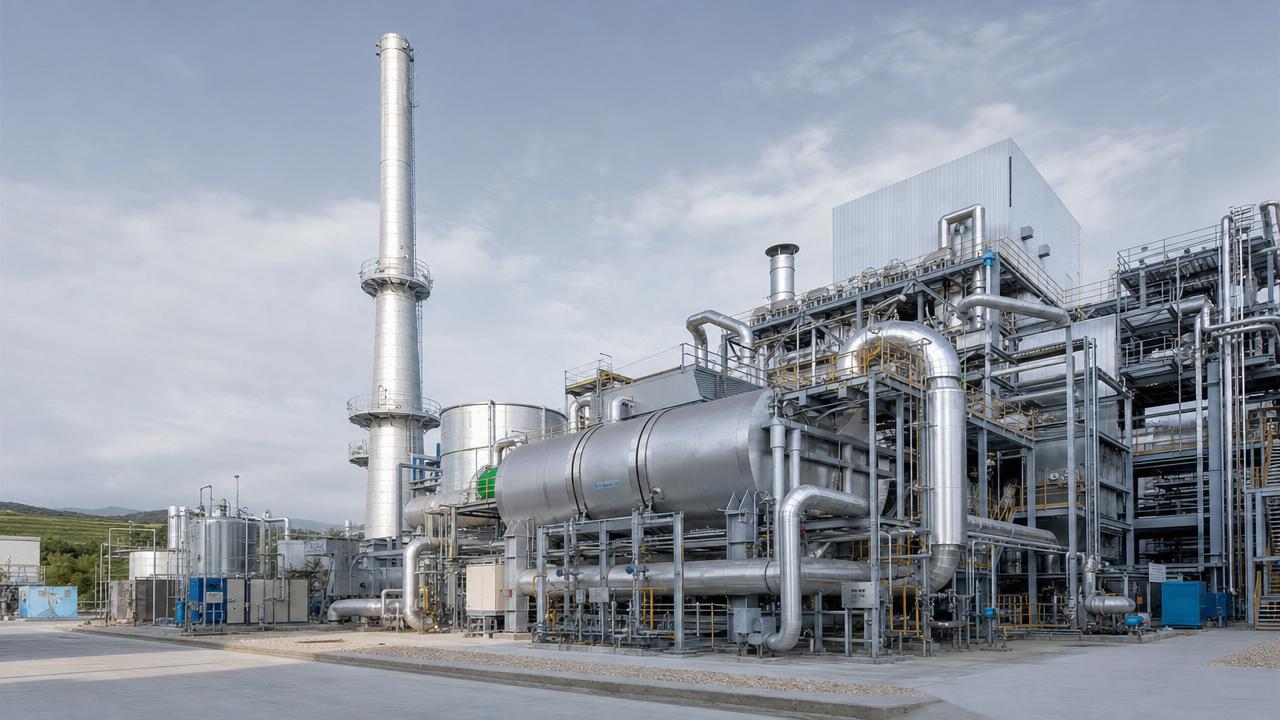
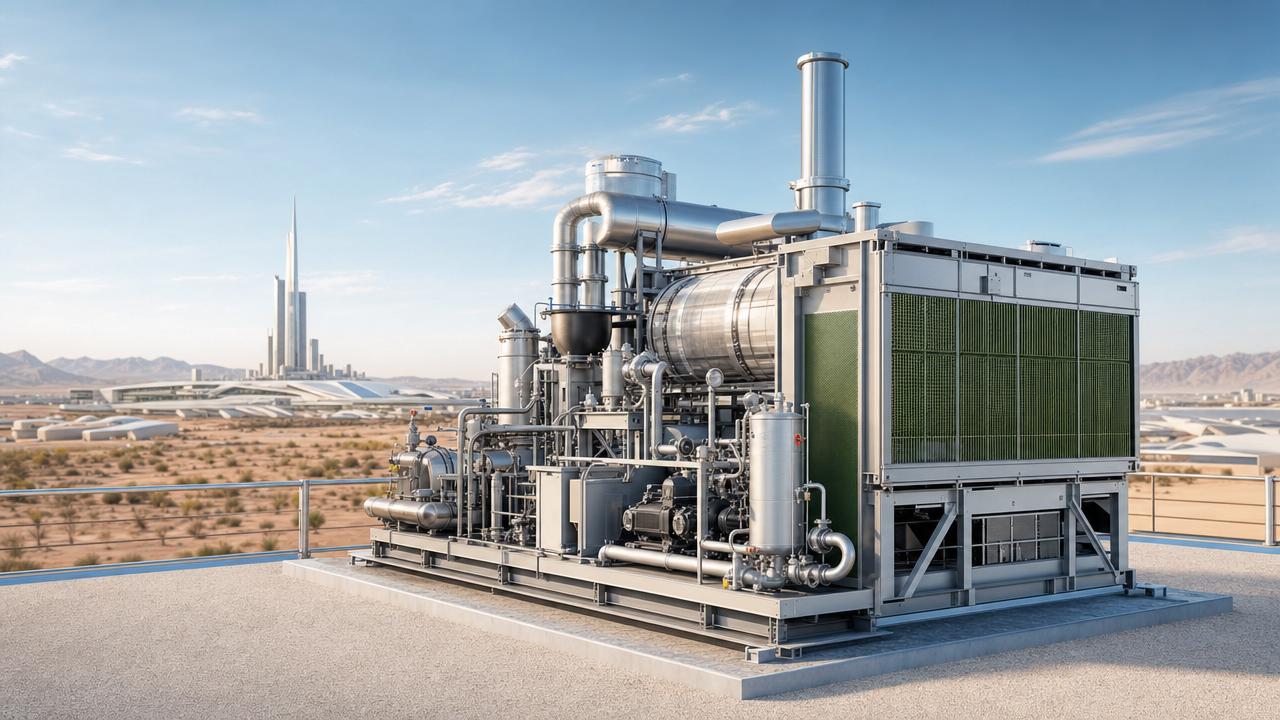
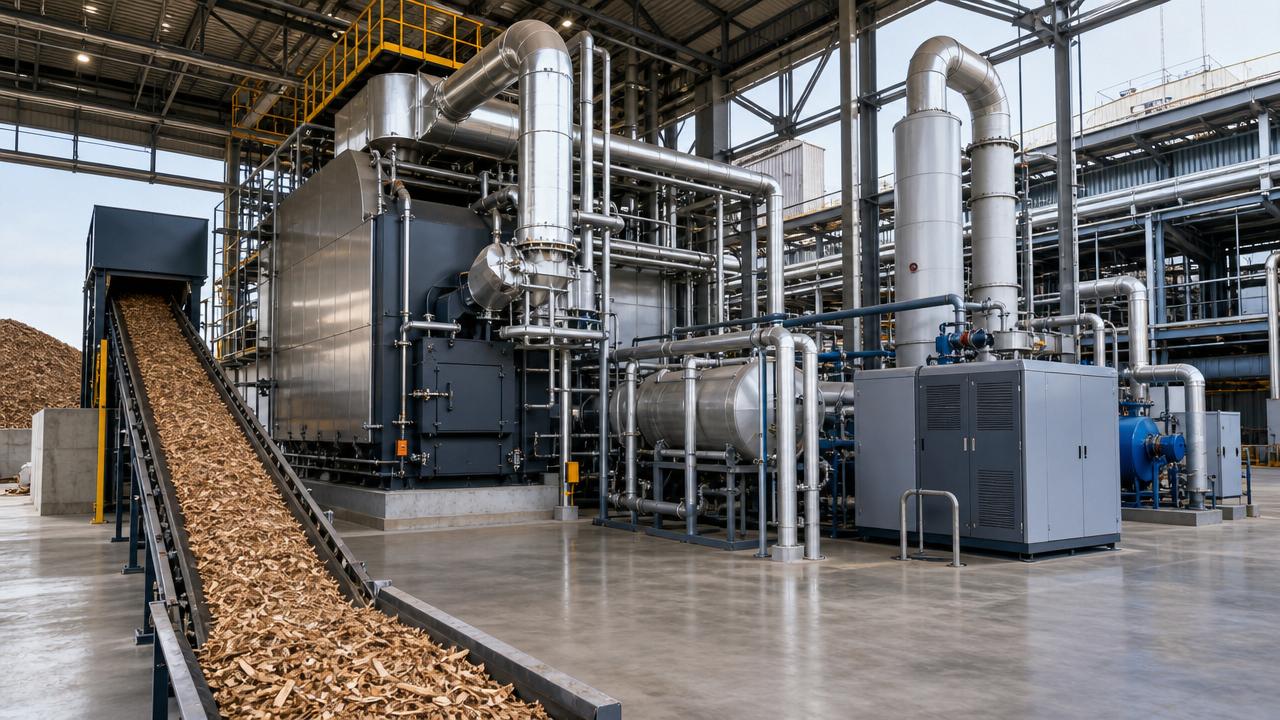
Biomass Energy Cold-Heat Supply System Named in China’s Top 7 Future Industries




On March 26, 2026, the report Top Ten Future Industry Tracks for 2026 officially listed Biomass Energy — specifically cold-heat-electricity tri-generation systems — as one of China’s seven national future industries under the 15th Five-Year Plan. This designation signals immediate implications for international green city projects (e.g., NEOM, Masdar City), procurement requirements for biomass energy systems, and domestic manufacturing capacity — making it highly relevant for clean energy equipment exporters, LCA service providers, biomass feedstock suppliers, and integrated system integrators.
Event Overview
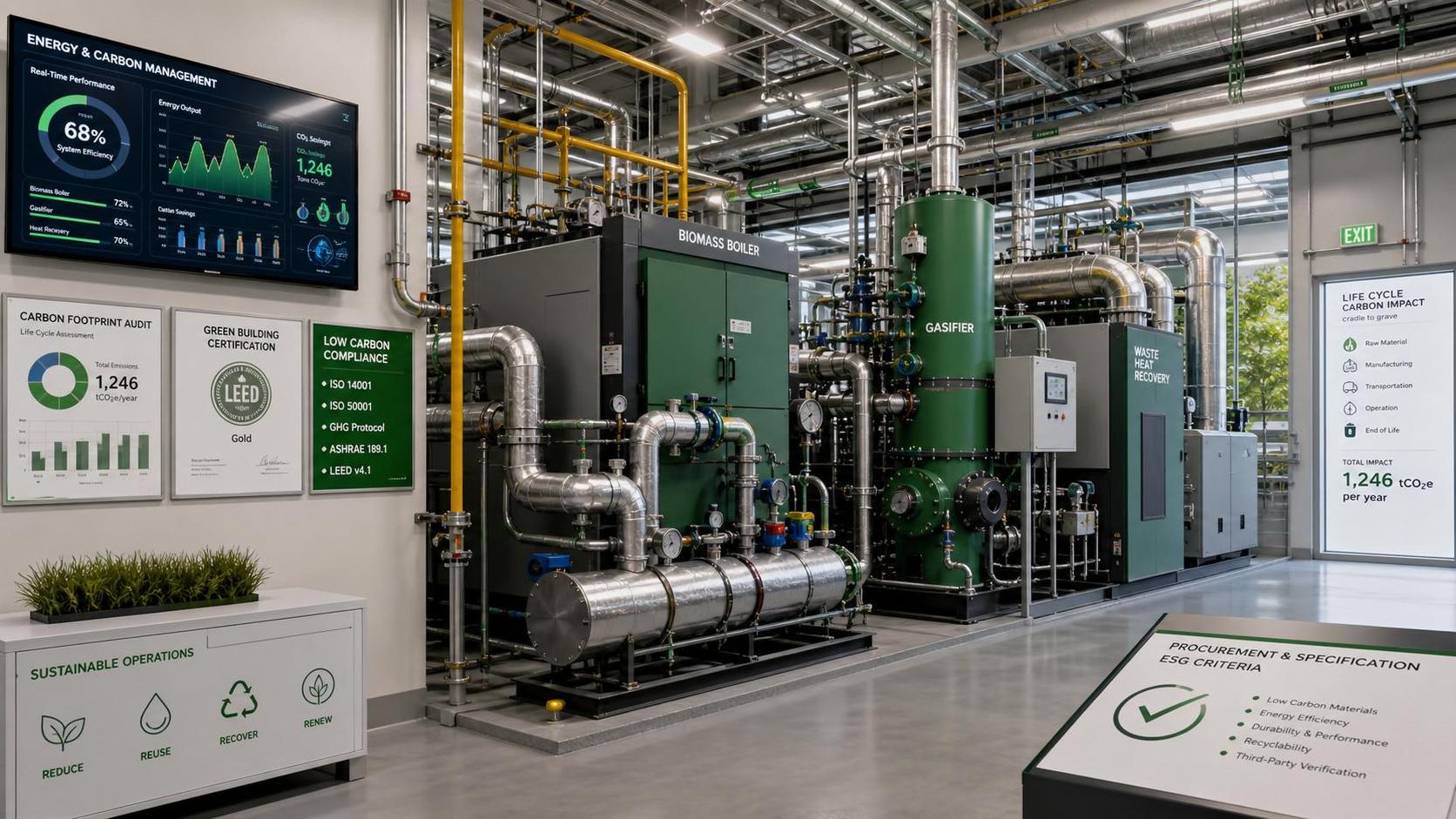
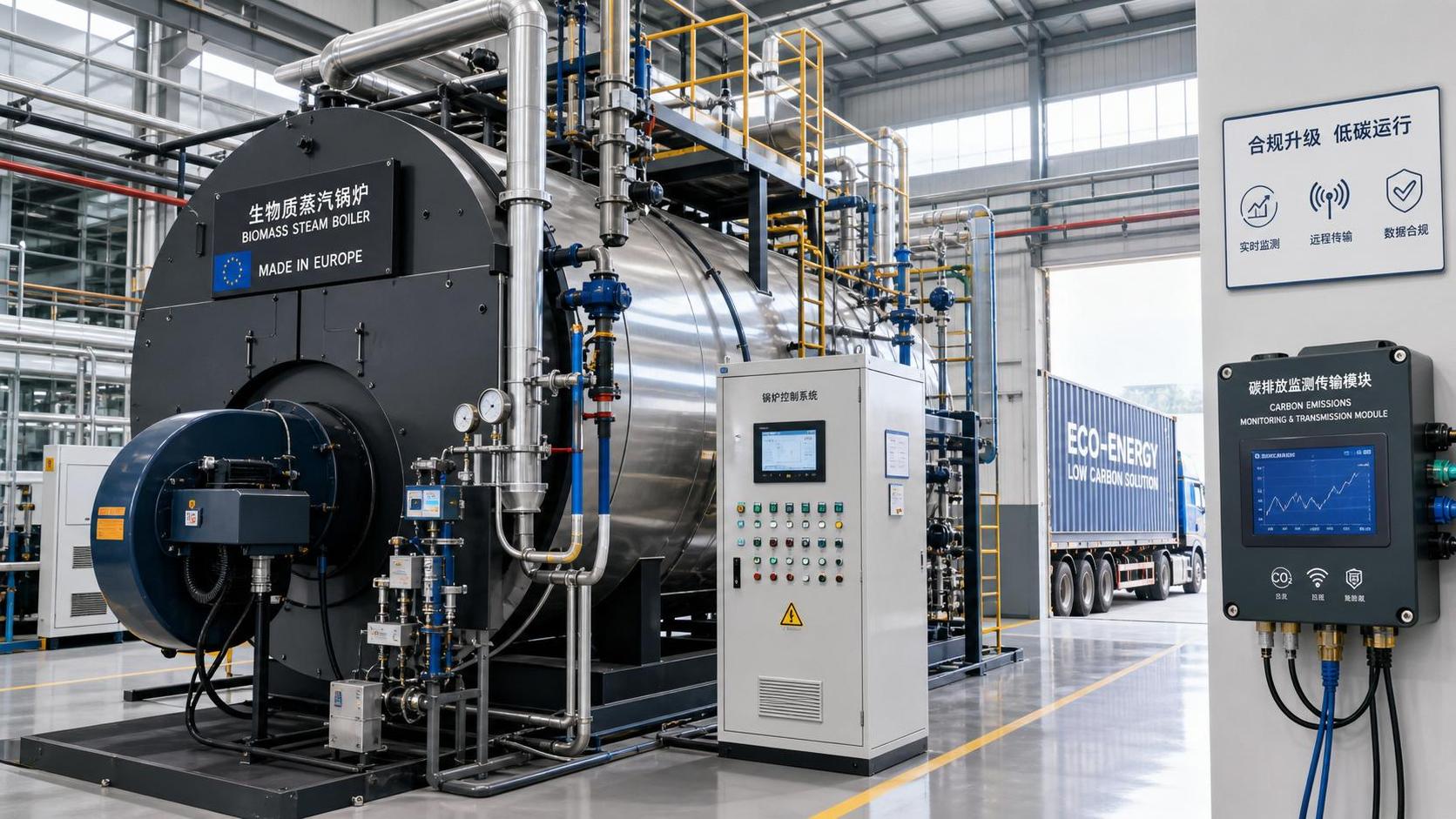
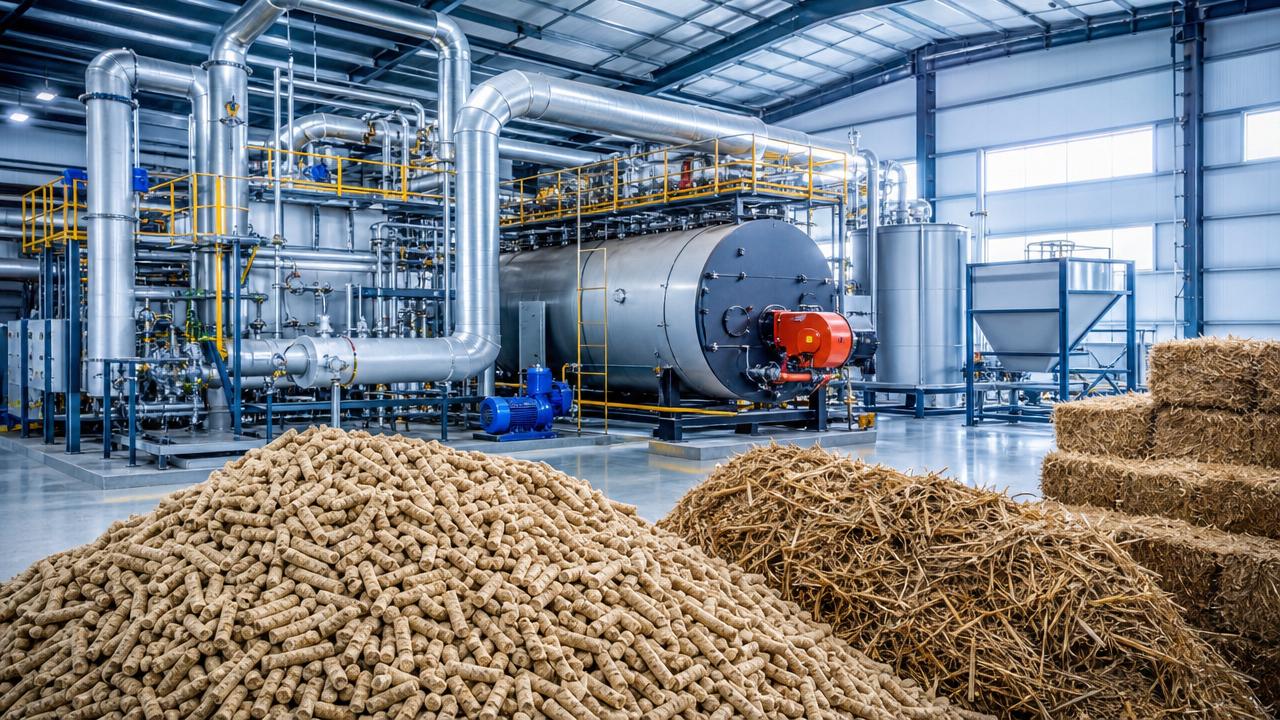
Released on March 26, 2026, the Top Ten Future Industry Tracks for 2026 report identifies Biomass Energy as one of China’s seven national future industries. It explicitly prioritizes cold-heat-electricity tri-generation (CCHP) as the preferred deployment pathway. As a result, overseas green urban development projects — including NEOM in Saudi Arabia and Masdar City in the UAE — have updated their procurement specifications to require certified Life Cycle Assessment (LCA) carbon footprint reports and verified combined heat and power (CHP) efficiency ≥85%. Meanwhile, leading Chinese manufacturers have established three fully automated production lines for biomass pellet gasification coupled with absorption refrigeration, achieving stable delivery cycles of 14 weeks.
Industries Affected
Direct Exporters & Equipment Suppliers
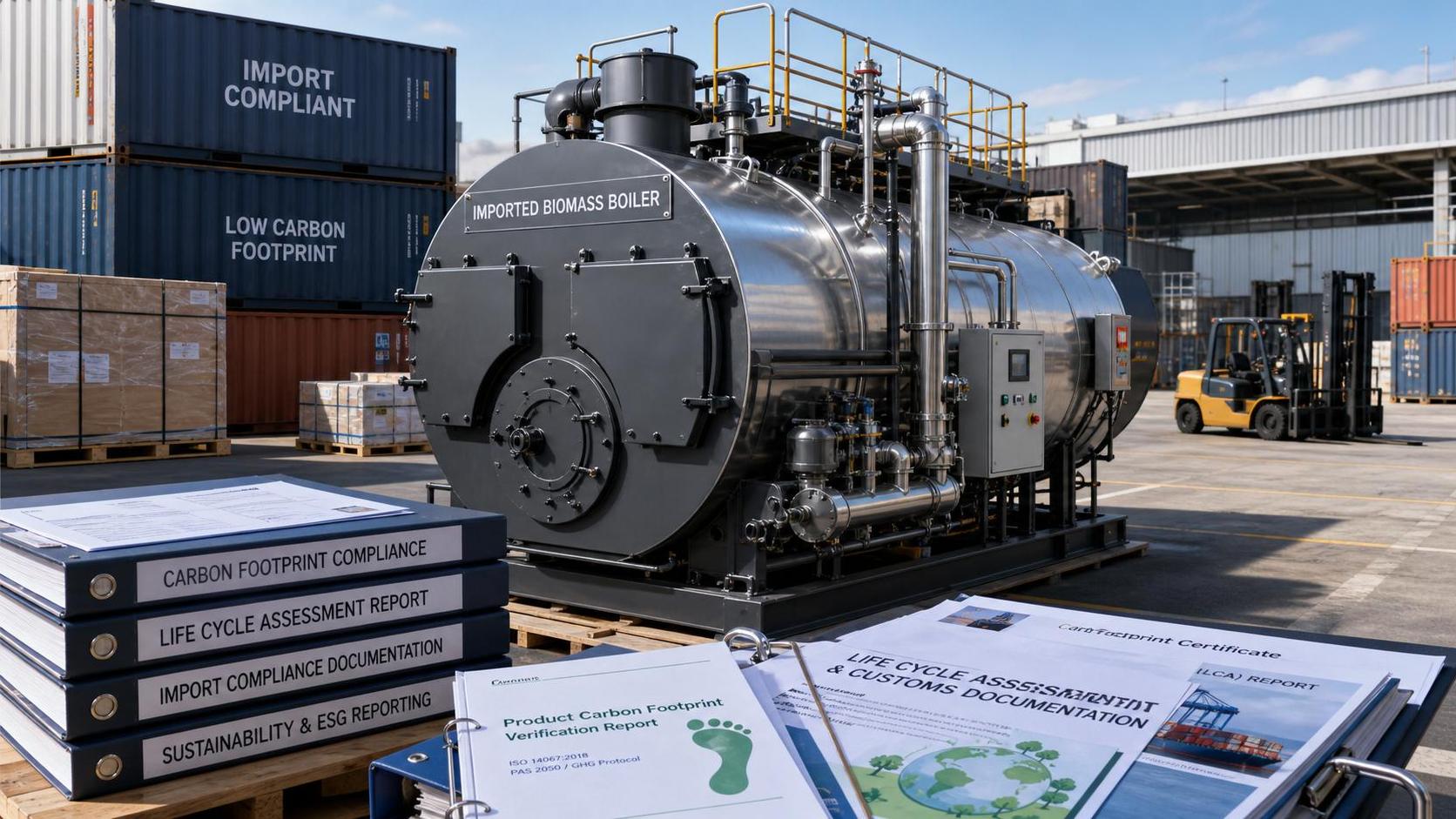
Export-oriented biomass energy system vendors are directly affected because NEOM and Masdar City have revised procurement criteria. The new requirements — mandatory LCA reporting and ≥85% verified CHP efficiency — raise technical and documentation thresholds for market access. Compliance is now a prerequisite for inclusion in tender shortlists.
Biomass Feedstock Procurement & Logistics Providers
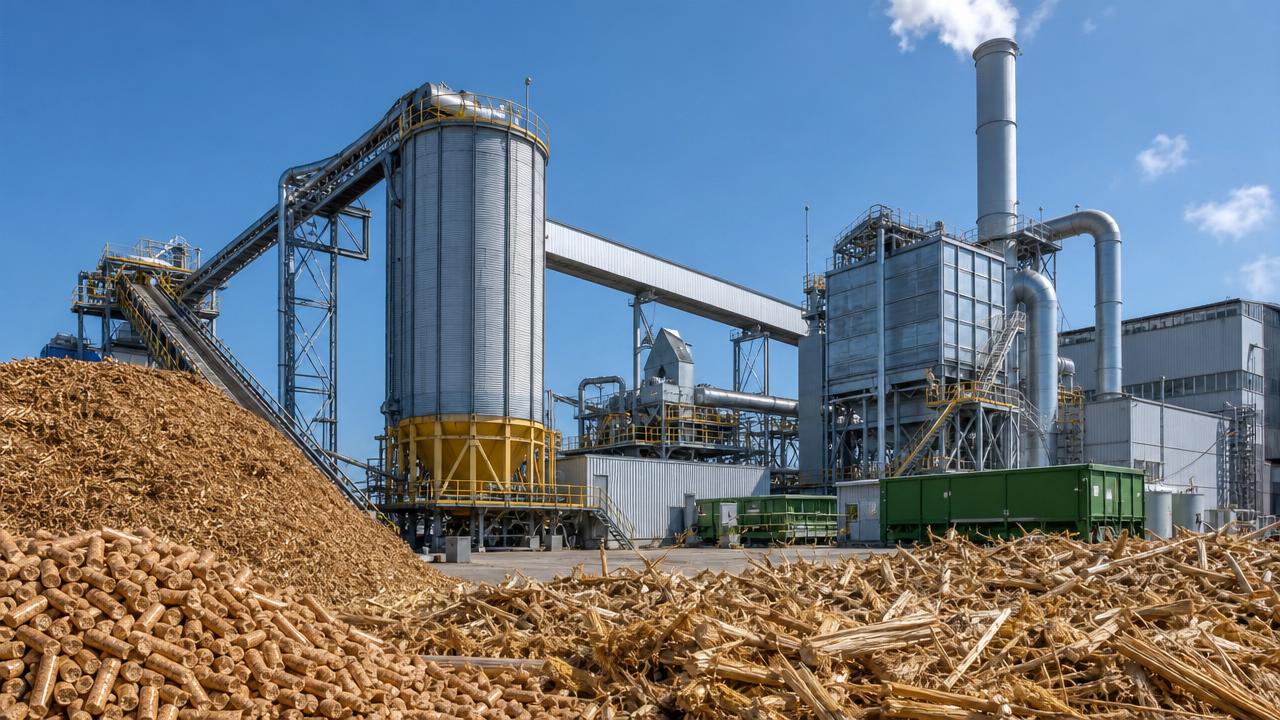
Feedstock suppliers face upstream pressure due to the shift toward standardized, high-consistency biomass pellets required for automated gasification lines. Stable supply of ENplus-certified pellets — with strict moisture, ash, and calorific value specifications — becomes critical to support consistent system performance and efficiency certification.
System Integration & Engineering Contractors
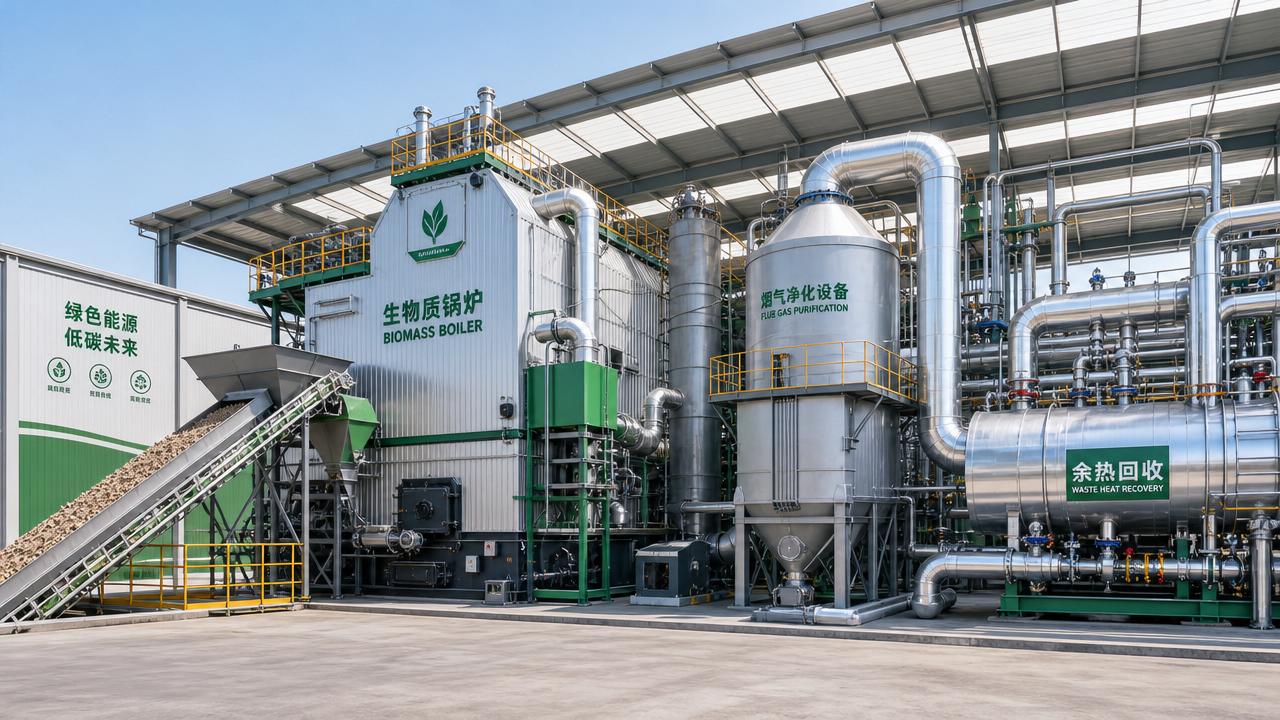
Contractors deploying biomass CCHP systems must now align design documentation with both national future industry guidelines and international green city compliance frameworks. Field verification protocols for thermal and electrical output — especially under partial-load and seasonal cooling demand — are increasingly scrutinized during commissioning.
LCA & Sustainability Verification Service Providers
Third-party LCA reporting has transitioned from optional to mandatory for export bids targeting NEOM and Masdar City. Providers offering ISO 14040/14044-compliant, cradle-to-gate assessments — particularly those validated against regional biomass transport and processing inventories — are seeing rising demand.
What Enterprises and Practitioners Should Focus On Now
Monitor official implementation guidance from NDRC and MIIT
The report names Biomass Energy as a future industry, but sector-specific technical standards, subsidy mechanisms, or pilot project rollouts have not yet been published. Enterprises should track upcoming NDRC/MIIT notices on CCHP system certification pathways and eligibility criteria for ‘future industry’ labeling.
Prioritize verification readiness for key export markets
NEOM and Masdar City now require real-world CHP efficiency ≥85% and LCA documentation. Companies should begin pre-validating test protocols with accredited labs and ensure measurement methodologies align with ISO 50001 and ISO 13602 — especially for absorption chiller integration and part-load performance.
Distinguish between policy signal and near-term commercial traction
This designation reflects strategic intent rather than immediate scale-up. Domestic ‘future industry’ status does not yet equate to guaranteed subsidies or grid priority dispatch. Exporters should treat NEOM/Masdar procurement updates as concrete near-term drivers — while treating domestic policy rollout as a medium-term horizon requiring monitoring.
Align supply chain planning with 14-week delivery cadence
With leading manufacturers stabilizing at 14-week delivery cycles, downstream integrators and EPC firms need to adjust procurement lead times, buffer stock policies, and commissioning scheduling — particularly for Q3–Q4 2026 project windows aligned with green city construction milestones.
Editorial Perspective / Industry Observation
Observably, this listing functions primarily as a formal policy signal — elevating biomass CCHP from a niche renewable solution to a nationally prioritized infrastructure category. Analysis shows it does not yet trigger automatic funding or regulatory mandates, but it does accelerate alignment across export compliance, domestic standard-setting, and manufacturing investment. From an industry perspective, the real impact lies less in the label itself and more in how quickly supporting frameworks — such as standardized LCA templates, third-party verification benchmarks, and grid interconnection rules for tri-generation — follow. Continued attention is warranted not because the policy is fully operational, but because its implementation rhythm will shape qualification timelines for both domestic pilots and international tenders over the next 12–18 months.
In summary, the inclusion of Biomass Energy cold-heat supply systems in China’s top seven future industries marks a formal recognition of its role in integrated decarbonization infrastructure — but its practical significance today resides mainly in tightened export compliance requirements and emerging manufacturing discipline. It is best understood not as an immediate market catalyst, but as a coordinated inflection point where policy direction, international procurement rules, and industrial capability are beginning to converge.
Source: Top Ten Future Industry Tracks for 2026 (released March 26, 2026); public procurement updates from NEOM and Masdar City (confirmed March 2026); manufacturer capacity disclosures (publicly reported March 2026).
Parts requiring ongoing observation: NDRC/MIIT technical standards, subsidy mechanisms, and grid integration rules specific to biomass CCHP systems.
Related News
- IEA Report Flags 37% Rise in Biomass Boiler BudgetsAuthor :Thermal Energy Strategist

- Vietnam Tightens Import Rules for Biomass BoilersAuthor :Thermal Energy Strategist

- SASO Tightens NOx Monitoring Rule for Biomass BoilersAuthor :Thermal Energy Strategist

- Vietnam Halts New Biomass Boiler Import PermitsAuthor :Thermal Energy Strategist

- Industrial Biomass Boilers: Key Cost Factors for Heating ProjectsAuthor :Thermal Energy Strategist
![]()
- PSA Jurong Island Launch Cuts Biomass Fuel Clearance to 48 HoursAuthor :Thermal Energy Strategist
![]()
- Vietnam Requires CFP for Imported Biomass BoilersAuthor :Thermal Energy Strategist

- EU Monitoring Tightens Biomass Boiler Steel SupplyAuthor :Thermal Energy Strategist

- ASHRAE 189.1-2026 Adds Biomass Carbon ReviewAuthor :Thermal Energy Strategist

- ACWA Power Sets 45% Local Content Rule in Boiler TenderAuthor :Thermal Energy Strategist

- India BIS Draft Targets Biomass Boiler Data LinksAuthor :Thermal Energy Strategist

- EU REACH SVHC Update Restricts TCEP in Biomass EquipmentAuthor :Thermal Energy Strategist

- China Customs Adds HS Code Rule for Biomass Boiler ExportsAuthor :Thermal Energy Strategist

- China Adds Carbon Traceability Rule for Biomass Boiler ExportsAuthor :Thermal Energy Strategist

- Sugar Import Quota Notice Raises Biomass Fuel Cost FocusAuthor :Thermal Energy Strategist
![]()
- Urea Drops to $577/Ton, Easing Biomass Boiler CostsAuthor :Thermal Energy Strategist

- Urea Falls to $577/Ton, Easing Biomass Boiler Cost PressureAuthor :Thermal Energy Strategist

- Carbon Neutrality Pressures on Biomass Energy ROIAuthor :Thermal Energy Strategist

- Japan's Crude Imports Plunge 64% in April, Boosting Biomass & Chiller AdoptionAuthor :Thermal Energy Strategist

- Indonesia Tightens Thermal Coal Exports, Boosts Biomass & Industrial Chiller DemandAuthor :Thermal Energy Strategist

- Clean Energy Technology Gains That Make Biomass Worth RevisitingAuthor :Thermal Energy Strategist

- Clean Energy Technology Trends Changing Biomass Energy Project ReturnsAuthor :Thermal Energy Strategist

- Carbon Neutrality Pressures on Biomass Energy ProjectsAuthor :Thermal Energy Strategist

- Biomass Energy Cold-Heat Supply System Named in China’s Top 7 Future IndustriesAuthor :Thermal Energy Strategist

- Carbon Neutrality Pressure and Biomass Energy Project PaybackAuthor :Thermal Energy Strategist

- NEOM Green Infrastructure Certification Expands to Biomass CHP SystemsAuthor :Thermal Energy Strategist

- Saudi SASO Mandates NGIC Certification for Biomass CHP SystemsAuthor :Thermal Energy Strategist

- Clean Energy Technology Trends Changing Biomass Energy ProjectsAuthor :Thermal Energy Strategist

- Saudi SASO Mandates NEOM Green Infrastructure Certification for Biomass CHP SystemsAuthor :Thermal Energy Strategist

- Middle East Bans R134a Imports; Biomass CHP Gains TractionAuthor :Thermal Energy Strategist

- Clean Energy Technology and Biomass Energy: What Changes in 2026Author :Thermal Energy Strategist

- Middle East Bans R134a Equipment Imports; Biomass CCHP Gains TractionAuthor :Thermal Energy Strategist

- Canton Fair Phase II: Biomass Boiler Orders Surge 112% from SEAAuthor :Thermal Energy Strategist

- Carbon Neutrality and Biomass Energy: Where the Business Case Is StrongestAuthor :Thermal Energy Strategist

- Industrial Heat Recovery Ideas That Cut Fuel Use in Daily OperationsAuthor :Thermal Energy Strategist