Indonesia Tightens Thermal Coal Exports, Boosts Biomass & Industrial Chiller Demand




Indonesia — supplier of around 50% of global thermal coal exports — is reviewing measures to raise export duties and mandate domestic coal prioritization for power plants. While the exact timing remains unconfirmed, the move coincides with heightened shipping risks in the Strait of Hormuz, prompting rising fuel cost pressure and supply uncertainty for steam boiler operations across Asia. This development directly affects manufacturers relying on coal-fired thermal energy, especially in Southeast and South Asia, and accelerates evaluation of alternative heat sources including biomass energy systems and industrial chillers with thermal recovery capabilities.
Event Overview
Indonesia is conducting a policy review to potentially increase thermal coal export taxes and enforce mandatory allocation of coal output to domestic power generation facilities. No official implementation date or finalized regulatory text has been published. The initiative is linked to domestic energy security concerns and broader regional maritime logistics challenges, notably increased volatility in the Strait of Hormuz. No further details on tariff levels, enforcement mechanisms, or transition timelines have been disclosed publicly.
Impact on Specific Industry Segments
Thermal Coal Importers & Trading Firms
These entities face potential cost inflation and reduced availability of Indonesian thermal coal — a dominant source for many Asian buyers. Impact manifests as narrower margins, longer lead times, and increased need for origin diversification (e.g., Australia, Russia, South Africa) — though alternatives may carry higher landed costs or logistical constraints.
Coal-Dependent Power Generators (Domestic & Regional)
Utilities and independent power producers reliant on imported Indonesian coal — particularly in the Philippines, Vietnam, Bangladesh, and Sri Lanka — may experience upward pressure on steam generation costs and operational scheduling uncertainty. Fuel substitution planning becomes operationally urgent where boiler flexibility allows.
Industrial Steam Users (Textiles, Food Processing, Paper, Chemicals)
Manufacturers operating coal-fired steam boilers face dual pressures: rising fuel input costs and increasing scrutiny over emissions compliance. Supply instability further complicates long-term production planning and maintenance cycles, making thermal system retrofitting more economically justifiable.
Energy System Integrators & Equipment Suppliers
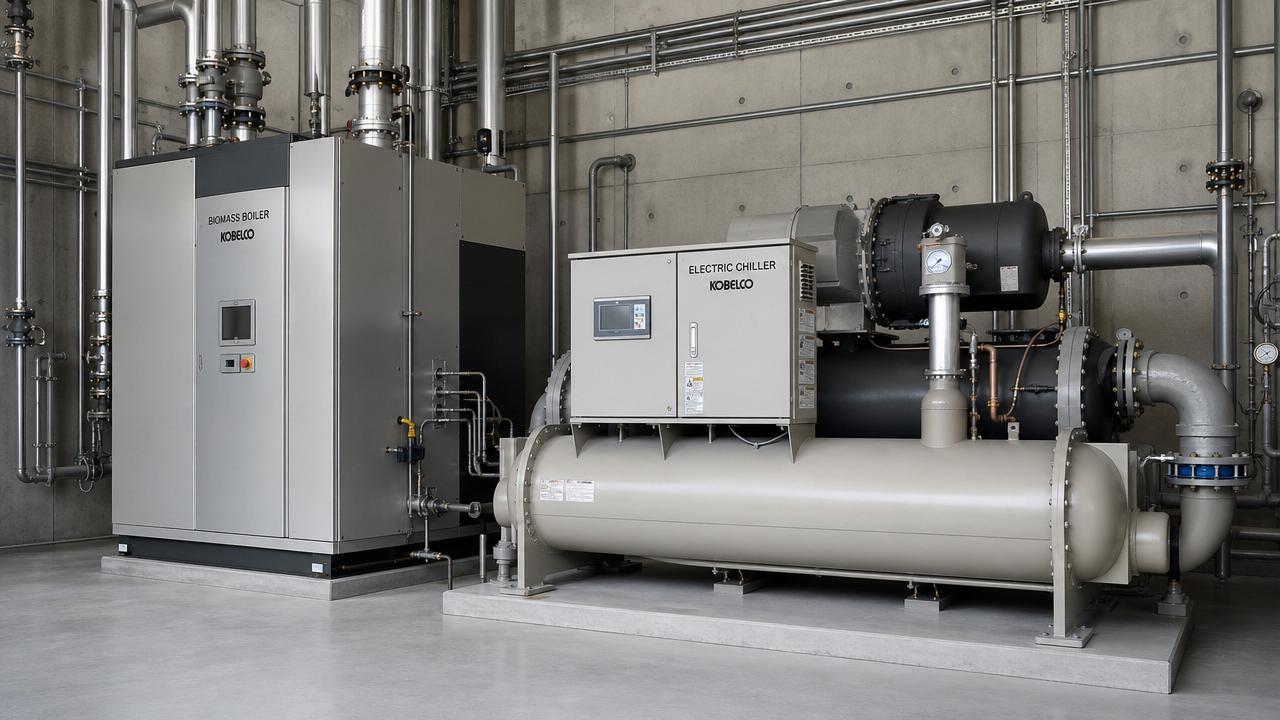
Firms offering biomass steam generators, thermal oil heaters, or industrial chillers with waste-heat recovery functionality are seeing accelerated technical inquiries from ASEAN and SAARC-based clients. Demand is specifically oriented toward solutions compatible with existing plant infrastructure and certified to international standards (e.g., ASME, ISO 50001).
What Relevant Enterprises or Practitioners Should Monitor and Do Now
Track official updates from Indonesia’s Ministry of Energy and Mineral Resources
Monitor for formal announcements regarding export duty adjustments, domestic allocation quotas, or licensing requirements — not just media reports. Policy drafts or consultation documents, if released, will signal implementation direction and timeline.
Assess boiler flexibility and fuel-switching feasibility at facility level
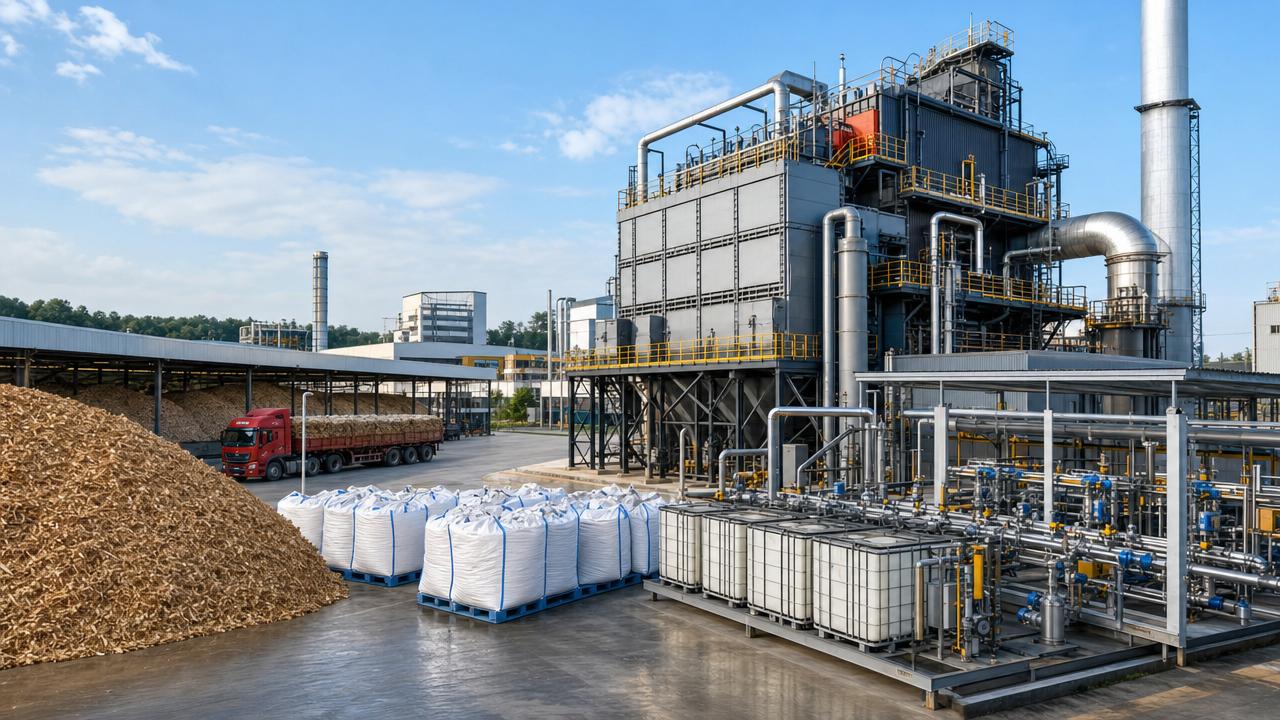
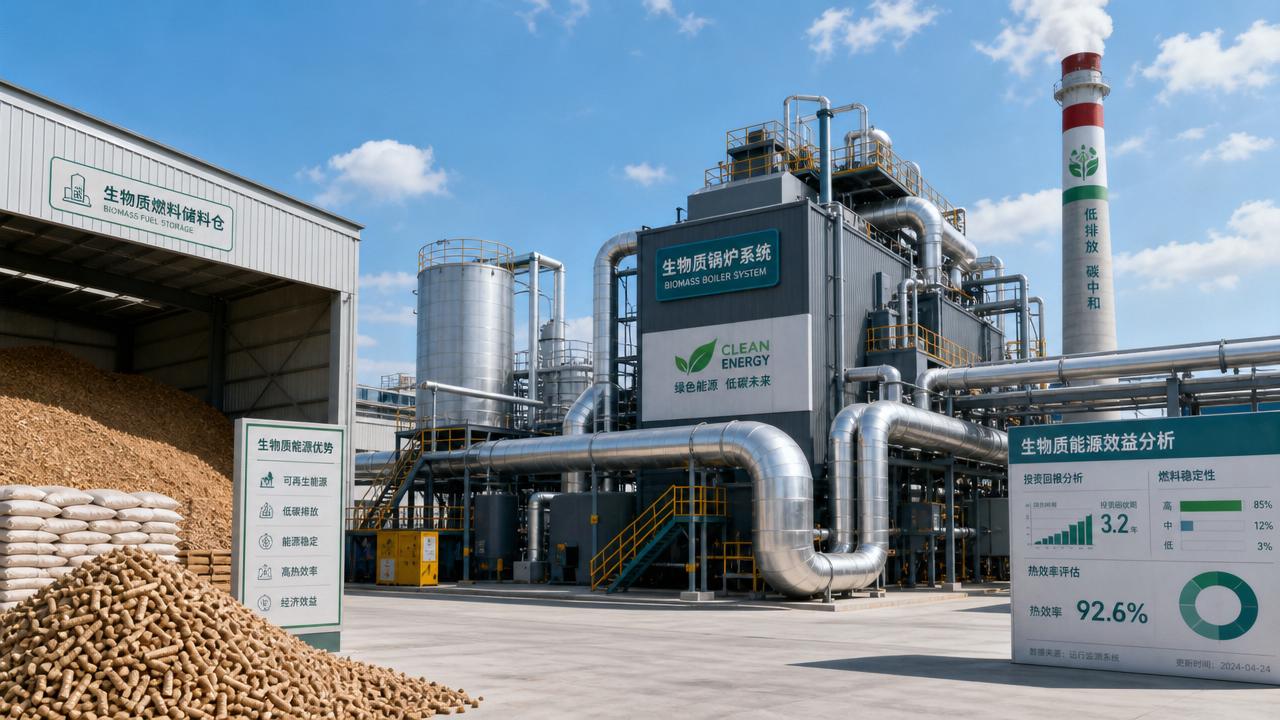
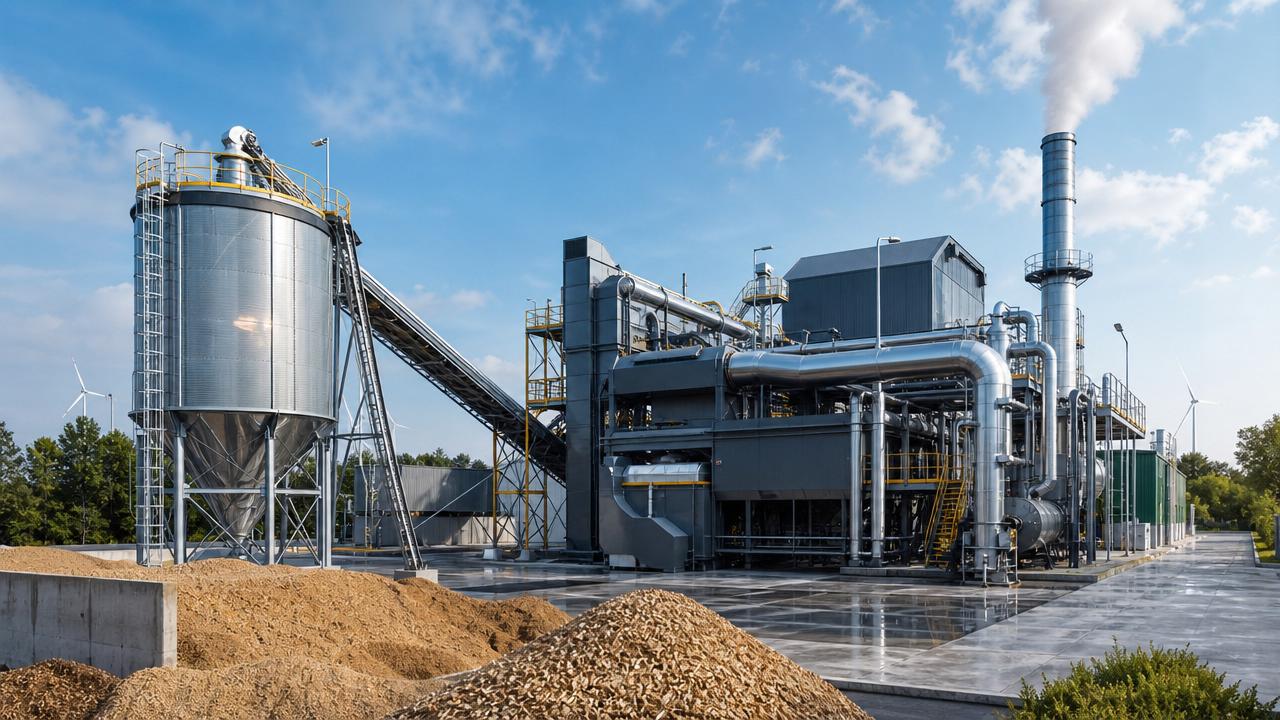
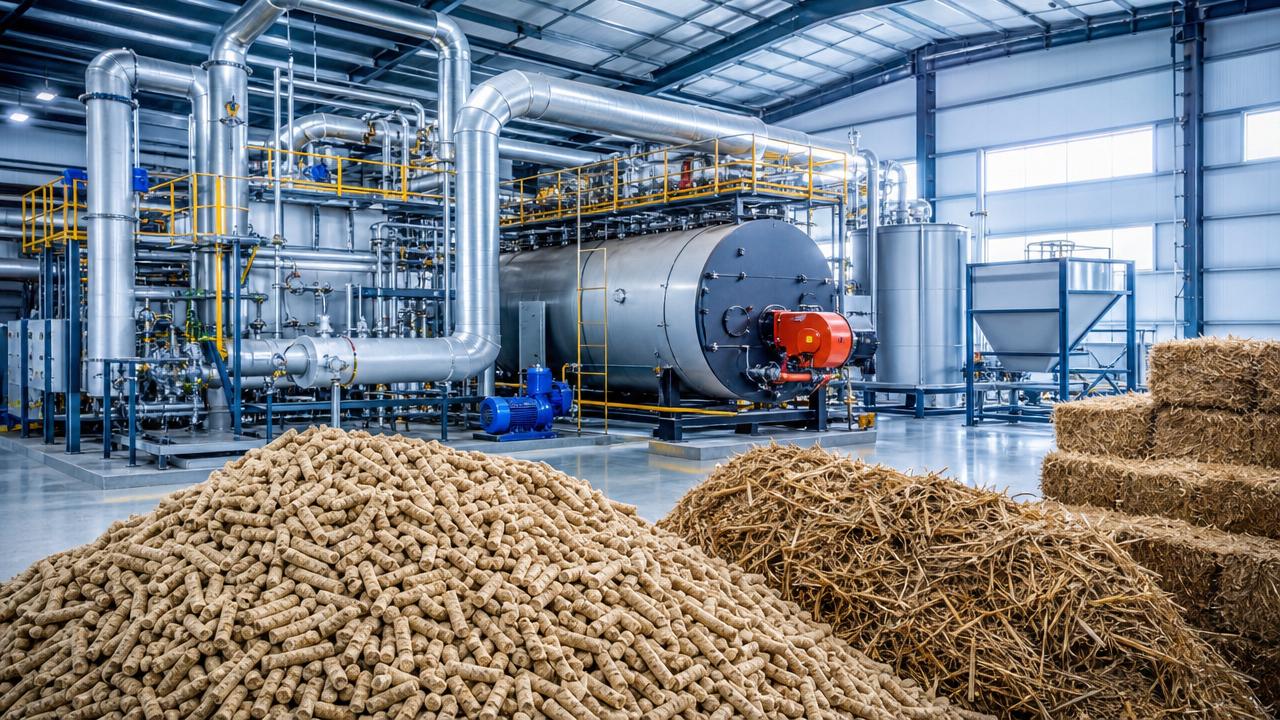
For end-user manufacturers, conduct preliminary engineering reviews of existing steam systems to determine compatibility with biomass feedstocks (e.g., palm kernel shell, rice husk) or integration with thermal recovery chillers. Prioritize sites with available storage, handling infrastructure, or proximity to biomass supply chains.
Distinguish between policy intent and near-term operational impact
While the review signals strategic direction, no immediate export halt or quota enforcement is confirmed. Procurement teams should avoid abrupt contract cancellations but initiate scenario planning for Q3–Q4 2024 supply continuity, including pre-vetting of certified biomass system vendors.
Verify certification status of alternative thermal equipment suppliers
Overseas procurement decisions increasingly require verifiable ASME Section I or IV certification for steam-generating equipment and ISO 50001 alignment for energy management systems. Confirm documentation validity before engaging technical evaluations or commercial negotiations.
Editorial Perspective / Industry Observation
Observably, this policy review functions primarily as a strategic signal — not yet an operational constraint. It reflects Indonesia’s growing emphasis on domestic energy resilience amid global trade fragmentation and climate-related policy shifts. Analysis shows that while full export restriction is unlikely in the short term, even modest tax increases or allocation rules could tip cost-benefit calculations for coal-dependent industries already evaluating decarbonization pathways. From an industry perspective, the convergence of fuel cost pressure, supply risk, and tightening environmental expectations makes thermal system modernization less of a long-term ESG initiative and more of an immediate operational hedge.
Conclusion: This development does not represent an abrupt market shift, but rather a structural acceleration of existing trends — namely, the re-evaluation of fossil-fueled thermal infrastructure in energy-importing Asian economies. It is better understood as a catalyst for earlier-stage technical and procurement planning, rather than a trigger for emergency response. For affected stakeholders, proactive assessment — grounded in verified equipment certifications and realistic boiler retrofit parameters — is more valuable than reactive speculation.
Source Attribution:
• Public statements and regulatory review notices issued by Indonesia’s Ministry of Energy and Mineral Resources (unspecified date; ongoing review)
• Verified trade data on Indonesia’s share of global thermal coal exports (latest available consolidated figures)
Note: Implementation timeline, final tax rates, and enforcement scope remain under review and require continued monitoring.
Related News
- IEA Report Flags 37% Rise in Biomass Boiler BudgetsAuthor :Thermal Energy Strategist

- Vietnam Tightens Import Rules for Biomass BoilersAuthor :Thermal Energy Strategist

- SASO Tightens NOx Monitoring Rule for Biomass BoilersAuthor :Thermal Energy Strategist

- Vietnam Halts New Biomass Boiler Import PermitsAuthor :Thermal Energy Strategist

- Industrial Biomass Boilers: Key Cost Factors for Heating ProjectsAuthor :Thermal Energy Strategist
![]()
- PSA Jurong Island Launch Cuts Biomass Fuel Clearance to 48 HoursAuthor :Thermal Energy Strategist
![]()
- Vietnam Requires CFP for Imported Biomass BoilersAuthor :Thermal Energy Strategist

- EU Monitoring Tightens Biomass Boiler Steel SupplyAuthor :Thermal Energy Strategist

- ASHRAE 189.1-2026 Adds Biomass Carbon ReviewAuthor :Thermal Energy Strategist

- ACWA Power Sets 45% Local Content Rule in Boiler TenderAuthor :Thermal Energy Strategist

- India BIS Draft Targets Biomass Boiler Data LinksAuthor :Thermal Energy Strategist

- EU REACH SVHC Update Restricts TCEP in Biomass EquipmentAuthor :Thermal Energy Strategist

- China Customs Adds HS Code Rule for Biomass Boiler ExportsAuthor :Thermal Energy Strategist

- China Adds Carbon Traceability Rule for Biomass Boiler ExportsAuthor :Thermal Energy Strategist

- Sugar Import Quota Notice Raises Biomass Fuel Cost FocusAuthor :Thermal Energy Strategist
![]()
- Urea Drops to $577/Ton, Easing Biomass Boiler CostsAuthor :Thermal Energy Strategist

- Urea Falls to $577/Ton, Easing Biomass Boiler Cost PressureAuthor :Thermal Energy Strategist

- Carbon Neutrality Pressures on Biomass Energy ROIAuthor :Thermal Energy Strategist

- Japan's Crude Imports Plunge 64% in April, Boosting Biomass & Chiller AdoptionAuthor :Thermal Energy Strategist

- Indonesia Tightens Thermal Coal Exports, Boosts Biomass & Industrial Chiller DemandAuthor :Thermal Energy Strategist

- Clean Energy Technology Gains That Make Biomass Worth RevisitingAuthor :Thermal Energy Strategist

- Clean Energy Technology Trends Changing Biomass Energy Project ReturnsAuthor :Thermal Energy Strategist

- Carbon Neutrality Pressures on Biomass Energy ProjectsAuthor :Thermal Energy Strategist

- Biomass Energy Cold-Heat Supply System Named in China’s Top 7 Future IndustriesAuthor :Thermal Energy Strategist

- Carbon Neutrality Pressure and Biomass Energy Project PaybackAuthor :Thermal Energy Strategist

- NEOM Green Infrastructure Certification Expands to Biomass CHP SystemsAuthor :Thermal Energy Strategist

- Saudi SASO Mandates NGIC Certification for Biomass CHP SystemsAuthor :Thermal Energy Strategist

- Clean Energy Technology Trends Changing Biomass Energy ProjectsAuthor :Thermal Energy Strategist

- Saudi SASO Mandates NEOM Green Infrastructure Certification for Biomass CHP SystemsAuthor :Thermal Energy Strategist

- Middle East Bans R134a Imports; Biomass CHP Gains TractionAuthor :Thermal Energy Strategist

- Clean Energy Technology and Biomass Energy: What Changes in 2026Author :Thermal Energy Strategist

- Middle East Bans R134a Equipment Imports; Biomass CCHP Gains TractionAuthor :Thermal Energy Strategist

- Canton Fair Phase II: Biomass Boiler Orders Surge 112% from SEAAuthor :Thermal Energy Strategist

- Carbon Neutrality and Biomass Energy: Where the Business Case Is StrongestAuthor :Thermal Energy Strategist

- Industrial Heat Recovery Ideas That Cut Fuel Use in Daily OperationsAuthor :Thermal Energy Strategist