



Middle East Bans R134a Imports; Biomass CHP Gains Traction




Middle Eastern regulators have escalated restrictions on R134a-based commercial HVAC&R equipment, with a full import ban taking effect on 1 July 2026. This development directly affects manufacturers, exporters, and system integrators supplying refrigeration, air conditioning, and combined heating and cooling solutions to Gulf markets—particularly Saudi Arabia and the UAE. The policy shift signals tightening environmental compliance requirements and emerging demand for low-GWP, renewable-integrated thermal systems.
Event Overview
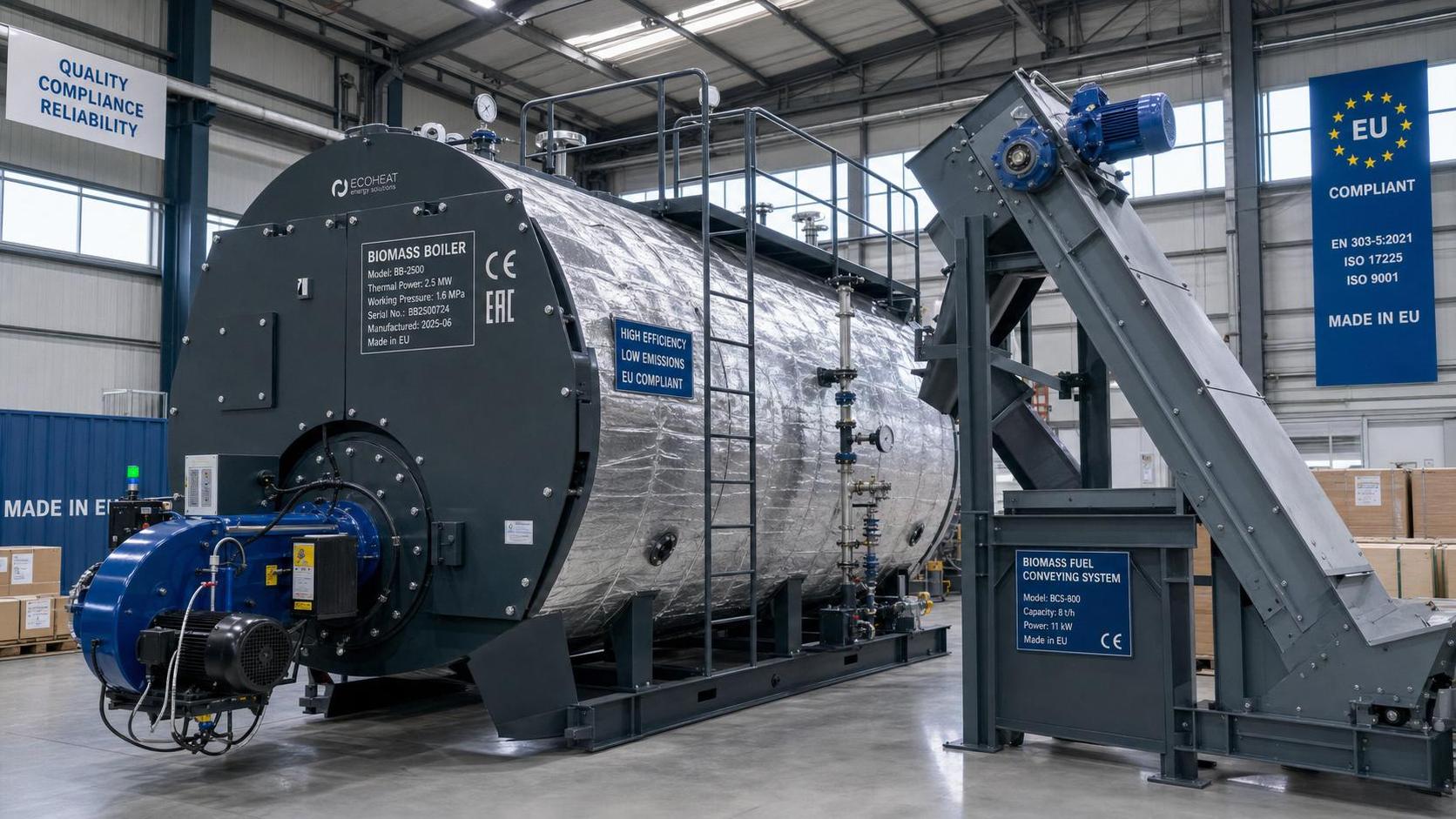
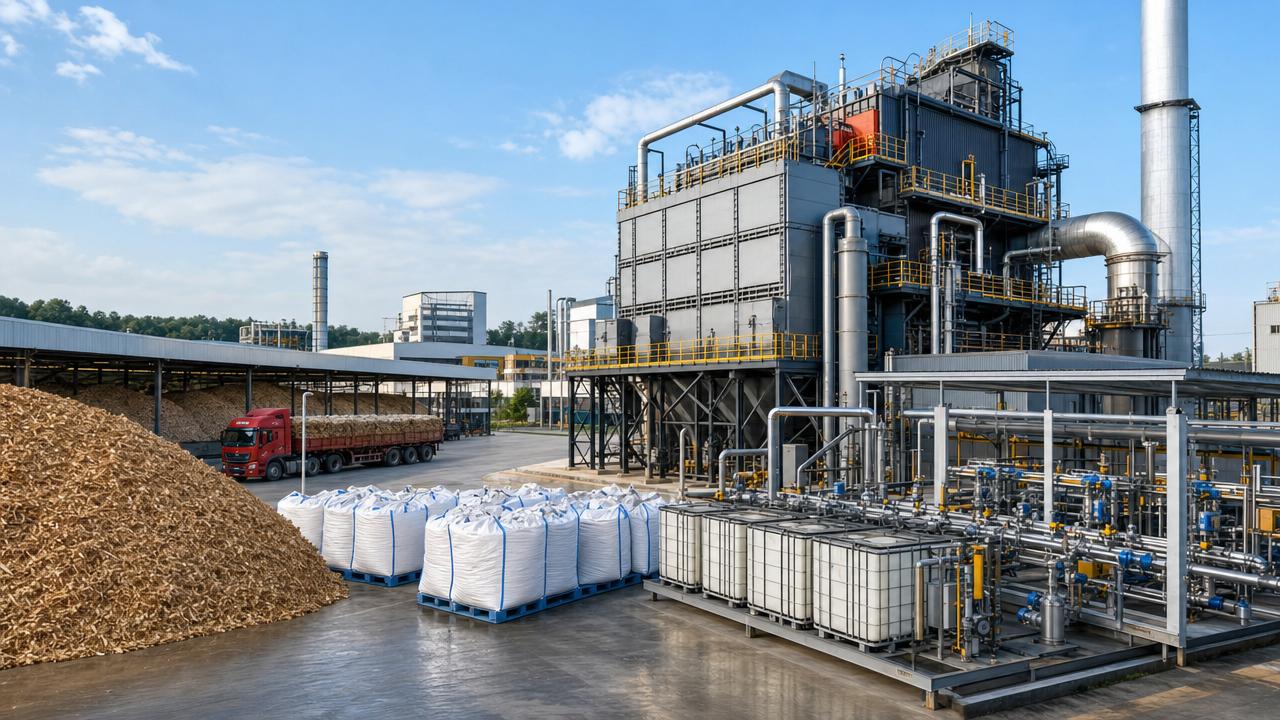
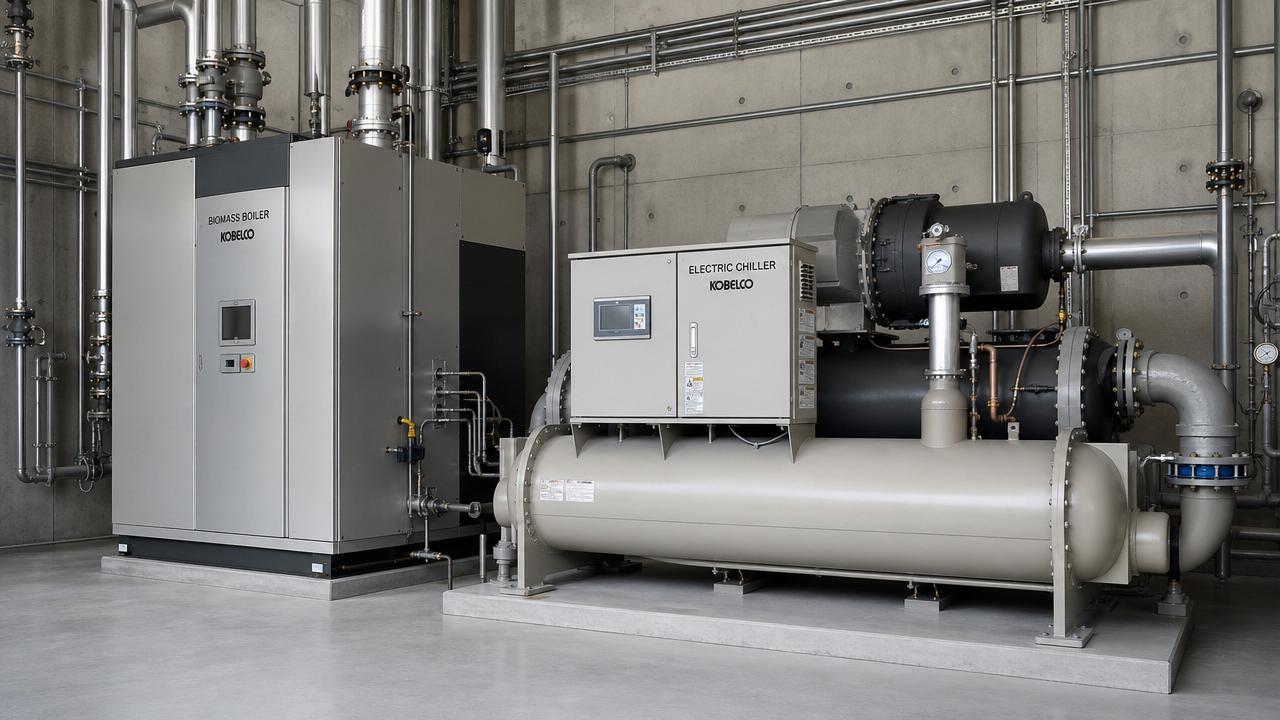
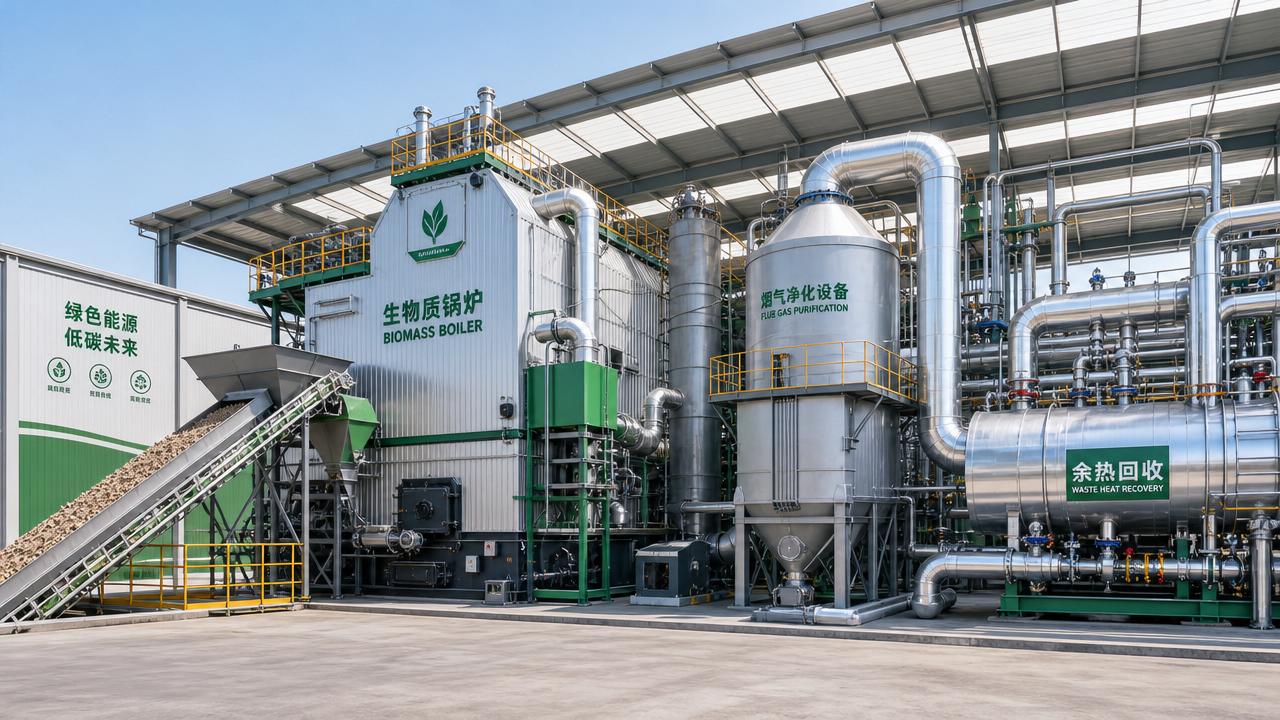
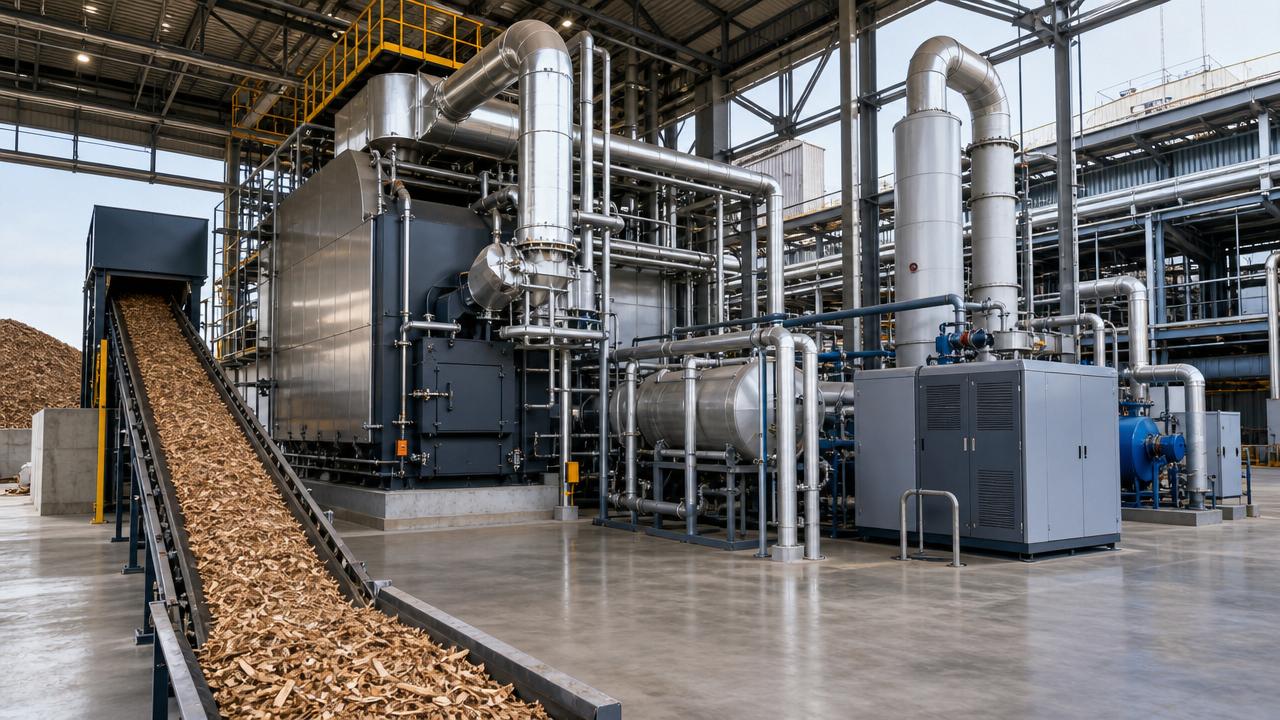
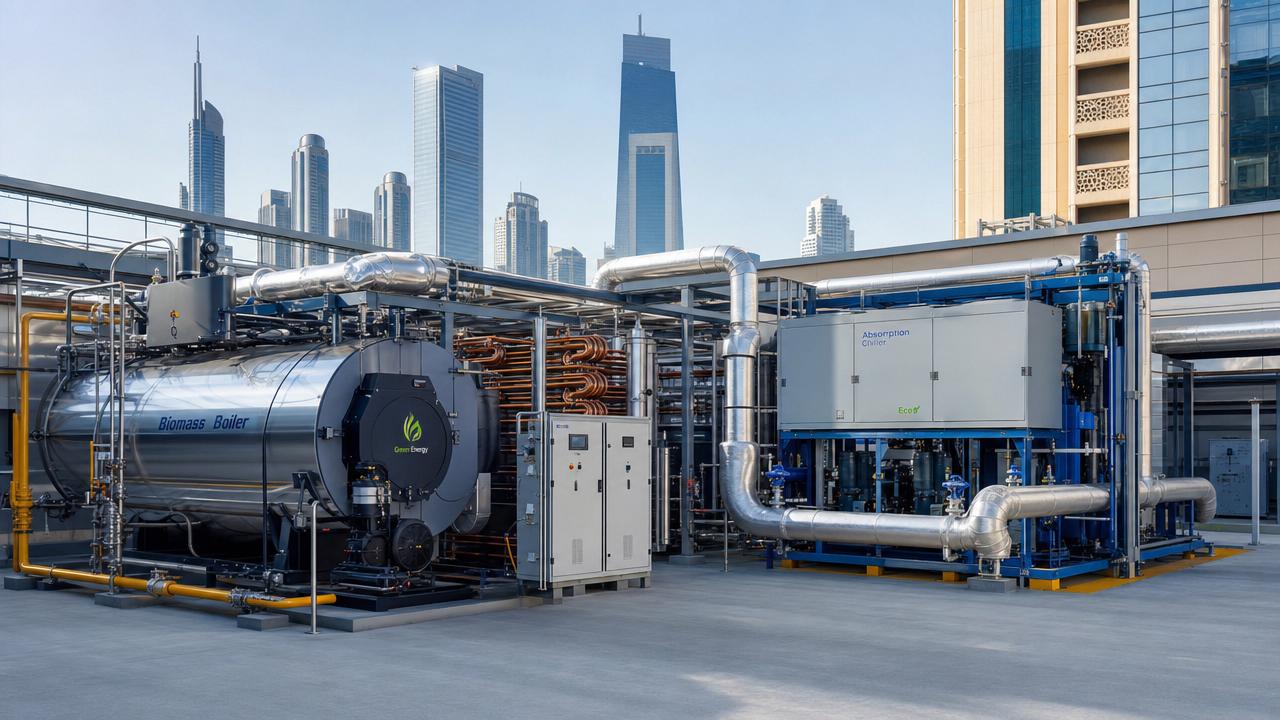
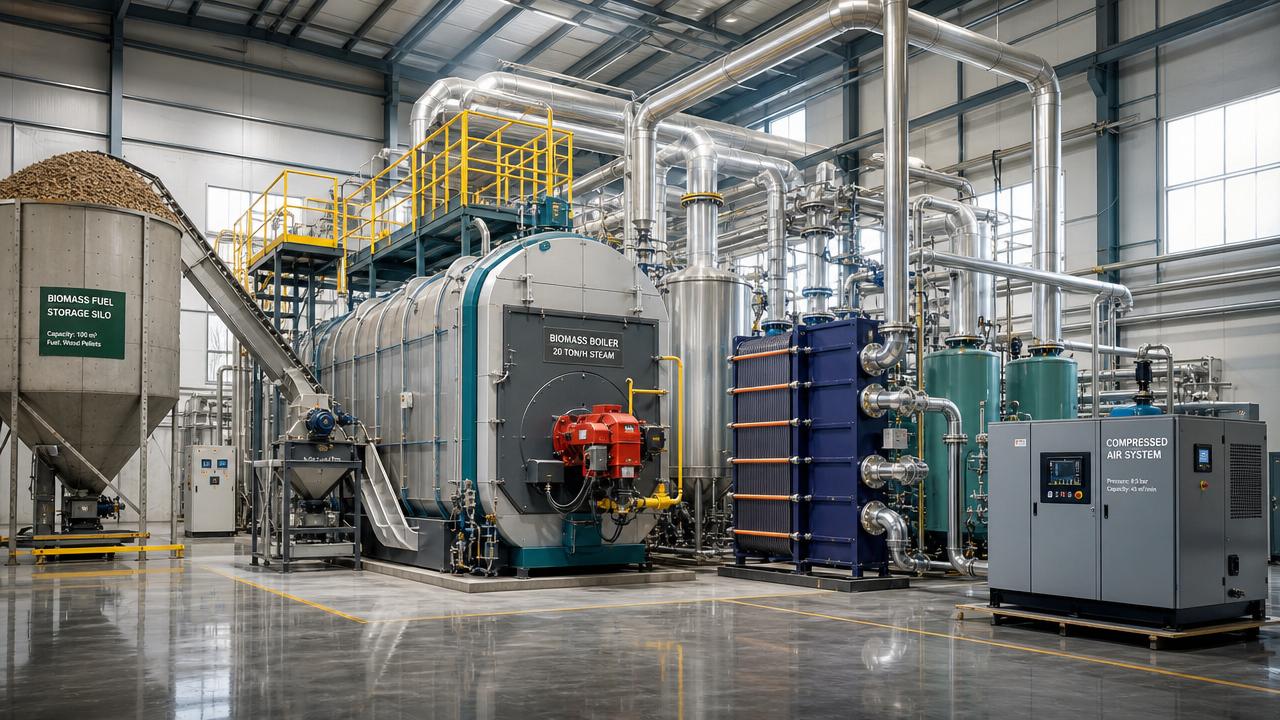
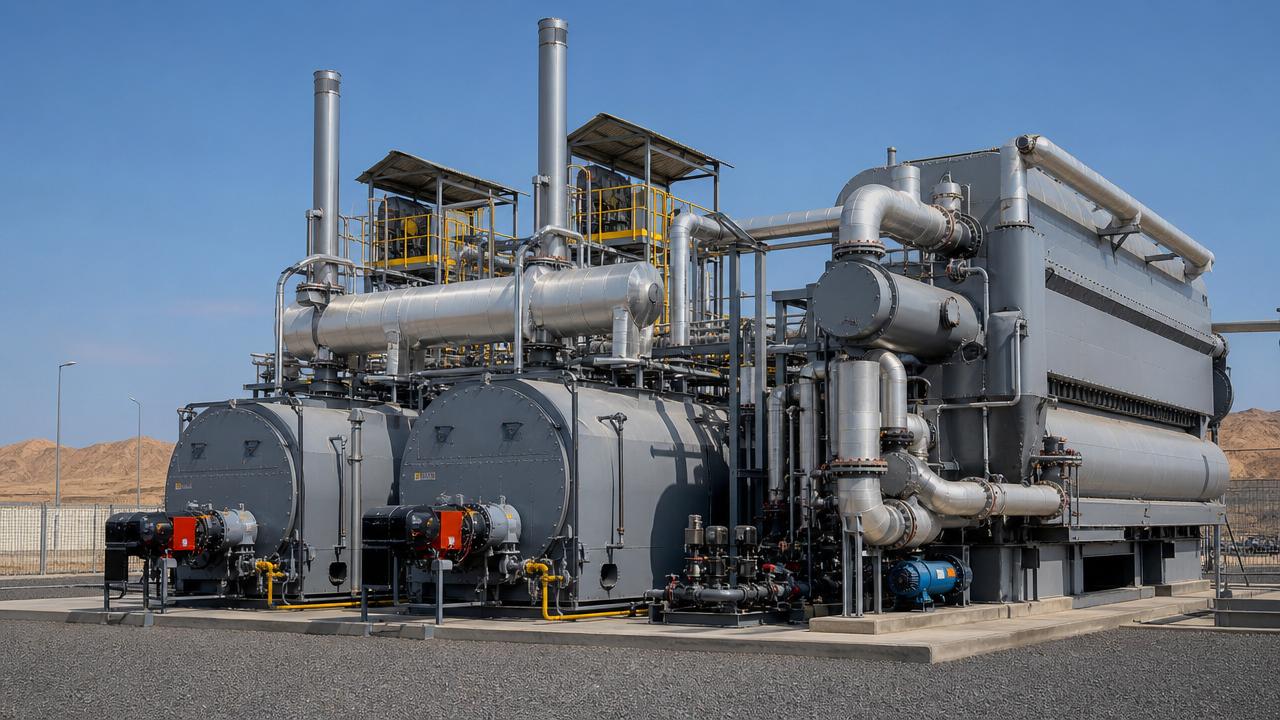
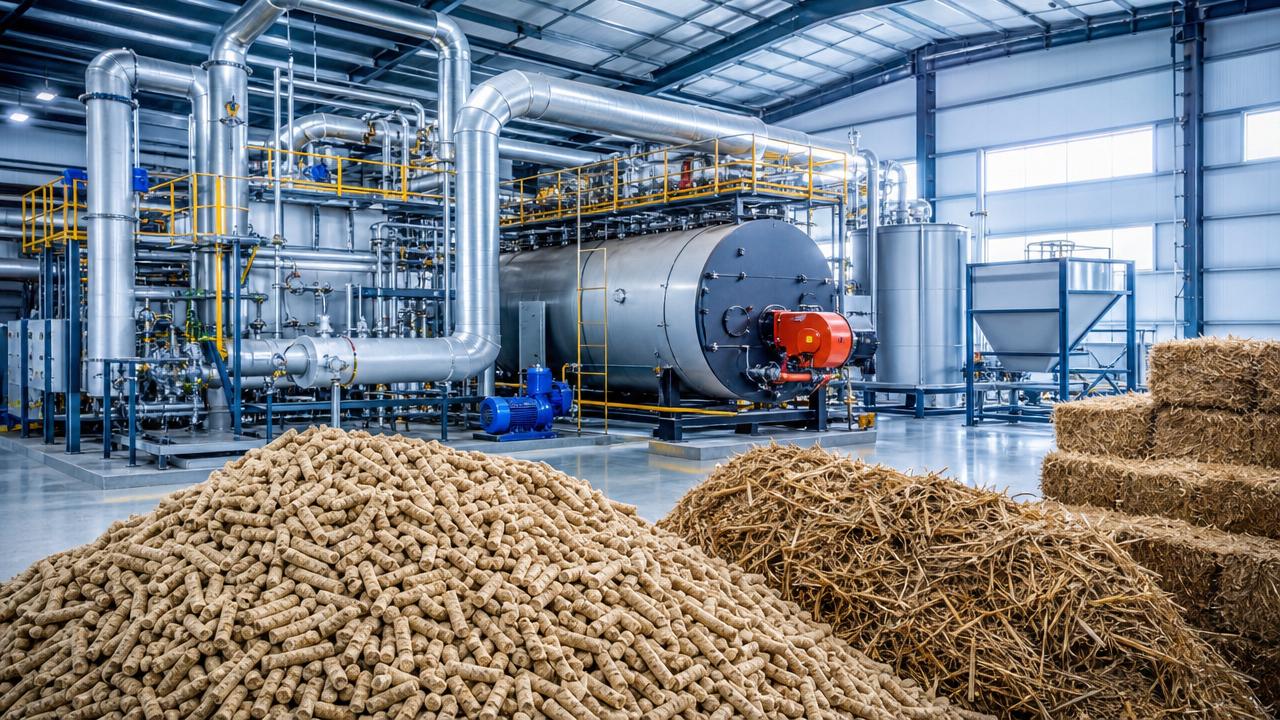
On 11 May 2025, the Saudi Standards, Metrology and Quality Organization (SASO) and the Emirates Authority for Standardization and Metrology (ESMA) jointly issued a notice confirming that, effective 1 July 2026, the import of all commercial heating, ventilation, air conditioning, and refrigeration (HVAC&R) equipment containing R134a refrigerant will be prohibited in Saudi Arabia and the UAE. Concurrently, Dubai Electricity and Water Authority (DEWA) opened a subsidy program for biomass energy-coupled combined cooling, heating, and power (Biomass CHP) systems, covering up to 35% of eligible equipment costs. Chinese manufacturers capable of integrating biomass boilers with absorption chilling units have reported a surge in inbound inquiries.
Industries Affected
Export-Oriented HVAC&R Equipment Manufacturers
Manufacturers exporting R134a-charged chillers, rooftop units, or packaged air handlers to GCC countries face immediate product eligibility risk post-2026. Compliance requires either retrofitting designs to use approved alternatives (e.g., R513A, R1234ze) or transitioning to absorption-based or heat-pump-driven architectures compatible with renewable thermal inputs.
Refrigerant-Specific Component Suppliers
Suppliers of compressors, expansion valves, and heat exchangers optimized for R134a may see reduced order volumes for legacy-spec components destined for GCC-bound assemblies. Demand shifts toward components rated for lower-pressure or higher-temperature operation—especially those supporting absorption cycles or biomass boiler integration.
System Integrators & EPC Contractors
Integrators delivering turnkey cold/heat supply solutions for commercial buildings, district energy, or industrial facilities must now assess technical compatibility of biomass-fired thermal sources with absorption chillers. Project specifications referencing R134a-based vapor-compression systems may no longer meet regulatory acceptance criteria in new tenders issued after mid-2025.
Distribution & Aftermarket Service Providers
Distributors handling spare parts, refrigerant cylinders, or service toolkits for R134a-dependent equipment face declining aftermarket viability in targeted markets. Inventory planning must now account for phased obsolescence—not only of refrigerant but also of associated service protocols and technician certification pathways.
What Stakeholders Should Monitor and Do Now
Track official implementation guidance and transitional provisions
While the ban takes effect 1 July 2026, SASO and ESMA may issue supplementary technical circulars—such as grandfathering clauses for stock-in-trade, permitted retrofit pathways, or definitions of ‘commercial equipment’. Exporters should subscribe to official regulatory updates and verify whether field-service upgrades qualify as compliant modifications.
Validate eligibility of biomass-absorption system configurations under DEWA’s subsidy framework
The DEWA subsidy applies specifically to integrated biomass energy–coupled cold/heat supply systems—not standalone biomass boilers or absorption chillers. Companies must confirm whether their current offerings meet DEWA’s defined system boundary, control logic, efficiency thresholds, and emissions reporting requirements before pursuing qualification.
Distinguish between policy signal and operational readiness
The joint SASO–ESMA notice reflects a coordinated regulatory stance, but local customs enforcement, testing lab accreditation, and conformity assessment timelines remain unconfirmed. Stakeholders should treat the 2026 date as a hard deadline for design freeze—not assume automatic alignment across certification bodies or port authorities.
Initiate cross-functional review of GCC-bound BOMs and technical documentation
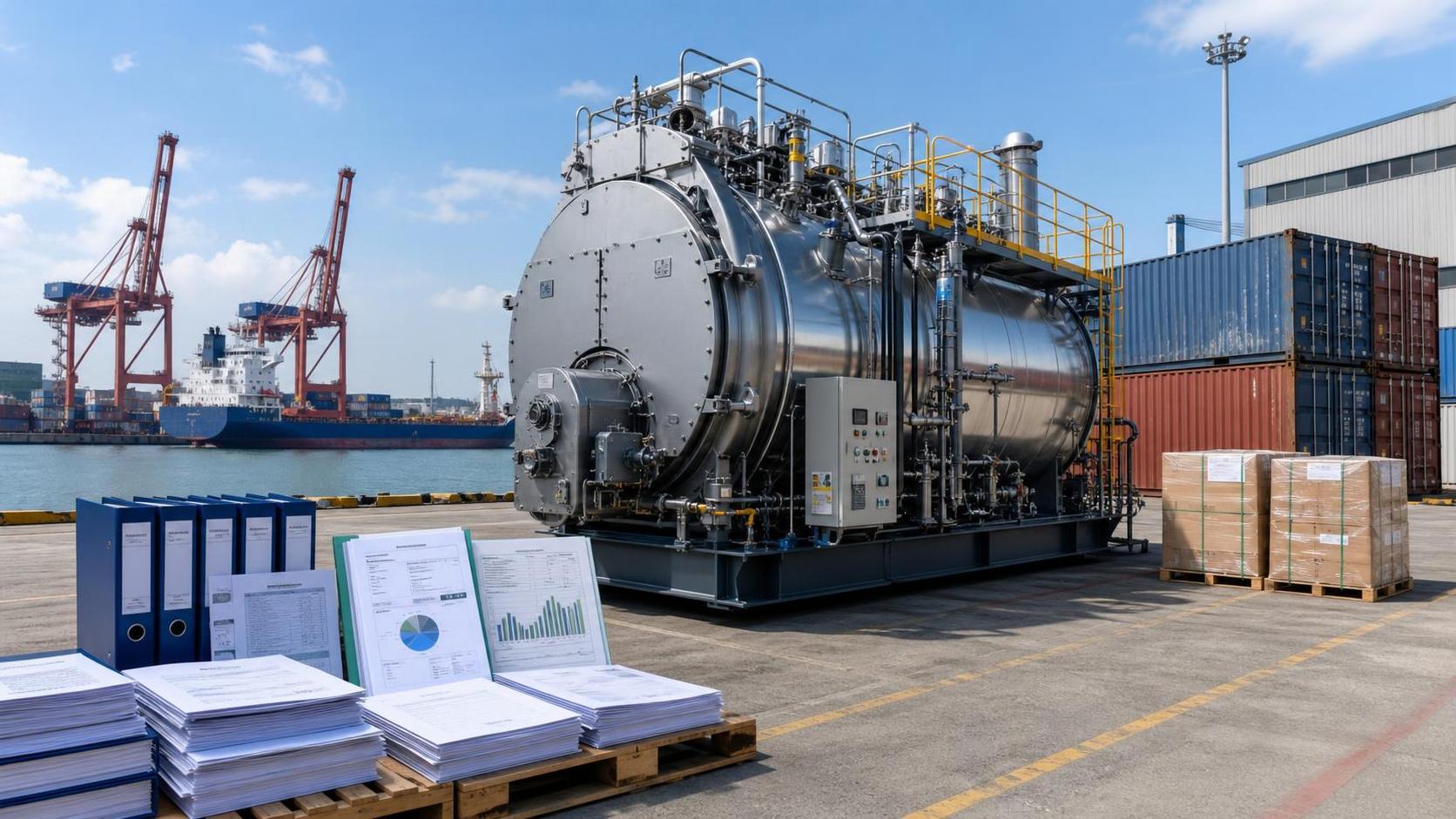
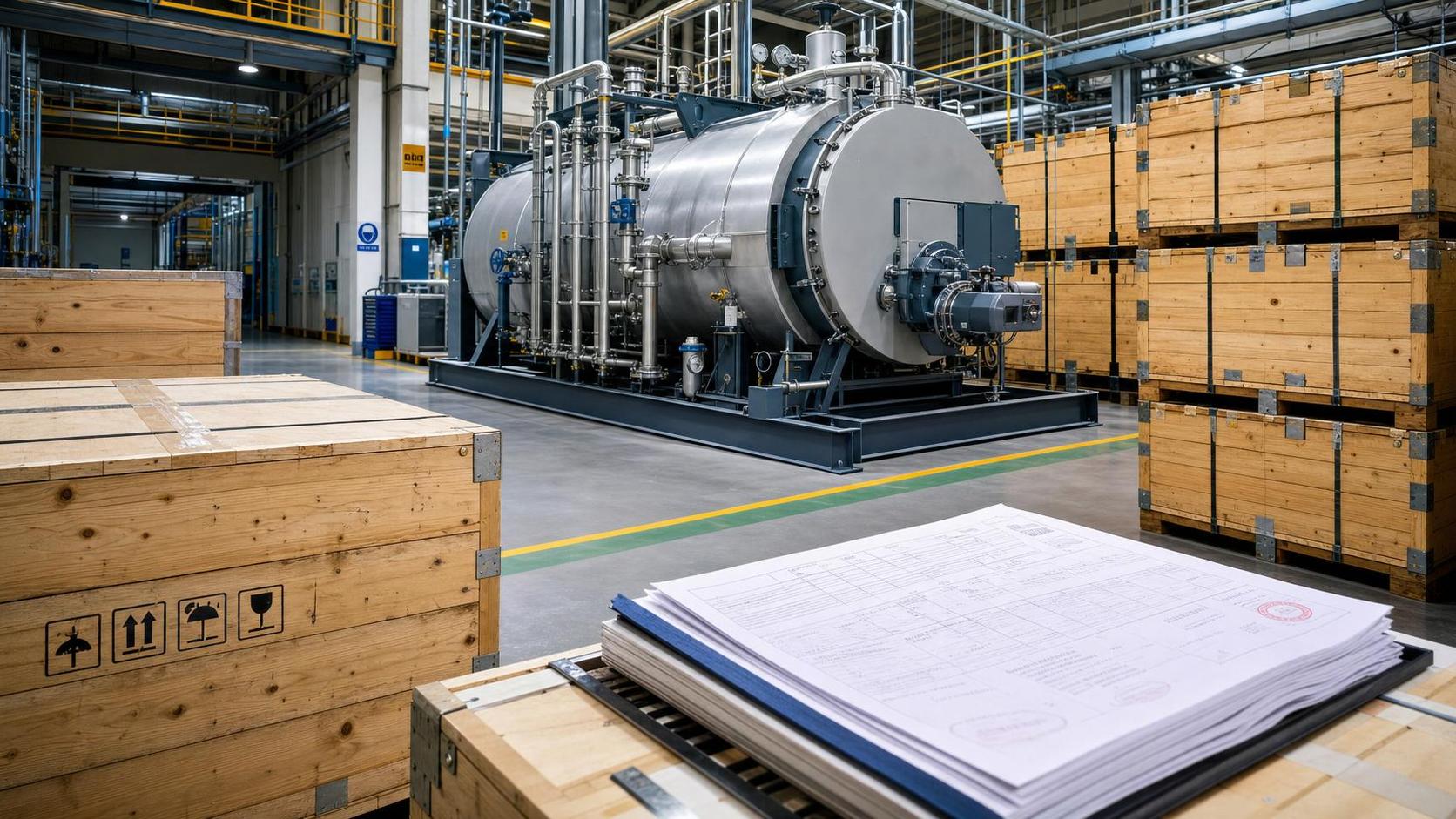
Manufacturers should audit bills of materials, user manuals, safety labels, and test reports for explicit R134a references. Where R134a is named in performance claims or maintenance instructions, revision cycles must begin early to avoid delays in pre-market approval submissions.
Editorial Observation / Industry Insight
Observably, this is not merely a refrigerant phaseout—it is an infrastructure-level pivot toward thermal decarbonization in high-cooling-load urban environments. The linkage between the R134a ban and DEWA’s targeted subsidy suggests regulators are actively steering procurement toward integrated, fuel-flexible systems—not just drop-in refrigerant swaps. Analysis shows the policy combination lowers the economic barrier for biomass CHP adoption while raising the compliance cost of maintaining conventional vapor-compression fleets. From an industry perspective, this represents less a short-term compliance hurdle and more a medium-term signal of thermal system architecture evolution in the Gulf. Continued attention is warranted as other GCC regulators—including Qatar’s QSA and Oman’s DGSM—may follow similar alignment in upcoming standard revisions.
This update underscores how regional environmental policy is increasingly shaping thermal equipment design, supply chain structure, and project financing models—not only in HVAC&R, but across distributed energy and industrial process heat applications.
Conclusion
The R134a import ban and concurrent DEWA subsidy initiative reflect a coordinated regulatory effort to accelerate deployment of low-GWP, renewable-coupled thermal systems in key Gulf markets. It is better understood not as an isolated chemical restriction, but as part of a broader transition toward integrated, dispatchable clean heat—where biomass serves as both fuel and system enabler. For stakeholders, the priority is not reactive compliance alone, but proactive repositioning around verified, subsidy-eligible system configurations and validated supply chain adaptations.
Source Attribution
Main sources: Joint SASO–ESMA Notice (11 May 2025); DEWA Subsidy Program Announcement (May 2025). Ongoing observation required for: (i) detailed DEWA eligibility criteria and application procedures; (ii) potential extension of the R134a ban to other GCC jurisdictions beyond Saudi Arabia and UAE.
Related News
- IEA Report Flags 37% Rise in Biomass Boiler BudgetsAuthor :Thermal Energy Strategist

- Vietnam Tightens Import Rules for Biomass BoilersAuthor :Thermal Energy Strategist

- SASO Tightens NOx Monitoring Rule for Biomass BoilersAuthor :Thermal Energy Strategist

- Vietnam Halts New Biomass Boiler Import PermitsAuthor :Thermal Energy Strategist

- Industrial Biomass Boilers: Key Cost Factors for Heating ProjectsAuthor :Thermal Energy Strategist
![]()
- PSA Jurong Island Launch Cuts Biomass Fuel Clearance to 48 HoursAuthor :Thermal Energy Strategist
![]()
- Vietnam Requires CFP for Imported Biomass BoilersAuthor :Thermal Energy Strategist

- EU Monitoring Tightens Biomass Boiler Steel SupplyAuthor :Thermal Energy Strategist

- ASHRAE 189.1-2026 Adds Biomass Carbon ReviewAuthor :Thermal Energy Strategist

- ACWA Power Sets 45% Local Content Rule in Boiler TenderAuthor :Thermal Energy Strategist

- India BIS Draft Targets Biomass Boiler Data LinksAuthor :Thermal Energy Strategist

- EU REACH SVHC Update Restricts TCEP in Biomass EquipmentAuthor :Thermal Energy Strategist

- China Customs Adds HS Code Rule for Biomass Boiler ExportsAuthor :Thermal Energy Strategist

- China Adds Carbon Traceability Rule for Biomass Boiler ExportsAuthor :Thermal Energy Strategist

- Sugar Import Quota Notice Raises Biomass Fuel Cost FocusAuthor :Thermal Energy Strategist
![]()
- Urea Drops to $577/Ton, Easing Biomass Boiler CostsAuthor :Thermal Energy Strategist

- Urea Falls to $577/Ton, Easing Biomass Boiler Cost PressureAuthor :Thermal Energy Strategist

- Carbon Neutrality Pressures on Biomass Energy ROIAuthor :Thermal Energy Strategist

- Japan's Crude Imports Plunge 64% in April, Boosting Biomass & Chiller AdoptionAuthor :Thermal Energy Strategist

- Indonesia Tightens Thermal Coal Exports, Boosts Biomass & Industrial Chiller DemandAuthor :Thermal Energy Strategist

- Clean Energy Technology Gains That Make Biomass Worth RevisitingAuthor :Thermal Energy Strategist

- Clean Energy Technology Trends Changing Biomass Energy Project ReturnsAuthor :Thermal Energy Strategist

- Carbon Neutrality Pressures on Biomass Energy ProjectsAuthor :Thermal Energy Strategist

- Biomass Energy Cold-Heat Supply System Named in China’s Top 7 Future IndustriesAuthor :Thermal Energy Strategist

- Carbon Neutrality Pressure and Biomass Energy Project PaybackAuthor :Thermal Energy Strategist

- NEOM Green Infrastructure Certification Expands to Biomass CHP SystemsAuthor :Thermal Energy Strategist

- Saudi SASO Mandates NGIC Certification for Biomass CHP SystemsAuthor :Thermal Energy Strategist

- Clean Energy Technology Trends Changing Biomass Energy ProjectsAuthor :Thermal Energy Strategist

- Saudi SASO Mandates NEOM Green Infrastructure Certification for Biomass CHP SystemsAuthor :Thermal Energy Strategist

- Middle East Bans R134a Imports; Biomass CHP Gains TractionAuthor :Thermal Energy Strategist

- Clean Energy Technology and Biomass Energy: What Changes in 2026Author :Thermal Energy Strategist

- Middle East Bans R134a Equipment Imports; Biomass CCHP Gains TractionAuthor :Thermal Energy Strategist

- Canton Fair Phase II: Biomass Boiler Orders Surge 112% from SEAAuthor :Thermal Energy Strategist

- Carbon Neutrality and Biomass Energy: Where the Business Case Is StrongestAuthor :Thermal Energy Strategist

- Industrial Heat Recovery Ideas That Cut Fuel Use in Daily OperationsAuthor :Thermal Energy Strategist