



China Adds Carbon Traceability Rule for Biomass Boiler Exports




Effective June 24, 2026, China’s General Administration of Customs will introduce a new compliance step for exports under HS code 84021910 covering biomass steam boilers, requiring carbon-intensity pre-declaration at ports nationwide. For exporters, manufacturers, procurement teams, compliance staff and supply chain service providers, this is not just a customs filing change: it connects product data, carbon accounting documents and destination-market review into the same trade workflow, which is why the measure deserves close attention across export delivery and market access planning.
What the new customs requirement confirms
According to the confirmed information, from June 24, 2026, China’s General Administration of Customs will apply a carbon-emissions-intensity pre-declaration mechanism nationwide to exports under HS code 84021910, identified as biomass steam boilers.
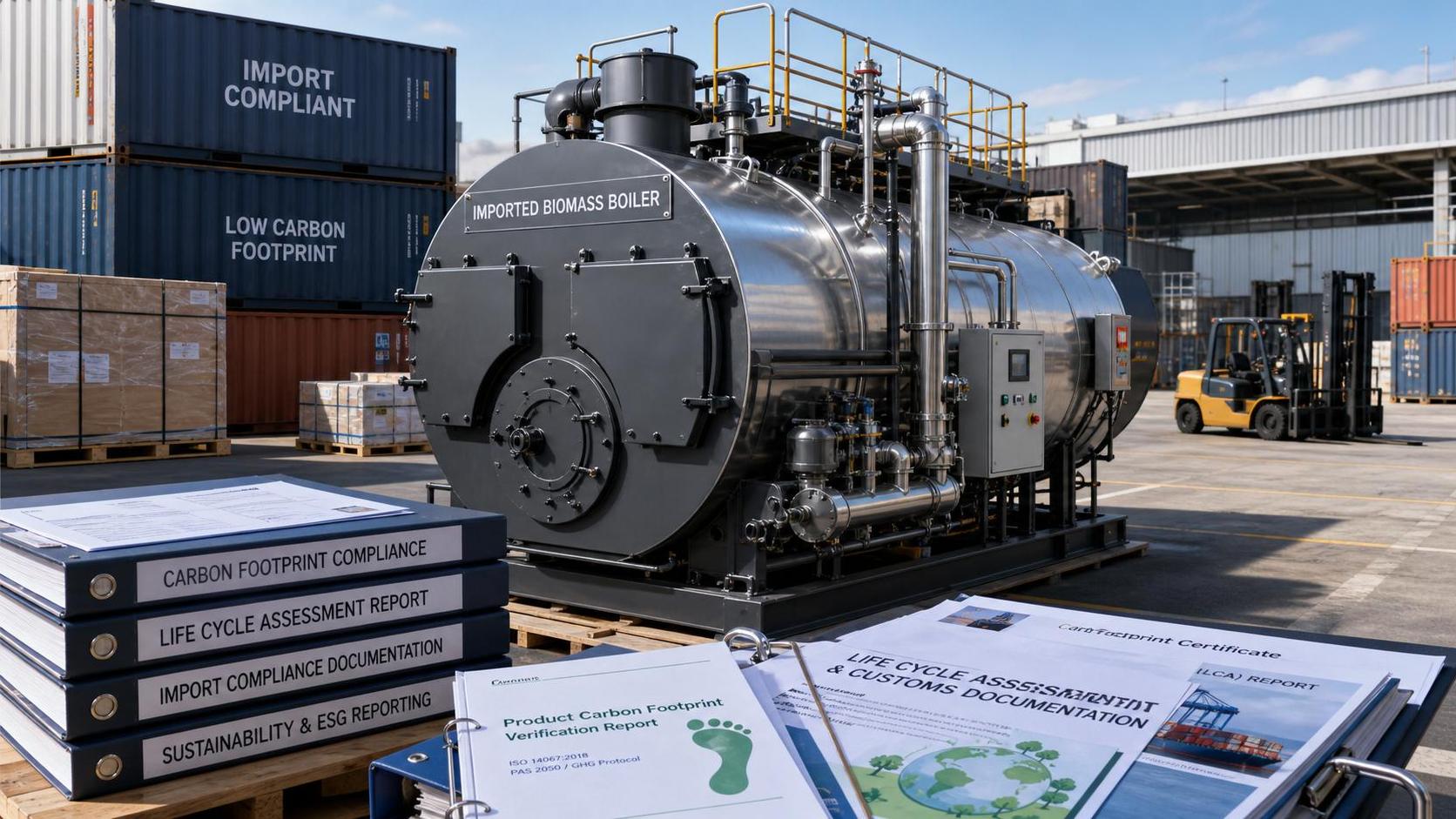
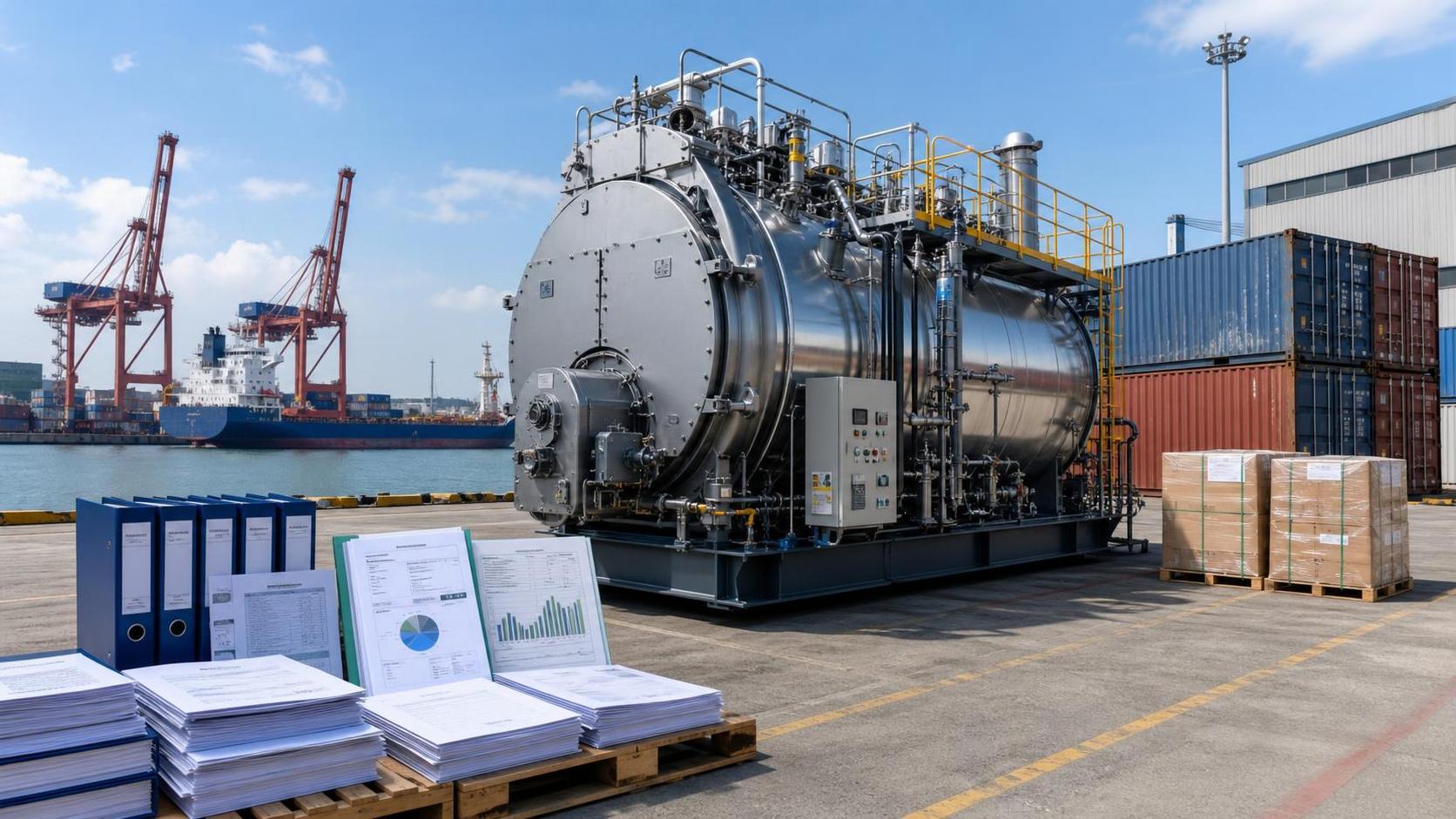
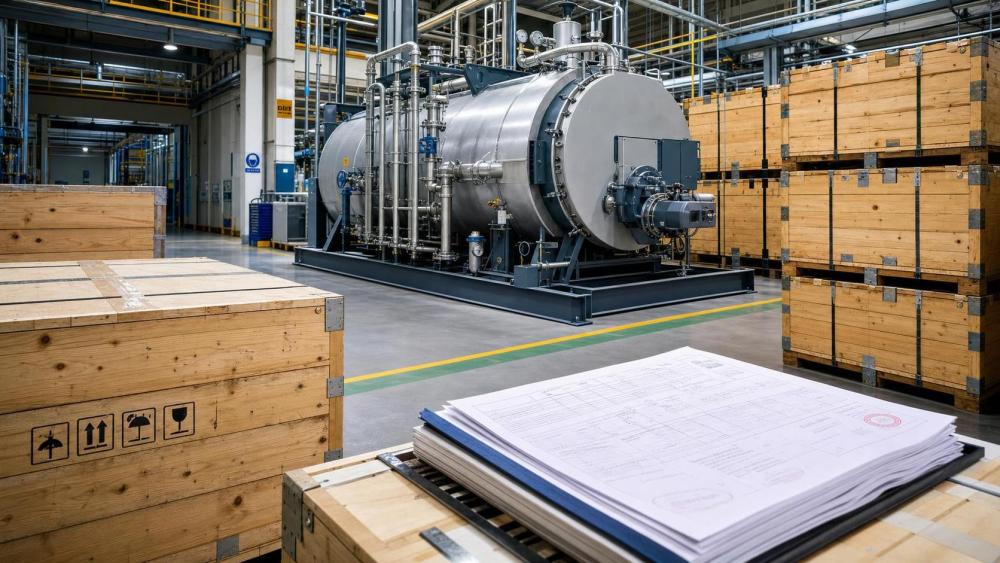
Exporting companies are required to submit information through the Green Trade Single Window, including fuel type, combustion efficiency, ash and slag disposal method, and a third-party carbon accounting report.
The submitted data will be synchronized to the regulatory platforms of importing markets in the European Union, South Korea and Canada, where it will be used for green tariff calculation and market access review.
Where the pressure is likely to appear first
Export transactions move from product filing to data-backed declaration
From an industry perspective, exporters are likely to be affected first because the new mechanism adds source-level emissions disclosure to the export process for the covered HS code. The practical impact is likely to appear in declaration preparation, document completeness checks, and coordination between trade, technical and compliance teams. What deserves closer attention is whether the submitted carbon-related information remains consistent across customs filings, commercial documents and destination-market compliance materials.
Manufacturing and technical teams may need earlier document alignment
For manufacturers of biomass steam boilers, the new requirement may shift part of the compliance burden upstream into technical documentation and production records. Analysis shows that fuel type, combustion efficiency and ash and slag disposal are not only operating or design descriptors in this context; they become trade-relevant reporting items. That means technical teams may need to align product data, process descriptions and third-party carbon accounting inputs earlier than before shipment.
Procurement and supplier coordination become part of export readiness
For procurement functions and upstream suppliers, the change may matter because source data used in carbon reporting often depends on how input materials, fuel pathways and disposal arrangements are documented. Observably, even where the customs filing is made by the exporter, supporting evidence may have to be assembled across multiple parties. In practice, supplier qualification, document collection and record traceability may become more visible parts of delivery preparation.
Service providers in logistics, compliance and testing may face tighter handoff requirements
Supply chain service providers, including trade support and compliance-related intermediaries, may also be affected because the mechanism links customs pre-declaration with overseas regulatory review. The main business impact may appear in document handoff timing, filing accuracy and coordination around third-party carbon accounting reports. For market participants handling export execution, the key issue is less about volume at this stage and more about whether handoff errors create delays in clearance or downstream review.
What companies should watch in the near term
Check document readiness against the declared data fields
Companies involved in exports under HS code 84021910 should closely review whether they can consistently provide the required fields already identified in the measure: fuel type, combustion efficiency, ash and slag disposal method, and a third-party carbon accounting report. Since the confirmed information does not provide detailed filing templates or review thresholds, it is more appropriate to treat document readiness as an immediate focus rather than assume a settled compliance routine.
Track how cross-border regulatory use affects market access review
Because the submitted data will be pushed to regulatory platforms in the European Union, South Korea and Canada, exporters should pay attention to how the same dataset may influence both green tariff treatment and market access review. Analysis shows that this creates a closer link between customs-facing information and destination-market scrutiny, even though the exact execution standards on the importing side are not provided in the current information.
Review delivery schedules where third-party reports are needed
Where shipment timing depends on the completion of a third-party carbon accounting report, companies may need to reassess internal sequencing for order confirmation, technical file preparation and export declaration. Observably, the current confirmed facts do not state how long report preparation or review may take, so businesses should focus on process coordination and risk visibility rather than presume a fixed lead-time impact.
Watch for changes in tender files, buyer requests and compliance wording
For sales teams and contract managers, another practical point is whether customer-facing documents begin to reflect this new reporting path. It is more appropriate to understand this as an area requiring continued observation, especially where procurement documents, technical bid alignment, after-sales commitments or quality traceability clauses may start referencing carbon-related submission requirements tied to exports.
Why this looks like an execution signal, not just a policy headline
Analysis shows that the most important feature of this development is not only that a carbon-related rule has been announced, but that it is attached to a specific HS code, a specific implementation date and a defined submission pathway. That makes it closer to an operational trade control measure than a general policy direction.
At the same time, observably, the currently confirmed information is still limited to the implementation fact, required reporting items and cross-border data transmission purpose. It does not yet answer all of the questions companies may have on review standards, enforcement detail, document format or dispute handling. For that reason, the development should be read as a rule already entering execution, while still leaving room for continued monitoring of how the mechanism is applied in practice.
How this update is best understood now
For the biomass boiler export trade, this development signals that carbon traceability is moving into the front end of customs declaration rather than remaining only a downstream market discussion. The direct significance lies in the integration of product information, third-party carbon accounting and destination-market review within one compliance chain.
A neutral reading is that this is neither a simple paperwork adjustment nor a fully settled rule environment. It is more appropriate to understand it as a landed compliance change with immediate operational relevance, while the detailed execution approach, market response and practical filing standards still warrant close observation.
About the basis of this article
This article is generated based on the user-provided news title, implementation date and event summary related to China’s new HS-code supervision for biomass boiler exports and source-level carbon emissions traceability.
For this type of development, relevant source categories usually include official announcements, releases from regulatory authorities, customs or trade-administration information, industry association updates, standard-setting documents and reporting from authoritative media. No specific official source link was provided in the input, so the official source path still requires further verification.
What still needs continued monitoring includes possible implementation details, compliance interpretation, certification-related execution standards, changes in tender documents, market feedback and how exporting companies ultimately carry out the new reporting requirement in practice.
Related News
- IEA Report Flags 37% Rise in Biomass Boiler BudgetsAuthor :Thermal Energy Strategist

- Vietnam Tightens Import Rules for Biomass BoilersAuthor :Thermal Energy Strategist

- SASO Tightens NOx Monitoring Rule for Biomass BoilersAuthor :Thermal Energy Strategist

- Vietnam Halts New Biomass Boiler Import PermitsAuthor :Thermal Energy Strategist

- Industrial Biomass Boilers: Key Cost Factors for Heating ProjectsAuthor :Thermal Energy Strategist
![]()
- PSA Jurong Island Launch Cuts Biomass Fuel Clearance to 48 HoursAuthor :Thermal Energy Strategist
![]()
- Vietnam Requires CFP for Imported Biomass BoilersAuthor :Thermal Energy Strategist

- EU Monitoring Tightens Biomass Boiler Steel SupplyAuthor :Thermal Energy Strategist

- ASHRAE 189.1-2026 Adds Biomass Carbon ReviewAuthor :Thermal Energy Strategist

- ACWA Power Sets 45% Local Content Rule in Boiler TenderAuthor :Thermal Energy Strategist

- India BIS Draft Targets Biomass Boiler Data LinksAuthor :Thermal Energy Strategist

- EU REACH SVHC Update Restricts TCEP in Biomass EquipmentAuthor :Thermal Energy Strategist

- China Customs Adds HS Code Rule for Biomass Boiler ExportsAuthor :Thermal Energy Strategist

- China Adds Carbon Traceability Rule for Biomass Boiler ExportsAuthor :Thermal Energy Strategist

- Sugar Import Quota Notice Raises Biomass Fuel Cost FocusAuthor :Thermal Energy Strategist
![]()
- Urea Drops to $577/Ton, Easing Biomass Boiler CostsAuthor :Thermal Energy Strategist

- Urea Falls to $577/Ton, Easing Biomass Boiler Cost PressureAuthor :Thermal Energy Strategist

- Carbon Neutrality Pressures on Biomass Energy ROIAuthor :Thermal Energy Strategist

- Japan's Crude Imports Plunge 64% in April, Boosting Biomass & Chiller AdoptionAuthor :Thermal Energy Strategist

- Indonesia Tightens Thermal Coal Exports, Boosts Biomass & Industrial Chiller DemandAuthor :Thermal Energy Strategist

- Clean Energy Technology Gains That Make Biomass Worth RevisitingAuthor :Thermal Energy Strategist

- Clean Energy Technology Trends Changing Biomass Energy Project ReturnsAuthor :Thermal Energy Strategist

- Carbon Neutrality Pressures on Biomass Energy ProjectsAuthor :Thermal Energy Strategist

- Biomass Energy Cold-Heat Supply System Named in China’s Top 7 Future IndustriesAuthor :Thermal Energy Strategist

- Carbon Neutrality Pressure and Biomass Energy Project PaybackAuthor :Thermal Energy Strategist

- NEOM Green Infrastructure Certification Expands to Biomass CHP SystemsAuthor :Thermal Energy Strategist

- Saudi SASO Mandates NGIC Certification for Biomass CHP SystemsAuthor :Thermal Energy Strategist

- Clean Energy Technology Trends Changing Biomass Energy ProjectsAuthor :Thermal Energy Strategist

- Saudi SASO Mandates NEOM Green Infrastructure Certification for Biomass CHP SystemsAuthor :Thermal Energy Strategist

- Middle East Bans R134a Imports; Biomass CHP Gains TractionAuthor :Thermal Energy Strategist

- Clean Energy Technology and Biomass Energy: What Changes in 2026Author :Thermal Energy Strategist

- Middle East Bans R134a Equipment Imports; Biomass CCHP Gains TractionAuthor :Thermal Energy Strategist

- Canton Fair Phase II: Biomass Boiler Orders Surge 112% from SEAAuthor :Thermal Energy Strategist

- Carbon Neutrality and Biomass Energy: Where the Business Case Is StrongestAuthor :Thermal Energy Strategist

- Industrial Heat Recovery Ideas That Cut Fuel Use in Daily OperationsAuthor :Thermal Energy Strategist