



NEOM Green Infrastructure Certification Expands to Biomass CHP Systems




Saudi Arabia’s Standards, Metrology and Quality Organization (SASO) updated the NEOM Green Infrastructure Certification implementation rules on May 14, 2026, mandating certification for biomass energy–driven combined cooling and heating (CCHP) systems. This development directly affects manufacturers, system integrators, fuel suppliers, and public-sector procurement stakeholders operating in or exporting to Saudi Arabia’s NEOM megaproject and broader public infrastructure markets.
Event Overview
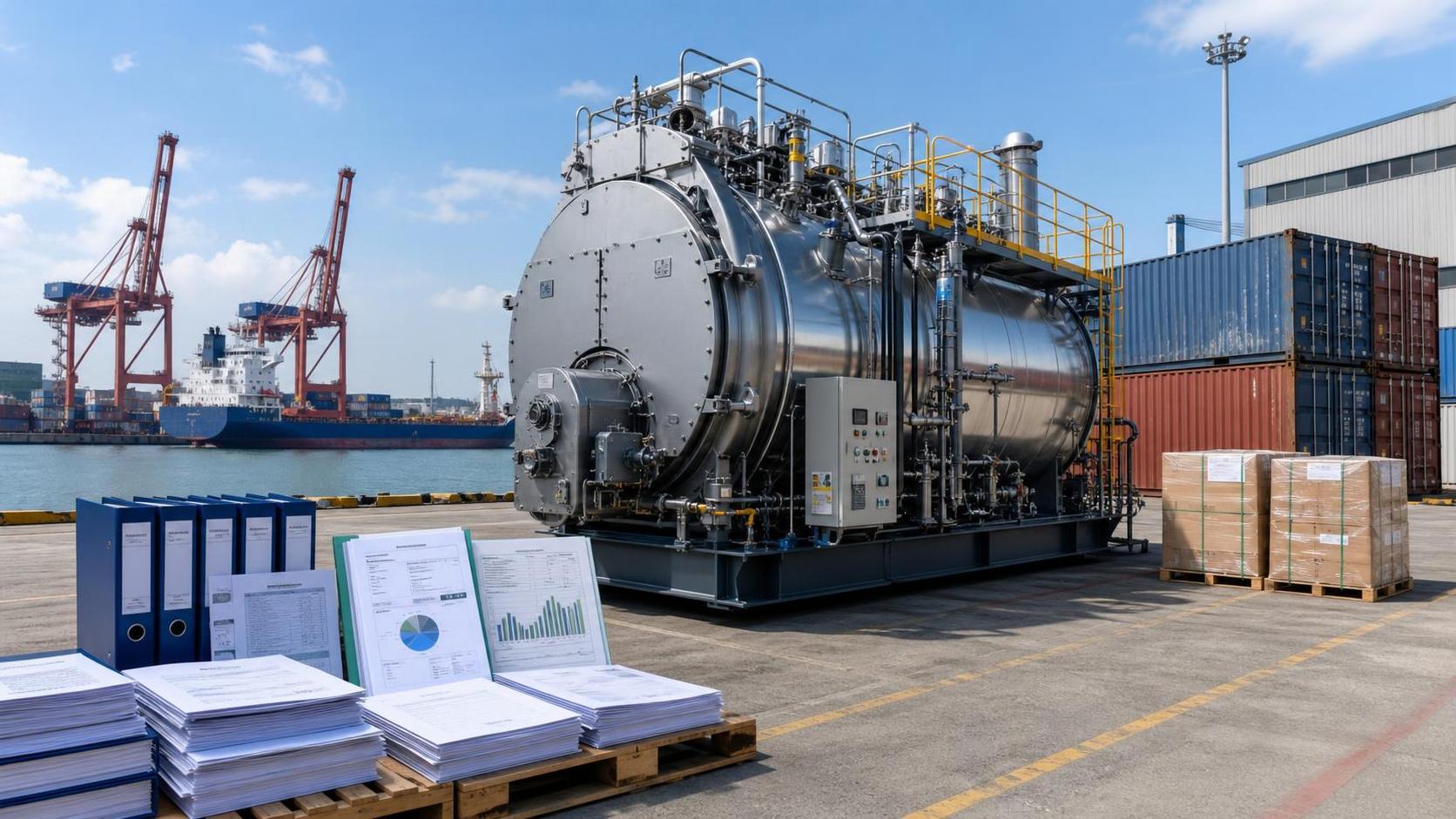
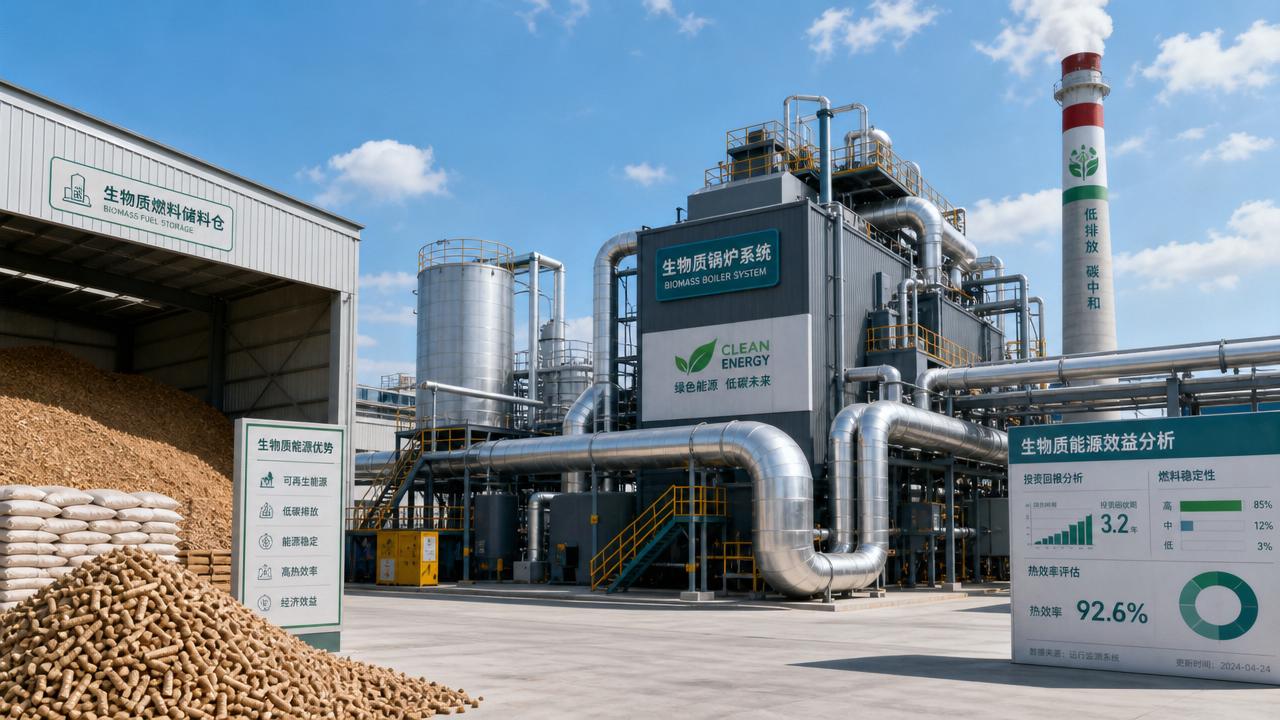
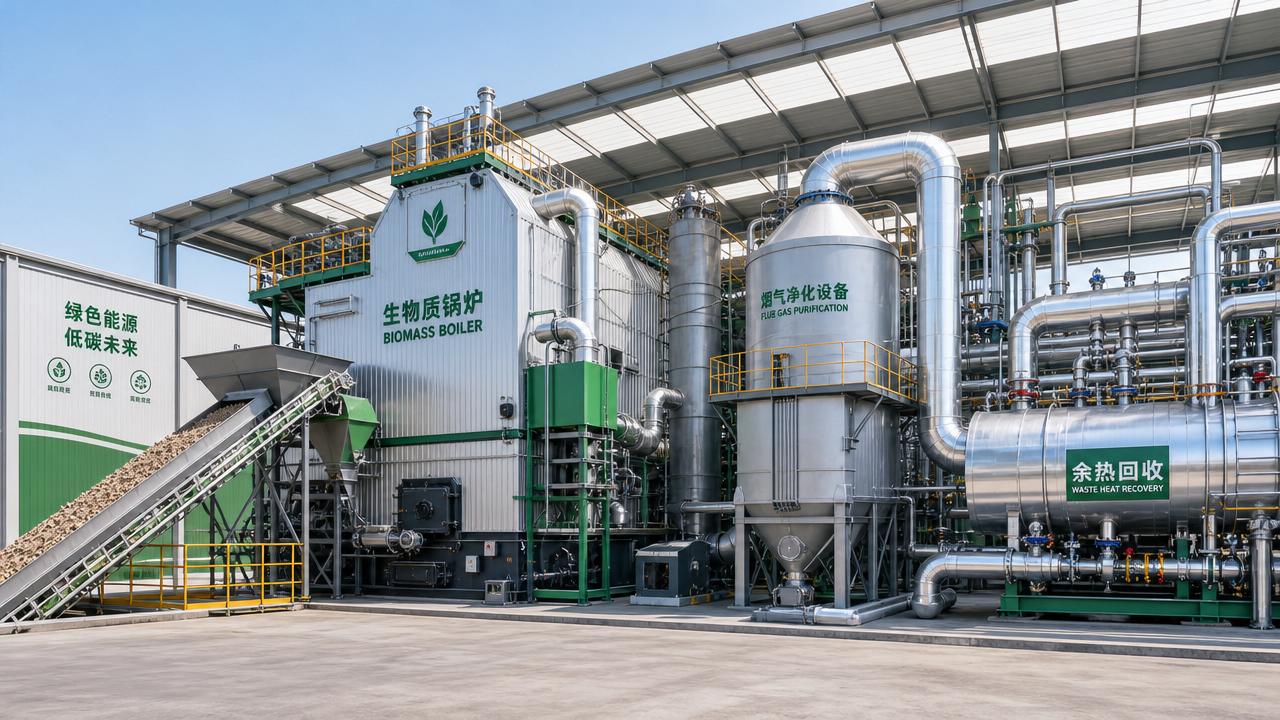
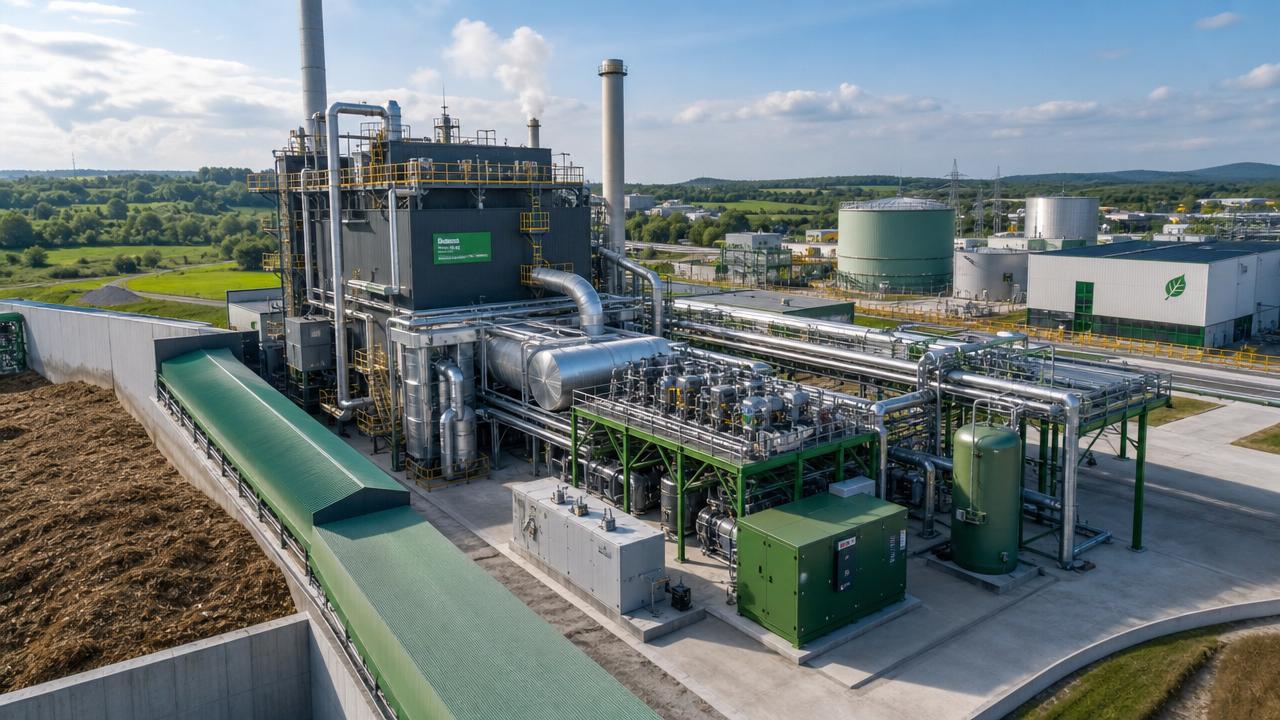
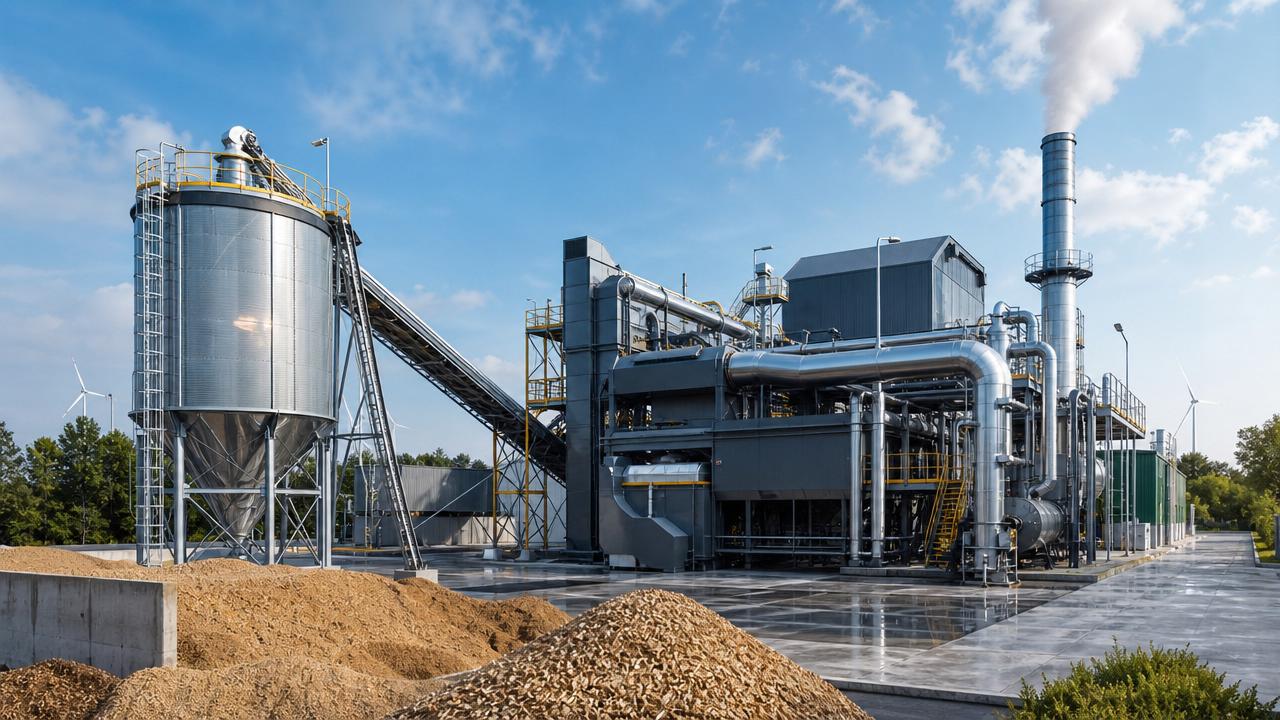
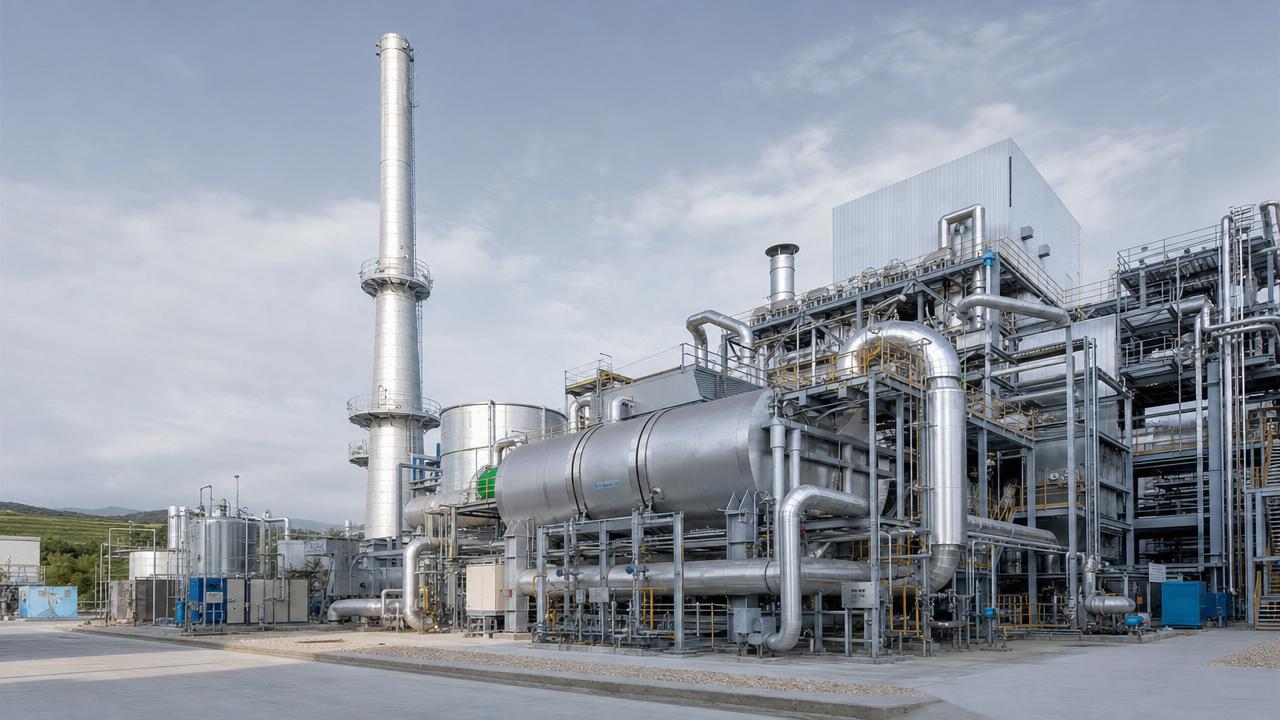
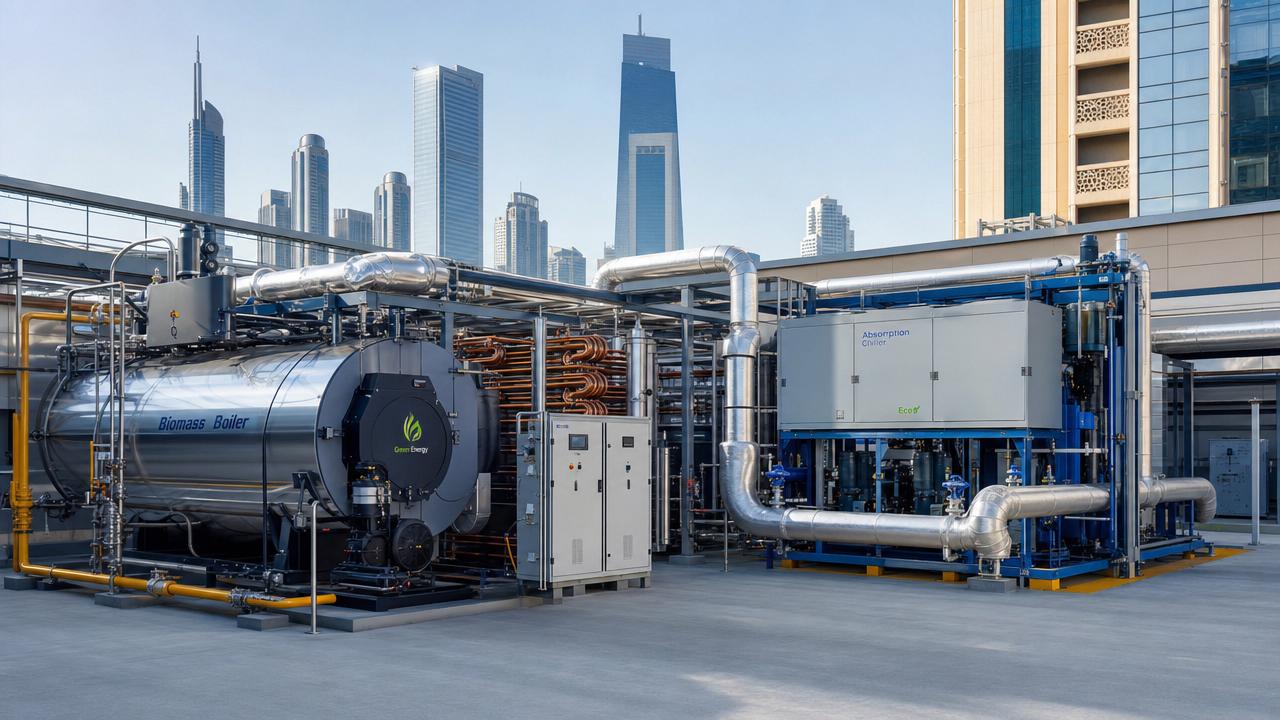
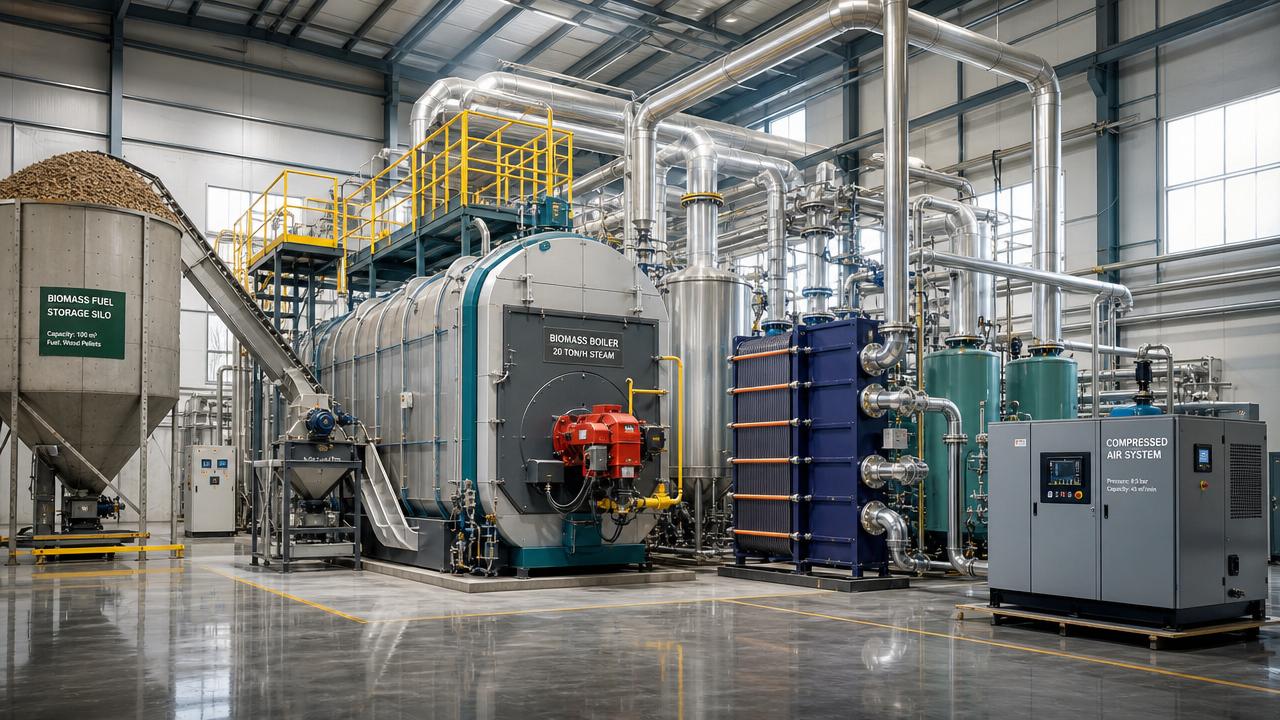
On May 14, 2026, SASO issued an update to the NEOM Green Infrastructure Certification实施细则 (detailed implementation rules), formally including biomass energy–powered combined cooling and heating (CHP) systems under mandatory certification. Key technical requirements now stipulate: overall system efficiency ≥82%, biomass fuel ash content ≤5%, and NOx emissions ≤30 mg/m³. Products without valid certification will be prohibited from entering NEOM city projects and the Saudi public engineering procurement list starting October 2026. As of the announcement date, seven Chinese biomass energy system integrators have initiated pre-assessment procedures for certification.
Industries Affected
System Integrators & Equipment Manufacturers
These entities are directly subject to the new certification mandate. Non-compliant CHP units — even if technically functional — will be excluded from NEOM and all listed Saudi public infrastructure tenders after October 2026. Impact manifests in product redesign cycles, third-party testing timelines, documentation alignment with SASO’s updated protocols, and potential delays in project bidding windows.
Biomass Fuel Suppliers
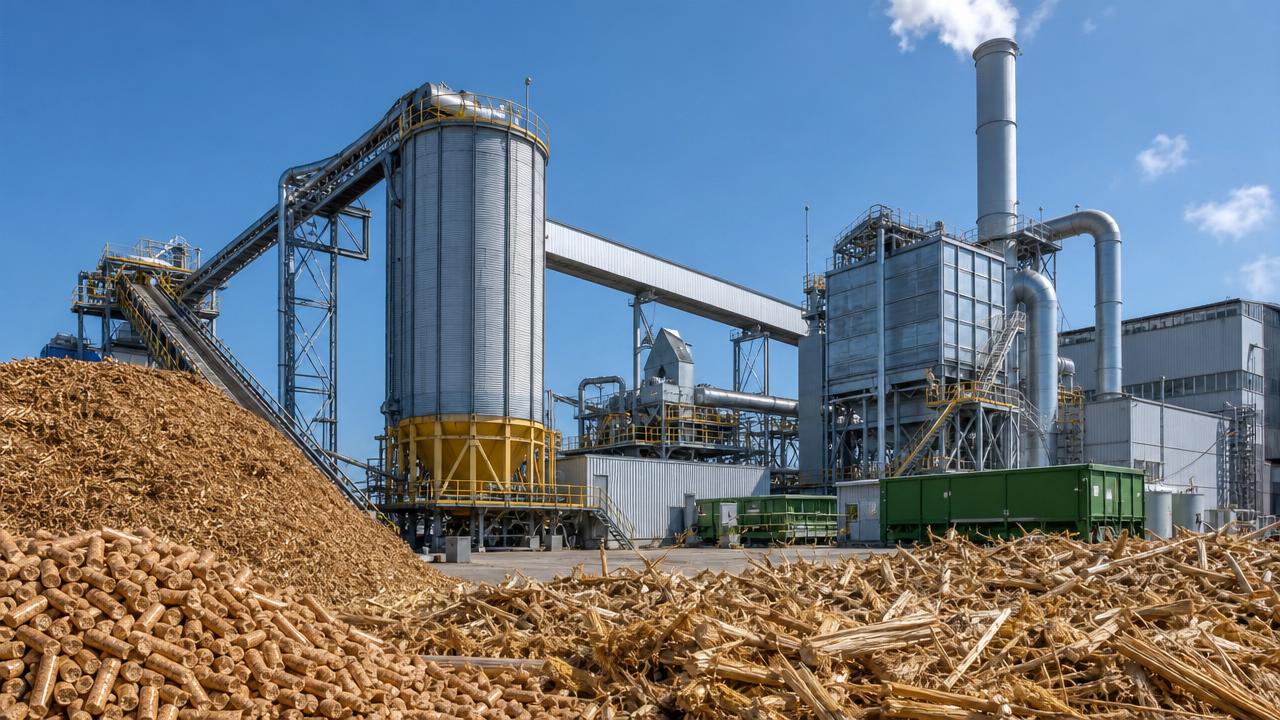
The requirement for ash content ≤5% imposes a new quality gate on feedstock sourcing and preprocessing. Suppliers must verify and document fuel composition per batch, especially for agricultural residues, wood pellets, or municipal organic waste streams commonly used in regional biomass applications. Failure to meet this threshold may render otherwise certified systems non-compliant at commissioning.
Public Sector Procurement Agencies & EPC Contractors
Procurement officers and engineering, procurement, and construction (EPC) firms working on NEOM or other Saudi government-funded infrastructure must now validate certification status prior to tender evaluation or equipment acceptance. This adds a compliance verification step to existing technical and commercial evaluation workflows — particularly for district energy, smart city, and sustainable campus projects.
Supply Chain & Certification Support Services
Third-party testing laboratories, certification bodies accredited by SASO, and local regulatory consultants face increased demand for biomass CHP-specific assessments. However, only those formally recognized under SASO’s NEOM Green Infrastructure Certification framework may issue valid certificates — narrowing the pool of eligible service providers.
What Enterprises and Practitioners Should Focus On Now
Monitor Official SASO Guidance and Technical Annex Updates
The May 14, 2026 notice is an implementation rule update, not a full standard publication. Enterprises should track SASO’s official portal for release of supplementary technical annexes — particularly regarding test methodologies for system efficiency measurement, ash content sampling protocols, and NOx monitoring during dynamic load operation.
Prioritize Pre-Assessment for High-Volume Export SKUs
Given that seven Chinese integrators have already begun pre-assessment, companies exporting similar CHP configurations should identify their highest-volume or most strategically positioned models for early engagement with SASO-accredited bodies — avoiding bottlenecks ahead of the October 2026 enforcement deadline.
Distinguish Between Policy Signal and Operational Requirement
This rule applies exclusively to NEOM-related projects and Saudi public engineering procurement. It does not constitute a nationwide ban on uncertified biomass CHP systems in commercial or industrial sectors outside these scopes. Companies should avoid overgeneralizing the mandate’s applicability when planning regional market strategies.
Validate Fuel Supply Chain Alignment Before System Certification Submission
Since ash content is a system-level compliance parameter tied to fuel input, integrators must secure written confirmation from fuel suppliers on consistent ≤5% ash performance — including seasonal variability data — prior to final certification submission. Relying solely on nominal fuel specifications carries compliance risk.
Editorial Perspective / Industry Observation
Observably, this update signals a deliberate tightening of sustainability thresholds within NEOM’s built environment framework — shifting from voluntary green benchmarks to enforceable technical mandates for distributed thermal energy assets. Analysis shows it is less a sudden policy pivot and more a logical extension of NEOM’s earlier carbon-neutral infrastructure commitments, now operationalized through measurable, auditable parameters. From an industry perspective, the inclusion of biomass CHP reflects growing recognition of its role in balancing intermittent renewables in arid-region microgrids — but also introduces stricter air quality accountability previously absent in regional biomass deployments. Current attention should focus less on whether the rule will take effect (it will), and more on how certification readiness intersects with fuel logistics, testing capacity, and cross-border documentation harmonization.
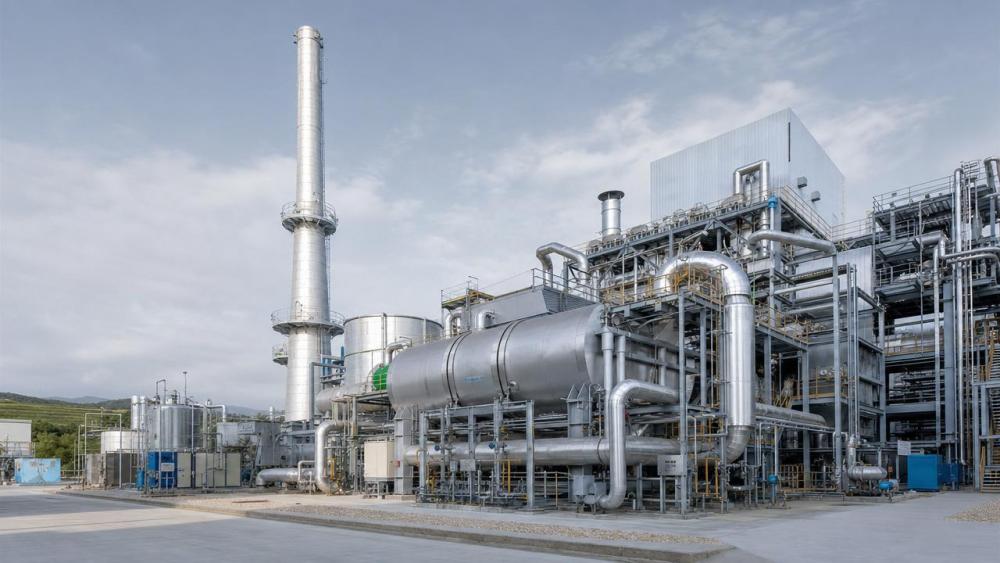
In summary, the SASO update represents a concrete regulatory milestone — not merely a signal — for biomass-based thermal energy systems targeting Saudi infrastructure markets. Its significance lies in the binding nature of its technical thresholds and its direct linkage to procurement eligibility. Enterprises should treat this as a time-bound compliance requirement rather than a strategic option, while maintaining clear boundaries between NEOM/Saudi public sector scope and broader regional market conditions.
Source: Saudi Standards, Metrology and Quality Organization (SASO) — NEOM Green Infrastructure Certification Implementation Rules Update, effective May 14, 2026. Note: Ongoing observation is required for publication of SASO-issued technical annexes and accreditation lists for authorized testing bodies.
Related News
- ACWA Power Sets 45% Local Content Rule in Boiler TenderAuthor :Thermal Energy Strategist

- India BIS Draft Targets Biomass Boiler Data LinksAuthor :Thermal Energy Strategist

- EU REACH SVHC Update Restricts TCEP in Biomass EquipmentAuthor :Thermal Energy Strategist

- China Customs Adds HS Code Rule for Biomass Boiler ExportsAuthor :Thermal Energy Strategist

- China Adds Carbon Traceability Rule for Biomass Boiler ExportsAuthor :Thermal Energy Strategist

- Sugar Import Quota Notice Raises Biomass Fuel Cost FocusAuthor :Thermal Energy Strategist
![]()
- Urea Drops to $577/Ton, Easing Biomass Boiler CostsAuthor :Thermal Energy Strategist

- Urea Falls to $577/Ton, Easing Biomass Boiler Cost PressureAuthor :Thermal Energy Strategist

- Carbon Neutrality Pressures on Biomass Energy ROIAuthor :Thermal Energy Strategist

- Japan's Crude Imports Plunge 64% in April, Boosting Biomass & Chiller AdoptionAuthor :Thermal Energy Strategist

- Indonesia Tightens Thermal Coal Exports, Boosts Biomass & Industrial Chiller DemandAuthor :Thermal Energy Strategist

- Clean Energy Technology Gains That Make Biomass Worth RevisitingAuthor :Thermal Energy Strategist

- Clean Energy Technology Trends Changing Biomass Energy Project ReturnsAuthor :Thermal Energy Strategist

- Carbon Neutrality Pressures on Biomass Energy ProjectsAuthor :Thermal Energy Strategist

- Biomass Energy Cold-Heat Supply System Named in China’s Top 7 Future IndustriesAuthor :Thermal Energy Strategist

- Carbon Neutrality Pressure and Biomass Energy Project PaybackAuthor :Thermal Energy Strategist

- NEOM Green Infrastructure Certification Expands to Biomass CHP SystemsAuthor :Thermal Energy Strategist

- Saudi SASO Mandates NGIC Certification for Biomass CHP SystemsAuthor :Thermal Energy Strategist

- Clean Energy Technology Trends Changing Biomass Energy ProjectsAuthor :Thermal Energy Strategist

- Saudi SASO Mandates NEOM Green Infrastructure Certification for Biomass CHP SystemsAuthor :Thermal Energy Strategist

- Middle East Bans R134a Imports; Biomass CHP Gains TractionAuthor :Thermal Energy Strategist

- Clean Energy Technology and Biomass Energy: What Changes in 2026Author :Thermal Energy Strategist

- Middle East Bans R134a Equipment Imports; Biomass CCHP Gains TractionAuthor :Thermal Energy Strategist

- Canton Fair Phase II: Biomass Boiler Orders Surge 112% from SEAAuthor :Thermal Energy Strategist

- Carbon Neutrality and Biomass Energy: Where the Business Case Is StrongestAuthor :Thermal Energy Strategist

- Industrial Heat Recovery Ideas That Cut Fuel Use in Daily OperationsAuthor :Thermal Energy Strategist