Carbon Neutrality and Biomass Energy: Where the Business Case Is Strongest




As carbon neutrality moves from policy ambition to boardroom metric, biomass energy is gaining attention as a practical decarbonization pathway. For business evaluation professionals, the real question is not whether biomass matters, but where its commercial logic is strongest—across fuel substitution, heat-intensive industries, regional feedstock economics, and carbon compliance. This article examines where biomass delivers the clearest business case and where caution is still required.
What Biomass Energy Means in a Carbon Neutrality Strategy
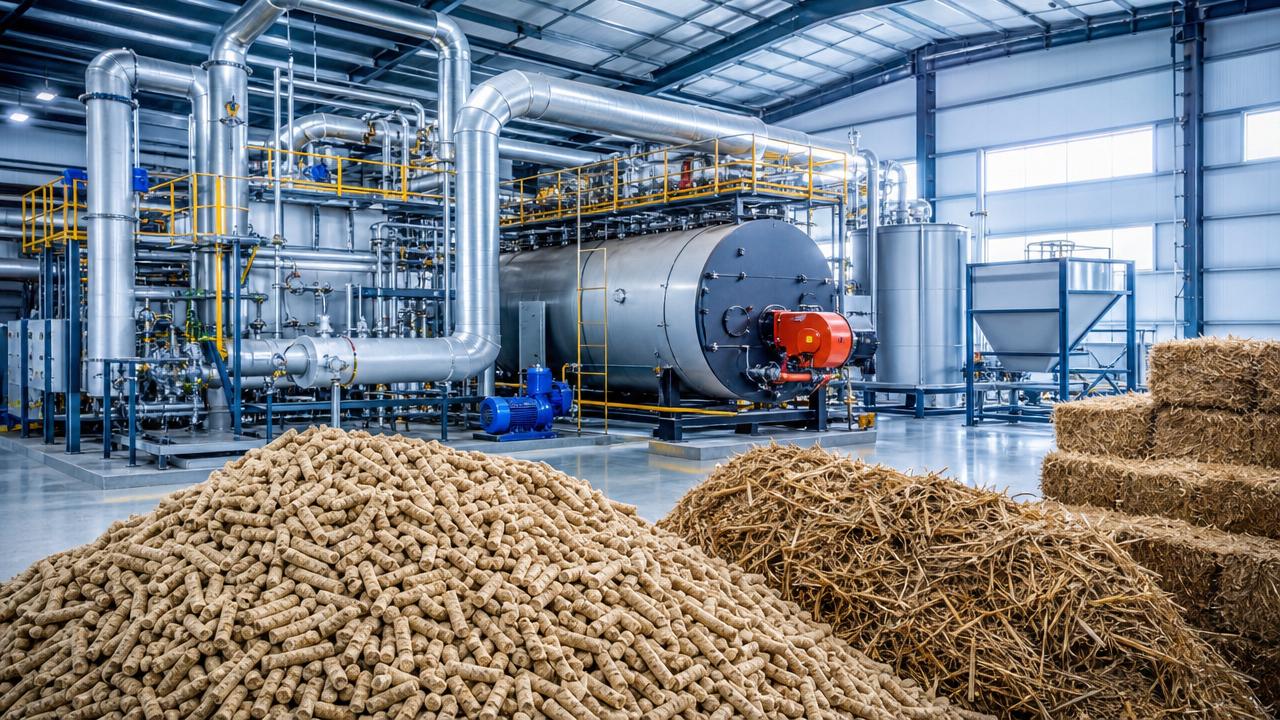
In business terms, biomass energy refers to the conversion of organic materials—such as agricultural residues, forestry waste, municipal biogenic waste, energy crops, and industrial by-products—into usable heat, power, gas, or fuels. Its importance in a carbon neutrality framework comes from the possibility of displacing fossil energy while using carbon that is already part of the short-cycle biosphere. That does not make every biomass project automatically low-carbon, but it does make biomass one of the few scalable options for high-temperature industrial heat and dispatchable renewable energy.
For evaluation teams, the attraction is practical rather than ideological. Unlike some emerging decarbonization pathways that depend on future infrastructure, biomass can often be integrated into existing boilers, CHP assets, thermal systems, and fuel-handling operations. That matters in sectors where uptime, process stability, and thermal intensity are central to competitiveness. It also explains why carbon neutrality planning increasingly treats biomass not as a generic green label, but as a site-specific business case.
Why Industry Attention Is Rising Now
The current wave of interest is driven by four converging factors. First, carbon pricing, disclosure requirements, and supply-chain decarbonization requests are making emissions financially visible. Second, electrification is advancing, but it still struggles in some heat-intensive applications where steam, hot air, or direct combustion remains operationally critical. Third, energy security concerns have pushed companies to diversify away from volatile fossil fuel imports. Fourth, circular economy thinking has increased the value of turning waste streams into energy and compliance benefits.
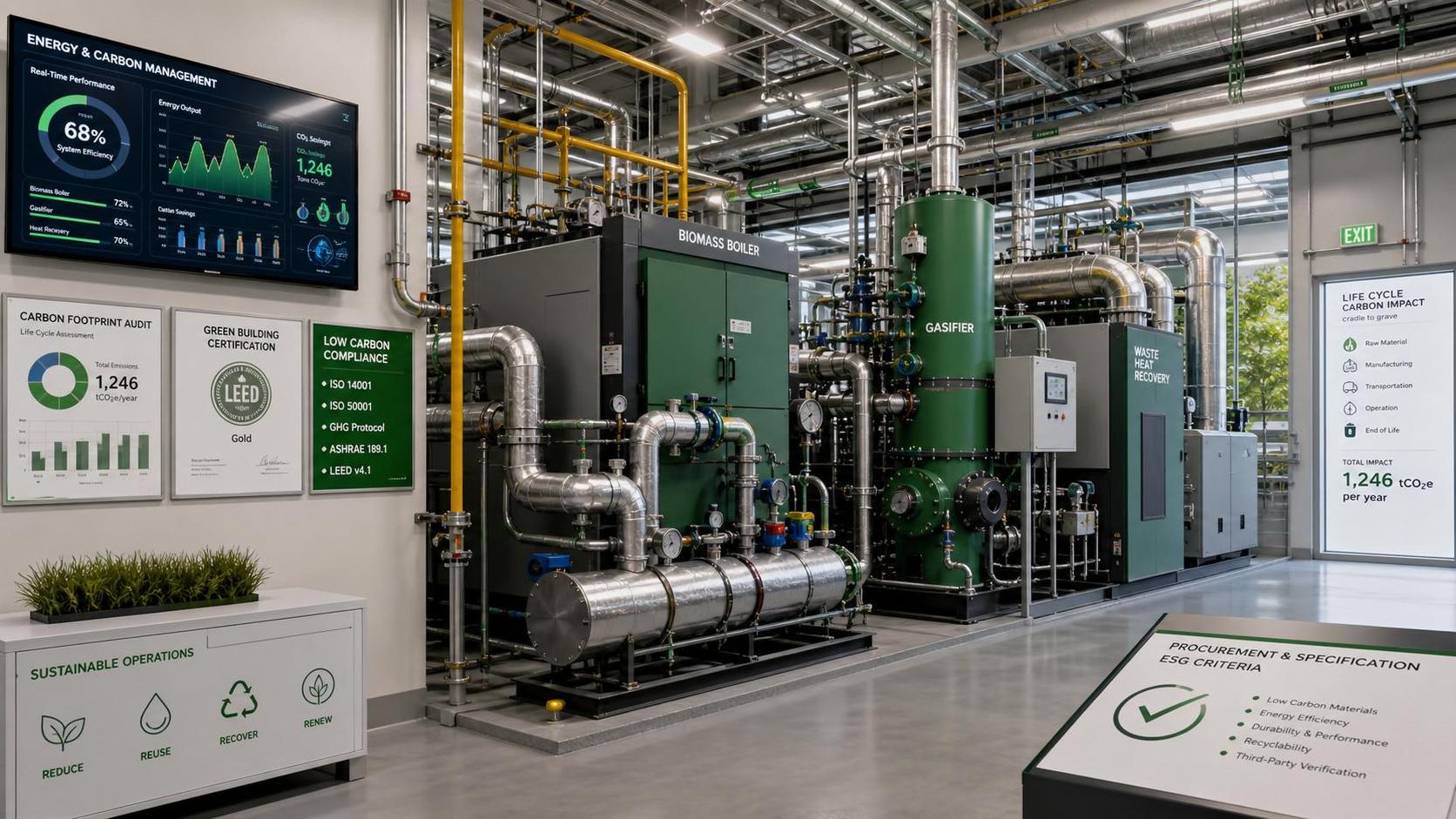
For a platform such as GTC-Matrix, which tracks industrial cooling, compression, vacuum processes, and heat exchange technologies, the relevance of biomass is especially strong where thermal systems intersect with energy efficiency. Carbon neutrality is not only about choosing a lower-carbon fuel; it is also about how effectively that fuel is converted into useful process output. Combustion control, heat recovery, steam optimization, flue gas treatment, and integration with compressed air and thermal loads all shape project economics.
Where the Business Case Is Strongest
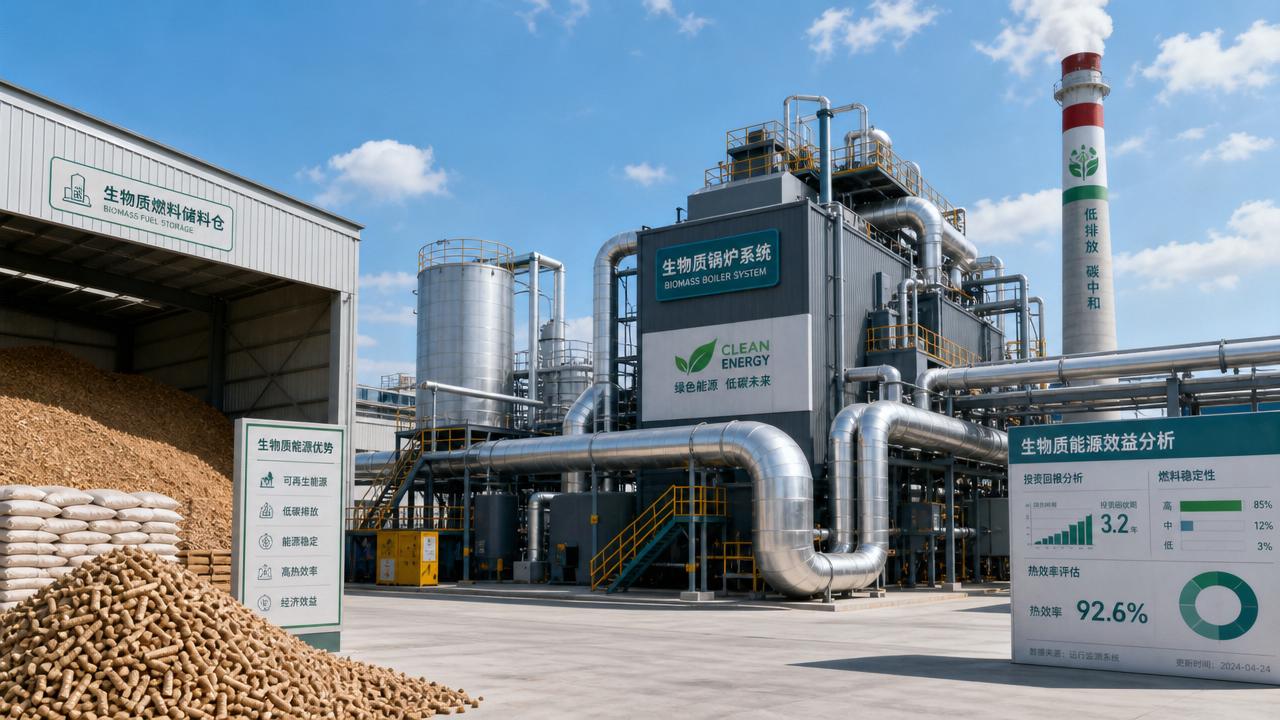
The strongest biomass investments usually share three characteristics: a reliable local feedstock base, a high and steady thermal load, and a clear carbon or cost advantage versus incumbent energy sources. When these conditions align, biomass can support carbon neutrality with measurable returns rather than symbolic progress.
The commercial logic is strongest in thermal applications because biomass competes most effectively where heat is expensive to decarbonize by other means. In contrast, using biomass only for power generation can be less attractive if grid electricity is already relatively low-carbon or if conversion efficiency is poor. That is why many of the best carbon neutrality outcomes come from biomass-for-heat or biomass CHP rather than stand-alone electricity projects.
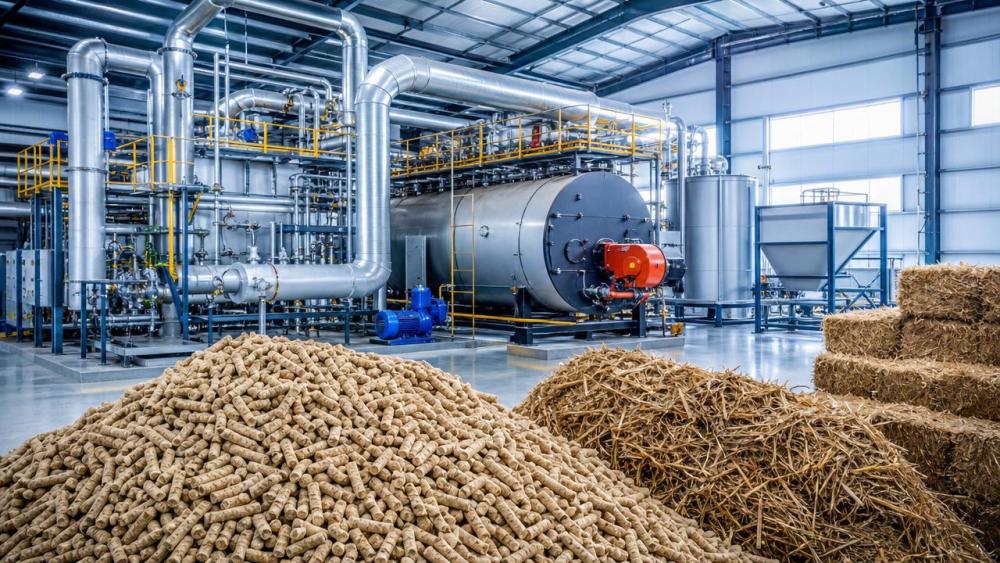
Heat-Intensive Industries Offer the Clearest Fit
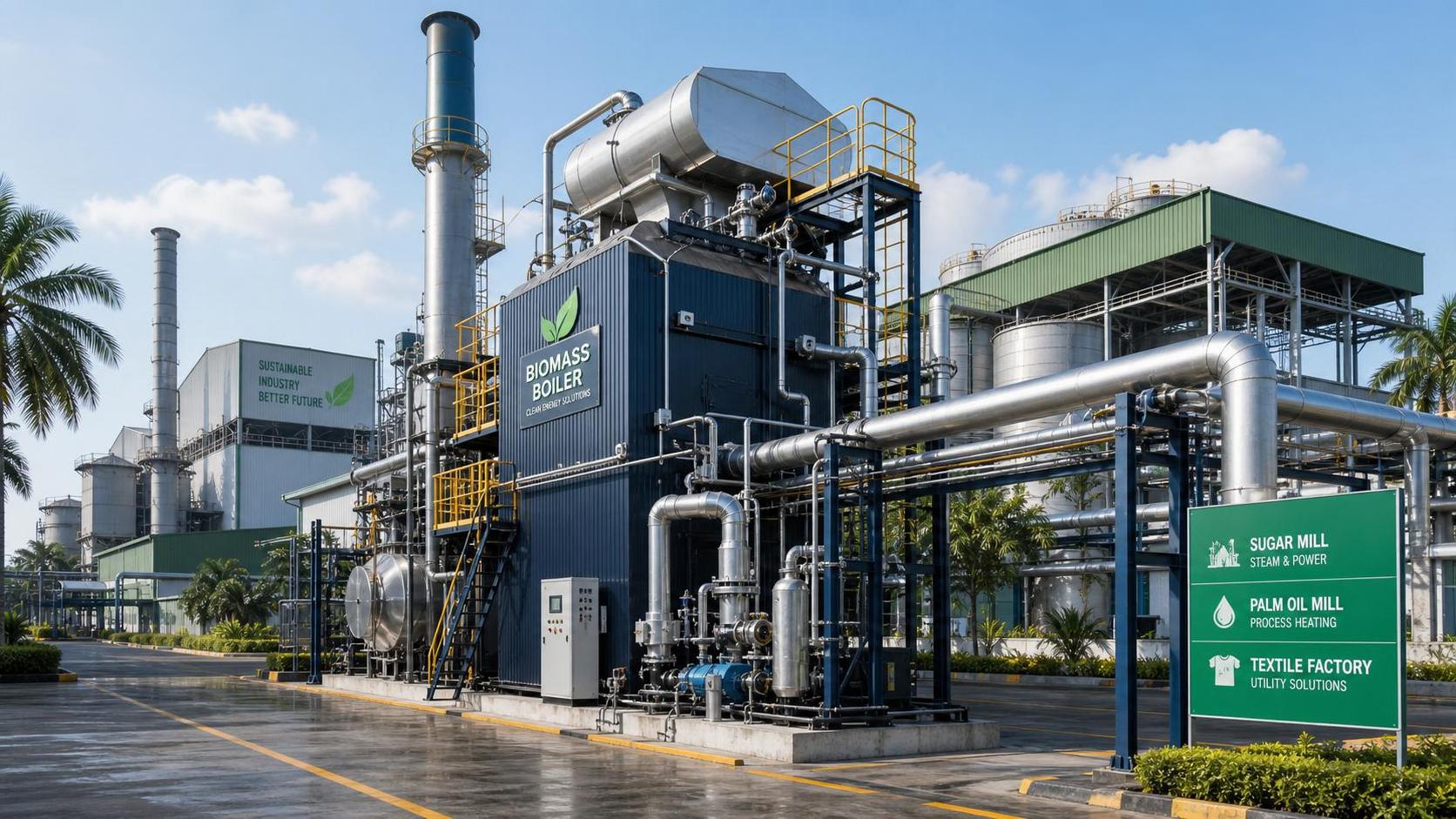
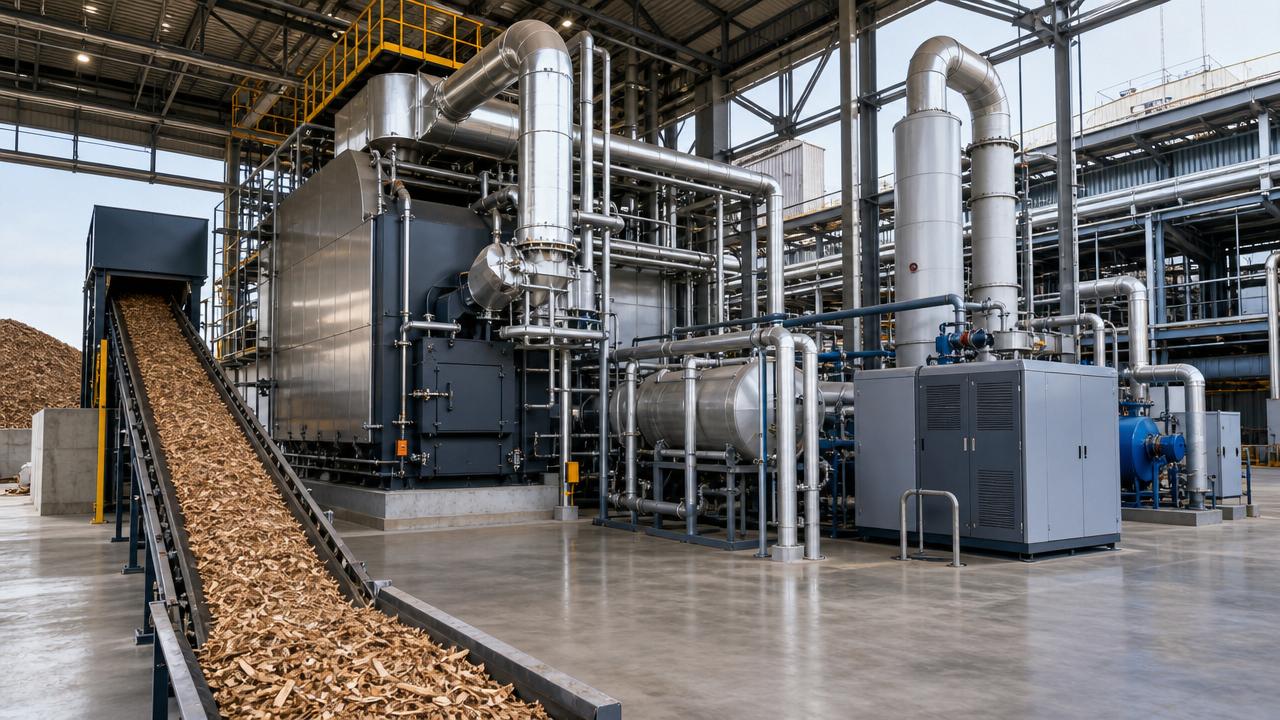
From a business evaluation perspective, sectors with predictable thermal demand generally outperform sectors seeking only a headline emissions reduction. Food processing, pulp and paper, wood products, textiles, chemicals, ceramics, and some mining operations frequently show strong alignment with biomass. Their processes require steam, drying, or medium-to-high temperature heat over long operating hours, which supports better asset utilization.
This matters because carbon neutrality projects succeed financially when they displace large, recurring fossil energy bills. A plant running seasonal or highly variable loads may find electrification, efficiency upgrades, or renewable power procurement more flexible. But a plant with year-round thermal demand can often justify biomass because the fuel switch affects a large portion of the energy balance. In such cases, the avoided carbon cost and reduced exposure to gas or oil volatility can meaningfully improve long-term planning.
There is also an operational angle. Many industrial facilities already manage combustion equipment, heat exchangers, thermal storage, steam networks, and emissions control systems. That existing thermal competence lowers implementation risk compared with entirely new energy architectures. For business reviewers, this means the project should be judged not only on fuel economics, but also on the site's ability to integrate biomass into established thermal workflows.
Regional Feedstock Economics Often Decide the Outcome
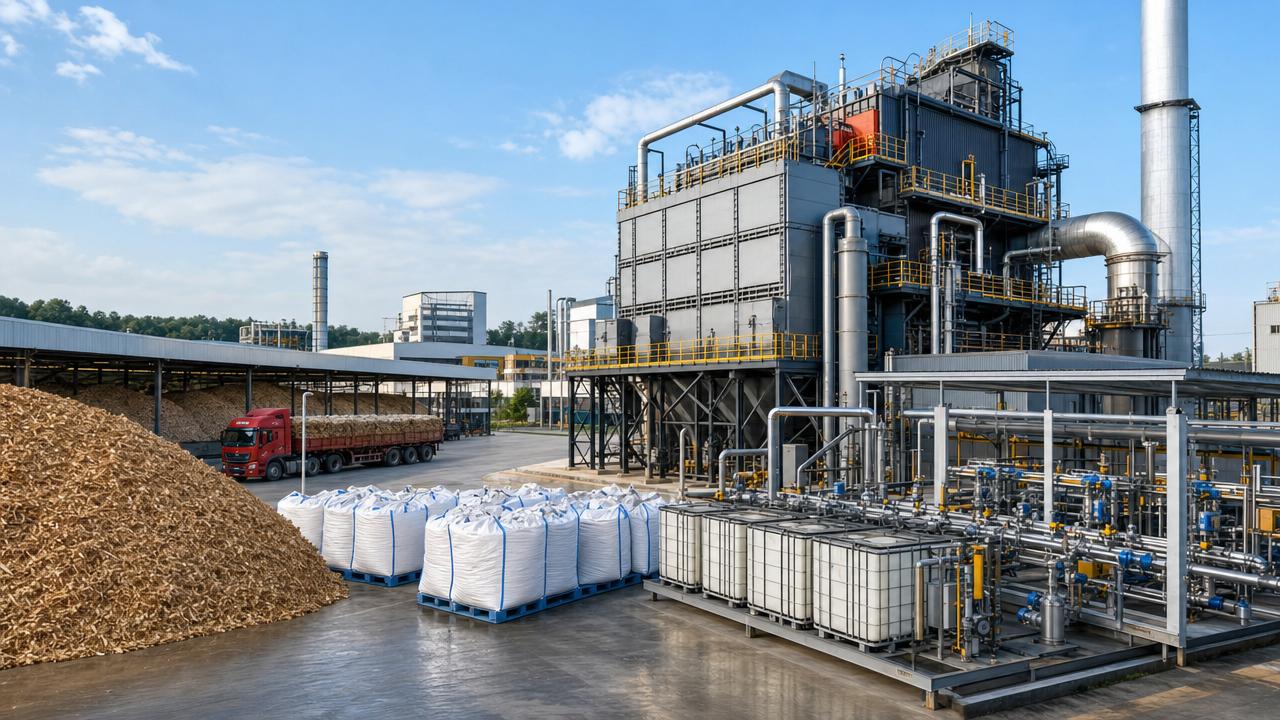
Biomass is local before it is global. A theoretically attractive carbon neutrality project can fail if feedstock must travel too far, arrives with inconsistent quality, or faces competing demand from other industries. The best projects sit near concentrated biomass resources: forestry clusters, agricultural regions, agro-industrial hubs, or urban systems with sorted biogenic waste streams.
Evaluation teams should distinguish between nominal biomass availability and bankable supply. A region may produce large volumes of residues, but only a portion may be collectible, contractable, sustainably certified, and suitable for the intended technology. Moisture content, contamination, seasonality, storage losses, preprocessing needs, and transport infrastructure can all turn low-cost residue into a high-cost operational challenge.
This is where disciplined intelligence matters. Carbon neutrality claims linked to biomass increasingly face scrutiny from investors, customers, and regulators. A robust business case therefore requires more than a headline tonnage estimate. It requires scenario testing around supply interruptions, price escalation, alternative disposal routes, and sustainability criteria. In many cases, the winning projects are not those with the cheapest feedstock on paper, but those with the most resilient long-term supply chain.
Carbon Compliance and Market Position Can Strengthen Returns
The value of biomass extends beyond fuel substitution. In regulated markets, carbon neutrality pathways can unlock compliance advantages, reduce future liabilities, and support customer-facing decarbonization commitments. Companies supplying multinational buyers may benefit from lower product-level emissions, improved ESG positioning, and stronger eligibility in greener procurement frameworks.
For business evaluators, these indirect gains should be treated carefully but not ignored. They can be material in industries exposed to carbon border measures, sustainability audits, or investor pressure. However, they should be translated into decision-grade assumptions: expected carbon price trajectory, likely reporting treatment, certification costs, and buyer willingness to recognize lower embodied emissions. Carbon neutrality creates opportunity, but only when compliance logic is matched with credible documentation and operational evidence.
Where Caution Is Still Required
Biomass is not automatically the best answer. The weaker business cases tend to appear where feedstock is imported over long distances, where plant load is too small or too variable, where emissions controls are underestimated, or where local policy support is uncertain. Some projects also overstate carbon neutrality benefits by ignoring harvesting impacts, land-use concerns, or inefficient conversion technology.
Another common risk is technical mismatch. A company may focus on the renewable label while underestimating practical issues such as fuel preparation, slagging, corrosion, tar management, particulate control, and maintenance complexity. In thermal systems, these details directly affect uptime and lifecycle cost. For sectors reliant on precise process conditions, unstable combustion or poor heat transfer can erase expected savings.
Business reviewers should also watch for distorted comparisons. Biomass should be compared not just with current fossil use, but with realistic alternatives such as heat pumps, waste heat recovery, electric boilers, solar thermal, biogas, or hybrid systems. In some settings, the strongest carbon neutrality pathway may be a staged solution: first maximize efficiency, then electrify lower-temperature loads, and finally apply biomass where thermal demands remain hard to decarbonize.
A Practical Evaluation Framework for Decision Teams
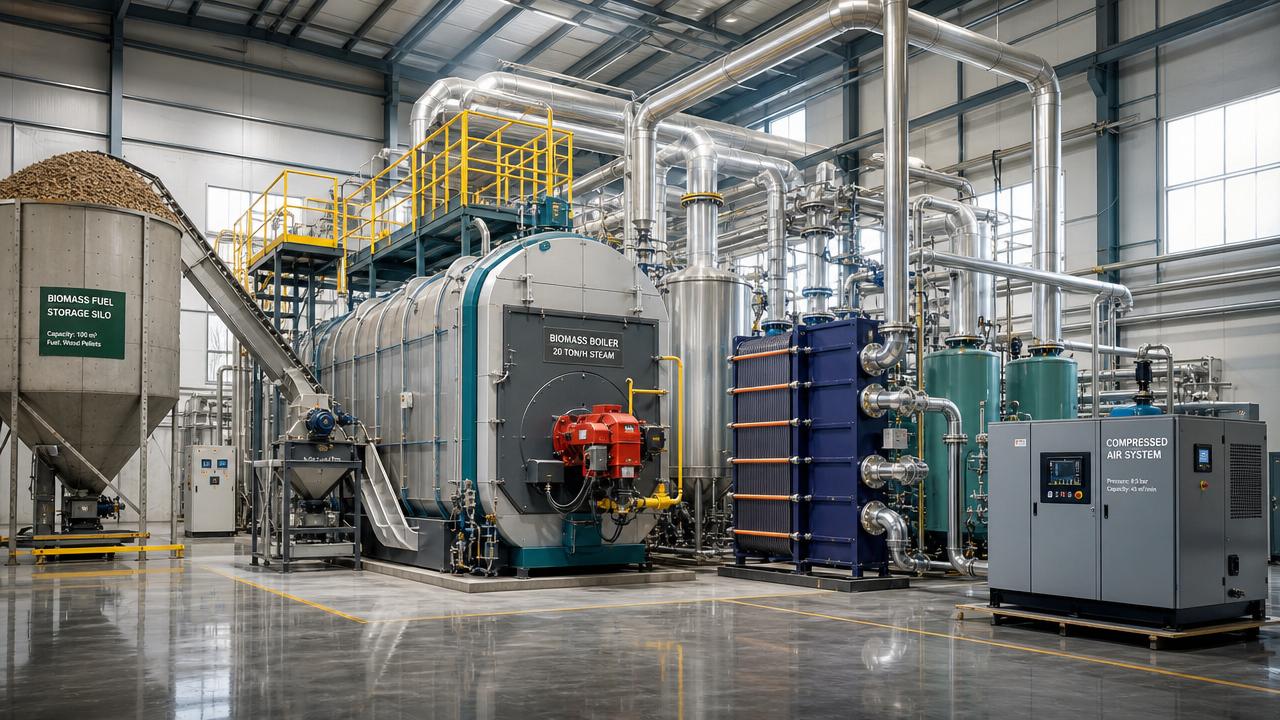
A high-quality biomass assessment should move through a structured lens. Start with thermal demand mapping: what temperatures, duty cycles, and process stability requirements define the site? Then test feedstock reality: what local biomass streams are contractable over five to ten years, at what quality and delivered cost? Next evaluate system integration: how will the biomass asset interact with boilers, steam networks, heat exchangers, drying systems, compressed air utilities, and emissions controls?
After that, build the financial case using several layers. Include capex, fuel handling, storage, O&M, parasitic energy use, downtime risk, permitting, and carbon compliance effects. Sensitivity analysis is essential. The most useful model is not a single IRR estimate, but a range built around fuel prices, carbon prices, load factors, and policy changes. This is especially important for carbon neutrality investments because the commercial outcome may depend as much on regulation and asset utilization as on fuel cost alone.
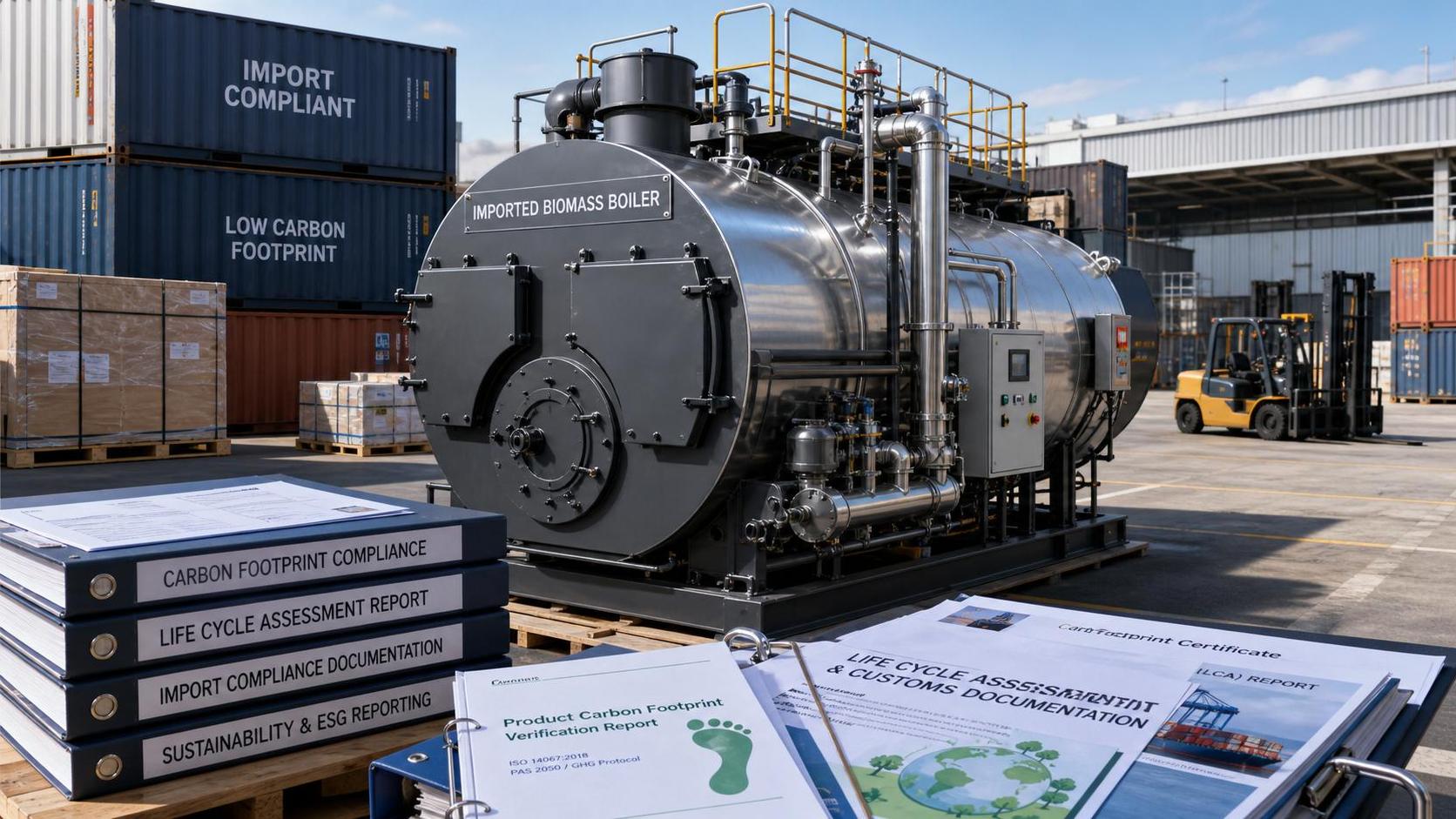
Finally, verify sustainability and reporting treatment early. Biomass projects can lose strategic value if claimed emissions reductions are later challenged. Documentation on source, chain of custody, land-use criteria, and accounting methodology should be part of due diligence, not an afterthought.
How GTC-Matrix-Type Intelligence Supports Better Biomass Decisions
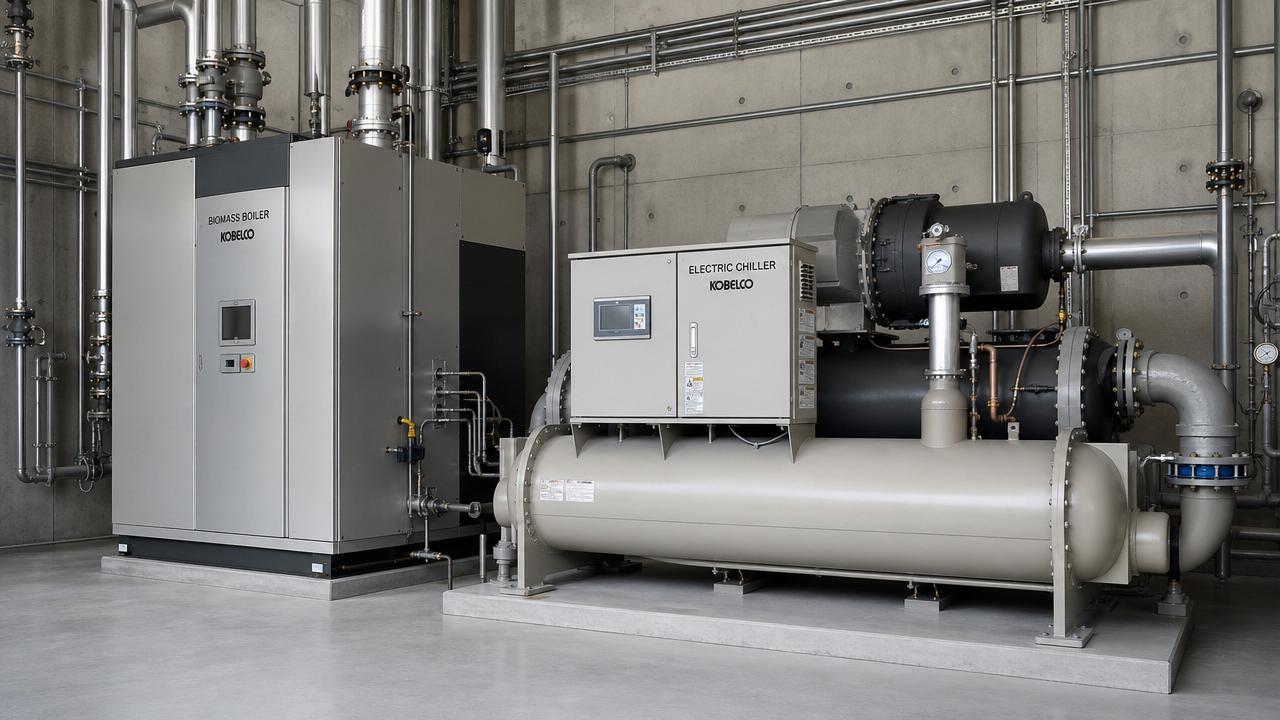
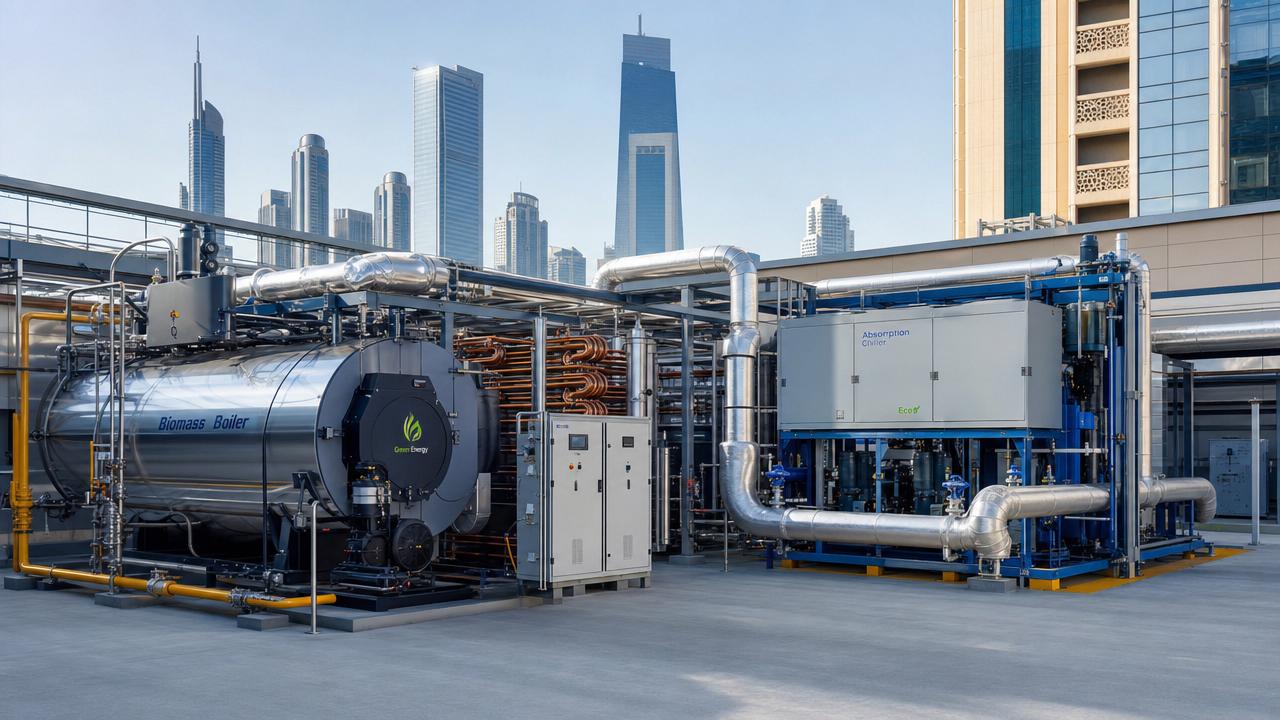
For industrial decision-makers, the real advantage comes from linking biomass evaluation with wider thermal and power system intelligence. A biomass boiler or CHP unit does not operate in isolation; its economics depend on heat exchange efficiency, combustion optimization, cooling demand interactions, auxiliary compression loads, and plant-wide energy management. That is why integrated technical and commercial insight is more valuable than a narrow fuel comparison.
This is also where a specialist intelligence platform creates value. By tracking thermodynamic performance, equipment evolution, and sector-specific demand patterns, analysts can identify where carbon neutrality through biomass is structurally sound and where another pathway may outperform it. For business evaluation professionals, that broader system perspective reduces the risk of approving a decarbonization project that looks attractive in isolation but weakens plant efficiency at the operational level.
Conclusion and Next-Step Focus
The strongest business case for biomass energy in a carbon neutrality strategy appears where three realities meet: hard-to-electrify thermal demand, dependable local feedstock, and measurable carbon or compliance value. Industrial steam systems, CHP applications, and residue-rich manufacturing sectors often stand out because biomass addresses both operational energy needs and decarbonization pressure. Yet the opportunity is highly conditional. Poor feedstock logistics, weak technical integration, or overstated carbon assumptions can quickly undermine returns.
For business evaluation teams, the right approach is disciplined rather than ideological. Treat biomass as one tool within a broader decarbonization portfolio, test it against efficiency and electrification alternatives, and judge it through site-specific thermal, financial, and compliance data. In the carbon neutrality era, the winners will be the companies that connect fuel choice with system intelligence—and turn decarbonization from a reporting goal into an operating advantage.
Related News
- IEA Report Flags 37% Rise in Biomass Boiler BudgetsAuthor :Thermal Energy Strategist

- Vietnam Tightens Import Rules for Biomass BoilersAuthor :Thermal Energy Strategist

- SASO Tightens NOx Monitoring Rule for Biomass BoilersAuthor :Thermal Energy Strategist

- Vietnam Halts New Biomass Boiler Import PermitsAuthor :Thermal Energy Strategist

- Industrial Biomass Boilers: Key Cost Factors for Heating ProjectsAuthor :Thermal Energy Strategist
![]()
- PSA Jurong Island Launch Cuts Biomass Fuel Clearance to 48 HoursAuthor :Thermal Energy Strategist
![]()
- Vietnam Requires CFP for Imported Biomass BoilersAuthor :Thermal Energy Strategist

- EU Monitoring Tightens Biomass Boiler Steel SupplyAuthor :Thermal Energy Strategist

- ASHRAE 189.1-2026 Adds Biomass Carbon ReviewAuthor :Thermal Energy Strategist

- ACWA Power Sets 45% Local Content Rule in Boiler TenderAuthor :Thermal Energy Strategist

- India BIS Draft Targets Biomass Boiler Data LinksAuthor :Thermal Energy Strategist

- EU REACH SVHC Update Restricts TCEP in Biomass EquipmentAuthor :Thermal Energy Strategist

- China Customs Adds HS Code Rule for Biomass Boiler ExportsAuthor :Thermal Energy Strategist

- China Adds Carbon Traceability Rule for Biomass Boiler ExportsAuthor :Thermal Energy Strategist

- Sugar Import Quota Notice Raises Biomass Fuel Cost FocusAuthor :Thermal Energy Strategist
![]()
- Urea Drops to $577/Ton, Easing Biomass Boiler CostsAuthor :Thermal Energy Strategist

- Urea Falls to $577/Ton, Easing Biomass Boiler Cost PressureAuthor :Thermal Energy Strategist

- Carbon Neutrality Pressures on Biomass Energy ROIAuthor :Thermal Energy Strategist

- Japan's Crude Imports Plunge 64% in April, Boosting Biomass & Chiller AdoptionAuthor :Thermal Energy Strategist

- Indonesia Tightens Thermal Coal Exports, Boosts Biomass & Industrial Chiller DemandAuthor :Thermal Energy Strategist

- Clean Energy Technology Gains That Make Biomass Worth RevisitingAuthor :Thermal Energy Strategist

- Clean Energy Technology Trends Changing Biomass Energy Project ReturnsAuthor :Thermal Energy Strategist

- Carbon Neutrality Pressures on Biomass Energy ProjectsAuthor :Thermal Energy Strategist

- Biomass Energy Cold-Heat Supply System Named in China’s Top 7 Future IndustriesAuthor :Thermal Energy Strategist

- Carbon Neutrality Pressure and Biomass Energy Project PaybackAuthor :Thermal Energy Strategist

- NEOM Green Infrastructure Certification Expands to Biomass CHP SystemsAuthor :Thermal Energy Strategist

- Saudi SASO Mandates NGIC Certification for Biomass CHP SystemsAuthor :Thermal Energy Strategist

- Clean Energy Technology Trends Changing Biomass Energy ProjectsAuthor :Thermal Energy Strategist

- Saudi SASO Mandates NEOM Green Infrastructure Certification for Biomass CHP SystemsAuthor :Thermal Energy Strategist

- Middle East Bans R134a Imports; Biomass CHP Gains TractionAuthor :Thermal Energy Strategist

- Clean Energy Technology and Biomass Energy: What Changes in 2026Author :Thermal Energy Strategist

- Middle East Bans R134a Equipment Imports; Biomass CCHP Gains TractionAuthor :Thermal Energy Strategist

- Canton Fair Phase II: Biomass Boiler Orders Surge 112% from SEAAuthor :Thermal Energy Strategist

- Carbon Neutrality and Biomass Energy: Where the Business Case Is StrongestAuthor :Thermal Energy Strategist

- Industrial Heat Recovery Ideas That Cut Fuel Use in Daily OperationsAuthor :Thermal Energy Strategist