



Urea Drops to $577/Ton, Easing Biomass Boiler Costs




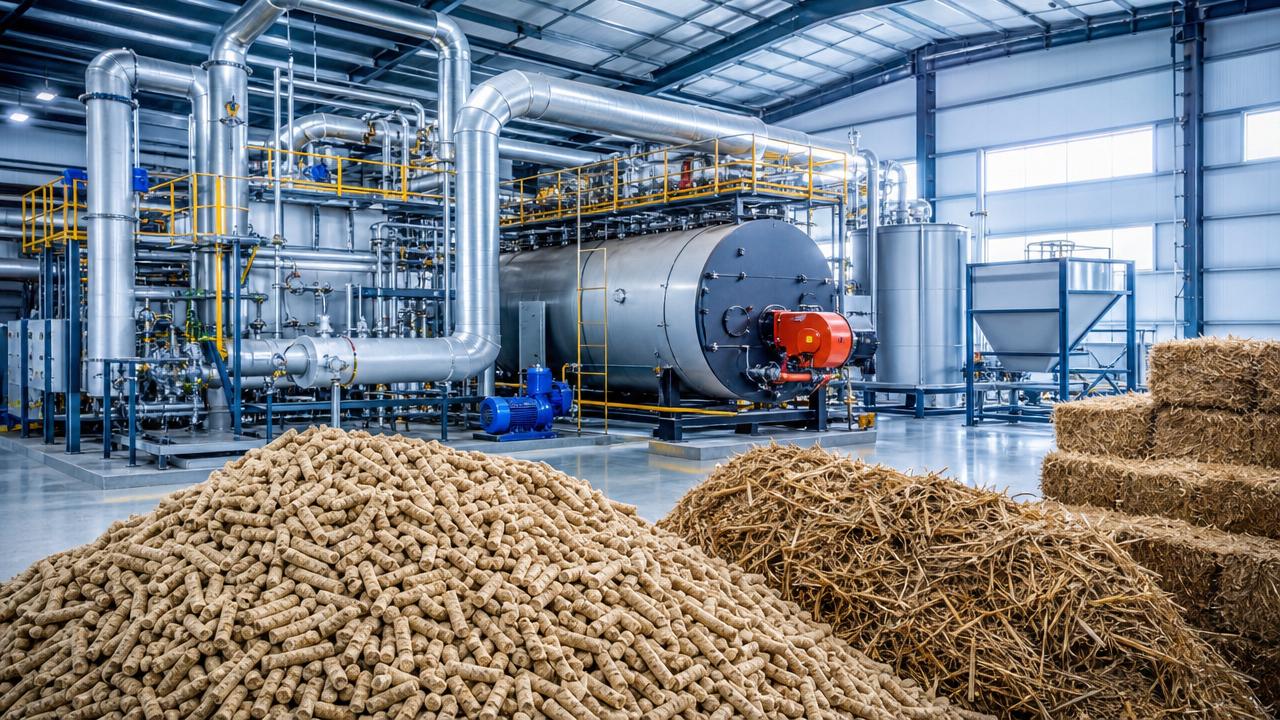
On June 6, 2026, a sharp decline in bulk urea pricing became relevant well beyond commodity markets because it directly affects the operating economics of biomass energy boilers that use urea-based SCR denitrification systems. In the context described in the input, the change matters for boiler operators, procurement teams, exporters, and supply-chain participants assessing cost competitiveness under the EU Carbon Border Adjustment Mechanism (CBAM), especially where fuel choice, compliance positioning, and delivery planning are closely linked.
What the reported price move confirms
According to Argus Media data dated June 7, 2026, the international bulk urea FOB Baltic average price fell to USD 577 per ton. The reported level was down 11.3% month on month and marked the lowest point since the third quarter of 2025.
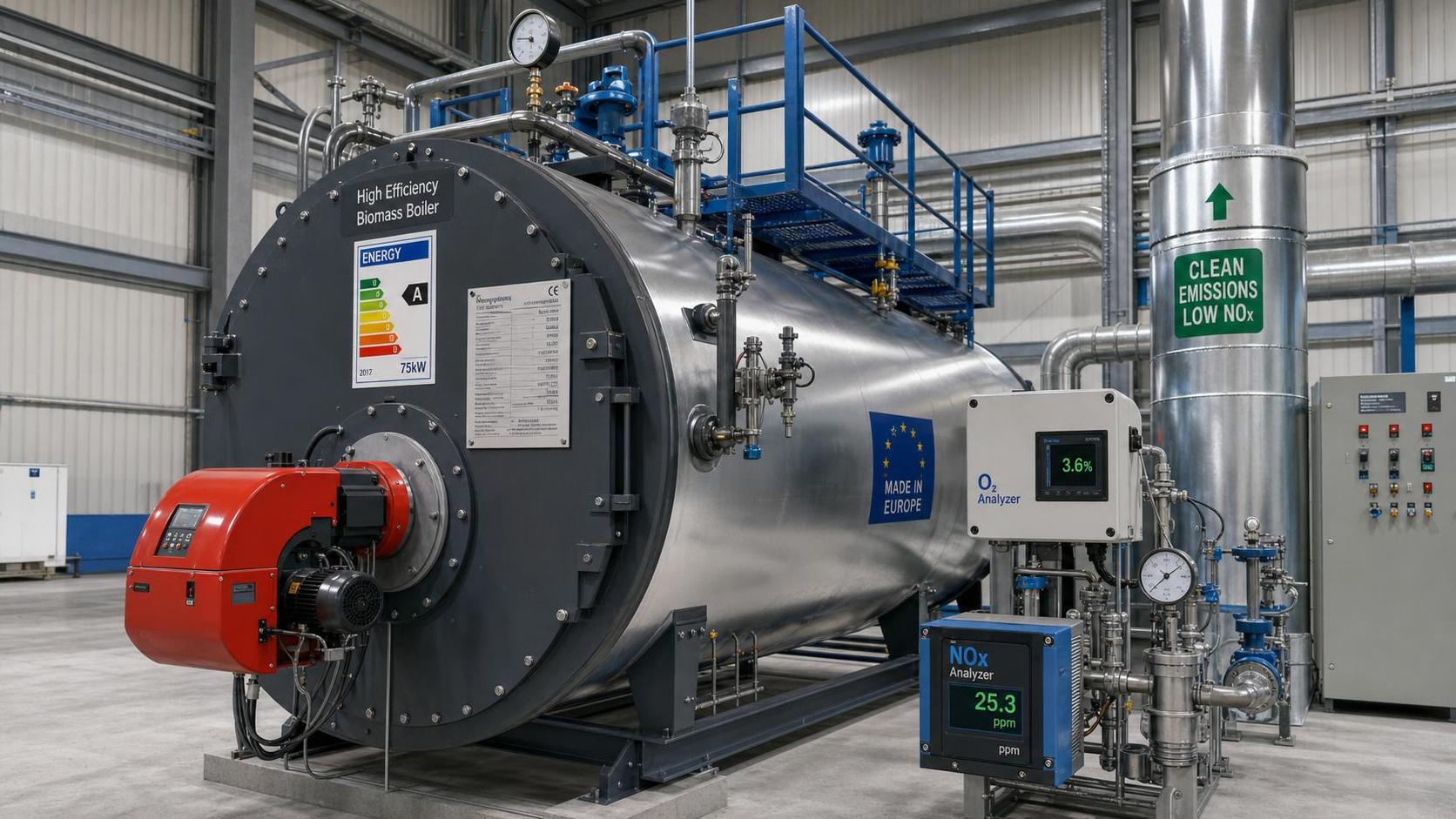
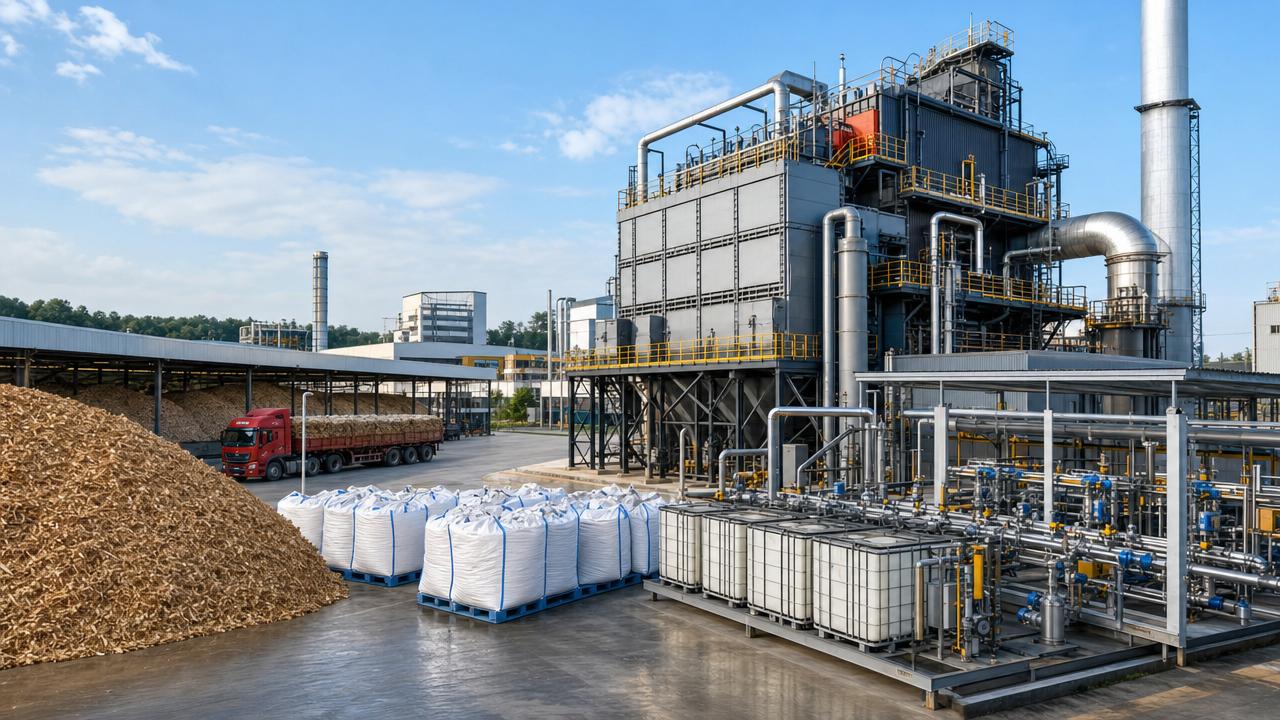
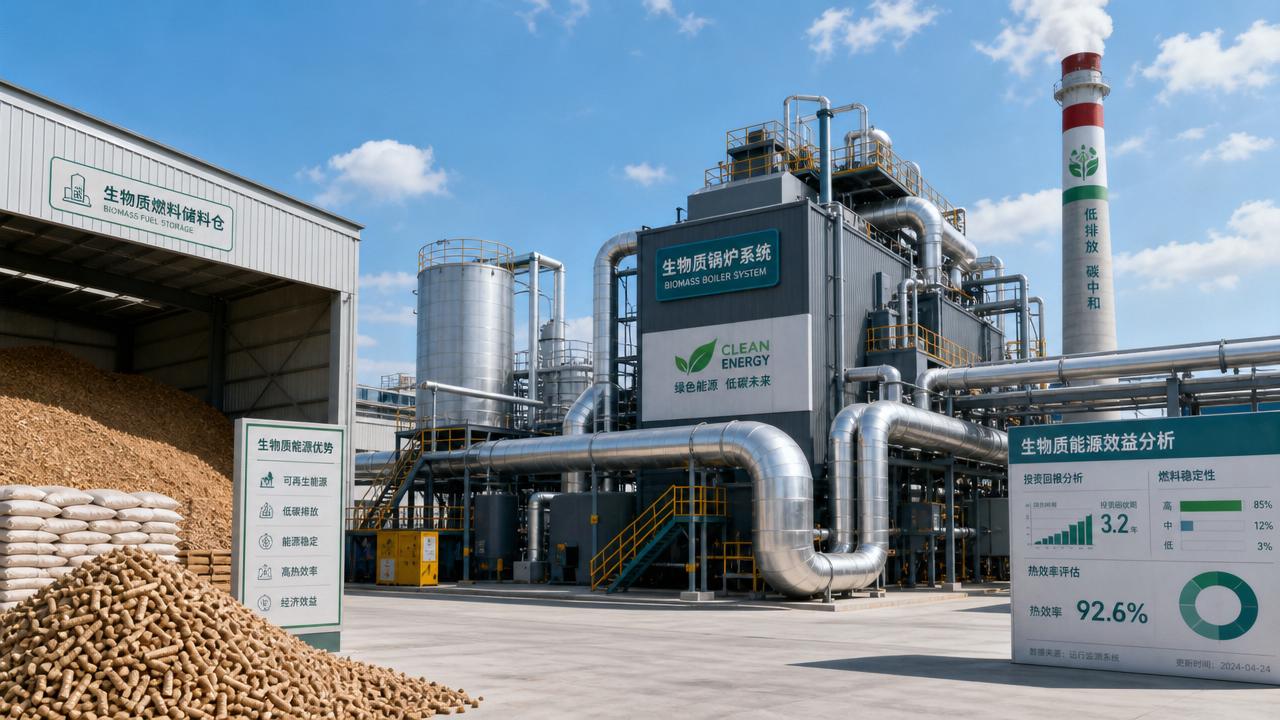
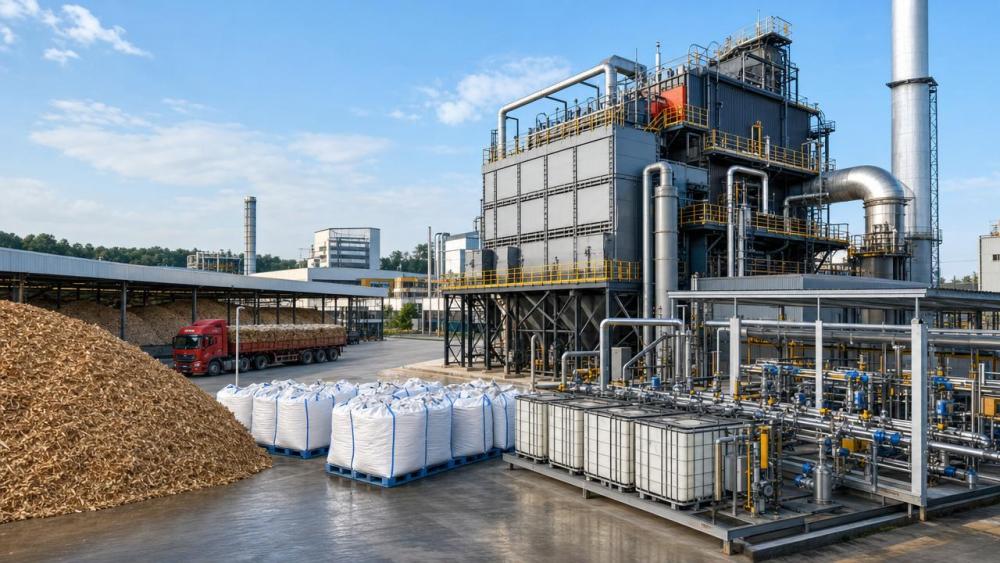
The information provided also states that this decline materially reduces operating costs for biomass energy boilers using urea as the reductant in SCR systems. In the same context, it improves their economic competitiveness relative to gas boilers under CBAM.
Where the practical effects may begin to show
Cost planning for boiler operators and energy users
From an industry perspective, operators of biomass energy boilers may feel the effect first in operating-cost calculations because urea is part of SCR system use. What deserves closer attention is not only the lower input cost itself, but also how procurement teams reflect that change in budget assumptions, operating comparisons, and tender positioning where CBAM-related competitiveness is under review.
Procurement and delivery coordination in the supply chain
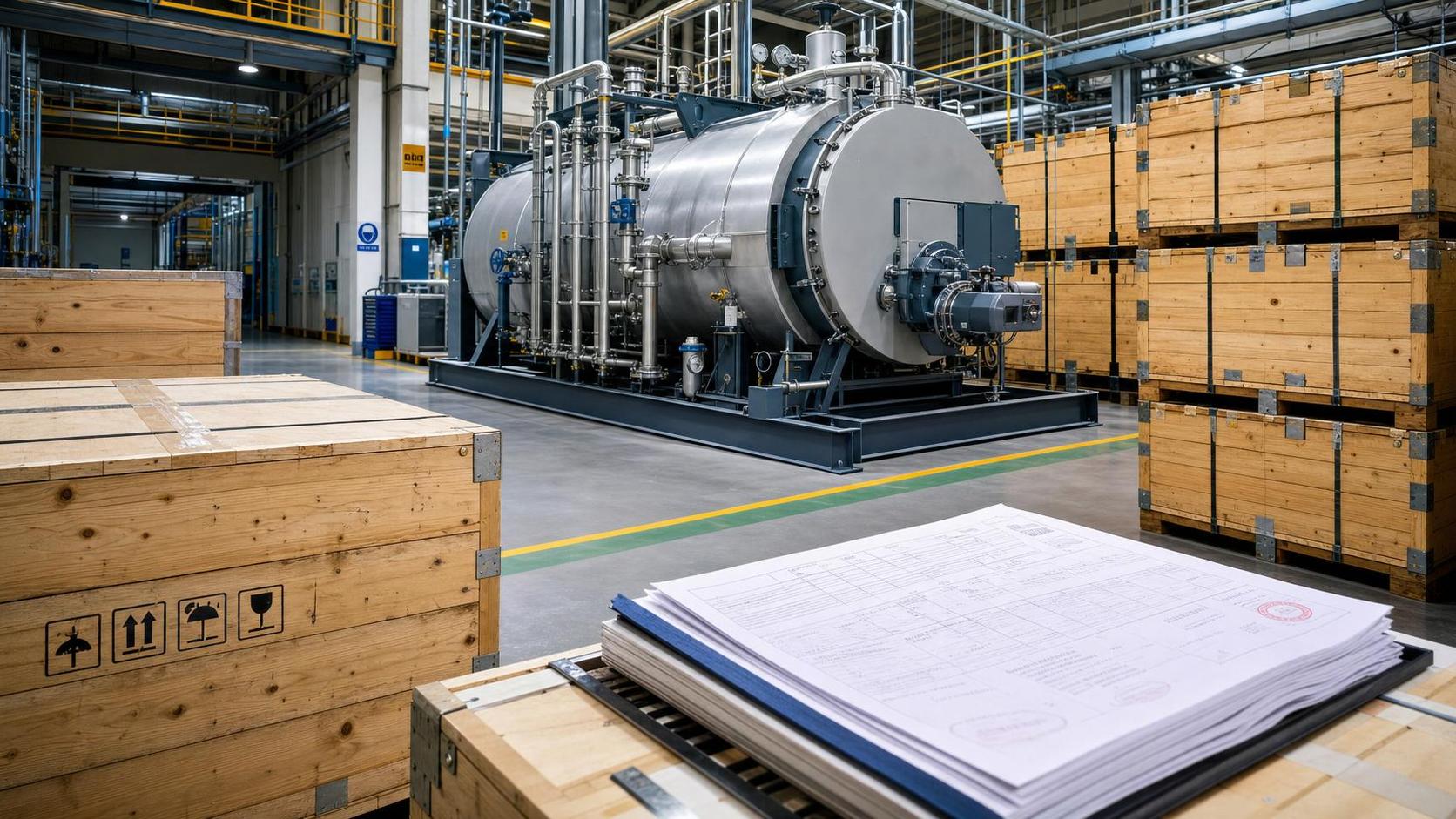
For raw-material buyers and supply-chain service providers, the reported move may affect purchase timing, inventory decisions, and delivery coordination for urea-linked operating materials. Analysis shows that firms involved in supply planning should pay closer attention to contract terms, product specifications, delivery documentation, and supplier qualification records, especially where buyers need consistent traceability for operational and compliance reviews.
Trade-facing businesses assessing comparative economics
For exporters and other trade-facing companies connected to biomass energy projects or boiler solutions, the significance is less about a new rule being announced and more about a cost signal interacting with an existing regulatory framework. Observably, when CBAM-related cost comparisons influence commercial decisions, changes in urea pricing can affect quotation logic, technical bid alignment, and customer discussions around operating-cost assumptions.
What companies should monitor now
Check how compliance files describe operating assumptions
Analysis shows that companies should review whether technical documents, bid materials, and internal compliance files still reflect current assumptions for SCR-related operating costs. If older cost baselines remain embedded in submissions or commercial materials, they may no longer match the market conditions described in the input.
Track procurement documents and supplier credentials carefully
What deserves closer attention is the practical side of procurement execution: supplier qualification, product documentation, delivery timing, and traceability records. The input does not provide detailed enforcement requirements, so this should be treated as a monitoring point rather than a confirmed new obligation.
Watch for changes in tender language and customer evaluation logic
From an industry perspective, firms participating in project bidding or equipment supply should monitor whether customers adjust tender wording, commercial benchmarks, or comparative operating-cost models in response to lower urea prices and CBAM-linked competitiveness discussions. This is particularly relevant where biomass and gas boiler options are evaluated side by side.
Separate cost signals from confirmed rule changes
Analysis shows that businesses should avoid treating the reported price decline as a standalone regulatory decision. The confirmed fact is a commodity price movement and its stated effect on biomass boiler economics under CBAM; any broader execution impact on contracts, certifications, or purchasing behavior still requires case-by-case verification.
How this signal should be interpreted
Observably, this development is better understood as an execution signal within an existing compliance and trade framework rather than as a newly issued rule by itself. The input points to a market change that may alter the relative economics of compliant operating choices, which is why the industry has reason to watch how procurement behavior, bidding assumptions, and customer evaluations respond.
Analysis also suggests that the market should continue to monitor whether this lower urea price level remains sustained enough to influence routine commercial practice. Without additional official detail in the input, it would be premature to describe the effect as fully settled across all transactions or procurement models.
Why the market is paying attention
The practical significance of this event lies in the way a raw-material price move can reshape compliance-linked cost comparisons for biomass energy boilers using SCR systems. It is more appropriate to understand this as a meaningful market and execution indicator tied to CBAM-related competitiveness, rather than a final conclusion about long-term procurement behavior or regulatory outcomes.
A neutral reading is that the reported change reduces immediate operating-cost pressure for the relevant boiler segment and may influence trade and procurement decisions, but the extent of that influence still depends on follow-up market behavior, document practice, and implementation choices by participating businesses.
Basis of this article and points still requiring verification
This article is generated on the basis of the user-provided news title, event date, and event summary. For developments of this kind, commonly relevant source types may include official notices, regulator publications, customs or trade authority information, industry association releases, standards documentation, and reporting by established media outlets.
No specific official source link was provided in the input, so further verification is still required. Observably, the areas that remain worth tracking include any later policy detail, certification interpretation, tender-document adjustments, market feedback, and how companies actually implement procurement and delivery decisions in response to the reported price move.
Related News
- IEA Report Flags 37% Rise in Biomass Boiler BudgetsAuthor :Thermal Energy Strategist

- Vietnam Tightens Import Rules for Biomass BoilersAuthor :Thermal Energy Strategist

- SASO Tightens NOx Monitoring Rule for Biomass BoilersAuthor :Thermal Energy Strategist

- Vietnam Halts New Biomass Boiler Import PermitsAuthor :Thermal Energy Strategist

- Industrial Biomass Boilers: Key Cost Factors for Heating ProjectsAuthor :Thermal Energy Strategist
![]()
- PSA Jurong Island Launch Cuts Biomass Fuel Clearance to 48 HoursAuthor :Thermal Energy Strategist
![]()
- Vietnam Requires CFP for Imported Biomass BoilersAuthor :Thermal Energy Strategist

- EU Monitoring Tightens Biomass Boiler Steel SupplyAuthor :Thermal Energy Strategist

- ASHRAE 189.1-2026 Adds Biomass Carbon ReviewAuthor :Thermal Energy Strategist

- ACWA Power Sets 45% Local Content Rule in Boiler TenderAuthor :Thermal Energy Strategist

- India BIS Draft Targets Biomass Boiler Data LinksAuthor :Thermal Energy Strategist

- EU REACH SVHC Update Restricts TCEP in Biomass EquipmentAuthor :Thermal Energy Strategist

- China Customs Adds HS Code Rule for Biomass Boiler ExportsAuthor :Thermal Energy Strategist

- China Adds Carbon Traceability Rule for Biomass Boiler ExportsAuthor :Thermal Energy Strategist

- Sugar Import Quota Notice Raises Biomass Fuel Cost FocusAuthor :Thermal Energy Strategist
![]()
- Urea Drops to $577/Ton, Easing Biomass Boiler CostsAuthor :Thermal Energy Strategist

- Urea Falls to $577/Ton, Easing Biomass Boiler Cost PressureAuthor :Thermal Energy Strategist

- Carbon Neutrality Pressures on Biomass Energy ROIAuthor :Thermal Energy Strategist

- Japan's Crude Imports Plunge 64% in April, Boosting Biomass & Chiller AdoptionAuthor :Thermal Energy Strategist

- Indonesia Tightens Thermal Coal Exports, Boosts Biomass & Industrial Chiller DemandAuthor :Thermal Energy Strategist

- Clean Energy Technology Gains That Make Biomass Worth RevisitingAuthor :Thermal Energy Strategist

- Clean Energy Technology Trends Changing Biomass Energy Project ReturnsAuthor :Thermal Energy Strategist

- Carbon Neutrality Pressures on Biomass Energy ProjectsAuthor :Thermal Energy Strategist

- Biomass Energy Cold-Heat Supply System Named in China’s Top 7 Future IndustriesAuthor :Thermal Energy Strategist

- Carbon Neutrality Pressure and Biomass Energy Project PaybackAuthor :Thermal Energy Strategist

- NEOM Green Infrastructure Certification Expands to Biomass CHP SystemsAuthor :Thermal Energy Strategist

- Saudi SASO Mandates NGIC Certification for Biomass CHP SystemsAuthor :Thermal Energy Strategist

- Clean Energy Technology Trends Changing Biomass Energy ProjectsAuthor :Thermal Energy Strategist

- Saudi SASO Mandates NEOM Green Infrastructure Certification for Biomass CHP SystemsAuthor :Thermal Energy Strategist

- Middle East Bans R134a Imports; Biomass CHP Gains TractionAuthor :Thermal Energy Strategist

- Clean Energy Technology and Biomass Energy: What Changes in 2026Author :Thermal Energy Strategist

- Middle East Bans R134a Equipment Imports; Biomass CCHP Gains TractionAuthor :Thermal Energy Strategist

- Canton Fair Phase II: Biomass Boiler Orders Surge 112% from SEAAuthor :Thermal Energy Strategist

- Carbon Neutrality and Biomass Energy: Where the Business Case Is StrongestAuthor :Thermal Energy Strategist

- Industrial Heat Recovery Ideas That Cut Fuel Use in Daily OperationsAuthor :Thermal Energy Strategist