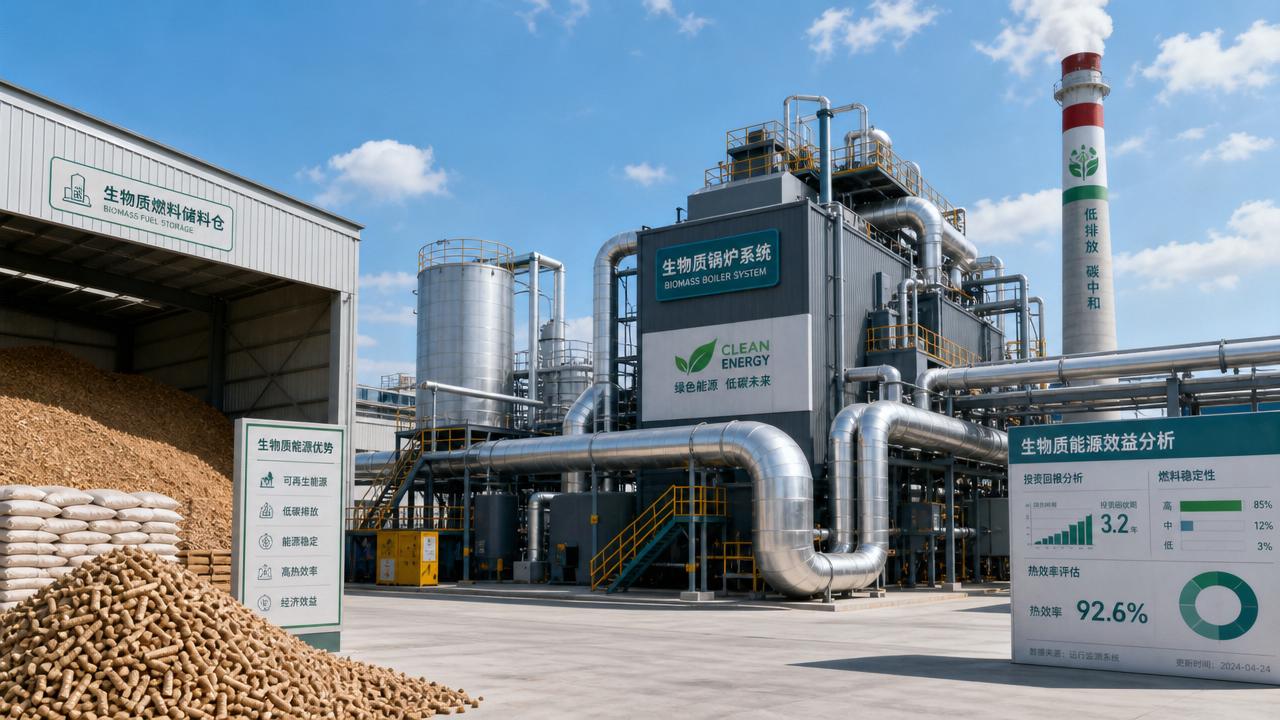
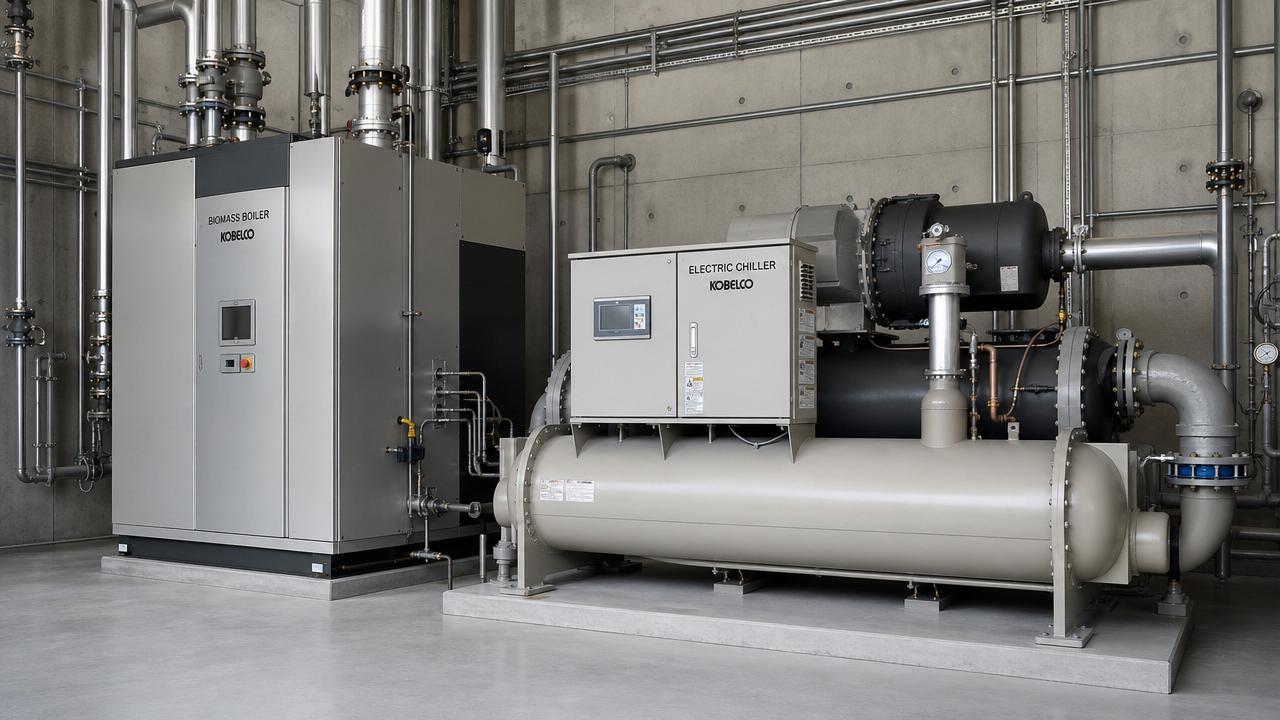
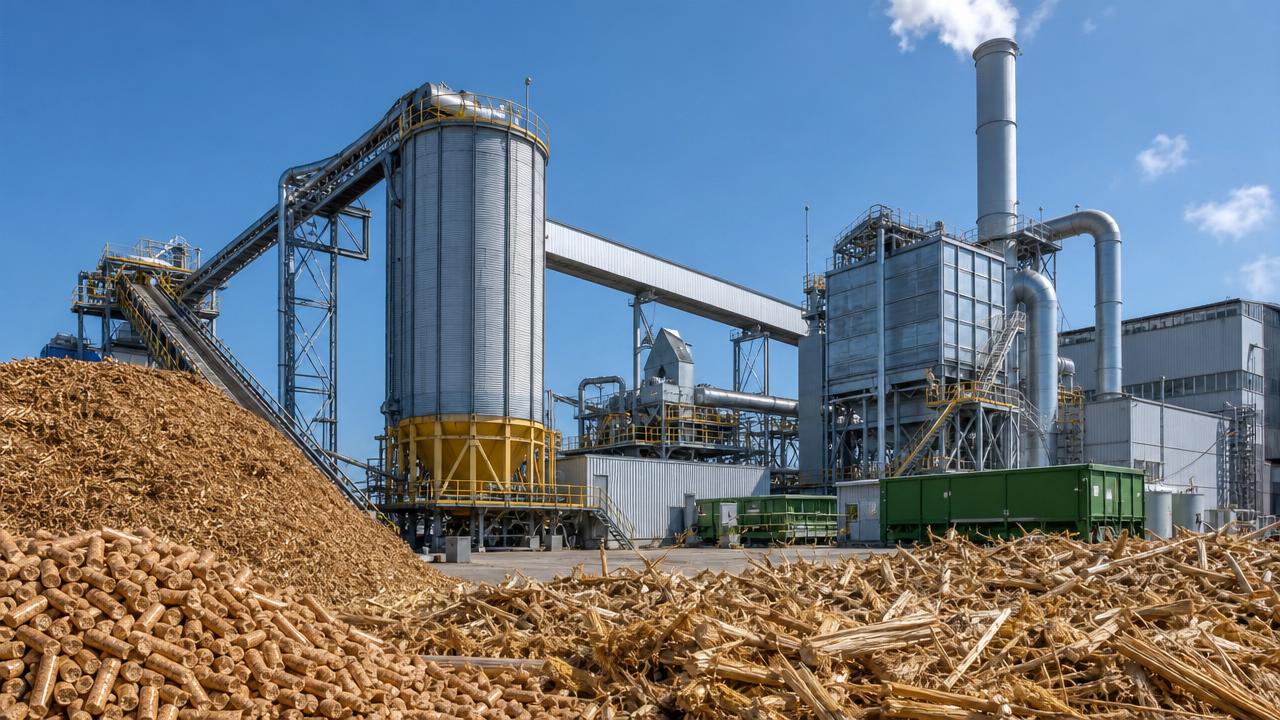
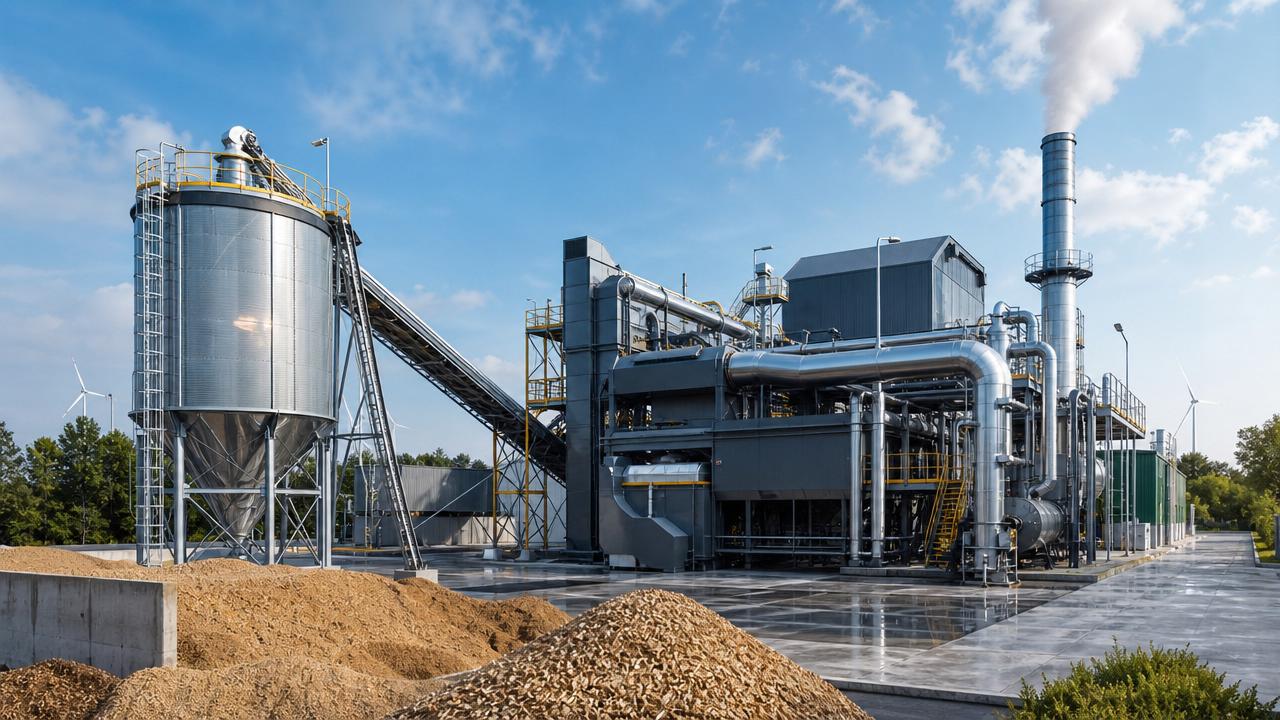
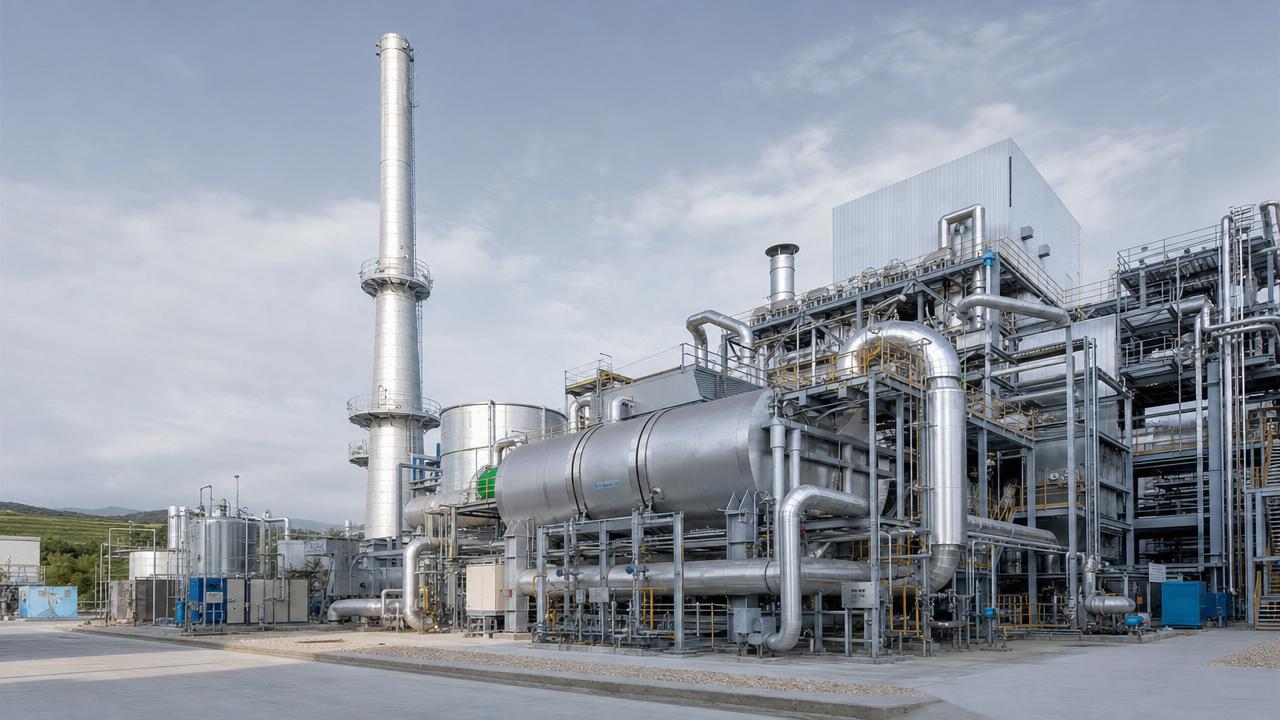
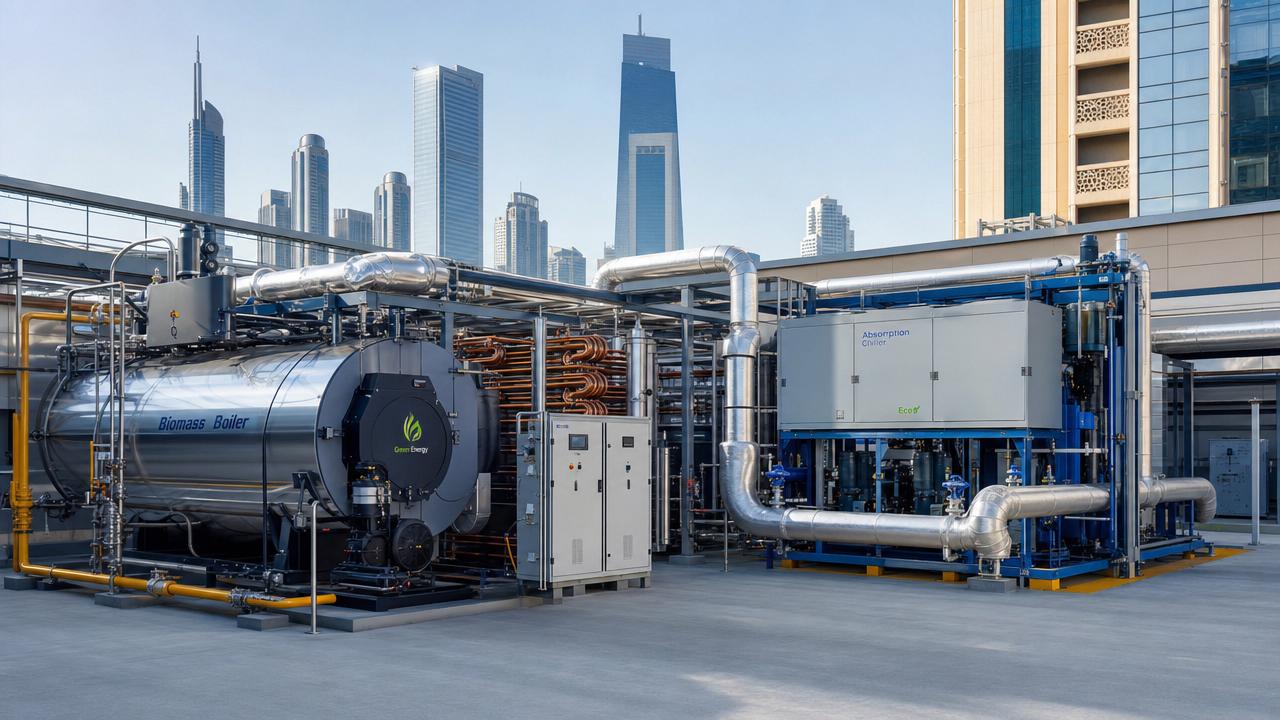
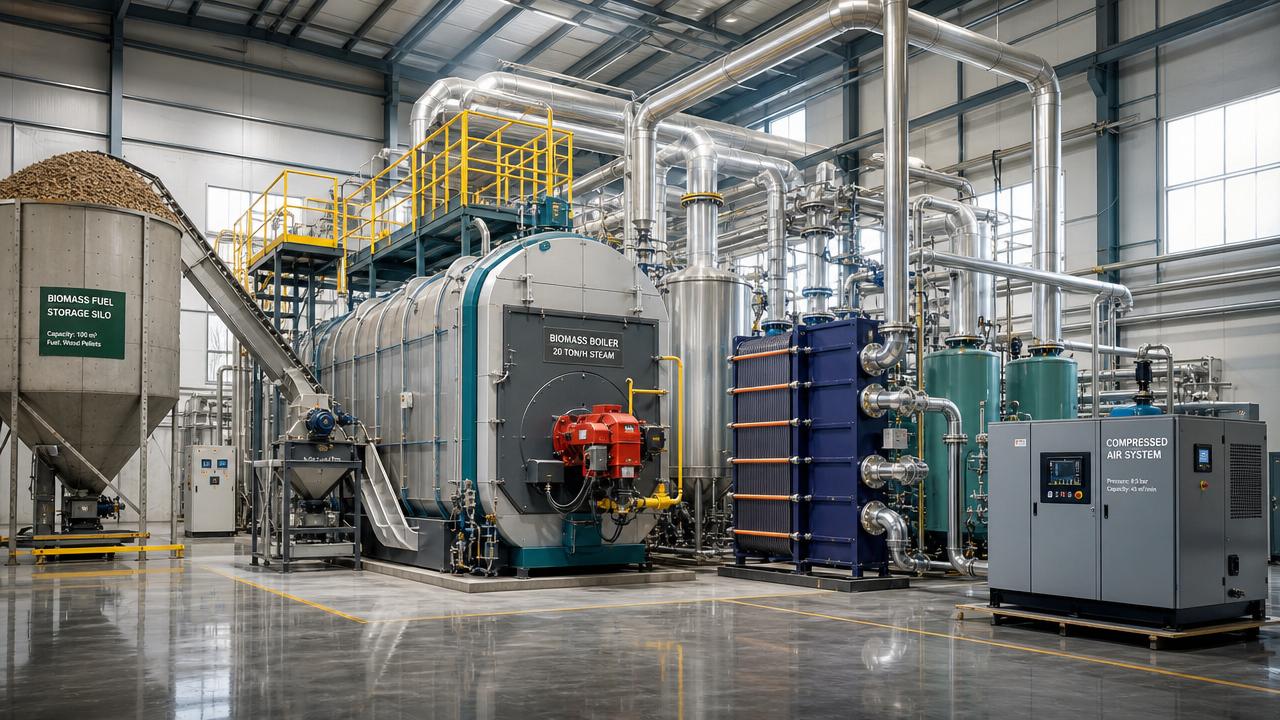
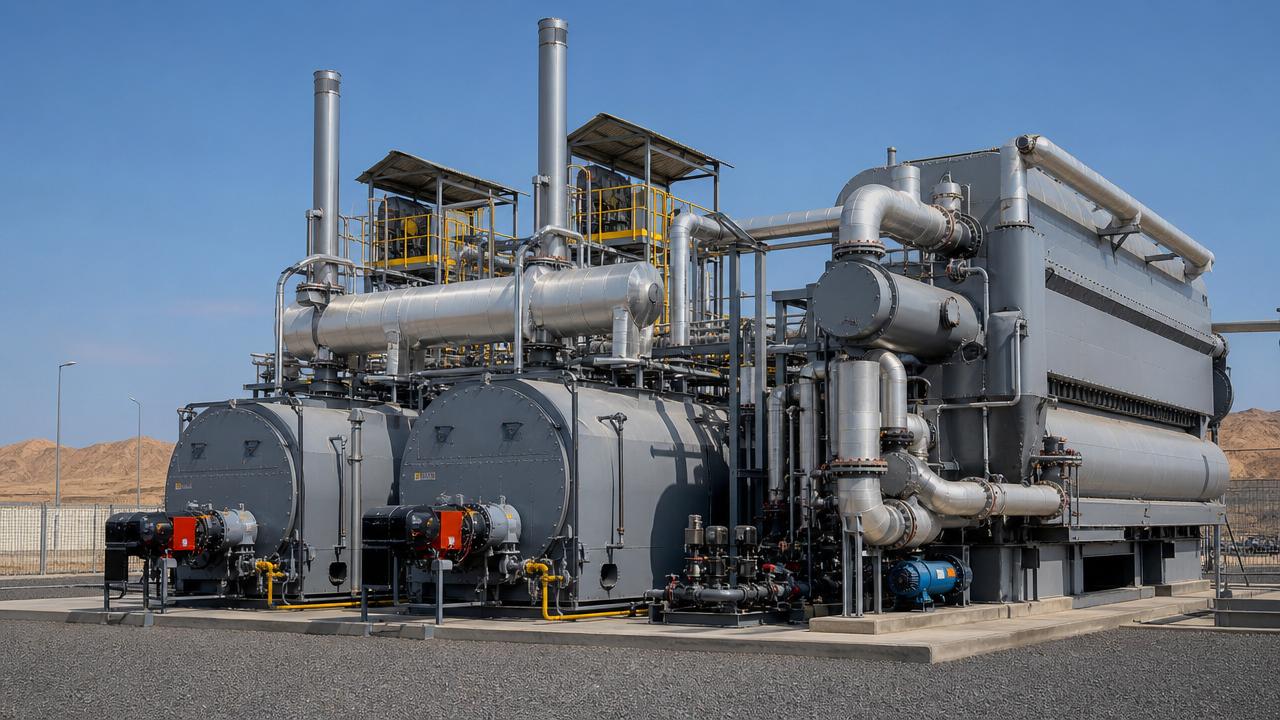
Saudi SASO Mandates NGIC Certification for Biomass CHP Systems




Saudi Arabia’s Standards, Metrology and Quality Organization (SASO) has introduced a new regulatory requirement effective 1 August 2026, mandating NEOM Green Infrastructure Certification (NGIC) for all biomass-fueled combined cooling and heating (CHP) systems deployed in NEOM and other Vision 2030 priority cities. This development directly impacts manufacturers, exporters, system integrators, and sustainability-focused energy service providers operating in or supplying to the Saudi clean infrastructure market.
Event Overview
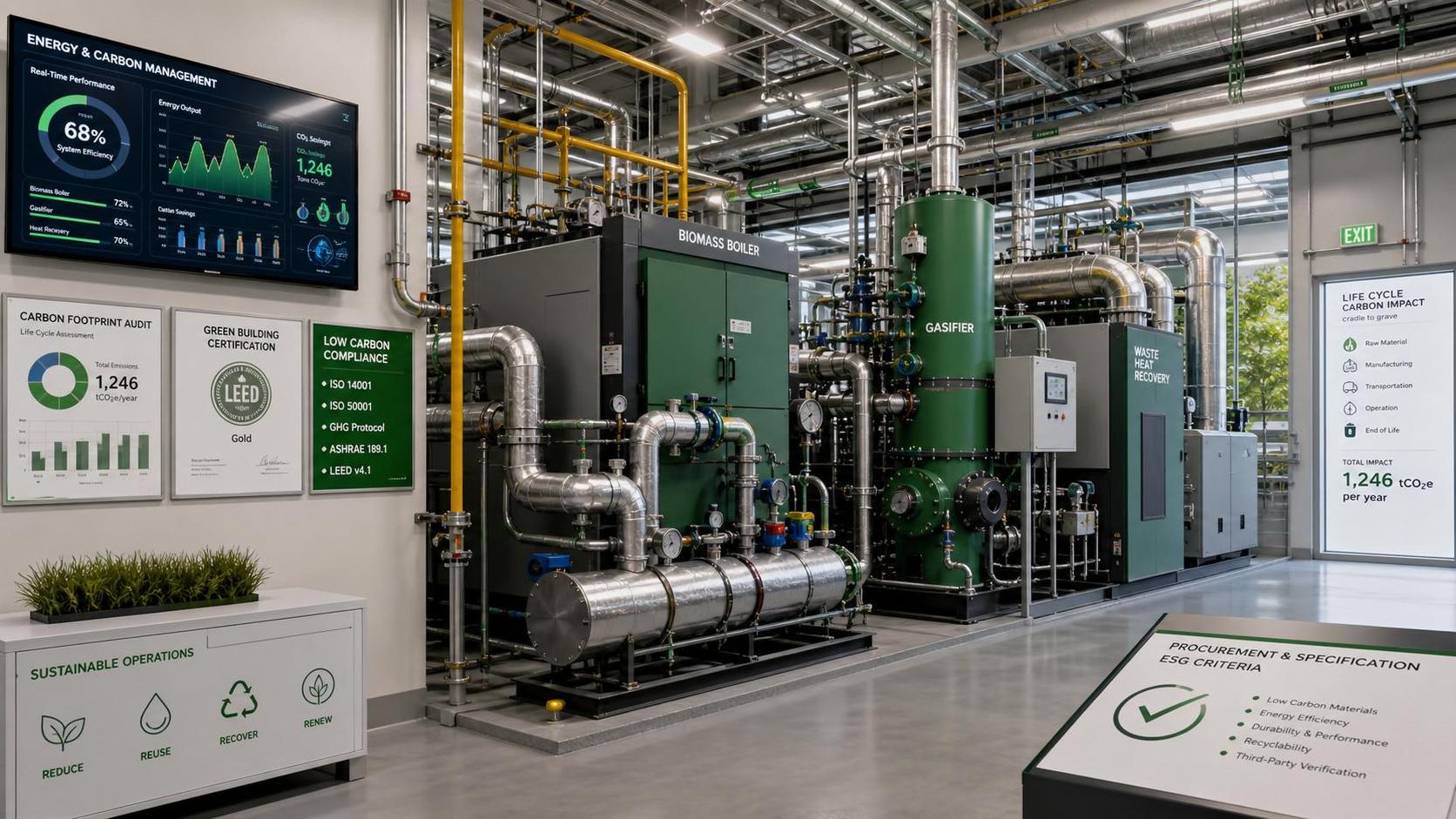
On 9 May 2026, SASO jointly announced with the NEOM Authority a new compliance requirement: all biomass energy-based combined cooling and heating (CHP) systems intended for installation in NEOM and Vision 2030 designated urban zones must obtain NEOM Green Infrastructure Certification (NGIC). The certification takes effect on 1 August 2026. It specifies three mandatory technical and sustainability criteria: traceability of biomass fuel origin, particulate matter emissions ≤5 mg/Nm³, and waste heat recovery efficiency ≥82%.
Industries Affected by Segment
Equipment Manufacturers & System Integrators
Manufacturers producing biomass CHP units for export to Saudi Arabia will face direct compliance obligations. Their products must be designed and validated to meet NGIC’s emission and efficiency thresholds—requiring updated testing protocols, documentation of fuel supply chain traceability, and third-party verification of thermal performance under real-world operating conditions.
Exporters & Trade Service Providers
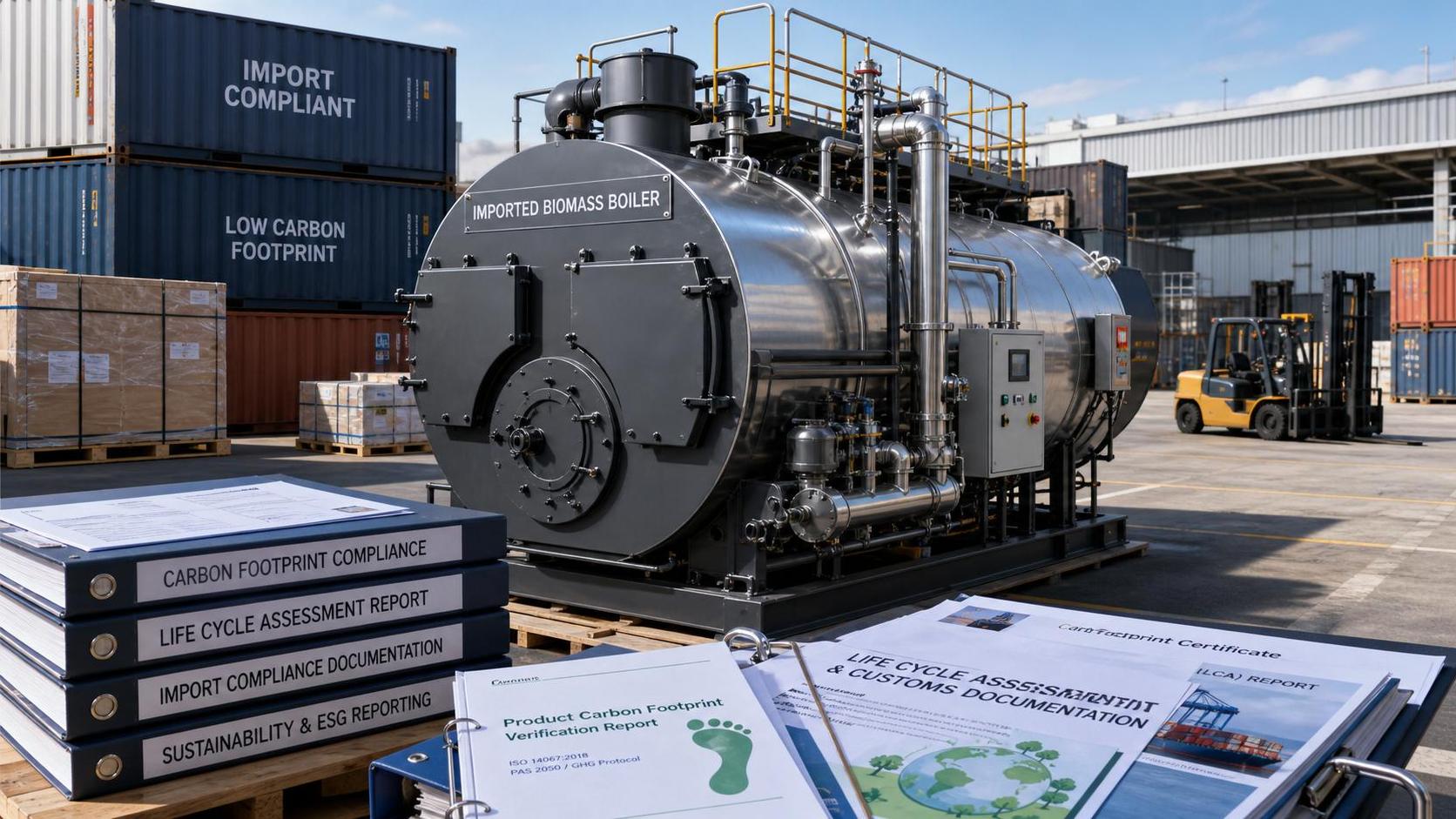
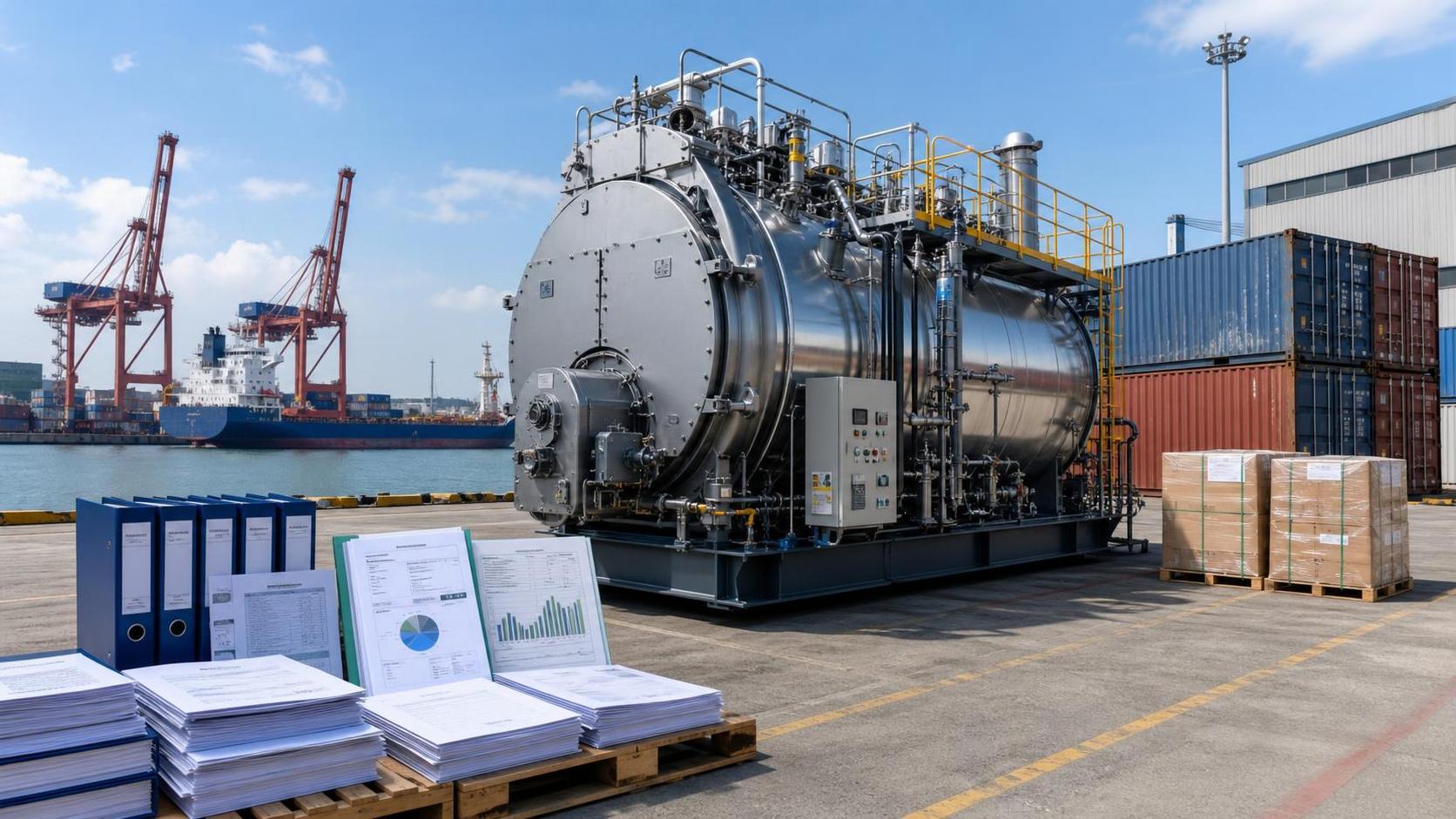
Companies facilitating cross-border shipments of biomass CHP systems into Saudi Arabia must now verify NGIC eligibility prior to customs clearance. Non-certified units may be rejected at port or denied connection approval by local utilities or NEOM project authorities—introducing new lead-time and compliance-validation dependencies in logistics planning.
Biomass Fuel Suppliers & Sustainability Verifiers
Fuel suppliers serving this equipment segment must provide auditable, end-to-end chain-of-custody documentation for feedstock (e.g., wood pellets, agricultural residues), aligned with NGIC’s sustainability tracing requirements. Independent verifiers accredited under NGIC may see increased demand for biomass origin validation services—but only for fuels used in certified CHP deployments.
Engineering Procurement Construction (EPC) Contractors
EPC firms bidding on district energy or industrial decarbonization projects in NEOM or Vision 2030 cities must now specify NGIC-compliant CHP systems in tender submissions and design packages. Absence of NGIC alignment may disqualify bids or trigger costly mid-project redesigns if certification is not secured before commissioning.
What Enterprises and Practitioners Should Focus On Now
Monitor official NGIC implementation guidance
While the regulation is confirmed, detailed NGIC application procedures, accredited certification bodies, and test protocol references have not yet been published. Stakeholders should track updates from both SASO and the NEOM Authority—particularly any transitional provisions or phased rollout timelines ahead of the 1 August 2026 deadline.
Assess current product specifications against NGIC’s three core metrics
Manufacturers and integrators should conduct internal gap assessments focusing specifically on (a) fuel traceability framework readiness, (b) verified PM2.5/PM10 emission data under standard operating loads, and (c) measured heat recovery efficiency across full-load and partial-load cycles—not just nameplate values.
Distinguish policy signal from immediate procurement impact
This requirement applies only to systems installed in NEOM and Vision 2030 priority cities—not nationwide. Projects elsewhere in Saudi Arabia remain subject to existing SASO standards unless separately amended. Buyers and contractors should confirm project location and applicable regulatory scope before initiating NGIC-related investments.
Prepare documentation and supplier engagement early
Certification requires coordinated input from equipment OEMs, fuel vendors, and third-party testers. Initiating supplier alignment and documentation collection—especially for fuel origin verification—six to nine months ahead of deployment helps avoid bottlenecks, as NGIC assessment timelines are currently unspecified.
Editorial Perspective / Industry Observation
Observably, this mandate signals NEOM’s intent to embed granular environmental accountability into its built infrastructure—not just through energy output targets, but via upstream material and operational controls. Analysis shows it functions less as an isolated product standard and more as a pilot framework that could inform future SASO-wide revisions for distributed thermal generation. From an industry perspective, it reflects a tightening convergence between green certification regimes and national infrastructure procurement—where compliance is no longer optional for market access, but prerequisite for tender eligibility. Continued monitoring is warranted, as NGIC’s scalability beyond NEOM-linked projects remains unconfirmed.

In summary, the NGIC requirement represents a targeted, location-specific compliance threshold—not a blanket national standard—yet one with tangible implications for technology selection, supply chain coordination, and project delivery timelines in high-priority Saudi development zones. It is best understood today not as a finalized market barrier, but as an early-stage regulatory signal indicating how sustainability criteria are increasingly operationalized within infrastructure procurement frameworks.
Source: Official joint announcement by Saudi Standards, Metrology and Quality Organization (SASO) and NEOM Authority, dated 9 May 2026; NGIC enforcement date confirmed as 1 August 2026.
Note: NGIC application guidelines, accredited bodies list, and testing methodology details remain pending publication and are subject to ongoing observation.
Related News
- IEA Report Flags 37% Rise in Biomass Boiler BudgetsAuthor :Thermal Energy Strategist

- Vietnam Tightens Import Rules for Biomass BoilersAuthor :Thermal Energy Strategist

- SASO Tightens NOx Monitoring Rule for Biomass BoilersAuthor :Thermal Energy Strategist

- Vietnam Halts New Biomass Boiler Import PermitsAuthor :Thermal Energy Strategist

- Industrial Biomass Boilers: Key Cost Factors for Heating ProjectsAuthor :Thermal Energy Strategist
![]()
- PSA Jurong Island Launch Cuts Biomass Fuel Clearance to 48 HoursAuthor :Thermal Energy Strategist
![]()
- Vietnam Requires CFP for Imported Biomass BoilersAuthor :Thermal Energy Strategist

- EU Monitoring Tightens Biomass Boiler Steel SupplyAuthor :Thermal Energy Strategist

- ASHRAE 189.1-2026 Adds Biomass Carbon ReviewAuthor :Thermal Energy Strategist

- ACWA Power Sets 45% Local Content Rule in Boiler TenderAuthor :Thermal Energy Strategist

- India BIS Draft Targets Biomass Boiler Data LinksAuthor :Thermal Energy Strategist

- EU REACH SVHC Update Restricts TCEP in Biomass EquipmentAuthor :Thermal Energy Strategist

- China Customs Adds HS Code Rule for Biomass Boiler ExportsAuthor :Thermal Energy Strategist

- China Adds Carbon Traceability Rule for Biomass Boiler ExportsAuthor :Thermal Energy Strategist

- Sugar Import Quota Notice Raises Biomass Fuel Cost FocusAuthor :Thermal Energy Strategist
![]()
- Urea Drops to $577/Ton, Easing Biomass Boiler CostsAuthor :Thermal Energy Strategist

- Urea Falls to $577/Ton, Easing Biomass Boiler Cost PressureAuthor :Thermal Energy Strategist

- Carbon Neutrality Pressures on Biomass Energy ROIAuthor :Thermal Energy Strategist

- Japan's Crude Imports Plunge 64% in April, Boosting Biomass & Chiller AdoptionAuthor :Thermal Energy Strategist

- Indonesia Tightens Thermal Coal Exports, Boosts Biomass & Industrial Chiller DemandAuthor :Thermal Energy Strategist

- Clean Energy Technology Gains That Make Biomass Worth RevisitingAuthor :Thermal Energy Strategist

- Clean Energy Technology Trends Changing Biomass Energy Project ReturnsAuthor :Thermal Energy Strategist

- Carbon Neutrality Pressures on Biomass Energy ProjectsAuthor :Thermal Energy Strategist

- Biomass Energy Cold-Heat Supply System Named in China’s Top 7 Future IndustriesAuthor :Thermal Energy Strategist

- Carbon Neutrality Pressure and Biomass Energy Project PaybackAuthor :Thermal Energy Strategist

- NEOM Green Infrastructure Certification Expands to Biomass CHP SystemsAuthor :Thermal Energy Strategist

- Saudi SASO Mandates NGIC Certification for Biomass CHP SystemsAuthor :Thermal Energy Strategist

- Clean Energy Technology Trends Changing Biomass Energy ProjectsAuthor :Thermal Energy Strategist

- Saudi SASO Mandates NEOM Green Infrastructure Certification for Biomass CHP SystemsAuthor :Thermal Energy Strategist

- Middle East Bans R134a Imports; Biomass CHP Gains TractionAuthor :Thermal Energy Strategist

- Clean Energy Technology and Biomass Energy: What Changes in 2026Author :Thermal Energy Strategist

- Middle East Bans R134a Equipment Imports; Biomass CCHP Gains TractionAuthor :Thermal Energy Strategist

- Canton Fair Phase II: Biomass Boiler Orders Surge 112% from SEAAuthor :Thermal Energy Strategist

- Carbon Neutrality and Biomass Energy: Where the Business Case Is StrongestAuthor :Thermal Energy Strategist

- Industrial Heat Recovery Ideas That Cut Fuel Use in Daily OperationsAuthor :Thermal Energy Strategist