US ITC Issues Limited Exclusion Order on Semiconductor Devices, Affecting Screw Compressors and Other Industrial Equipment Exports




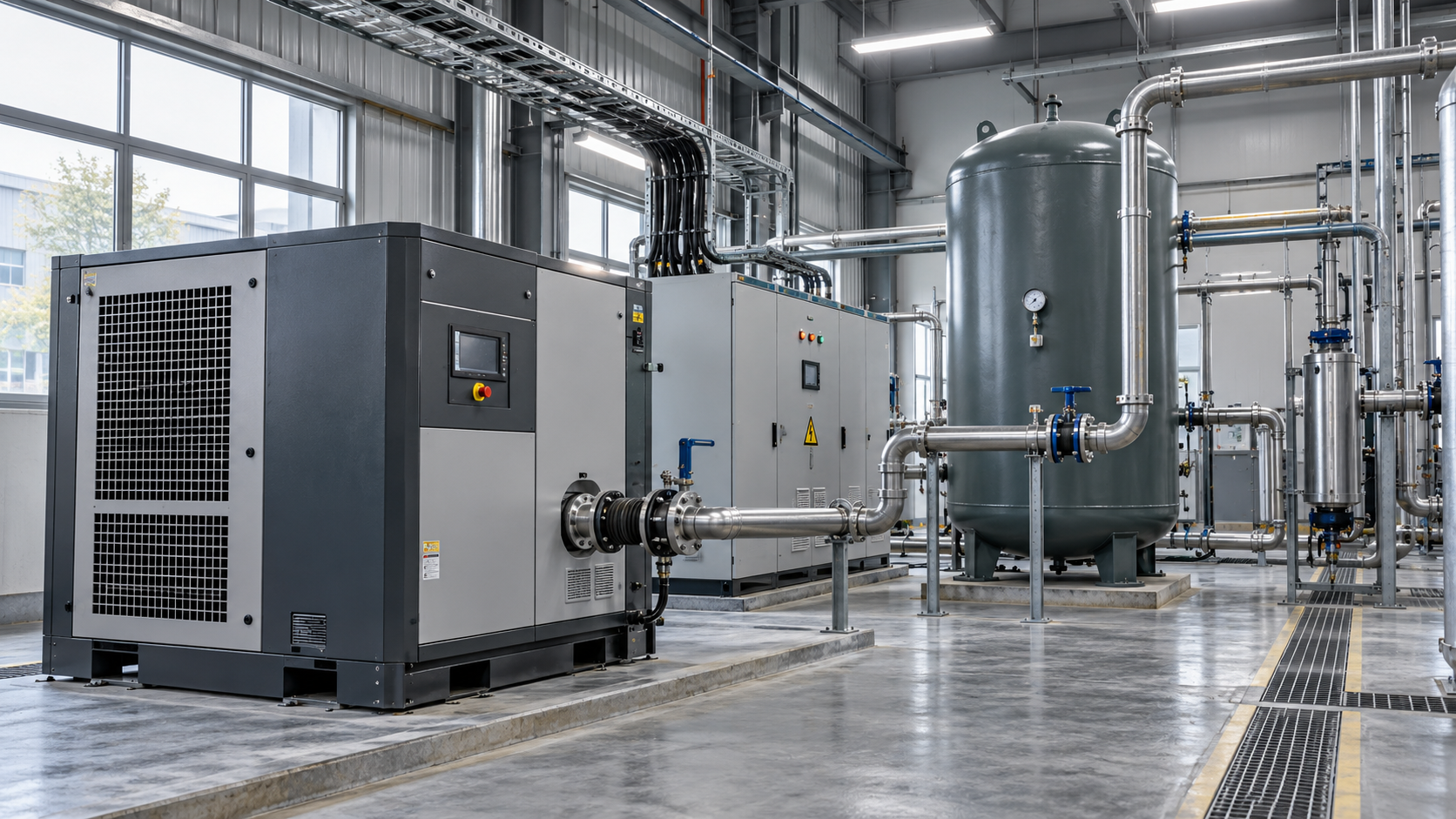
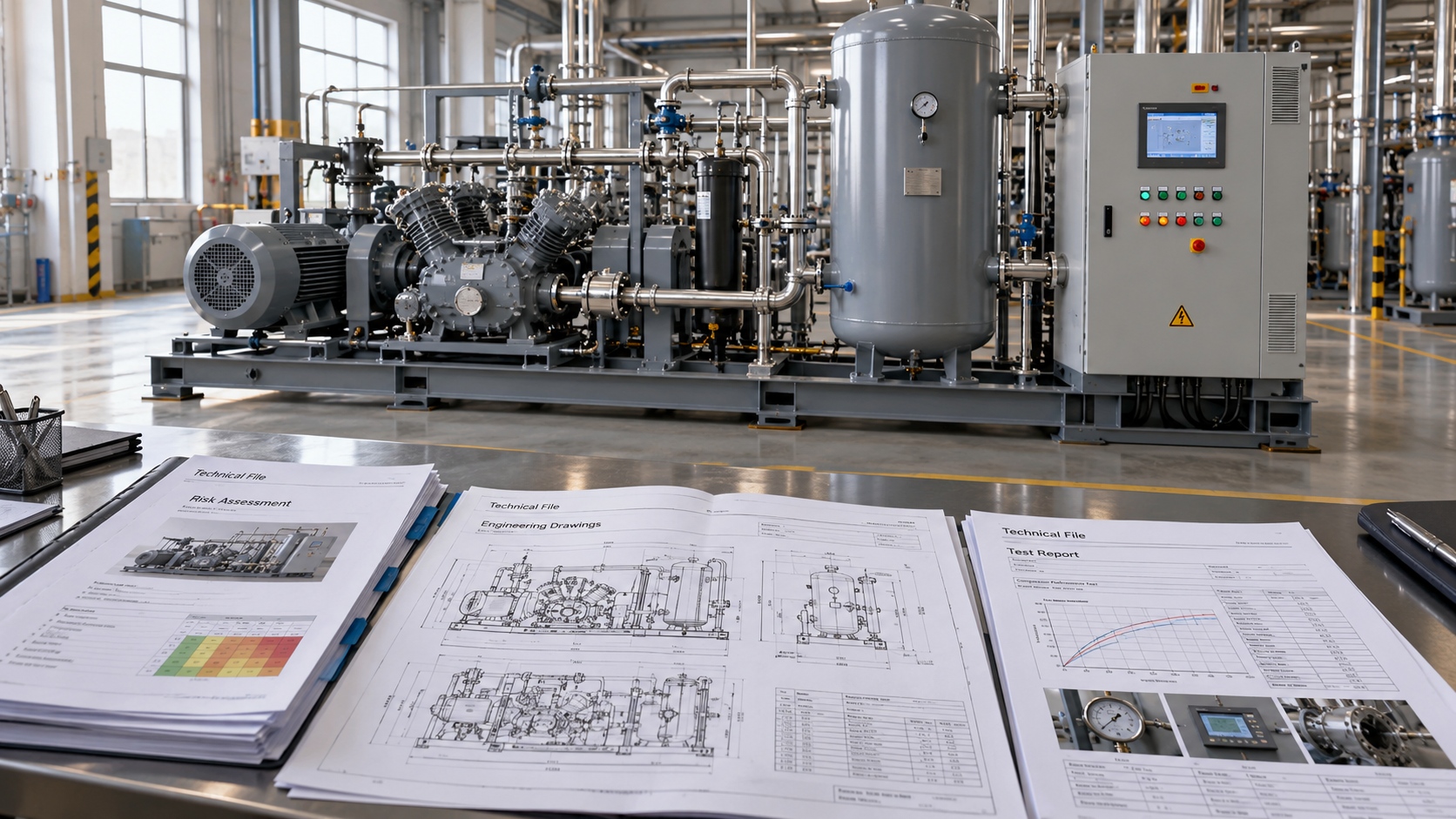
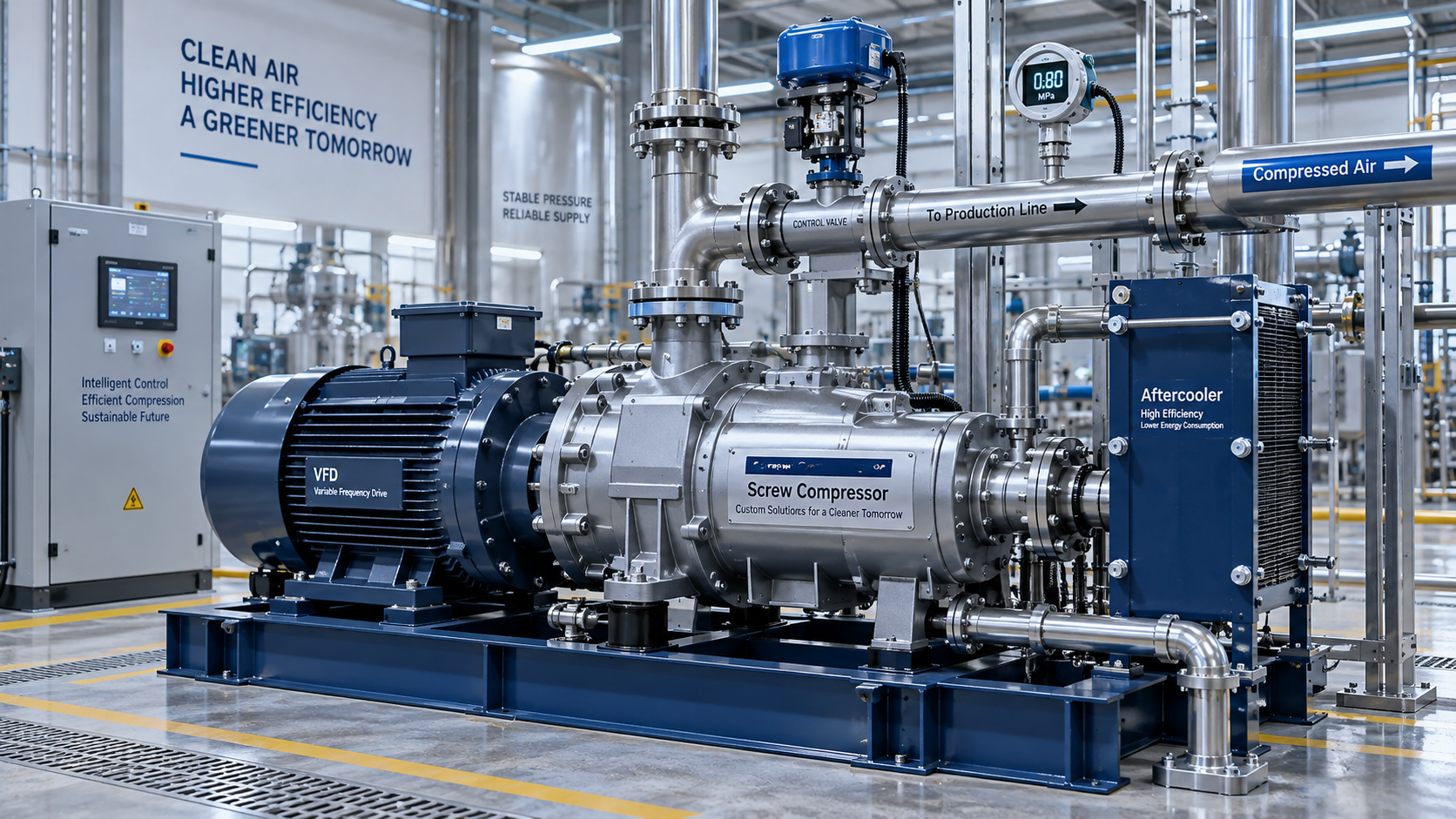
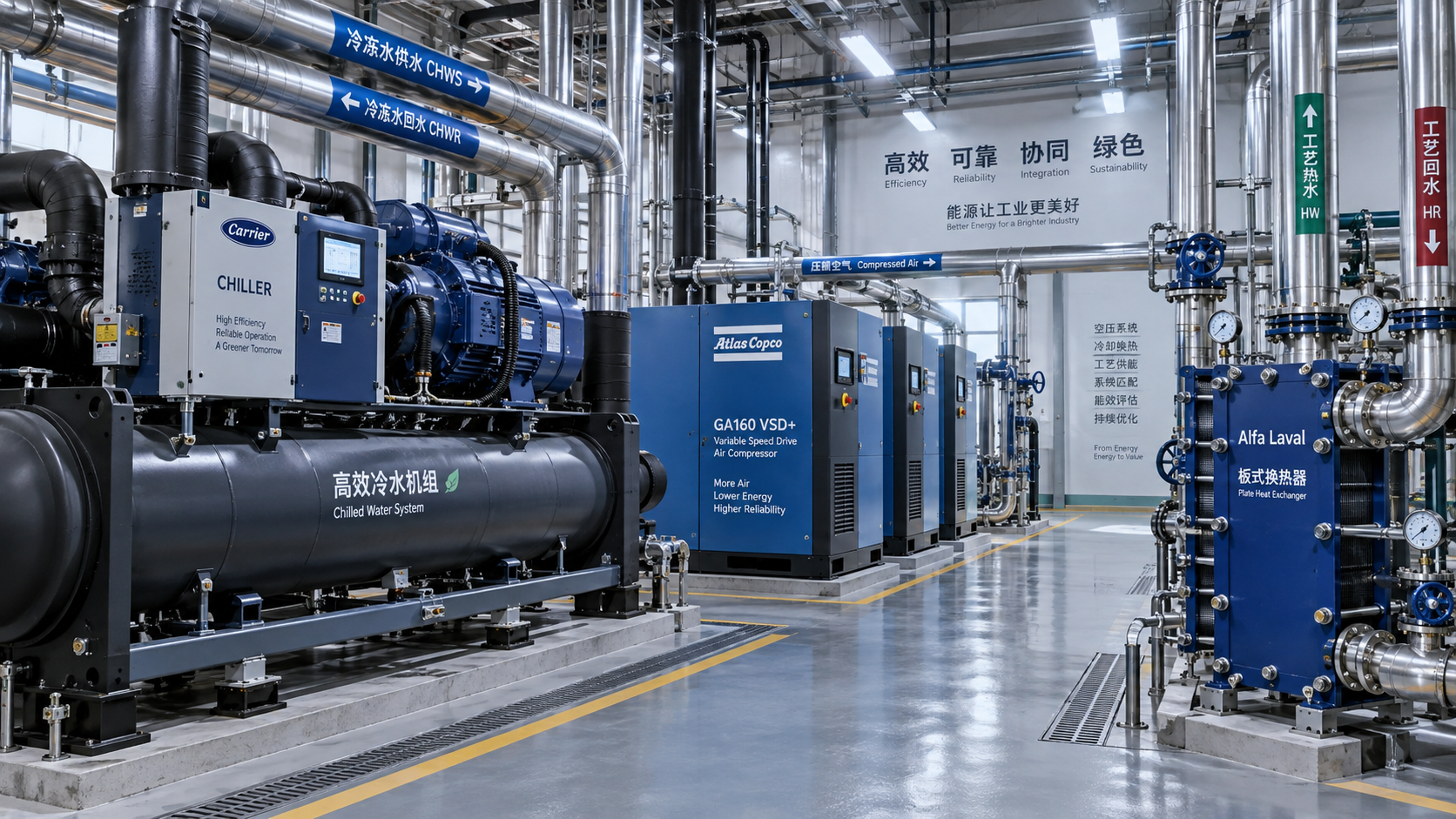
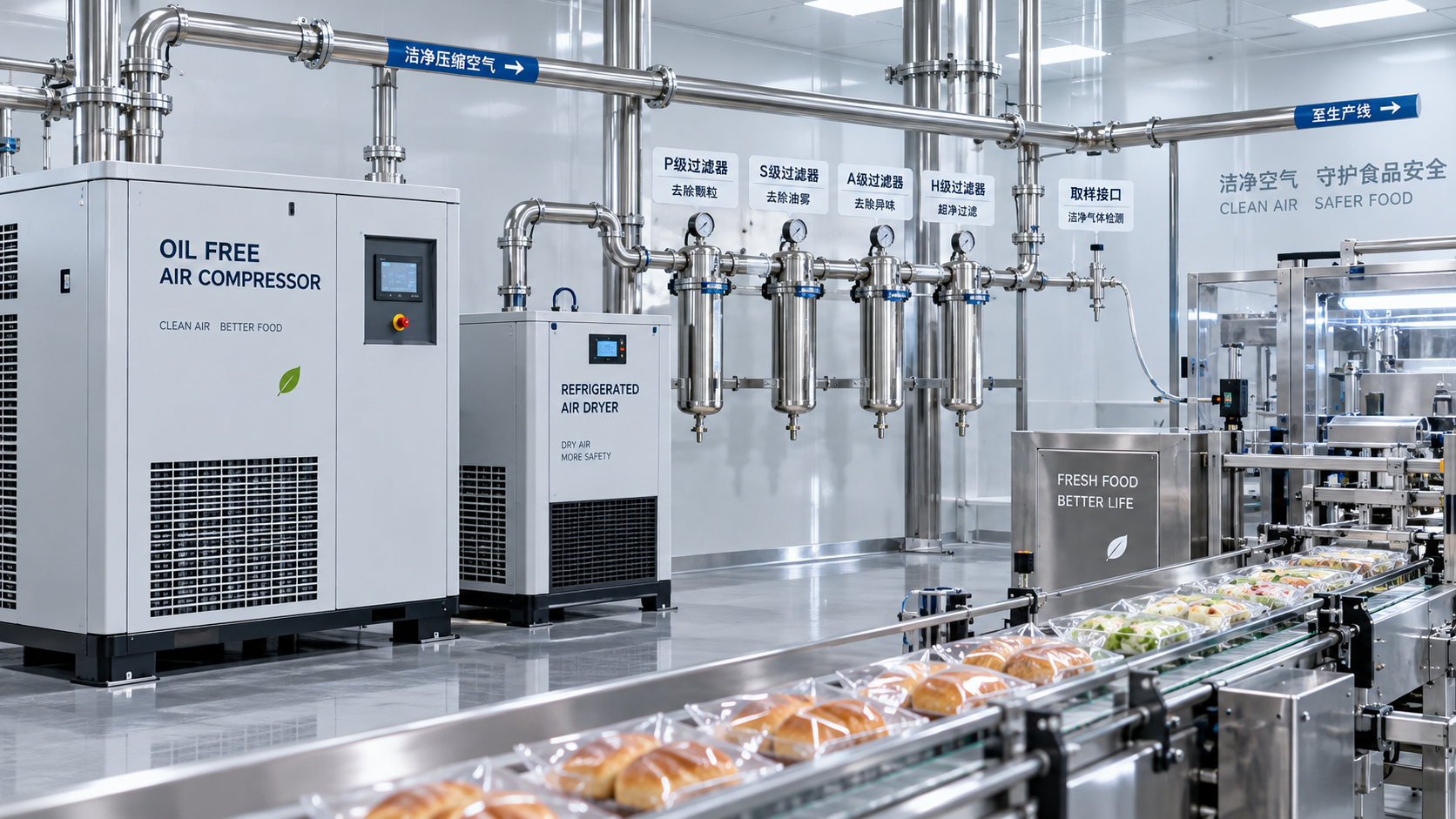
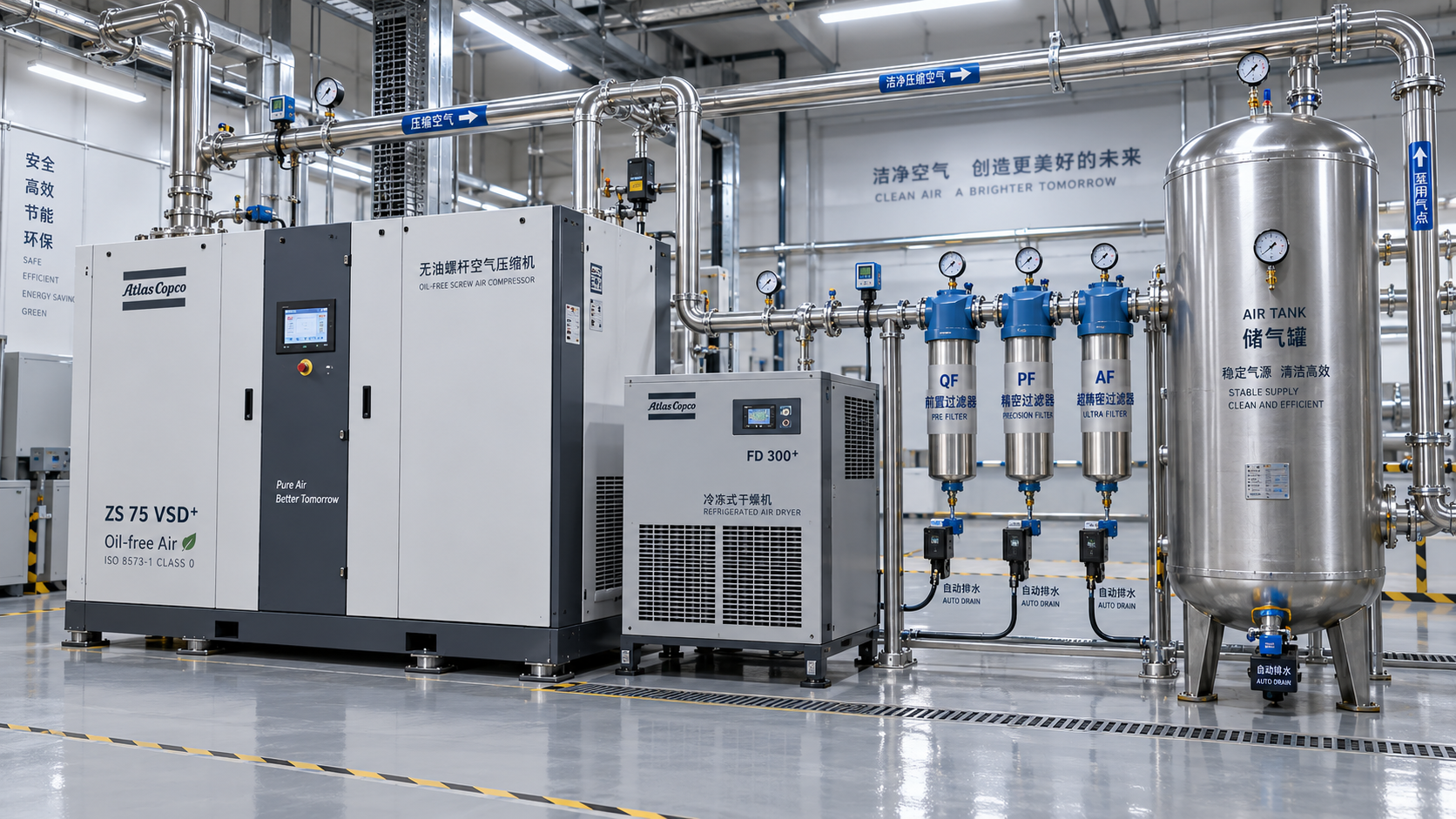
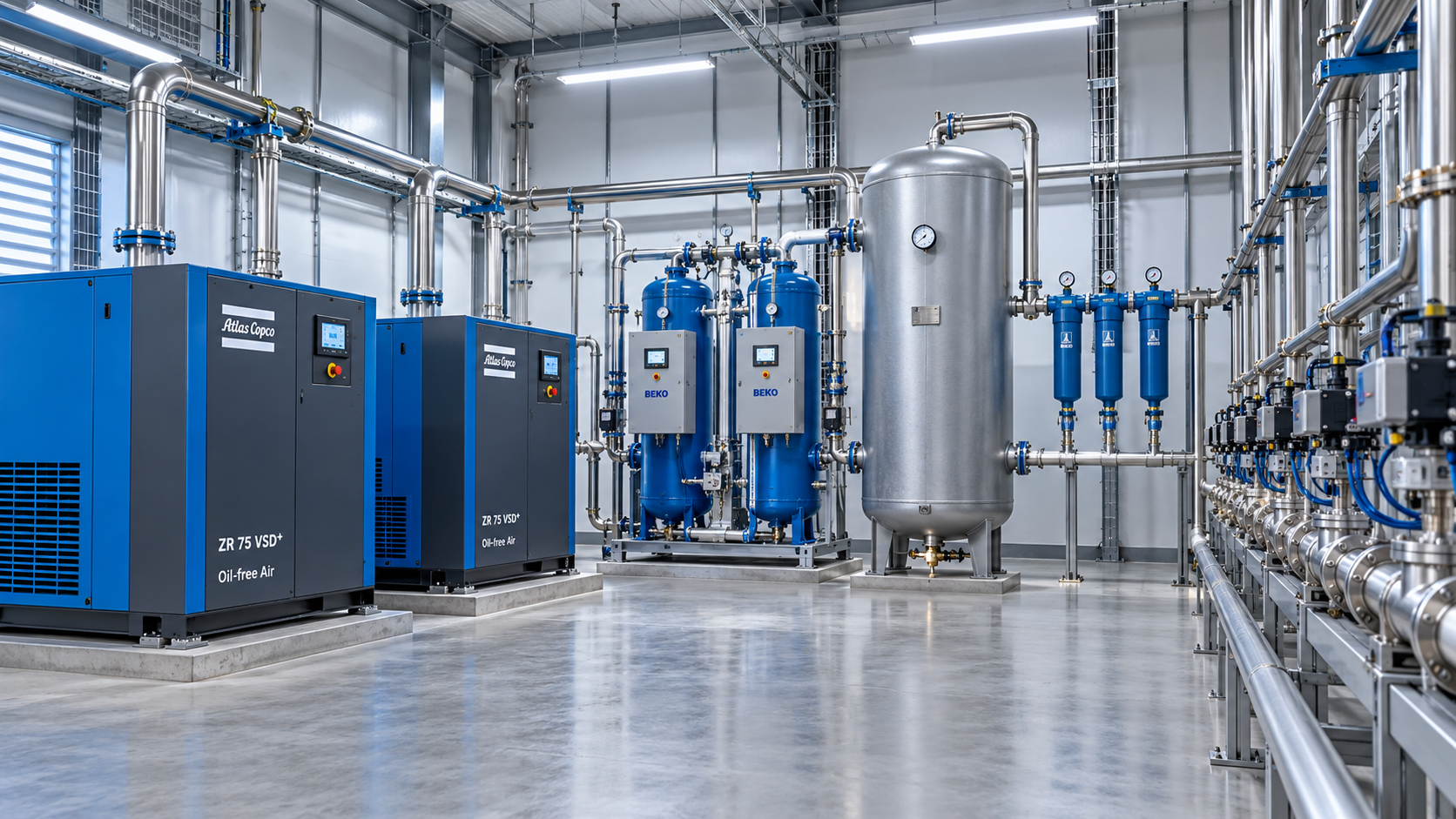
On May 7, 2026, the U.S. International Trade Commission (ITC) issued a final determination in Investigation No. TA-1414, finding that certain Chinese manufacturers infringed claims 4 and 17 of Infineon’s U.S. Patent No. 9,899,481. The ITC subsequently imposed a limited exclusion order and cease-and-desist orders—directly impacting the export of industrial equipment integrating these semiconductor devices, including screw compressors, oil-free systems, and industrial chillers.
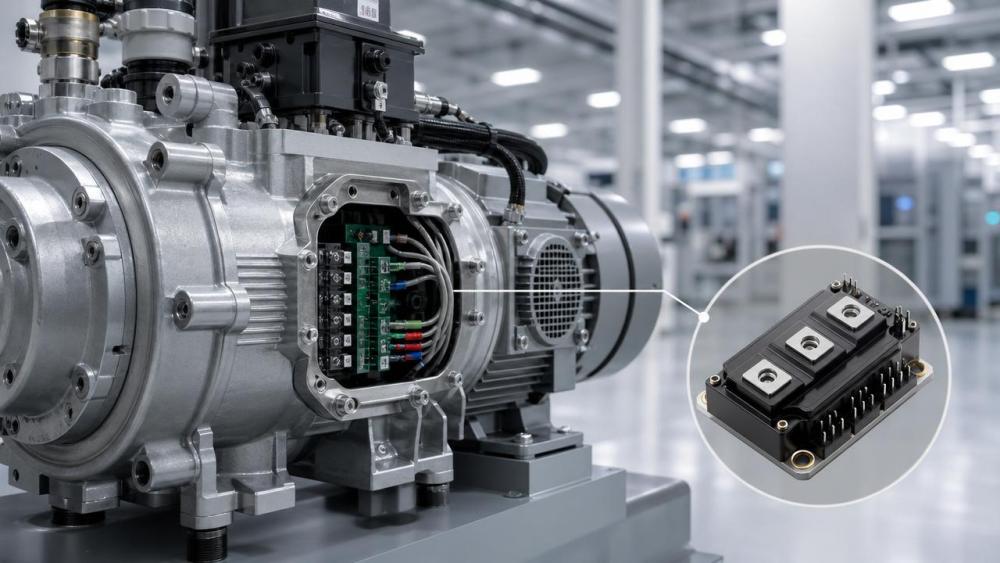
Final ITC Ruling in Section 337 Investigation TA-1414
The U.S. International Trade Commission concluded its investigation under Section 337 of the Tariff Act of 1930 on May 7, 2026. It determined that specific semiconductor components imported by or used in products from certain Chinese entities infringe valid and enforceable claims of U.S. Patent No. 9,899,481 owned by Infineon Technologies AG. As a result, the ITC issued a limited exclusion order prohibiting the unlicensed importation of those infringing semiconductor devices into the United States, as well as cease-and-desist orders against respondents found in violation. This decision applies specifically to components falling within the scope of claims 4 and 17.
Supply Chain Impact Across Industrial Equipment Manufacturers
Export-Oriented Equipment Manufacturers
Companies exporting complete industrial units—including screw compressors, oil-free systems, and industrial chillers—that integrate the adjudicated semiconductor devices face immediate shipment restrictions into the U.S. market. Affected firms must verify whether their control or drive modules contain covered components, as the exclusion order extends to downstream products incorporating infringing parts.
Component Procurement and Sourcing Firms
Suppliers responsible for sourcing power management ICs, motor drivers, or embedded control chips must reassess vendor documentation, datasheets, and licensing status. Any reliance on unlicensed or non-certified alternatives may expose buyers to secondary liability under the ITC’s enforcement framework.
Contract Manufacturers and OEMs
OEMs and contract manufacturers assembling industrial equipment for global distribution must now validate design-level compliance—not only for end products but also for subassemblies containing programmable logic or power conversion circuitry. Requalification timelines may delay production ramp-up and affect delivery commitments.
Logistics and Trade Compliance Service Providers
Cargo forwarders, customs brokers, and trade compliance consultants are expected to enhance screening protocols for semiconductor content in industrial machinery shipments. Documentation requirements—including component-level bills of material (BOM), origin declarations, and patent clearance statements—may become standard for U.S.-bound consignments.
Key Compliance Actions for Affected Enterprises
Immediate Supply Chain Audit and Component Traceability
Firms must map all semiconductor components used in U.S.-bound equipment down to part number, supplier, and functional role—especially in motor control, thermal regulation, and digital interface modules. Cross-referencing against the ITC’s exclusion order scope is mandatory prior to shipment.
Substitution Validation and Technical Equivalency Review
Where infringing devices are identified, replacement components must undergo full functional, electrical, and reliability validation—not just datasheet matching. This includes thermal cycling, EMC testing, and firmware compatibility checks under real-world operating conditions.
Documentation Readiness for U.S. Customs and ITC Enforcement
Manufacturers should prepare technical dossiers demonstrating non-infringement or licensed use, including third-party legal opinions, patent license agreements, and engineering analyses confirming absence of claim coverage. Such documentation may be requested during customs inspections or post-entry investigations.
Procurement Planning and Lead-Time Adjustment
Given typical qualification cycles of 8–16 weeks for alternative semiconductors in industrial applications, procurement teams must revise lead-time buffers and engage with qualified distributors or authorized partners early to avoid production bottlenecks.
Industry Perspective: Rising Technical Barriers in Global Industrial Trade
Analysis shows that this ruling reflects an observable shift toward stricter enforcement of intellectual property rights at the component level—even within complex capital equipment. From an industry perspective, it is more appropriate to understand this as a signal that patent diligence is no longer optional for upstream suppliers of industrial automation hardware. What deserves closer attention is the growing expectation for BOM-level transparency, not just end-product certification. Furthermore, the time required to requalify critical semiconductors in mission-critical equipment may extend beyond traditional procurement planning horizons—raising compliance costs and accelerating demand for IP-aware design partnerships.
Strategic Implications for Industrial Equipment Exporters
This decision underscores how rapidly evolving IP enforcement mechanisms can reshape export readiness—not through tariffs or quotas, but via targeted exclusion orders affecting foundational electronic components. For manufacturers serving global markets, proactive engagement with patent landscape analysis, early-stage component licensing, and modular architecture design is becoming essential—not merely defensive, but strategically enabling. The event does not mandate technology abandonment, but rather reinforces the need for structured, documented, and auditable supply chain governance.
Source Information and Verification Guidance
This article was generated exclusively from the provided title, event date (May 7, 2026), and factual summary. Specific official source links were not provided in the input and should be verified continuously. Stakeholders are advised to monitor updates from the U.S. International Trade Commission’s official website, Federal Register notices related to Investigation TA-1414, and guidance issued by U.S. Customs and Border Protection on enforcement implementation. Further observation is warranted regarding detailed exclusion order language, potential enforcement precedents in follow-on cases, and industry-wide responses such as consortium-led licensing initiatives or revised procurement clauses in international tenders.
Ready when you are. Send us a message to get started.
Related News
- How corrugation angle affects heat transfer in plate heat exchangersAuthor :Thermodynamics Analyst

- R22 Prices Retreat as China's Refrigerant Market Faces Tight Quotas and Soft DemandAuthor :Cryogenic Systems Expert

- How to select industrial equipment for automation with existing PLCsAuthor :

- Carrier Plans $600 Million Manufacturing and Engineering Center in Fort WorthAuthor :

- How electricity prices shape industrial compressed air price trendsAuthor :

- Chemours Faces Investor Lawsuit Over Opteon Refrigerant Sales ForecastsAuthor :Cryogenic Systems Expert

- Choosing air filtration systems for heavy dust in the Middle EastAuthor :

- LG Expands R290 Monobloc Heat Pump Range with New 12–16 kW ModelsAuthor :Cryogenic Systems Expert

- How to size a chiller for pharmaceutical cleanroom temperature controlAuthor :Cryogenic Systems Expert

- Kentucky Regulators Approve $191 Million Cooling Tower at Mitchell Coal PlantAuthor :Thermodynamics Analyst

- How much does a fully installed compressed air monitoring system cost?Author :

- What documentation supports CE marking for industrial equipment?Author :

- When do plate heat exchangers suit Middle East seawater cooling?Author :Thermodynamics Analyst

- EU Issues Updated Guidance on Industrial Refrigeration Efficiency and F-gas AlternativesAuthor :Cryogenic Systems Expert

- How does base pressure affect film purity in vacuum deposition?Author :Vacuum Process Fellow

- Do U.S. refrigerant regulations require replacing R-410A systems?Author :Cryogenic Systems Expert

- When does variable gas flow justify a custom screw compressor system?Author :Pneumatic Power Engineer

- How local support affects vacuum system costs in Southeast AsiaAuthor :

- How worldwide industry category guides help compare market opportunitiesAuthor :

- How to verify food-grade purity in compressed air systemsAuthor :Pneumatic Power Engineer

- When high-pressure waste heat recovery boilers make economic senseAuthor :Thermal Energy Strategist

- How to size compressed air equipment for pneumatic toolsAuthor :Pneumatic Power Engineer

- How to size vacuum process equipment for the required pump-down timeAuthor :Vacuum Process Fellow

- What determines the price of pure air compression systems?Author :Pneumatic Power Engineer

- How steam generation efficiency shapes thermal power system designAuthor :Thermal Energy Strategist

- What drives sustainable thermal systems cost over their operating life?Author :

- Which vacuum specification best protects semiconductor process yield?Author :Vacuum Process Fellow

- When do smart thermal systems with sensors reduce chiller energy use?Author :Cryogenic Systems Expert

- When does gasketed plate heat exchanger technology suit your process?Author :Thermodynamics Analyst

- How to size oil-free compressors for instrumentation air demandAuthor :Pneumatic Power Engineer

- How Class 0 oil-free compressors protect product quality in food productionAuthor :Pneumatic Power Engineer

- Which industrial solution comparison criteria prevent project delays?Author :

- Chiller Optimization Checklist for Rising Energy Use and Unstable Cooling OutputAuthor :Cryogenic Systems Expert

- How to Specify a High-Precision Temperature Chiller for Tight-Tolerance ProcessesAuthor :Cryogenic Systems Expert

- Designing Energy-Efficient Industrial Cooling for Variable Process LoadsAuthor :Cryogenic Systems Expert

- Low-GWP Cooling Solutions for Process Plants: Comparing Safety, Efficiency, and CostAuthor :Cryogenic Systems Expert