



Vietnam Requires GB/T 18430.1-2026 Declaration for Chiller Imports




On June 27, 2026, Vietnam's Ministry of Industry and Trade introduced a new import compliance requirement for industrial chillers through Circular 12/2026/TT-BCT. From August 1, 2026, imported units must be accompanied by a trilingual conformity declaration tied to China's GB/T 18430.1-2026 and issued by a CNAS-recognized laboratory. For exporters, importers, procurement teams, testing providers, and delivery planners, this is worth close attention because it changes the document set needed for market entry and signals a new regulatory reference point in cross-border equipment trade.
What the new rule clearly requires
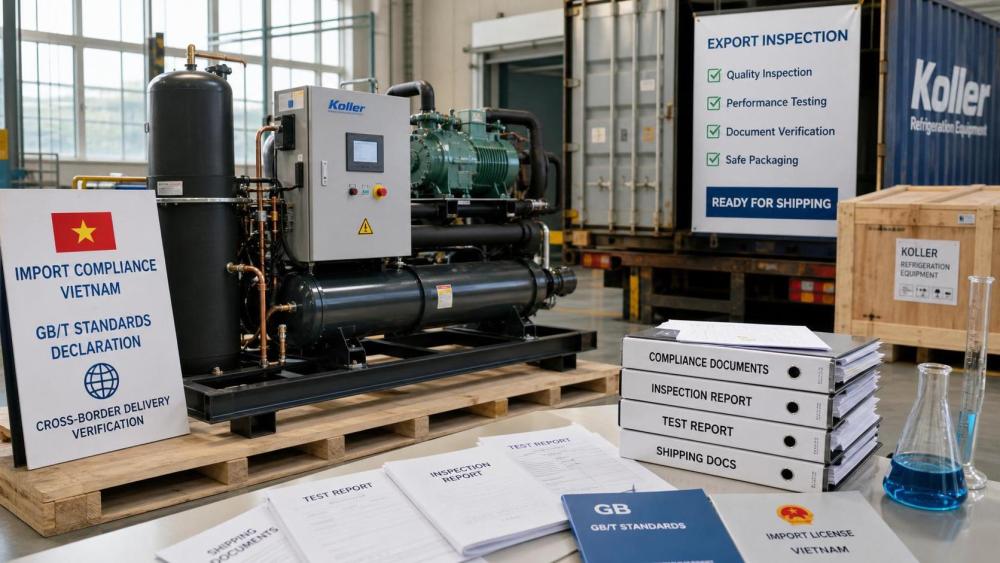
The confirmed information is limited but material. Vietnam's Ministry of Industry and Trade issued Circular 12/2026/TT-BCT on June 27, 2026. The measure takes effect on August 1, 2026, and applies to all imported industrial chillers. Under the rule, each import must be accompanied by an energy efficiency and safety conformity declaration under GB/T 18430.1-2026. The declaration must be issued by a laboratory recognized by CNAS and must be available in Chinese, English, and Vietnamese.
The summary also indicates that this is the first time Vietnam has used a Chinese national standard as a mandatory market access basis. That point matters because it frames the rule not only as a document requirement, but also as a signal about how technical standards from the Chinese supply chain are being accepted in a regulatory setting.
Where the commercial impact is likely to appear first
Export transactions may face a new documentation checkpoint
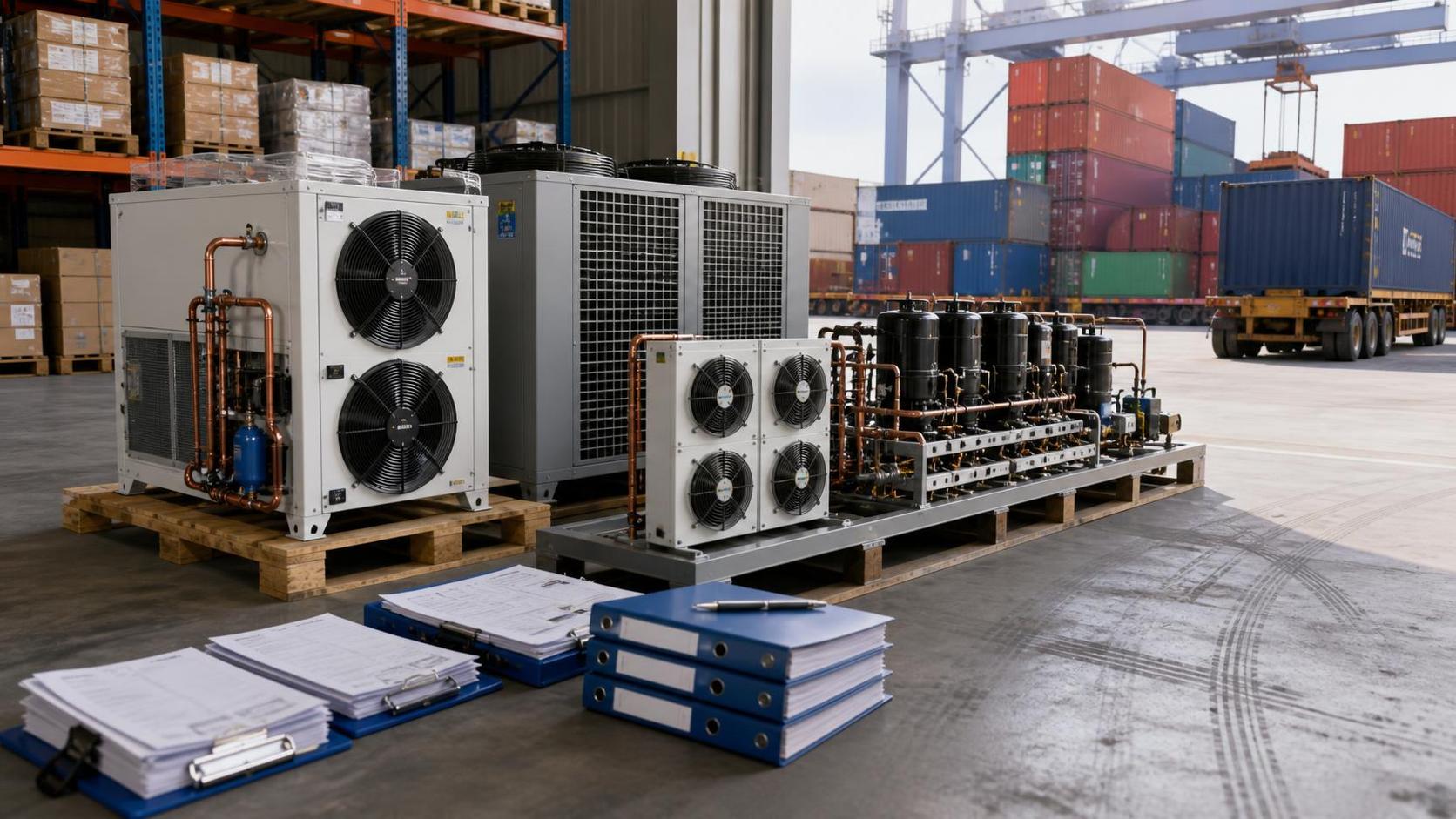
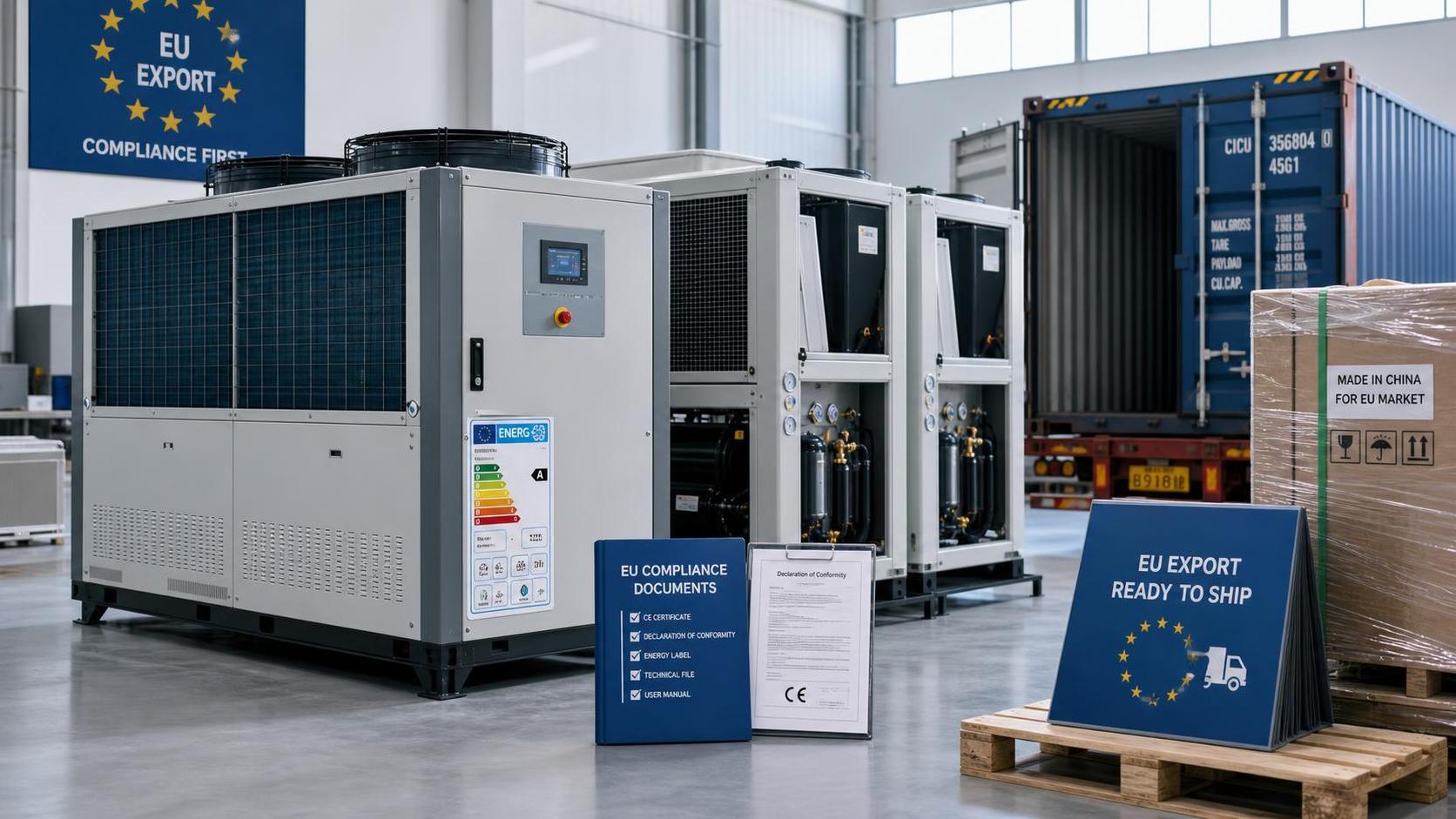
From an industry perspective, exporters of industrial chillers to Vietnam are likely to feel the impact first at the shipment preparation stage. The new requirement does not simply concern product specification; it adds a mandatory conformity document linked to a named standard, a named type of laboratory recognition, and a three-language format. That means export teams need to pay closer attention to whether technical files and shipment documents are aligned before dispatch.
Importers and buyers may need to adjust procurement review
For importers and procurement teams, the practical issue is whether purchase orders, vendor qualification checks, and pre-shipment review already account for the required declaration. Analysis shows that this kind of rule can shift compliance review upstream, because the admissibility of the imported equipment is now tied to supporting documents that must exist before entry. Buyers of industrial chillers should therefore watch the completeness of supplier submissions, especially where procurement timing is close to the August 1 implementation date.
Testing and certification-related services become more central
The rule specifically refers to declarations issued by CNAS-recognized laboratories, which places testing and certification-related service providers closer to the transaction flow. Observably, this does not confirm how capacity, lead times, or review practices will develop, but it does indicate that laboratory recognition status and the ability to support a trilingual declaration may become more visible factors in supplier readiness.
Delivery planning and handover risk may need closer control
For supply chain coordinators, freight planners, and after-sales teams, the issue is less about the physical product alone and more about whether the documentation package can move with the goods without creating handover delays. What deserves closer attention is the possibility that compliance paperwork becomes part of delivery critical path management, especially for shipments prepared near the effective date.
What companies should review now
Check whether current product files match the new entry condition
Companies involved in selling or sourcing industrial chillers for Vietnam should review whether existing technical and compliance files can support a GB/T 18430.1-2026 energy efficiency and safety conformity declaration in the required language set. The available information does not define the full document package beyond that declaration, so this point should be handled as a compliance check rather than an assumption of sufficiency.
Revisit supplier qualification and laboratory arrangements
Because the summary explicitly names CNAS-recognized laboratories, supplier management teams should verify whether their current testing and compliance support arrangements are compatible with that condition. Analysis shows that this matters not only for manufacturers, but also for traders and integrators who may rely on third-party documentation as part of export delivery.
Watch contract wording, bid files, and shipment timing
For contracts already under negotiation or delivery schedules already in motion, companies should review whether document obligations, acceptance terms, and handover timing need adjustment. It is more appropriate to understand this as a near-term execution issue: if the import date falls after August 1, 2026, document readiness may become as important as product readiness.
Keep tracking official wording and market practice
The summary establishes the rule and its effective date, but it does not provide additional execution detail. For that reason, businesses should continue tracking official wording, market interpretation, and any changes in how procurement files or import submissions are being reviewed in practice. That is particularly relevant where companies are managing repeated deliveries rather than one-off shipments.
Why this looks like both a rule change and an execution signal
Analysis shows that this development is notable for two reasons. First, it is a concrete market-entry requirement with a stated effective date, so it should not be treated as a distant policy discussion. Second, the rule is framed around a Chinese national standard as a mandatory basis for imported industrial chillers, which makes it more than a routine filing update. Observably, the larger significance lies in the regulatory signal: technical alignment with the Chinese supply chain is being recognized in a formal import control context.
At the same time, it would be premature to overstate the downstream impact. The information provided does not establish how broadly procurement practice, customs review, or market behavior will change beyond the stated requirement. The more defensible reading is that the rule has landed, while its detailed market execution still merits continued observation.
How this development is best understood at this stage
At this stage, the event is best understood as an implemented compliance change with immediate relevance for industrial chiller trade into Vietnam, rather than as a general policy mood signal. The core implication is practical: documentation tied to GB/T 18430.1-2026 now becomes part of import readiness for the covered product category. From an industry perspective, the key response is not speculation, but disciplined review of certification support, procurement files, and delivery preparation ahead of the effective date.
Basis of this article and what still needs verification
This article is based on the user-provided news title, event date, and event summary. For developments of this kind, commonly relevant source types include official notices, releases from regulatory authorities, customs or trade administration information, industry association updates, standardization documents, and reporting by authoritative trade media. A specific official source link was not provided in the input, so the underlying publication path should still be verified on an ongoing basis.
Further observation is still needed on detailed implementation language, certification handling practice, document review expectations, possible changes in bid or procurement files, market feedback, and how companies actually execute the requirement after the August 1, 2026 effective date.
Related News
- EPA Rule Takes Effect for R-410A Equipment ImportsAuthor :Cryogenic Systems Expert

- EN 378-1:2026 Tightens EU Export ChecksAuthor :Cryogenic Systems Expert

- How to Compare Semiconductor Cooling Solutions by Heat Load and Uptime RiskAuthor :Cryogenic Systems Expert

- EU Label Deadline Hits China Chiller ExportsAuthor :Cryogenic Systems Expert

- How Smart Thermal Systems Improve Industrial Cooling EfficiencyAuthor :Cryogenic Systems Expert

- How to Choose Process Cooling Equipment for Stable Temperature ControlAuthor :Cryogenic Systems Expert

- EU Finalizes 2026 HFC Quota Cut for R-134a ChillersAuthor :Cryogenic Systems Expert

- EU Tightens HFC-134a Quotas for Industrial ChillersAuthor :Cryogenic Systems Expert

- REACH SVHC Update Pressures HFC-134a Chiller Supply ChainsAuthor :Cryogenic Systems Expert

- EU PFAS Coolant Ban Reshapes Chiller ExportsAuthor :Cryogenic Systems Expert

- EU REACH Restricts PFAS Cooling Media ImportsAuthor :Cryogenic Systems Expert

- EU Ecodesign Rule Takes Effect for Industrial ChillersAuthor :Cryogenic Systems Expert

- EU REACH Rule Takes Effect for PFAS in Industrial Cooling ExportsAuthor :Cryogenic Systems Expert

- Industrial Cooling for Plastic Processing: How to Size for Stable Cycle TimesAuthor :Cryogenic Systems Expert

- EU F-Gas Update Bars R404A/R507 in Commercial CoolingAuthor :Cryogenic Systems Expert

- DOE Raises Chiller Efficiency Standard From October 2026Author :Cryogenic Systems Expert

- India Mandates BIS Energy Certification for Industrial ChillersAuthor :Cryogenic Systems Expert

- Energy-Efficient Heat Exchange for Process Cooling: Cost vs PaybackAuthor :Cryogenic Systems Expert

- EPA R-134a Import Ban Takes Effect on July 13, 2026Author :Cryogenic Systems Expert

- India BIS Rule Takes Effect for Industrial ChillersAuthor :Cryogenic Systems Expert

- EPA Cuts R134a Import Quotas 20% From July 10Author :Cryogenic Systems Expert

- How to Compare Energy-Efficient Cooling Systems for Factory Expansion ProjectsAuthor :Cryogenic Systems Expert

- Chiller Price Index Rises 11.3% in Q2Author :Cryogenic Systems Expert

- Saudi SASO Tightens Chiller Import Compliance From July 10Author :Cryogenic Systems Expert

- Dubai Opens Fast-Track Chiller TendersAuthor :Cryogenic Systems Expert

- Japan Raises Chiller COP Floor to 6.2 From Sept. 1Author :Cryogenic Systems Expert
![]()
- Compact Thermal Management in Smart Devices: Common Failure RisksAuthor :Cryogenic Systems Expert

- Thermal Management for Batteries: Cooling Methods ComparedAuthor :Cryogenic Systems Expert

- How Compact Thermal Design Extends Smart Device UptimeAuthor :Cryogenic Systems Expert

- Shanghai-Rotterdam Reefer Rates Jump 37% in a WeekAuthor :Cryogenic Systems Expert

- Process Cooling Equipment Low Maintenance: What Cuts Downtime Over 5 Years?Author :Cryogenic Systems Expert

- Semiconductor Cooling Solutions: Which Design Works Best for High-Density Tools?Author :Cryogenic Systems Expert

- Semiconductor Thermal Management Systems: Preventing Yield Loss from Heat DriftAuthor :Cryogenic Systems Expert

- EPA Clears R-1234ze(E) for Industrial ChillersAuthor :Cryogenic Systems Expert
 for Industrial Chillers")
- DOE Raises Chiller IEER Floor to 12.8 From Oct. 2026Author :Cryogenic Systems Expert

- Singapore Refrigeration Show Adds Green Compliance HubAuthor :Cryogenic Systems Expert