



EN 378-1:2026 Tightens EU Export Checks




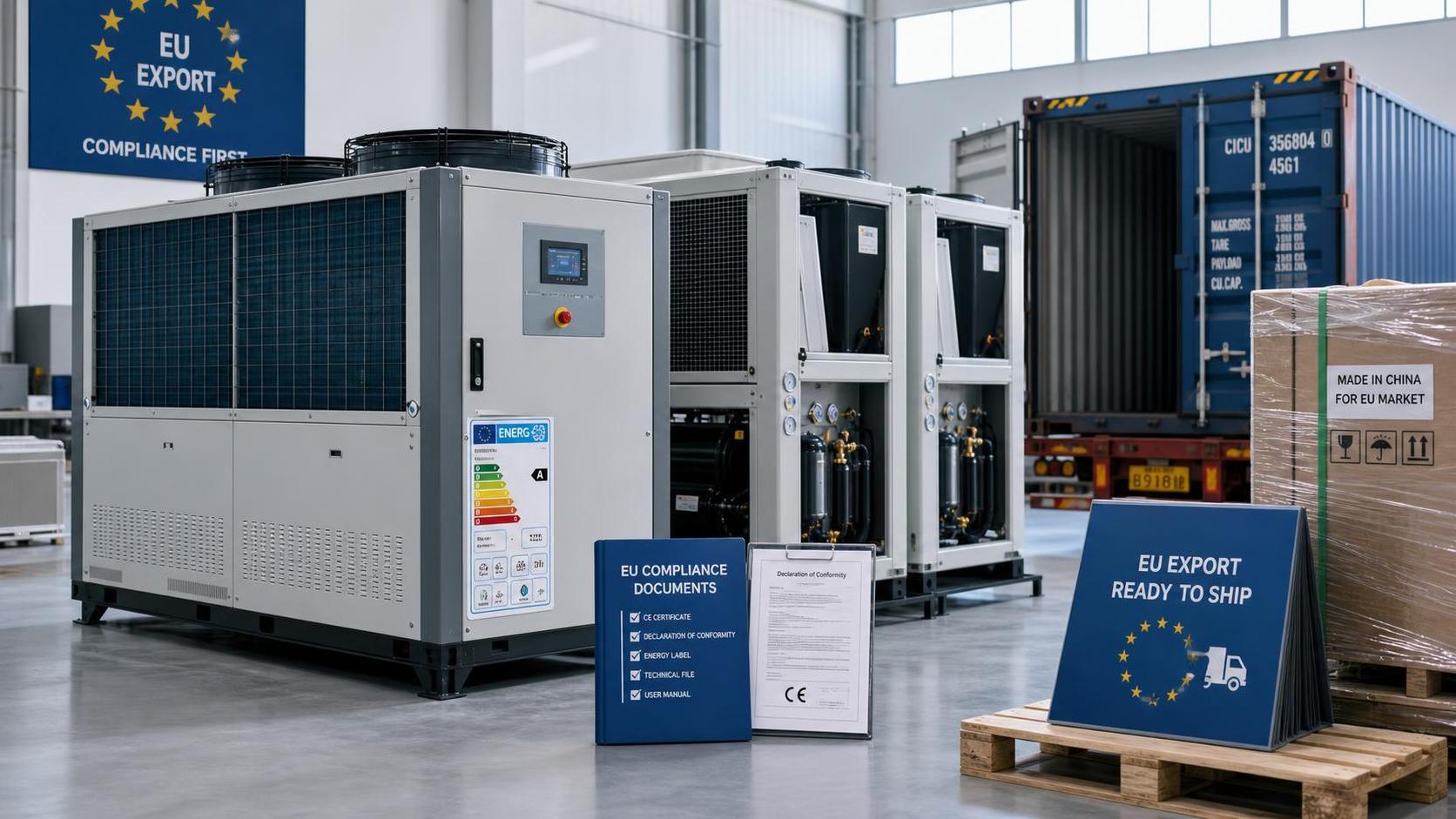
On August 7, 2026, CEN issued the revised EN 378-1:2026, setting a new compliance threshold for industrial refrigeration systems exported to the EU. From November 1, 2026, covered systems will need to meet a high-vacuum leak rate limit of ≤1×10⁻⁷ mbar·L/s and pass refrigerant compatibility matrix certification. For exporters, equipment makers, testing parties, and procurement teams linked to condensing units, industrial chillers, cold storage systems, and refrigerant-based heat exchangers, this is not just a technical update; it changes how product readiness for shipment into the EU will be judged.
What the revised standard now requires
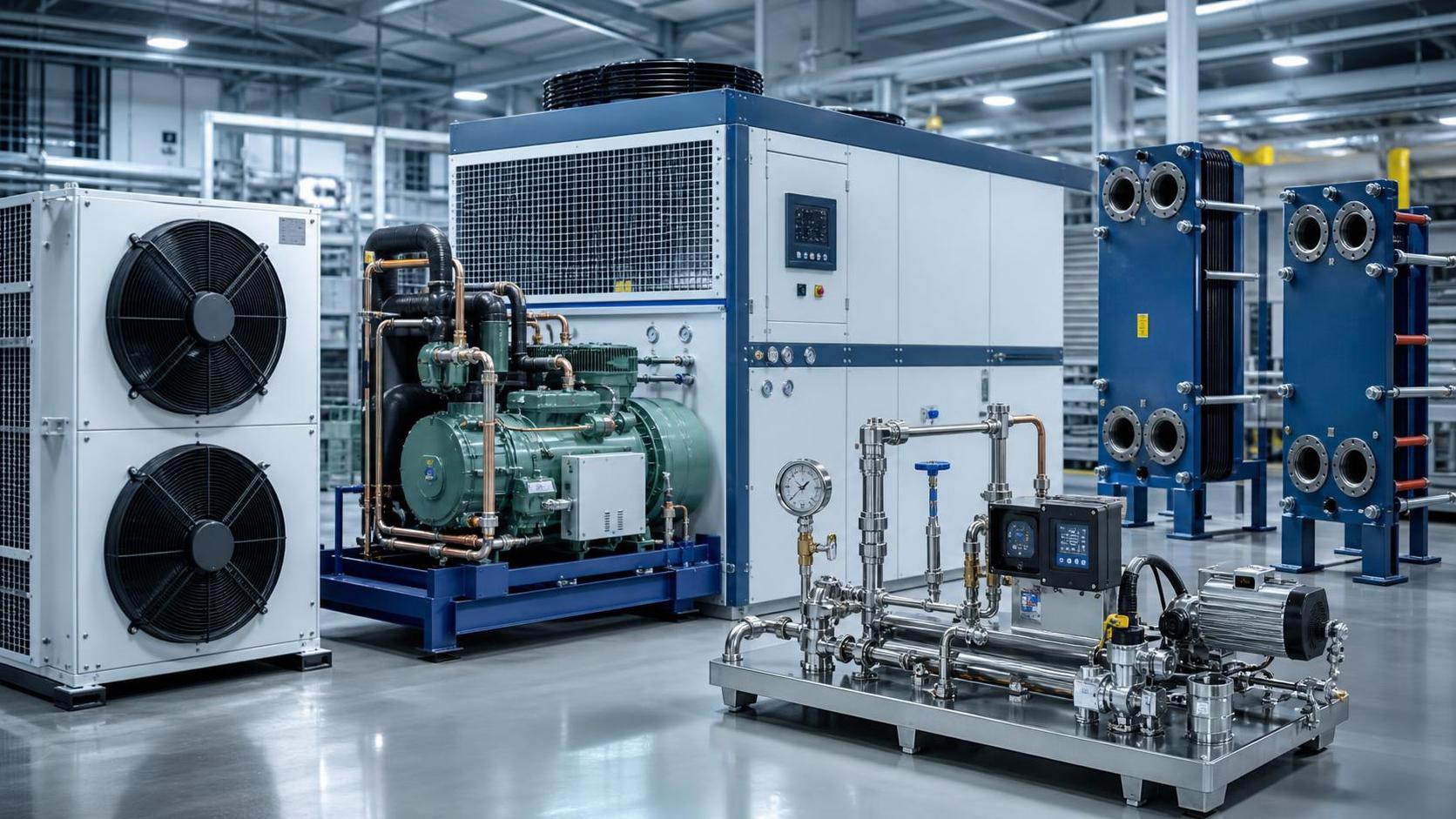
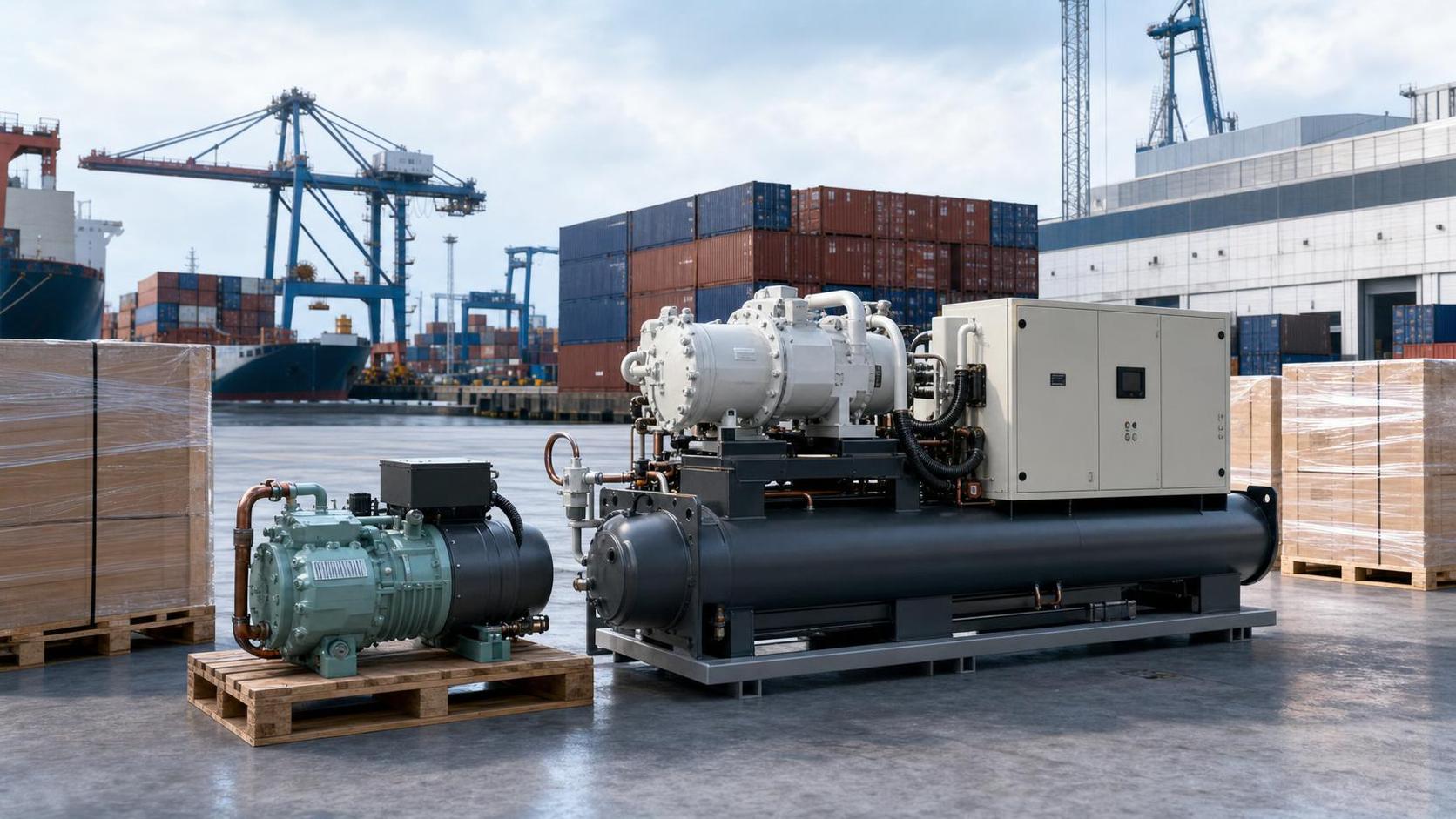
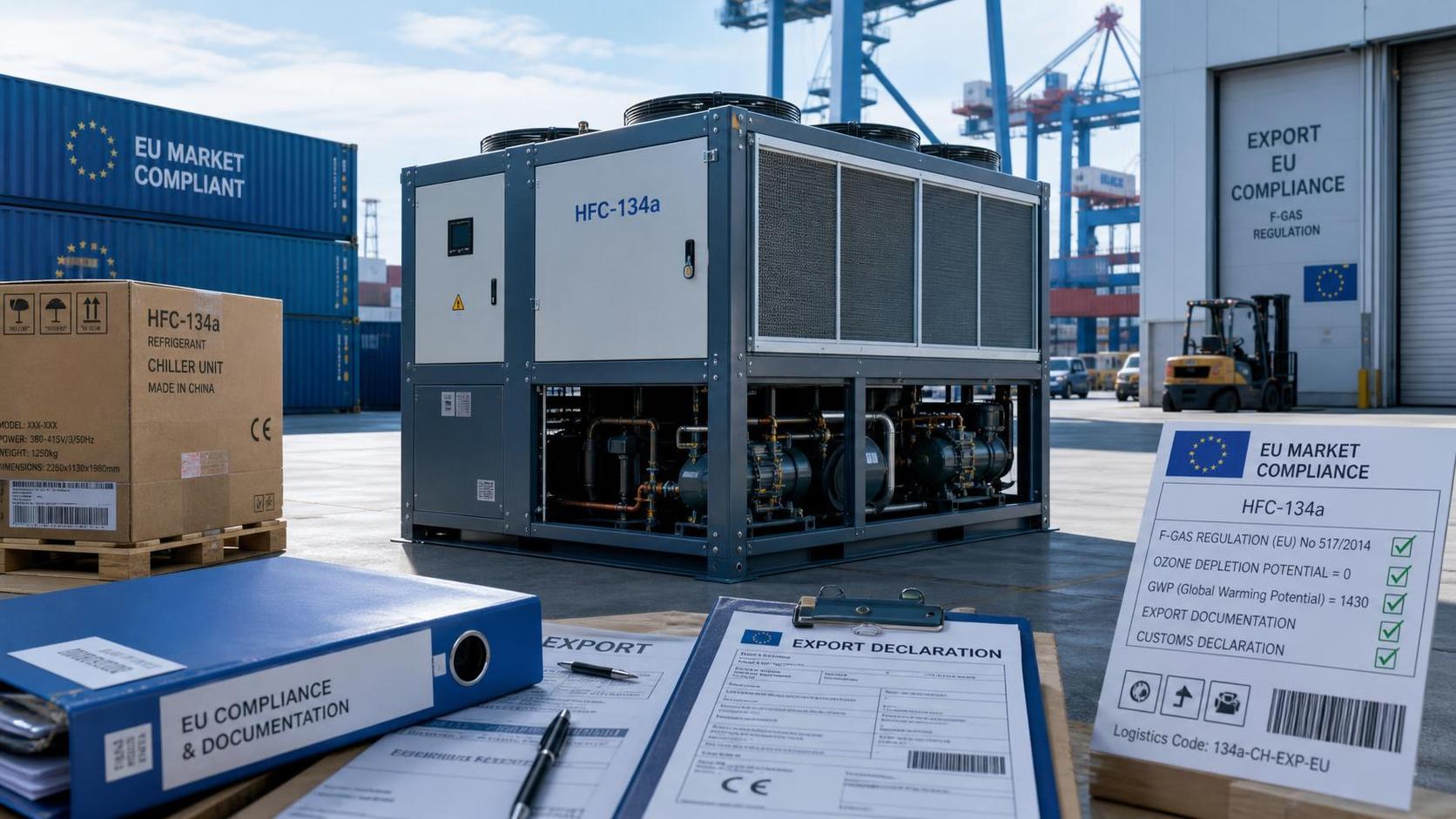
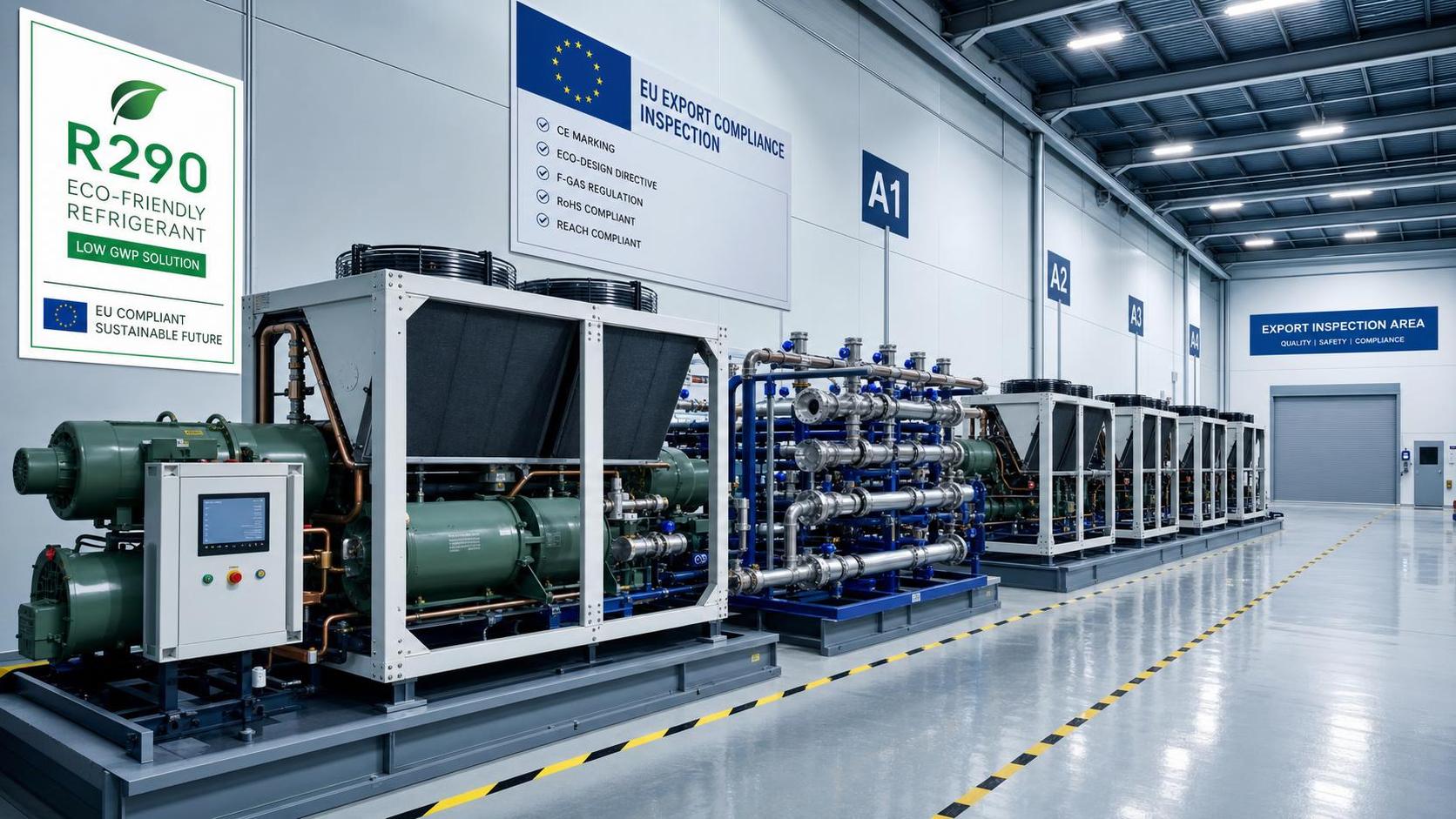
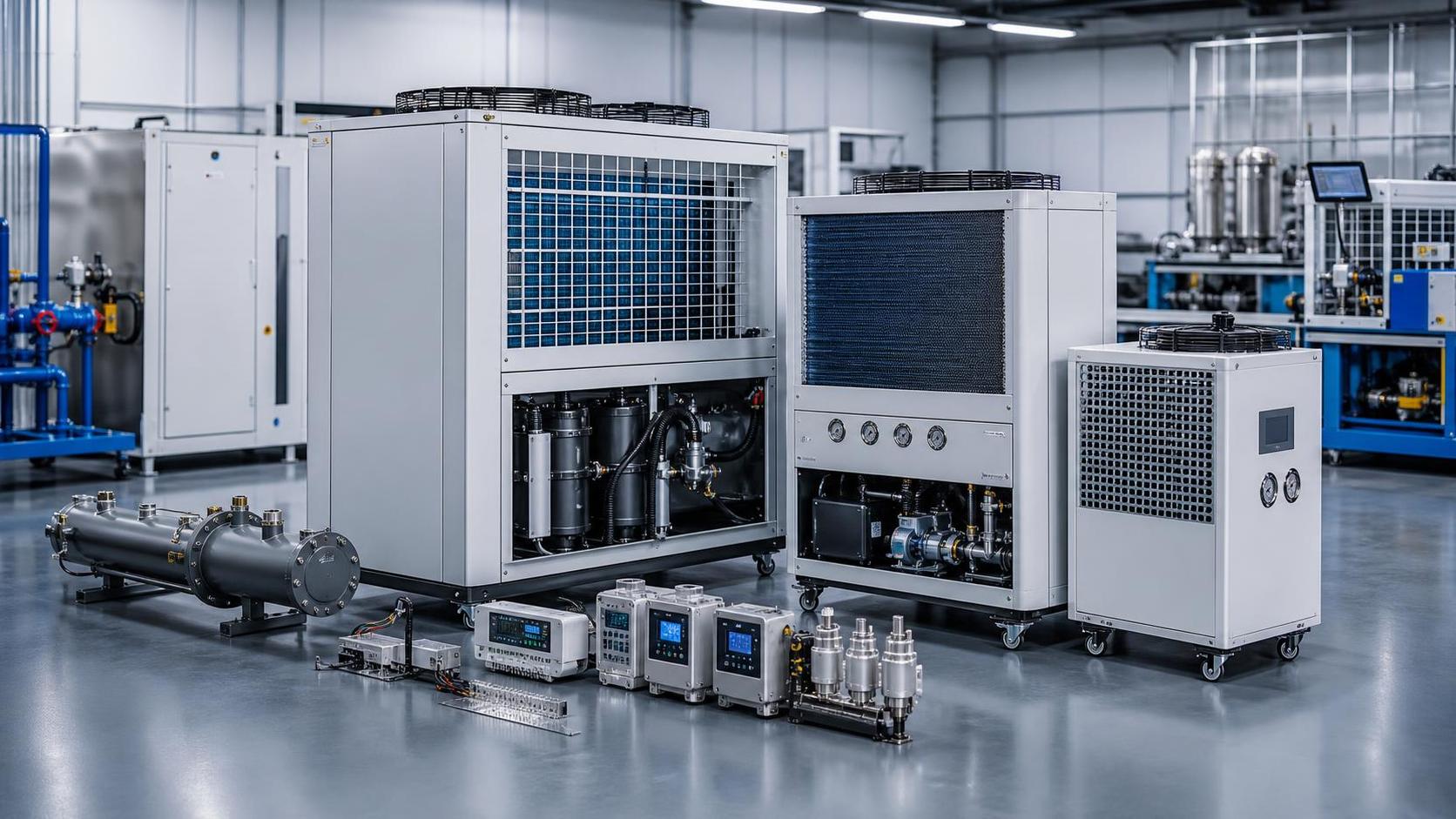
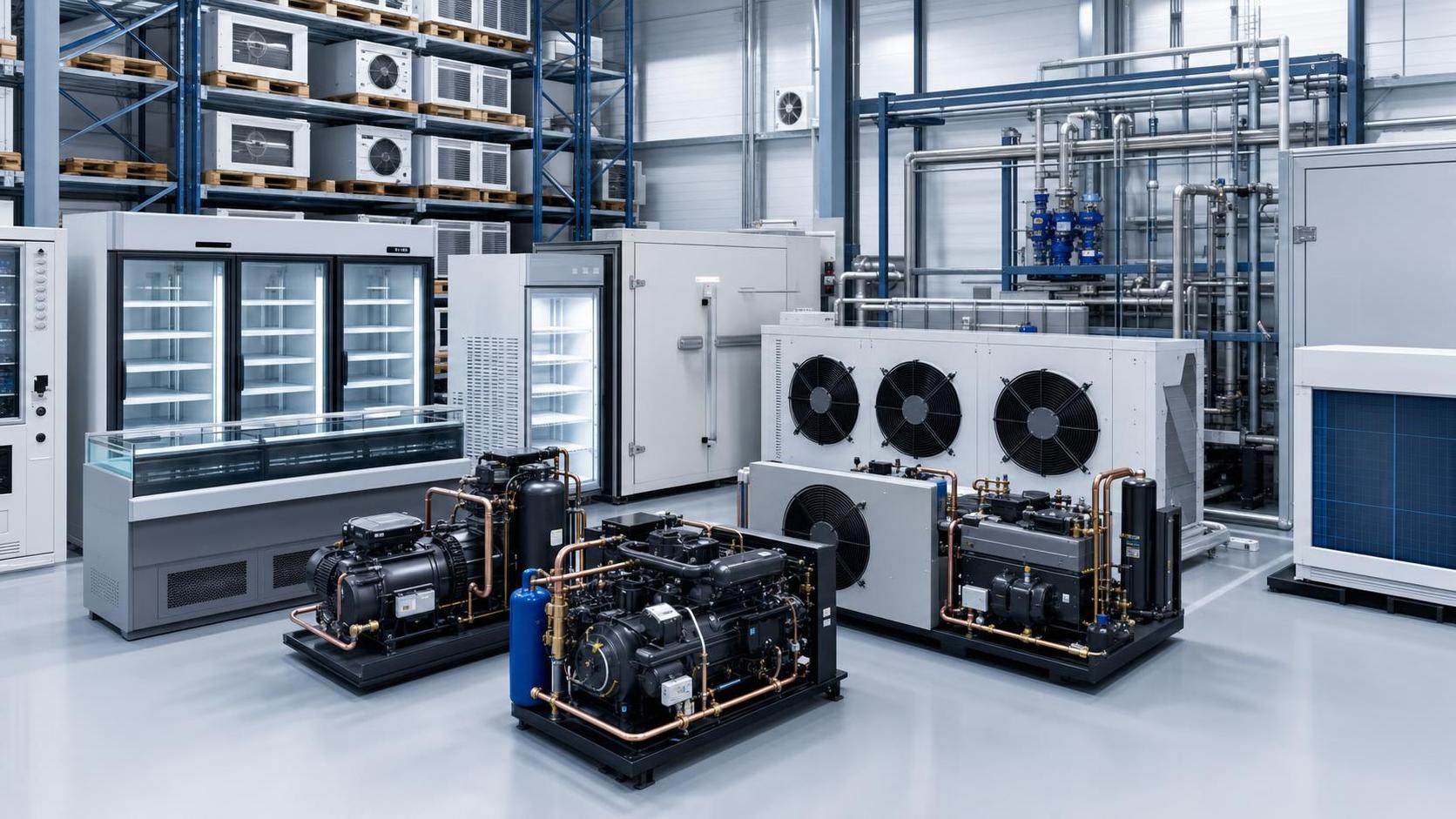
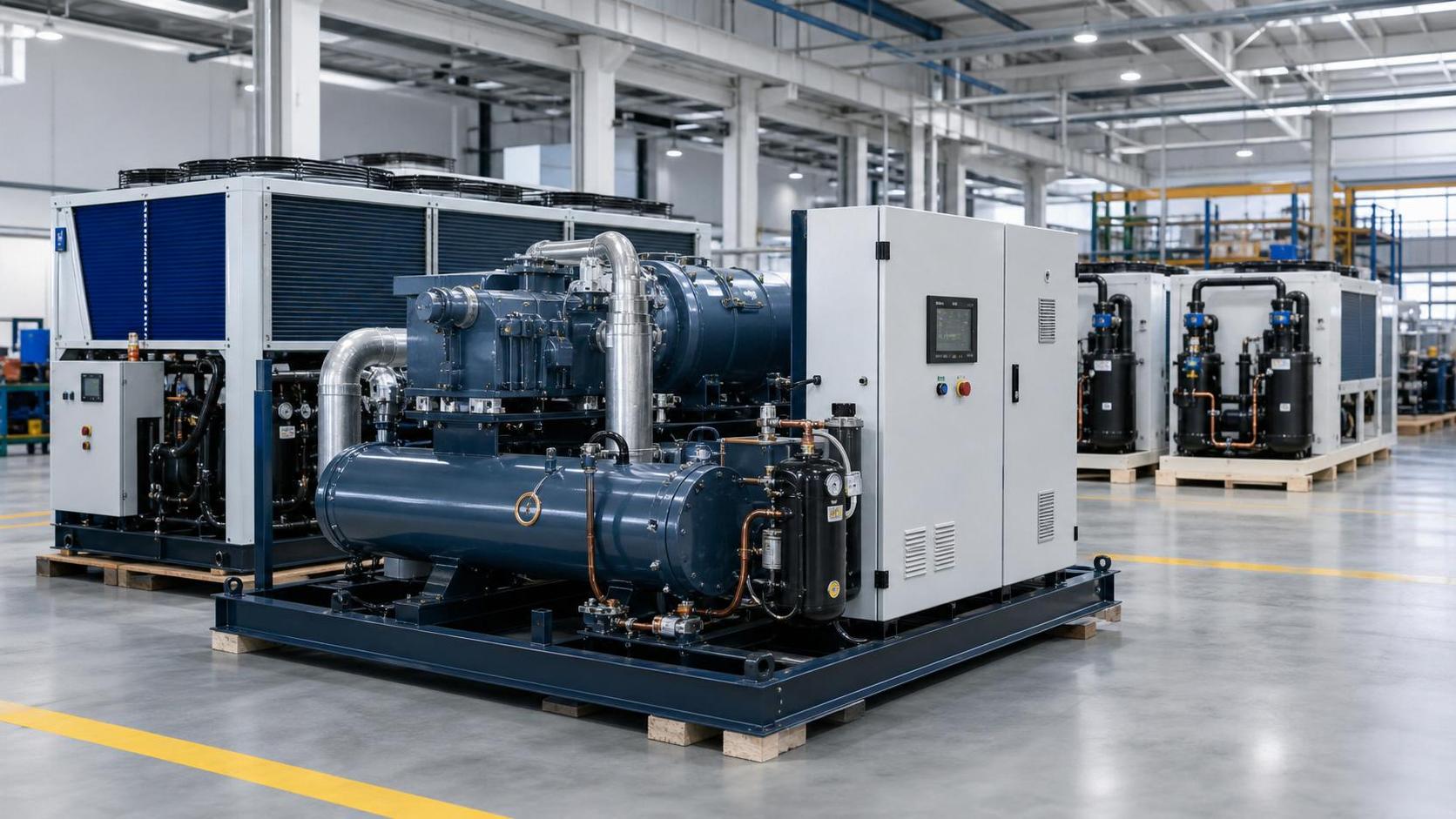
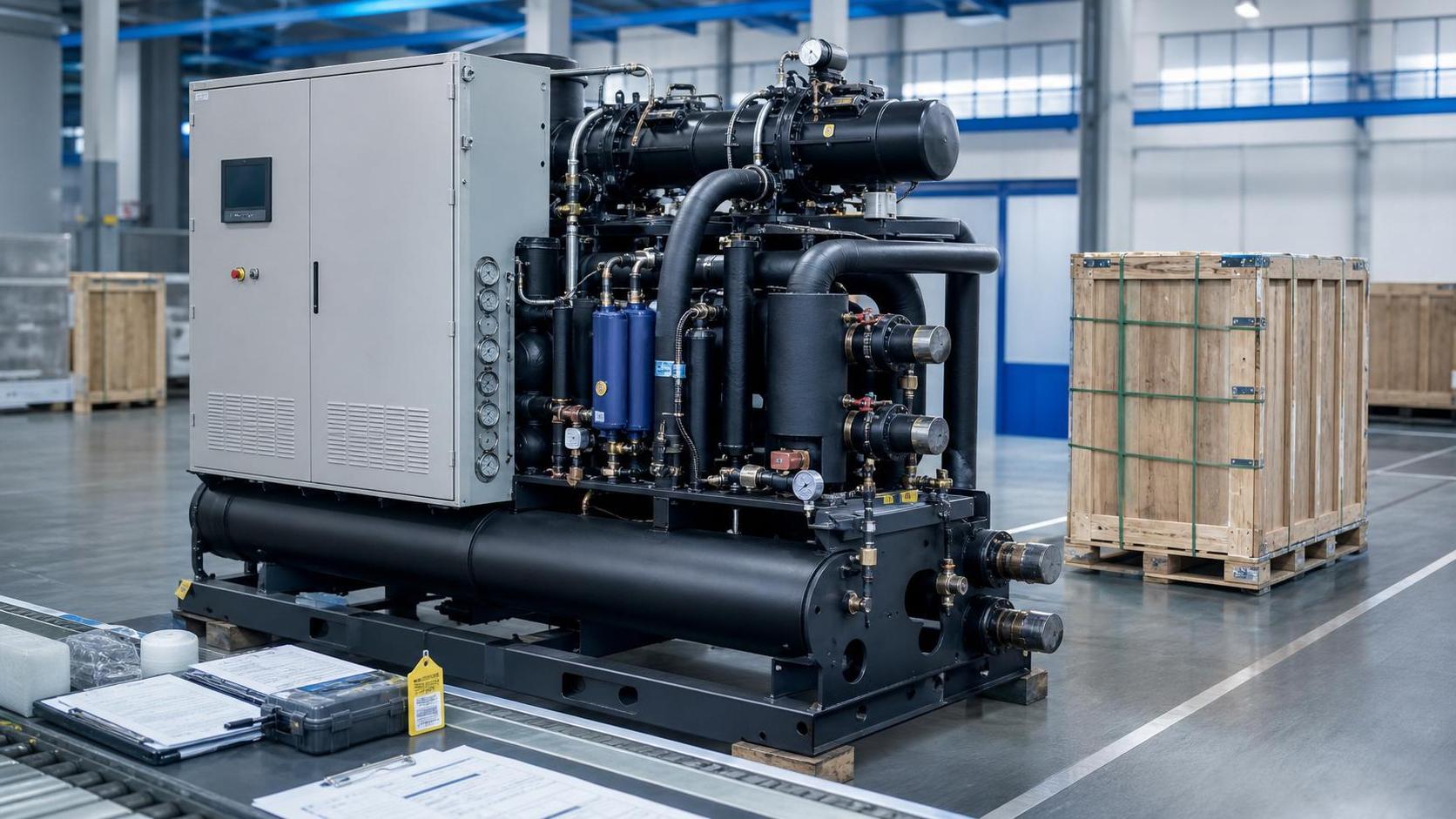
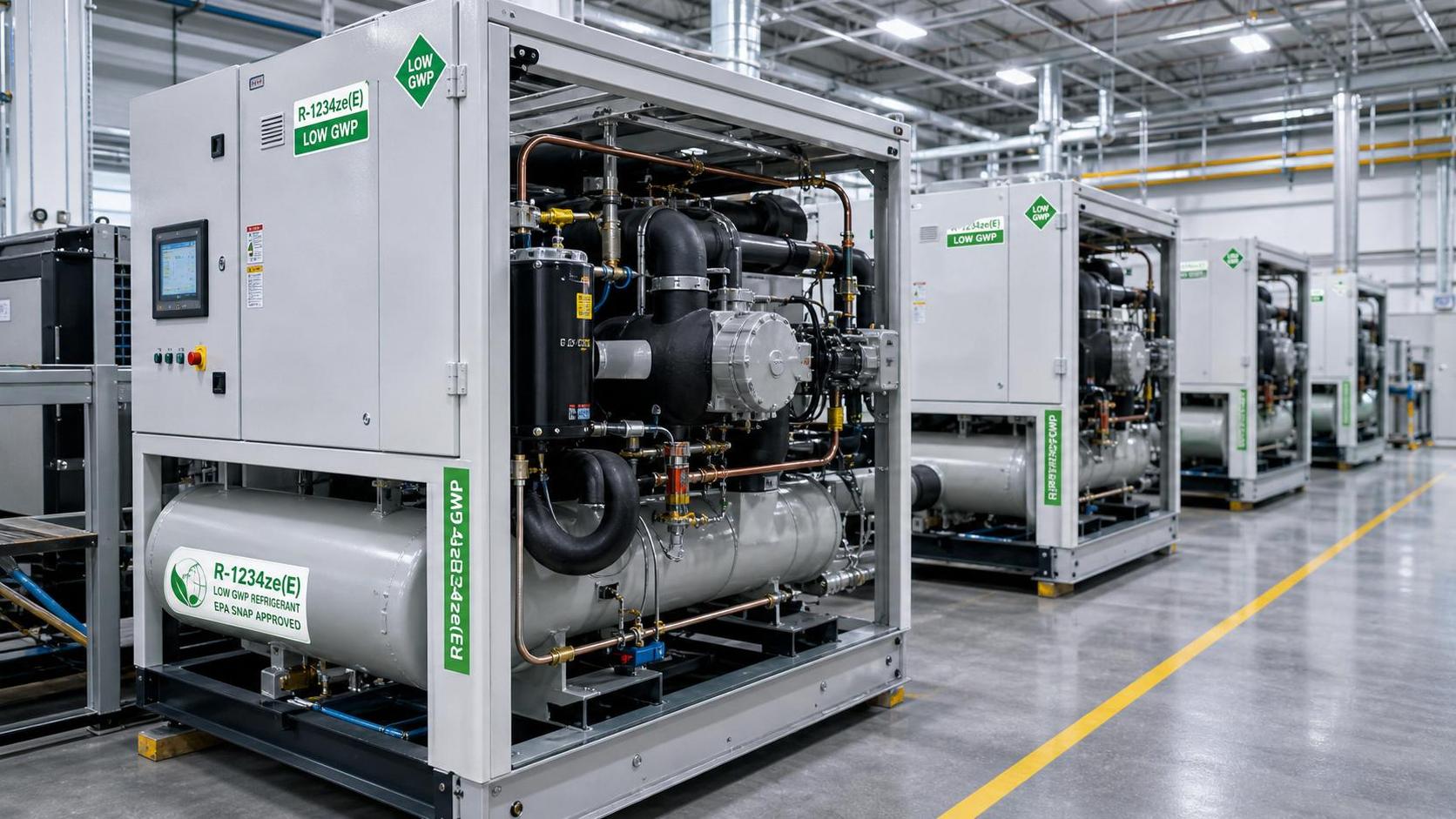
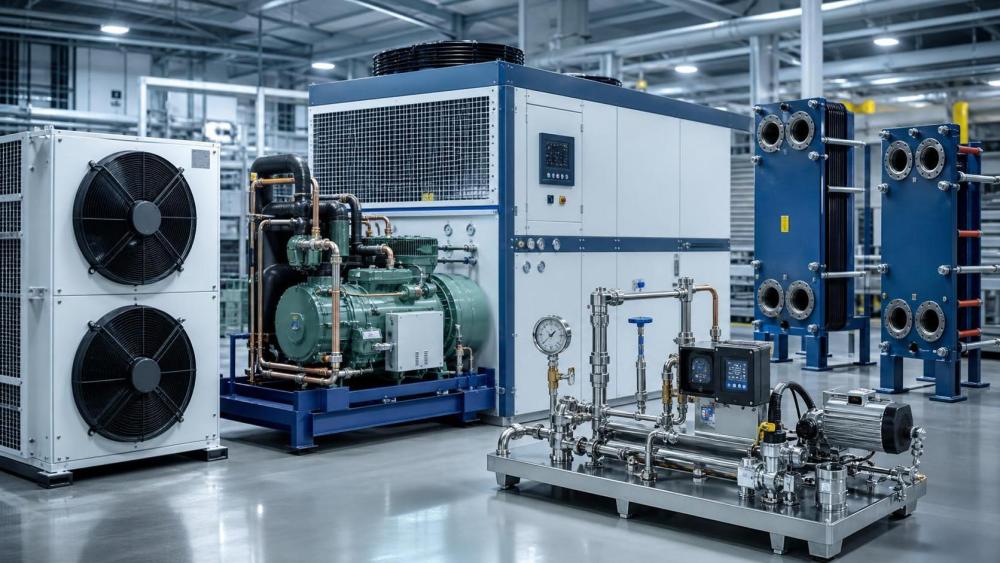
The confirmed facts are limited but clear. CEN formally released the revised refrigeration safety standard EN 378-1:2026 on August 7, 2026. The new version applies to industrial refrigeration systems exported to the EU, including condensing units, industrial chillers, cold storage, and refrigerant-based heat exchangers. Starting on November 1, 2026, these systems must pass two specified compliance checks: a revised vacuum leak rate requirement of no more than 1×10⁻⁷ mbar·L/s at a high-vacuum level, and refrigerant compatibility matrix certification. The rule change also directly affects the compliance pathway for associated equipment such as screw compressors, oil-free systems, liquid ring vacuum pumps, and plate heat exchangers.
Where the pressure will show up in the supply chain
Export qualification moves closer to component-level evidence
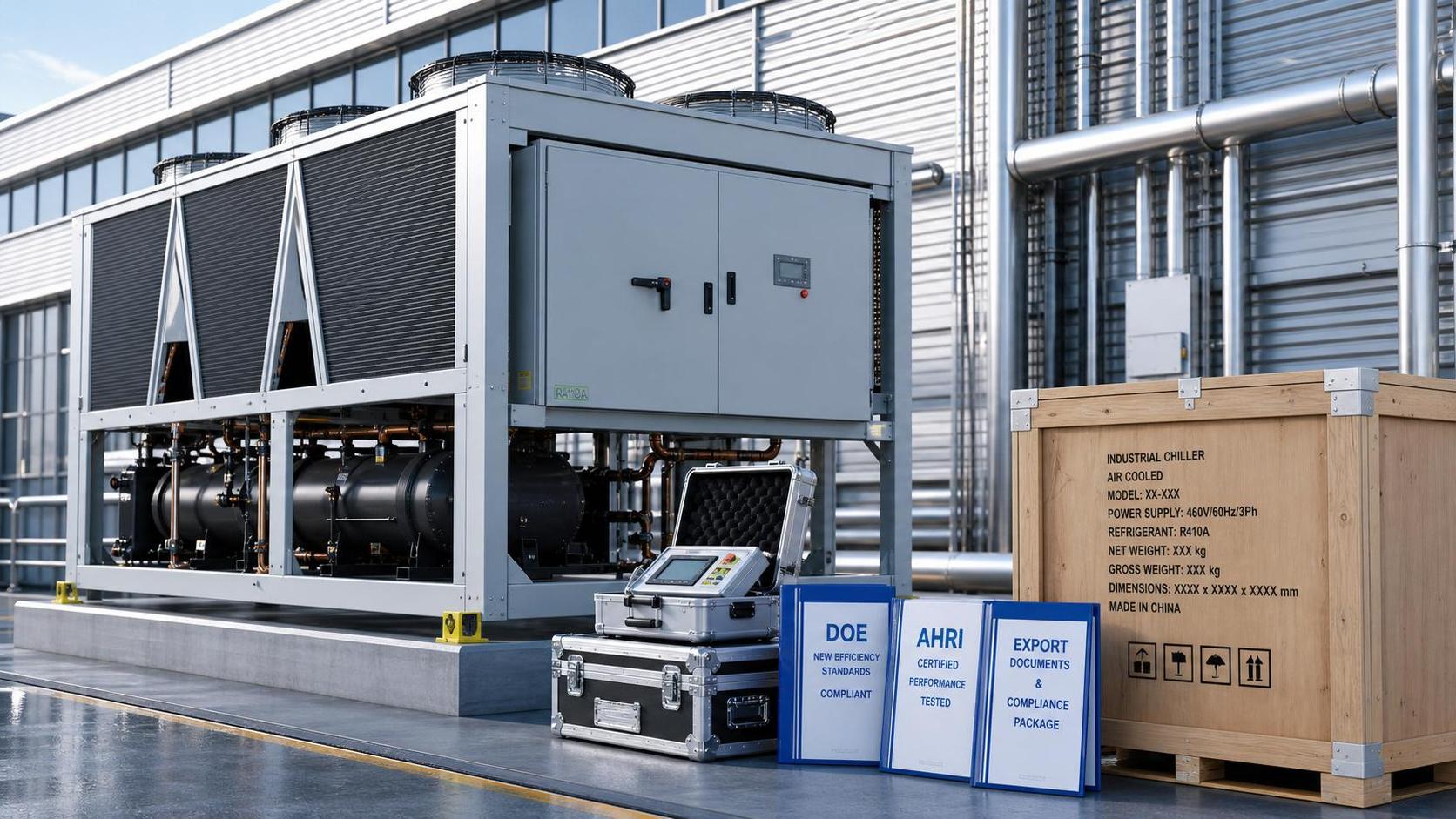
Export-facing manufacturers and traders are likely to be affected first because the revised standard changes the basis on which EU-bound industrial refrigeration systems are validated. The practical impact is likely to appear in technical files, pre-shipment compliance review, and the completeness of supporting documents tied to leak performance and refrigerant compatibility. What deserves closer attention is whether product configurations that previously moved through established export routines now require renewed validation at system and supporting component level.
Procurement and supplier approval may need stricter screening
For buyers and sourcing teams, the change may extend beyond finished systems into the selection of upstream components. Because the revised rule directly affects screw compressors, oil-free systems, liquid ring vacuum pumps, and plate heat exchangers, procurement decisions may need to account for whether suppliers can support the required compatibility and sealing evidence for EU-bound projects. The likely pressure points are supplier qualification, document readiness, and alignment between purchased parts and final system certification needs.
Testing and certification-related services may face a narrower margin for interpretation
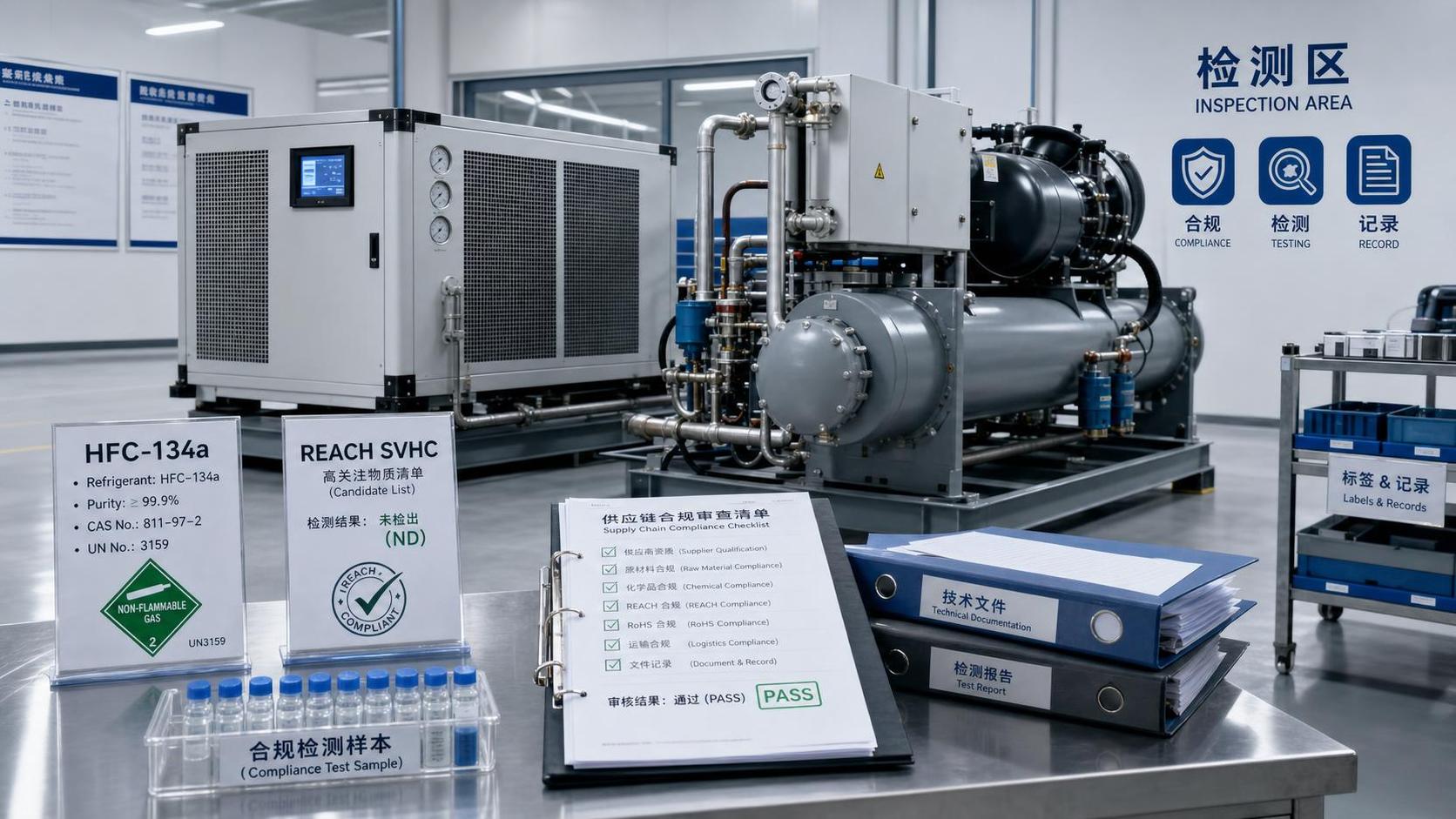
Certification-related firms and testing service providers may also see a more exacting review environment. Analysis shows that once a specific leak rate threshold and compatibility matrix certification are written into the compliance path, documentation quality, test method alignment, and report usability in export files become more commercially significant. Even where execution details are not yet described in the provided information, the direction of travel is clear: test evidence is becoming a more central trade and delivery requirement for EU-bound industrial refrigeration equipment.
Delivery, handover, and after-sales exposure may become more document-sensitive
Channel partners, project delivery teams, and after-sales providers may feel the effect later in the transaction cycle. If a system shipped to the EU is expected to demonstrate compliance under the revised standard, handover packages, service documentation, and traceability records may attract more scrutiny. From an industry perspective, this matters because compliance risk under a revised standard can surface not only at the order stage but also during delivery acceptance and post-delivery support.
What companies should review now
Recheck whether current EU-bound models still match the new filing logic
Companies shipping covered refrigeration systems into the EU should review whether their existing model files, validation records, and technical submissions still map cleanly to EN 378-1:2026. This is especially relevant where product families include multiple refrigerant options or rely on supporting equipment whose compliance path is directly affected by the revised standard.
Track how leak-rate and compatibility evidence will be requested in practice
The provided information confirms the new threshold and certification requirement, but it does not set out the full execution detail. Observably, companies should pay attention to how these requirements appear in certification workflows, customer technical specifications, and tender documentation. It is more appropriate to understand this stage as one where companies should prepare for document and testing adjustments, while continuing to verify the exact compliance interpretation used in practice.
Check supplier readiness before locking procurement and delivery schedules
Where exported systems depend on compressors, vacuum pumps, oil-free assemblies, or plate heat exchangers, companies should review whether suppliers can support the needed technical evidence within project timelines. This is less about broad supply-chain restructuring and more about reducing the risk that a compliant system is delayed by missing compatibility support or sealing-related proof in the final export package.
Prepare for closer linkage between technical documents and trade execution
Export teams should also review whether quotations, contracts, delivery files, and quality records adequately reflect the revised requirements for EU-bound systems. Analysis shows that when a standard revision changes the compliance threshold, the effect often appears in the handoff between engineering, certification, procurement, and export documentation rather than in a single isolated checkpoint.
Why this looks like an execution signal, not just a headline change
This development is best read as more than a routine standards update. The confirmed timeline includes a formal release date and a stated application date, which gives the market a clear point at which compliance expectations change for covered exports. At the same time, the information provided does not include detailed enforcement practice, certification workflow language, or market-level implementation examples. Because of that, it is more appropriate to understand this as an implemented rule change with execution details still worth monitoring closely.
From an industry perspective, the main significance lies in how narrowly defined technical criteria can influence broader commercial activity. A leak-rate threshold and refrigerant compatibility matrix certification may appear highly technical, but they can affect supplier selection, file preparation, shipment readiness, acceptance risk, and project scheduling across the industrial refrigeration chain.
How the market may need to read this change
The immediate meaning of the EN 378-1:2026 revision is that EU-bound industrial refrigeration exports are moving under a stricter compliance screen tied to vacuum sealing performance and refrigerant compatibility verification. That does not by itself prove how every buyer, certifier, or delivery process will respond, but it does establish a firmer baseline for what exporters and supporting equipment suppliers need to be prepared to demonstrate. The most balanced reading for now is that this is a landed compliance change with practical consequences for certification and delivery preparation, while the precise market execution still warrants continued observation.
Basis of this article and what still needs verification
This article is based on the user-provided news title, event date, and event summary. For developments of this kind, relevant source categories typically include official announcements, regulator or trade authority releases, industry association updates, standards organization documents, customs or trade administration information, and reporting by established industry media. A specific official source link was not provided in the input, so the exact source text and subsequent official interpretations still need ongoing verification. What remains important to monitor includes detailed implementation language, certification practice, tender document changes, market feedback, and how companies execute against the revised requirements in live export projects.
Related News
- EN 378-1:2026 Tightens EU Export ChecksAuthor :Cryogenic Systems Expert

- How to Compare Semiconductor Cooling Solutions by Heat Load and Uptime RiskAuthor :Cryogenic Systems Expert

- EU Label Deadline Hits China Chiller ExportsAuthor :Cryogenic Systems Expert

- How Smart Thermal Systems Improve Industrial Cooling EfficiencyAuthor :Cryogenic Systems Expert

- How to Choose Process Cooling Equipment for Stable Temperature ControlAuthor :Cryogenic Systems Expert

- EU Finalizes 2026 HFC Quota Cut for R-134a ChillersAuthor :Cryogenic Systems Expert

- EU Tightens HFC-134a Quotas for Industrial ChillersAuthor :Cryogenic Systems Expert

- REACH SVHC Update Pressures HFC-134a Chiller Supply ChainsAuthor :Cryogenic Systems Expert

- EU PFAS Coolant Ban Reshapes Chiller ExportsAuthor :Cryogenic Systems Expert

- EU REACH Restricts PFAS Cooling Media ImportsAuthor :Cryogenic Systems Expert

- EU Ecodesign Rule Takes Effect for Industrial ChillersAuthor :Cryogenic Systems Expert

- EU REACH Rule Takes Effect for PFAS in Industrial Cooling ExportsAuthor :Cryogenic Systems Expert

- Industrial Cooling for Plastic Processing: How to Size for Stable Cycle TimesAuthor :Cryogenic Systems Expert

- EU F-Gas Update Bars R404A/R507 in Commercial CoolingAuthor :Cryogenic Systems Expert

- DOE Raises Chiller Efficiency Standard From October 2026Author :Cryogenic Systems Expert

- India Mandates BIS Energy Certification for Industrial ChillersAuthor :Cryogenic Systems Expert

- Energy-Efficient Heat Exchange for Process Cooling: Cost vs PaybackAuthor :Cryogenic Systems Expert

- EPA R-134a Import Ban Takes Effect on July 13, 2026Author :Cryogenic Systems Expert

- India BIS Rule Takes Effect for Industrial ChillersAuthor :Cryogenic Systems Expert

- EPA Cuts R134a Import Quotas 20% From July 10Author :Cryogenic Systems Expert

- How to Compare Energy-Efficient Cooling Systems for Factory Expansion ProjectsAuthor :Cryogenic Systems Expert

- Chiller Price Index Rises 11.3% in Q2Author :Cryogenic Systems Expert

- Saudi SASO Tightens Chiller Import Compliance From July 10Author :Cryogenic Systems Expert

- Dubai Opens Fast-Track Chiller TendersAuthor :Cryogenic Systems Expert

- Japan Raises Chiller COP Floor to 6.2 From Sept. 1Author :Cryogenic Systems Expert
![]()
- Compact Thermal Management in Smart Devices: Common Failure RisksAuthor :Cryogenic Systems Expert

- Thermal Management for Batteries: Cooling Methods ComparedAuthor :Cryogenic Systems Expert

- How Compact Thermal Design Extends Smart Device UptimeAuthor :Cryogenic Systems Expert

- Shanghai-Rotterdam Reefer Rates Jump 37% in a WeekAuthor :Cryogenic Systems Expert

- Process Cooling Equipment Low Maintenance: What Cuts Downtime Over 5 Years?Author :Cryogenic Systems Expert

- Semiconductor Cooling Solutions: Which Design Works Best for High-Density Tools?Author :Cryogenic Systems Expert

- Semiconductor Thermal Management Systems: Preventing Yield Loss from Heat DriftAuthor :Cryogenic Systems Expert

- EPA Clears R-1234ze(E) for Industrial ChillersAuthor :Cryogenic Systems Expert
 for Industrial Chillers")
- DOE Raises Chiller IEER Floor to 12.8 From Oct. 2026Author :Cryogenic Systems Expert

- Singapore Refrigeration Show Adds Green Compliance HubAuthor :Cryogenic Systems Expert

- How Food Industry Temperature Control Systems Reduce Product LossAuthor :Cryogenic Systems Expert