



Vietnam Aligns Import Energy Labels With GB 18613-2025




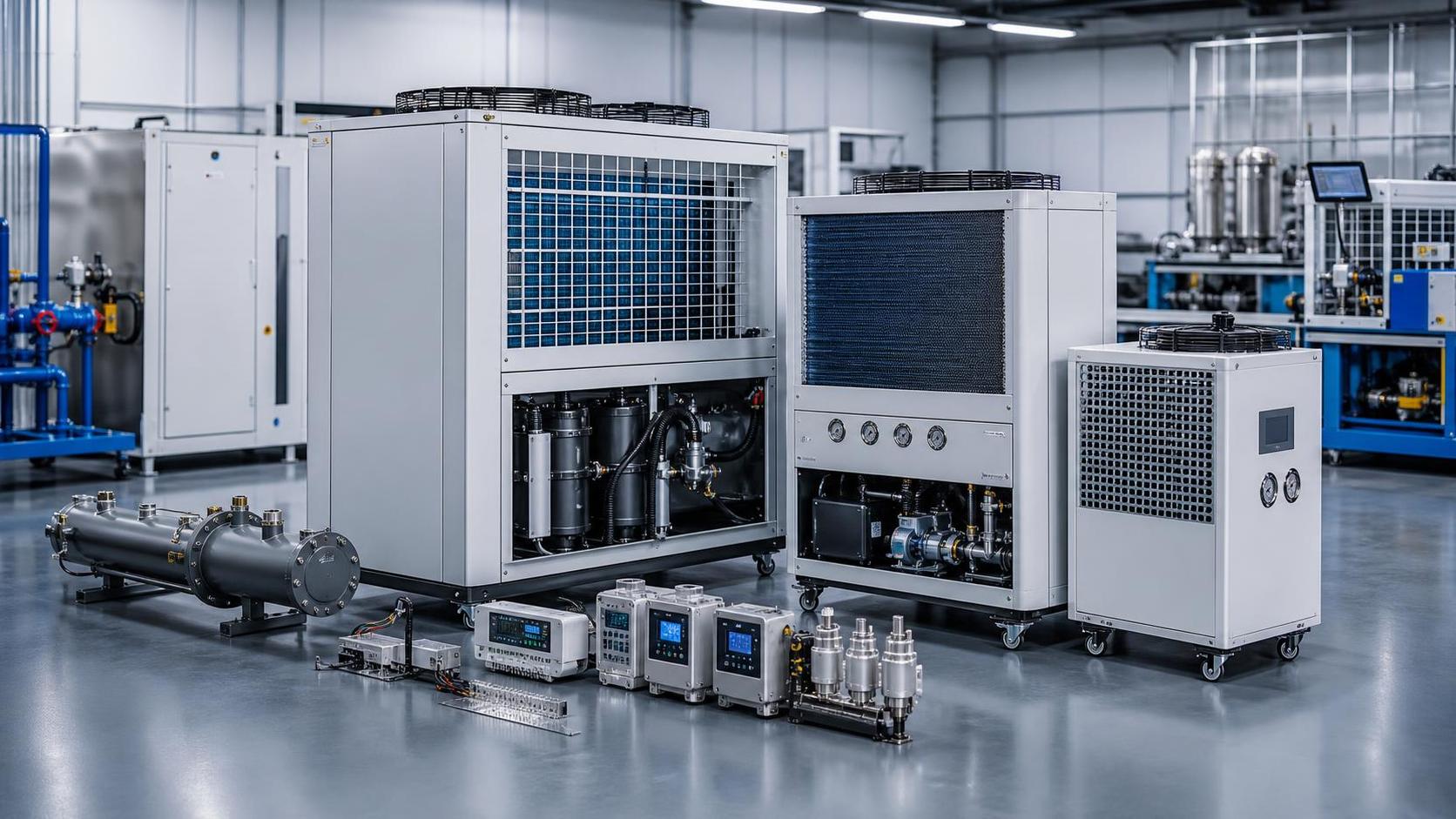
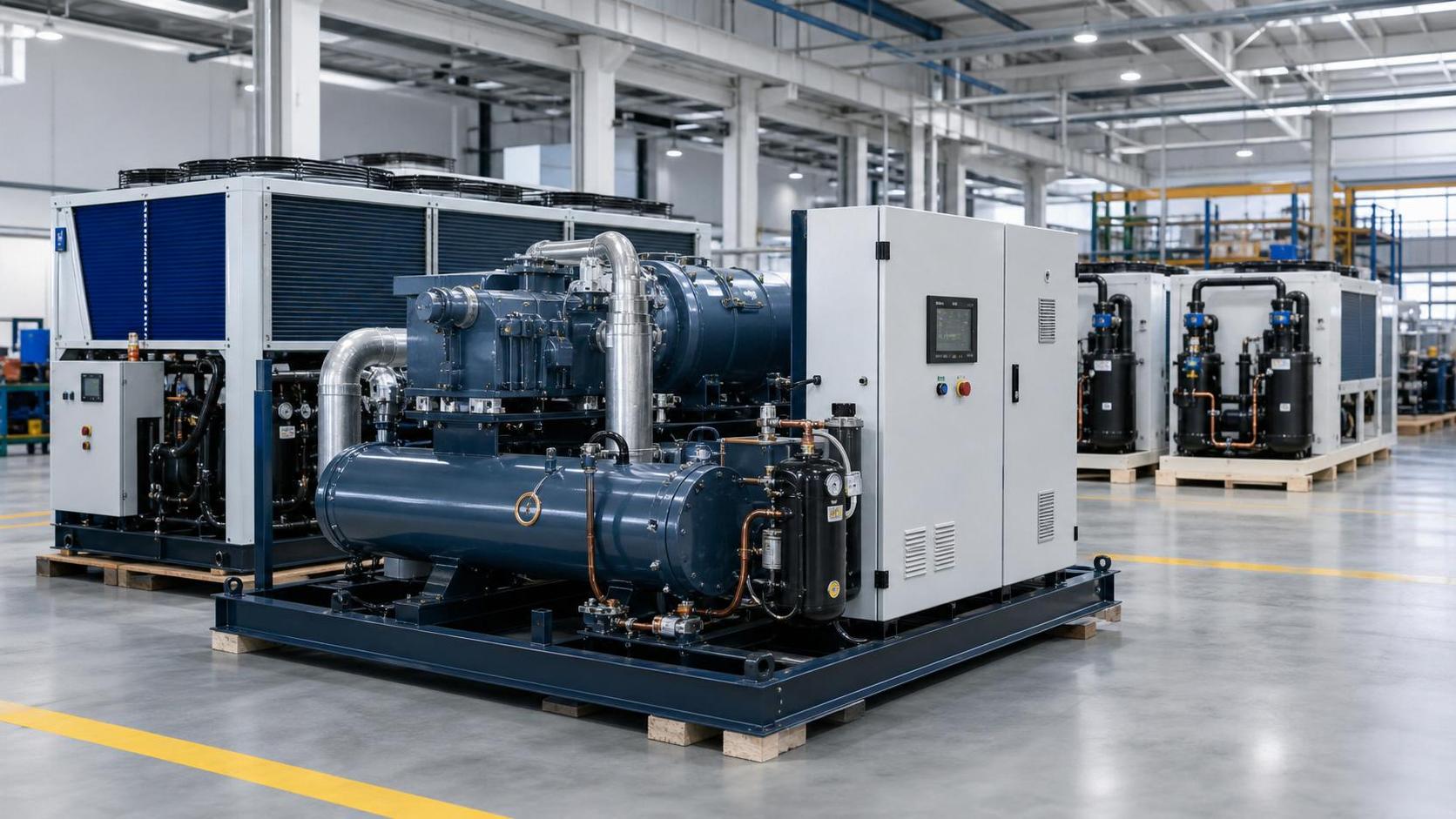
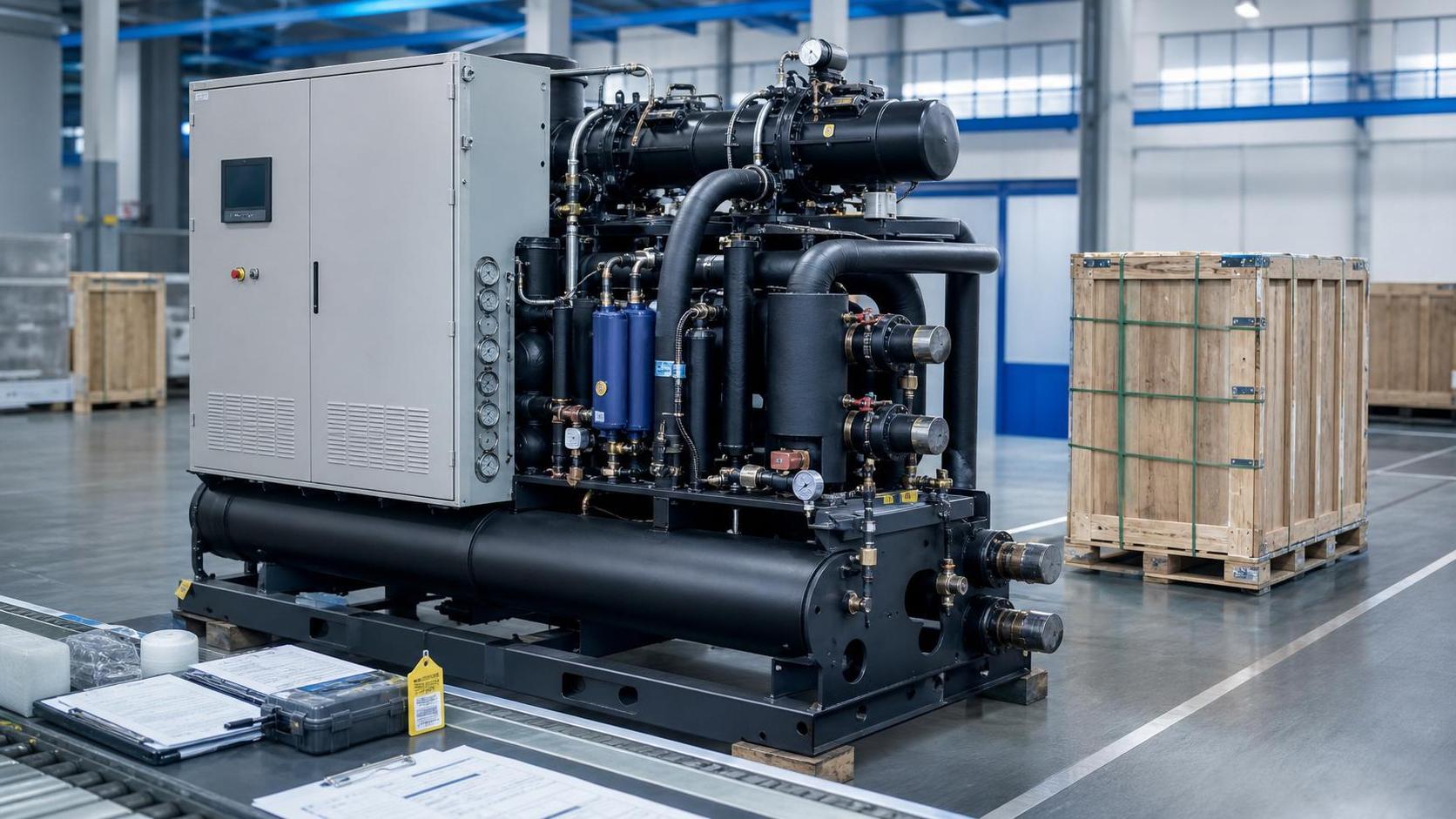
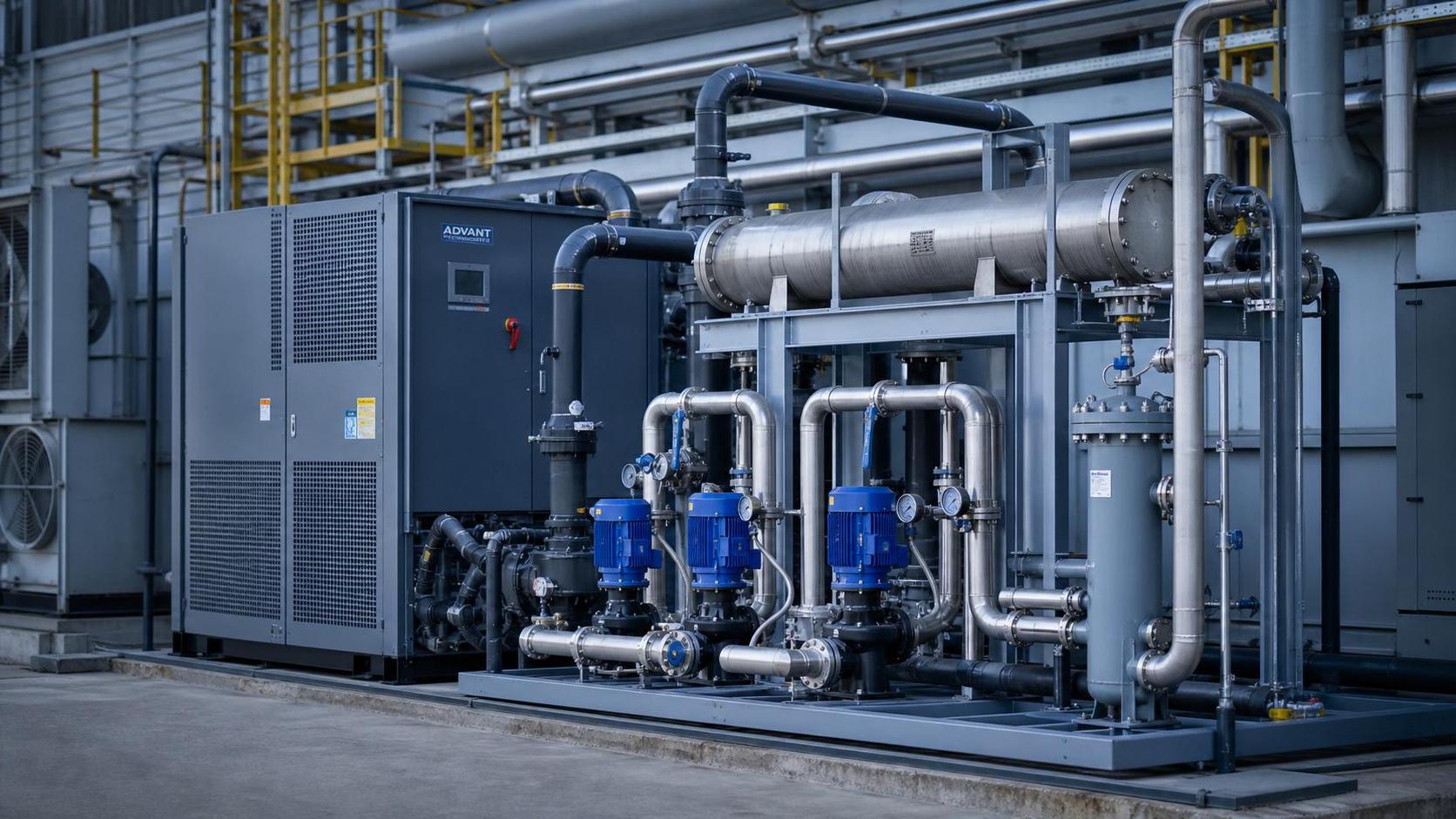
On June 13, 2026, Vietnam’s Ministry of Industry and Trade issued Circular No. 32/2026/TT-BCT, introducing a new labeling requirement for imported industrial refrigeration equipment. From September 1, 2026, imported Industrial Chillers, Cooling Towers, and Rotary Vane compressors must carry a Vietnam energy efficiency label, with test methods and limits aligned with GB 18613-2025. For importers, manufacturers, testing providers, and buyers involved in cross-border supply and project delivery, this is worth close attention because it connects market access, test documentation, and certification arrangements to a defined compliance deadline.
What the New Requirement Clearly Sets Out
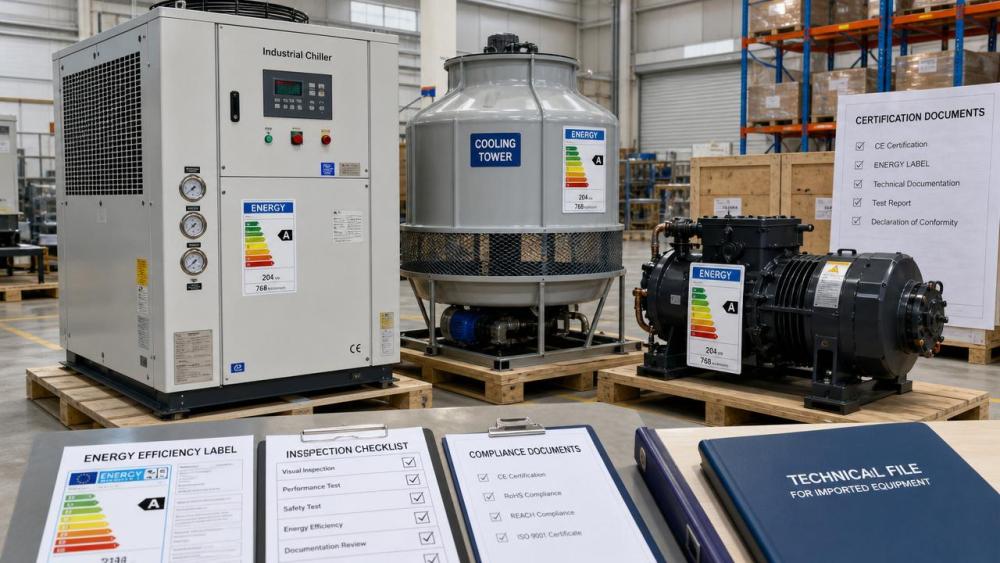
The confirmed facts are limited but clear. Vietnam’s Ministry of Industry and Trade issued Circular No. 32/2026/TT-BCT on June 13, 2026. The circular states that, starting September 1, 2026, all imported industrial refrigeration equipment covered in the summary, including Industrial Chillers, Cooling Towers, and Rotary Vane compressors, must bear a Vietnam energy efficiency label.
The same summary states that the applicable test methods and efficiency limits are fully aligned with China’s GB 18613-2025. It also specifies that importers must either commission retesting through a Vietnam VILAS-accredited certification body or rely on mutual recognition of CNAS reports.
Where the Pressure Points Appear in the Supply Chain
For importers, compliance becomes part of market entry preparation
Analysis shows that importers are likely to feel the most immediate impact because the rule directly links product entry to labeling and test evidence. The practical effect is not only on customs-facing documentation, but also on whether product files, test reports, and label preparation are ready before shipment or delivery milestones. What deserves closer attention is whether an importer intends to use a VILAS retest route or a CNAS mutual-recognition route, because that choice may shape document collection and timing.
For manufacturers, technical files now matter beyond the factory gate
From an industry perspective, manufacturers supplying the Vietnam market may need to review whether their existing efficiency test records, product specifications, and model descriptions are organized in a way that supports the new labeling requirement. The key issue is not a change in product naming, but whether the exported equipment can be matched clearly to the applicable test basis and supporting documents required by the importer or certification pathway.
For buyers and project procurement teams, delivery assumptions may need review
Observably, procurement teams purchasing imported refrigeration equipment for projects in Vietnam may need to pay closer attention to compliance readiness during supplier selection and contracting. The relevant business risk is not limited to price or lead time; it may also affect acceptance timing, tender file consistency, and the completeness of technical and certification submissions tied to the imported unit.
For testing and certification service providers, execution details become commercially relevant
Analysis shows that laboratories, certification coordinators, and related compliance service providers may become more involved in document review, report validation, and communication over recognition routes. Because the summary mentions both VILAS retesting and CNAS report mutual recognition, service providers connected to either path may see increased demand for interpretation, file preparation, and conformity support.
What Companies Should Track Before the Effective Date
Check whether covered products are already mapped to the new label scope
Companies handling Industrial Chillers, Cooling Towers, or Rotary Vane compressors should first identify whether their Vietnam-bound products fall within the rule as described in the summary. Analysis shows that an early scope review can help avoid late-stage confusion in purchase orders, import planning, and shipment documentation.
Prepare test reports and technical files around the chosen certification route
What deserves closer attention is the documentation path. If a company expects to rely on CNAS report mutual recognition, the readiness and consistency of the underlying reports may become a central compliance issue. If the company expects VILAS retesting, planning for local testing arrangements may become part of the delivery schedule. The input does not provide detailed implementation mechanics, so this remains an area that requires follow-up verification rather than assumption.
Review contract language, bidding documents, and handover requirements
From a practical business perspective, companies should pay attention to how the new rule may appear in tender specifications, procurement checklists, and acceptance documents. Analysis shows that even when a product is technically available, incomplete wording on labeling, testing basis, or report recognition could create avoidable friction at ordering or handover stages.
Watch for further clarification on execution standards
It is more appropriate to understand the current notice as a concrete compliance signal with some execution details still requiring close observation. Businesses should therefore track later official wording, certification practice, and market-side implementation signals related to the label format, review process, and acceptance of supporting reports.
Why This Looks Like More Than a Formal Label Update
Observably, this development is not just about attaching a label to imported equipment. Analysis shows that it links energy efficiency assessment, market-entry documentation, and recognized testing evidence into one compliance chain. The alignment with GB 18613-2025 may reduce technical interpretation gaps for some suppliers already familiar with that benchmark, but it does not remove the need to verify how Vietnam will apply the requirement in practice.
It is more appropriate to understand this as an implemented rule change with a defined effective date, while also recognizing that the market still needs to observe how certification routes, document review, and procurement language will operate once enforcement begins.
How This Update Is Best Understood Now
At this stage, the development should be read as a real market-access and compliance adjustment for imported industrial refrigeration equipment entering Vietnam. Its significance lies less in policy rhetoric and more in the operational link between energy labeling, testing alignment, and certification handling. A cautious industry reading would be that the rule is already concrete enough to affect planning, but not yet detailed enough to support assumptions beyond the confirmed text provided in the summary.
Basis of This Article and What Still Needs Verification
This article is generated from the user-provided news title, event date, and event summary. For developments of this kind, relevant source categories usually include official notices, releases from regulatory authorities, trade or customs administration information, industry association updates, standard-setting documents, and reporting by established professional media.
No specific official source link was provided in the input, so the exact official publication path still requires continued verification. Observably, the points that still merit tracking include implementing details, certification interpretation, changes in bidding or procurement documents, market feedback, and how affected companies execute the new requirement in practice.
Related News
- EU Label Deadline Hits China Chiller ExportsAuthor :Cryogenic Systems Expert

- How Smart Thermal Systems Improve Industrial Cooling EfficiencyAuthor :Cryogenic Systems Expert

- How to Choose Process Cooling Equipment for Stable Temperature ControlAuthor :Cryogenic Systems Expert

- EU Finalizes 2026 HFC Quota Cut for R-134a ChillersAuthor :Cryogenic Systems Expert

- EU Tightens HFC-134a Quotas for Industrial ChillersAuthor :Cryogenic Systems Expert

- REACH SVHC Update Pressures HFC-134a Chiller Supply ChainsAuthor :Cryogenic Systems Expert

- EU PFAS Coolant Ban Reshapes Chiller ExportsAuthor :Cryogenic Systems Expert

- EU REACH Restricts PFAS Cooling Media ImportsAuthor :Cryogenic Systems Expert

- EU Ecodesign Rule Takes Effect for Industrial ChillersAuthor :Cryogenic Systems Expert

- EU REACH Rule Takes Effect for PFAS in Industrial Cooling ExportsAuthor :Cryogenic Systems Expert

- Industrial Cooling for Plastic Processing: How to Size for Stable Cycle TimesAuthor :Cryogenic Systems Expert

- EU F-Gas Update Bars R404A/R507 in Commercial CoolingAuthor :Cryogenic Systems Expert

- DOE Raises Chiller Efficiency Standard From October 2026Author :Cryogenic Systems Expert

- India Mandates BIS Energy Certification for Industrial ChillersAuthor :Cryogenic Systems Expert

- Energy-Efficient Heat Exchange for Process Cooling: Cost vs PaybackAuthor :Cryogenic Systems Expert

- EPA R-134a Import Ban Takes Effect on July 13, 2026Author :Cryogenic Systems Expert

- India BIS Rule Takes Effect for Industrial ChillersAuthor :Cryogenic Systems Expert

- EPA Cuts R134a Import Quotas 20% From July 10Author :Cryogenic Systems Expert

- How to Compare Energy-Efficient Cooling Systems for Factory Expansion ProjectsAuthor :Cryogenic Systems Expert

- Chiller Price Index Rises 11.3% in Q2Author :Cryogenic Systems Expert

- Saudi SASO Tightens Chiller Import Compliance From July 10Author :Cryogenic Systems Expert

- Dubai Opens Fast-Track Chiller TendersAuthor :Cryogenic Systems Expert

- Japan Raises Chiller COP Floor to 6.2 From Sept. 1Author :Cryogenic Systems Expert
![]()
- Compact Thermal Management in Smart Devices: Common Failure RisksAuthor :Cryogenic Systems Expert

- Thermal Management for Batteries: Cooling Methods ComparedAuthor :Cryogenic Systems Expert

- How Compact Thermal Design Extends Smart Device UptimeAuthor :Cryogenic Systems Expert

- Shanghai-Rotterdam Reefer Rates Jump 37% in a WeekAuthor :Cryogenic Systems Expert

- Process Cooling Equipment Low Maintenance: What Cuts Downtime Over 5 Years?Author :Cryogenic Systems Expert

- Semiconductor Cooling Solutions: Which Design Works Best for High-Density Tools?Author :Cryogenic Systems Expert

- Semiconductor Thermal Management Systems: Preventing Yield Loss from Heat DriftAuthor :Cryogenic Systems Expert

- EPA Clears R-1234ze(E) for Industrial ChillersAuthor :Cryogenic Systems Expert
 for Industrial Chillers")
- DOE Raises Chiller IEER Floor to 12.8 From Oct. 2026Author :Cryogenic Systems Expert

- Singapore Refrigeration Show Adds Green Compliance HubAuthor :Cryogenic Systems Expert

- How Food Industry Temperature Control Systems Reduce Product LossAuthor :Cryogenic Systems Expert

- EU REACH Adds 12 SVHCs, Raising Chiller Compliance RiskAuthor :Cryogenic Systems Expert

- Precision Temperature Control Air Cooling: Key Setup Mistakes That Reduce StabilityAuthor :Cryogenic Systems Expert