Thermodynamics Analysis for Chiller Efficiency Gains




For technical evaluators seeking measurable chiller performance gains, thermodynamics analysis offers a practical path to uncover hidden energy losses, optimize heat transfer, and improve system stability. By connecting operating data with compression and thermal behavior, this article explores how deeper analytical insight can support smarter efficiency decisions in modern industrial cooling applications.
Why does thermodynamics analysis matter when chiller efficiency looks acceptable on paper?
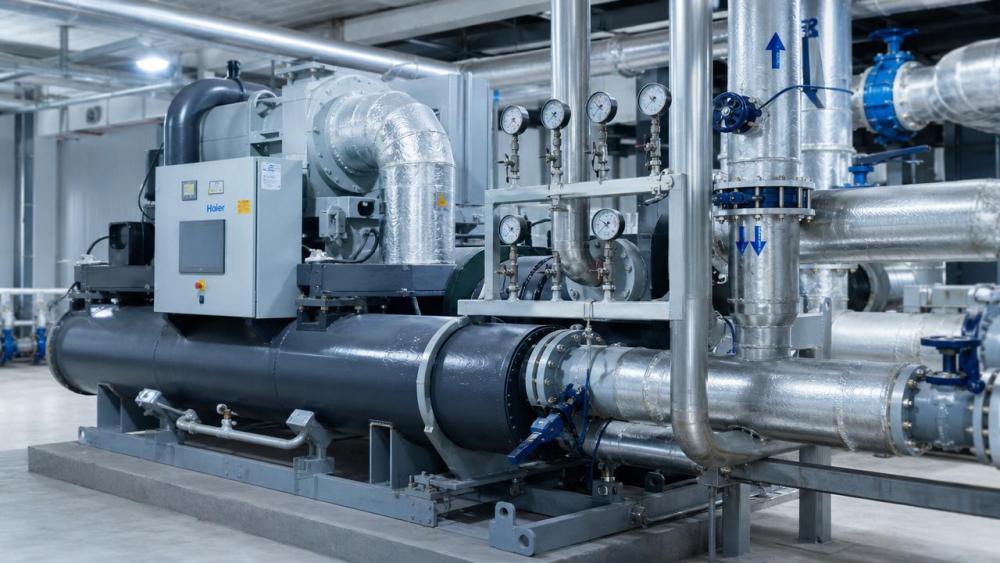
Many industrial chillers meet nominal capacity targets yet still consume more power than expected. The gap usually appears in part-load operation, unstable condensing temperatures, degraded evaporator approach, or compressor cycling that traditional KPI reviews do not fully explain.
This is where thermodynamics analysis becomes useful. Instead of reading chilled water temperature, kW draw, and alarms as isolated values, evaluators can map energy flow across compression, heat rejection, expansion, and evaporation to identify where efficiency is actually lost.
In mixed industrial environments, cooling systems often serve process loads with changing return temperatures, contamination risk, humidity sensitivity, and strict uptime requirements. A purely mechanical inspection may miss these interactions, while thermodynamics analysis makes them visible through enthalpy change, pressure ratio, heat exchanger effectiveness, and load profile behavior.
- It helps distinguish between design limitations and operating deviations.
- It supports procurement reviews by showing whether a higher-cost retrofit has a defendable energy return.
- It reduces the risk of choosing equipment based only on rated COP under ideal conditions.
- It improves communication between plant teams, engineering consultants, and suppliers using a common technical language.
For technical evaluators working across industrial cooling, compressed air, vacuum-linked heat loads, or thermal recovery projects, this approach is especially valuable because energy conversion decisions rarely stand alone. GTC-Matrix focuses on that system-level view, connecting cooling performance to broader thermal and compression intelligence.
What should evaluators measure first in a thermodynamics analysis of chillers?
A useful thermodynamics analysis begins with variables that explain how efficiently the refrigeration cycle moves heat. Not every project needs laboratory-grade instrumentation, but it does need operating data that is stable, time-synchronized, and representative of actual production conditions.
The table below summarizes practical evaluation points that technical teams can use during baseline review, retrofit planning, or supplier comparison.
A common mistake is to collect these values from different time windows or under unstable process conditions. Thermodynamics analysis only produces reliable conclusions when the data set reflects a coherent operating state. If possible, gather several operating snapshots: peak load, normal load, and low-load night operation.
Minimum baseline checklist before comparing solutions
- Confirm sensor calibration or at least identify known deviations in temperature and pressure readings.
- Separate process load fluctuations from equipment inefficiency by matching operating data to production schedules.
- Record ambient and condenser-side conditions because many apparent chiller losses originate outside the chiller itself.
- Review control logic, especially setpoint resets, pump sequencing, and compressor staging behavior.
Which loss mechanisms most often limit chiller efficiency gains?
A strong thermodynamics analysis does not stop at identifying low COP. It traces the source of that low COP. In industrial practice, efficiency losses usually cluster around a few recurring thermodynamic mechanisms rather than random defects.
1. High compression ratio
When condensing temperature rises or evaporating temperature drops, the compressor must work harder for the same cooling effect. Even a modest shift can increase power draw significantly during long operating hours. This often happens in systems with poor condenser cleanliness, insufficient airflow, or unnecessarily low chilled water setpoints.
2. Heat exchanger approach deterioration
Fouling, scaling, oil film, or poor flow distribution reduce heat transfer effectiveness. The result is a larger temperature difference between refrigerant and process fluid, which forces the cycle to operate less efficiently. Evaluators should check whether thermal resistance is increasing seasonally or steadily over time.
3. Poor part-load control
Many plants operate most hours below peak load. If the chiller uses inefficient staging, frequent starts, or unstable unloading, average annual performance may be far worse than rated full-load performance. Thermodynamics analysis is especially effective here because it links control behavior to real energy use rather than brochure values.
4. Mismatch between process demand and thermal design
A chiller selected for a static design point may struggle in facilities where return temperatures, heat spikes, or cleanliness requirements change by batch, shift, or product type. This mismatch appears in unstable superheat, overcooling, or excessive buffer dependence.
- Semiconductor and pharmaceutical lines often prioritize temperature precision and continuity over simple nameplate efficiency.
- Food processing may face washdown, hygiene, and variable thermal loads that influence evaporator and condenser performance.
- General manufacturing may combine cooling with compressed air and heat recovery decisions, making cross-system analysis essential.
Because GTC-Matrix tracks industrial cooling, compression power, heat exchange evolution, and sector demand shifts, technical evaluators can place these loss mechanisms in a broader decision context instead of treating them as isolated maintenance issues.
How do different improvement paths compare for efficiency, cost, and risk?
Not every chiller efficiency problem requires full equipment replacement. Thermodynamics analysis helps prioritize actions by separating operating optimization from component-level constraints. The comparison below supports early-stage decision screening.
This table shows why thermodynamics analysis is not only a diagnostic tool but also a procurement filter. It helps technical evaluators avoid over-investing in replacement when operational fixes are enough, and avoid under-investing when the cycle design is fundamentally misaligned with plant demand.
Decision rule for shortlisting options
If measured inefficiency is strongly tied to condenser temperature, load sequencing, or flow imbalance, prioritize operating and control changes first. If inefficiency remains across stabilized conditions and pressure-temperature relationships show structural thermodynamic limitations, the case for retrofit or replacement becomes stronger.
What should technical evaluators check before selecting a new chiller or retrofit package?
Selection errors often happen because teams compare solutions using peak tons and rated COP only. In reality, industrial cooling decisions must include load diversity, utility pricing, refrigerant direction, water quality, maintenance skill level, and process tolerance for thermal drift.
The table below provides a practical selection framework. It is particularly useful when reviewing multiple bids or preparing a technical clarification list before supplier meetings.
A careful thermodynamics analysis supports all four dimensions. It converts supplier claims into verifiable operating assumptions, which is especially important when capex approval depends on measurable savings rather than nominal performance.
Practical bid review checklist
- Ask for performance data at your expected condenser condition, not only at standard rating points.
- Request part-load curves, minimum stable loading limits, and staging logic description.
- Clarify water quality expectations, cleaning access, and pressure drop impacts on pumping power.
- Confirm delivery scope for controls, sensors, alarms, and integration responsibility.
- Review service support assumptions, spare parts exposure, and refrigerant availability outlook.
How can standards, compliance, and industry trends influence efficiency decisions?
Efficiency decisions are increasingly shaped by more than power consumption alone. Refrigerant policy shifts, decarbonization targets, equipment documentation standards, and operating transparency requirements are all affecting how chillers are evaluated and purchased.
For technical evaluators, thermodynamics analysis creates a solid basis for navigating these changes. It links compliance discussions back to actual system behavior. That is important when comparing legacy equipment support against newer solutions influenced by refrigerant phasedown, lower-emission strategies, or tighter energy reporting expectations.
Relevant areas to monitor
- Regional refrigerant regulations and quota changes that may alter future operating cost or service flexibility.
- Energy performance test methods and documentation requirements used in your project region or sector.
- Process industry expectations for stability, cleanliness, and maintenance traceability.
- Cross-system decarbonization opportunities such as waste heat use, better heat exchange surfaces, and coordinated compression power optimization.
This broader visibility is one reason platforms like GTC-Matrix are valuable. The combination of thermodynamics analysts, pneumatic power engineers, and industrial economists helps evaluators see not only how a chiller performs today, but also how market structure, policy, and technology evolution may affect tomorrow’s procurement logic.
FAQ: common questions technical evaluators ask about thermodynamics analysis
How often should thermodynamics analysis be performed on an industrial chiller?
For stable critical utilities, a formal baseline review at commissioning or major upgrade is essential, followed by scheduled checks at seasonal transitions or after significant process changes. If the plant experiences rising energy intensity, unstable temperature control, or repeated compressor alarms, an earlier review is justified.
Can thermodynamics analysis support retrofit justification when budget is limited?
Yes. It helps rank interventions by identifying whether the loss comes from fouling, controls, heat rejection limits, or compressor-side inefficiency. That means limited capital can be directed first to measures with clearer operating impact instead of broad replacement programs.
Which scenario makes rated COP least useful?
Rated COP becomes less useful when the plant operates under variable load, elevated ambient conditions, strict supply temperature stability, or interacting utility systems. In these cases, annualized behavior and pressure-temperature relationships tell a more realistic story than standard rating points.
What are the most common misreadings during thermodynamics analysis?
Teams often confuse low evaporator temperature with better cooling, ignore condenser-side penalties, or compare snapshots taken under different process conditions. Another frequent mistake is to blame the chiller when pump logic, tower performance, or process return instability is the primary cause.
Why choose us when evaluating chiller efficiency improvement opportunities?
GTC-Matrix is built for industrial decision-makers who need more than scattered equipment data. Our value lies in connecting thermodynamics analysis with compression systems knowledge, heat exchange trends, commercial intelligence, and the operating realities of sectors such as pharmaceuticals, semiconductors, food production, and broader manufacturing.
If you are screening a retrofit, comparing suppliers, or validating whether a replacement case is technically defensible, we can support the decision process around the questions that matter most.
- Parameter confirmation for evaporator, condenser, compressor, and part-load operating points.
- Selection support for chiller configuration, heat exchanger direction, and control strategy priorities.
- Assessment of delivery timing risk, refrigerant policy exposure, and lifecycle efficiency assumptions.
- Custom solution discussion where cooling performance interacts with compressed air, vacuum processes, or waste heat opportunities.
- Technical clarification for documentation, compliance concerns, and quotation alignment before procurement approval.
When efficiency gains must be measurable, not assumed, thermodynamics analysis provides the evidence. If you need support with operating data interpretation, shortlist comparison, or technical-commercial decision framing, GTC-Matrix offers an informed starting point for the next step.
Related News
- How Smart Thermal Systems Improve Industrial Cooling EfficiencyAuthor :Cryogenic Systems Expert

- How to Choose Process Cooling Equipment for Stable Temperature ControlAuthor :Cryogenic Systems Expert

- EU Finalizes 2026 HFC Quota Cut for R-134a ChillersAuthor :Cryogenic Systems Expert

- EU Tightens HFC-134a Quotas for Industrial ChillersAuthor :Cryogenic Systems Expert

- REACH SVHC Update Pressures HFC-134a Chiller Supply ChainsAuthor :Cryogenic Systems Expert

- EU PFAS Coolant Ban Reshapes Chiller ExportsAuthor :Cryogenic Systems Expert

- EU REACH Restricts PFAS Cooling Media ImportsAuthor :Cryogenic Systems Expert

- EU Ecodesign Rule Takes Effect for Industrial ChillersAuthor :Cryogenic Systems Expert

- EU REACH Rule Takes Effect for PFAS in Industrial Cooling ExportsAuthor :Cryogenic Systems Expert

- Industrial Cooling for Plastic Processing: How to Size for Stable Cycle TimesAuthor :Cryogenic Systems Expert

- EU F-Gas Update Bars R404A/R507 in Commercial CoolingAuthor :Cryogenic Systems Expert

- DOE Raises Chiller Efficiency Standard From October 2026Author :Cryogenic Systems Expert

- India Mandates BIS Energy Certification for Industrial ChillersAuthor :Cryogenic Systems Expert

- Energy-Efficient Heat Exchange for Process Cooling: Cost vs PaybackAuthor :Cryogenic Systems Expert

- EPA R-134a Import Ban Takes Effect on July 13, 2026Author :Cryogenic Systems Expert

- India BIS Rule Takes Effect for Industrial ChillersAuthor :Cryogenic Systems Expert

- EPA Cuts R134a Import Quotas 20% From July 10Author :Cryogenic Systems Expert

- How to Compare Energy-Efficient Cooling Systems for Factory Expansion ProjectsAuthor :Cryogenic Systems Expert

- Chiller Price Index Rises 11.3% in Q2Author :Cryogenic Systems Expert

- Saudi SASO Tightens Chiller Import Compliance From July 10Author :Cryogenic Systems Expert

- Dubai Opens Fast-Track Chiller TendersAuthor :Cryogenic Systems Expert

- Japan Raises Chiller COP Floor to 6.2 From Sept. 1Author :Cryogenic Systems Expert
![]()
- Compact Thermal Management in Smart Devices: Common Failure RisksAuthor :Cryogenic Systems Expert

- Thermal Management for Batteries: Cooling Methods ComparedAuthor :Cryogenic Systems Expert

- How Compact Thermal Design Extends Smart Device UptimeAuthor :Cryogenic Systems Expert

- Shanghai-Rotterdam Reefer Rates Jump 37% in a WeekAuthor :Cryogenic Systems Expert

- Process Cooling Equipment Low Maintenance: What Cuts Downtime Over 5 Years?Author :Cryogenic Systems Expert

- Semiconductor Cooling Solutions: Which Design Works Best for High-Density Tools?Author :Cryogenic Systems Expert

- Semiconductor Thermal Management Systems: Preventing Yield Loss from Heat DriftAuthor :Cryogenic Systems Expert

- EPA Clears R-1234ze(E) for Industrial ChillersAuthor :Cryogenic Systems Expert
 for Industrial Chillers")
- DOE Raises Chiller IEER Floor to 12.8 From Oct. 2026Author :Cryogenic Systems Expert

- Singapore Refrigeration Show Adds Green Compliance HubAuthor :Cryogenic Systems Expert

- How Food Industry Temperature Control Systems Reduce Product LossAuthor :Cryogenic Systems Expert

- EU REACH Adds 12 SVHCs, Raising Chiller Compliance RiskAuthor :Cryogenic Systems Expert

- Precision Temperature Control Air Cooling: Key Setup Mistakes That Reduce StabilityAuthor :Cryogenic Systems Expert

- India BEE Eyes APF Labels for Imported ChillersAuthor :Cryogenic Systems Expert