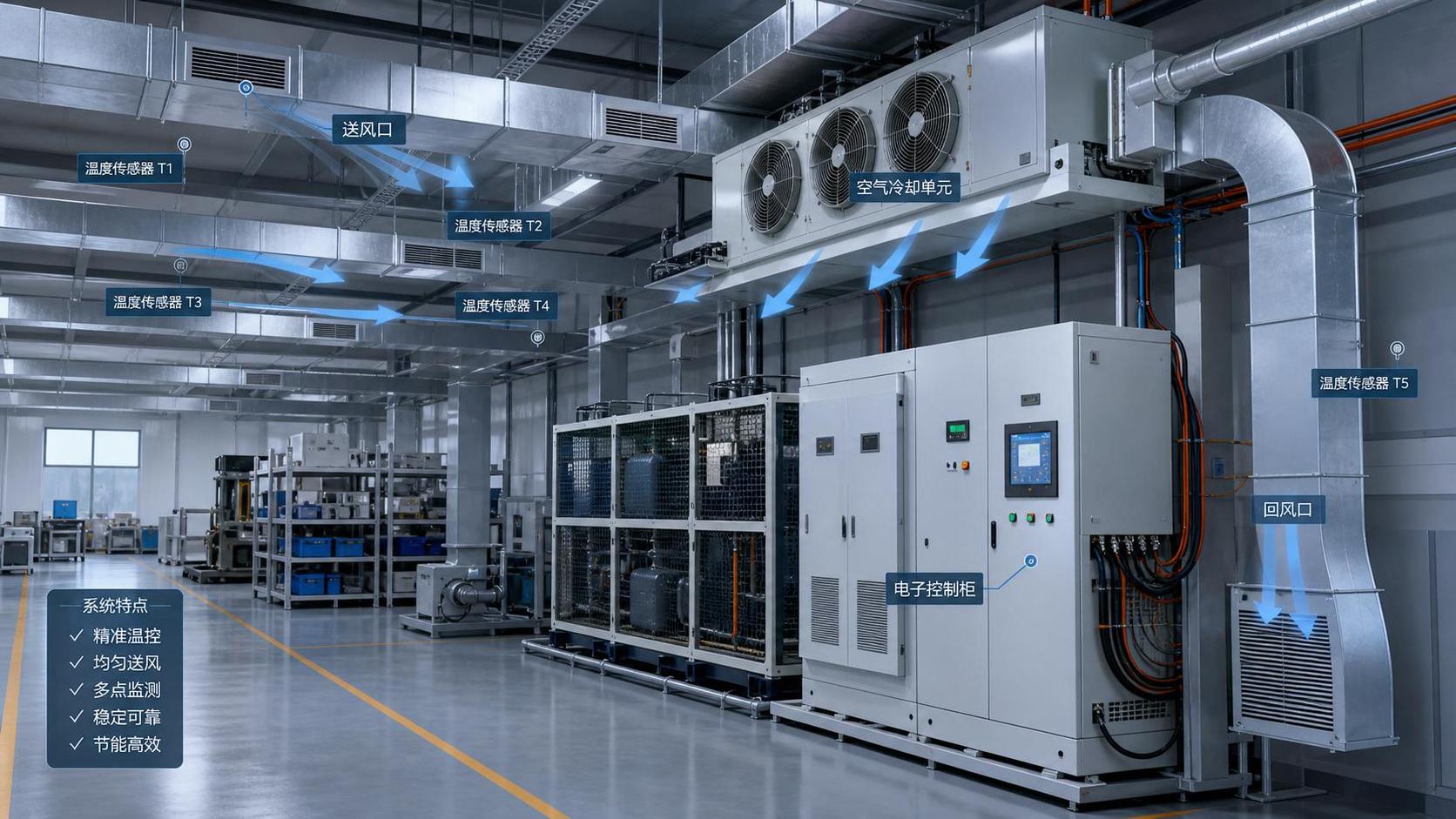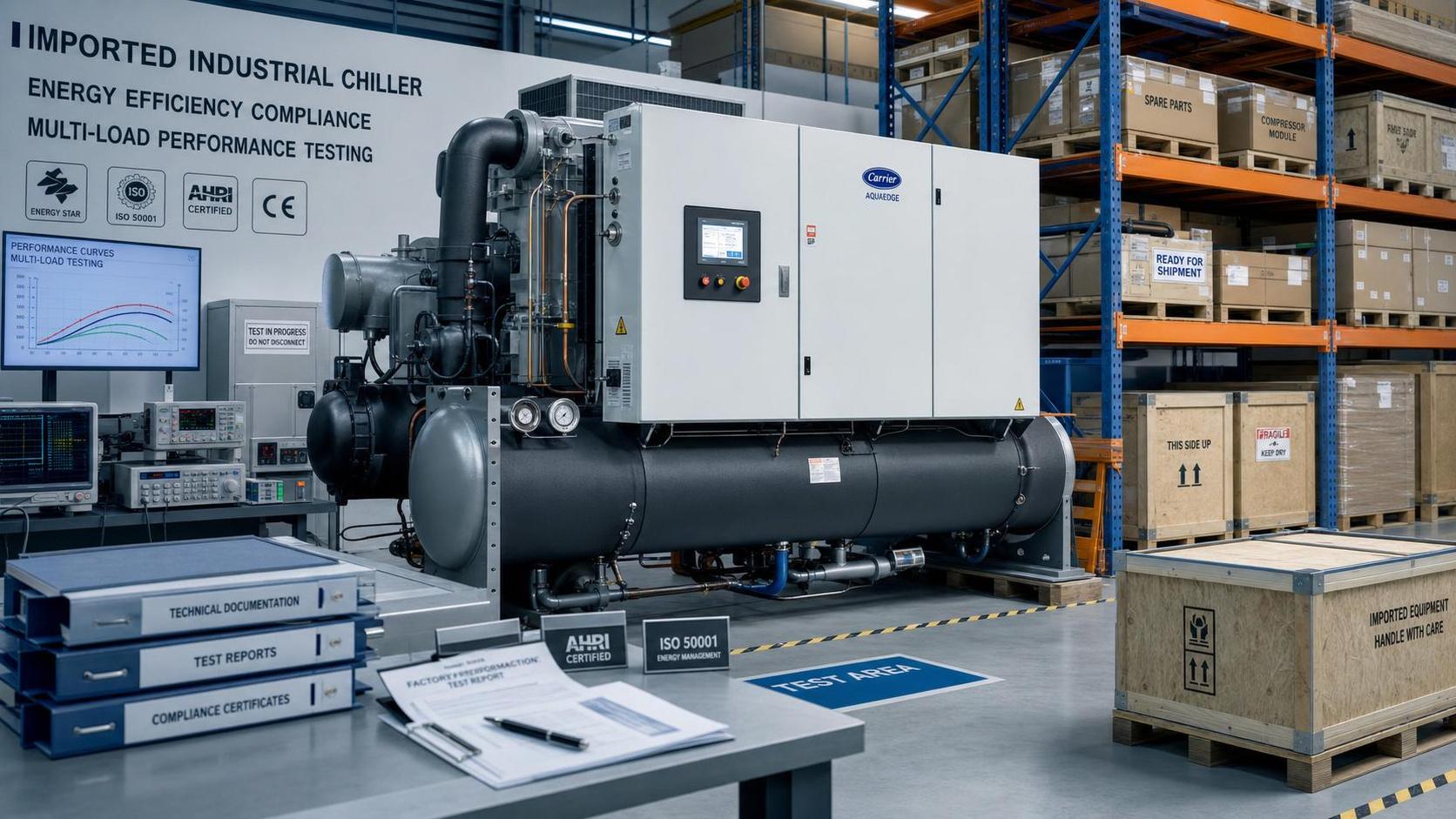




Energy-Saving Technologies Reshaping Industrial Chillers in 2026




In 2026, energy-saving technologies are no longer optional for industrial chillers—they are central to cost control, compliance, and competitive resilience. For business decision-makers, understanding how advanced controls, high-efficiency compressors, and smarter heat exchange systems reshape cooling performance is essential to making informed investment choices in a market defined by decarbonization and operational pressure.
Why are energy-saving technologies becoming a board-level issue for industrial chillers?
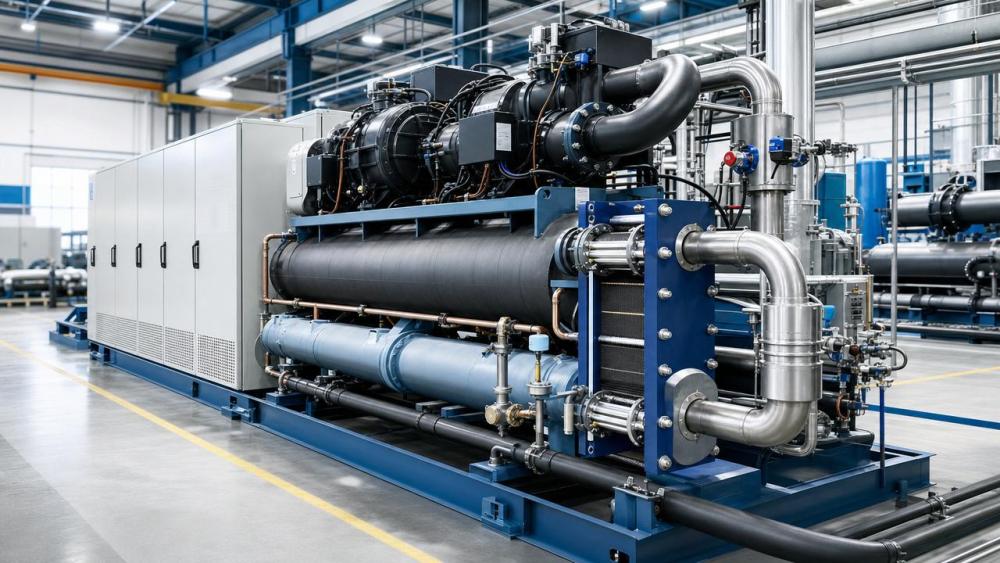
Industrial cooling has moved from a utility discussion to a strategic one. Electricity volatility, tighter refrigerant rules, and uptime risk now affect capital planning, operating margin, and plant resilience at the same time.
For enterprise leaders in pharmaceuticals, semiconductors, food processing, electronics, chemicals, and general manufacturing, chiller efficiency directly influences production continuity, quality stability, and carbon reporting performance.
That is why energy-saving technologies are gaining attention beyond engineering teams. CFOs want measurable payback. Operations leaders need stable leaving water temperatures. Procurement wants lower lifecycle cost, not just a lower purchase price.
GTC-Matrix tracks these decisions through its Strategic Intelligence Center, where thermodynamics analysts, pneumatic power engineers, and industrial economists connect technology evolution with market reality. This perspective matters because industrial chillers sit at the intersection of energy cost, cooling precision, and compliance pressure.
- Rising power prices make part-load efficiency more valuable than nameplate performance alone.
- Environmental policy shifts are accelerating the transition toward lower-GWP refrigerants and more optimized system controls.
- Production environments increasingly require tighter temperature control, especially in clean manufacturing and sensitive process cooling.
- Digital monitoring now allows executives to evaluate cooling assets by total economic output, not by maintenance records alone.
Which energy-saving technologies are reshaping industrial chillers in 2026?
Not all efficiency upgrades deliver the same value. Some reduce compressor energy. Others improve heat transfer, stabilize load response, or reduce auxiliary power. Decision-makers should evaluate technologies as a system, not as isolated components.
Variable-speed compression and smarter capacity control
Variable-speed drives on screw, scroll, and centrifugal compressors are now standard in many high-performance systems. Their main advantage is not just lower power draw, but smoother part-load operation and fewer wasteful start-stop cycles.
In real plants, chillers rarely run at full design load for long periods. Facilities with batch operations, seasonal demand, or varying ambient conditions benefit most when controls continuously match cooling output to actual need.
High-efficiency heat exchangers
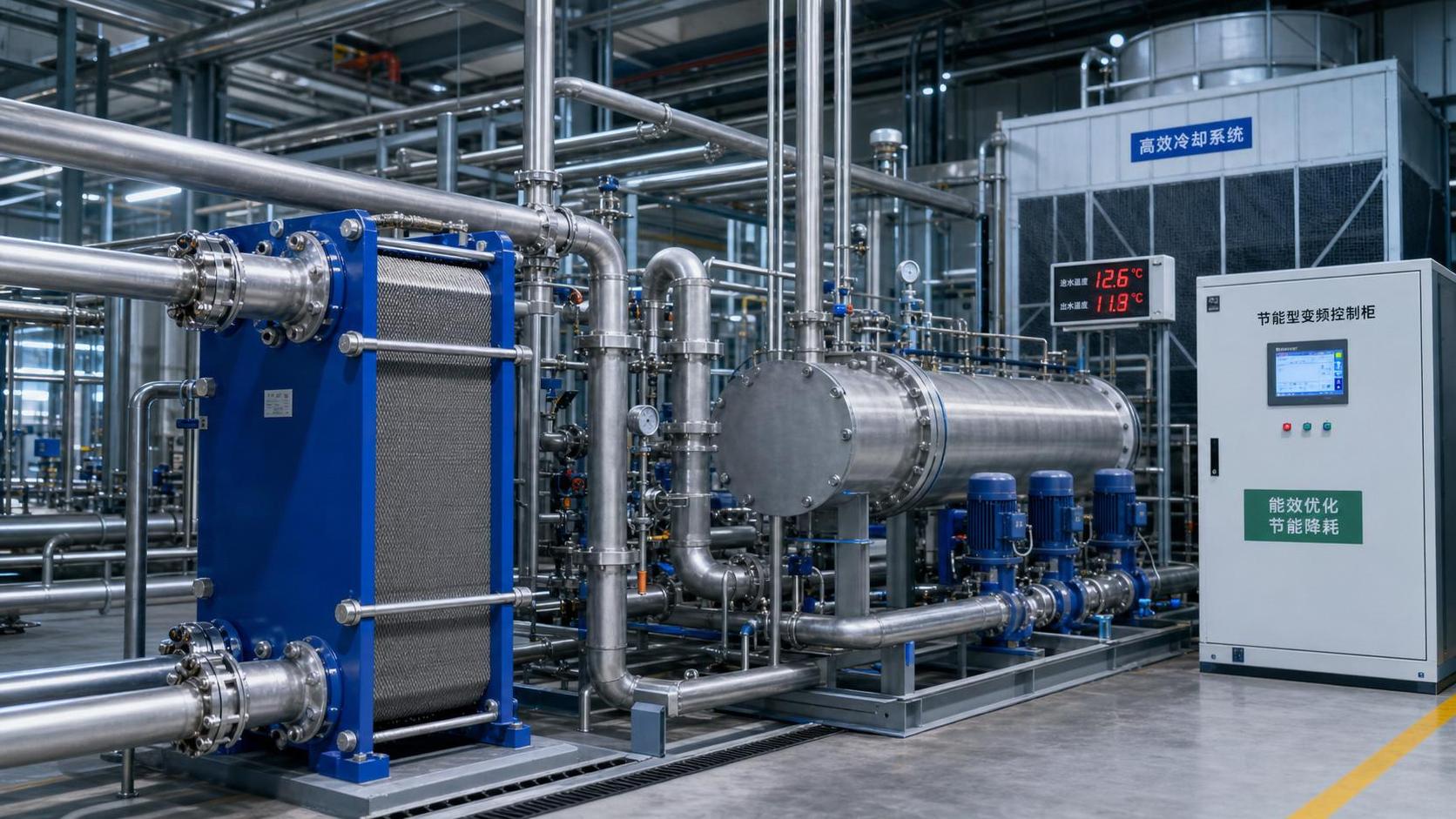
Microchannel condensers, optimized evaporator geometries, and improved plate heat exchanger designs reduce approach temperature and improve heat transfer. This allows compressors to work under lower pressure ratios, cutting energy use at the thermodynamic source.
For plants with limited space, these technologies can also reduce equipment footprint and refrigerant charge, which may support future compliance planning.
Advanced control logic and sensor integration
Control software has become one of the most important energy-saving technologies in 2026. Adaptive sequencing, predictive load management, and sensor-based optimization help reduce overcooling, unnecessary pump energy, and unstable compressor operation.
This is especially important in multi-chiller plants, where poor staging logic can erase the gains of premium hardware.
Free cooling and hybrid cooling architectures
In suitable climates or seasonal profiles, free cooling can dramatically cut compressor runtime. Hybrid systems switch between mechanical cooling and economized cooling modes depending on wet-bulb temperature, return water conditions, and process tolerances.
The table below compares major energy-saving technologies by decision relevance, operational benefit, and adoption suitability in industrial chiller applications.
The practical lesson is clear: energy-saving technologies deliver the strongest returns when they align with load profile, process sensitivity, and local compliance conditions. A high-efficiency component alone cannot compensate for poor system architecture.
Where do these technologies create the most value across industries?
Industrial chillers do not operate in a uniform environment. A semiconductor fab, a dairy plant, and a chemical blending facility will each prioritize different outcomes from the same energy-saving technologies.
High-precision manufacturing
Semiconductor, electronics, and advanced materials facilities value thermal stability more than nominal tonnage. Here, inverter-driven compressors and advanced controls help maintain narrow process windows while reducing energy waste from overshoot and correction cycles.
Food and beverage processing
Food plants often face variable line utilization, sanitation requirements, and mixed process loads. Energy-saving technologies that support flexible capacity control and rapid response can reduce waste during production changeovers and seasonal demand swings.
Pharmaceutical and life sciences
Regulated facilities care about validation, stable humidity support, and traceable operating performance. Smart monitoring and trend analytics help support documentation discipline while identifying cooling inefficiencies before they affect product quality.
General manufacturing and process industry
Metalworking, plastics, printing, and chemical operations often manage broad load variability and harsh ambient conditions. In these cases, robust heat exchangers, efficient pumps, and staged control strategies usually provide the best balance between capital cost and energy reduction.
The following table helps decision-makers connect industrial scenarios with the most relevant energy-saving technologies and procurement focus points.
This mapping shows why a single procurement template often fails. The best industrial chiller strategy starts with process reality, then selects energy-saving technologies that serve that operating context.
How should decision-makers compare suppliers and solutions?
Many procurement teams still compare chillers mainly by capacity, price, and delivery date. That approach misses the variables that determine long-term efficiency and operating risk.
A stronger decision framework looks at thermodynamic performance, controls capability, refrigerant pathway, serviceability, and total cost under real operating conditions. GTC-Matrix emphasizes this cross-functional view because technical efficiency and commercial viability must be assessed together.
A practical evaluation checklist
- Define the actual load profile. Hourly variability matters more than design day assumptions.
- Review part-load efficiency data, not just full-load ratings or brochure claims.
- Confirm control logic compatibility with plant BMS, SCADA, or energy management platforms.
- Assess heat exchanger fouling tolerance, water quality impact, and service accessibility.
- Check refrigerant transition risk and likely regulatory exposure over the asset life.
- Model operating cost under expected electricity tariffs, maintenance intervals, and downtime assumptions.
When decision-makers use this structure, energy-saving technologies become easier to quantify. Instead of debating abstract efficiency, teams can compare annualized cost, risk profile, and implementation feasibility.
What cost factors are often underestimated in industrial chiller upgrades?
Purchase price is visible. Hidden operating cost is not. This is where many projects lose value. A cheaper chiller may consume more power at part load, require more frequent service, or force process interruptions during warm ambient periods.
Commonly underestimated cost drivers include pump energy, control instability, water treatment, spare parts access, and losses tied to product quality deviations. In high-value production, a small cooling inconsistency can cost more than the annual difference in electricity consumption.
- Part-load inefficiency can significantly increase yearly utility bills when loads fluctuate daily.
- Poor sequencing in multi-unit systems may keep extra compressors active without adding useful cooling output.
- A mismatched heat exchanger can create fouling-related energy penalties that grow gradually and go unnoticed.
- Insufficient digital visibility delays intervention, increasing maintenance costs and unplanned downtime risk.
For this reason, the strongest business case for energy-saving technologies usually combines utility savings with uptime protection, process quality stability, and compliance readiness.
Which standards and compliance issues deserve attention in 2026?
Industrial chiller procurement now requires more than a thermal calculation. Enterprises increasingly need to account for refrigerant policy, electrical efficiency frameworks, safety codes, and site-specific environmental reporting obligations.
The exact standards vary by market, but decision-makers should ask suppliers and engineering teams to clarify alignment with commonly referenced efficiency, safety, and refrigerant-handling requirements. That includes documentation for controls, pressure systems, and installation conditions where applicable.
Key compliance questions to ask
- Does the selected refrigerant support the company’s medium-term environmental strategy and local quota conditions?
- Are efficiency claims based on realistic operating points and recognized testing conditions?
- Can the control architecture support energy reporting, alarm history, and remote diagnostics?
- Will the installation need special treatment for electrical harmonics, ventilation, or water system hygiene?
GTC-Matrix helps enterprises interpret these questions in the context of global energy costs, refrigerant policy changes, and evolving thermal technologies. That intelligence shortens the gap between compliance review and investment action.
What are the most common misconceptions about energy-saving technologies?
“Highest rated efficiency always means lowest cost.”
Not necessarily. A premium-efficiency design may underperform economically if the plant load profile does not match its sweet spot. Lifecycle value depends on actual runtime behavior, utility rates, maintenance practice, and process criticality.
“Controls can be added later without consequences.”
Retrofit controls can help, but architecture decisions made early often determine sensor placement, communication capability, and sequencing quality. Delayed integration usually costs more and delivers less.
“One chiller technology fits every industrial site.”
Different industries have different thermal priorities. A process needing tight control at varying load will not evaluate risk in the same way as a plant focused on bulk cooling and simple maintenance.
“Energy savings alone justify the project.”
In many cases, the stronger argument includes reduced scrap, fewer shutdowns, improved documentation, and better preparedness for refrigerant or energy policy shifts.
FAQ: what do buyers ask before investing in energy-saving technologies?
How do I know which energy-saving technologies fit my facility?
Start with operating data: load variability, process temperature tolerance, ambient conditions, utility tariffs, and downtime cost. Then compare technologies by system fit, not popularity. A plant with strong seasonal variation may benefit from free cooling, while a precision facility may gain more from advanced control logic and variable-speed compression.
What should procurement request from suppliers?
Ask for part-load performance information, control philosophy details, refrigerant pathway guidance, service access considerations, and a realistic estimate of commissioning scope. Also request assumptions behind projected savings so finance and operations can validate them together.
Are energy-saving technologies only relevant for new installations?
No. Many existing systems can gain meaningful improvement through control optimization, pumping upgrades, better sensor coverage, or heat exchanger improvements. The best retrofit path depends on the age of the equipment, current efficiency baseline, and production criticality.
How long is the decision cycle for an industrial chiller project?
It varies by plant complexity, compliance requirements, and integration needs. Projects move faster when stakeholders agree early on decision metrics: energy cost, temperature stability, refrigerant strategy, service model, and delivery constraints.
Why decision-makers use GTC-Matrix before choosing industrial cooling strategies
Industrial chiller investment is no longer a simple equipment purchase. It is a thermodynamic, economic, and regulatory decision. GTC-Matrix supports that decision by linking cooling technology, compressed power systems, and heat exchange intelligence into one actionable view.
Our Strategic Intelligence Center follows global energy cost movements, refrigerant quota changes, and the evolution of oil-free compression, microchannel heat exchangers, and other efficiency-critical technologies. That helps enterprises move from fragmented information to decision-ready insight.
If your team is evaluating energy-saving technologies for industrial chillers in 2026, contact GTC-Matrix to discuss parameter confirmation, solution comparison, refrigerant pathway review, delivery timing, control architecture, certification considerations, retrofit feasibility, and budget-oriented procurement options. This is the most effective way to reduce selection risk before capital is committed.
Related News
- How Smart Thermal Systems Improve Industrial Cooling EfficiencyAuthor :Cryogenic Systems Expert

- How to Choose Process Cooling Equipment for Stable Temperature ControlAuthor :Cryogenic Systems Expert

- EU Finalizes 2026 HFC Quota Cut for R-134a ChillersAuthor :Cryogenic Systems Expert

- EU Tightens HFC-134a Quotas for Industrial ChillersAuthor :Cryogenic Systems Expert

- REACH SVHC Update Pressures HFC-134a Chiller Supply ChainsAuthor :Cryogenic Systems Expert

- EU PFAS Coolant Ban Reshapes Chiller ExportsAuthor :Cryogenic Systems Expert

- EU REACH Restricts PFAS Cooling Media ImportsAuthor :Cryogenic Systems Expert

- EU Ecodesign Rule Takes Effect for Industrial ChillersAuthor :Cryogenic Systems Expert

- EU REACH Rule Takes Effect for PFAS in Industrial Cooling ExportsAuthor :Cryogenic Systems Expert

- Industrial Cooling for Plastic Processing: How to Size for Stable Cycle TimesAuthor :Cryogenic Systems Expert

- EU F-Gas Update Bars R404A/R507 in Commercial CoolingAuthor :Cryogenic Systems Expert

- DOE Raises Chiller Efficiency Standard From October 2026Author :Cryogenic Systems Expert

- India Mandates BIS Energy Certification for Industrial ChillersAuthor :Cryogenic Systems Expert

- Energy-Efficient Heat Exchange for Process Cooling: Cost vs PaybackAuthor :Cryogenic Systems Expert

- EPA R-134a Import Ban Takes Effect on July 13, 2026Author :Cryogenic Systems Expert

- India BIS Rule Takes Effect for Industrial ChillersAuthor :Cryogenic Systems Expert

- EPA Cuts R134a Import Quotas 20% From July 10Author :Cryogenic Systems Expert

- How to Compare Energy-Efficient Cooling Systems for Factory Expansion ProjectsAuthor :Cryogenic Systems Expert

- Chiller Price Index Rises 11.3% in Q2Author :Cryogenic Systems Expert

- Saudi SASO Tightens Chiller Import Compliance From July 10Author :Cryogenic Systems Expert

- Dubai Opens Fast-Track Chiller TendersAuthor :Cryogenic Systems Expert

- Japan Raises Chiller COP Floor to 6.2 From Sept. 1Author :Cryogenic Systems Expert
![]()
- Compact Thermal Management in Smart Devices: Common Failure RisksAuthor :Cryogenic Systems Expert

- Thermal Management for Batteries: Cooling Methods ComparedAuthor :Cryogenic Systems Expert

- How Compact Thermal Design Extends Smart Device UptimeAuthor :Cryogenic Systems Expert

- Shanghai-Rotterdam Reefer Rates Jump 37% in a WeekAuthor :Cryogenic Systems Expert

- Process Cooling Equipment Low Maintenance: What Cuts Downtime Over 5 Years?Author :Cryogenic Systems Expert

- Semiconductor Cooling Solutions: Which Design Works Best for High-Density Tools?Author :Cryogenic Systems Expert

- Semiconductor Thermal Management Systems: Preventing Yield Loss from Heat DriftAuthor :Cryogenic Systems Expert

- EPA Clears R-1234ze(E) for Industrial ChillersAuthor :Cryogenic Systems Expert
 for Industrial Chillers")
- DOE Raises Chiller IEER Floor to 12.8 From Oct. 2026Author :Cryogenic Systems Expert

- Singapore Refrigeration Show Adds Green Compliance HubAuthor :Cryogenic Systems Expert

- How Food Industry Temperature Control Systems Reduce Product LossAuthor :Cryogenic Systems Expert

- EU REACH Adds 12 SVHCs, Raising Chiller Compliance RiskAuthor :Cryogenic Systems Expert

- Precision Temperature Control Air Cooling: Key Setup Mistakes That Reduce StabilityAuthor :Cryogenic Systems Expert

- India BEE Eyes APF Labels for Imported ChillersAuthor :Cryogenic Systems Expert