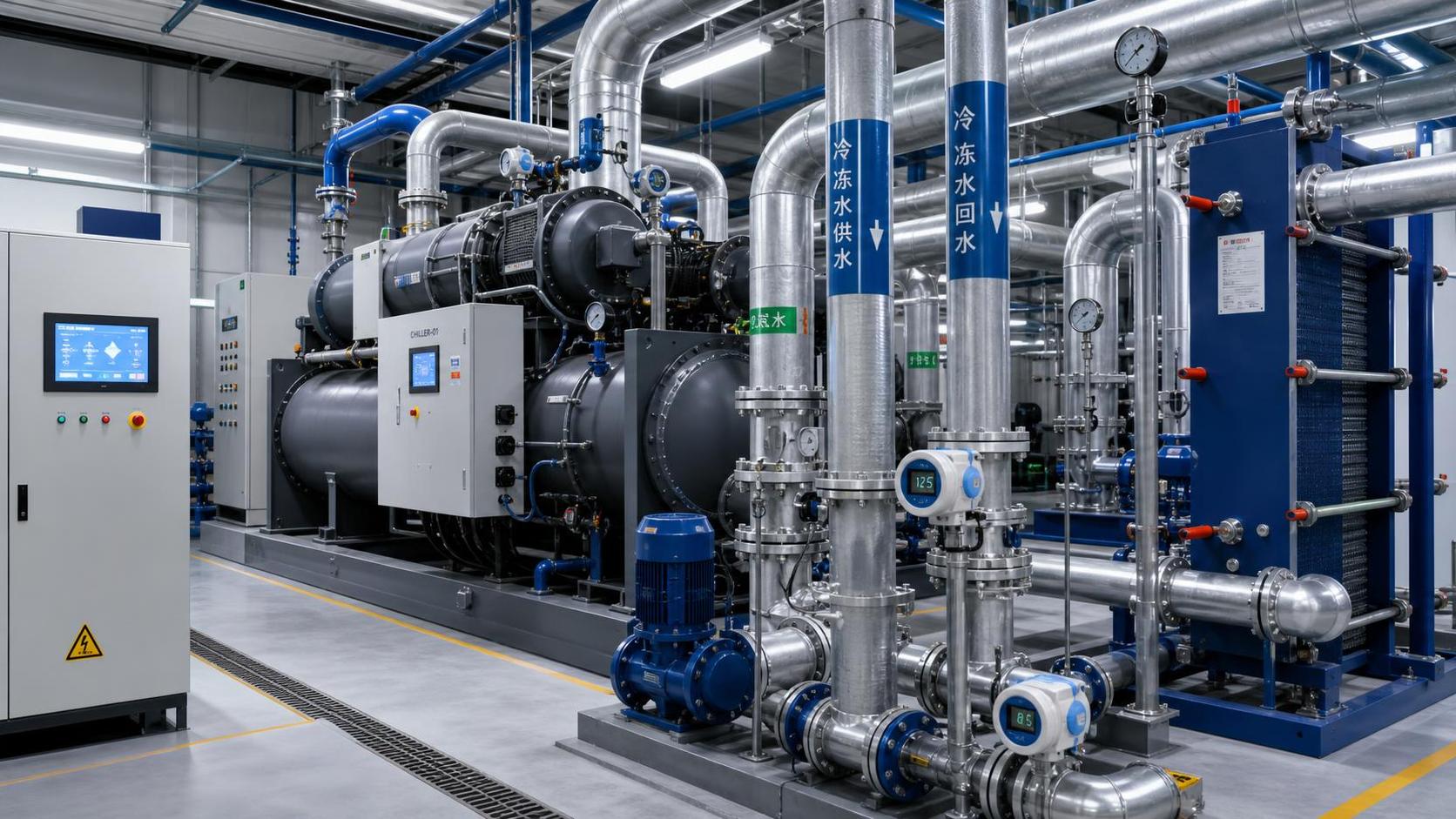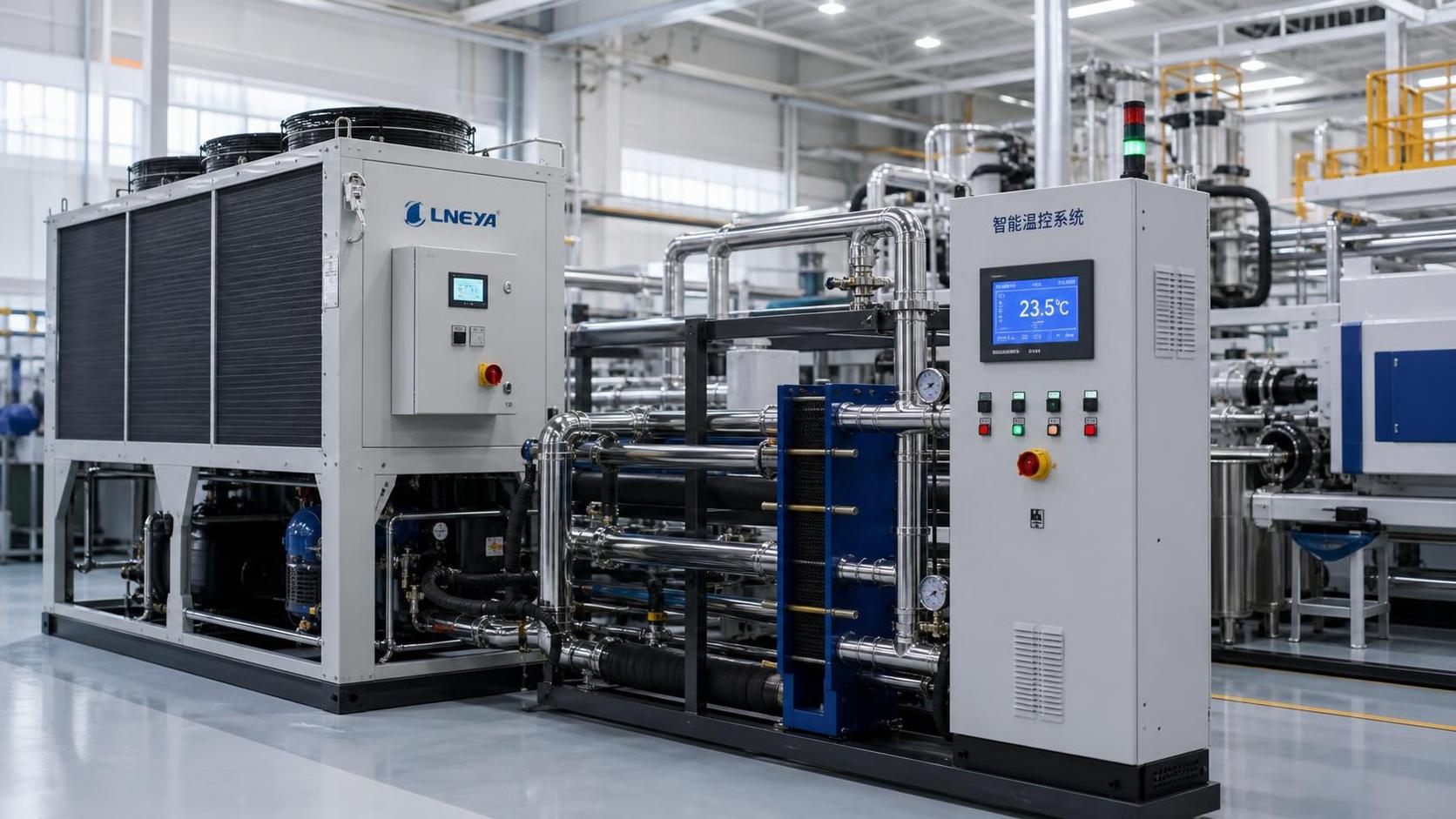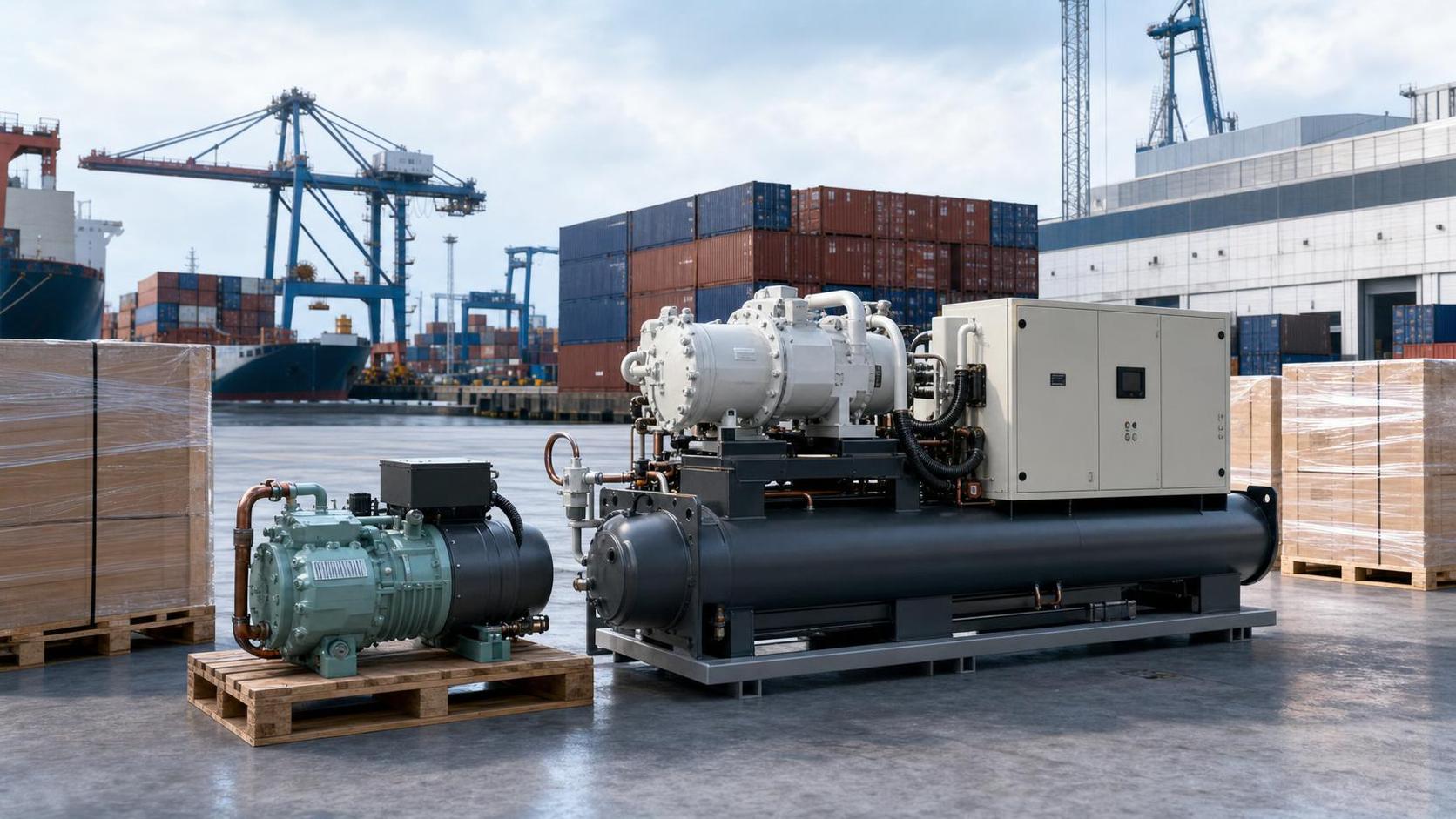




Thermal Optimization Tips for Lower Chiller Energy Use




Chillers often run as the hidden energy drivers of industrial facilities, but small operating adjustments can create measurable savings.
For users and operators, thermal optimization is not just an engineering concept. It is a daily practice involving load control and setpoint discipline.
It also depends on heat transfer cleanliness, stable water flow, and system monitoring that turns small performance changes into early warnings.
This guide highlights practical ways to reduce chiller energy use while maintaining stable cooling performance across industrial and commercial operations.
The Operator’s Goal: Save Energy Without Losing Cooling Stability
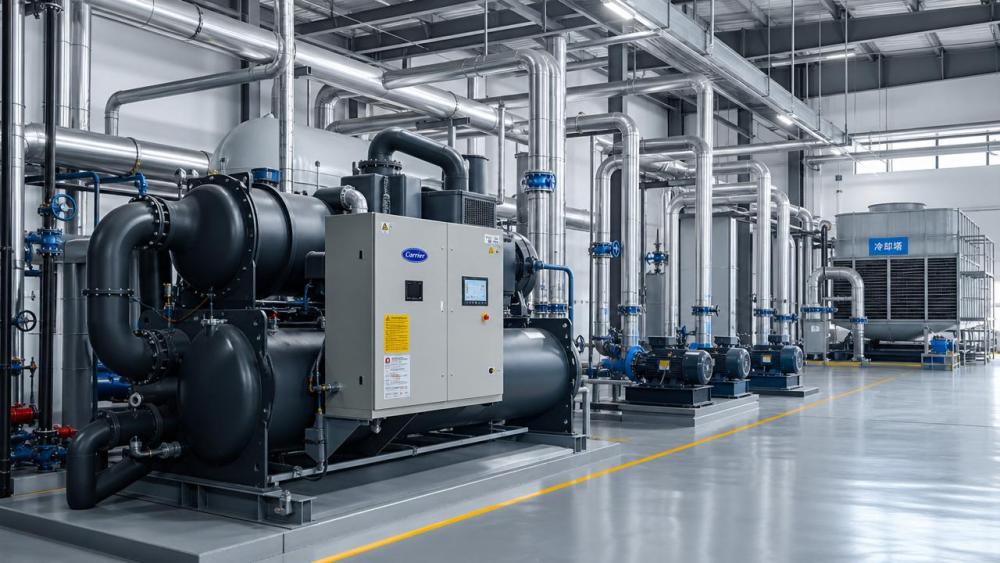
Most operators searching for thermal optimization want practical steps, not abstract theory. They need lower kilowatt-hours without process alarms or comfort complaints.
The best starting point is understanding that chiller efficiency is shaped by temperature lift, load profile, heat transfer, and controls.
When these factors are managed together, the chiller produces the same cooling effect with less compressor work and fewer operating penalties.
Thermal optimization should therefore be treated as an operating discipline, not a one-time retrofit or a seasonal maintenance checklist.
For daily users, the question is simple: how can the system meet cooling demand at the lowest safe energy input?
The answer usually lies in correcting routine inefficiencies before buying new equipment or accepting high utility bills as unavoidable.
Start With the Cooling Load, Not the Chiller Nameplate
A chiller rarely wastes energy because it is large or complex. It wastes energy when it serves an unmanaged or poorly understood load.
Operators should first review when cooling demand rises, which zones or processes drive peaks, and whether loads occur at predictable times.
Production schedules, cleaning cycles, batch processes, weather changes, and simultaneous equipment start-ups can all create unnecessary load spikes.
If several heat-generating processes start together, the chiller may operate near full load even when the average daily load is moderate.
Staggering start-up times, pre-cooling only where justified, and shutting off idle cooling loops can reduce compressor loading quickly.
This is often the lowest-cost form of thermal optimization because it changes demand behavior before changing mechanical equipment.
Operators should also look for hidden heat gains, such as open doors, uninsulated pipes, failed dampers, or bypassing process valves.
Every unnecessary thermal load becomes extra compressor work, higher condenser rejection, and greater energy use throughout the cooling system.
Use Setpoints as an Energy Tool, Not a Fixed Habit
Chilled water setpoints are often inherited from old commissioning documents, past emergencies, or conservative operating habits that nobody has challenged.
Yet a lower chilled water temperature usually forces the compressor to work harder and increases energy use substantially.
Operators should verify the true temperature required by the process, air handler, or production equipment before locking in a cold setpoint.
If stable operation is possible at 7°C instead of 6°C, that small adjustment can deliver measurable savings over long operating hours.
The same principle applies to condenser water temperature, although the right target depends on chiller design and tower capability.
Overcooling condenser water can help some systems, but it may hurt others if tower fans and pumps consume excessive power.
Good setpoint management means testing changes gradually, watching process response, and documenting the energy effect rather than guessing.
Setpoint discipline also requires limiting manual overrides, because temporary operator decisions often become permanent energy losses.
Keep Heat Transfer Surfaces Clean and Predictable
Dirty evaporator and condenser tubes reduce heat transfer and force the compressor to operate at higher pressure differences.
For operators, fouling may appear as slower cooling recovery, higher approach temperatures, elevated head pressure, or longer compressor run times.
Thermal optimization depends on keeping water-side and air-side heat exchange surfaces clean enough to maintain design performance.
Regular tube brushing, water treatment, strainer cleaning, tower basin cleaning, and filter maintenance all protect chiller efficiency.
Approach temperature is one of the most useful field indicators for detecting heat transfer degradation before severe problems occur.
If the leaving water temperature and refrigerant saturation temperature move farther apart, heat transfer may be declining.
Operators should trend these values under similar load conditions, because comparing readings from different operating points can mislead decisions.
Clean heat exchangers do not only save energy. They also reduce nuisance trips and extend compressor operating life.
Balance Flow Before Blaming the Compressor
Many chiller efficiency problems begin in the water system, not inside the compressor or refrigeration circuit.
Insufficient flow can cause unstable temperatures, low evaporator pressure, and process cooling complaints that encourage operators to lower setpoints unnecessarily.
Excessive flow, however, wastes pump energy and can reduce temperature differential across the evaporator or cooling coils.
Operators should confirm that chilled water and condenser water flows match design ranges and actual operating needs.
Bypass valves, three-way valves, stuck control valves, and unbalanced branches often create false demand that the chiller must satisfy.
A low delta-T condition is especially important because it means the system moves large volumes of water with limited heat removal.
Correcting valve operation, coil performance, and distribution balance can improve both pumping energy and chiller loading behavior.
Flow optimization works best when operators use measured temperatures, pressures, and pump speeds rather than relying on valve position alone.
Operate Multiple Chillers by Efficiency, Not Convenience
Facilities with multiple chillers often run the same machine out of habit, accessibility, or perceived reliability.
However, each chiller has a different efficiency curve, especially at part load and under varying condenser conditions.
Thermal optimization requires choosing the machine combination that meets the load with the lowest total system energy.
Sometimes one larger chiller at a stable efficient load is better than two machines running lightly loaded.
In other cases, two chillers may be more efficient if they avoid inefficient unloading or improve condenser performance.
Operators should include pumps, cooling towers, and auxiliary equipment when comparing staging options, not just compressor kilowatts.
A chiller plant is an integrated system, and the best compressor choice may be weakened by poor tower or pump operation.
Simple weekly reviews of load, kW per ton, and operating hours can reveal better staging patterns over time.
Watch the Condenser Side Closely
The condenser side is often where large energy penalties accumulate quietly, especially in water-cooled systems.
High condenser pressure makes the compressor work harder, increasing power use for every unit of cooling produced.
Cooling tower performance, condenser water flow, ambient wet-bulb temperature, and fouling all influence condenser pressure.
Operators should verify tower fans, fill condition, water distribution, basin level, drift eliminators, and treatment quality.
A tower that looks operational may still deliver poor heat rejection because of scaling, biological growth, or blocked airflow.
Fan control also matters. Running fans at full speed unnecessarily may waste energy, while insufficient fan operation raises compressor lift.
The efficient balance changes with weather, so fixed condenser water settings can miss savings opportunities during mild conditions.
Monitoring condenser approach and compressor lift helps operators decide whether tower effort or chiller effort is creating the larger energy cost.
Turn Monitoring Data Into Daily Action
Data only supports thermal optimization when operators know which readings deserve attention and how to respond.
Useful daily indicators include chilled water supply temperature, return temperature, condenser water temperatures, compressor current, flow status, and alarms.
For deeper performance tracking, teams should monitor kW per ton, evaporator approach, condenser approach, and chiller loading percentage.
Trends are more valuable than isolated readings because they show whether performance is drifting under comparable conditions.
A rising kW per ton at similar load and outdoor conditions usually signals fouling, control problems, or refrigerant-side issues.
Operators should create simple dashboards that highlight deviations instead of overwhelming the shift team with too many values.
Alarm reviews are also important because repeated short alarms often indicate developing instability before a major shutdown occurs.
The goal is not to collect perfect data. The goal is to make earlier and better operating decisions.
Avoid Short Cycling and Unstable Operation
Short cycling wastes energy because the chiller repeatedly starts, stops, and restabilizes instead of running efficiently under steady conditions.
It can also increase mechanical stress, reduce compressor life, and create temperature swings that affect production or comfort.
Common causes include oversized equipment, low system volume, aggressive controls, unstable flow, or rapidly changing load conditions.
Operators should review minimum run times, start limits, buffer capacity, and control deadbands when cycling becomes frequent.
Raising chilled water setpoints slightly, widening control bands carefully, or improving load staging may reduce unnecessary starts.
In variable-speed systems, stable part-load operation is usually better than forcing rapid reactions to every small temperature deviation.
Thermal optimization is not only about pushing equipment harder. It is about creating stable conditions where efficiency can be sustained.
When the plant runs predictably, operators can make finer adjustments with lower risk and better results.
Use Preventive Maintenance as an Energy Strategy
Maintenance is often justified by reliability, but it should also be treated as a direct energy-saving measure.
Refrigerant charge verification, oil analysis, electrical inspection, sensor calibration, and leak checks all influence chiller performance.
A miscalibrated temperature sensor can lead to unnecessary overcooling, while inaccurate pressure readings can hide poor heat exchange.
Loose electrical connections, worn contactors, or failing drives may increase losses and raise the risk of unplanned downtime.
Preventive maintenance should be scheduled around operating intensity, water quality, environmental exposure, and criticality of the cooling process.
Operators should record before-and-after performance values whenever maintenance is performed, especially after cleaning or control adjustments.
This creates evidence that maintenance improves efficiency, making it easier to defend budgets and plan future work.
When maintenance data and energy data are connected, the plant team can prioritize tasks that deliver the highest operational value.
Build a Practical Thermal Optimization Routine
The most effective programs are simple enough for operators to follow consistently during normal shifts.
A daily routine may include checking setpoints, reviewing alarms, comparing supply and return temperatures, and confirming active equipment status.
A weekly routine can include kW per ton review, tower inspection, strainer checks, and confirmation of staging behavior.
A monthly routine should examine approach temperatures, valve operation, pump performance, sensor calibration needs, and recurring operator overrides.
Seasonal reviews are useful before cooling peaks, when fouling, weather conditions, and production demand combine to stress the plant.
Teams should document each adjustment, the reason for it, and the observed impact on temperature stability and energy use.
This prevents repeated trial-and-error and helps new operators understand why certain settings are preferred.
A mature routine makes efficiency part of normal operation, rather than a special project that disappears after one audit.
Know When Expert Support or Upgrades Are Needed
Operational improvements should come first, but some problems require deeper engineering review or equipment investment.
If a chiller remains inefficient after cleaning, flow correction, and setpoint review, the issue may involve controls or mechanical condition.
Persistent low delta-T, repeated compressor trips, poor unloading performance, or abnormal lift should not be ignored.
Variable speed drives, advanced plant controls, heat recovery, or upgraded heat exchangers may be justified in high-hour applications.
However, upgrades should be evaluated against actual load data, not assumptions based on nameplate capacity.
The strongest business case combines energy savings, reliability improvement, maintenance reduction, and production risk avoidance.
Operators play a critical role because their observations reveal whether proposed upgrades match real operating conditions.
Good technical support should improve daily controllability, not simply add complexity that operators cannot maintain.
Conclusion: Make Efficiency a Controllable Operating Result
Lower chiller energy use is rarely achieved through one dramatic action. It comes from repeated control of thermal fundamentals.
Operators can create significant savings by managing loads, adjusting setpoints carefully, keeping heat exchangers clean, and maintaining balanced flow.
They can also improve performance by watching condenser conditions, using trend data, preventing short cycling, and supporting maintenance decisions.
The value of thermal optimization is that it connects daily operating behavior with measurable energy and reliability outcomes.
For industrial facilities, this means lower utility costs, steadier cooling, fewer surprises, and stronger progress toward sustainable thermal management.
When users understand the system as a connected thermal process, every shift becomes an opportunity to reduce waste without sacrificing performance.
Related News
- How Smart Thermal Systems Improve Industrial Cooling EfficiencyAuthor :Cryogenic Systems Expert

- How to Choose Process Cooling Equipment for Stable Temperature ControlAuthor :Cryogenic Systems Expert

- EU Finalizes 2026 HFC Quota Cut for R-134a ChillersAuthor :Cryogenic Systems Expert

- EU Tightens HFC-134a Quotas for Industrial ChillersAuthor :Cryogenic Systems Expert

- REACH SVHC Update Pressures HFC-134a Chiller Supply ChainsAuthor :Cryogenic Systems Expert

- EU PFAS Coolant Ban Reshapes Chiller ExportsAuthor :Cryogenic Systems Expert

- EU REACH Restricts PFAS Cooling Media ImportsAuthor :Cryogenic Systems Expert

- EU Ecodesign Rule Takes Effect for Industrial ChillersAuthor :Cryogenic Systems Expert

- EU REACH Rule Takes Effect for PFAS in Industrial Cooling ExportsAuthor :Cryogenic Systems Expert

- Industrial Cooling for Plastic Processing: How to Size for Stable Cycle TimesAuthor :Cryogenic Systems Expert

- EU F-Gas Update Bars R404A/R507 in Commercial CoolingAuthor :Cryogenic Systems Expert

- DOE Raises Chiller Efficiency Standard From October 2026Author :Cryogenic Systems Expert

- India Mandates BIS Energy Certification for Industrial ChillersAuthor :Cryogenic Systems Expert

- Energy-Efficient Heat Exchange for Process Cooling: Cost vs PaybackAuthor :Cryogenic Systems Expert

- EPA R-134a Import Ban Takes Effect on July 13, 2026Author :Cryogenic Systems Expert

- India BIS Rule Takes Effect for Industrial ChillersAuthor :Cryogenic Systems Expert

- EPA Cuts R134a Import Quotas 20% From July 10Author :Cryogenic Systems Expert

- How to Compare Energy-Efficient Cooling Systems for Factory Expansion ProjectsAuthor :Cryogenic Systems Expert

- Chiller Price Index Rises 11.3% in Q2Author :Cryogenic Systems Expert

- Saudi SASO Tightens Chiller Import Compliance From July 10Author :Cryogenic Systems Expert

- Dubai Opens Fast-Track Chiller TendersAuthor :Cryogenic Systems Expert

- Japan Raises Chiller COP Floor to 6.2 From Sept. 1Author :Cryogenic Systems Expert
![]()
- Compact Thermal Management in Smart Devices: Common Failure RisksAuthor :Cryogenic Systems Expert

- Thermal Management for Batteries: Cooling Methods ComparedAuthor :Cryogenic Systems Expert

- How Compact Thermal Design Extends Smart Device UptimeAuthor :Cryogenic Systems Expert

- Shanghai-Rotterdam Reefer Rates Jump 37% in a WeekAuthor :Cryogenic Systems Expert

- Process Cooling Equipment Low Maintenance: What Cuts Downtime Over 5 Years?Author :Cryogenic Systems Expert

- Semiconductor Cooling Solutions: Which Design Works Best for High-Density Tools?Author :Cryogenic Systems Expert

- Semiconductor Thermal Management Systems: Preventing Yield Loss from Heat DriftAuthor :Cryogenic Systems Expert

- EPA Clears R-1234ze(E) for Industrial ChillersAuthor :Cryogenic Systems Expert
 for Industrial Chillers")
- DOE Raises Chiller IEER Floor to 12.8 From Oct. 2026Author :Cryogenic Systems Expert

- Singapore Refrigeration Show Adds Green Compliance HubAuthor :Cryogenic Systems Expert

- How Food Industry Temperature Control Systems Reduce Product LossAuthor :Cryogenic Systems Expert

- EU REACH Adds 12 SVHCs, Raising Chiller Compliance RiskAuthor :Cryogenic Systems Expert

- Precision Temperature Control Air Cooling: Key Setup Mistakes That Reduce StabilityAuthor :Cryogenic Systems Expert

- India BEE Eyes APF Labels for Imported ChillersAuthor :Cryogenic Systems Expert