HCMC Chiller Clearance Cut to 48 Hours




Image Placement Plan
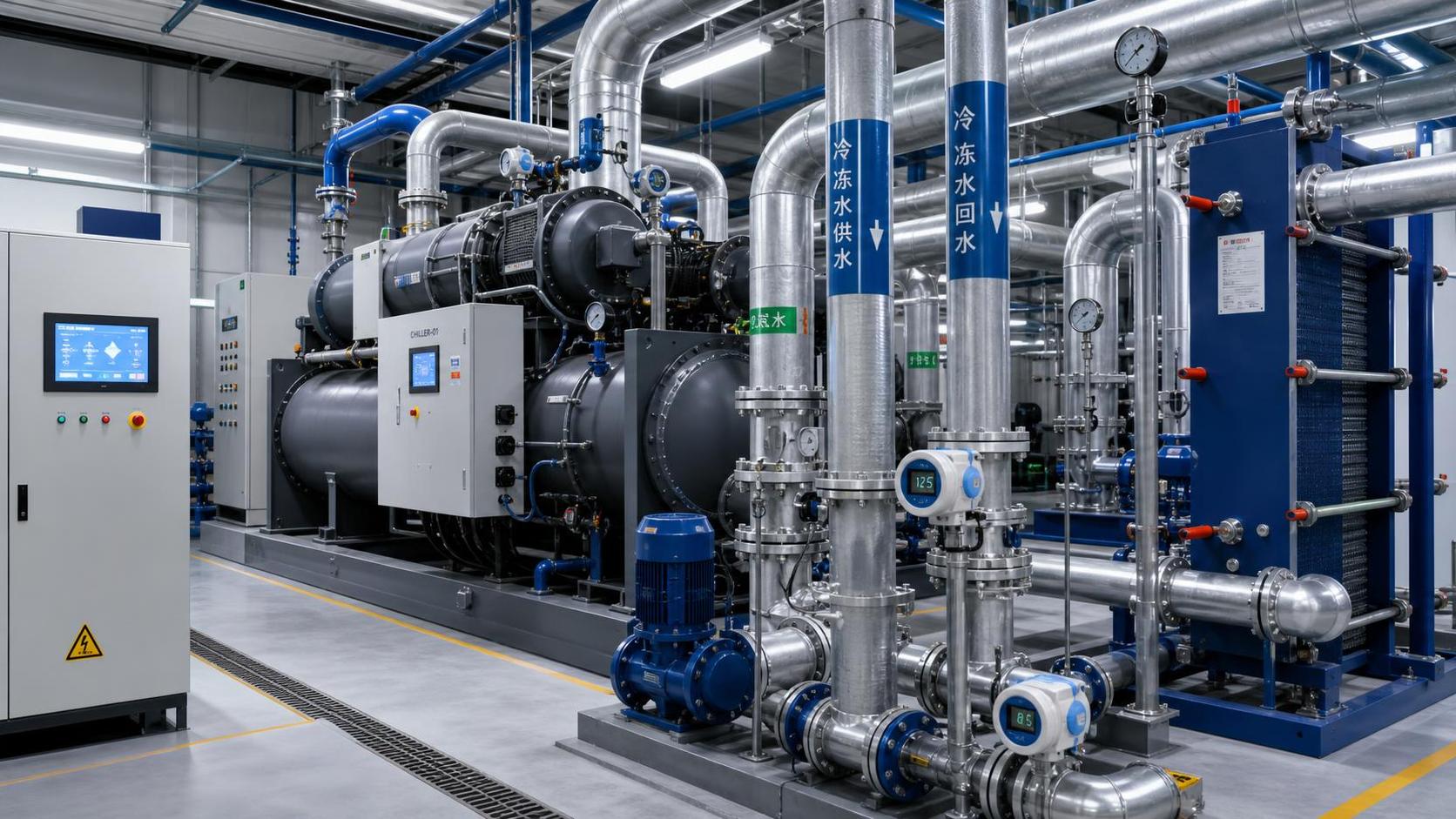
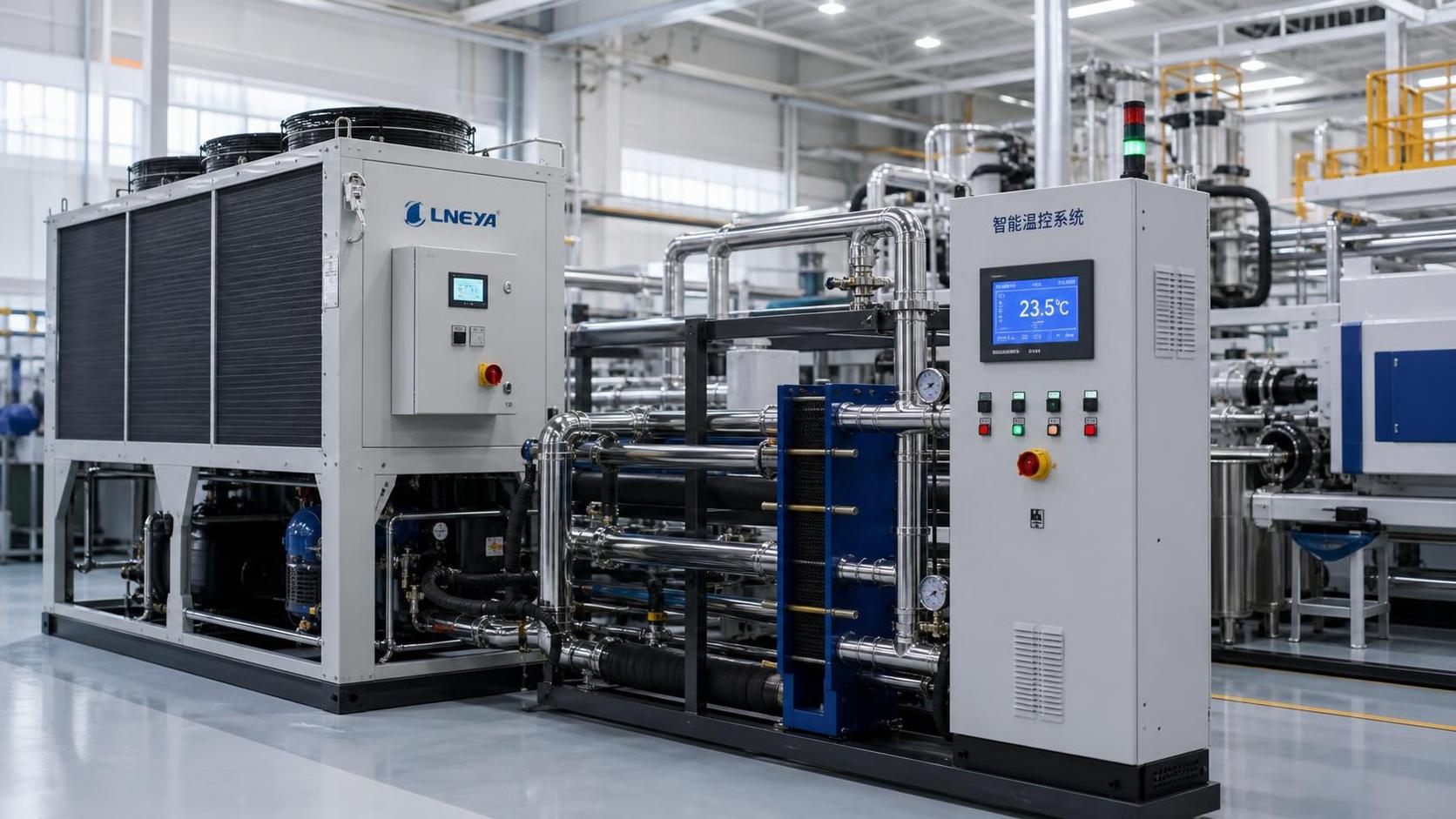
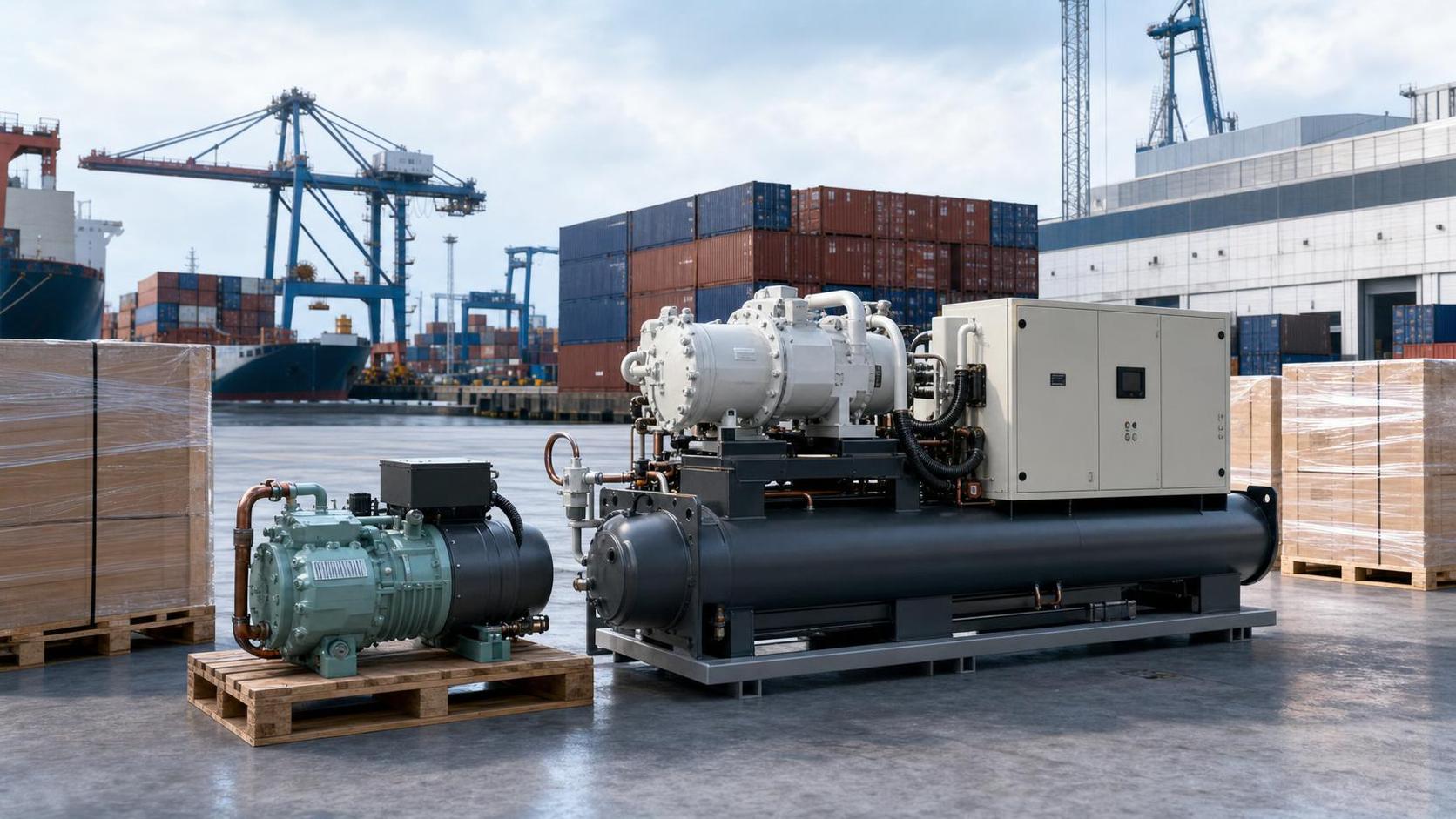
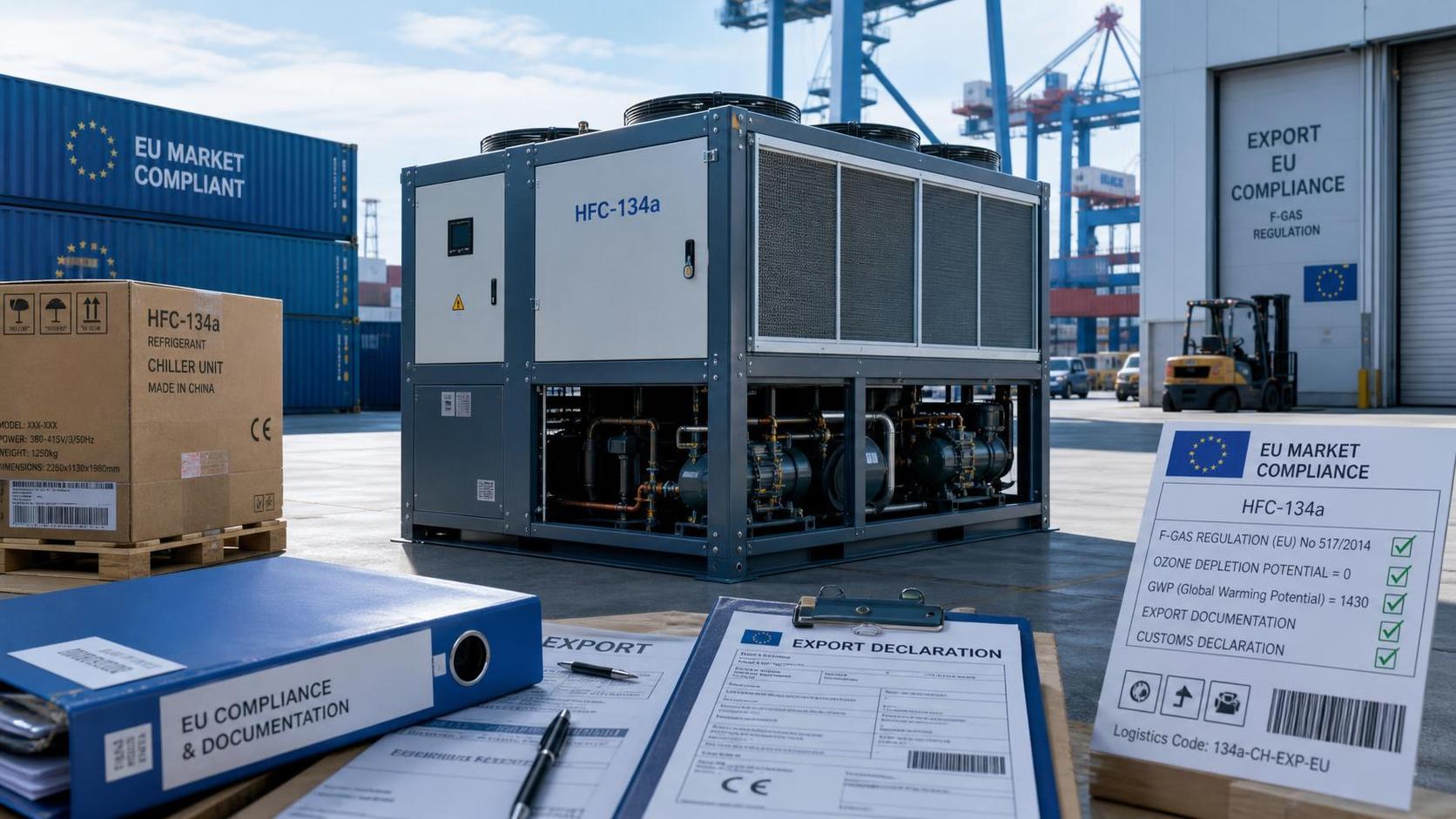
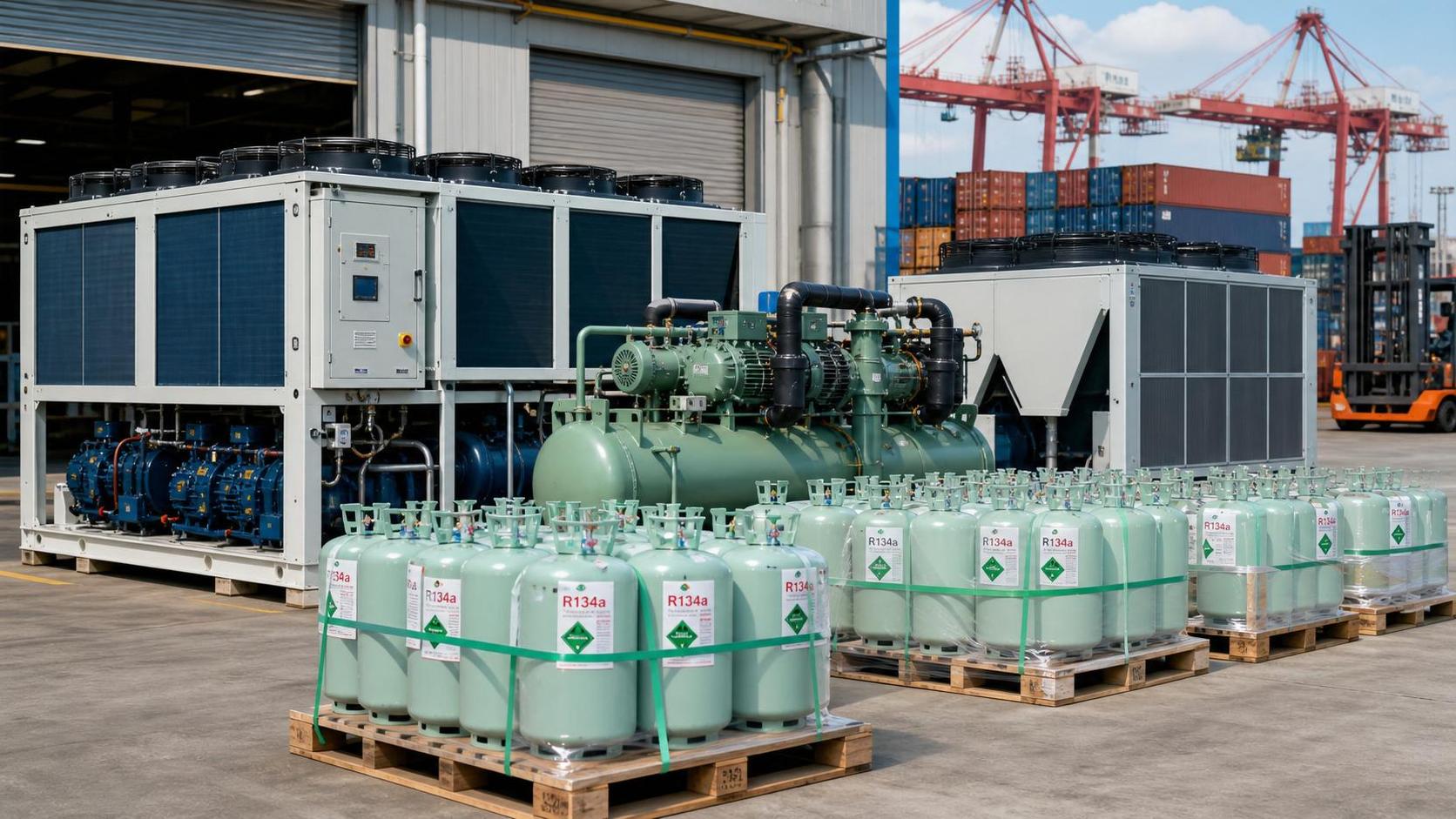
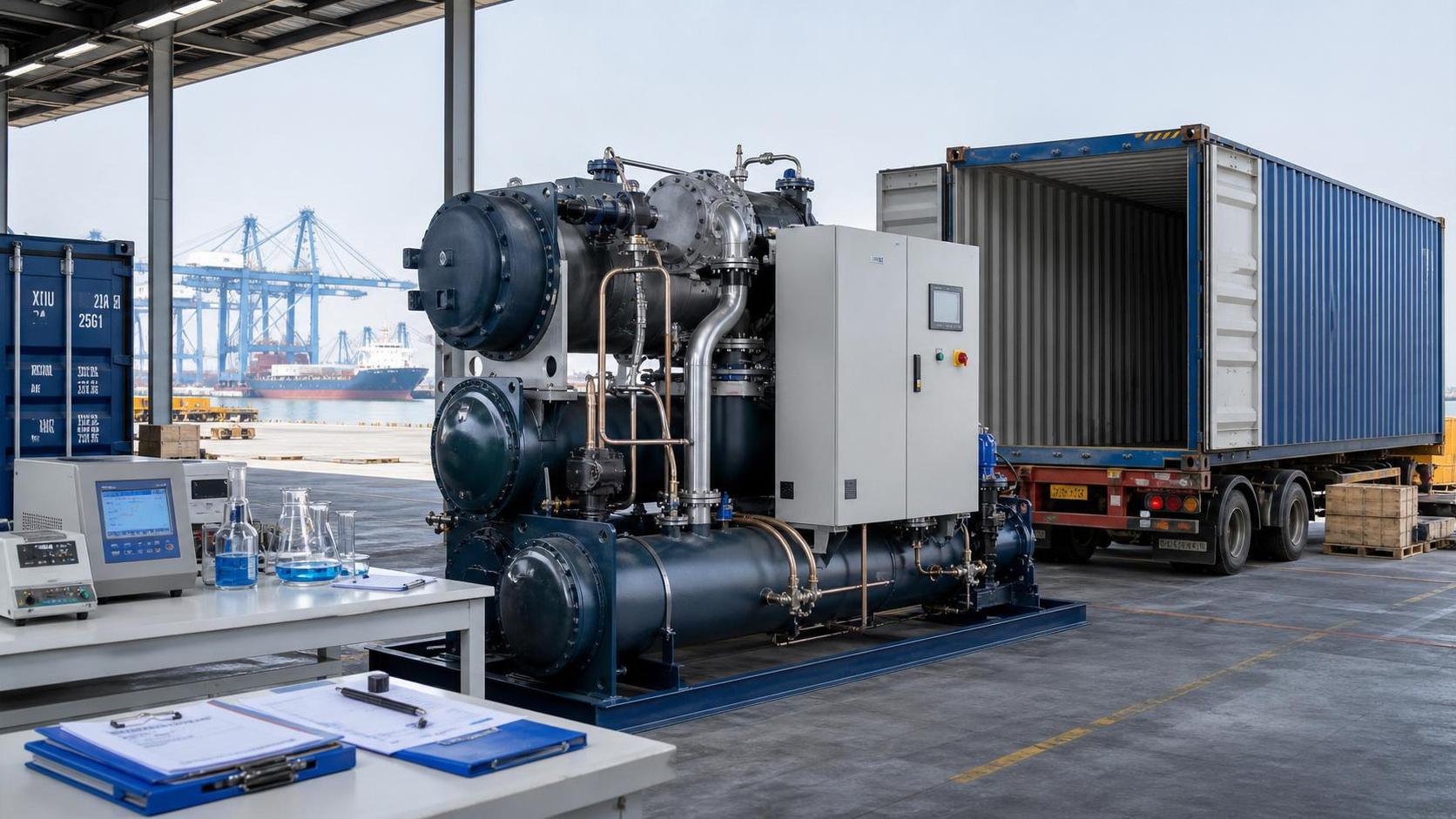
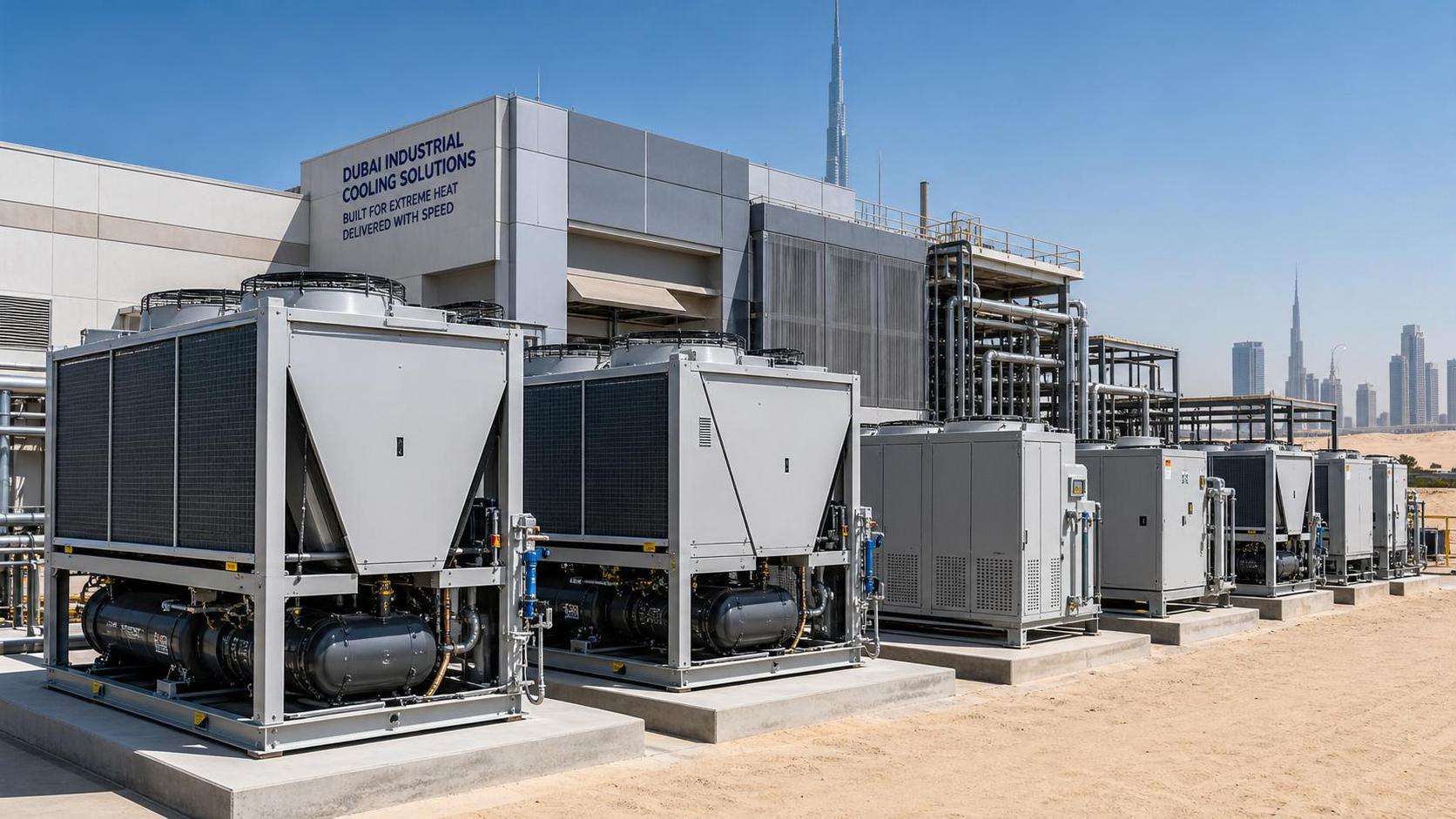
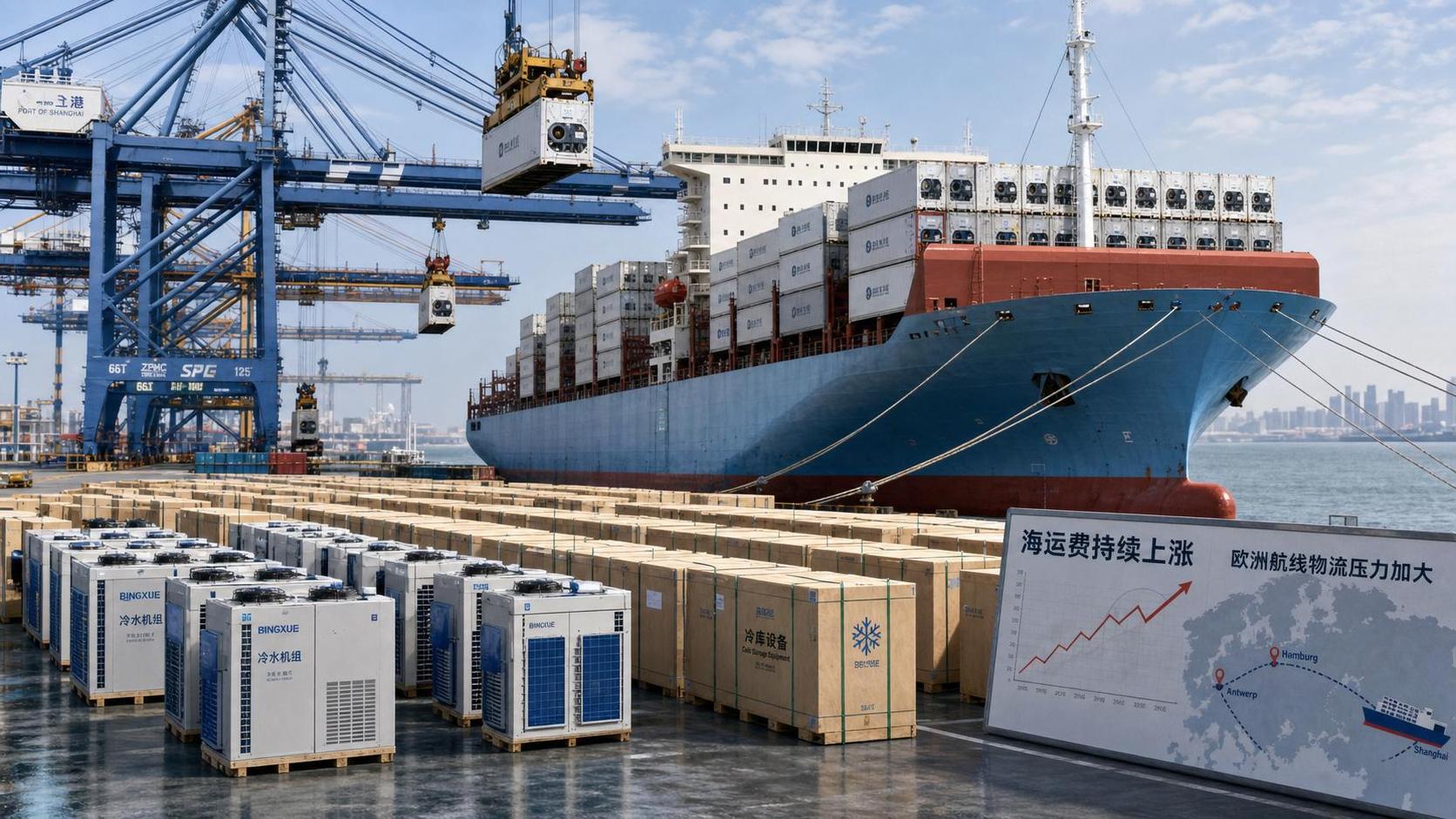
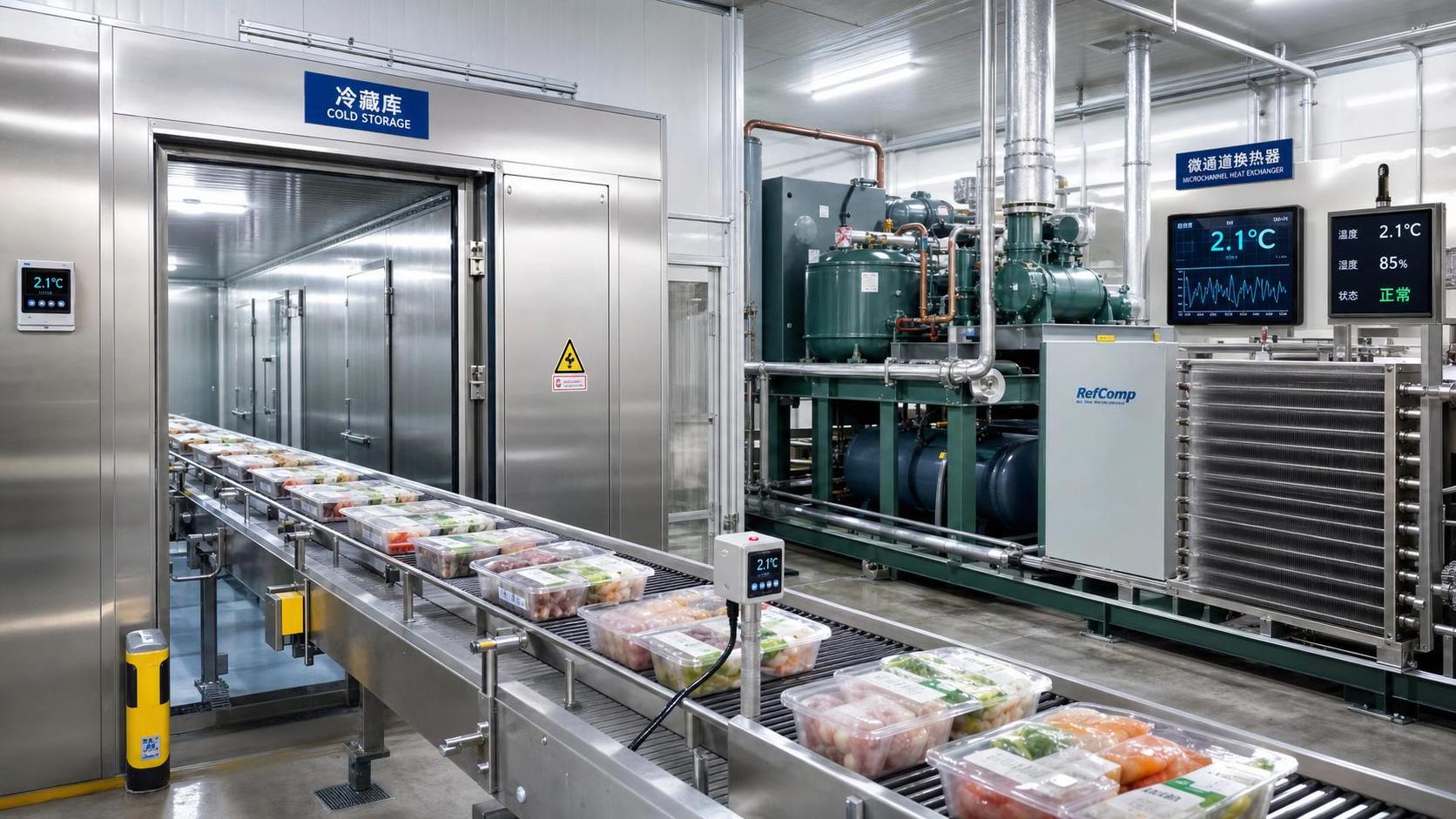
Place one visual near the opening section to illustrate cold-chain customs inspection, infrared temperature verification, and faster clearance of industrial chillers at airport and port entry points.
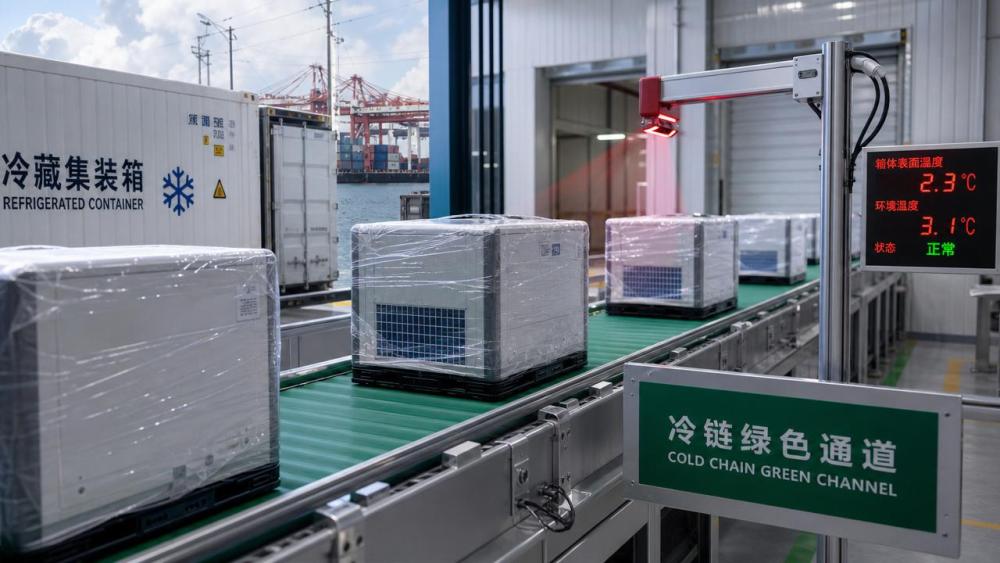
On June 1, 2026, Ho Chi Minh City began using a new green cold-chain clearance route at Tan Son Nhat International Airport and Cat Lai Port, affecting industrial chiller imports because eligible equipment with ISO 22000 and IEC 60335-2-89 certification can undergo infrared temperature checks without unpacking and electronic origin pre-review, reducing average clearance time to within 48 hours.
Confirmed Changes at Ho Chi Minh City Entry Points
From June 1, 2026, Tan Son Nhat International Airport and Cat Lai Port started operating a green cold-chain channel for industrial chillers.
The procedure applies to industrial chillers that meet both ISO 22000 and IEC 60335-2-89 certification requirements.
For eligible equipment, the process includes infrared temperature control verification without opening the package and electronic pre-review of origin documents.
The reported average customs clearance time is shortened from seven days to within 48 hours.
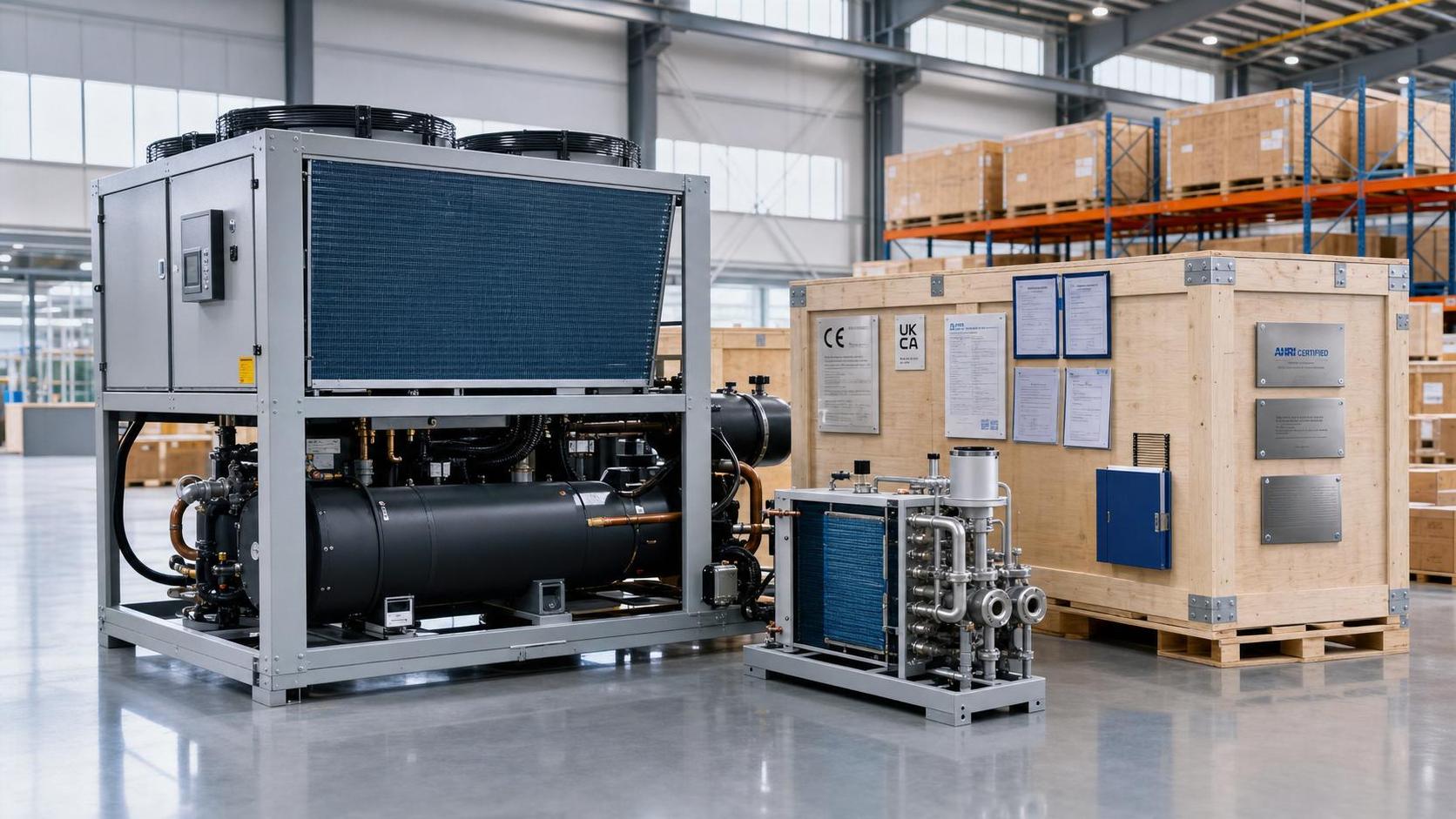
The first pilot group covers 37 companies from Guangdong, Shandong, and Jiangsu in China that hold both CE and UKCA certification.
How the New Channel May Affect Industry Participants
Direct import and export traders
Direct trading companies are affected because the new route links clearance speed to certification status and document readiness. The main operational impact is likely to appear in customs declaration preparation, shipment scheduling, origin documentation, and customer delivery commitments.
They may need to pay closer attention to whether each shipment of industrial chillers meets ISO 22000 and IEC 60335-2-89 requirements and whether CE and UKCA certificates are aligned with the buyer's import expectations.
Raw material and component procurement companies
Procurement companies may be indirectly affected because faster clearance can tighten upstream supply coordination. From an industry perspective, if finished equipment moves through customs more quickly, purchasing teams may face stronger pressure to synchronize materials, components, and technical documentation before shipment.
Relevant business links include supplier qualification checks, component traceability, packaging preparation, and documentation matching for equipment batches intended for the green cold-chain route.
Processing and manufacturing companies
Manufacturers are affected because the channel places practical emphasis on certification, temperature-related inspection readiness, and export documentation. The impact may be reflected in production release checks, factory inspection files, test records, labeling, and shipment packaging.
What deserves closer attention is the need to ensure that technical files, conformity certificates, and product identification remain consistent before goods are moved to the airport or port.
Supply chain service providers
Freight forwarders, customs brokers, cold-chain logistics providers, and documentation service teams may see changes in workflow because the process includes electronic origin pre-review and non-unpacking infrared temperature verification.
The affected steps include pre-clearance document submission, cargo handover planning, inspection appointment coordination, and delivery time calculation. Service providers may need to update internal checklists for shipments that claim eligibility under the new channel.
Practical Priorities for Companies Using the Route
Verify dual certification before booking shipments
Companies should confirm whether the industrial chillers intended for this route meet both ISO 22000 and IEC 60335-2-89 requirements. For the pilot group, CE and UKCA certification status is also relevant, as the first covered companies are described as holding both certificates.
Prepare origin files for electronic pre-review
Because the new procedure includes electronic origin pre-review, exporters and importers should ensure that origin-related files are complete, consistent, and ready before cargo arrives at Tan Son Nhat International Airport or Cat Lai Port.
Align packaging with non-unpacking inspection
The inspection method is described as infrared temperature control verification without opening the package. Companies should therefore review packaging, labeling, and cargo presentation so that inspection can proceed without unnecessary handling delays.
Recalculate delivery and procurement schedules
With reported average clearance time reduced from seven days to within 48 hours, companies may reassess delivery commitments, inventory buffers, and procurement lead times. Any adjustment should remain cautious until actual execution practices become clearer.
Industry Observation: Compliance Becomes a Time Advantage
Analysis shows that the new green cold-chain channel is not simply a logistics adjustment; it also links faster customs movement to certification and document readiness.
From an industry perspective, certification systems such as ISO 22000, IEC 60335-2-89, CE, and UKCA may become more important in commercial negotiations for industrial chillers shipped through this route. Buyers may ask suppliers to prove not only product performance but also clearance eligibility.
It is more appropriate to understand this as a shift in trade execution requirements rather than a guaranteed benefit for all shipments. Only equipment matching the stated certification and review conditions is described as eligible for the faster process.
Observably, companies with mature compliance files, traceable documentation, and coordinated logistics partners may be better positioned to use the 48-hour clearance window. However, the long-term effect will depend on implementation details and market feedback.
A Measured Takeaway for the Industrial Chiller Market
The launch of the green cold-chain clearance route in Ho Chi Minh City highlights the growing connection between customs efficiency, certification readiness, and supply chain planning.
For industrial chiller exporters, importers, manufacturers, and service providers, the event suggests that compliance preparation may directly influence delivery speed. The development is significant, but companies should avoid overestimating its impact until operating details and real shipment experience are further observed.
Information Basis and Items to Monitor
This article is based on the supplied news title, event date, and event summary.
Specific official source links were not provided in the input and should be verified continuously.
For events of this type, companies would typically monitor official customs notices, airport and port operating guidelines, certification requirements, trade compliance advisories, and relevant import inspection procedures.
Items requiring continued attention include detailed implementation rules, certification interpretation, electronic origin review practices, tender and specification changes, and feedback from companies using the pilot channel.
Related News
- How Smart Thermal Systems Improve Industrial Cooling EfficiencyAuthor :Cryogenic Systems Expert

- How to Choose Process Cooling Equipment for Stable Temperature ControlAuthor :Cryogenic Systems Expert

- EU Finalizes 2026 HFC Quota Cut for R-134a ChillersAuthor :Cryogenic Systems Expert

- EU Tightens HFC-134a Quotas for Industrial ChillersAuthor :Cryogenic Systems Expert

- REACH SVHC Update Pressures HFC-134a Chiller Supply ChainsAuthor :Cryogenic Systems Expert

- EU PFAS Coolant Ban Reshapes Chiller ExportsAuthor :Cryogenic Systems Expert

- EU REACH Restricts PFAS Cooling Media ImportsAuthor :Cryogenic Systems Expert

- EU Ecodesign Rule Takes Effect for Industrial ChillersAuthor :Cryogenic Systems Expert

- EU REACH Rule Takes Effect for PFAS in Industrial Cooling ExportsAuthor :Cryogenic Systems Expert

- Industrial Cooling for Plastic Processing: How to Size for Stable Cycle TimesAuthor :Cryogenic Systems Expert

- EU F-Gas Update Bars R404A/R507 in Commercial CoolingAuthor :Cryogenic Systems Expert

- DOE Raises Chiller Efficiency Standard From October 2026Author :Cryogenic Systems Expert

- India Mandates BIS Energy Certification for Industrial ChillersAuthor :Cryogenic Systems Expert

- Energy-Efficient Heat Exchange for Process Cooling: Cost vs PaybackAuthor :Cryogenic Systems Expert

- EPA R-134a Import Ban Takes Effect on July 13, 2026Author :Cryogenic Systems Expert

- India BIS Rule Takes Effect for Industrial ChillersAuthor :Cryogenic Systems Expert

- EPA Cuts R134a Import Quotas 20% From July 10Author :Cryogenic Systems Expert

- How to Compare Energy-Efficient Cooling Systems for Factory Expansion ProjectsAuthor :Cryogenic Systems Expert

- Chiller Price Index Rises 11.3% in Q2Author :Cryogenic Systems Expert

- Saudi SASO Tightens Chiller Import Compliance From July 10Author :Cryogenic Systems Expert

- Dubai Opens Fast-Track Chiller TendersAuthor :Cryogenic Systems Expert

- Japan Raises Chiller COP Floor to 6.2 From Sept. 1Author :Cryogenic Systems Expert
![]()
- Compact Thermal Management in Smart Devices: Common Failure RisksAuthor :Cryogenic Systems Expert

- Thermal Management for Batteries: Cooling Methods ComparedAuthor :Cryogenic Systems Expert

- How Compact Thermal Design Extends Smart Device UptimeAuthor :Cryogenic Systems Expert

- Shanghai-Rotterdam Reefer Rates Jump 37% in a WeekAuthor :Cryogenic Systems Expert

- Process Cooling Equipment Low Maintenance: What Cuts Downtime Over 5 Years?Author :Cryogenic Systems Expert

- Semiconductor Cooling Solutions: Which Design Works Best for High-Density Tools?Author :Cryogenic Systems Expert

- Semiconductor Thermal Management Systems: Preventing Yield Loss from Heat DriftAuthor :Cryogenic Systems Expert

- EPA Clears R-1234ze(E) for Industrial ChillersAuthor :Cryogenic Systems Expert
 for Industrial Chillers")
- DOE Raises Chiller IEER Floor to 12.8 From Oct. 2026Author :Cryogenic Systems Expert

- Singapore Refrigeration Show Adds Green Compliance HubAuthor :Cryogenic Systems Expert

- How Food Industry Temperature Control Systems Reduce Product LossAuthor :Cryogenic Systems Expert

- EU REACH Adds 12 SVHCs, Raising Chiller Compliance RiskAuthor :Cryogenic Systems Expert

- Precision Temperature Control Air Cooling: Key Setup Mistakes That Reduce StabilityAuthor :Cryogenic Systems Expert

- India BEE Eyes APF Labels for Imported ChillersAuthor :Cryogenic Systems Expert