



Thermal Management Risks in 2026 Plant Upgrades




As 2026 plant upgrades move from planning to capital approval, thermal management is becoming a board-level risk factor rather than a hidden engineering detail.
Energy volatility, emissions pressure, refrigerant changes, and tighter process windows are reshaping how industrial cooling, compression, vacuum, and heat exchange systems are judged.
The risk is not only equipment failure. It is also lost uptime, stranded investment, higher utility exposure, and reduced flexibility across future production programs.
Why Thermal Management Is Moving Up the Upgrade Agenda
A 2026 plant upgrade is rarely a simple replacement cycle. Many facilities are redesigning capacity, energy use, compliance pathways, and digital monitoring together.
That makes thermal management central to investment quality. Cooling loops, compressed air systems, chillers, heat exchangers, boilers, and condensate recovery now interact more tightly.
A simplified view of upgrade risk often starts with major production assets. Yet thermal infrastructure quietly determines whether those assets can perform consistently.
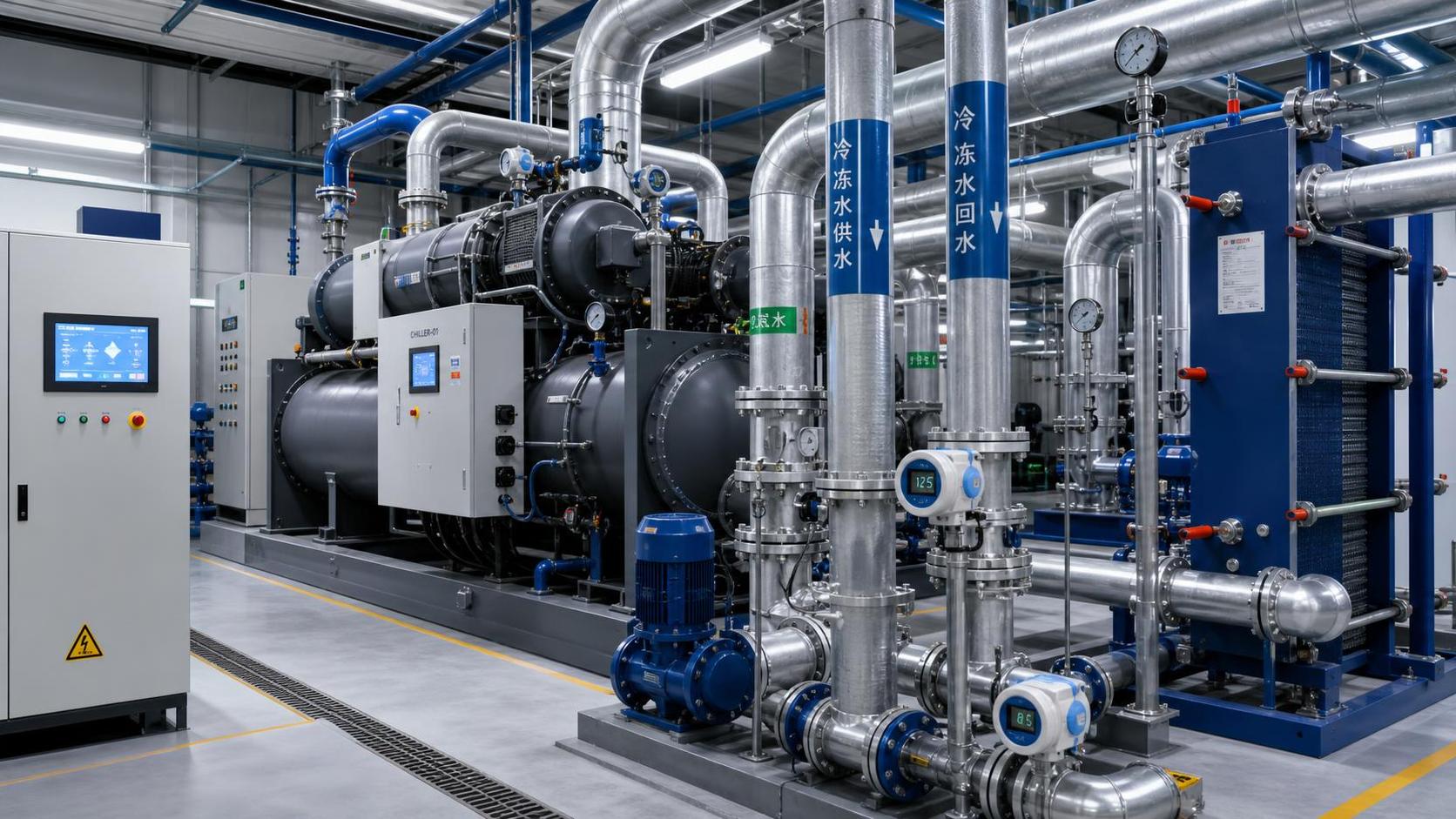
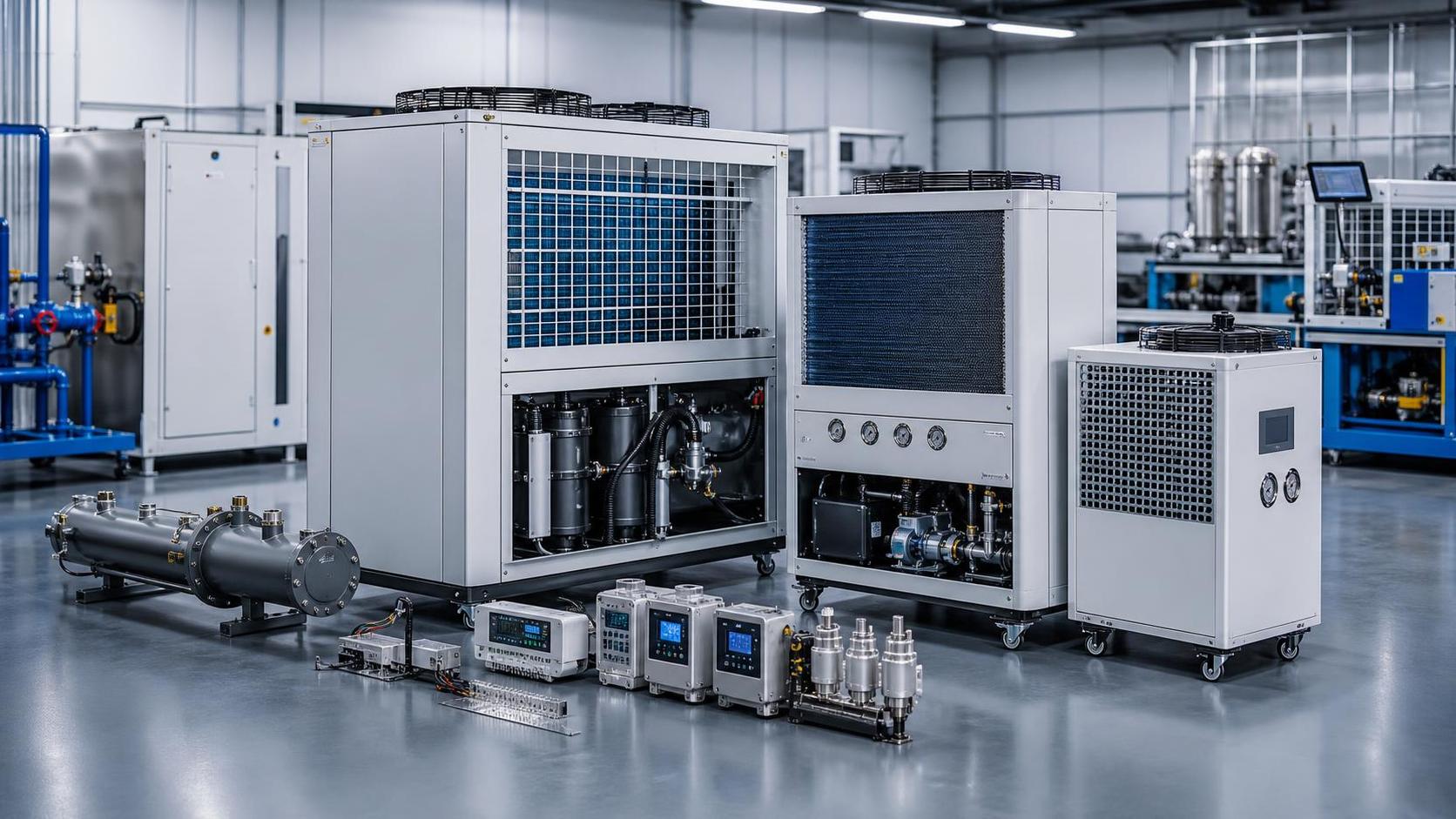
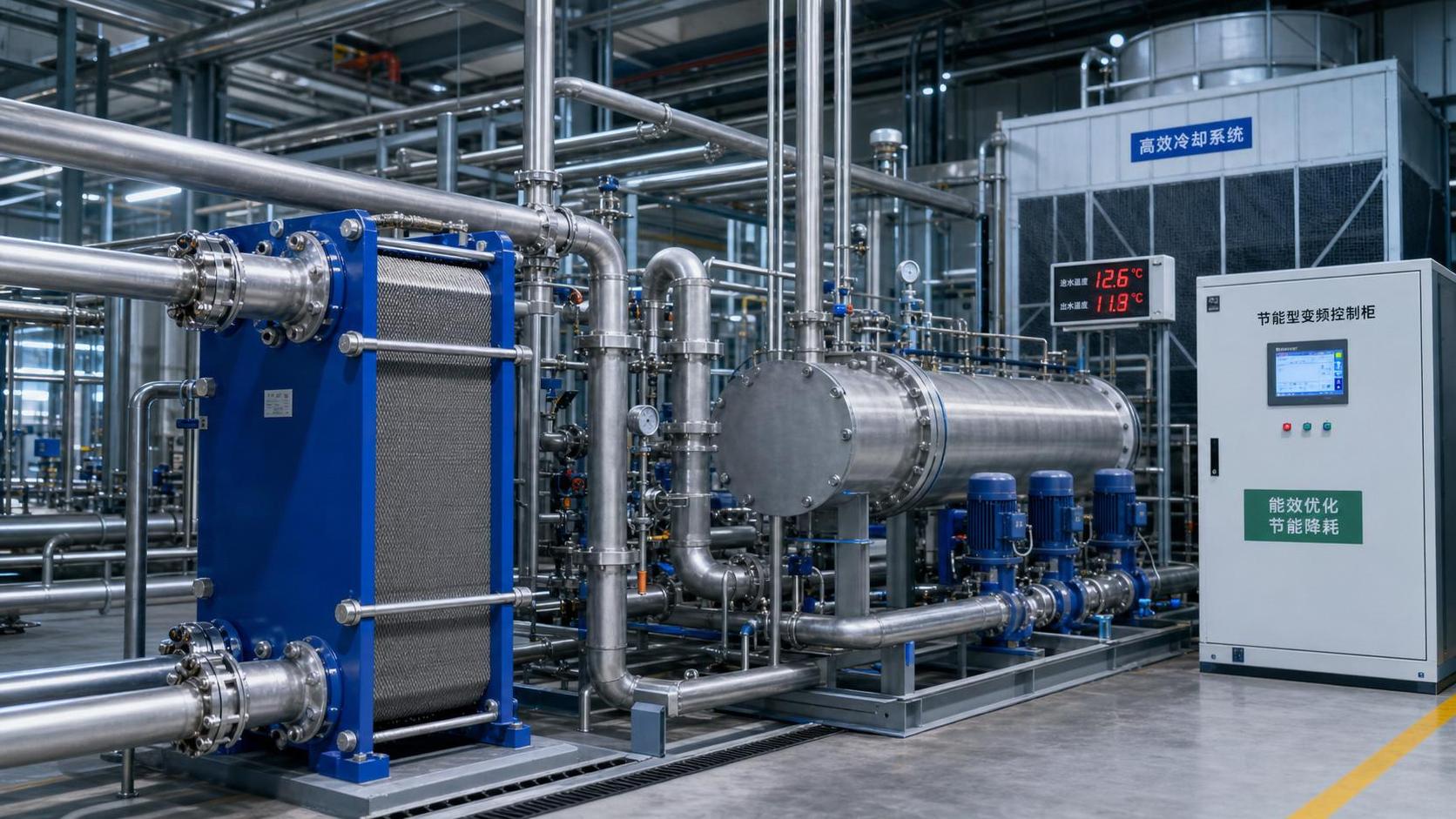
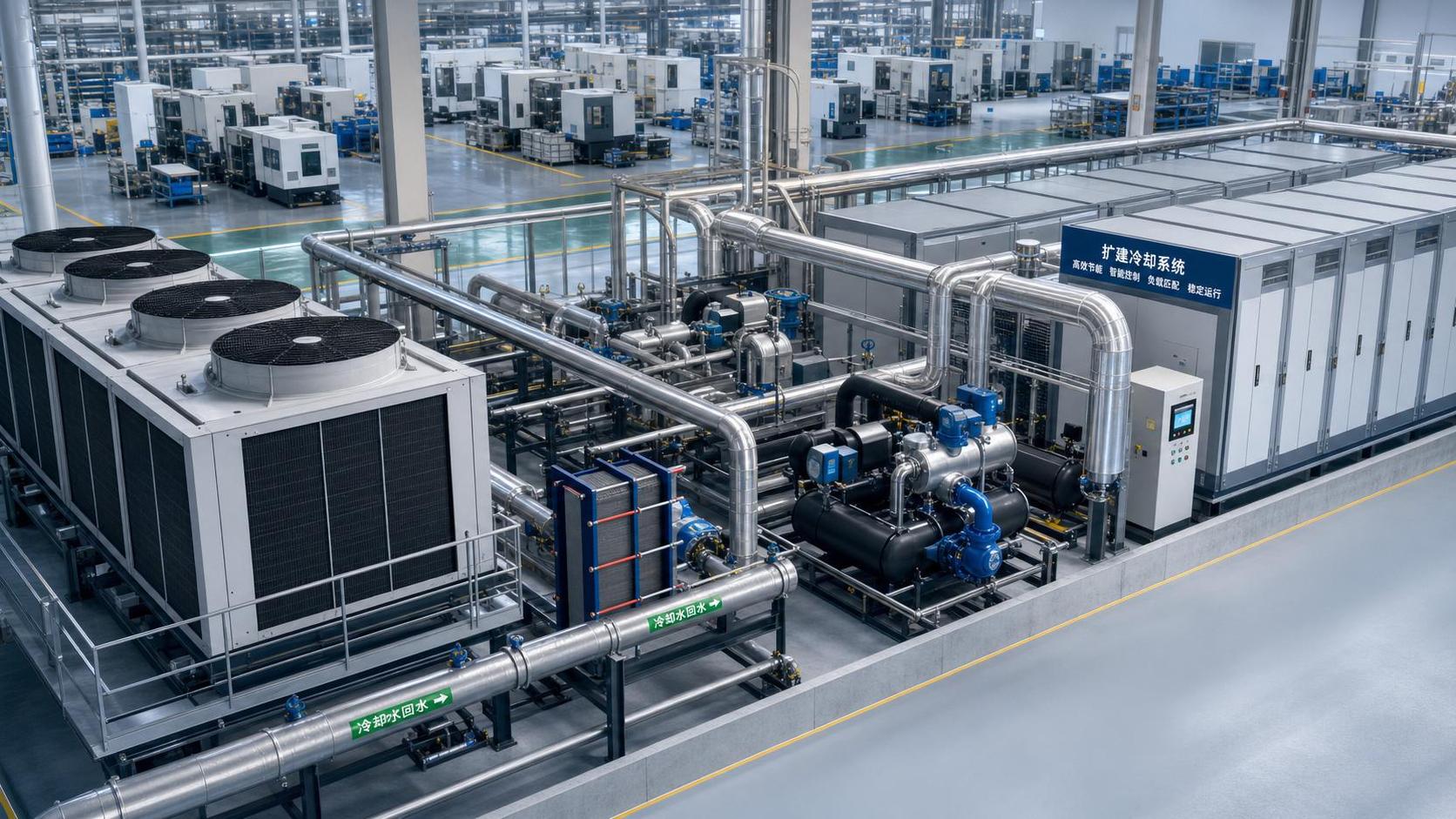
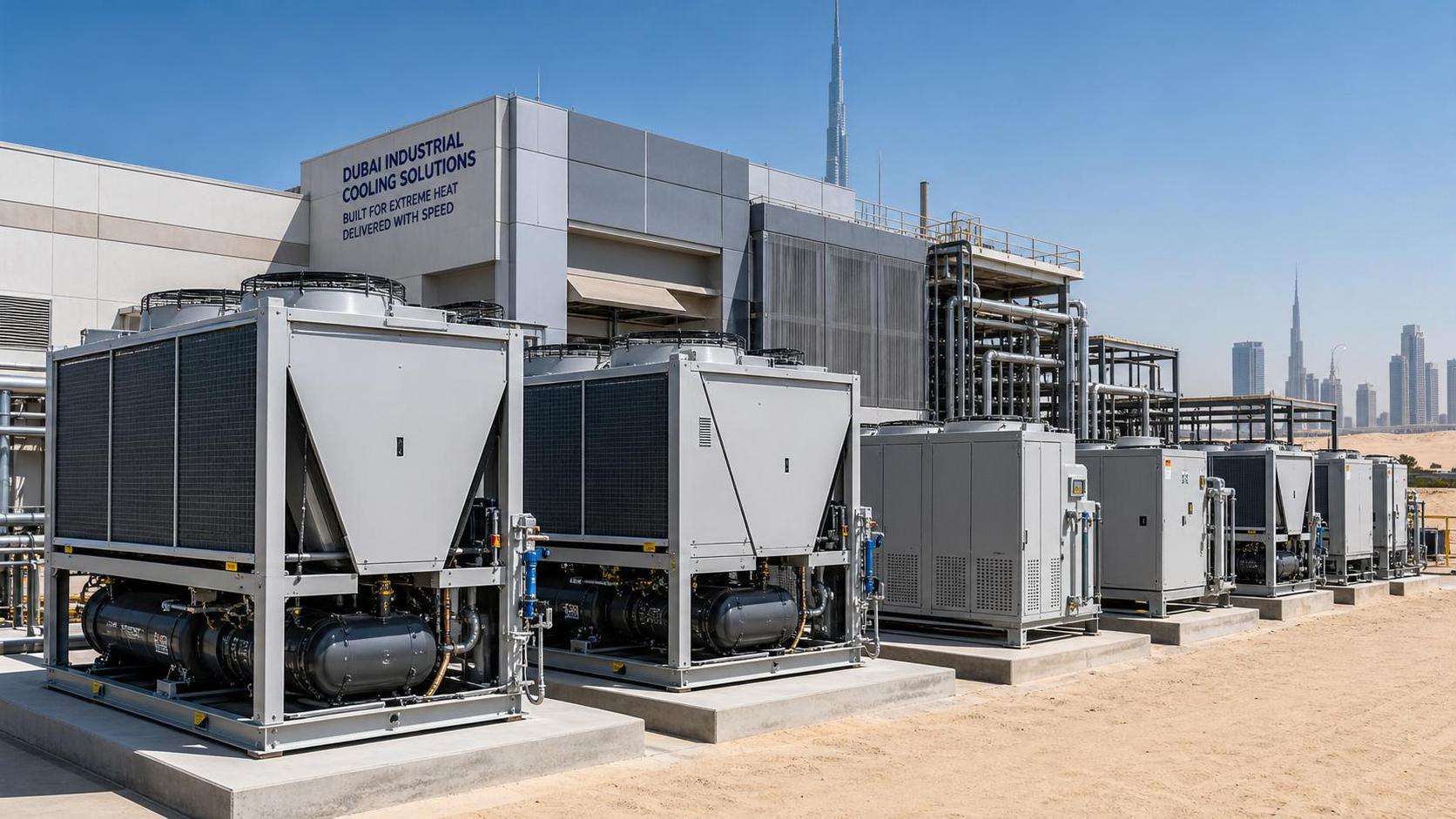
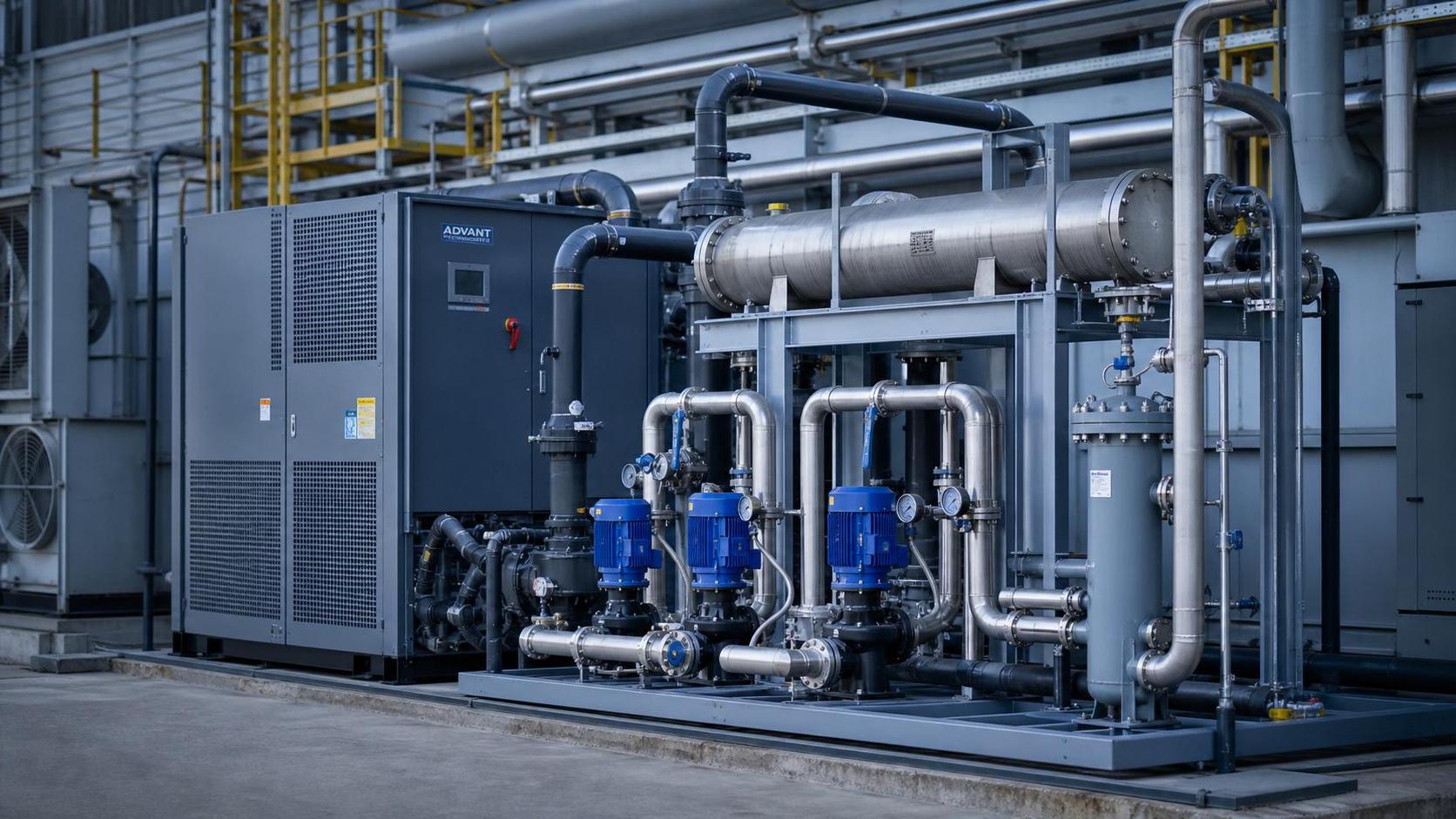
The following visual placeholder represents the connected thermal and compression layers that often sit beneath modern production reliability.
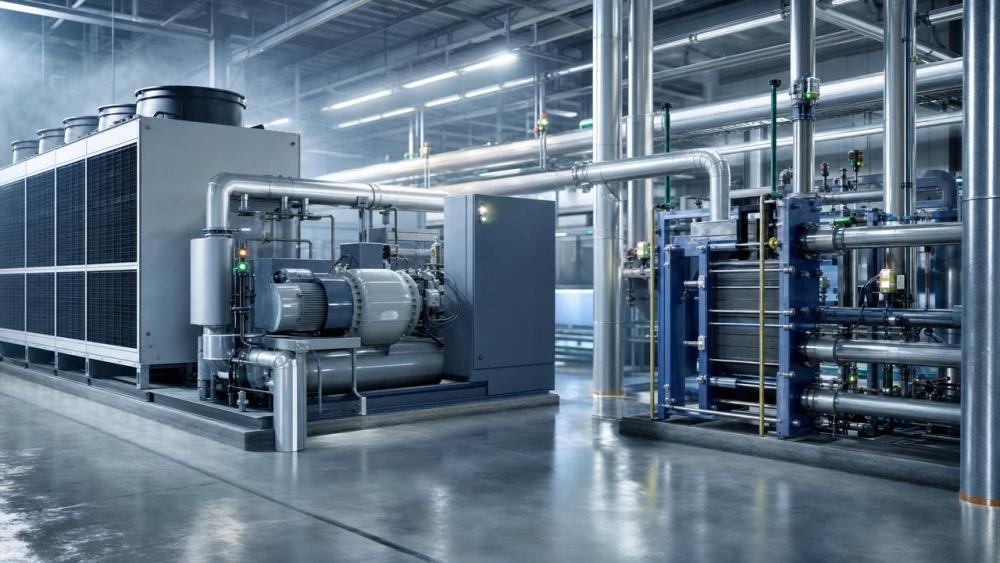
From a strategic perspective, thermal management links thermodynamic performance with power efficiency, process quality, and maintenance predictability.
This is why platforms such as GTC-Matrix monitor cooling, compressed air, vacuum processes, and heat exchange as one industrial intelligence field.
The Core Meaning Behind the Risk
Thermal management is the coordinated control of heat generation, heat transfer, heat rejection, and temperature stability across equipment and processes.
In practice, it includes more than cooling capacity. It covers compression efficiency, airflow design, fluid selection, exchanger performance, controls, sensors, and operating discipline.
Poor thermal management rarely appears as one dramatic warning. It usually emerges through rising compressor load, unstable product quality, fouled exchangers, or frequent alarms.
The problem becomes sharper during upgrades. New production lines may add heat loads that legacy cooling systems were never designed to absorb.
A site may install high-efficiency equipment, but still lose gains through undersized piping, poor heat recovery, or uncontrolled compressed air leakage.
Simple capacity calculations are no longer enough. Effective thermal management must consider dynamic loads, seasonal peaks, partial-load behavior, and future expansion.
2026 Pressure Points That Make Old Assumptions Risky
Several market and regulatory signals are changing the upgrade equation. Each one can affect capital planning and long-term operating cost.
Energy Cost Exposure
Industrial cooling and compressed air are often among the largest electrical loads in a plant.
When tariffs fluctuate, weak thermal management turns energy volatility into margin volatility. Oversized chillers and inefficient compressors become financial risks.
Refrigerant and Emissions Transitions
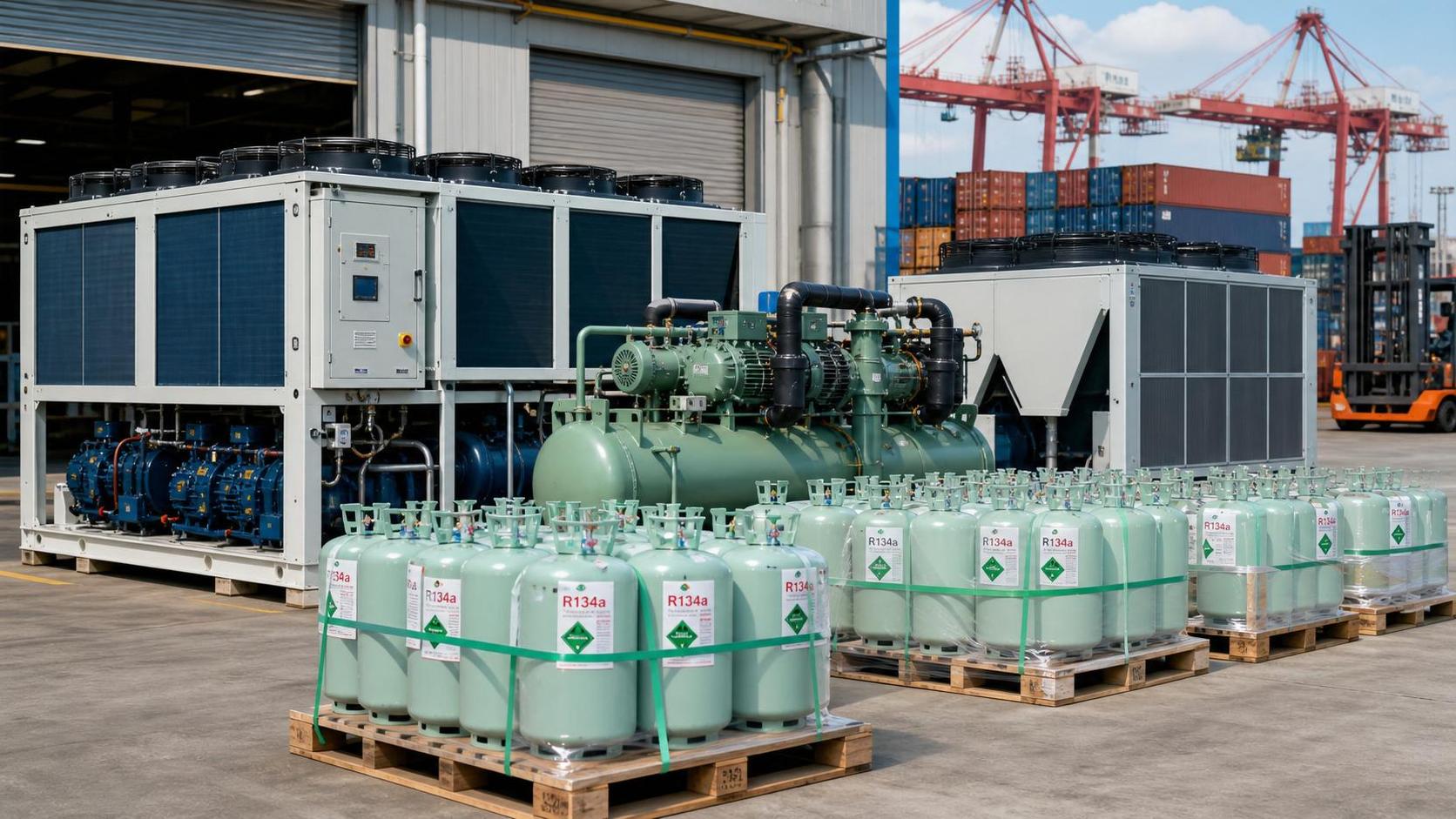
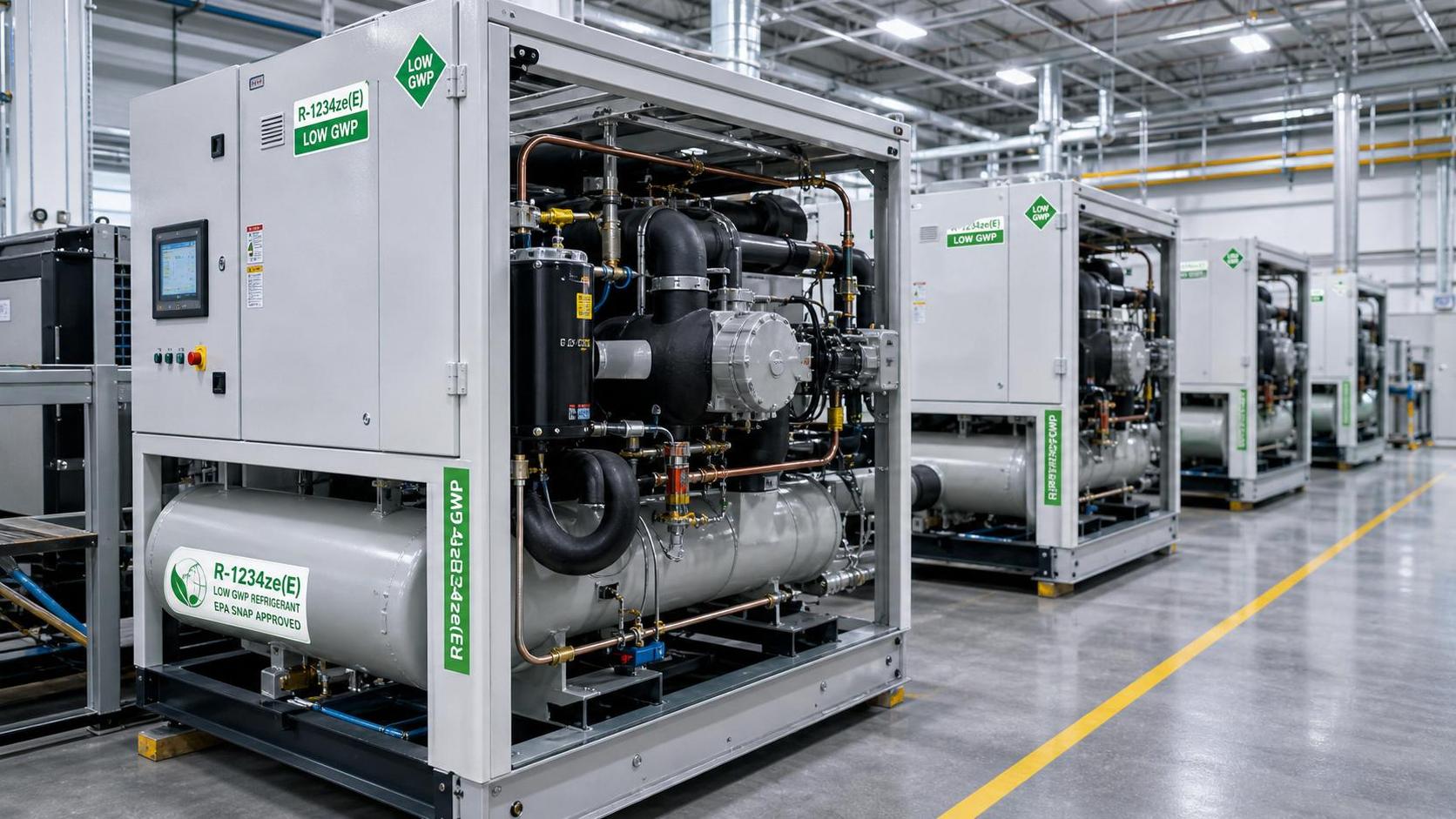
Refrigerant quotas and low-GWP transitions are reshaping equipment availability, service cost, and lifecycle compliance.
A plant upgrade that ignores refrigerant strategy may face early retrofit needs. Thermal management decisions must therefore include regulatory durability.
Higher Process Precision
Pharmaceutical, semiconductor, battery, and food operations increasingly require narrow temperature and humidity windows.
In these settings, thermal management affects batch consistency, contamination control, yield, and validation confidence.
Heat Recovery Expectations
Waste heat is no longer treated as unavoidable loss. It is being reviewed as a recoverable resource.
Upgrade plans that overlook heat reuse may miss decarbonization and utility savings opportunities.
Where Thermal Management Risks Usually Appear
The most serious risks often sit between systems, not inside a single asset. Interfaces deserve the same attention as equipment specifications.
These risks are connected. A cooling limitation can force compressors to operate hotter, which then increases energy use and maintenance frequency.
Likewise, a poorly selected exchanger can undermine heat recovery targets, even when the broader thermal management strategy looks efficient on paper.
Why Upgrade Decisions Cannot Rely on Nameplate Efficiency
Nameplate efficiency is useful, but it does not describe how equipment behaves inside a live plant.
Thermal management performance depends on load profile, ambient conditions, maintenance practices, control logic, and the relationship between systems.
For example, an oil-free compressor may support cleaner air and lower contamination risk. Yet its heat rejection requirements must be planned correctly.
Microchannel heat exchangers can improve compactness and transfer efficiency. They also require attention to fluid cleanliness and service conditions.
Low-NOx combustion boilers can support emissions goals. Their integration with condensate return and heat recovery still shapes total system value.
This is where industrial intelligence becomes useful. Sector news, cost signals, technology trends, and commercial demand patterns help frame better choices.
GTC-Matrix focuses on this connection between thermodynamic logic and high-efficiency compression power systems, especially where investment decisions are complex.
Practical Questions Before Committing Capital
A strong upgrade review should test assumptions before purchase orders are issued. The goal is not perfection, but risk visibility.
- What are the true heat loads during peak, partial-load, cleaning, and shutdown-restart conditions?
- Does the thermal management plan reflect future production mix and expansion pathways?
- Are refrigerant choices aligned with compliance, service availability, and lifecycle cost?
- Can waste heat be reused for process water, space heating, or preheating duties?
- Are compressors, chillers, pumps, and exchangers controlled as a system?
- Do monitoring points reveal thermal drift before it becomes downtime?
These questions often expose gaps between equipment selection and operational reality. They also help compare competing proposals more fairly.
For thermal management, the cheapest proposal may carry hidden cost if it increases power demand or limits future process flexibility.
Data, Monitoring, and the Shift Toward Intelligent Control
The next upgrade cycle will place more value on measurable performance. Thermal management is becoming more digital, predictive, and commercially accountable.
Sensors now track temperatures, pressures, flows, vibration, energy intensity, and exchanger approach temperatures with greater granularity.
That data helps identify fouling, leakage, control conflict, unstable loads, or abnormal compressor behavior before production suffers.
However, data only creates value when it supports decisions. Dashboards should link thermal management indicators to energy, uptime, quality, and maintenance priorities.
A useful metric is not just temperature deviation. It may be energy per unit output, cooling cost per batch, or recovered heat utilization.
Industrial economists and thermodynamics analysts increasingly evaluate these relationships together. This integrated view supports stronger capital discipline.
Industry Scenarios With Higher Exposure
Not every facility faces the same level of thermal management risk. Exposure rises when process precision, energy intensity, or compliance burden increases.
In pharmaceutical production, temperature stability affects validation, product quality, and contamination control.
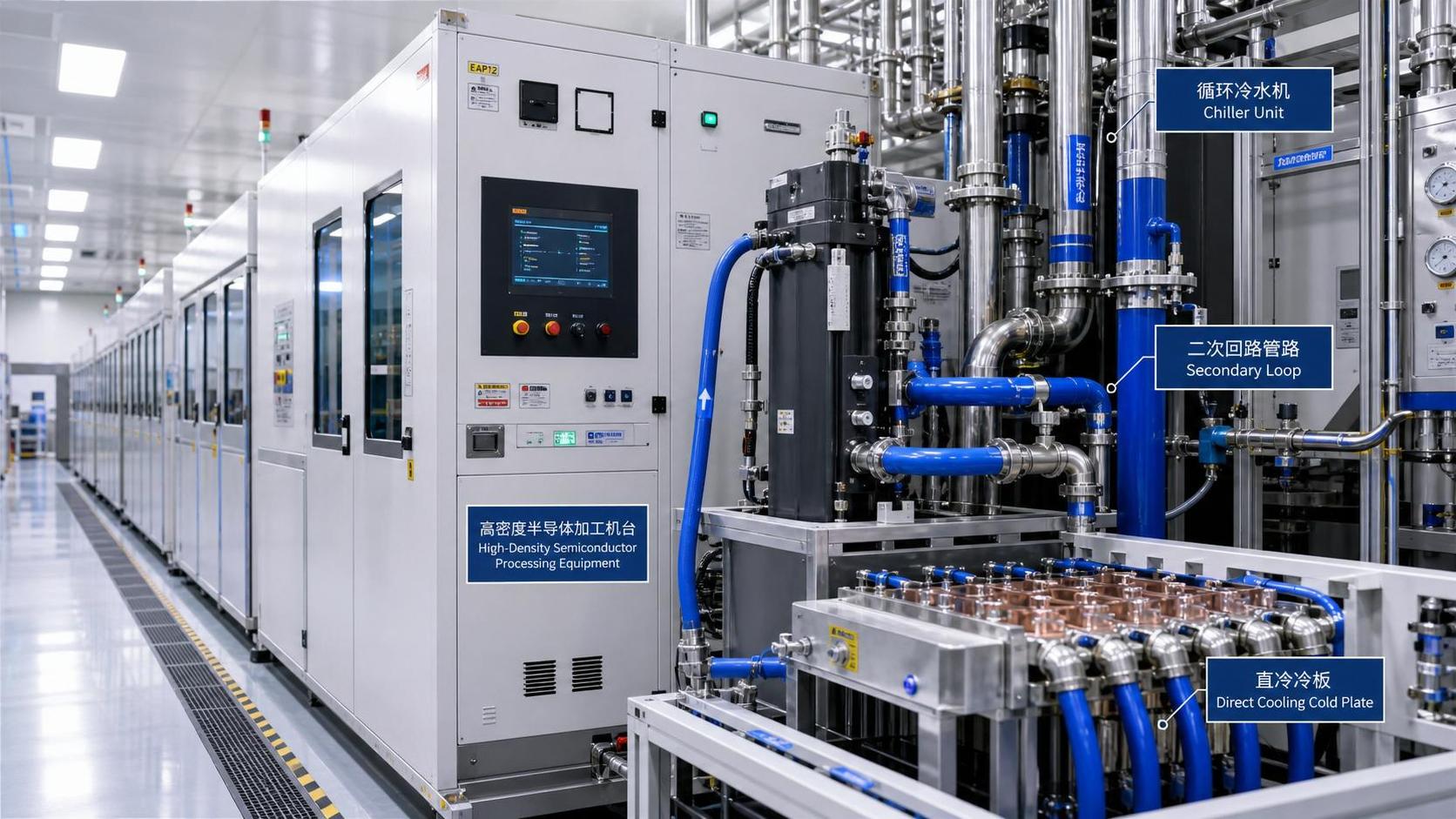
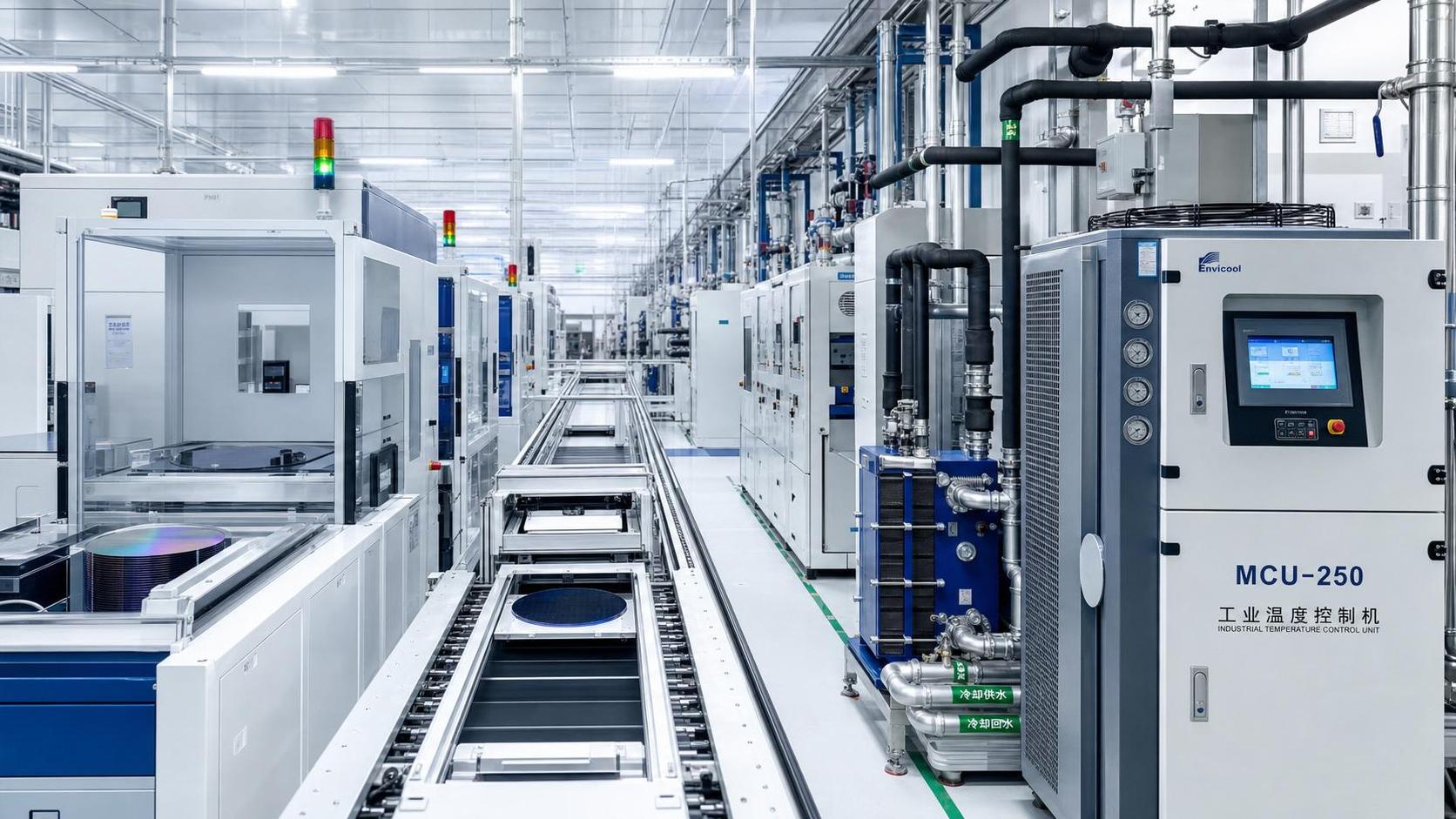
In semiconductor facilities, cooling and humidity control influence yield, cleanroom stability, and equipment availability.
In food processing, refrigeration reliability affects safety, shelf life, and energy cost under seasonal demand swings.
In heavy industry, heat exchange, combustion efficiency, and compressed air performance shape both emissions and operating cost.
Across these sectors, thermal management is best viewed as infrastructure for productivity, not as a secondary utility function.
Building a More Resilient 2026 Upgrade Plan
A resilient plan starts with mapping heat sources, heat sinks, utility flows, and process sensitivity.
It then compares options through lifecycle performance, not only purchase price. This is especially important for chillers, compressors, and exchangers.
Scenario modeling should include energy price movement, refrigerant availability, regulatory changes, and production growth.
Maintenance access also deserves attention. A highly efficient design can lose value if cleaning, inspection, or part replacement is difficult.
The strongest thermal management strategies combine efficient assets, intelligent controls, practical service planning, and transparent performance metrics.
They also create room for adaptation. A plant planned only for today’s load may become constrained before the asset reaches midlife.
A Measured Path Forward
Thermal management risks in 2026 plant upgrades are not isolated technical concerns. They reflect energy economics, compliance direction, and process competitiveness.
The next step is to review existing thermal assets against future operating scenarios, not only current performance.
Decision frameworks should compare cooling, compression, vacuum, and heat exchange choices through efficiency, resilience, serviceability, and regulatory durability.
Reliable intelligence can sharpen that review by connecting technology trends with market signals and practical engineering constraints.
For any 2026 upgrade, the most valuable question is simple: will the thermal management system protect capacity, cost, and compliance over the asset’s full life?
Related News
- How Smart Thermal Systems Improve Industrial Cooling EfficiencyAuthor :Cryogenic Systems Expert

- How to Choose Process Cooling Equipment for Stable Temperature ControlAuthor :Cryogenic Systems Expert

- EU Finalizes 2026 HFC Quota Cut for R-134a ChillersAuthor :Cryogenic Systems Expert

- EU Tightens HFC-134a Quotas for Industrial ChillersAuthor :Cryogenic Systems Expert

- REACH SVHC Update Pressures HFC-134a Chiller Supply ChainsAuthor :Cryogenic Systems Expert

- EU PFAS Coolant Ban Reshapes Chiller ExportsAuthor :Cryogenic Systems Expert

- EU REACH Restricts PFAS Cooling Media ImportsAuthor :Cryogenic Systems Expert

- EU Ecodesign Rule Takes Effect for Industrial ChillersAuthor :Cryogenic Systems Expert

- EU REACH Rule Takes Effect for PFAS in Industrial Cooling ExportsAuthor :Cryogenic Systems Expert

- Industrial Cooling for Plastic Processing: How to Size for Stable Cycle TimesAuthor :Cryogenic Systems Expert

- EU F-Gas Update Bars R404A/R507 in Commercial CoolingAuthor :Cryogenic Systems Expert

- DOE Raises Chiller Efficiency Standard From October 2026Author :Cryogenic Systems Expert

- India Mandates BIS Energy Certification for Industrial ChillersAuthor :Cryogenic Systems Expert

- Energy-Efficient Heat Exchange for Process Cooling: Cost vs PaybackAuthor :Cryogenic Systems Expert

- EPA R-134a Import Ban Takes Effect on July 13, 2026Author :Cryogenic Systems Expert

- India BIS Rule Takes Effect for Industrial ChillersAuthor :Cryogenic Systems Expert

- EPA Cuts R134a Import Quotas 20% From July 10Author :Cryogenic Systems Expert

- How to Compare Energy-Efficient Cooling Systems for Factory Expansion ProjectsAuthor :Cryogenic Systems Expert

- Chiller Price Index Rises 11.3% in Q2Author :Cryogenic Systems Expert

- Saudi SASO Tightens Chiller Import Compliance From July 10Author :Cryogenic Systems Expert

- Dubai Opens Fast-Track Chiller TendersAuthor :Cryogenic Systems Expert

- Japan Raises Chiller COP Floor to 6.2 From Sept. 1Author :Cryogenic Systems Expert
![]()
- Compact Thermal Management in Smart Devices: Common Failure RisksAuthor :Cryogenic Systems Expert

- Thermal Management for Batteries: Cooling Methods ComparedAuthor :Cryogenic Systems Expert

- How Compact Thermal Design Extends Smart Device UptimeAuthor :Cryogenic Systems Expert

- Shanghai-Rotterdam Reefer Rates Jump 37% in a WeekAuthor :Cryogenic Systems Expert

- Process Cooling Equipment Low Maintenance: What Cuts Downtime Over 5 Years?Author :Cryogenic Systems Expert

- Semiconductor Cooling Solutions: Which Design Works Best for High-Density Tools?Author :Cryogenic Systems Expert

- Semiconductor Thermal Management Systems: Preventing Yield Loss from Heat DriftAuthor :Cryogenic Systems Expert

- EPA Clears R-1234ze(E) for Industrial ChillersAuthor :Cryogenic Systems Expert
 for Industrial Chillers")
- DOE Raises Chiller IEER Floor to 12.8 From Oct. 2026Author :Cryogenic Systems Expert

- Singapore Refrigeration Show Adds Green Compliance HubAuthor :Cryogenic Systems Expert

- How Food Industry Temperature Control Systems Reduce Product LossAuthor :Cryogenic Systems Expert

- EU REACH Adds 12 SVHCs, Raising Chiller Compliance RiskAuthor :Cryogenic Systems Expert

- Precision Temperature Control Air Cooling: Key Setup Mistakes That Reduce StabilityAuthor :Cryogenic Systems Expert

- India BEE Eyes APF Labels for Imported ChillersAuthor :Cryogenic Systems Expert