Industrial Cooling Solutions: Cost Risks Often Missed




Industrial Cooling Solutions: Cost Risks Often Missed
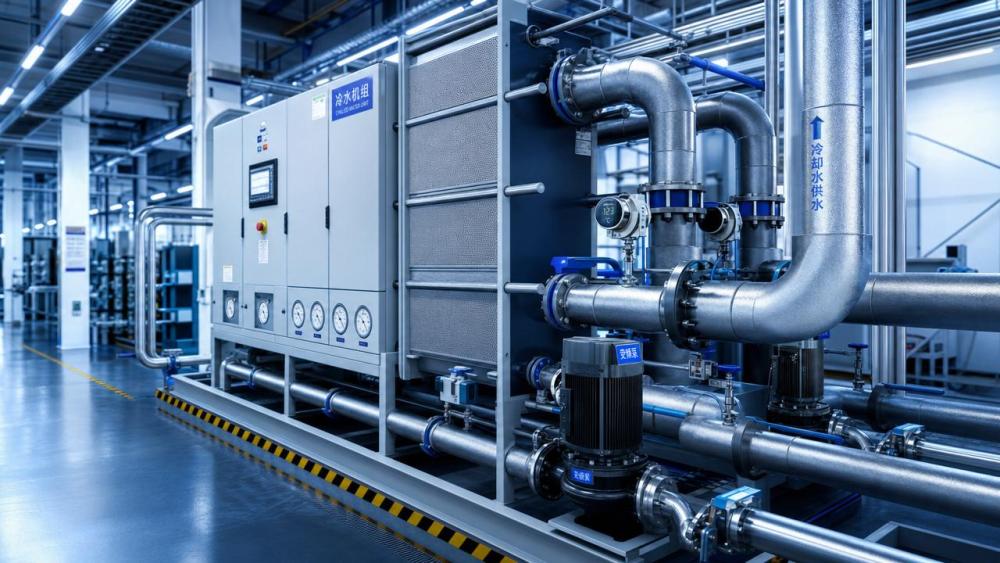
Industrial cooling solutions are often judged by purchase price, yet the larger exposure usually appears after commissioning.
Energy drift, downtime, refrigerant compliance, maintenance intensity, and weak lifecycle efficiency can quietly reduce capital returns.
As production environments demand tighter temperature control, industrial cooling solutions must be assessed through scenario risk, not only equipment cost.
For GTC-Matrix, this is where thermal intelligence becomes commercial intelligence: cooling decisions must protect uptime, energy value, and future compliance.
Scenario Background: Why Cooling Cost Changes by Operating Context
The same chiller, tower, heat exchanger, or hybrid system can create very different financial outcomes across facilities.
Industrial cooling solutions serving continuous production face different risks from systems supporting laboratories, warehouses, or batch processing lines.
A system that looks economical in stable ambient conditions may become costly during seasonal heat peaks or utility tariff changes.
Scenario judgment helps reveal hidden cost drivers before design approval, supplier selection, or capital budgeting.
The key question is not whether industrial cooling solutions can meet nominal capacity.
The better question is whether they can meet thermal demand efficiently across real operating conditions.
Scenario One: Continuous Manufacturing and the Cost of Thermal Instability
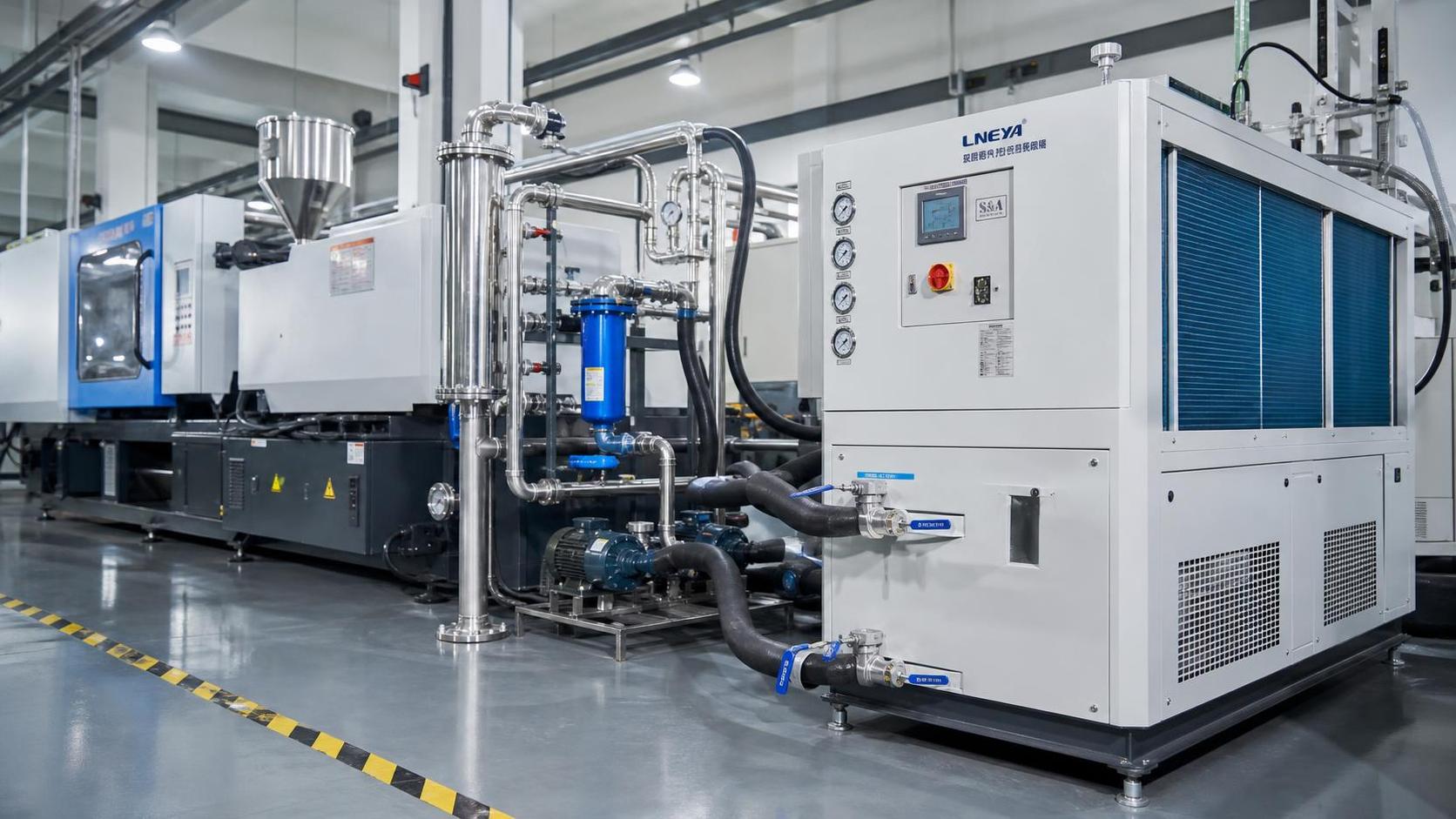
Continuous manufacturing depends on predictable temperature control, especially in chemicals, plastics, metals, food processing, and precision assembly.
In these environments, industrial cooling solutions are tied directly to output quality and production rhythm.
A small cooling deviation may increase scrap, slow cycle time, or force unplanned process adjustments.
The missed cost is rarely the cooling invoice alone.
It includes rejected batches, overtime recovery, line imbalance, delayed shipments, and higher compressed air or pump consumption.
For continuous operations, industrial cooling solutions should be evaluated by thermal stability under partial load and peak load.
Redundancy design also matters, but excess redundancy without control logic can raise energy cost unnecessarily.
Scenario Two: Semiconductor and Electronics Cooling Requires Precision Economics
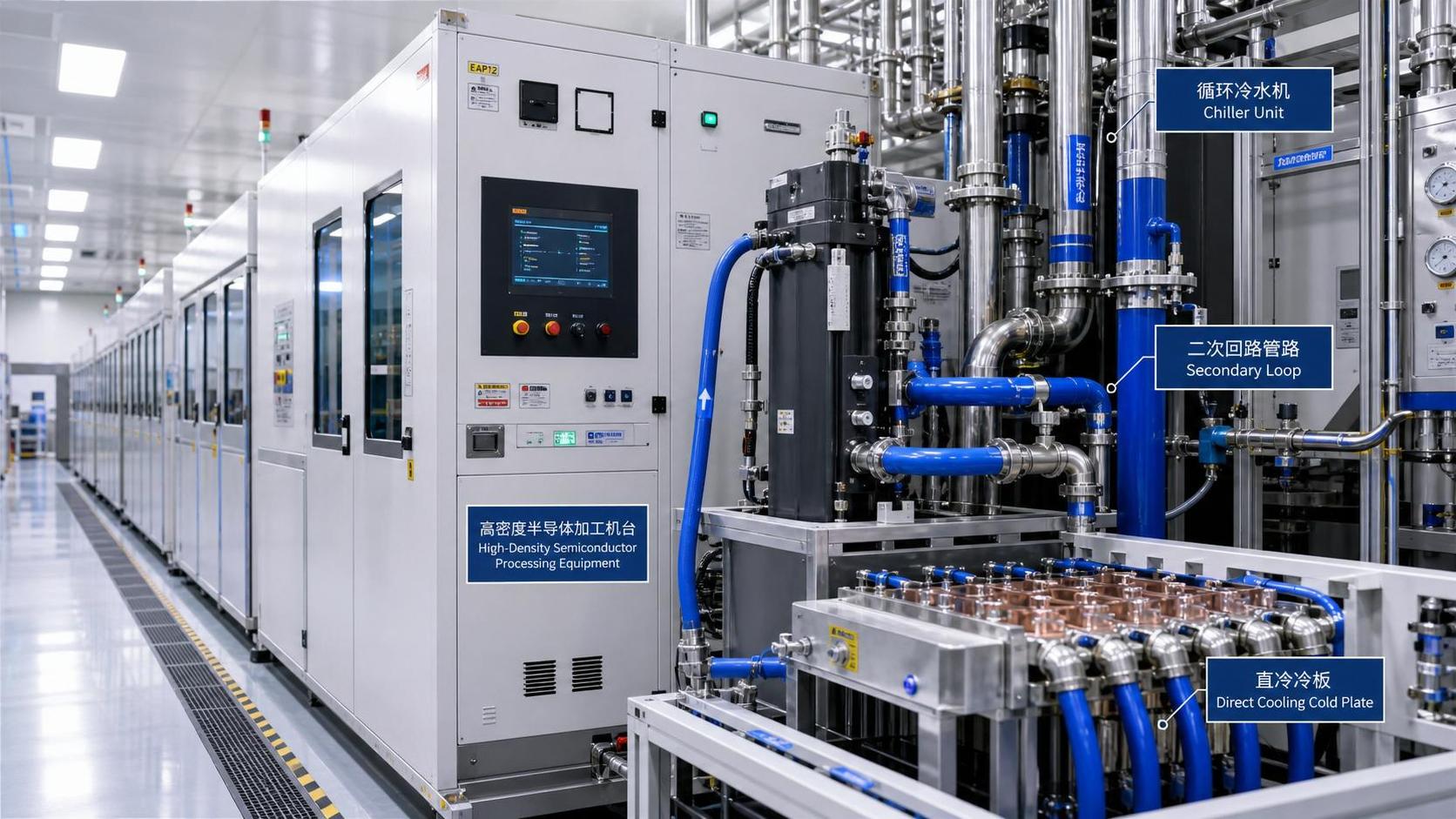
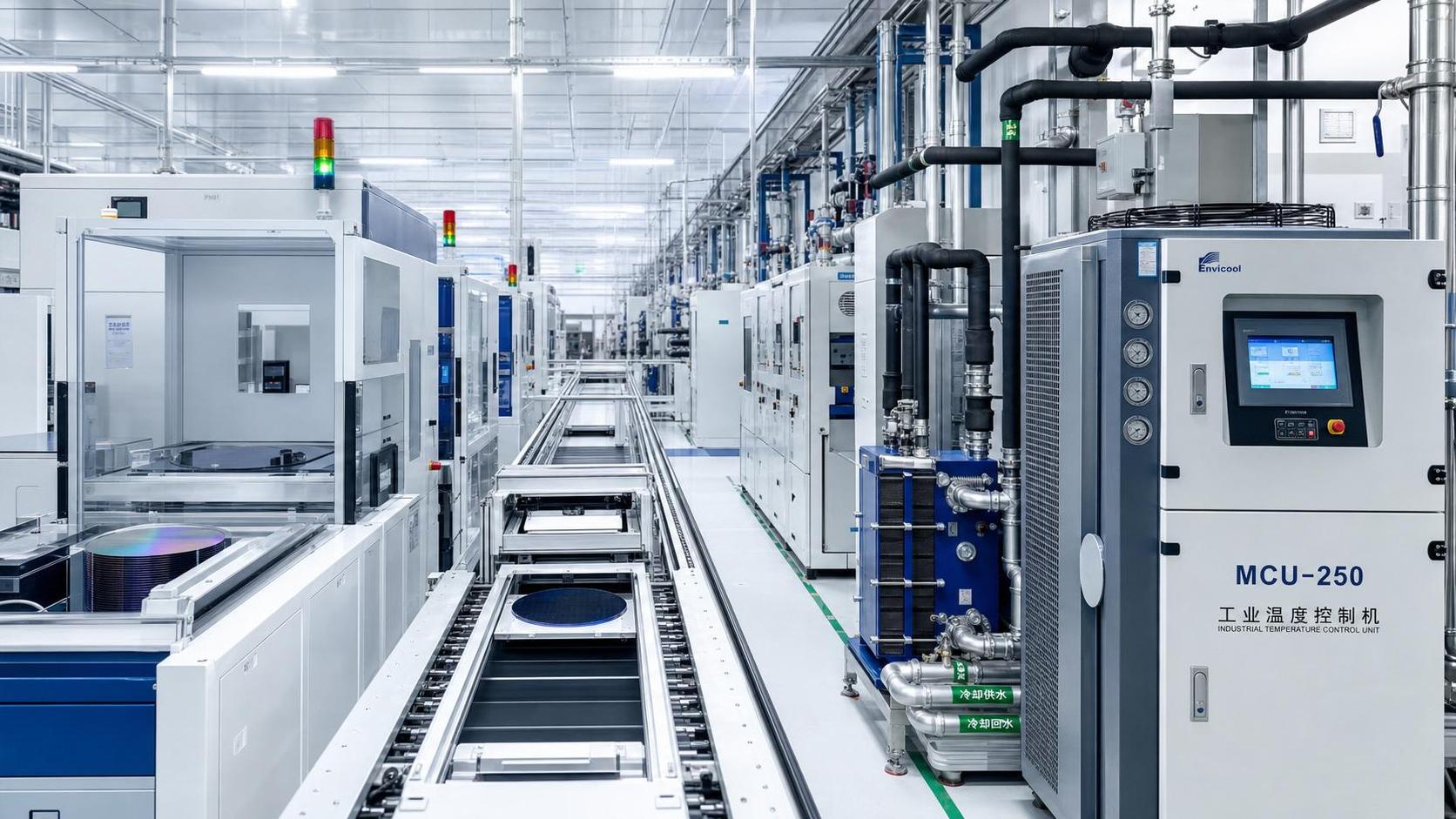
Semiconductor, electronics, and high-density testing environments often require narrow temperature bands and reliable clean-room support.
Here, industrial cooling solutions influence yield, tool availability, humidity balance, and process repeatability.
A lower-cost system may create hidden exposure if it lacks fine modulation or fast response control.
The main cost risk is not always catastrophic failure.
It may be gradual performance instability that reduces yield before visible alarms appear.
Industrial cooling solutions in this scenario need strong sensing, data logging, alarm hierarchy, and service traceability.
Lifecycle review should include calibration burden, filter maintenance, water quality control, and heat rejection consistency.
Scenario Three: Pharmaceutical and Food Facilities Face Compliance-Linked Cooling Risk
Pharmaceutical and food facilities connect cooling performance with hygiene, validation, storage safety, and batch integrity.
Industrial cooling solutions used in these settings must support both production and documented compliance.
The hidden cost appears when temperature excursions require investigation, quarantine, retesting, or disposal.
A system may be technically adequate, yet still expensive if it complicates validation or cleaning routines.
For regulated or safety-sensitive operations, industrial cooling solutions should be judged by documentation readiness and alarm reliability.
Low upfront cost has limited value if deviation management becomes frequent and labor-intensive.
Scenario Four: Warehousing, Cold Storage, and Seasonal Load Volatility
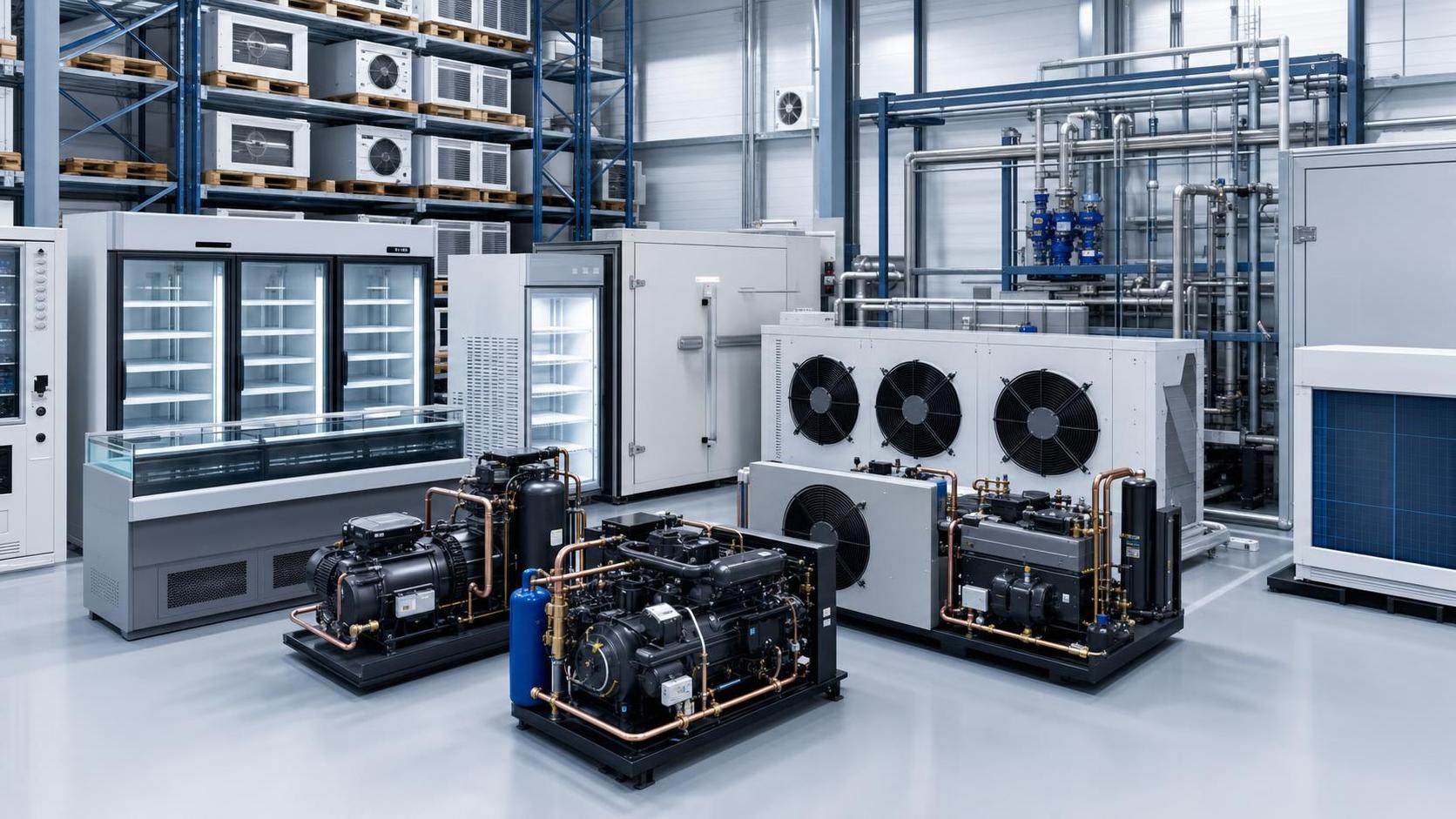
Cold storage, logistics hubs, and climate-controlled warehouses often experience fluctuating door openings, occupancy, and seasonal weather impact.
Industrial cooling solutions in these locations must handle variable loads without excessive cycling or power spikes.
The overlooked cost risk is usually energy volatility during peak utility periods.
Poor zoning can cool empty areas while critical zones remain thermally stressed.
Demand response capability, night pre-cooling, variable-speed control, and air infiltration management can significantly change operating economics.
Industrial cooling solutions should therefore be matched with building behavior, not only nameplate refrigeration capacity.
Scenario Five: Data Rooms and Power-Dense Equipment Need Uptime-Based Evaluation
Data rooms, control centers, battery systems, and power electronics create concentrated heat loads with limited tolerance for failure.
Industrial cooling solutions for these scenarios must be evaluated by uptime economics and thermal response speed.
The missed cost can include equipment derating, shortened component life, emergency service, and business interruption.
A redundant design may still fail financially if monitoring is weak or airflow paths are poorly controlled.
Scenario planning should examine hot spots, backup power compatibility, remote alarms, and maintenance access during operation.
In this setting, industrial cooling solutions need both thermal resilience and operational visibility.
Different Scenario Requirements: Cost Risks Compared
This comparison shows why industrial cooling solutions cannot be selected from capacity figures alone.
Each scenario has a different financial failure mode, even when cooling technology appears similar.
Scenario Fit Recommendations Before Approving a Cooling Investment
A stronger approval process links thermal performance with operating economics, service capability, and regulatory exposure.
Before selecting industrial cooling solutions, the following checks can reduce hidden lifecycle cost.
- Map the cooling load profile across shifts, seasons, shutdowns, and production ramps.
- Compare full-load and part-load efficiency, not only catalog efficiency.
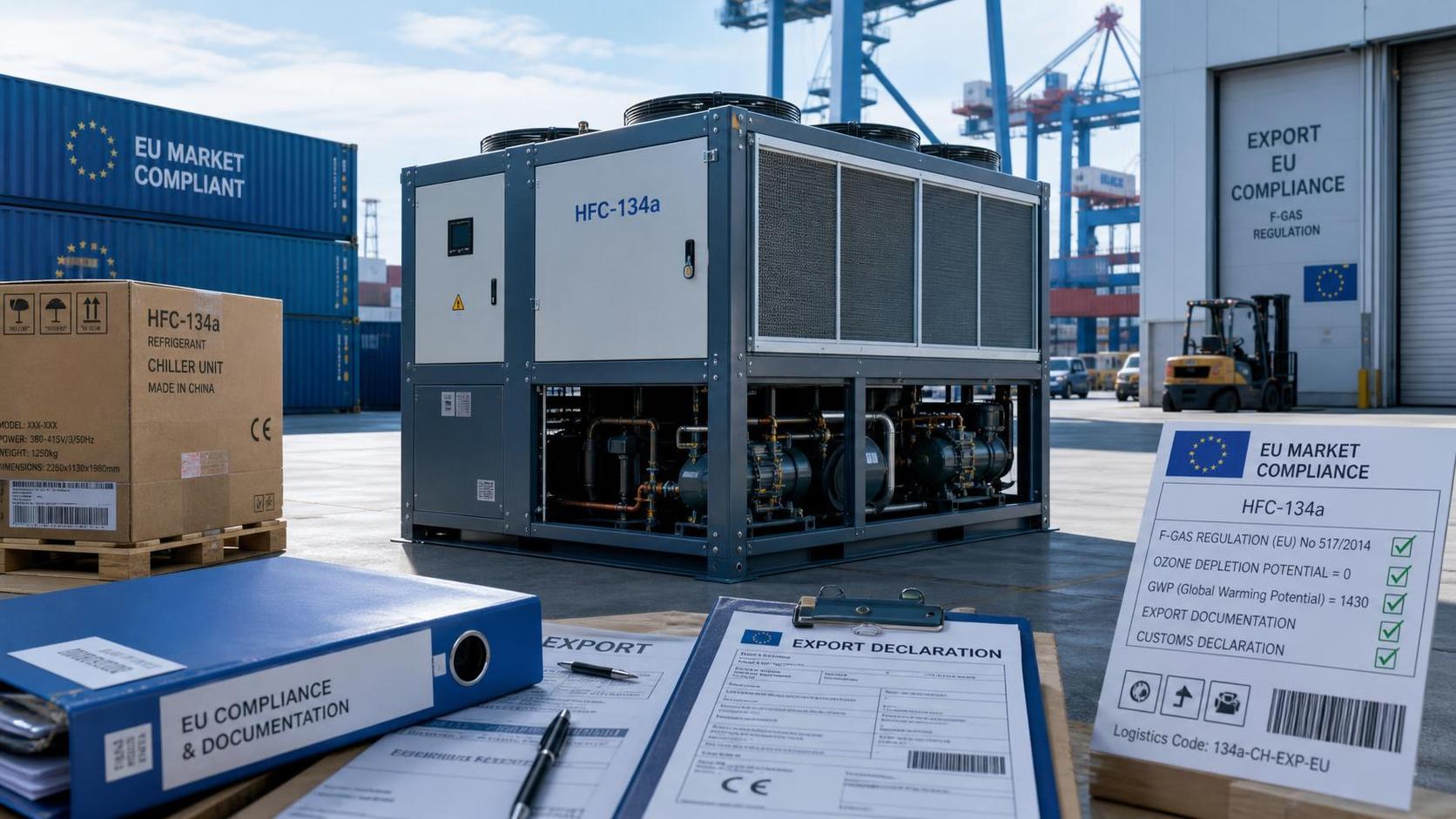
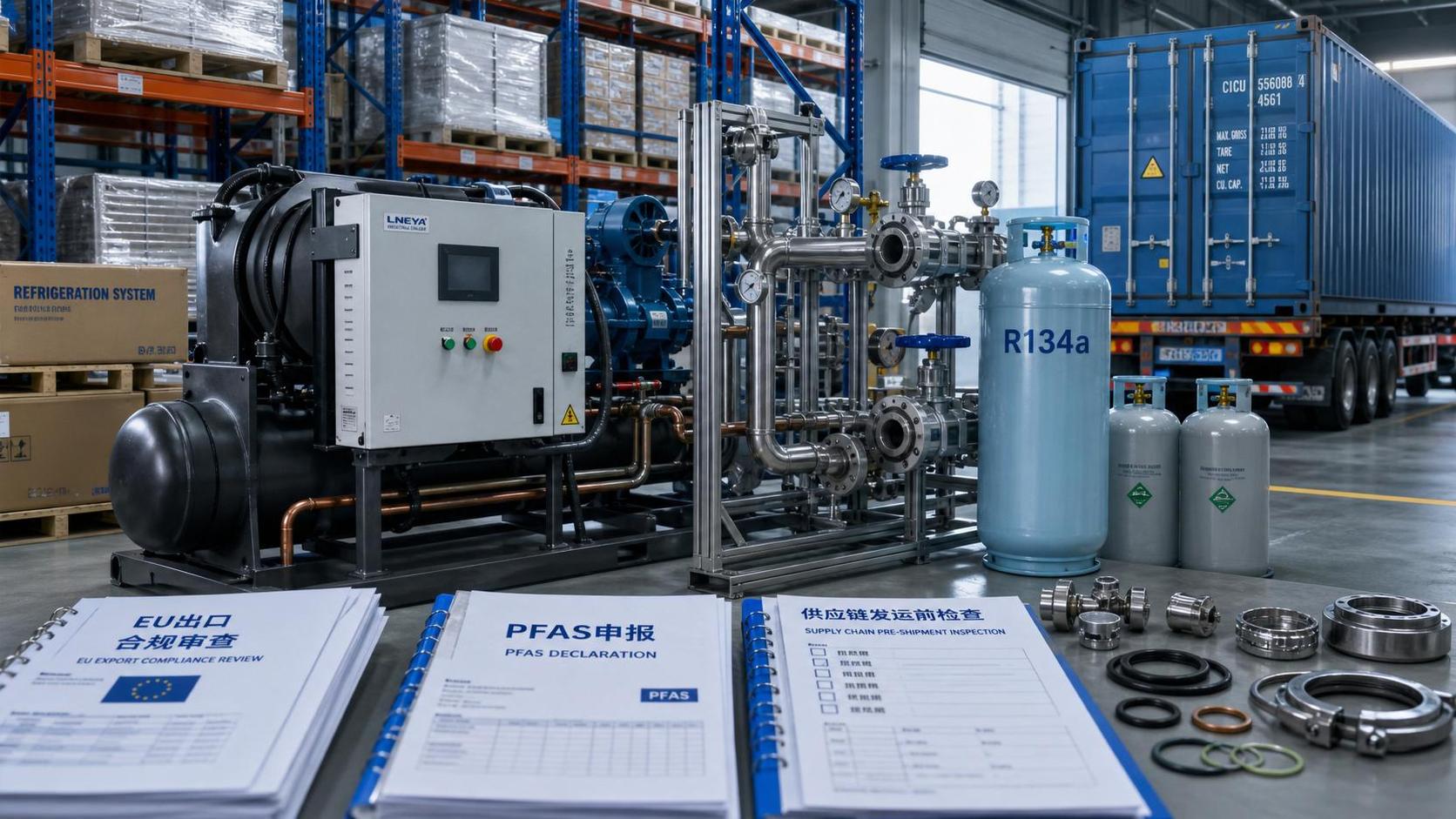
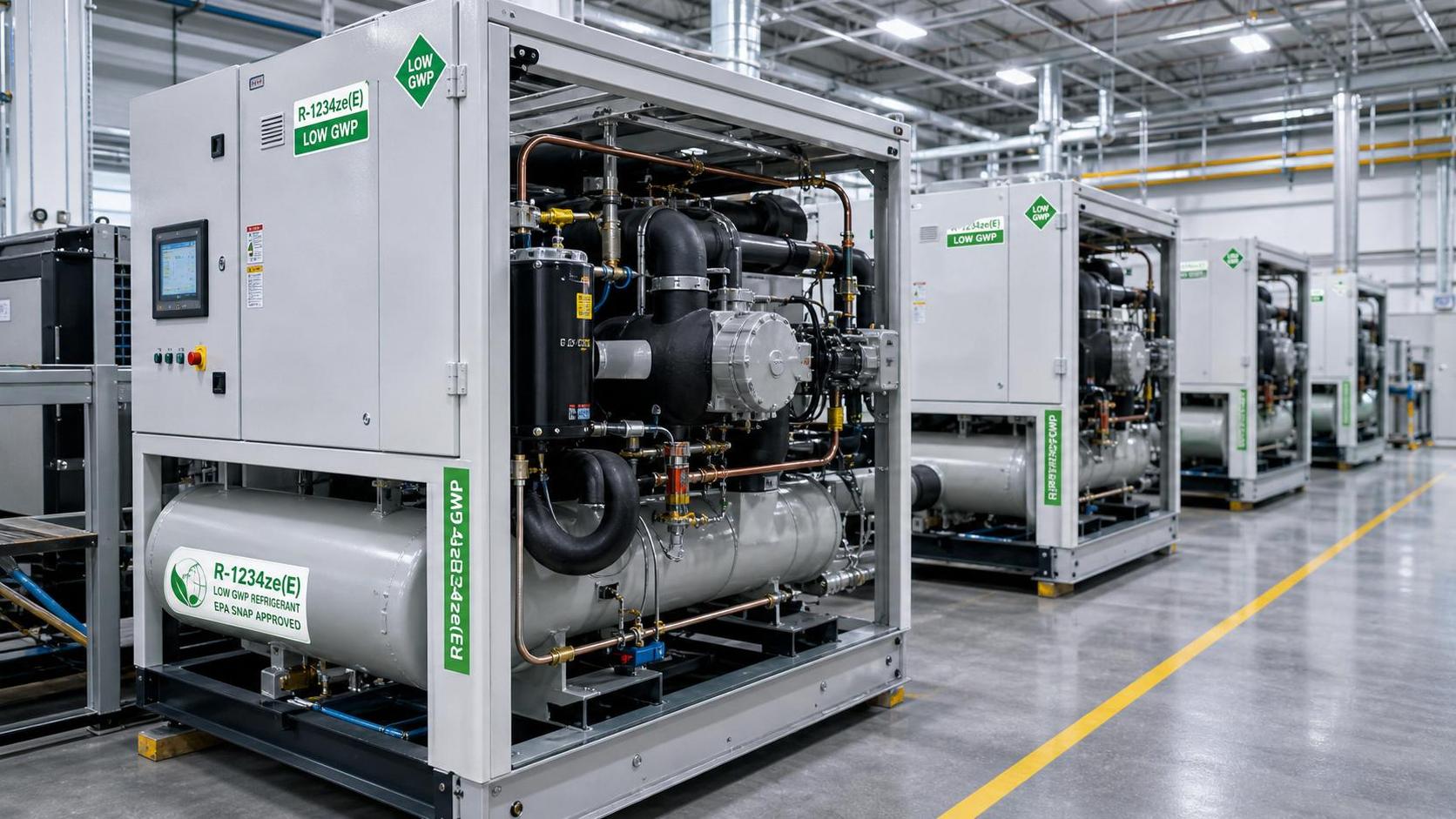
- Check refrigerant availability, environmental rules, and future phase-down exposure.
- Estimate maintenance labor, water treatment, filter change, and cleaning frequency.
- Test whether controls integrate with energy monitoring and alarm systems.
- Review service response time, spare parts access, and technician skill requirements.
Industrial cooling solutions should also be modeled against utility tariff structures and carbon reporting requirements.
A design that saves energy during peak tariff hours may outperform a cheaper system with higher daily consumption.
Use Lifecycle Costing Instead of Simple Payback
Simple payback often ignores degradation, unplanned downtime, and changing refrigerant compliance costs.
Lifecycle costing gives a clearer view of industrial cooling solutions over ten to fifteen years.
It should include energy, maintenance, expected repairs, downtime probability, emissions impact, and decommissioning cost.
Match Control Strategy to Real Operating Behavior
Controls can decide whether efficient equipment becomes an efficient system.
Industrial cooling solutions with variable-speed drives, smart sequencing, and predictive diagnostics can reduce waste under fluctuating demand.
However, controls must be commissioned carefully, then reviewed as production patterns change.
Common Misjudgments That Create Hidden Cooling Cost
Many cost overruns begin with assumptions that appear reasonable during procurement or engineering review.
The most common error is treating industrial cooling solutions as static assets instead of dynamic energy systems.
- Oversizing equipment to avoid risk, then paying for inefficient cycling.
- Ignoring heat exchanger fouling, pump energy, and fan power.
- Underestimating water quality issues in towers and evaporative systems.
- Selecting refrigerants without checking long-term regulatory direction.
- Assuming maintenance can be handled without specialized thermal knowledge.
- Failing to connect cooling alarms with production risk priorities.
Another missed point is interaction with compressed air, vacuum systems, boilers, and heat recovery opportunities.
GTC-Matrix views these assets as linked parts of the industrial power heart and thermal center.
When industrial cooling solutions are reviewed in isolation, recoverable heat and cross-system efficiency gains may be lost.
Action Guide: Turning Cooling Decisions Into Measurable Value
A practical next step is to build a scenario-based cooling cost map before final supplier comparison.
Start with thermal load data, production sensitivity, energy tariffs, refrigerant rules, and maintenance constraints.
Then compare industrial cooling solutions against the specific financial risks each scenario creates.
- Define the cost of one hour of thermal disruption.
- Create a seasonal load and utility cost model.
- Request efficiency data at realistic part-load points.
- Include compliance, service, and refrigerant transition risks.
- Assess monitoring readiness and data integration options.
Industrial cooling solutions deliver value when they support stable output, efficient energy conversion, and resilient operations.
The lowest purchase price may still be expensive if it transfers risk into production, maintenance, or compliance.
With structured intelligence and scenario-based evaluation, cooling investment can become a stronger lever for industrial efficiency.
GTC-Matrix helps connect thermodynamic logic with commercial judgment, supporting better decisions for industrial cooling solutions across diverse operating environments.
Related News
- How Smart Thermal Systems Improve Industrial Cooling EfficiencyAuthor :Cryogenic Systems Expert

- How to Choose Process Cooling Equipment for Stable Temperature ControlAuthor :Cryogenic Systems Expert

- EU Finalizes 2026 HFC Quota Cut for R-134a ChillersAuthor :Cryogenic Systems Expert

- EU Tightens HFC-134a Quotas for Industrial ChillersAuthor :Cryogenic Systems Expert

- REACH SVHC Update Pressures HFC-134a Chiller Supply ChainsAuthor :Cryogenic Systems Expert

- EU PFAS Coolant Ban Reshapes Chiller ExportsAuthor :Cryogenic Systems Expert

- EU REACH Restricts PFAS Cooling Media ImportsAuthor :Cryogenic Systems Expert

- EU Ecodesign Rule Takes Effect for Industrial ChillersAuthor :Cryogenic Systems Expert

- EU REACH Rule Takes Effect for PFAS in Industrial Cooling ExportsAuthor :Cryogenic Systems Expert

- Industrial Cooling for Plastic Processing: How to Size for Stable Cycle TimesAuthor :Cryogenic Systems Expert

- EU F-Gas Update Bars R404A/R507 in Commercial CoolingAuthor :Cryogenic Systems Expert

- DOE Raises Chiller Efficiency Standard From October 2026Author :Cryogenic Systems Expert

- India Mandates BIS Energy Certification for Industrial ChillersAuthor :Cryogenic Systems Expert

- Energy-Efficient Heat Exchange for Process Cooling: Cost vs PaybackAuthor :Cryogenic Systems Expert

- EPA R-134a Import Ban Takes Effect on July 13, 2026Author :Cryogenic Systems Expert

- India BIS Rule Takes Effect for Industrial ChillersAuthor :Cryogenic Systems Expert

- EPA Cuts R134a Import Quotas 20% From July 10Author :Cryogenic Systems Expert

- How to Compare Energy-Efficient Cooling Systems for Factory Expansion ProjectsAuthor :Cryogenic Systems Expert

- Chiller Price Index Rises 11.3% in Q2Author :Cryogenic Systems Expert

- Saudi SASO Tightens Chiller Import Compliance From July 10Author :Cryogenic Systems Expert

- Dubai Opens Fast-Track Chiller TendersAuthor :Cryogenic Systems Expert

- Japan Raises Chiller COP Floor to 6.2 From Sept. 1Author :Cryogenic Systems Expert
![]()
- Compact Thermal Management in Smart Devices: Common Failure RisksAuthor :Cryogenic Systems Expert

- Thermal Management for Batteries: Cooling Methods ComparedAuthor :Cryogenic Systems Expert

- How Compact Thermal Design Extends Smart Device UptimeAuthor :Cryogenic Systems Expert

- Shanghai-Rotterdam Reefer Rates Jump 37% in a WeekAuthor :Cryogenic Systems Expert

- Process Cooling Equipment Low Maintenance: What Cuts Downtime Over 5 Years?Author :Cryogenic Systems Expert

- Semiconductor Cooling Solutions: Which Design Works Best for High-Density Tools?Author :Cryogenic Systems Expert

- Semiconductor Thermal Management Systems: Preventing Yield Loss from Heat DriftAuthor :Cryogenic Systems Expert

- EPA Clears R-1234ze(E) for Industrial ChillersAuthor :Cryogenic Systems Expert
 for Industrial Chillers")
- DOE Raises Chiller IEER Floor to 12.8 From Oct. 2026Author :Cryogenic Systems Expert

- Singapore Refrigeration Show Adds Green Compliance HubAuthor :Cryogenic Systems Expert

- How Food Industry Temperature Control Systems Reduce Product LossAuthor :Cryogenic Systems Expert

- EU REACH Adds 12 SVHCs, Raising Chiller Compliance RiskAuthor :Cryogenic Systems Expert

- Precision Temperature Control Air Cooling: Key Setup Mistakes That Reduce StabilityAuthor :Cryogenic Systems Expert

- India BEE Eyes APF Labels for Imported ChillersAuthor :Cryogenic Systems Expert