Canada Drops EV Tariff; China Cuts Farm Duties




Image Placement Plan
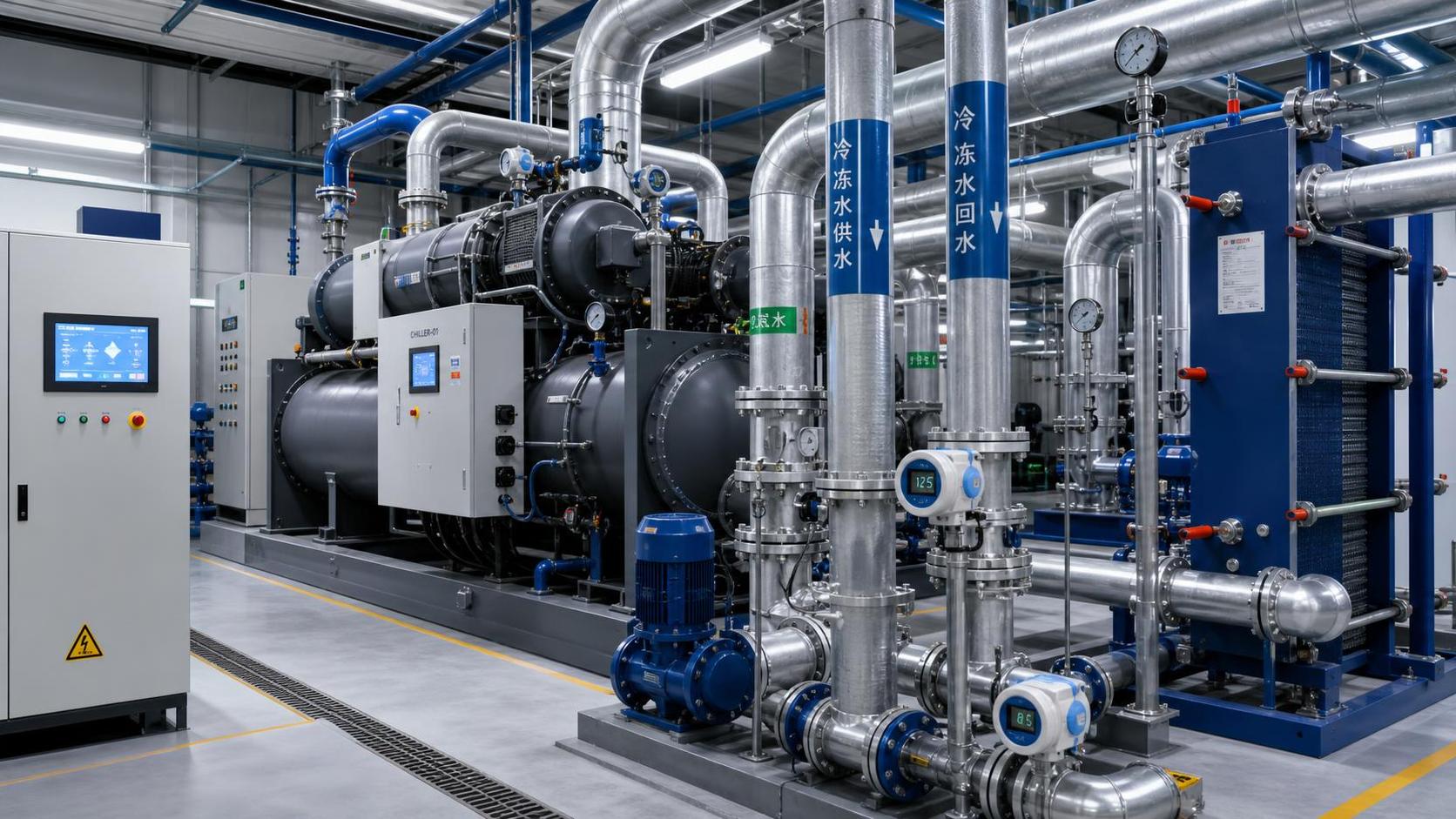
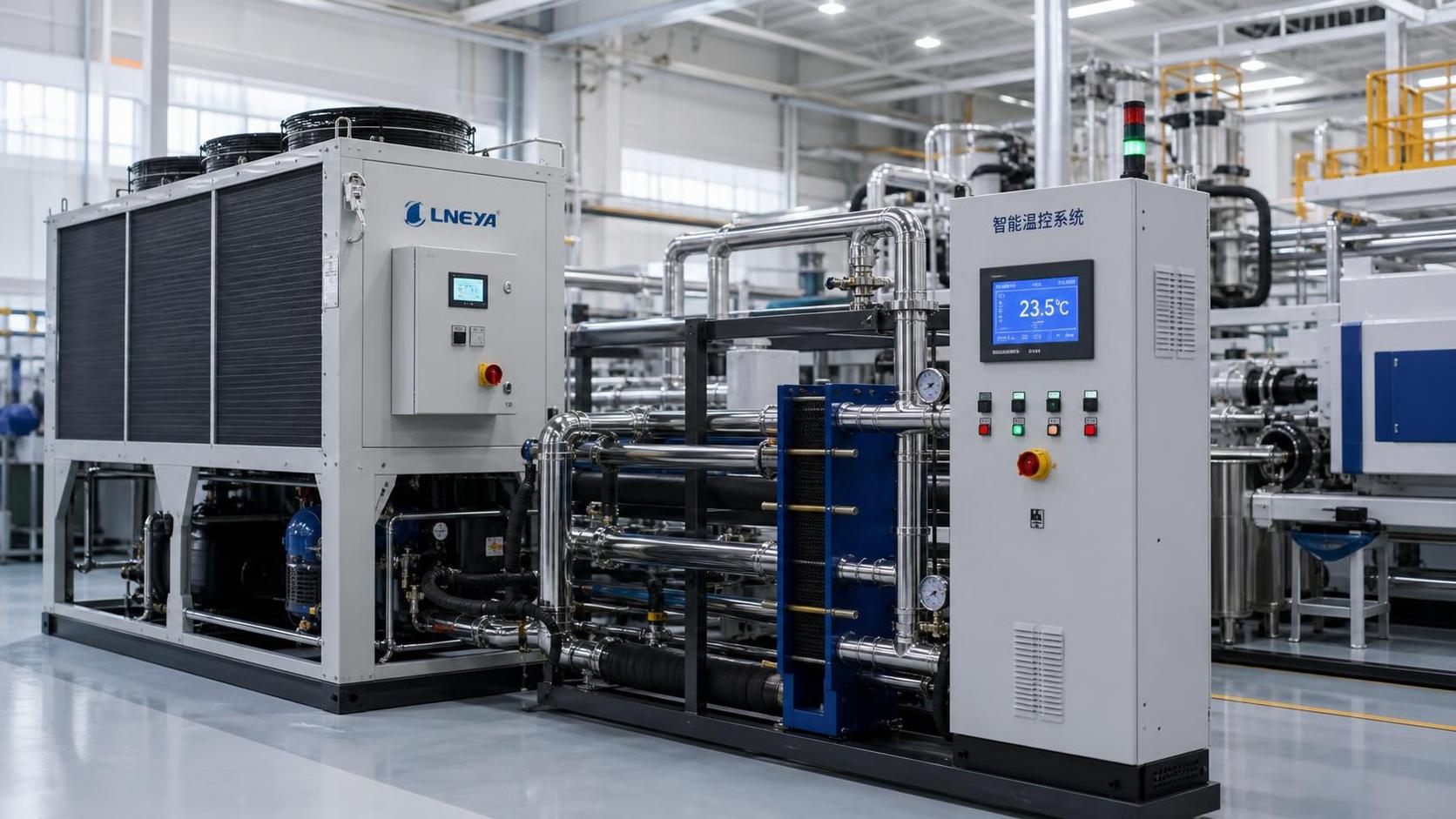
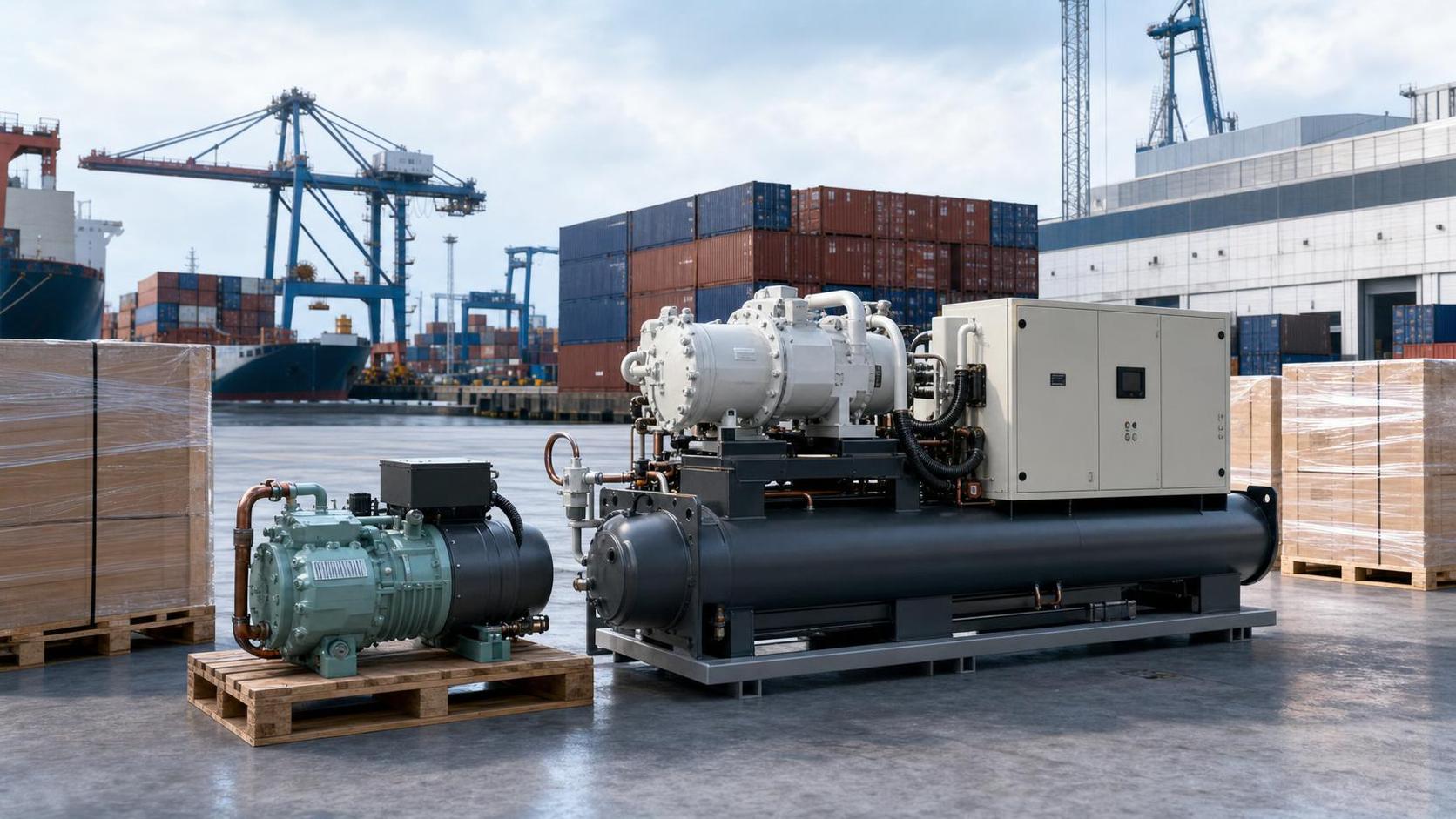
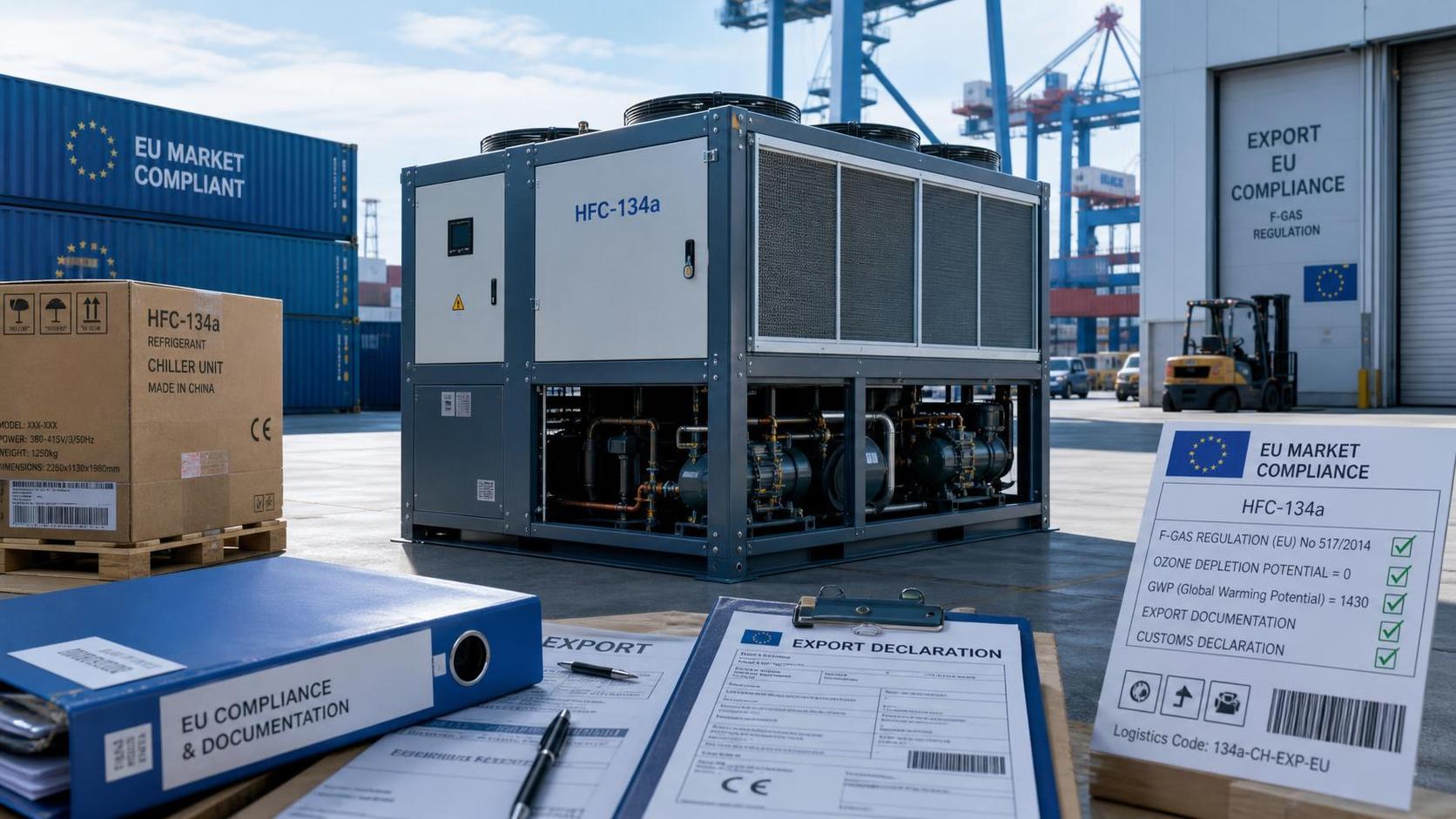
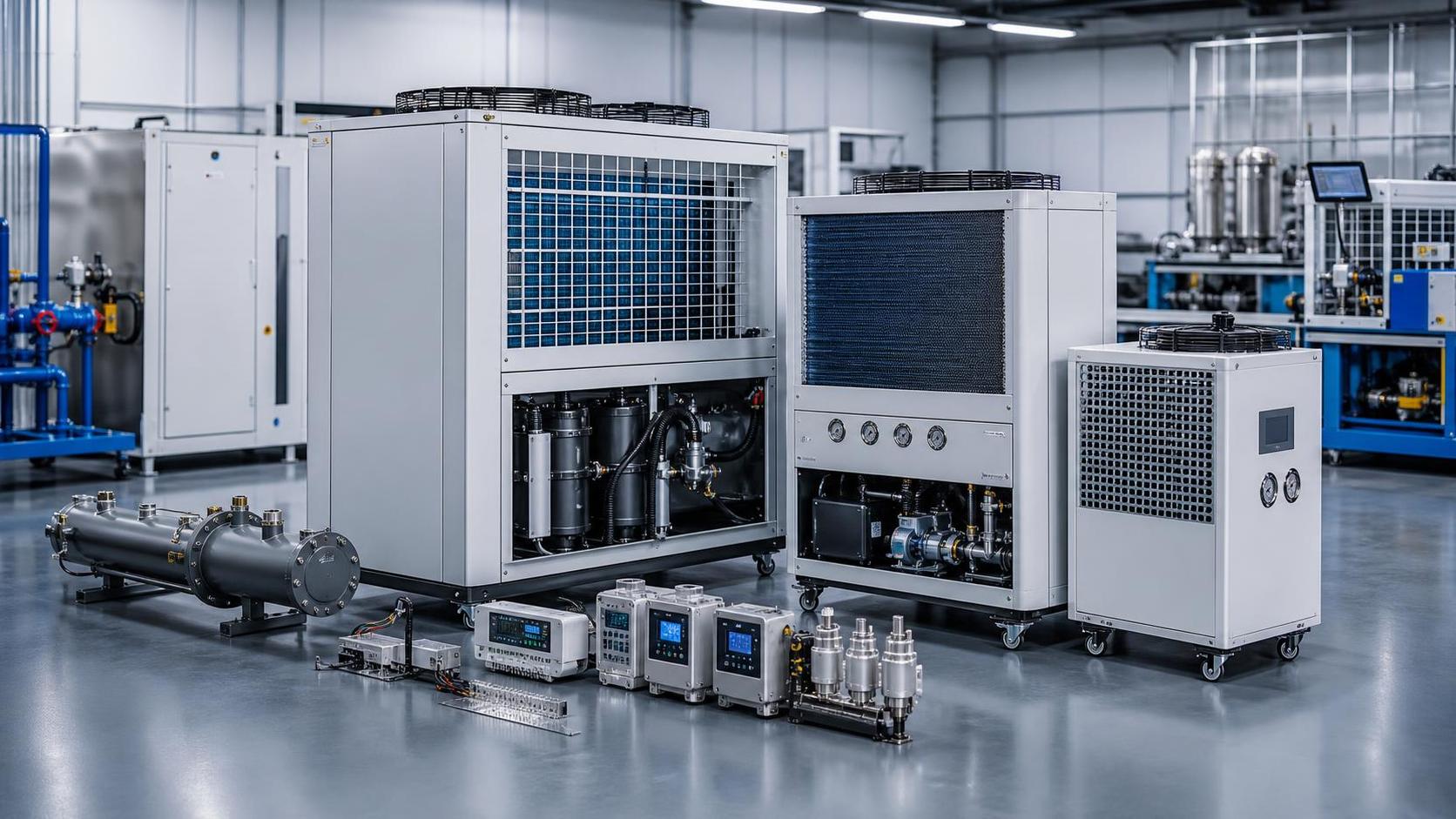
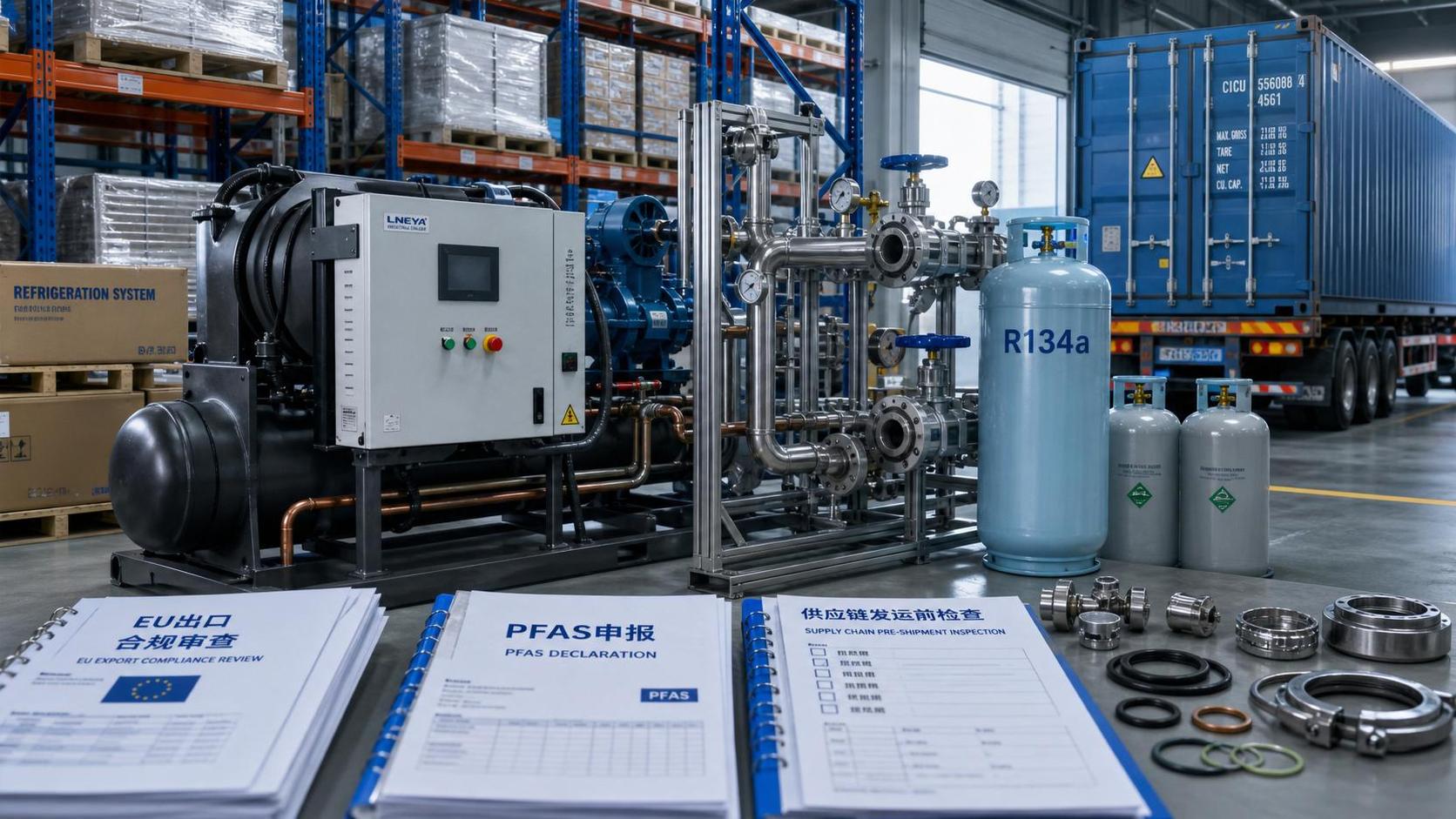
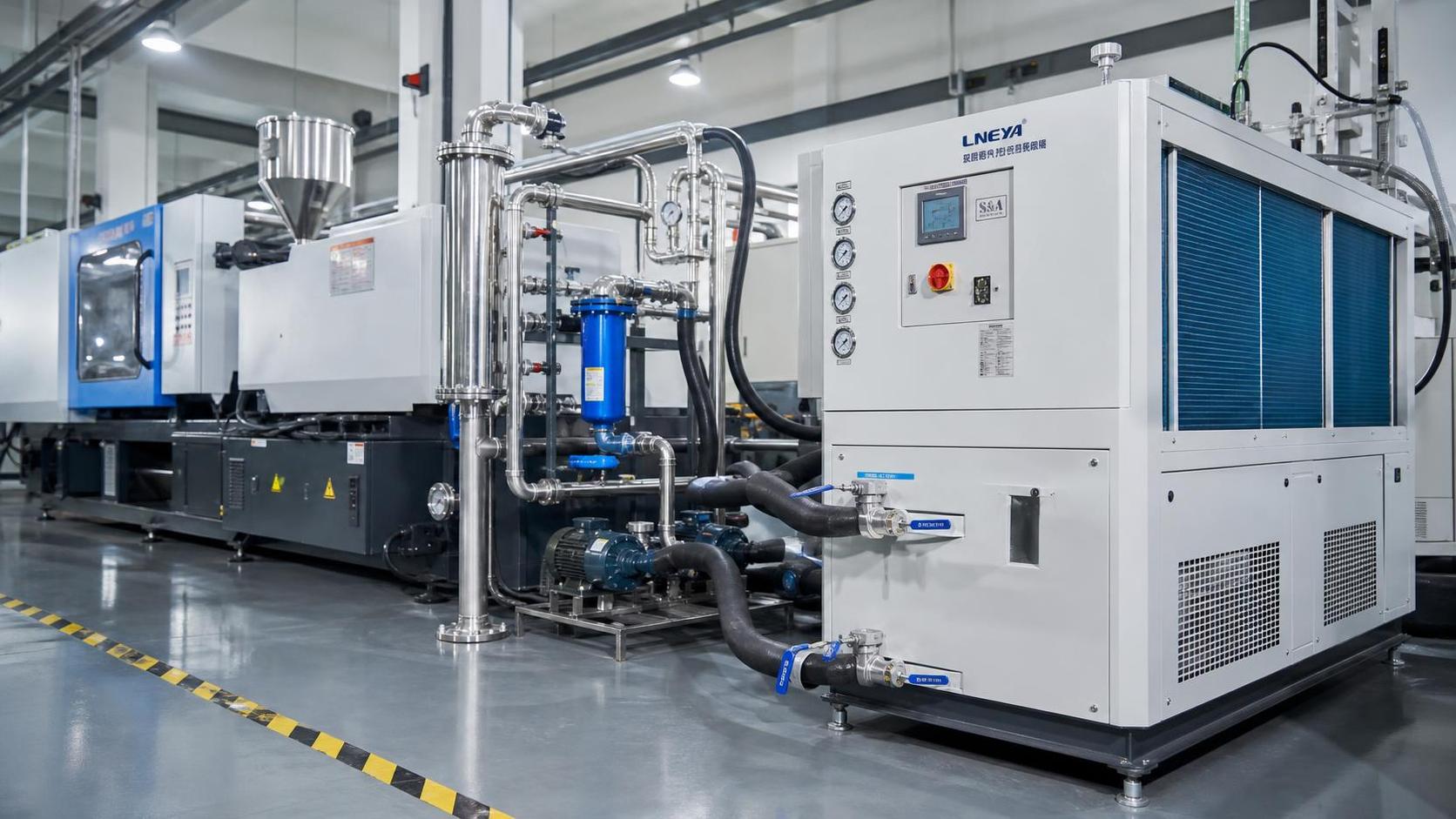
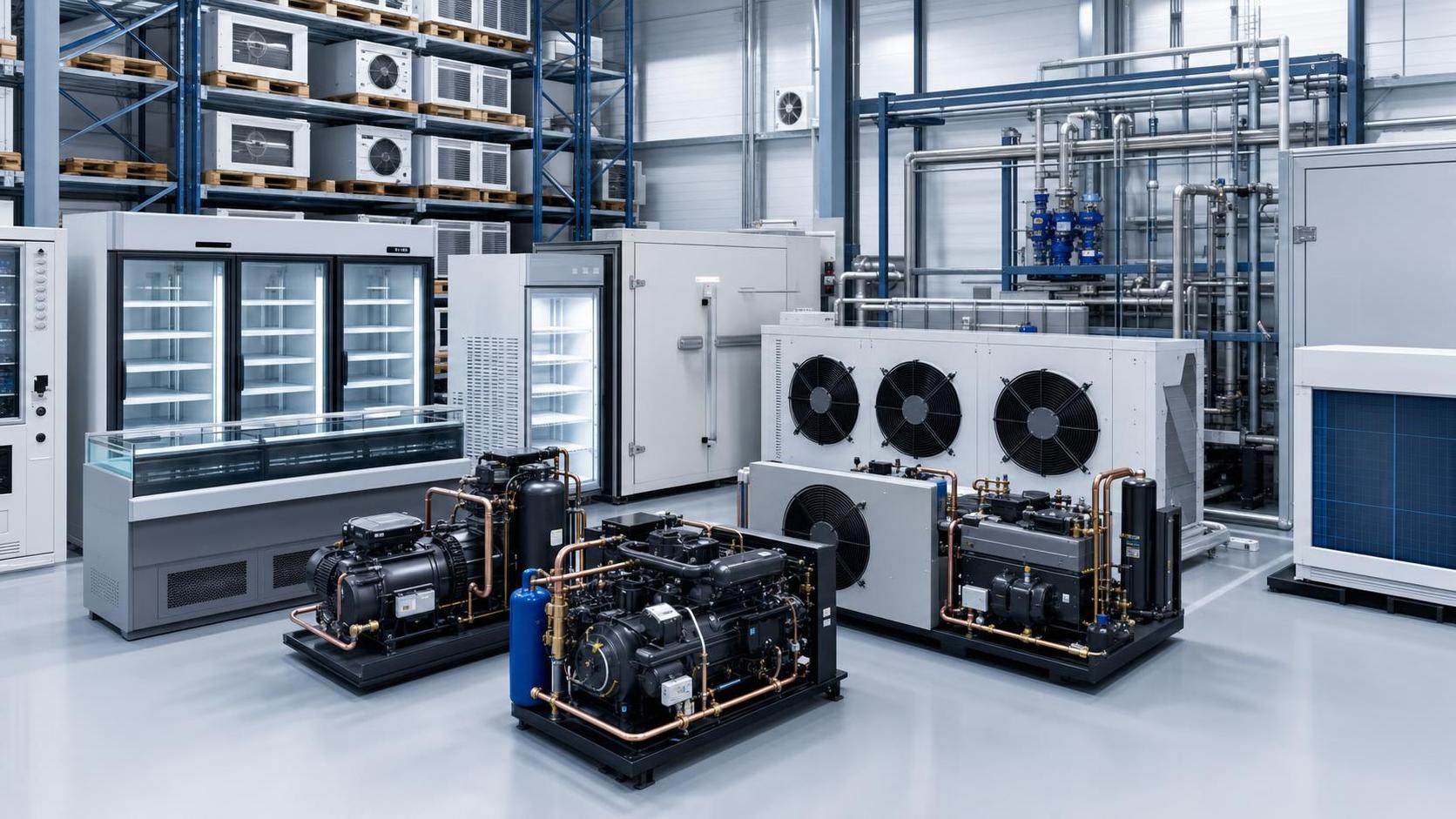
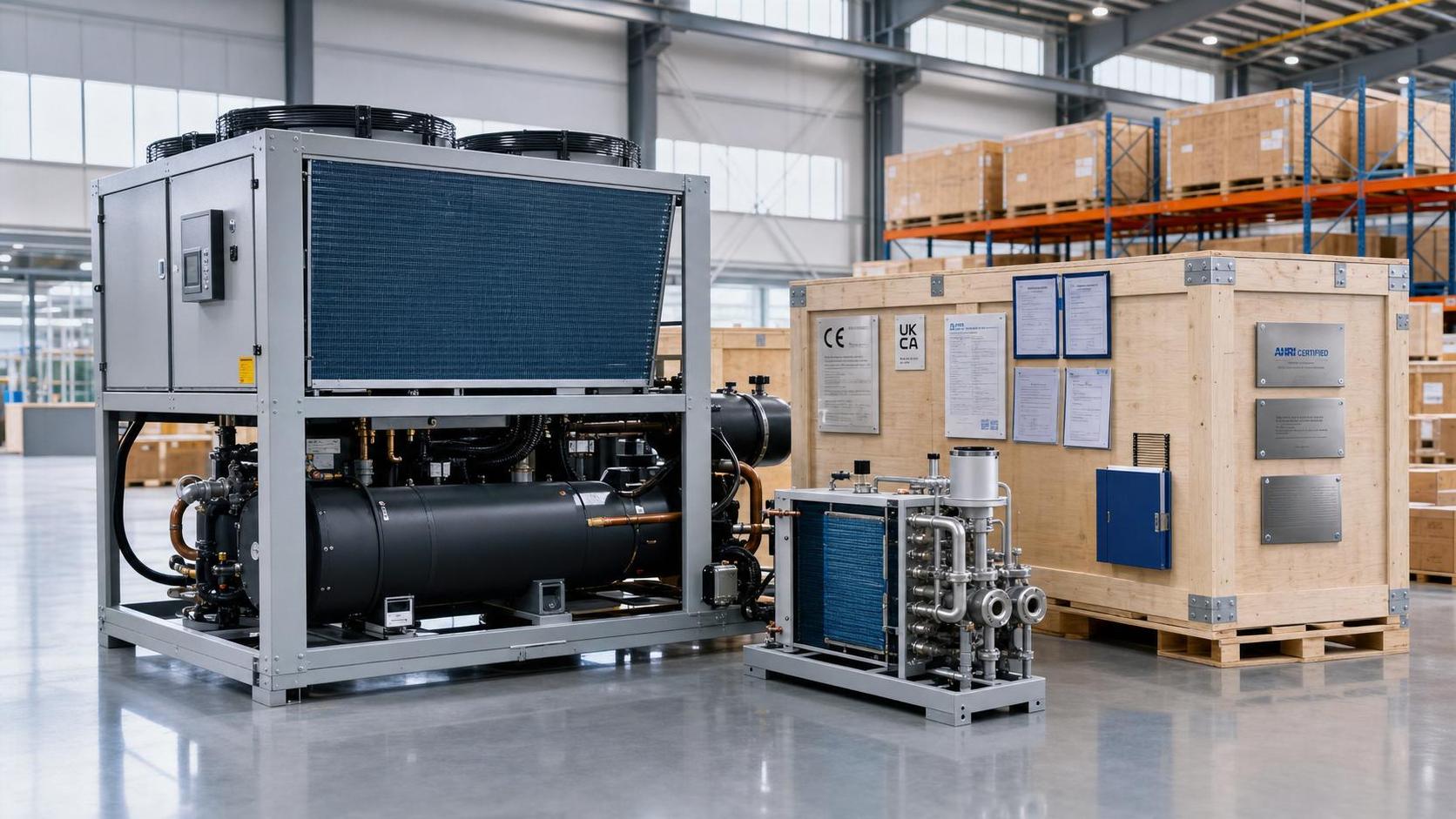
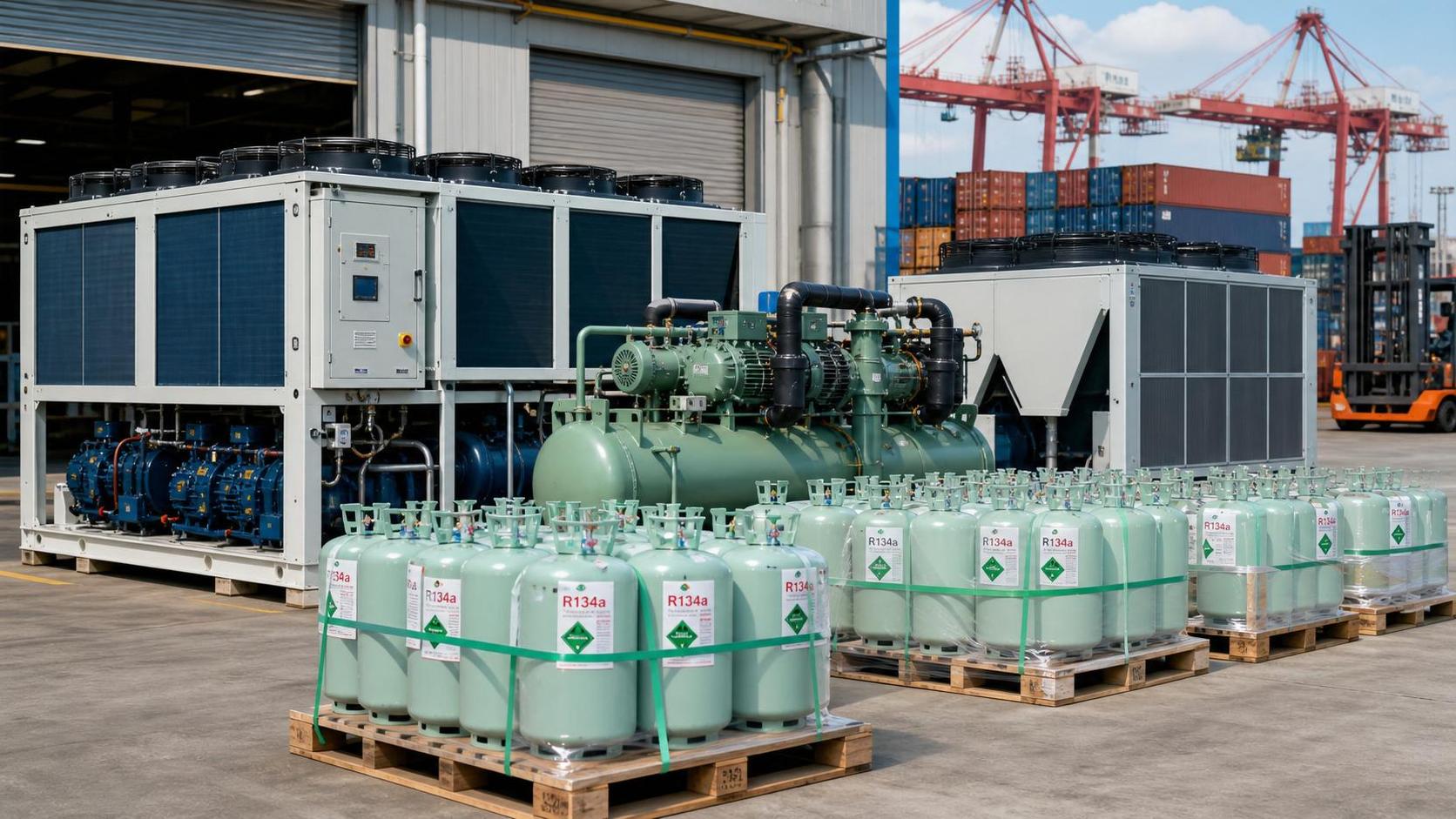
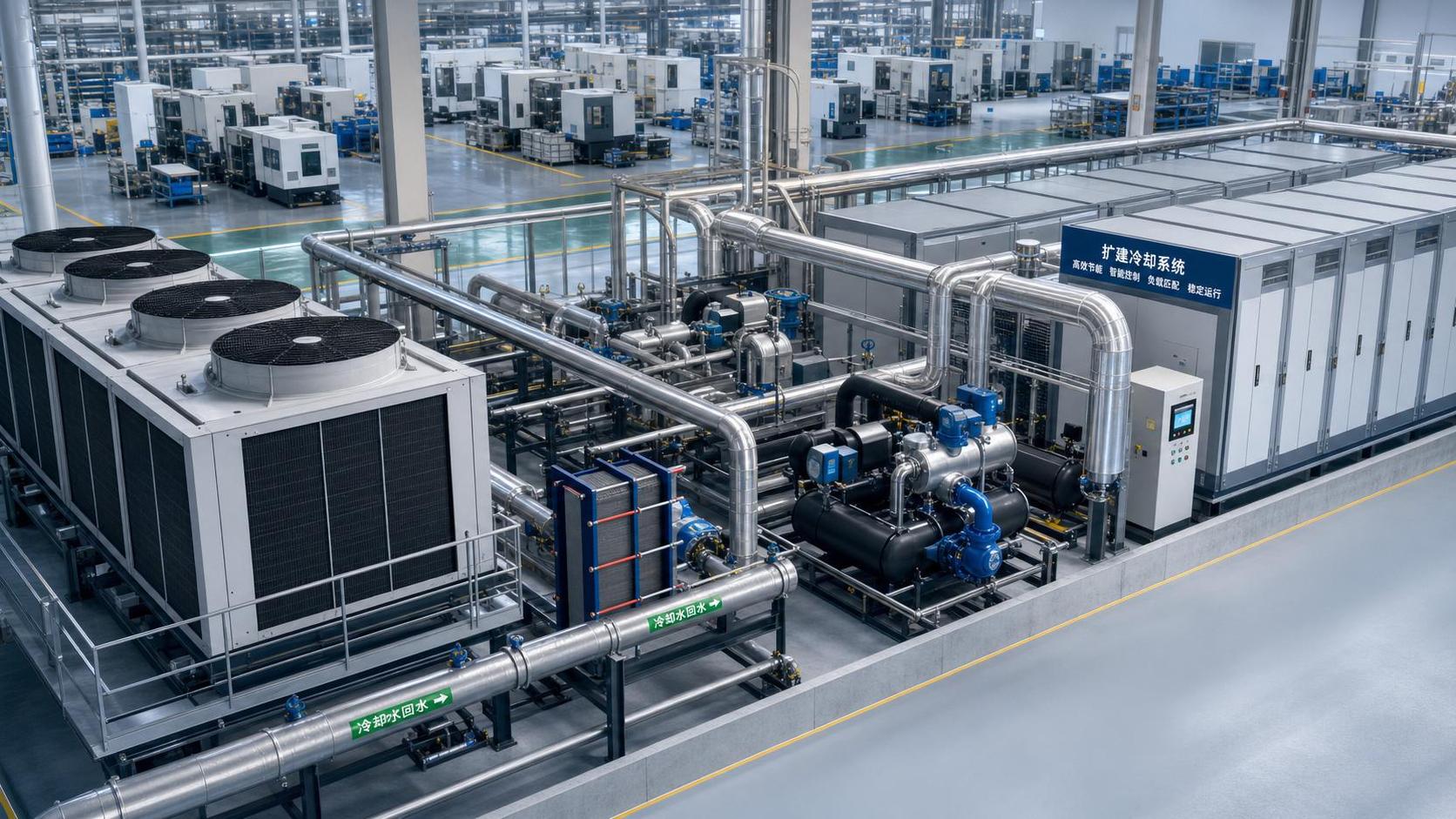
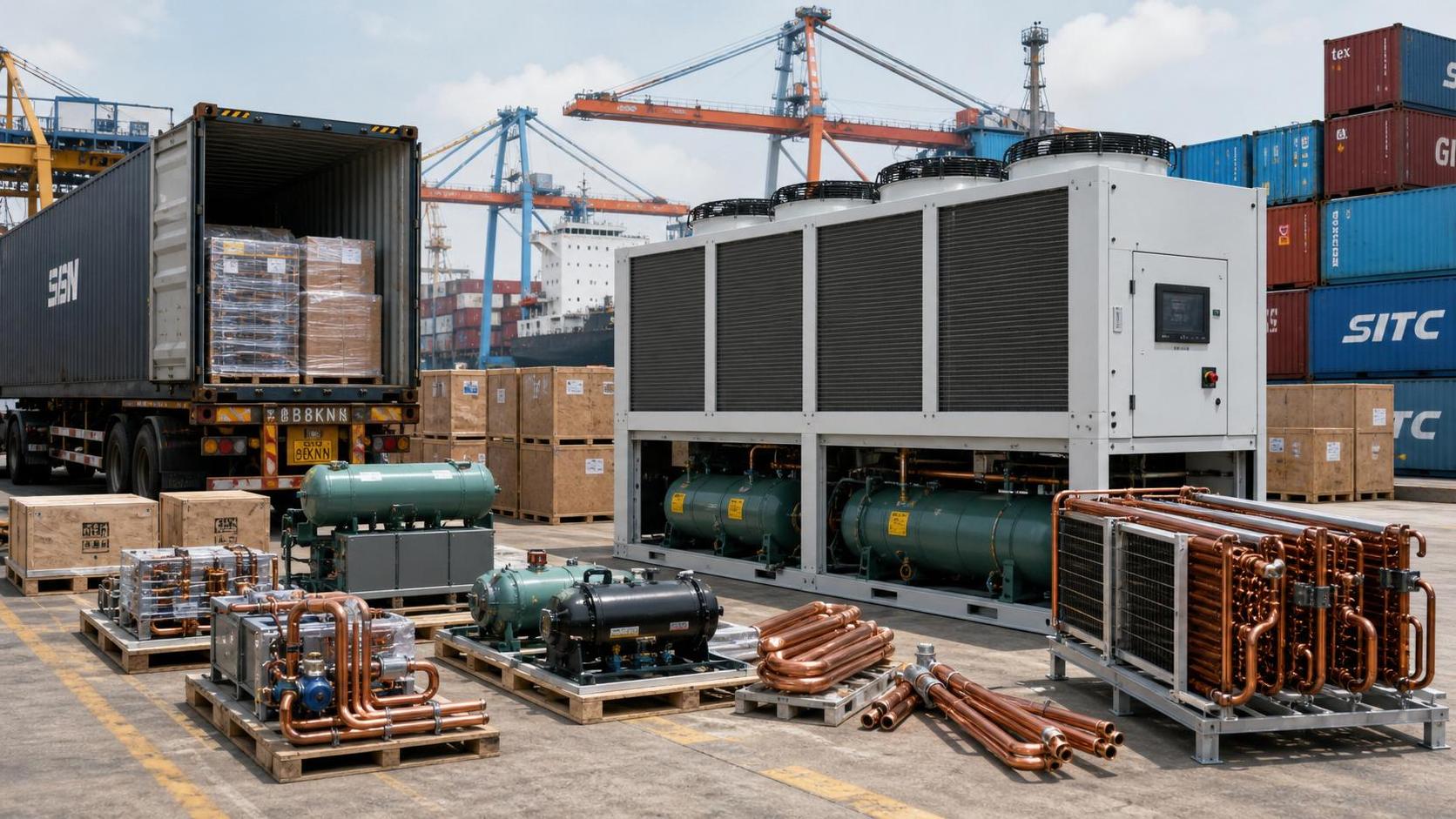
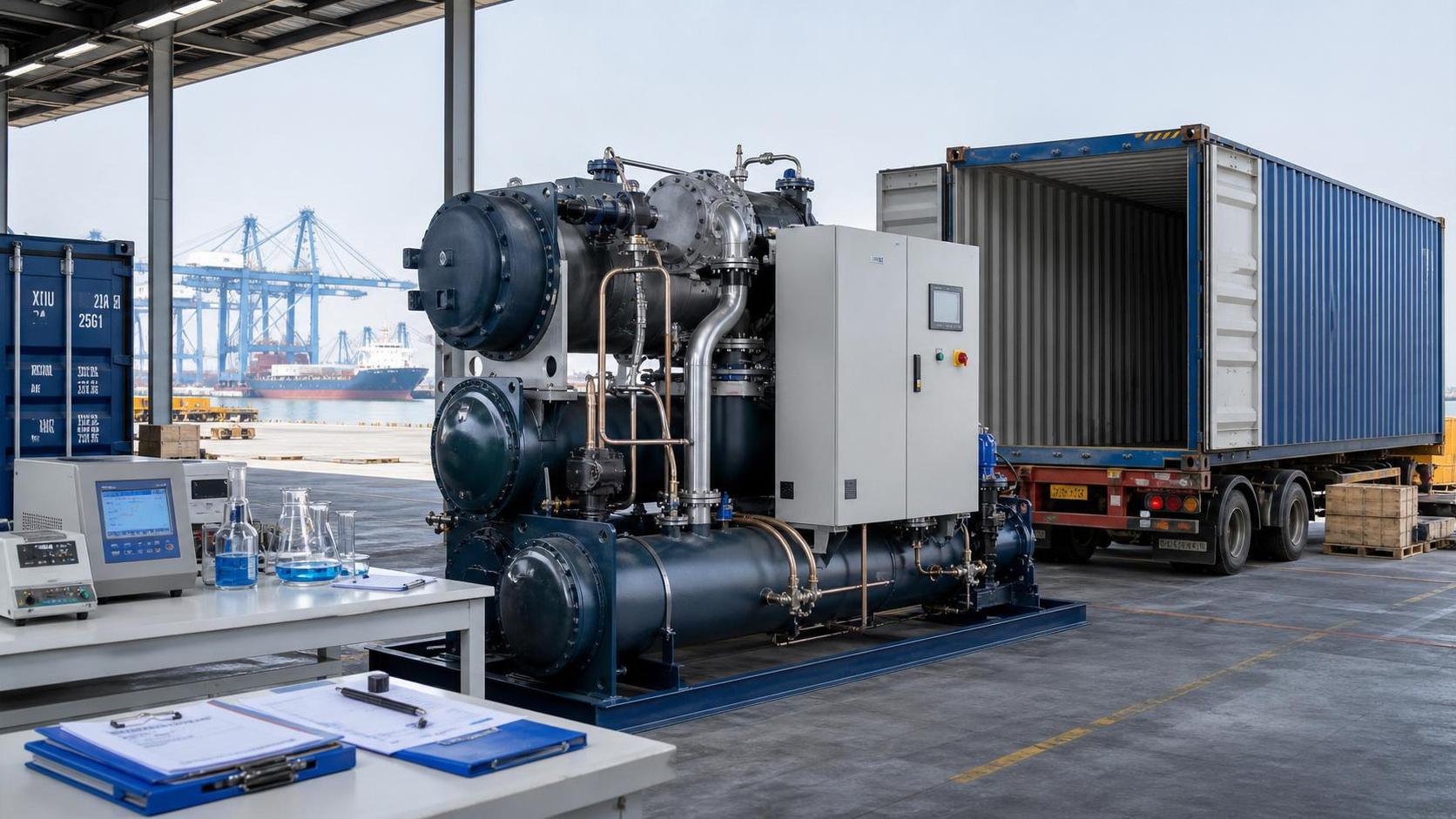
Place one policy-and-trade themed image near the opening section to visually connect the tariff adjustment with electric vehicle supply chains, agricultural imports, and industrial cooling equipment exports.
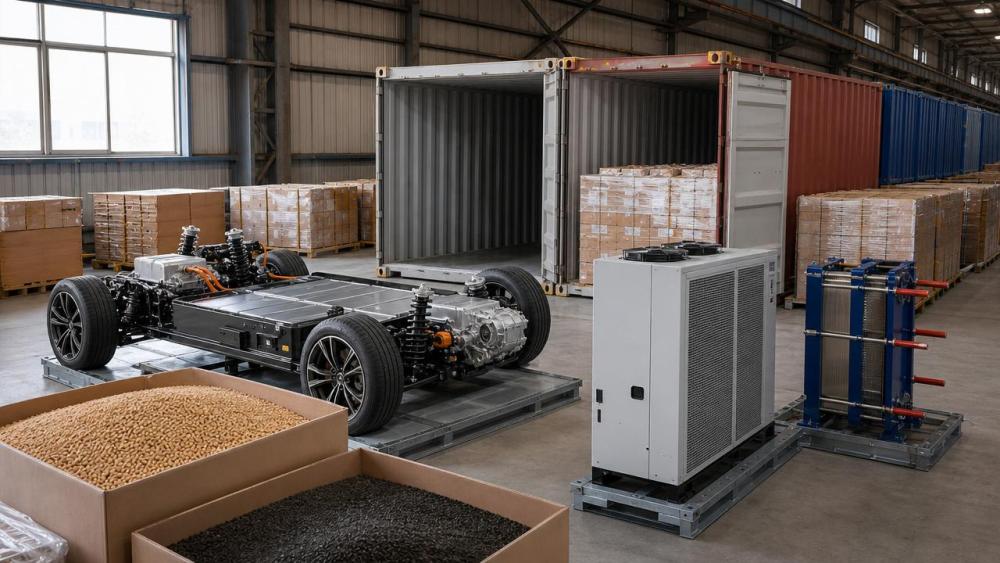
On June 3, 2026, the latest policy update indicated that Canada has removed its 100% additional tariff on electric vehicles from China, while China has lowered import tariffs on major Canadian agricultural products such as canola and soybeans. The adjustment is relevant to manufacturers and suppliers involved in power drive modules for industrial cooling systems, including Industrial Chillers and intelligent control systems for Cooling Towers, as well as export-oriented heat exchanger makers such as Plate Exchangers and Shell & Tube equipment producers, because it may affect overseas compliance access and cost structures.
Confirmed Policy Movement on Both Sides
The confirmed information available for this article is limited to the following: Canada has formally cancelled the 100% additional tariff previously applied to electric vehicles from China. At the same time, China has reduced import tariffs on key Canadian agricultural products, including canola and soybeans.
The event date provided is June 3, 2026. The policy update is described as a two-way concession involving electric vehicle trade and agricultural product imports. The input also states that this change directly benefits companies connected with power drive modules for industrial cooling systems and export-oriented heat exchange equipment, particularly where overseas compliance access and cost optimization are involved.
How the Rule Change May Reach Industrial Participants
Direct trade companies
Direct trade companies may be affected because tariff adjustments can change the commercial basis for cross-border transactions. For businesses handling electric vehicle-related components, industrial cooling equipment, or heat exchanger exports, the most relevant business links include quotation structures, customs cost estimates, contract pricing, and customer communication.
These companies may need to monitor whether buyers revise procurement plans, whether customs documentation requirements are updated, and whether product classification or declared usage descriptions need closer review during export or import procedures.
Raw material procurement companies
Raw material procurement companies may be influenced by the reduction of Chinese import tariffs on Canadian agricultural products, especially where broader trade normalization improves purchasing expectations or supplier negotiations. While the confirmed information concerns canola and soybeans, procurement teams in industrial manufacturing may still need to watch how tariff policy changes affect logistics capacity, supplier confidence, and cross-border purchasing schedules.
From an operational perspective, the key business links include supplier qualification, purchase order timing, landed cost review, and inventory planning. Companies should pay attention to whether tariff changes lead to adjustments in procurement terms, delivery windows, or customs clearance procedures.
Processing and manufacturing enterprises
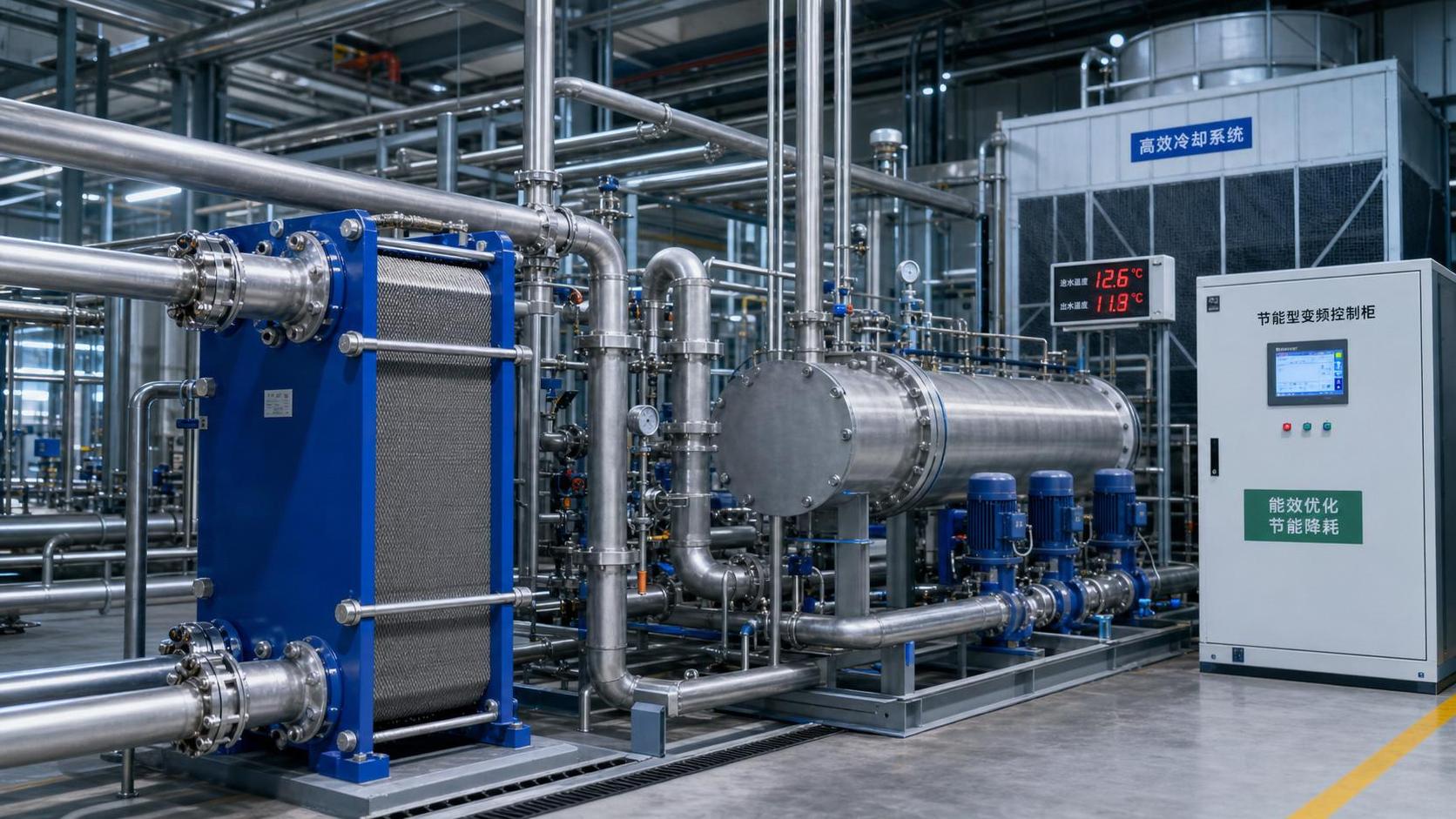
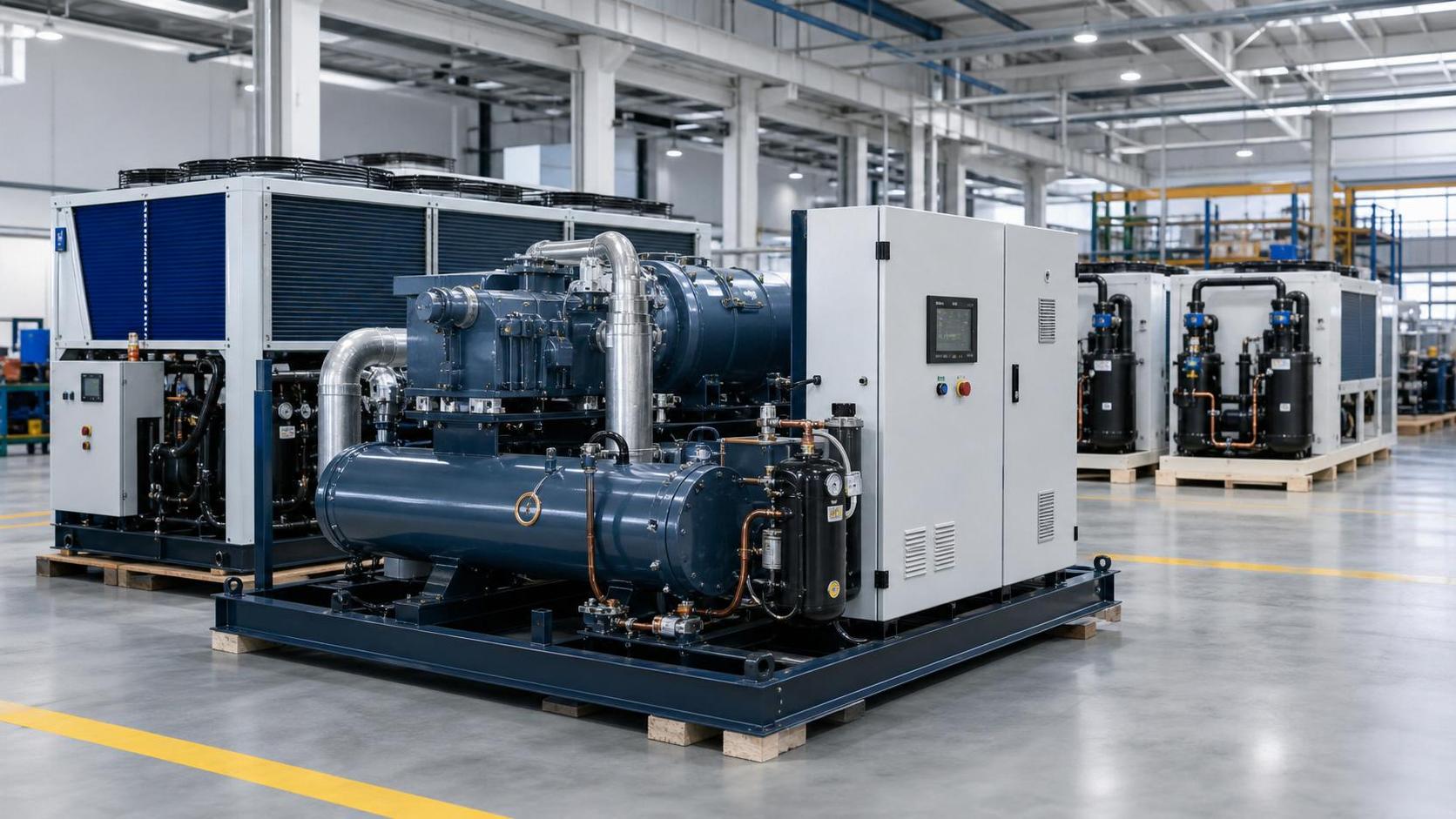
Manufacturers of Industrial Chillers, Cooling Towers control systems, Plate Exchangers, and Shell & Tube equipment may be affected because lower trade barriers can improve the cost environment for export-oriented supply chains and make overseas market entry more practical. The effect is especially relevant where industrial cooling products are supplied to projects linked with electrification, energy equipment, or cross-border manufacturing.
The affected business links may include equipment configuration, compliance documentation, technical specifications, cost accounting, and production scheduling. Manufacturers may need to review whether overseas customers update technical tender requirements, certification expectations, or lifecycle documentation requests after the tariff adjustment.
Supply chain service providers
Supply chain service providers, including logistics coordinators, customs service providers, inspection support teams, and after-sales coordination partners, may see changes in shipment planning and documentation workloads. When tariff rules change, clients often require clearer confirmation of product descriptions, customs codes, commercial invoices, and compliance files.
These service providers should focus on customs declaration accuracy, lead-time coordination, traceability records, and communication between exporters, importers, and downstream buyers. Any change in trade rules may increase the need for timely documentation review even when the basic product remains unchanged.
Priority Actions for Equipment and Component Suppliers
Recheck certification files for overseas access
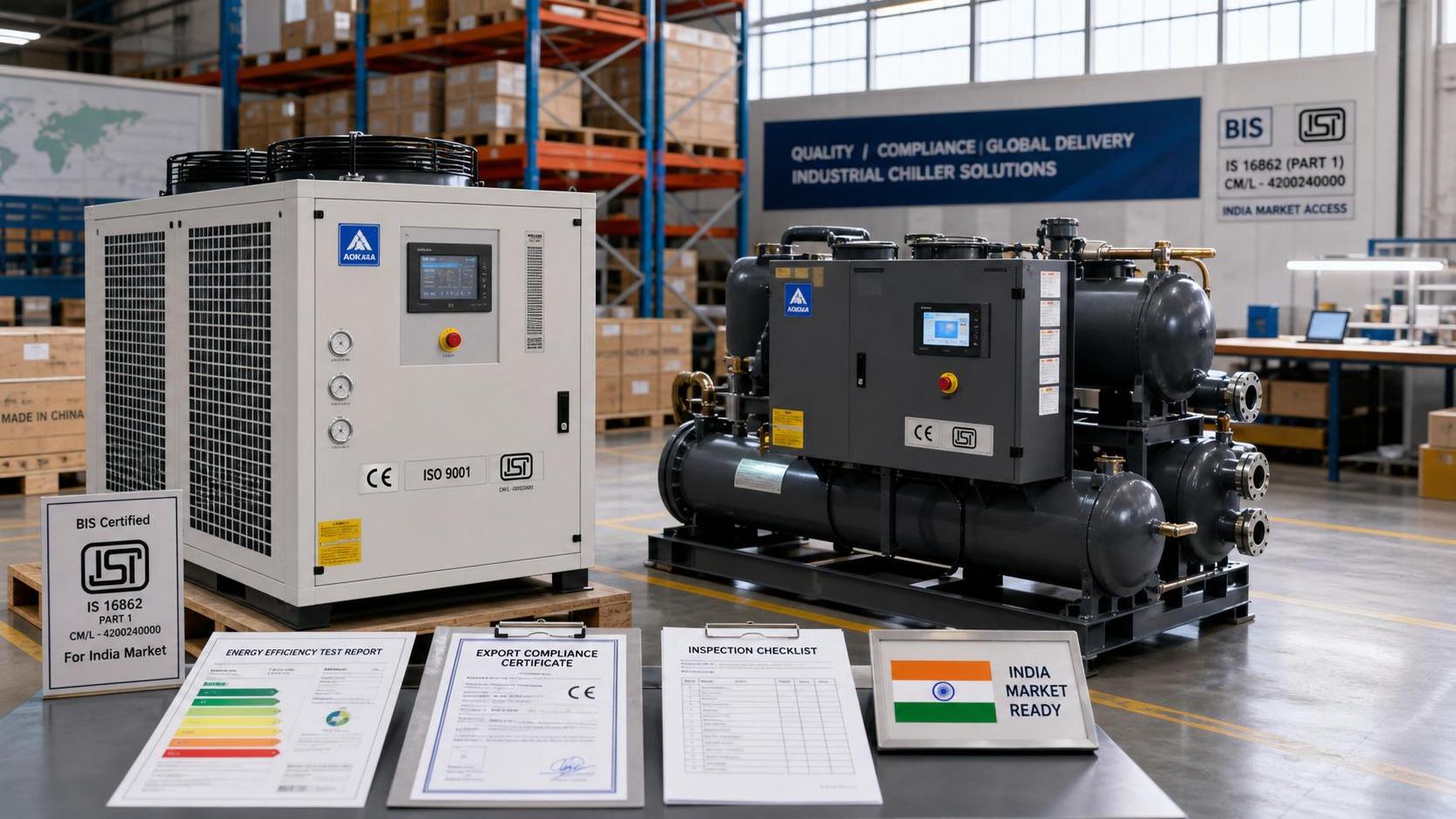
Suppliers of power drive modules, intelligent cooling controls, Industrial Chillers, Cooling Towers, Plate Exchangers, and Shell & Tube systems should review existing certification files and compliance evidence before treating the tariff change as a simple cost reduction. Tariff relief may improve market access conditions, but product conformity, safety documentation, and destination-market requirements remain separate checkpoints.
Align technical bids with updated cost assumptions
Companies participating in overseas tenders should revisit technical bid alignment and specification documents. If customers respond to the tariff change by restarting or revising procurement discussions, suppliers may need to update pricing models, delivery commitments, warranty terms, and equipment configuration notes without weakening compliance statements.
Prepare component and equipment plans earlier
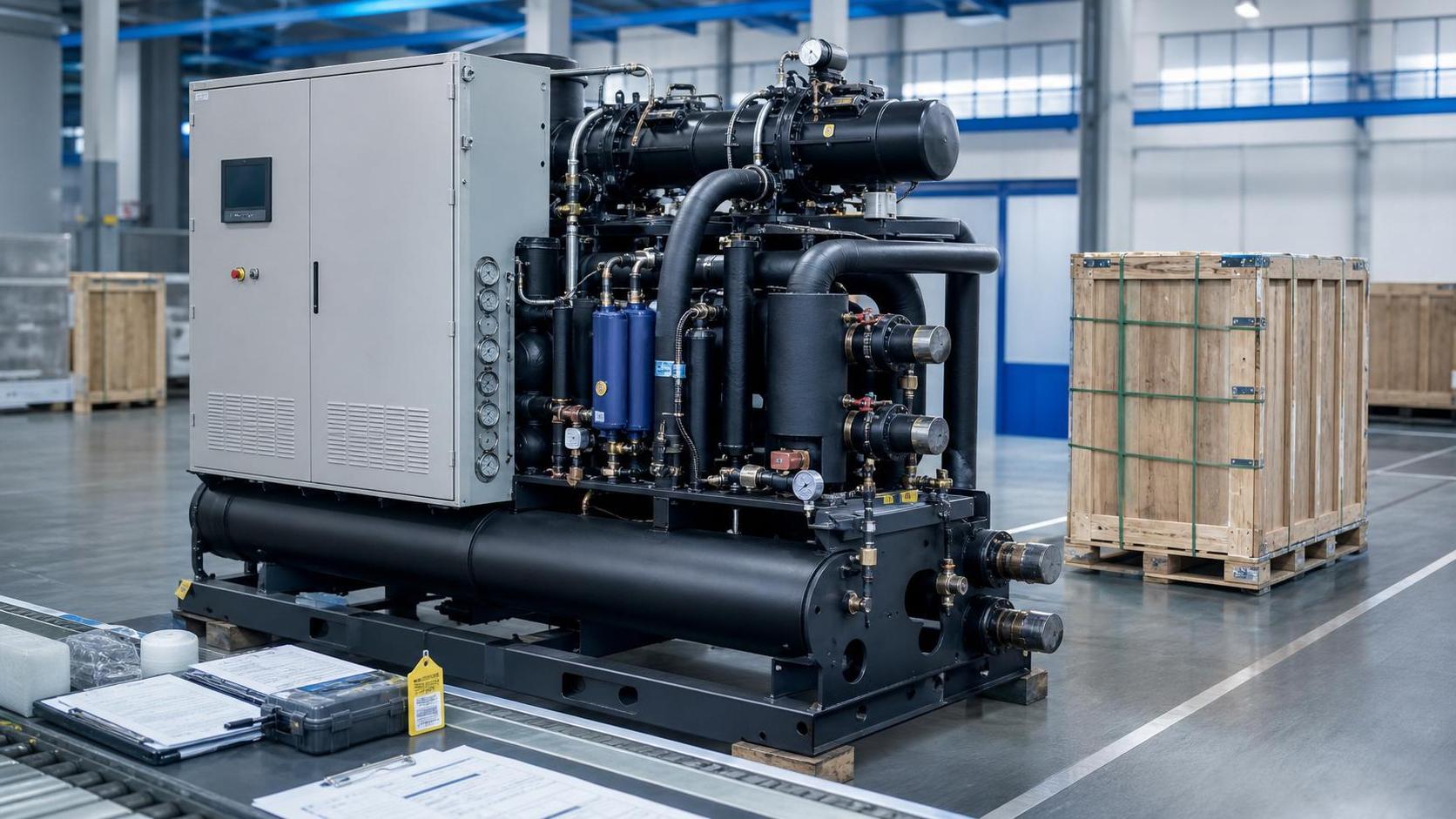
For export-oriented heat exchange equipment and industrial cooling systems, procurement of drive modules, control components, plates, tubes, shells, and related accessories should be reviewed against expected delivery cycles. Analysis shows that tariff adjustments can create short-term changes in order timing, so companies should avoid relying only on previous shipping and sourcing schedules.
Strengthen supplier qualification and traceability
Companies should maintain clear supplier qualification records, inspection reports, testing documents, and quality traceability files. This is particularly important for products used in industrial cooling systems, where downstream customers may ask for lifecycle evidence, after-sales records, and technical documentation to support overseas compliance review.
Industry Reading: Lower Tariffs Do Not Remove Compliance Work
From an industry perspective, this development is more appropriate to understand as a potential improvement in trade conditions rather than a complete removal of market entry barriers. The confirmed tariff adjustments may support cost structure optimization, but certification review, customs documentation, product safety evidence, and technical specification alignment will continue to shape actual market access.
Analysis shows that manufacturers with mature documentation systems may be better positioned to respond when buyers update procurement plans. What deserves closer attention is whether future bidding documents place more emphasis on compliance evidence, equipment lifecycle validation, or supplier traceability as trade activity becomes more active.
Observably, the policy movement may also encourage companies to reassess overseas after-sales service preparation. For industrial cooling equipment and heat exchangers, buyers often evaluate not only purchase cost but also maintenance availability, spare parts support, and technical response capability. These factors should be treated as part of the broader compliance and commercial readiness package.
A Measured Outlook for Industrial Cooling and Heat Exchange Markets
The cancellation of Canada’s additional tariff on electric vehicles from China and China’s reduction of tariffs on selected Canadian agricultural products represent a notable trade-rule adjustment. For industrial cooling system suppliers and heat exchanger manufacturers, the significance lies in the possible improvement of overseas access conditions and cost planning flexibility.
However, the actual business impact will depend on how customers, customs procedures, certification requirements, and tender documents respond after the policy shift. Companies should treat the change as a signal to strengthen compliance readiness, not as a guarantee of immediate market expansion.
Source Note and Items to Watch
This article is based on the user-provided news title, event date, and event summary. Specific official source links were not provided in the input and should be verified continuously.
For events of this type, companies would usually monitor official tariff notices, customs guidance, trade policy announcements, certification requirements, and tender documentation. Further attention should be given to detailed implementation rules, certification enforcement practices, changes in bidding documents, customs interpretation, and feedback from affected industries.
Related News
- How Smart Thermal Systems Improve Industrial Cooling EfficiencyAuthor :Cryogenic Systems Expert

- How to Choose Process Cooling Equipment for Stable Temperature ControlAuthor :Cryogenic Systems Expert

- EU Finalizes 2026 HFC Quota Cut for R-134a ChillersAuthor :Cryogenic Systems Expert

- EU Tightens HFC-134a Quotas for Industrial ChillersAuthor :Cryogenic Systems Expert

- REACH SVHC Update Pressures HFC-134a Chiller Supply ChainsAuthor :Cryogenic Systems Expert

- EU PFAS Coolant Ban Reshapes Chiller ExportsAuthor :Cryogenic Systems Expert

- EU REACH Restricts PFAS Cooling Media ImportsAuthor :Cryogenic Systems Expert

- EU Ecodesign Rule Takes Effect for Industrial ChillersAuthor :Cryogenic Systems Expert

- EU REACH Rule Takes Effect for PFAS in Industrial Cooling ExportsAuthor :Cryogenic Systems Expert

- Industrial Cooling for Plastic Processing: How to Size for Stable Cycle TimesAuthor :Cryogenic Systems Expert

- EU F-Gas Update Bars R404A/R507 in Commercial CoolingAuthor :Cryogenic Systems Expert

- DOE Raises Chiller Efficiency Standard From October 2026Author :Cryogenic Systems Expert

- India Mandates BIS Energy Certification for Industrial ChillersAuthor :Cryogenic Systems Expert

- Energy-Efficient Heat Exchange for Process Cooling: Cost vs PaybackAuthor :Cryogenic Systems Expert

- EPA R-134a Import Ban Takes Effect on July 13, 2026Author :Cryogenic Systems Expert

- India BIS Rule Takes Effect for Industrial ChillersAuthor :Cryogenic Systems Expert

- EPA Cuts R134a Import Quotas 20% From July 10Author :Cryogenic Systems Expert

- How to Compare Energy-Efficient Cooling Systems for Factory Expansion ProjectsAuthor :Cryogenic Systems Expert

- Chiller Price Index Rises 11.3% in Q2Author :Cryogenic Systems Expert

- Saudi SASO Tightens Chiller Import Compliance From July 10Author :Cryogenic Systems Expert

- Dubai Opens Fast-Track Chiller TendersAuthor :Cryogenic Systems Expert

- Japan Raises Chiller COP Floor to 6.2 From Sept. 1Author :Cryogenic Systems Expert
![]()
- Compact Thermal Management in Smart Devices: Common Failure RisksAuthor :Cryogenic Systems Expert

- Thermal Management for Batteries: Cooling Methods ComparedAuthor :Cryogenic Systems Expert

- How Compact Thermal Design Extends Smart Device UptimeAuthor :Cryogenic Systems Expert

- Shanghai-Rotterdam Reefer Rates Jump 37% in a WeekAuthor :Cryogenic Systems Expert

- Process Cooling Equipment Low Maintenance: What Cuts Downtime Over 5 Years?Author :Cryogenic Systems Expert

- Semiconductor Cooling Solutions: Which Design Works Best for High-Density Tools?Author :Cryogenic Systems Expert

- Semiconductor Thermal Management Systems: Preventing Yield Loss from Heat DriftAuthor :Cryogenic Systems Expert

- EPA Clears R-1234ze(E) for Industrial ChillersAuthor :Cryogenic Systems Expert
 for Industrial Chillers")
- DOE Raises Chiller IEER Floor to 12.8 From Oct. 2026Author :Cryogenic Systems Expert

- Singapore Refrigeration Show Adds Green Compliance HubAuthor :Cryogenic Systems Expert

- How Food Industry Temperature Control Systems Reduce Product LossAuthor :Cryogenic Systems Expert

- EU REACH Adds 12 SVHCs, Raising Chiller Compliance RiskAuthor :Cryogenic Systems Expert

- Precision Temperature Control Air Cooling: Key Setup Mistakes That Reduce StabilityAuthor :Cryogenic Systems Expert

- India BEE Eyes APF Labels for Imported ChillersAuthor :Cryogenic Systems Expert