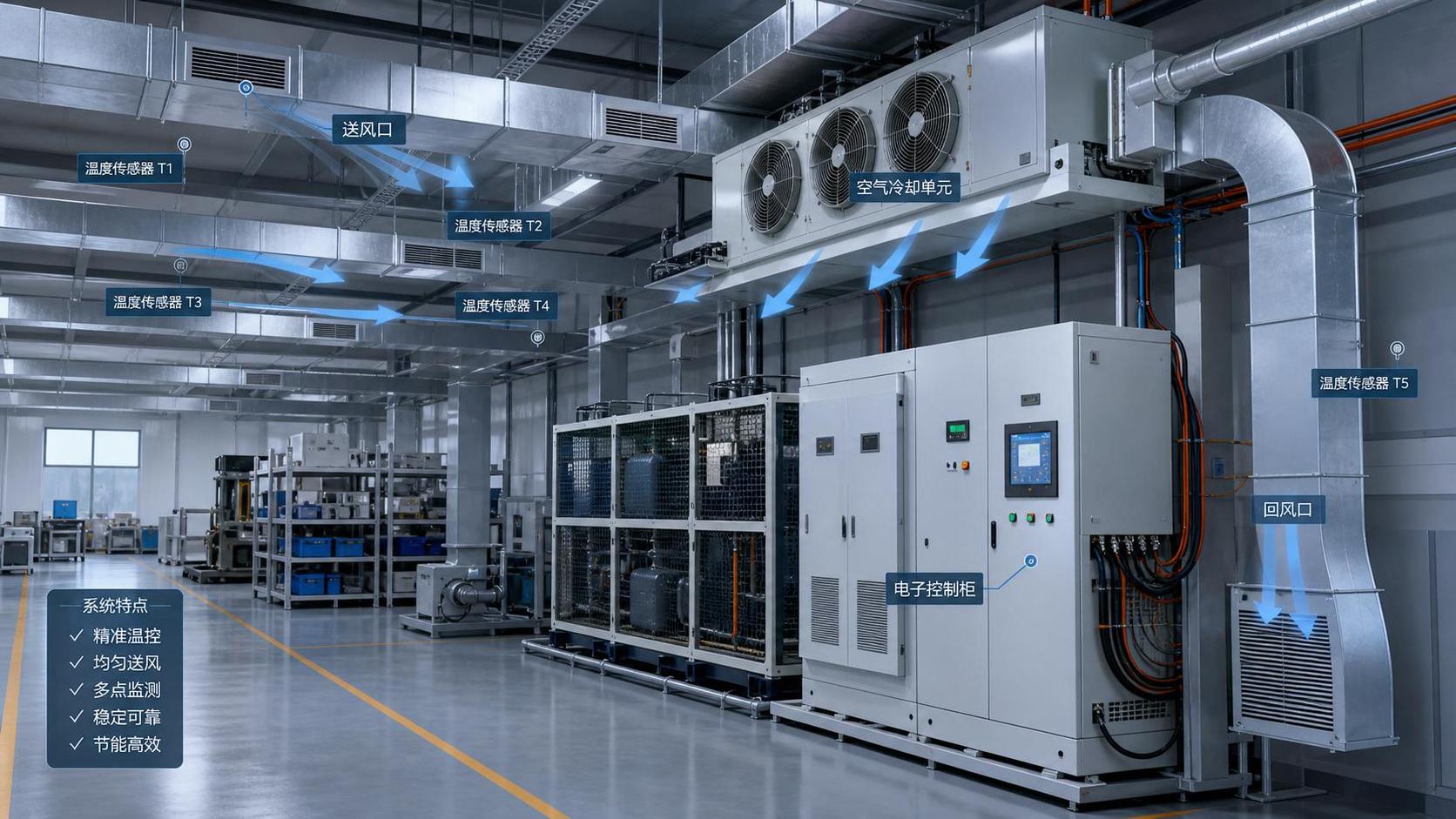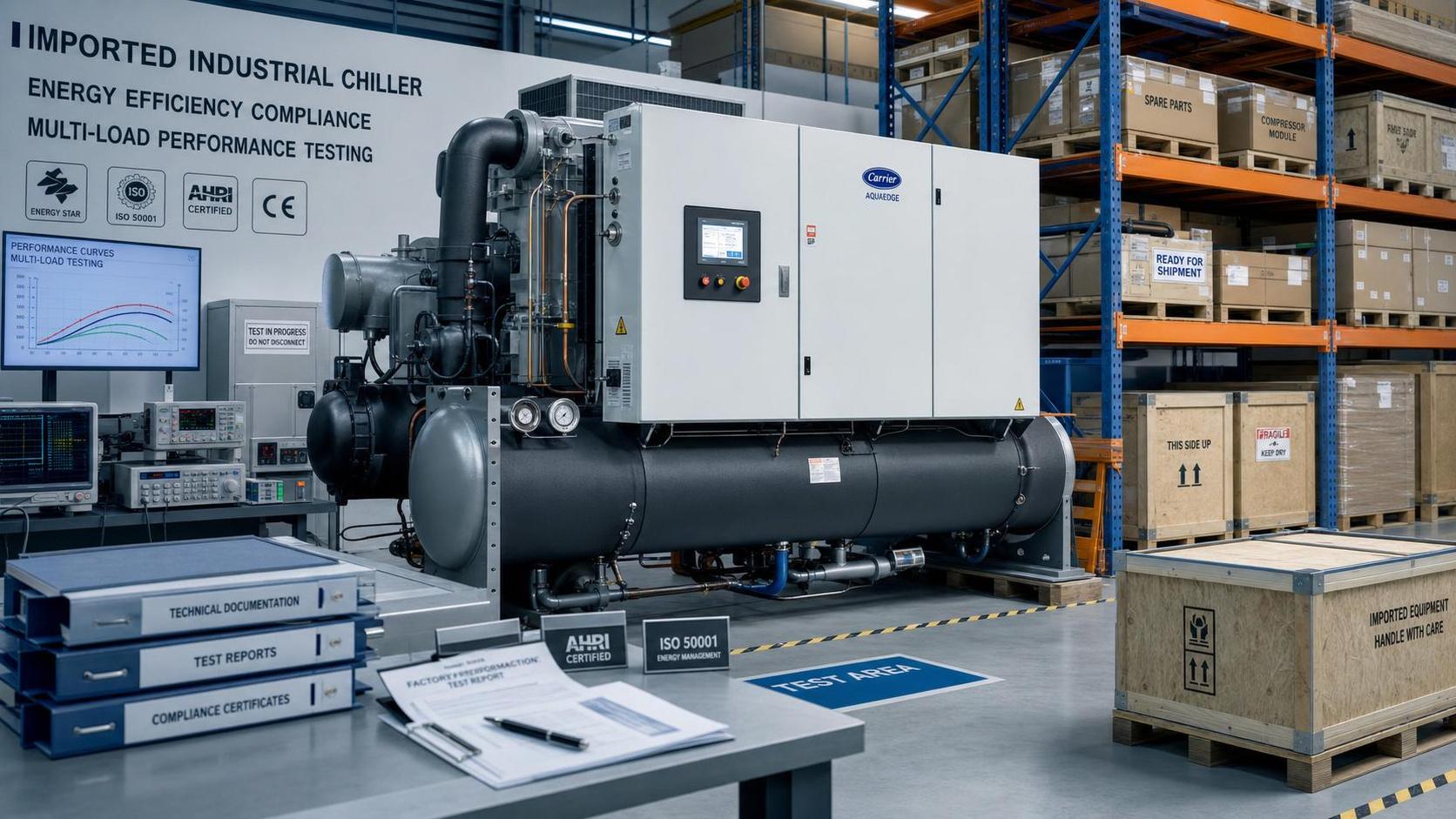




Thermal Management Problems That Quietly Raise Downtime and Operating Costs




Why do thermal management problems stay invisible until costs jump?
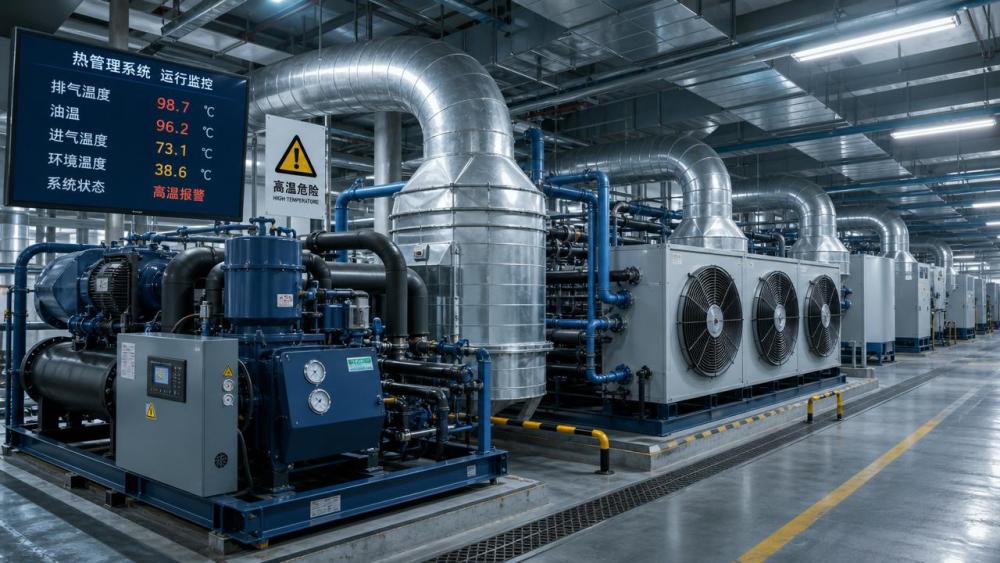
Thermal management rarely fails in one dramatic moment. It usually drifts out of control through small temperature swings, clogged paths, and overloaded heat rejection points.
That is why downtime often feels sudden even when the warning signs were present for weeks. Energy use rises first, then process stability starts to slip.
In industrial cooling, compressed air, vacuum, and heat exchange systems, thermal imbalance spreads quickly. One hot zone can force nearby components to work harder than planned.
A fan with reduced airflow, a fouled condenser, or a poorly tuned compressor room can all undermine thermal management without triggering an immediate alarm.
The practical effect is expensive. Service visits increase, spare parts wear faster, and operating costs keep climbing even when production appears normal.
This is also why industry platforms such as GTC-Matrix pay close attention to thermodynamic performance, refrigerant policy, and heat exchange trends. Small thermal decisions often shape larger efficiency outcomes.
What are the earliest signs that thermal management is slipping?
The first clues are usually indirect. A system may still run, but it starts consuming more power for the same output.
In actual operations, the more useful question is not whether a machine is on. It is whether the thermal management profile still matches the original load.
Common warning signs include:
- Discharge temperatures trending higher than normal
- Cooling fans running longer or more frequently
- Repeated thermal trips during peak ambient conditions
- Uneven temperatures across panels, exchangers, or piping
- Lubricant breakdown, seal wear, or moisture problems appearing earlier
These symptoms matter because thermal management is not only about preventing overheating. It is also about preserving stable process windows.
A vacuum process can lose consistency. A compressed air package can suffer lower efficiency. A heat exchanger can miss approach temperature targets.
When these signals appear together, the issue is often systemic rather than local. Airflow design, fouling, controls logic, and load distribution may all need review.
Where does thermal management fail first in mixed industrial environments?
The weakest point is rarely the most expensive component. More often, thermal management breaks down at interfaces where heat should move cleanly but does not.
That includes air inlets, fin surfaces, duct bends, coolant channels, control sensors, and room ventilation paths. Minor restriction at those points can distort the whole system.
Facilities with multiple thermal loads face an extra challenge. Compressors, boilers, chillers, drives, and process skids may compete for the same cooling capacity.
The table below helps separate surface symptoms from likely thermal management causes.
This kind of diagnosis is more useful than replacing parts one by one. Thermal management problems often return when root heat paths remain unchanged.
Is poor thermal management mainly an energy issue, or a reliability issue?
It is both, and the two effects reinforce each other. Weak thermal management makes systems consume more energy while also accelerating wear.
A hotter compressor needs more work to deliver the same duty. A hotter electrical cabinet shortens the life of drives, relays, and insulation.
More importantly, thermal instability creates hidden maintenance costs. Teams spend time chasing recurring alarms, cleaning repeated fouling, and replacing parts before their expected interval.
That is why thermal management should be viewed as a cost-control discipline, not only a maintenance task. The savings often come from avoided instability.
Sectors with strict temperature tolerance, such as food processing, semiconductor support utilities, and pharmaceutical production, feel the impact earlier.
Even so, general industry sees the same pattern. When heat transfer weakens, efficiency losses show up before catastrophic failure, but reliability is already declining.
This broader view aligns with the way GTC-Matrix tracks energy conversion efficiency. Thermal management has operational, commercial, and policy consequences at the same time.
How should thermal management be checked before downtime becomes expensive?
A useful inspection routine is based on trends, not isolated readings. One temperature value tells very little unless it is compared with load, weather, and throughput.
In practice, a stronger thermal management review usually includes four layers.
Start with heat movement, not just temperature
Check whether heat can enter, move, and leave the system as designed. Air recirculation and blocked exhaust paths are common but often missed.
Compare design load with actual duty
Many thermal management gaps appear after process expansion. Added equipment, warmer ambient conditions, or longer duty cycles can exceed the original margin.
Validate controls and sensing points
A well-built system can still behave poorly if sensors are misplaced or control bands are too wide. Slow feedback hides real thermal stress.
Track fouling and maintenance intervals
If cleaning frequency keeps increasing, thermal management may be mismatched to the environment. Dust load, water quality, and oil carryover all matter.
- Trend inlet and outlet temperatures under stable load
- Record pressure drop across exchangers and filters
- Map hot spots around enclosures and rotating equipment
- Review shutdown history against ambient and production peaks
This approach turns thermal management into a measurable operating routine rather than a reactive troubleshooting exercise.
What mistakes keep thermal management problems coming back?
The most common mistake is treating every temperature alarm as an isolated equipment fault. That often leads to replacing parts without correcting the thermal pathway.
Another mistake is relying on average room temperature. Thermal management depends on local conditions, and a single hot corner can damage a system that seems safe overall.
Some sites also underestimate the interaction between compressed air, cooling water, and ventilation. These utilities share the same thermodynamic limits even when managed separately.
There is also a planning issue. Upgrades in oil-free compression, microchannel heat exchangers, or low-emission thermal equipment can improve performance, but only when the surrounding system is evaluated too.
A better thermal management decision usually asks three things:
- Has the heat load changed since commissioning?
- Are measurements taken where failure risk actually develops?
- Does maintenance data support a system-level correction?
When these questions are answered clearly, repeat failures become easier to prevent, not just easier to repair.
What is the smartest next step if thermal management costs keep rising?
Begin with a short evidence review. Gather temperature trends, energy data, trip history, cleaning intervals, and any record of seasonal performance shifts.
Then compare those findings against actual operating duty, not nameplate expectations. That is often where the thermal management gap becomes obvious.
If multiple systems are involved, prioritize the areas where heat affects both uptime and product stability. Those points usually deliver the fastest operational return.
It also helps to follow intelligence sources that connect technical change with cost pressure. GTC-Matrix is useful in that sense because it links equipment evolution, energy efficiency, and industrial heat decisions in one view.
Quiet thermal management problems are expensive because they hide inside normal operation. The earlier they are measured, the easier they are to correct.
A practical next move is to define thermal baselines, verify airflow and heat exchange paths, and set review points before the next demand peak arrives.
Related News
- How Smart Thermal Systems Improve Industrial Cooling EfficiencyAuthor :Cryogenic Systems Expert

- How to Choose Process Cooling Equipment for Stable Temperature ControlAuthor :Cryogenic Systems Expert

- EU Finalizes 2026 HFC Quota Cut for R-134a ChillersAuthor :Cryogenic Systems Expert

- EU Tightens HFC-134a Quotas for Industrial ChillersAuthor :Cryogenic Systems Expert

- REACH SVHC Update Pressures HFC-134a Chiller Supply ChainsAuthor :Cryogenic Systems Expert

- EU PFAS Coolant Ban Reshapes Chiller ExportsAuthor :Cryogenic Systems Expert

- EU REACH Restricts PFAS Cooling Media ImportsAuthor :Cryogenic Systems Expert

- EU Ecodesign Rule Takes Effect for Industrial ChillersAuthor :Cryogenic Systems Expert

- EU REACH Rule Takes Effect for PFAS in Industrial Cooling ExportsAuthor :Cryogenic Systems Expert

- Industrial Cooling for Plastic Processing: How to Size for Stable Cycle TimesAuthor :Cryogenic Systems Expert

- EU F-Gas Update Bars R404A/R507 in Commercial CoolingAuthor :Cryogenic Systems Expert

- DOE Raises Chiller Efficiency Standard From October 2026Author :Cryogenic Systems Expert

- India Mandates BIS Energy Certification for Industrial ChillersAuthor :Cryogenic Systems Expert

- Energy-Efficient Heat Exchange for Process Cooling: Cost vs PaybackAuthor :Cryogenic Systems Expert

- EPA R-134a Import Ban Takes Effect on July 13, 2026Author :Cryogenic Systems Expert

- India BIS Rule Takes Effect for Industrial ChillersAuthor :Cryogenic Systems Expert

- EPA Cuts R134a Import Quotas 20% From July 10Author :Cryogenic Systems Expert

- How to Compare Energy-Efficient Cooling Systems for Factory Expansion ProjectsAuthor :Cryogenic Systems Expert

- Chiller Price Index Rises 11.3% in Q2Author :Cryogenic Systems Expert

- Saudi SASO Tightens Chiller Import Compliance From July 10Author :Cryogenic Systems Expert

- Dubai Opens Fast-Track Chiller TendersAuthor :Cryogenic Systems Expert

- Japan Raises Chiller COP Floor to 6.2 From Sept. 1Author :Cryogenic Systems Expert
![]()
- Compact Thermal Management in Smart Devices: Common Failure RisksAuthor :Cryogenic Systems Expert

- Thermal Management for Batteries: Cooling Methods ComparedAuthor :Cryogenic Systems Expert

- How Compact Thermal Design Extends Smart Device UptimeAuthor :Cryogenic Systems Expert

- Shanghai-Rotterdam Reefer Rates Jump 37% in a WeekAuthor :Cryogenic Systems Expert

- Process Cooling Equipment Low Maintenance: What Cuts Downtime Over 5 Years?Author :Cryogenic Systems Expert

- Semiconductor Cooling Solutions: Which Design Works Best for High-Density Tools?Author :Cryogenic Systems Expert

- Semiconductor Thermal Management Systems: Preventing Yield Loss from Heat DriftAuthor :Cryogenic Systems Expert

- EPA Clears R-1234ze(E) for Industrial ChillersAuthor :Cryogenic Systems Expert
 for Industrial Chillers")
- DOE Raises Chiller IEER Floor to 12.8 From Oct. 2026Author :Cryogenic Systems Expert

- Singapore Refrigeration Show Adds Green Compliance HubAuthor :Cryogenic Systems Expert

- How Food Industry Temperature Control Systems Reduce Product LossAuthor :Cryogenic Systems Expert

- EU REACH Adds 12 SVHCs, Raising Chiller Compliance RiskAuthor :Cryogenic Systems Expert

- Precision Temperature Control Air Cooling: Key Setup Mistakes That Reduce StabilityAuthor :Cryogenic Systems Expert

- India BEE Eyes APF Labels for Imported ChillersAuthor :Cryogenic Systems Expert