China Opens Coffee Bean Imports From African Partners




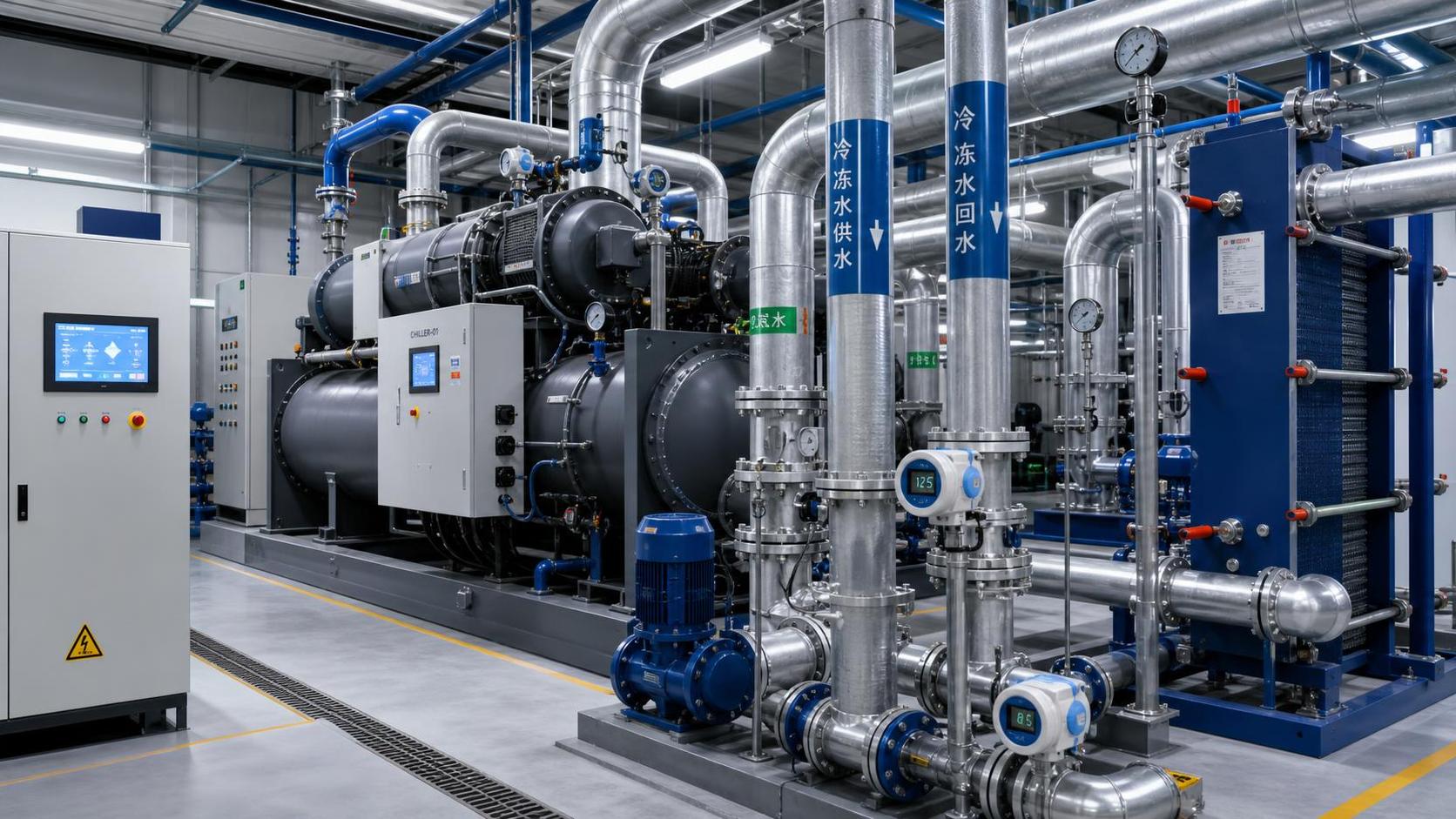
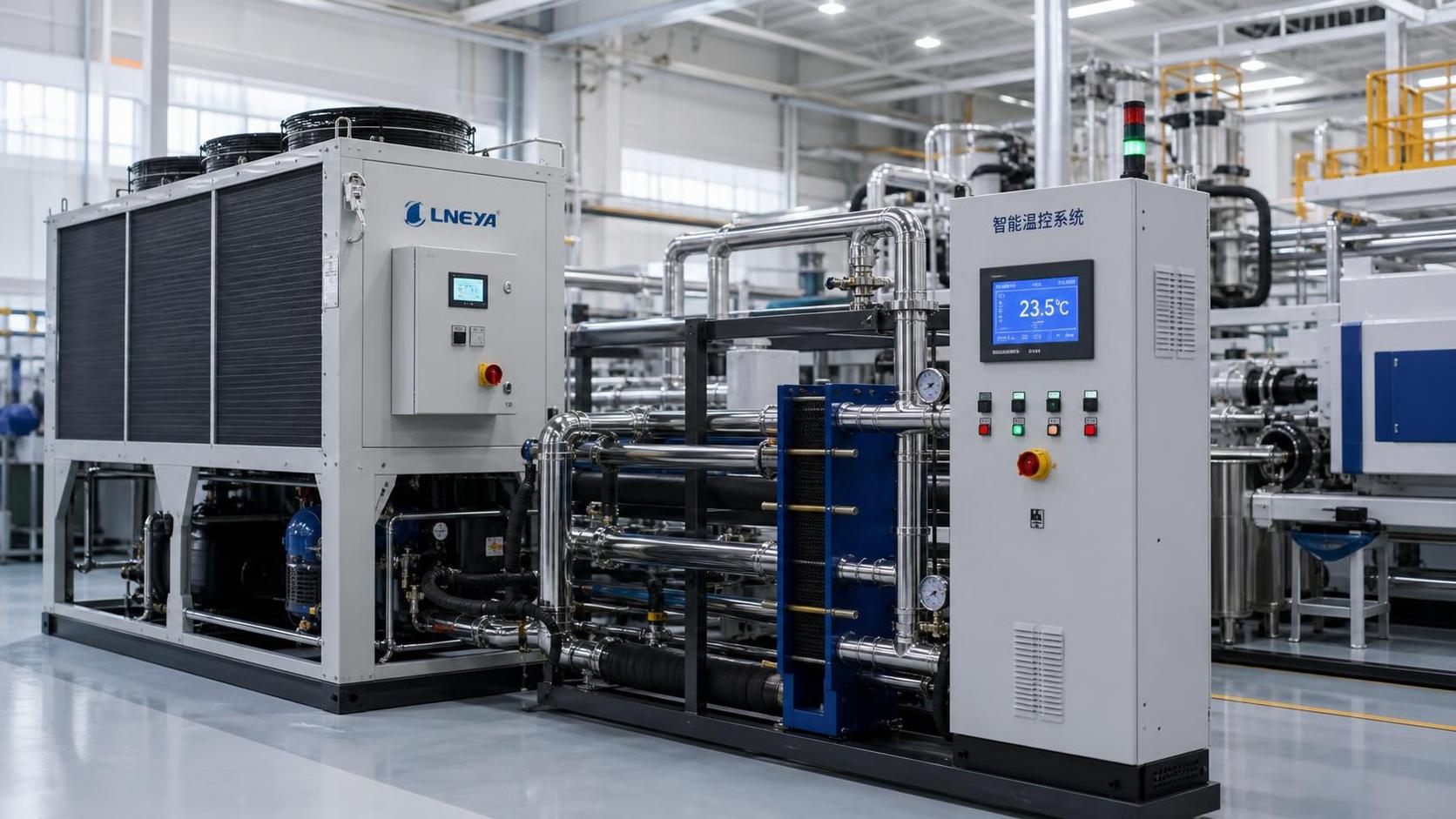
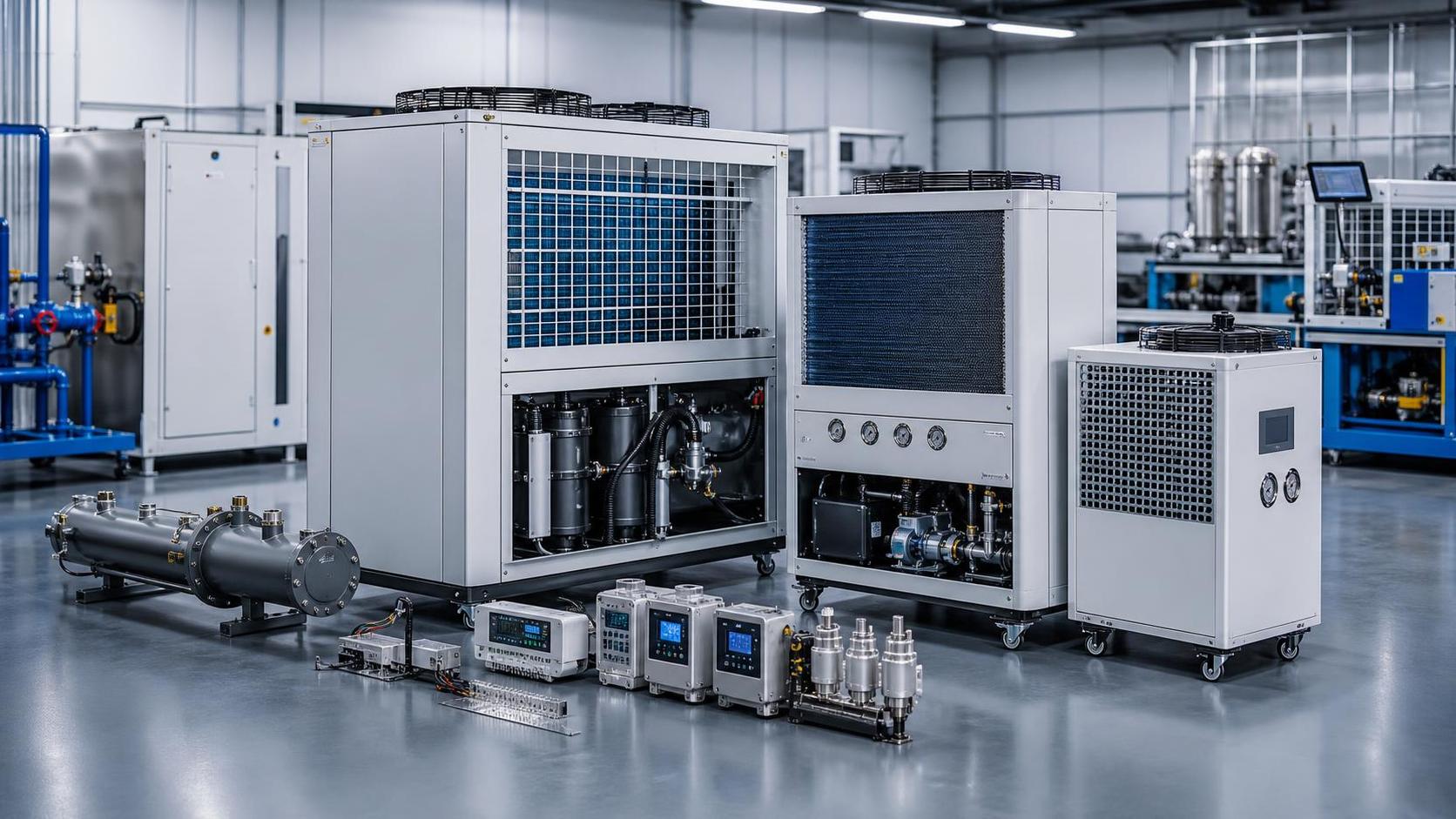
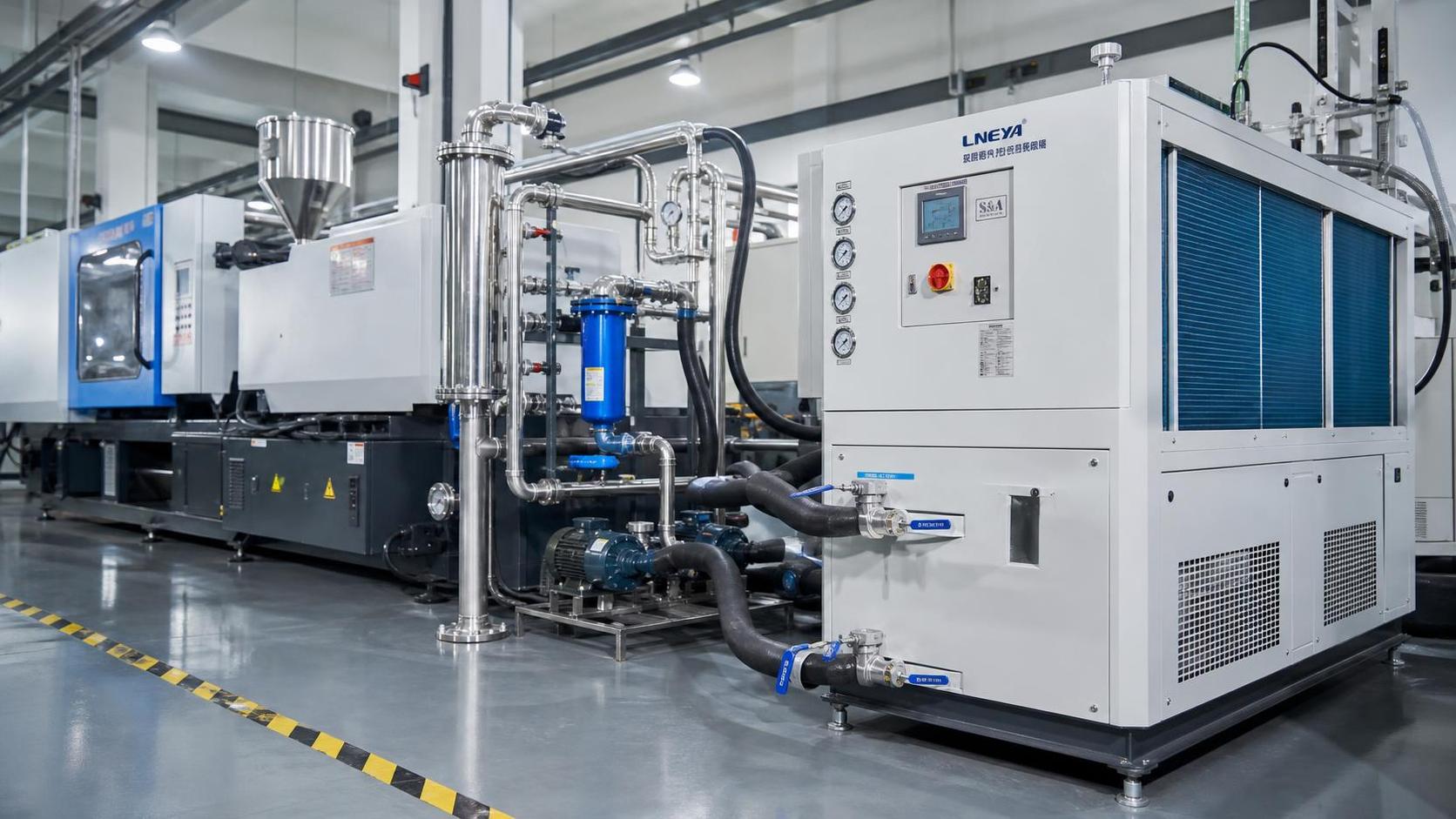
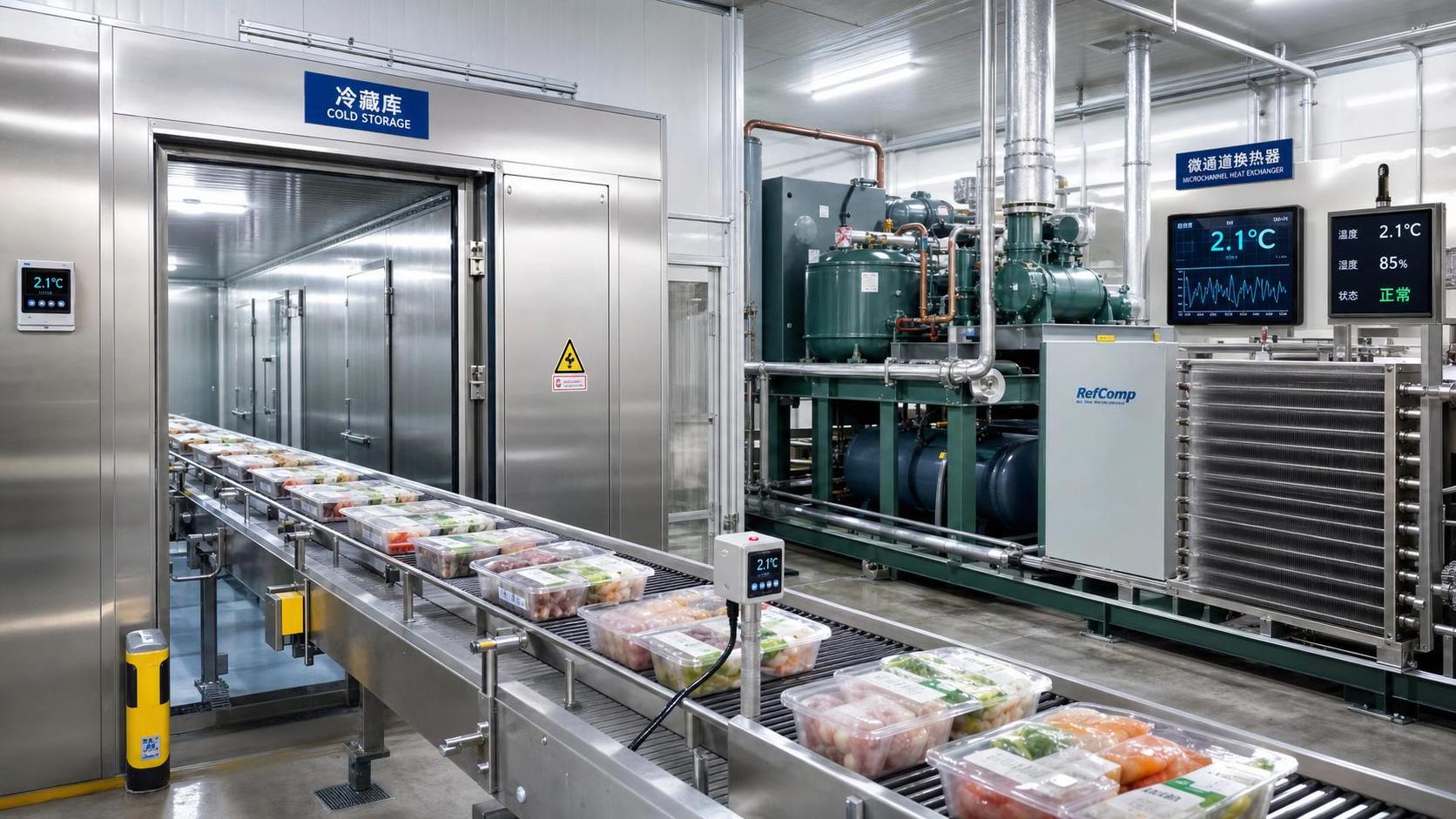
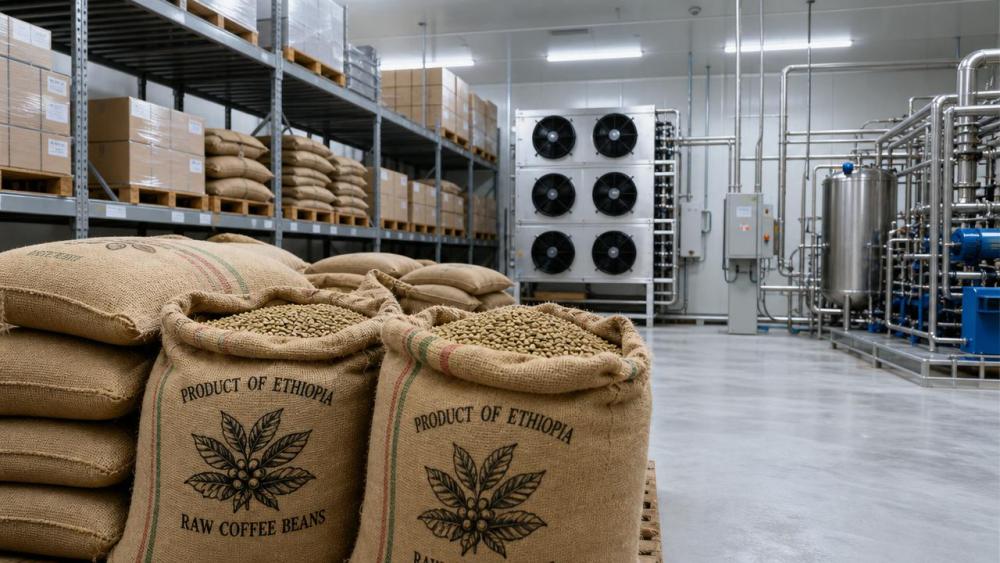
Effective July 20, 2026, China will allow compliant coffee beans from African countries that have diplomatic relations with China to enter the market, provided they meet plant quarantine and food safety requirements. For industry participants, the development is worth watching not only at the trade level, but also across processing, cold-chain logistics, and equipment supply, because it directly points to rising attention on Industrial Chillers with temperature control accuracy of ±0.5°C and Cold Storage facilities with controllable humidity.
What the Policy Change Confirms
The confirmed change is that China will formally open an import channel for coffee beans from eligible African partner countries on July 20, 2026. The scope is limited to products that comply with plant quarantine and food safety standards. The information provided also indicates that this policy move is expected to increase procurement demand for Industrial Chillers with ±0.5°C temperature control precision and for Cold Storage facilities with controllable humidity. It also indicates a clearer opening for Chinese refrigeration equipment exporters with HACCP and ISO 22000 certification to connect with African agricultural processing and logistics upgrade projects.
Where the Impact May Appear First
Import and raw material sourcing teams
From an industry perspective, importers and raw material procurement teams may be among the first to feel the effect because the new access pathway changes the range of compliant coffee bean supply they can evaluate. The practical impact is likely to show up in supplier screening, compliance review, and storage planning rather than in simple trading volume assumptions. What deserves closer attention is whether sourcing decisions are matched by adequate temperature and humidity control capacity.
Processing and storage operations
For processors and storage operators, the development matters because the summary directly ties the policy to demand for more precise refrigeration and controlled storage conditions. Analysis shows that the focus is not only on adding capacity, but on whether equipment can maintain specified control standards that align with food safety and handling expectations for imported agricultural commodities.
Cold-chain and logistics service providers
Cold-chain and logistics providers may see more project discussions around warehousing, pre-processing, and transit conditions linked to coffee beans entering China under the new rules. Observably, the relevant business impact is less about generic logistics expansion and more about whether facilities and service processes can support controlled temperature and humidity requirements in a documented and consistent way.
Refrigeration equipment exporters
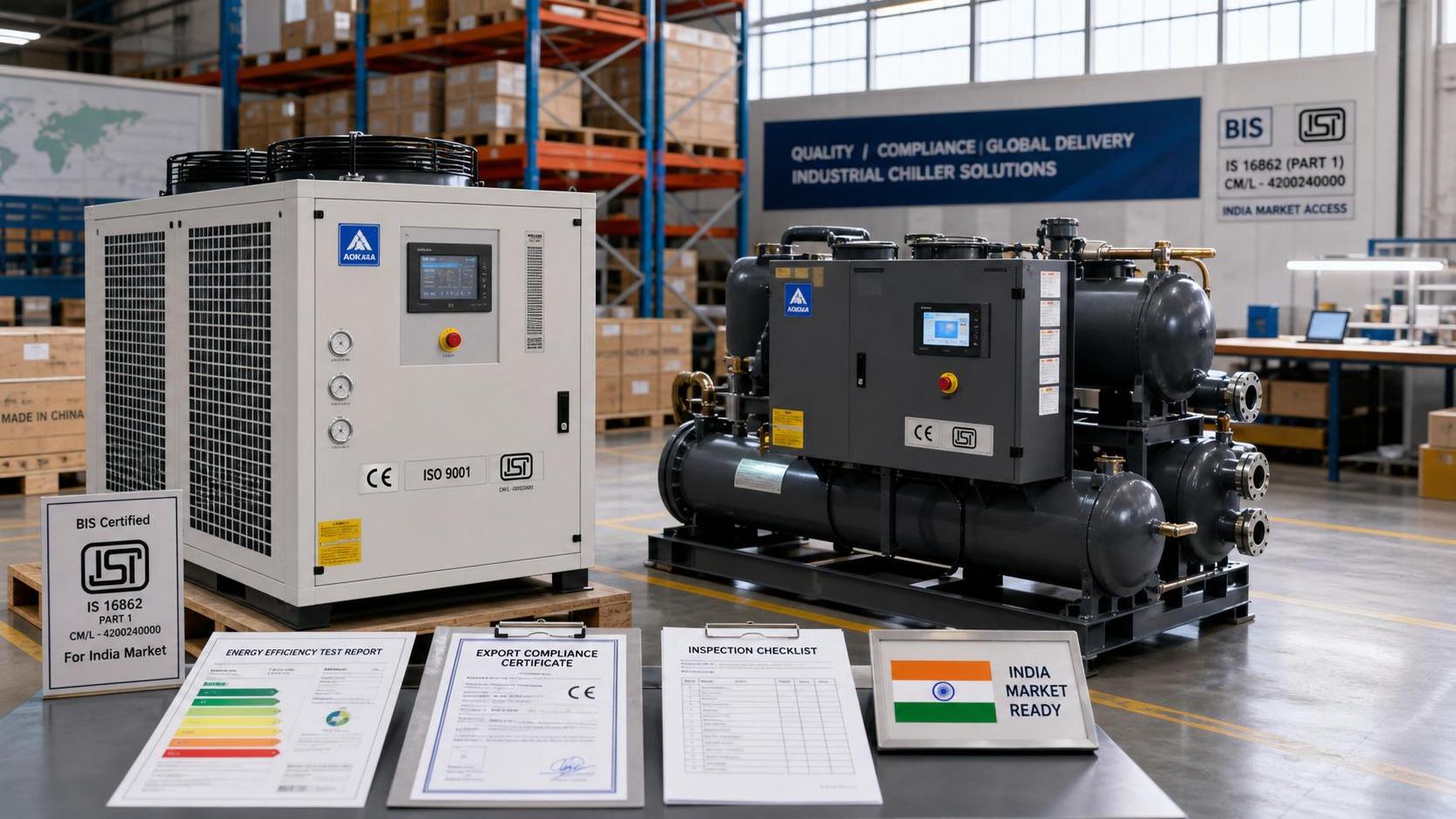
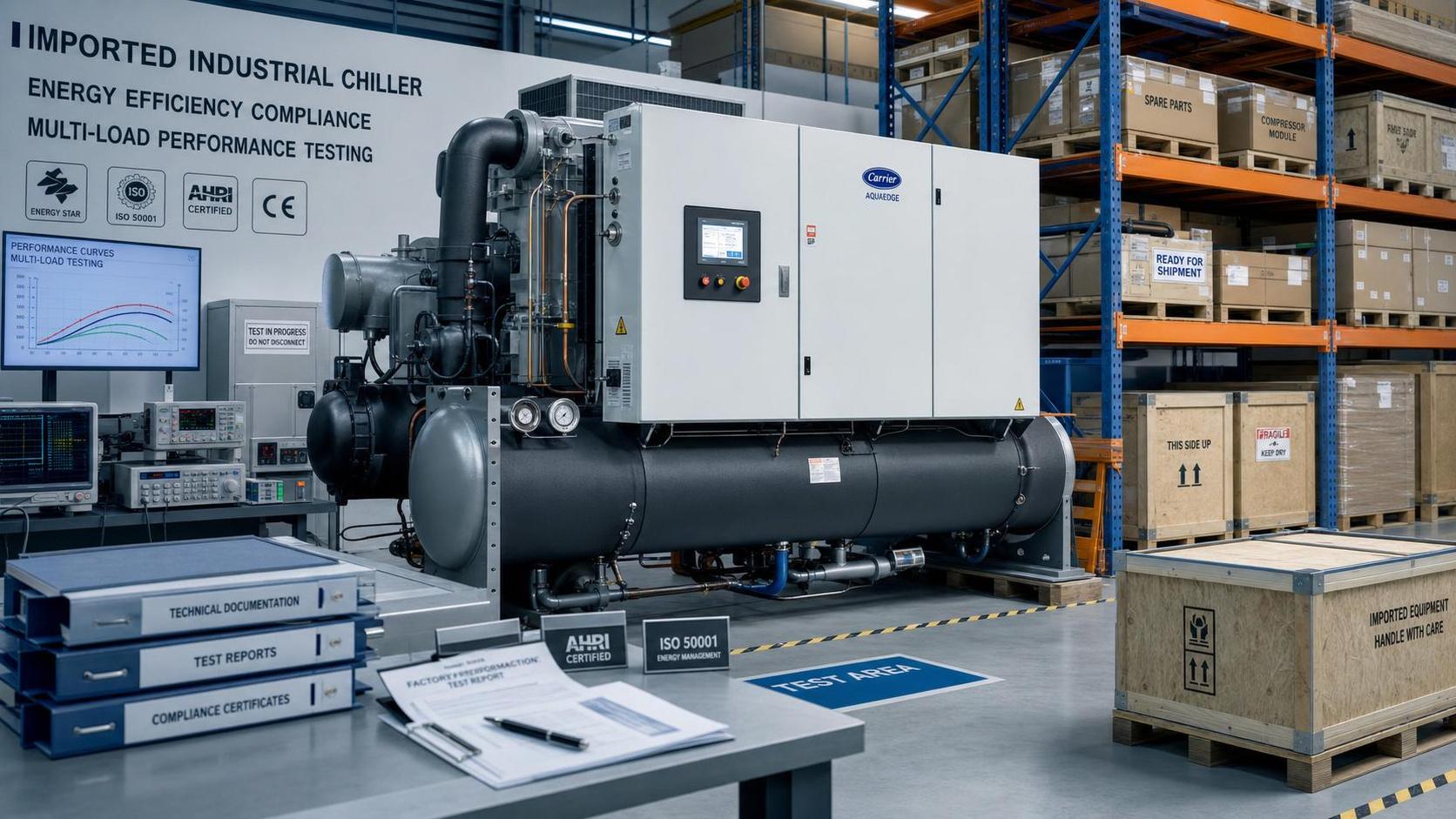
The information most directly highlights Chinese refrigeration equipment exporters, especially those already holding HACCP and ISO 22000 certification. For this group, the policy matters because it may create more concrete alignment with African agricultural processing and logistics upgrade needs. The key business issue is not simply product supply, but the ability to demonstrate compliance readiness, application fit, and delivery support for project-based demand.
What Companies Should Watch Now
Any change in official wording or implementation details
Companies should closely track whether later official communications add detail on practical implementation, product scope, or compliance interpretation. The current signal is clear on direction, but operational execution often depends on how standards and procedures are expressed in follow-up documents.
Equipment specifications tied to real use scenarios
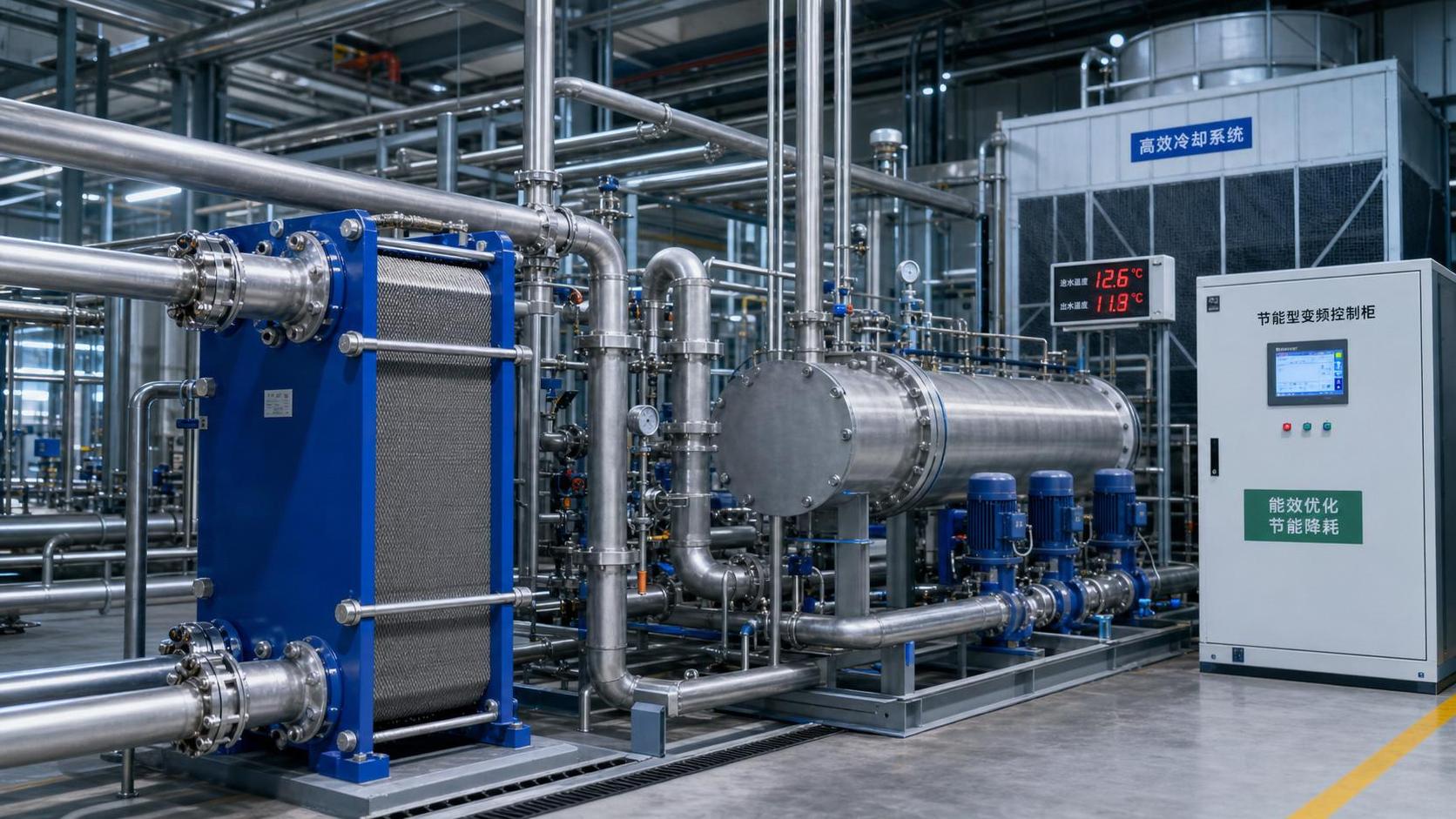
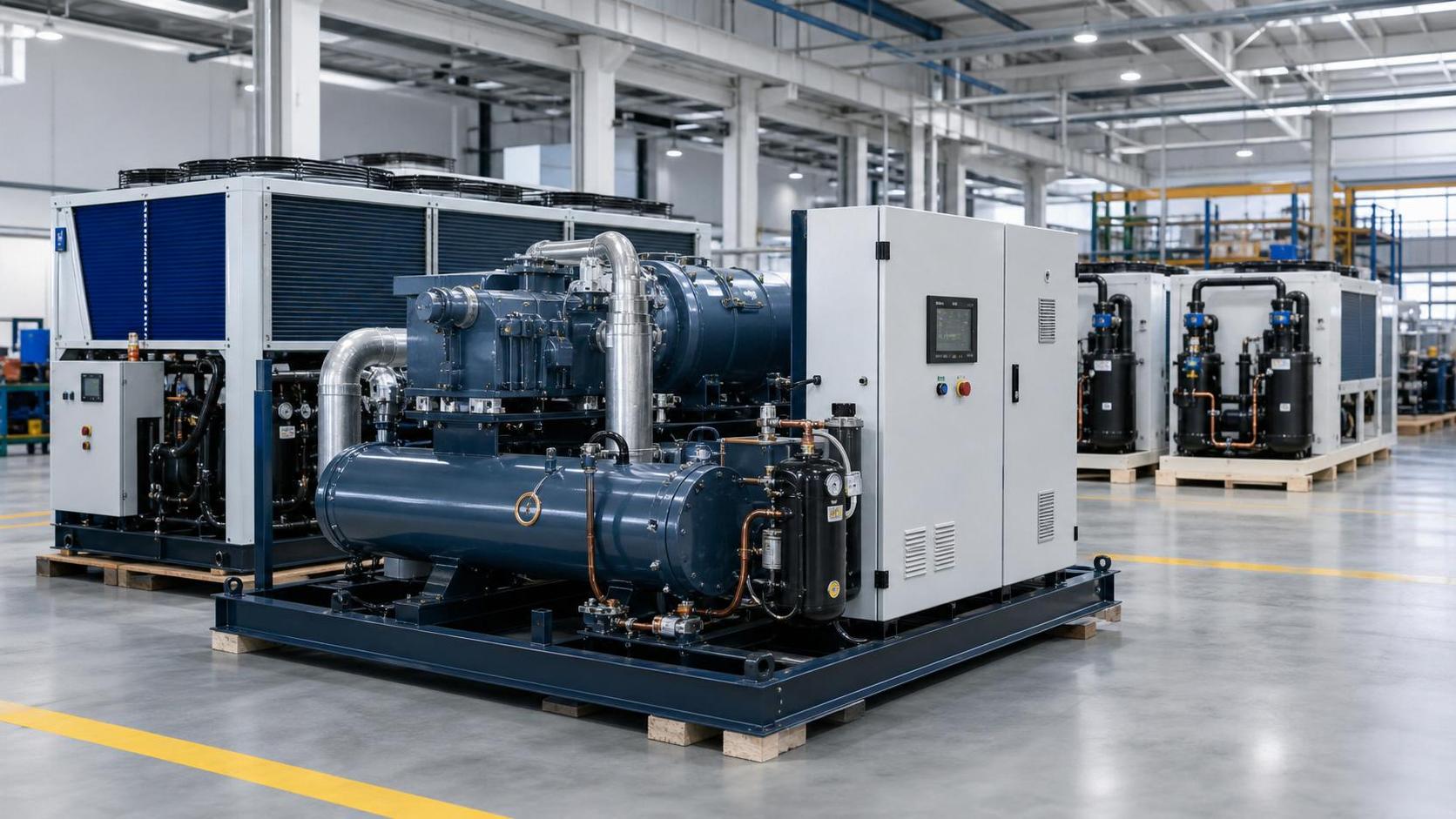
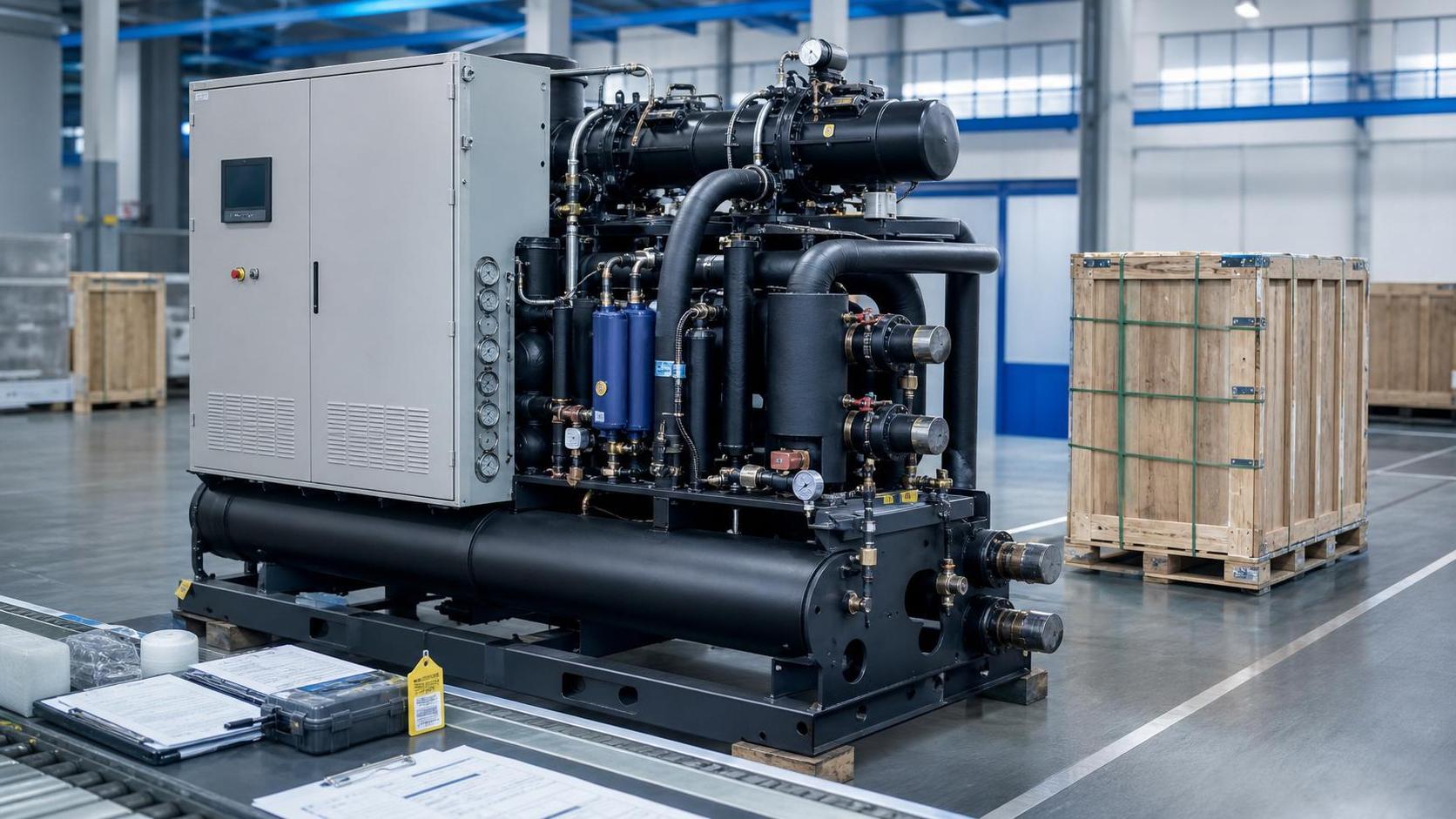
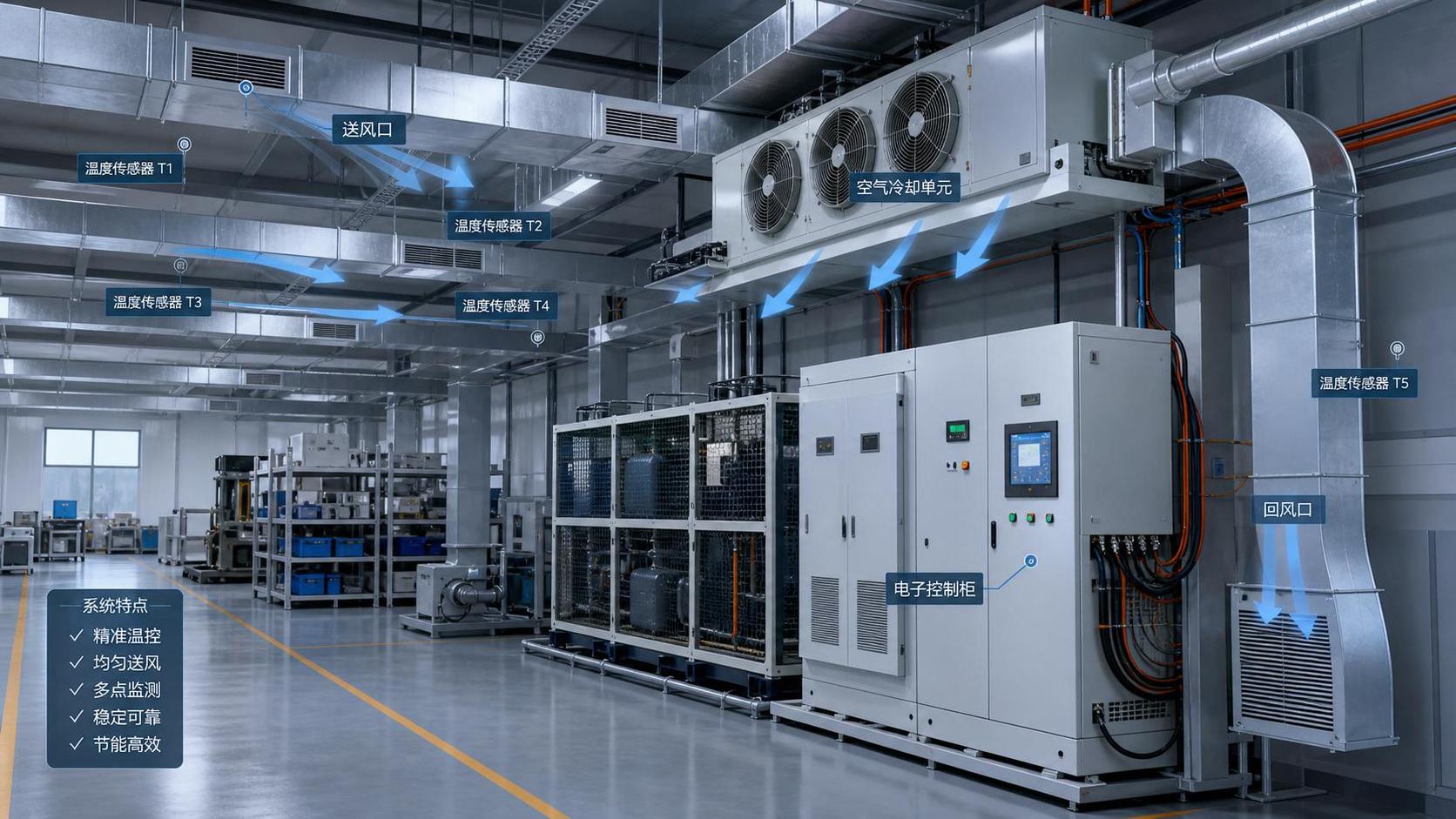
For equipment suppliers and project teams, the most immediate point is whether proposed Industrial Chillers and Cold Storage systems actually match the stated need for ±0.5°C temperature control and controllable humidity. In commercial discussions, the distinction between a general refrigeration offer and a fit-for-purpose solution may become more important.
Certification and documentation readiness
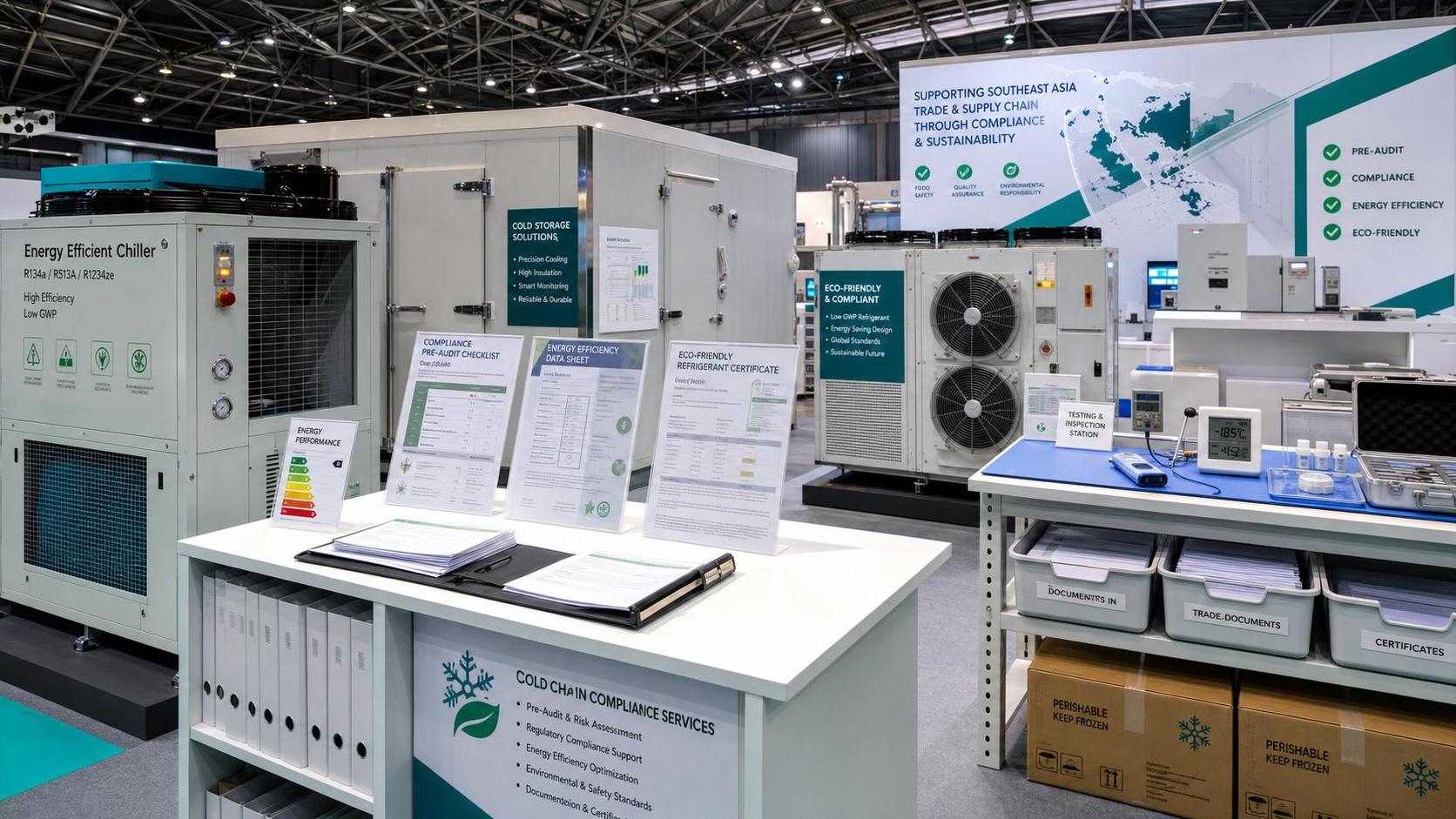
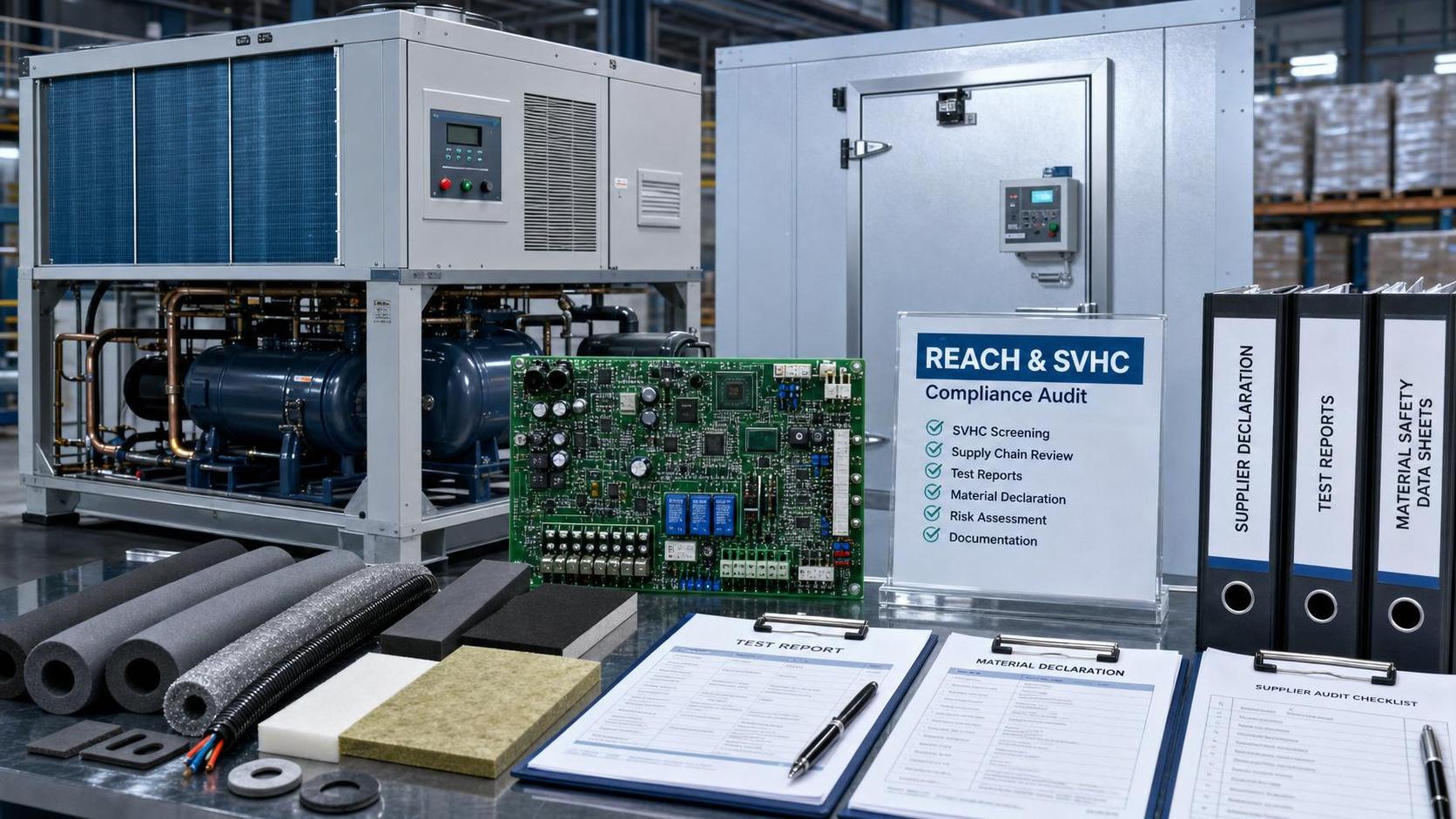
The summary specifically mentions HACCP and ISO 22000 certification, so relevant companies should pay attention to how certification, technical documentation, and customer-facing compliance materials are prepared. This is especially important where projects involve processing or logistics upgrades rather than one-time equipment sales.
Delivery planning and customer communication
Analysis shows that policy opening and project conversion are not the same thing. Enterprises should therefore pay attention to lead times, project coordination, and communication with customers on installation, validation, and operational requirements, instead of assuming that policy effectiveness automatically translates into immediate orders.
Why This Looks Like a Supply Chain Signal
Observably, this development is more meaningful as a supply chain and infrastructure signal than as a standalone trade headline. It indicates that market access for agricultural products and technical requirements for storage and processing are moving together in the same discussion. At this stage, it is more appropriate to understand the news as a directional industry signal with identifiable business relevance, rather than as proof of completed market expansion. Continued attention is still needed on how trade access, compliance practice, and equipment procurement connect in actual projects.
How to Read the Development at This Stage
In practical terms, the policy is important because it links coffee bean import access, quarantine and food safety compliance, and demand for controlled refrigeration infrastructure within one update. For the industry, the clearest takeaway is not a guaranteed outcome, but a visible shift in where attention may concentrate next: compliant sourcing, cold storage capability, and certified equipment participation in agricultural processing and logistics upgrades. It is more appropriate to read this as an actionable medium- to long-term signal that deserves follow-up, while remaining cautious about near-term execution assumptions.
Basis of This Article
This article is based on the user-provided news title, effective date, and event summary. For developments of this type, commonly relevant source categories may include official announcements, company statements, industry association updates, authoritative media reports, and standards-related documents. No specific official source link was provided in the input, so the precise source trail still requires ongoing verification. Follow-up attention should focus on any later official clarification related to implementation, compliance requirements, and project-level procurement activity.
Related News
- How Smart Thermal Systems Improve Industrial Cooling EfficiencyAuthor :Cryogenic Systems Expert

- How to Choose Process Cooling Equipment for Stable Temperature ControlAuthor :Cryogenic Systems Expert

- EU Finalizes 2026 HFC Quota Cut for R-134a ChillersAuthor :Cryogenic Systems Expert

- EU Tightens HFC-134a Quotas for Industrial ChillersAuthor :Cryogenic Systems Expert

- REACH SVHC Update Pressures HFC-134a Chiller Supply ChainsAuthor :Cryogenic Systems Expert

- EU PFAS Coolant Ban Reshapes Chiller ExportsAuthor :Cryogenic Systems Expert

- EU REACH Restricts PFAS Cooling Media ImportsAuthor :Cryogenic Systems Expert

- EU Ecodesign Rule Takes Effect for Industrial ChillersAuthor :Cryogenic Systems Expert

- EU REACH Rule Takes Effect for PFAS in Industrial Cooling ExportsAuthor :Cryogenic Systems Expert

- Industrial Cooling for Plastic Processing: How to Size for Stable Cycle TimesAuthor :Cryogenic Systems Expert

- EU F-Gas Update Bars R404A/R507 in Commercial CoolingAuthor :Cryogenic Systems Expert

- DOE Raises Chiller Efficiency Standard From October 2026Author :Cryogenic Systems Expert

- India Mandates BIS Energy Certification for Industrial ChillersAuthor :Cryogenic Systems Expert

- Energy-Efficient Heat Exchange for Process Cooling: Cost vs PaybackAuthor :Cryogenic Systems Expert

- EPA R-134a Import Ban Takes Effect on July 13, 2026Author :Cryogenic Systems Expert

- India BIS Rule Takes Effect for Industrial ChillersAuthor :Cryogenic Systems Expert

- EPA Cuts R134a Import Quotas 20% From July 10Author :Cryogenic Systems Expert

- How to Compare Energy-Efficient Cooling Systems for Factory Expansion ProjectsAuthor :Cryogenic Systems Expert

- Chiller Price Index Rises 11.3% in Q2Author :Cryogenic Systems Expert

- Saudi SASO Tightens Chiller Import Compliance From July 10Author :Cryogenic Systems Expert

- Dubai Opens Fast-Track Chiller TendersAuthor :Cryogenic Systems Expert

- Japan Raises Chiller COP Floor to 6.2 From Sept. 1Author :Cryogenic Systems Expert
![]()
- Compact Thermal Management in Smart Devices: Common Failure RisksAuthor :Cryogenic Systems Expert

- Thermal Management for Batteries: Cooling Methods ComparedAuthor :Cryogenic Systems Expert

- How Compact Thermal Design Extends Smart Device UptimeAuthor :Cryogenic Systems Expert

- Shanghai-Rotterdam Reefer Rates Jump 37% in a WeekAuthor :Cryogenic Systems Expert

- Process Cooling Equipment Low Maintenance: What Cuts Downtime Over 5 Years?Author :Cryogenic Systems Expert

- Semiconductor Cooling Solutions: Which Design Works Best for High-Density Tools?Author :Cryogenic Systems Expert

- Semiconductor Thermal Management Systems: Preventing Yield Loss from Heat DriftAuthor :Cryogenic Systems Expert

- EPA Clears R-1234ze(E) for Industrial ChillersAuthor :Cryogenic Systems Expert
 for Industrial Chillers")
- DOE Raises Chiller IEER Floor to 12.8 From Oct. 2026Author :Cryogenic Systems Expert

- Singapore Refrigeration Show Adds Green Compliance HubAuthor :Cryogenic Systems Expert

- How Food Industry Temperature Control Systems Reduce Product LossAuthor :Cryogenic Systems Expert

- EU REACH Adds 12 SVHCs, Raising Chiller Compliance RiskAuthor :Cryogenic Systems Expert

- Precision Temperature Control Air Cooling: Key Setup Mistakes That Reduce StabilityAuthor :Cryogenic Systems Expert

- India BEE Eyes APF Labels for Imported ChillersAuthor :Cryogenic Systems Expert