Garrett Starts Delivery of Oil-Free Centrifugal Compressors




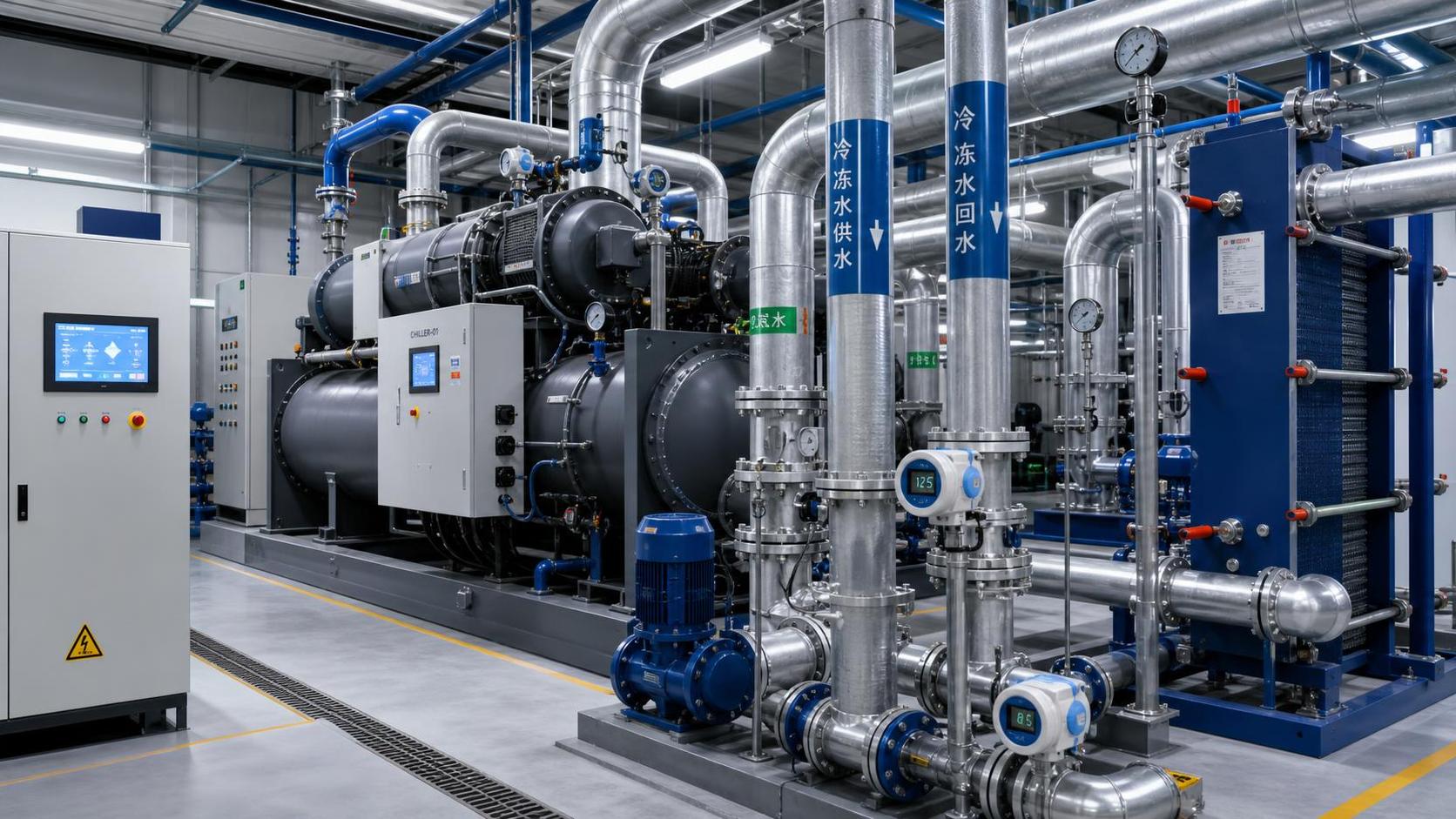
On June 1, 2026, Garrett disclosed that mass delivery of its 350-ton oil-free centrifugal compressor has started from its Wuxi base in China for use in domestically produced high-end industrial chillers. Beyond a product launch, this development draws attention to how efficiency benchmarks, test-based performance claims, maintenance-free design expectations, and buyer-side qualification standards are increasingly shaping procurement, cleanroom project selection, cross-border supply decisions, and technical compliance reviews in cooling-system supply chains.
What has been confirmed from the June delivery update
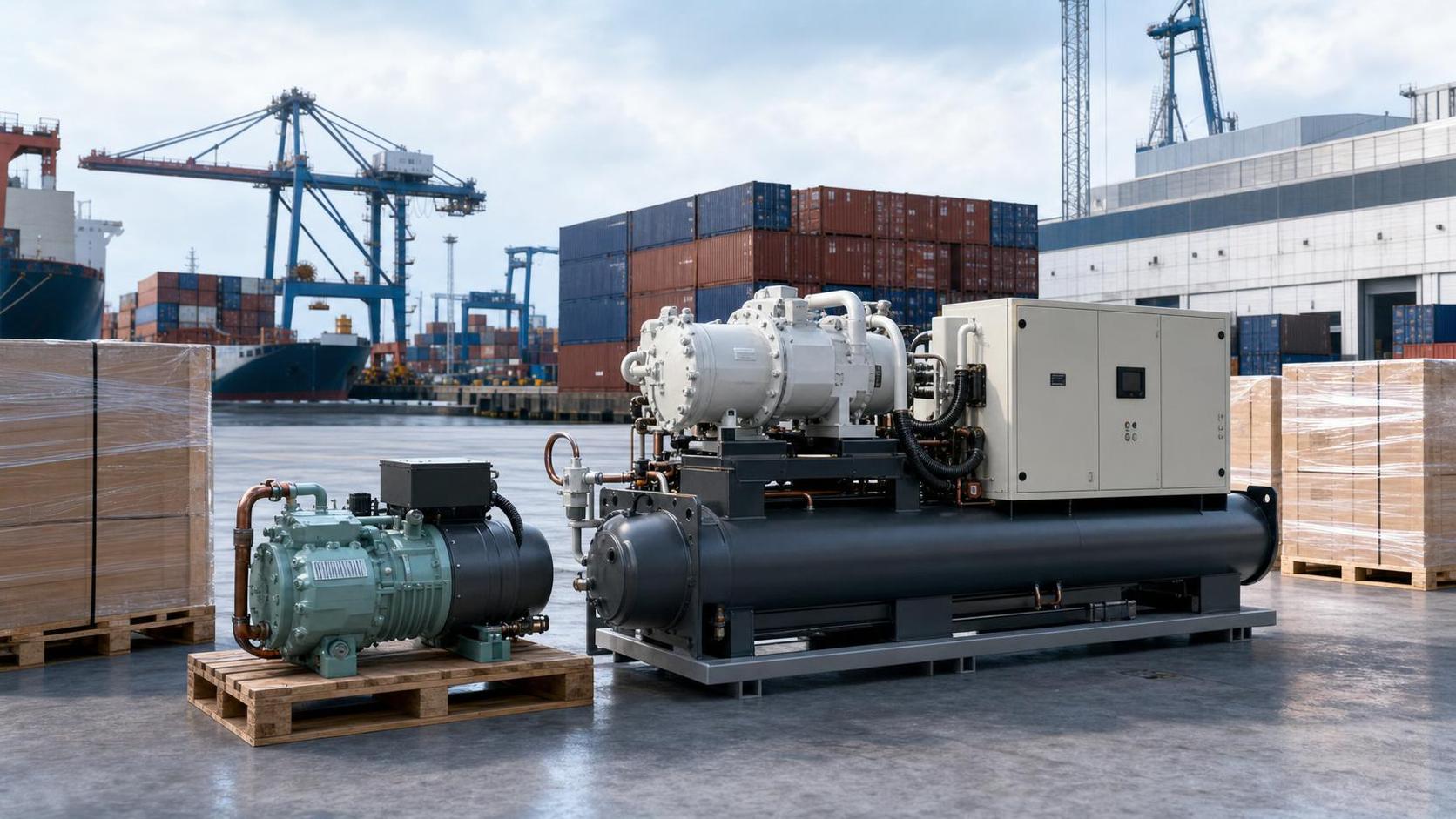
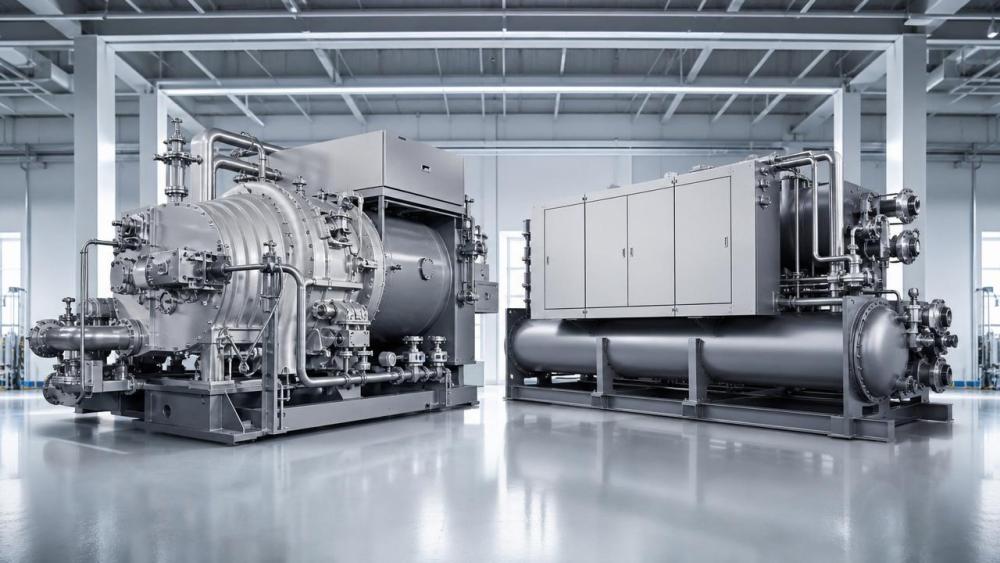
Garrett stated that, from June 2026, its 350 refrigeration-ton oil-free centrifugal compressor entered batch delivery from its Wuxi manufacturing base in China.
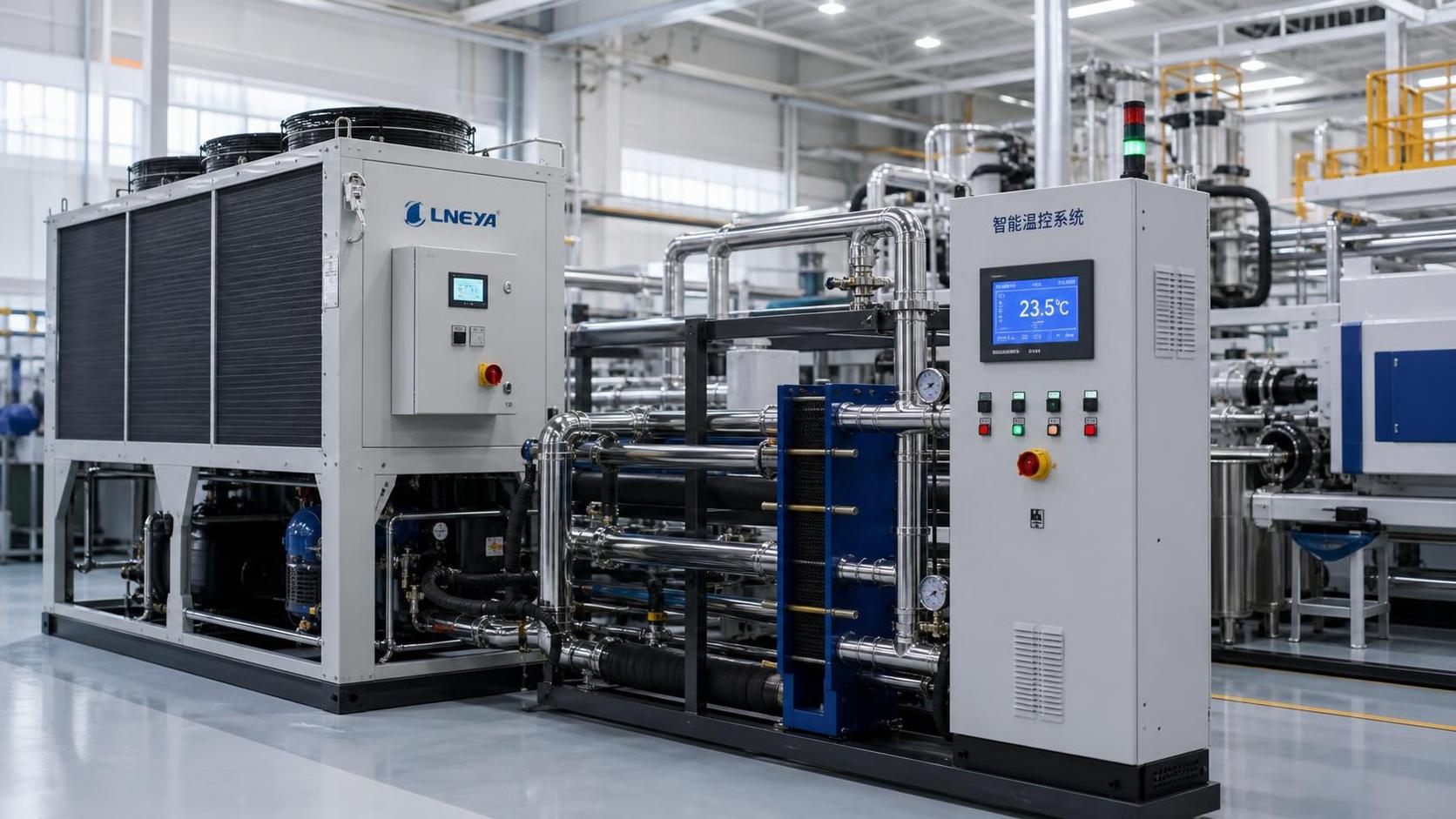
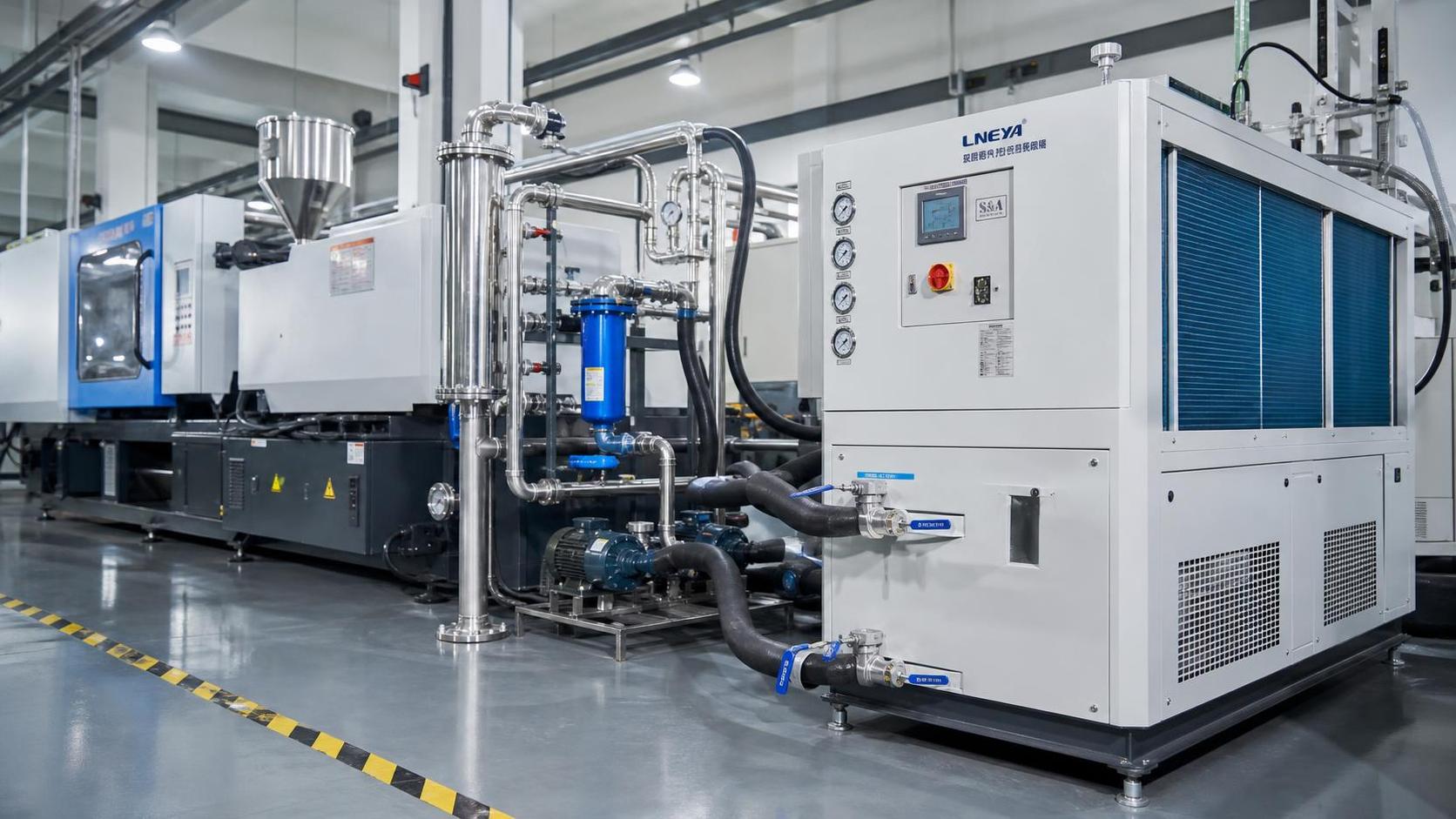
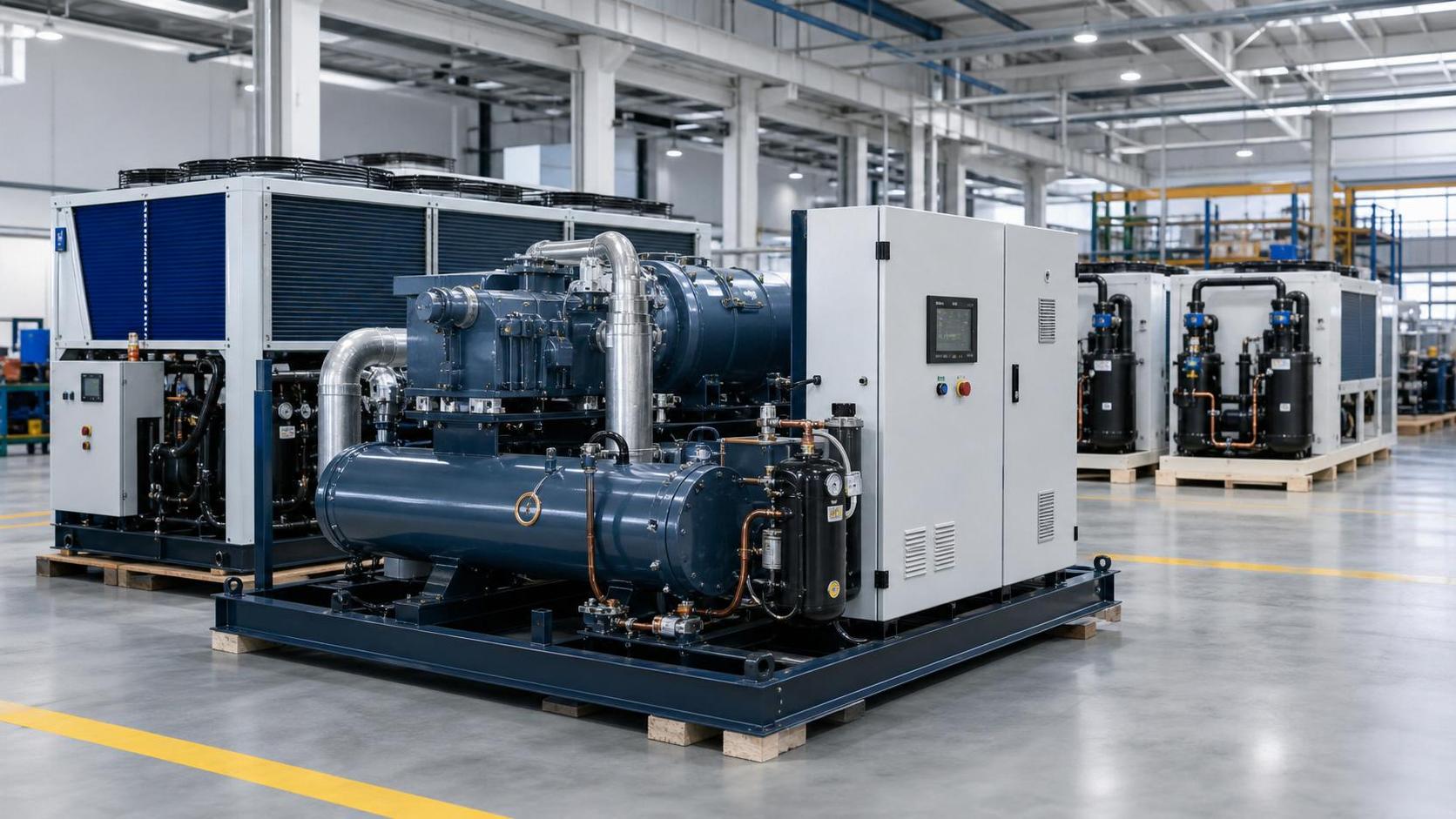
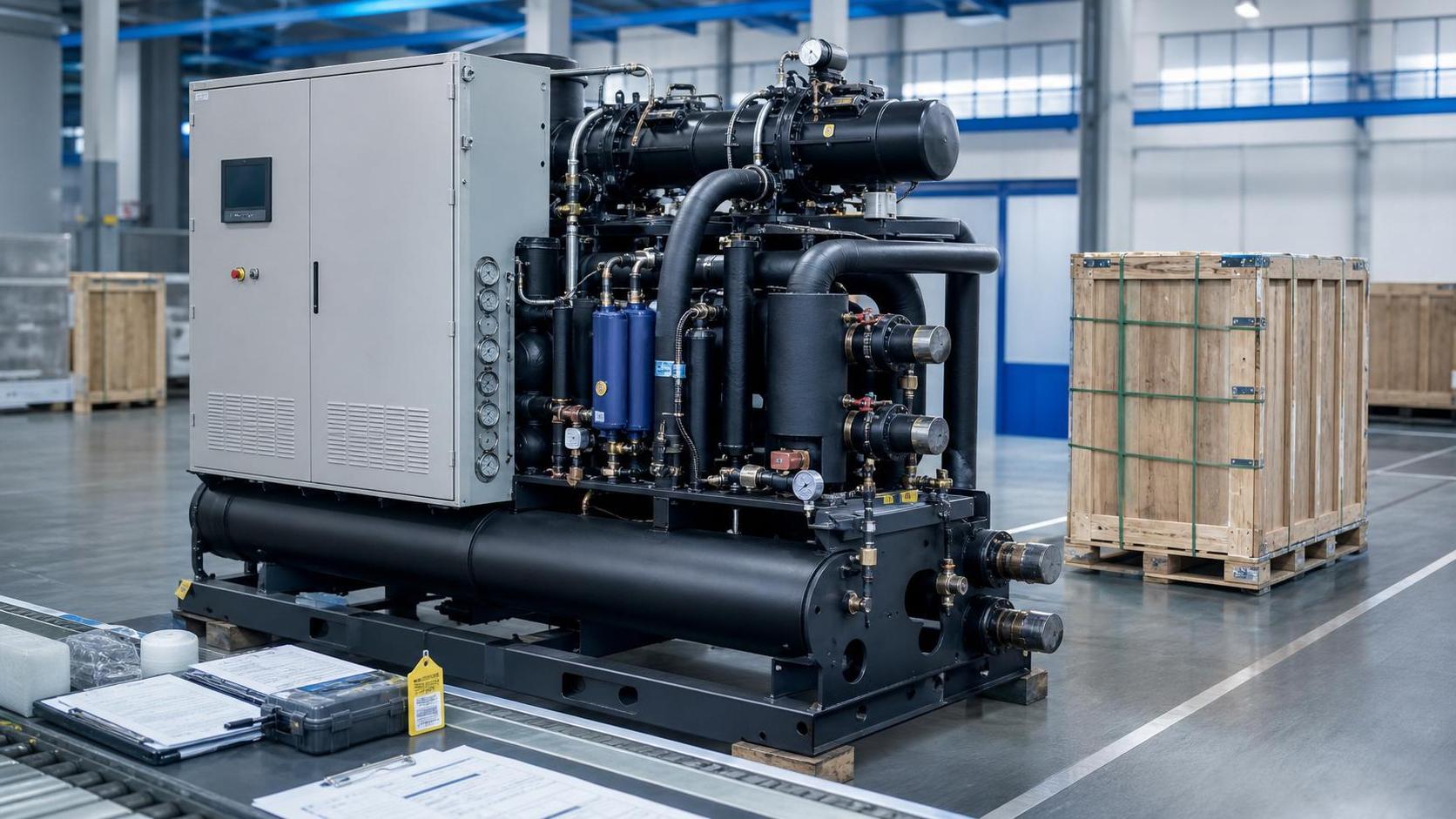
The compressor is being paired with domestically produced high-end industrial chiller units.
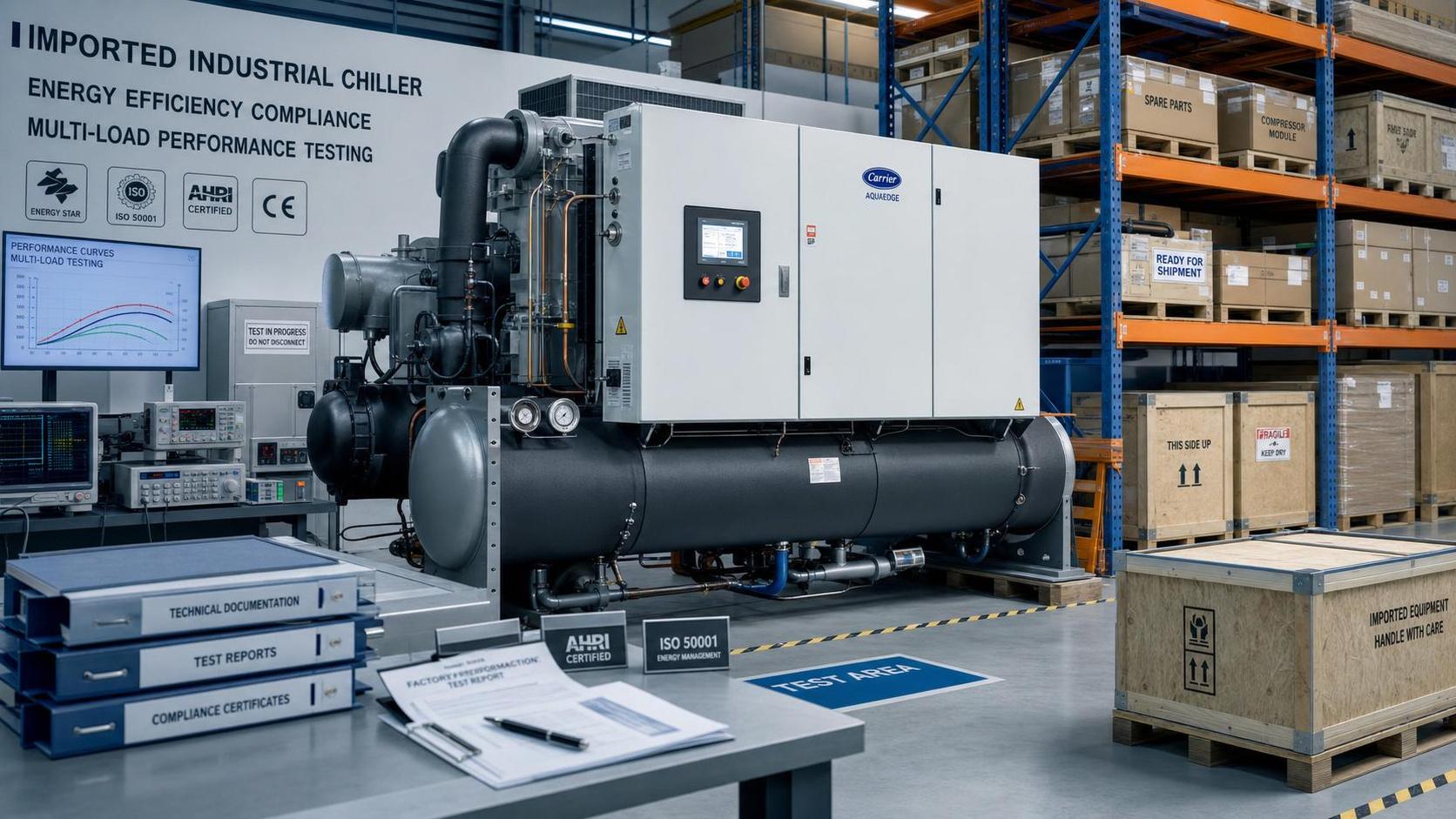
According to the disclosed information, the model reached an IEER of 12.8 under AHRInet testing.
The same disclosure states that the unit delivers 9% energy savings compared with mainstream magnetic-bearing solutions and does not require lubricating-oil maintenance.
Garrett also said the compressor is being listed by pharmaceutical customers in Germany and semiconductor customers in Singapore as a preferred power unit for cooling systems in newly built cleanroom facilities.
Why this delivery milestone matters in commercial and compliance workflows
Technical procurement is likely to shift toward test-verifiable claims
From an industry perspective, chiller buyers and project owners may be affected first because efficiency performance in this case is presented through a named test reference, AHRInet. That can matter in bid review, specification alignment, and internal approval processes where performance claims increasingly need to be tied to recognized testing language rather than generic marketing descriptions. What deserves closer attention is whether procurement documents begin to place greater weight on test-referenced IEER data, oil-free operating characteristics, and maintenance expectations during technical comparison.
Equipment integrators may face tighter document expectations
Manufacturers integrating compressors into industrial chillers may see changes in the documentation burden attached to delivery and qualification. Analysis shows that when a compressor is selected for cleanroom-oriented pharmaceutical and semiconductor projects, technical files, testing references, performance statements, and configuration descriptions can become more important in factory acceptance, owner review, and export-facing project submissions. For these suppliers, the practical impact is less about a single shipment event and more about whether customers start requiring clearer evidence packages around efficiency, operating design, and maintenance assumptions.
Export and project-delivery teams should watch buyer-specific qualification language
Export-oriented suppliers and project delivery teams may also be affected because the disclosed customer interest comes from Germany and Singapore and is tied to new cleanroom construction. Observably, this can influence how suppliers prepare bid materials, quality traceability records, after-sales commitments, and technical response files for overseas projects. It is more appropriate to understand this as a signal that buyer-side entry requirements may become more detailed, especially where cooling systems are evaluated as part of highly controlled production environments.
Service providers may need to adapt maintenance and lifecycle proposals
After-sales service providers and lifecycle support teams may also need to pay attention. The oil-free and no-lubrication-maintenance positioning may alter the way service scopes, spare-parts planning, maintenance manuals, and operating commitments are presented to end users. This does not confirm a new formal rule by itself, but it may influence customer expectations in contract negotiation and handover documentation.
What companies should review now
Check whether test references are adequate for bid submission
Companies involved in equipment supply or procurement should review whether their current bid files and technical submissions clearly present test references, performance terminology, and model-level documentation in a way that procurement teams can verify. If project owners begin to compare systems more strictly through cited test frameworks, unclear language may become a commercial disadvantage even before any formal regulatory revision appears.
Track how cleanroom buyers define acceptable equipment standards
Businesses serving pharmaceutical and semiconductor construction projects should monitor whether owner specifications, contractor checklists, or tender language start to place more emphasis on oil-free design, maintenance characteristics, and measurable efficiency claims. The event does not establish a universal requirement, but it does suggest that qualification language in high-control environments may become more specific.
Prepare delivery files for cross-border review and traceability
Suppliers targeting overseas projects should pay attention to whether technical datasheets, test reports, service commitments, and quality traceability materials are sufficient for buyer review. Analysis shows that as a product moves from announcement to batch delivery, document completeness often becomes more important in actual procurement and project acceptance than headline performance figures alone.
Watch for changes in supplier screening and delivery planning
Procurement teams and channel partners should also monitor whether customers begin adjusting preferred supplier lists, qualification conditions, or delivery schedules around higher-efficiency and lower-maintenance equipment options. At this stage, the prudent approach is to treat the update as an operational market signal rather than as proof of a settled industry-wide procurement rule.
How this should be read at the current stage
Observably, this development is better read as an execution signal than as a stand-alone policy change. The confirmed facts point to batch delivery, tested efficiency language, and early acceptance in cleanroom-related applications. Analysis shows that the more important implication is how these elements may begin to affect tender wording, buyer qualification standards, technical comparisons, and cross-border project review practices.
At the same time, it would be premature to describe the event as establishing a new universal compliance threshold. What deserves closer attention is whether future procurement documents, certification expectations, technical review criteria, or industry communications start to reflect this type of performance and maintenance positioning more consistently.
A practical reading for the market
The immediate significance of this event lies less in the shipment itself and more in the possibility that tested efficiency metrics, oil-free operation, and lower-maintenance positioning gain greater weight in industrial chiller selection and cleanroom project procurement. For market participants, the most balanced interpretation is that a commercially relevant execution signal has emerged, while the extent of rule adoption, document standardization, and buyer-side enforcement still requires continued observation.
Basis of this article and points that still need verification
This article is generated from the user-provided news title, event date, and event summary. For developments of this kind, commonly relevant source types may include company announcements, regulatory releases, trade or customs authority information, industry association updates, standard-setting documents, certification-related materials, and reporting by established industry media.
No specific official source link was provided in the input, so the underlying official documentation still needs to be checked on an ongoing basis. Further observation is still needed on detailed procurement language, certification interpretation, tender-document changes, market feedback, and how participating companies implement related technical and delivery requirements in practice.
Related News
- How Smart Thermal Systems Improve Industrial Cooling EfficiencyAuthor :Cryogenic Systems Expert

- How to Choose Process Cooling Equipment for Stable Temperature ControlAuthor :Cryogenic Systems Expert

- EU Finalizes 2026 HFC Quota Cut for R-134a ChillersAuthor :Cryogenic Systems Expert

- EU Tightens HFC-134a Quotas for Industrial ChillersAuthor :Cryogenic Systems Expert

- REACH SVHC Update Pressures HFC-134a Chiller Supply ChainsAuthor :Cryogenic Systems Expert

- EU PFAS Coolant Ban Reshapes Chiller ExportsAuthor :Cryogenic Systems Expert

- EU REACH Restricts PFAS Cooling Media ImportsAuthor :Cryogenic Systems Expert

- EU Ecodesign Rule Takes Effect for Industrial ChillersAuthor :Cryogenic Systems Expert

- EU REACH Rule Takes Effect for PFAS in Industrial Cooling ExportsAuthor :Cryogenic Systems Expert

- Industrial Cooling for Plastic Processing: How to Size for Stable Cycle TimesAuthor :Cryogenic Systems Expert

- EU F-Gas Update Bars R404A/R507 in Commercial CoolingAuthor :Cryogenic Systems Expert

- DOE Raises Chiller Efficiency Standard From October 2026Author :Cryogenic Systems Expert

- India Mandates BIS Energy Certification for Industrial ChillersAuthor :Cryogenic Systems Expert

- Energy-Efficient Heat Exchange for Process Cooling: Cost vs PaybackAuthor :Cryogenic Systems Expert

- EPA R-134a Import Ban Takes Effect on July 13, 2026Author :Cryogenic Systems Expert

- India BIS Rule Takes Effect for Industrial ChillersAuthor :Cryogenic Systems Expert

- EPA Cuts R134a Import Quotas 20% From July 10Author :Cryogenic Systems Expert

- How to Compare Energy-Efficient Cooling Systems for Factory Expansion ProjectsAuthor :Cryogenic Systems Expert

- Chiller Price Index Rises 11.3% in Q2Author :Cryogenic Systems Expert

- Saudi SASO Tightens Chiller Import Compliance From July 10Author :Cryogenic Systems Expert

- Dubai Opens Fast-Track Chiller TendersAuthor :Cryogenic Systems Expert

- Japan Raises Chiller COP Floor to 6.2 From Sept. 1Author :Cryogenic Systems Expert
![]()
- Compact Thermal Management in Smart Devices: Common Failure RisksAuthor :Cryogenic Systems Expert

- Thermal Management for Batteries: Cooling Methods ComparedAuthor :Cryogenic Systems Expert

- How Compact Thermal Design Extends Smart Device UptimeAuthor :Cryogenic Systems Expert

- Shanghai-Rotterdam Reefer Rates Jump 37% in a WeekAuthor :Cryogenic Systems Expert

- Process Cooling Equipment Low Maintenance: What Cuts Downtime Over 5 Years?Author :Cryogenic Systems Expert

- Semiconductor Cooling Solutions: Which Design Works Best for High-Density Tools?Author :Cryogenic Systems Expert

- Semiconductor Thermal Management Systems: Preventing Yield Loss from Heat DriftAuthor :Cryogenic Systems Expert

- EPA Clears R-1234ze(E) for Industrial ChillersAuthor :Cryogenic Systems Expert
 for Industrial Chillers")
- DOE Raises Chiller IEER Floor to 12.8 From Oct. 2026Author :Cryogenic Systems Expert

- Singapore Refrigeration Show Adds Green Compliance HubAuthor :Cryogenic Systems Expert

- How Food Industry Temperature Control Systems Reduce Product LossAuthor :Cryogenic Systems Expert

- EU REACH Adds 12 SVHCs, Raising Chiller Compliance RiskAuthor :Cryogenic Systems Expert

- Precision Temperature Control Air Cooling: Key Setup Mistakes That Reduce StabilityAuthor :Cryogenic Systems Expert

- India BEE Eyes APF Labels for Imported ChillersAuthor :Cryogenic Systems Expert