SABIC Outage Extends Pressure on Chiller Refrigerants




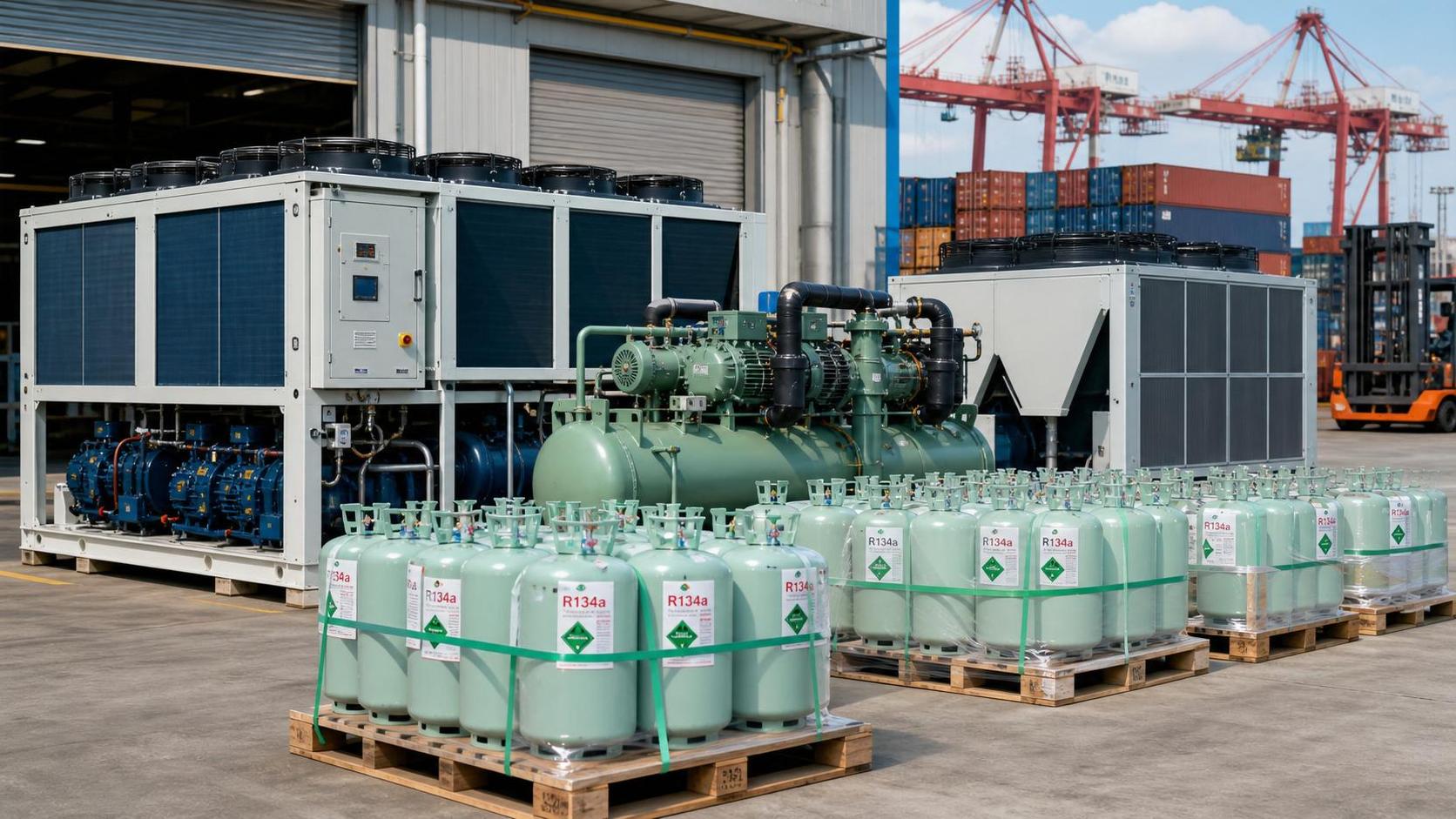
On June 12, 2026, SABIC confirmed that force majeure at its Jubail plant will keep styrene and methanol supply disruptions in place through the end of August 2026. Because these materials are key upstream inputs for mainstream refrigerants such as R134a, R448A, and R449A, the development is not only a supply event but also a practical signal for procurement, delivery, contract execution, and compliance review across the industrial chiller chain. For buyers, manufacturers, distributors, and service providers, the immediate issue is how longer lead times and higher spot prices may begin to affect specification matching, delivery commitments, and supporting documentation in ongoing projects.
What has been confirmed so far
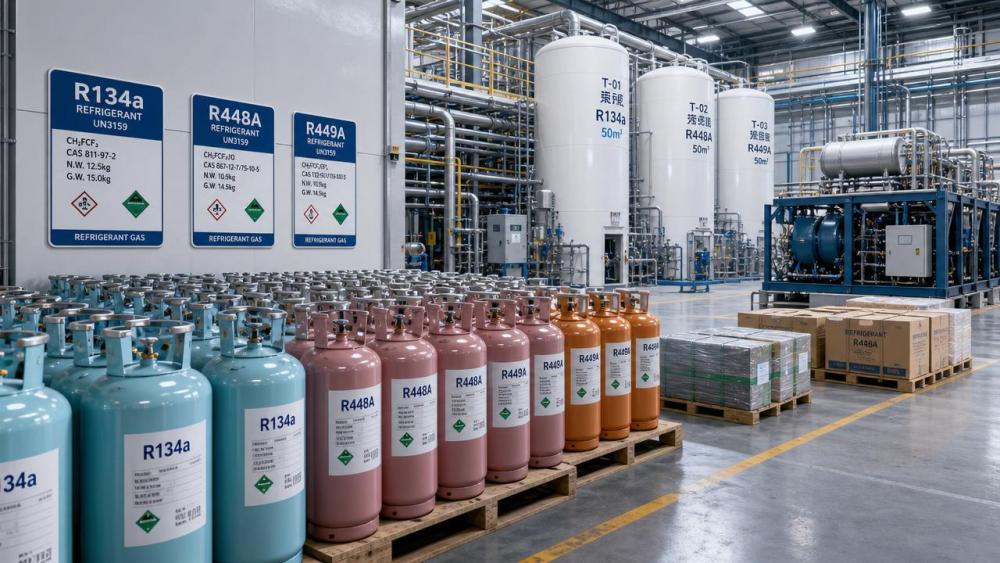
SABIC stated on June 12 that the force majeure affecting styrene and methanol output at its Jubail facility has been extended until the end of August 2026. The confirmed market effect in the input information is that Asian refrigerant spot prices have risen 5.2% week on week. The same information also shows that delivery cycles for blended refrigerants used with industrial chillers have generally been delayed by 10 to 15 days.
Where the pressure is likely to appear first
Procurement teams are facing tighter execution conditions
From an industry perspective, purchasing teams may be affected first because the confirmed rise in spot prices and the reported extension of delivery cycles directly influence sourcing schedules and order execution. What deserves closer attention is whether current purchase documents, technical specifications, and delivery clauses remain workable when refrigerant availability becomes less predictable.
Industrial chiller manufacturers may need closer specification control
For equipment manufacturers, the pressure is likely to appear in the matching of refrigerant supply with project production schedules. Analysis shows that when lead times for blended refrigerants move out by 10 to 15 days, the practical impact may extend to commissioning plans, spare parts preparation, and internal delivery coordination. This does not automatically indicate a regulatory change, but it can become an execution issue wherever contractual or tender documents require fixed refrigerant configurations.
Distributors and service providers may see greater document sensitivity
Channel distributors and after-sales service providers may need to pay closer attention to batch traceability, product identification, and supporting technical records if supply substitution or delayed replenishment becomes an issue. Observably, when availability tightens, customers often focus more closely on whether the supplied refrigerant matches the agreed model and supporting documentation, especially for blended products tied to industrial chiller operation.
Trade and supply-chain intermediaries may need tighter delivery coordination
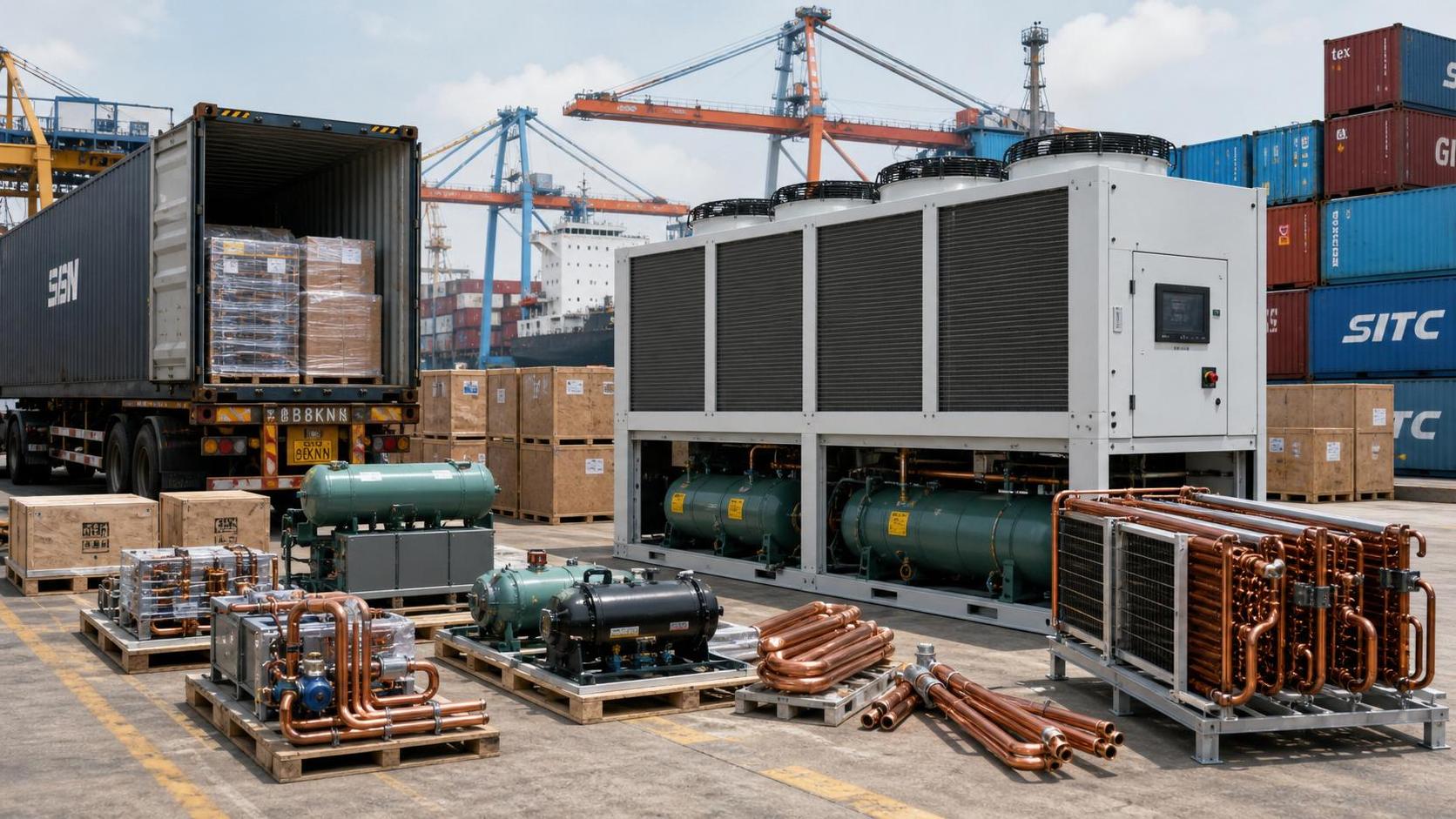
For traders and supply-chain service firms, the main issue is not only price movement but also the management of delivery windows, order amendments, and shipment timing. It is more appropriate to understand this as an operational compliance signal: if lead times shift, contract execution, document consistency, and customer notice procedures may require closer handling.
What companies should review now
Check contract language against supply uncertainty
Analysis shows that companies with active orders should review whether procurement contracts, supply agreements, and project delivery terms adequately address delays, substitutions, or revised shipment timing. The input information confirms disruption and delivery extension, but it does not provide a final execution framework, so companies should treat this as an area requiring active monitoring rather than assume settled outcomes.
Reconfirm refrigerant model alignment in technical files
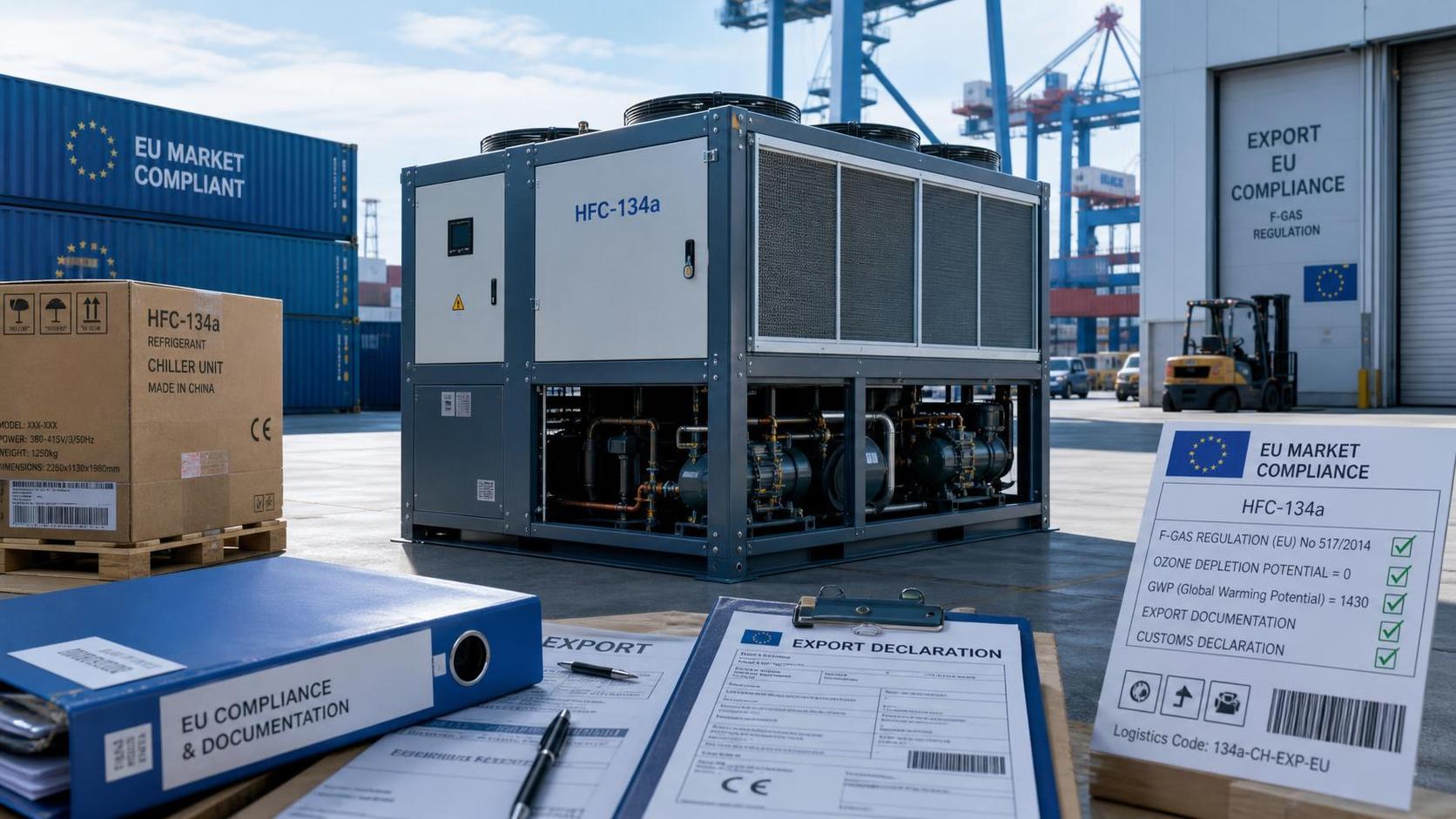
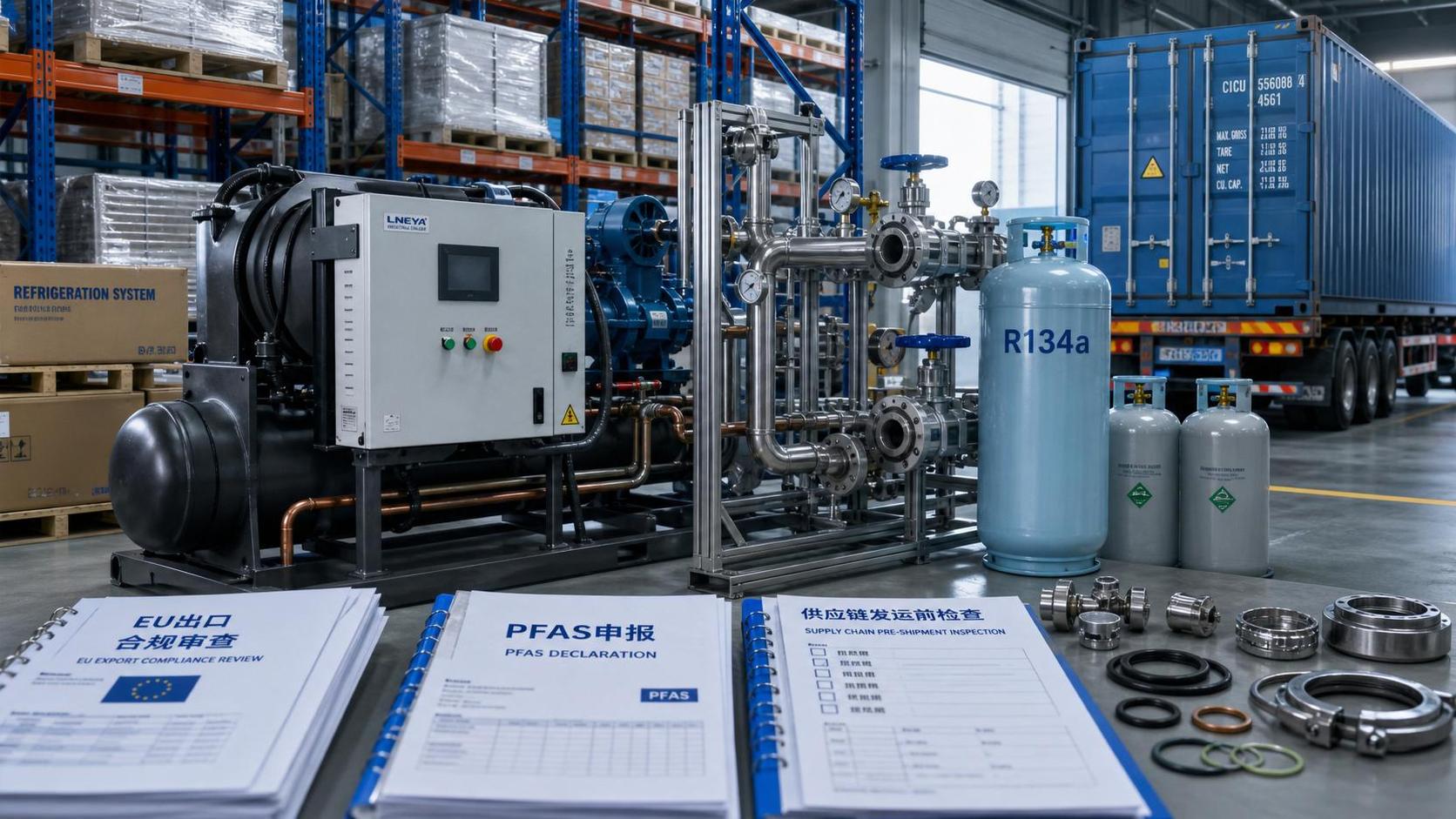
Manufacturers and project suppliers should verify that technical documents, quotations, bid files, and after-sales records remain aligned with the refrigerant models actually available for delivery. What deserves closer attention is the consistency of model references such as R134a, R448A, and R449A across technical and commercial paperwork if procurement conditions tighten further.
Watch lead-time changes in project and service planning
For firms supporting industrial chillers, current attention should center on how the reported 10 to 15 day delay may affect installation schedules, maintenance commitments, and customer acceptance timing. This is especially relevant where delivery timing is linked to milestone-based obligations, even though the input does not confirm any formal change to standards or certification procedures.
Track future wording from official and market-facing channels
Observably, the present development should also prompt closer monitoring of subsequent official wording, supplier notices, tender document updates, and customer-side execution requirements. The available information confirms the disruption and immediate market effects, but it does not yet establish a broader settled rule change, so follow-up interpretation remains necessary.
Why this matters beyond a single supply event
Analysis shows that this development is more meaningful as an execution signal than as a standalone price story. The confirmed extension of force majeure highlights how upstream interruptions in key refrigerant precursors can quickly affect industrial chiller delivery planning and related commercial commitments. It is more appropriate to understand this as a market-triggered compliance and execution issue that may influence how companies manage procurement discipline, specification consistency, and customer communication over the coming weeks.
How to read the current signal
At this stage, the event is best understood as a confirmed supply-chain disruption with direct implications for pricing and delivery, rather than as a fully formed new regulatory regime. From an industry perspective, the practical significance lies in how companies translate the disruption into updated purchasing, documentation, and execution controls. Continued attention is warranted, but the available information supports a measured reading rather than a definitive conclusion about broader market outcomes.
Basis of this article and what still needs verification
This article is generated from the user-provided news title, event date, and event summary. For developments of this kind, commonly relevant source types may include official company statements, regulatory releases, customs or trade authority information, industry association updates, standards documents, and reporting by authoritative media. No specific official source link was provided in the input, so further verification remains necessary. What still needs continued observation includes subsequent official wording, practical compliance interpretation, changes in tender or technical documents, market feedback, and how companies implement delivery and procurement adjustments in response.
Related News
- How Smart Thermal Systems Improve Industrial Cooling EfficiencyAuthor :Cryogenic Systems Expert

- How to Choose Process Cooling Equipment for Stable Temperature ControlAuthor :Cryogenic Systems Expert

- EU Finalizes 2026 HFC Quota Cut for R-134a ChillersAuthor :Cryogenic Systems Expert

- EU Tightens HFC-134a Quotas for Industrial ChillersAuthor :Cryogenic Systems Expert

- REACH SVHC Update Pressures HFC-134a Chiller Supply ChainsAuthor :Cryogenic Systems Expert

- EU PFAS Coolant Ban Reshapes Chiller ExportsAuthor :Cryogenic Systems Expert

- EU REACH Restricts PFAS Cooling Media ImportsAuthor :Cryogenic Systems Expert

- EU Ecodesign Rule Takes Effect for Industrial ChillersAuthor :Cryogenic Systems Expert

- EU REACH Rule Takes Effect for PFAS in Industrial Cooling ExportsAuthor :Cryogenic Systems Expert

- Industrial Cooling for Plastic Processing: How to Size for Stable Cycle TimesAuthor :Cryogenic Systems Expert

- EU F-Gas Update Bars R404A/R507 in Commercial CoolingAuthor :Cryogenic Systems Expert

- DOE Raises Chiller Efficiency Standard From October 2026Author :Cryogenic Systems Expert

- India Mandates BIS Energy Certification for Industrial ChillersAuthor :Cryogenic Systems Expert

- Energy-Efficient Heat Exchange for Process Cooling: Cost vs PaybackAuthor :Cryogenic Systems Expert

- EPA R-134a Import Ban Takes Effect on July 13, 2026Author :Cryogenic Systems Expert

- India BIS Rule Takes Effect for Industrial ChillersAuthor :Cryogenic Systems Expert

- EPA Cuts R134a Import Quotas 20% From July 10Author :Cryogenic Systems Expert

- How to Compare Energy-Efficient Cooling Systems for Factory Expansion ProjectsAuthor :Cryogenic Systems Expert

- Chiller Price Index Rises 11.3% in Q2Author :Cryogenic Systems Expert

- Saudi SASO Tightens Chiller Import Compliance From July 10Author :Cryogenic Systems Expert

- Dubai Opens Fast-Track Chiller TendersAuthor :Cryogenic Systems Expert

- Japan Raises Chiller COP Floor to 6.2 From Sept. 1Author :Cryogenic Systems Expert
![]()
- Compact Thermal Management in Smart Devices: Common Failure RisksAuthor :Cryogenic Systems Expert

- Thermal Management for Batteries: Cooling Methods ComparedAuthor :Cryogenic Systems Expert

- How Compact Thermal Design Extends Smart Device UptimeAuthor :Cryogenic Systems Expert

- Shanghai-Rotterdam Reefer Rates Jump 37% in a WeekAuthor :Cryogenic Systems Expert

- Process Cooling Equipment Low Maintenance: What Cuts Downtime Over 5 Years?Author :Cryogenic Systems Expert

- Semiconductor Cooling Solutions: Which Design Works Best for High-Density Tools?Author :Cryogenic Systems Expert

- Semiconductor Thermal Management Systems: Preventing Yield Loss from Heat DriftAuthor :Cryogenic Systems Expert

- EPA Clears R-1234ze(E) for Industrial ChillersAuthor :Cryogenic Systems Expert
 for Industrial Chillers")
- DOE Raises Chiller IEER Floor to 12.8 From Oct. 2026Author :Cryogenic Systems Expert

- Singapore Refrigeration Show Adds Green Compliance HubAuthor :Cryogenic Systems Expert

- How Food Industry Temperature Control Systems Reduce Product LossAuthor :Cryogenic Systems Expert

- EU REACH Adds 12 SVHCs, Raising Chiller Compliance RiskAuthor :Cryogenic Systems Expert

- Precision Temperature Control Air Cooling: Key Setup Mistakes That Reduce StabilityAuthor :Cryogenic Systems Expert

- India BEE Eyes APF Labels for Imported ChillersAuthor :Cryogenic Systems Expert