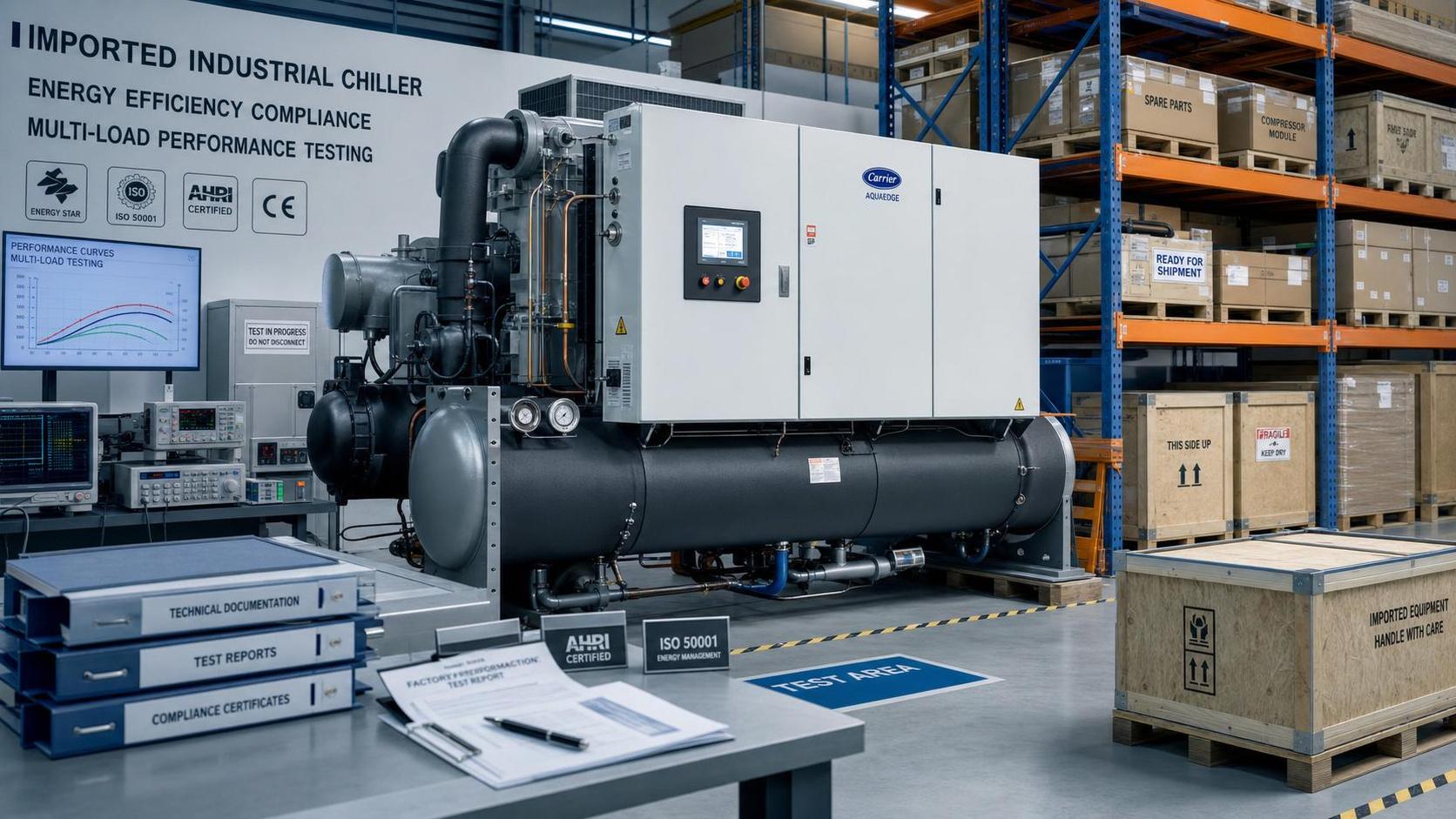
When High-Precision Temperature Control Is Worth the Cost




When High-Precision Temperature Control Is Worth the Cost
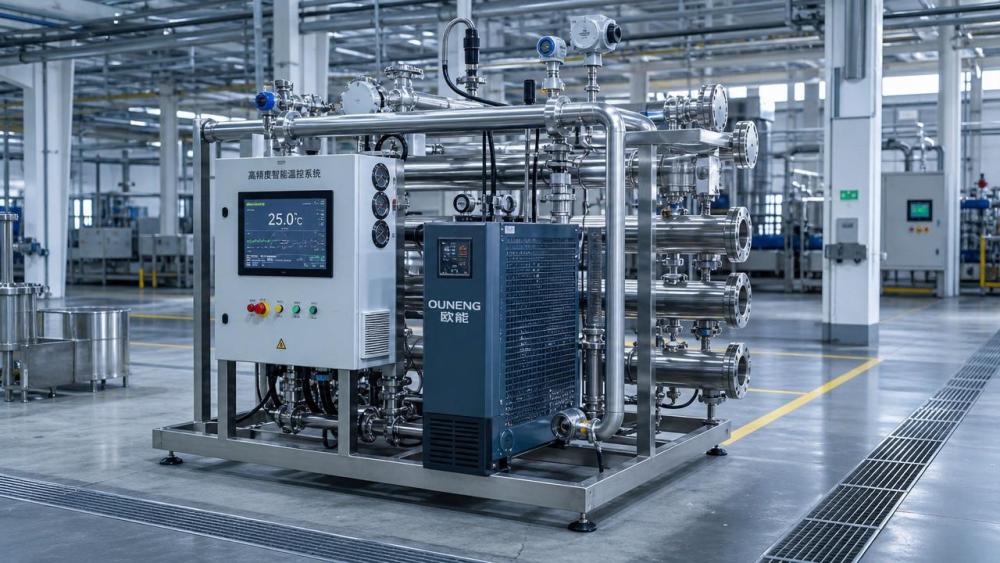
For many projects, better control always sounds attractive. The real question is whether high-precision temperature control creates returns that justify its premium.
That answer depends less on engineering preference and more on economics. In practice, cost recovery usually comes from yield, compliance, uptime, and energy performance.
This matters even more as energy costs fluctuate. Tighter process windows, stricter quality rules, and decarbonization targets are changing how temperature stability is valued.
From GTC-Matrix market tracking, the strongest demand appears where thermal variation quickly becomes financial loss. That is where precision control stops being optional.
Why the Cost Gap Exists
High-precision temperature control costs more because the system does more than hold a setpoint. It reduces drift, shortens recovery time, and resists external disturbances.
That usually requires higher-grade sensors, faster controls, better valves, tighter tuning, and more stable heat exchange components. Integration and validation costs also rise.
In other words, the premium is not only hardware. It is the price of predictability under real operating conditions.
For budget approval, that distinction matters. A low-cost unit may meet nominal specs, yet fail when ambient loads shift or production rates change.
When High-Precision Temperature Control Pays Back Fast
The best cases share one trait. Small temperature deviations create outsized financial consequences.
1. Product value is high
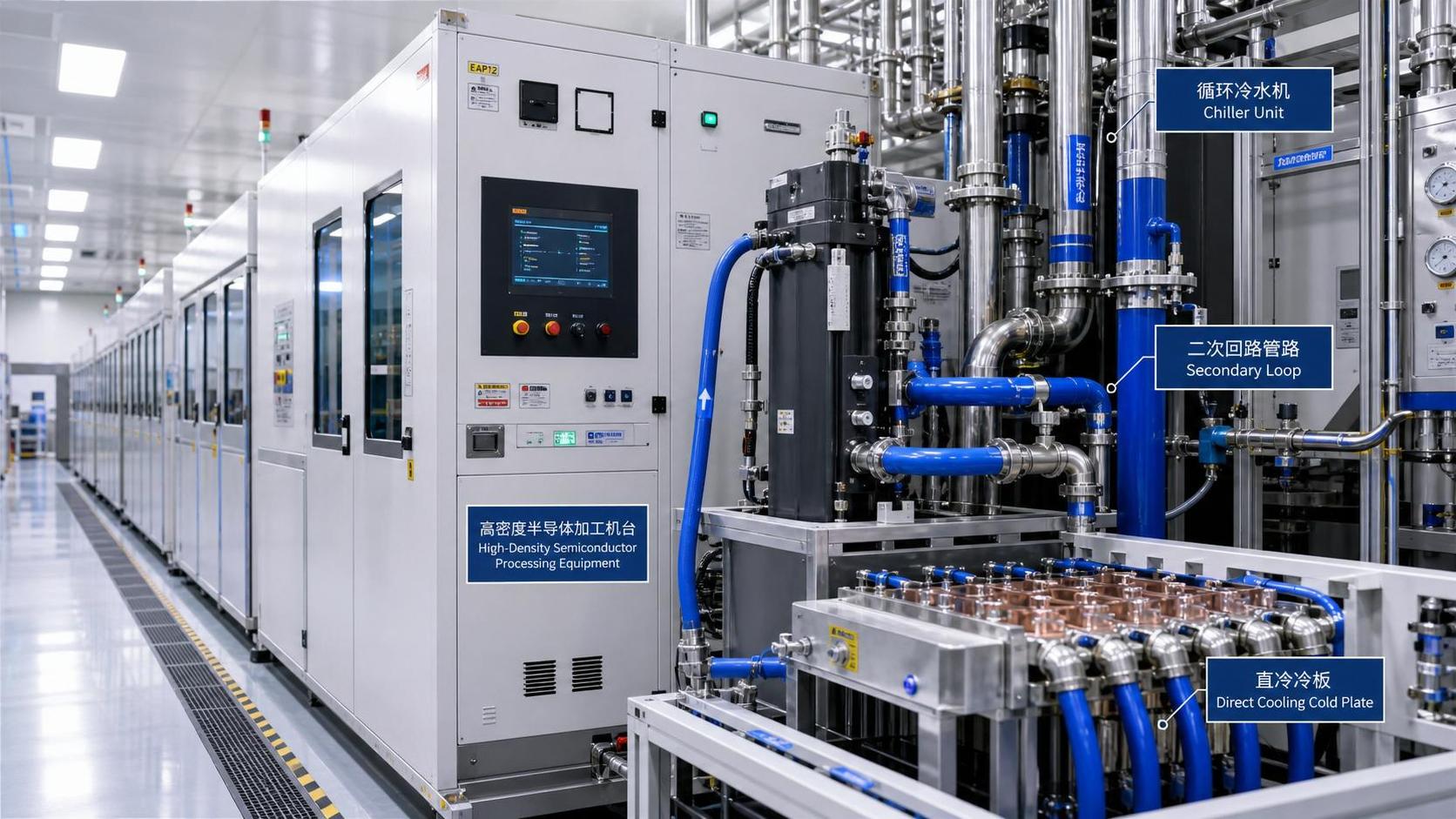
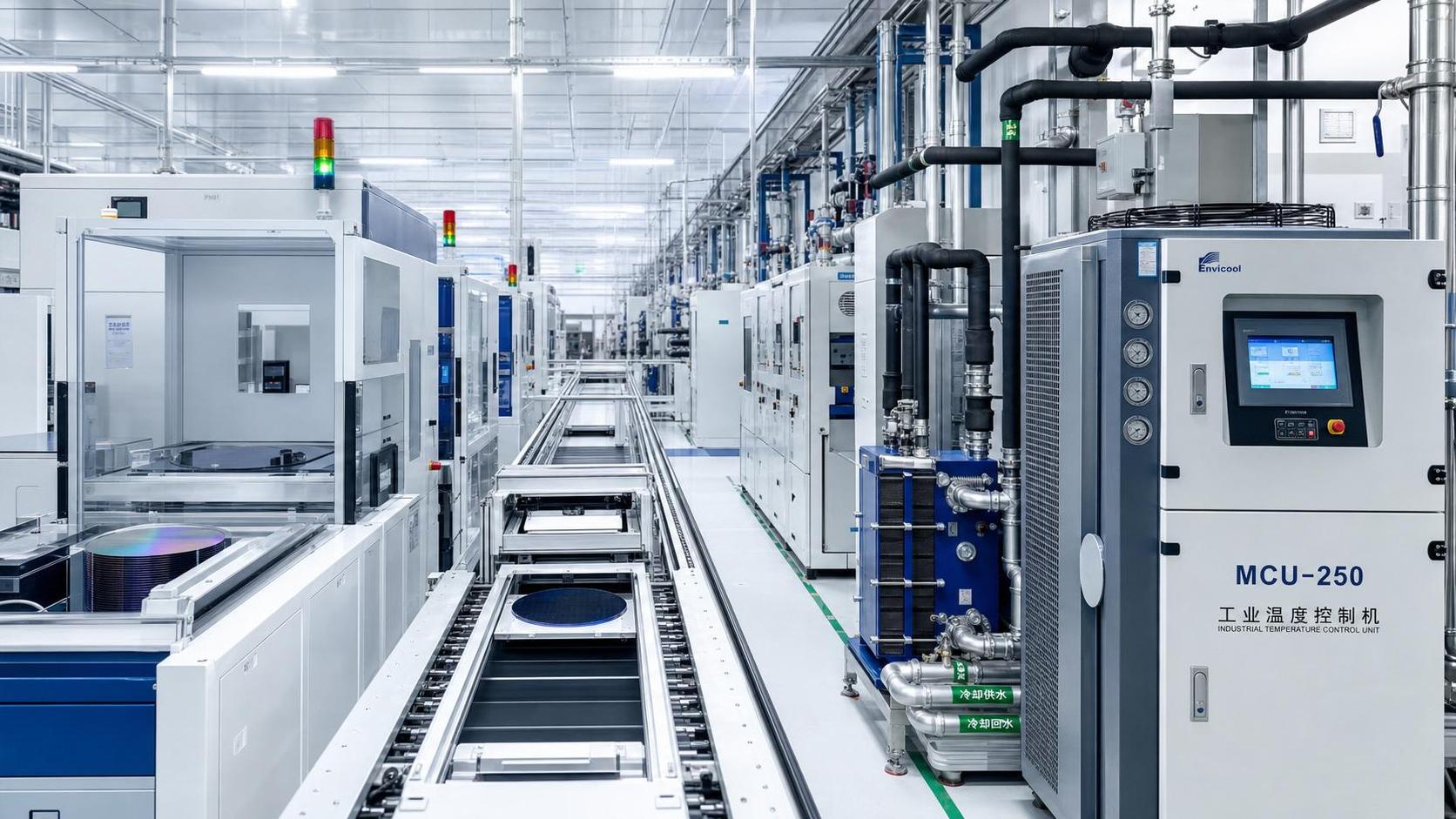
In semiconductors, pharmaceuticals, specialty chemicals, and advanced food processing, a narrow thermal band protects product integrity and batch consistency.
If one unstable cycle scraps a high-value batch, the annual savings from a cheaper system disappear quickly. Precision reduces that exposure.
2. Downtime is expensive
Some plants lose far more from one hour of interruption than from the full annual service cost of a premium control loop.
High-precision temperature control often improves stability during load changes. That means fewer alarms, fewer resets, and less unplanned stoppage.
3. Compliance risk is real
Regulated sectors face audit pressure. Temperature records are not just operating data. They are evidence.
Where traceability matters, poor thermal stability can trigger deviations, investigations, delayed release, or failed inspections. That risk belongs in the investment case.
4. Energy waste compounds over time
An unstable system often overcools or overheats to stay safe. Operators then add manual buffers, which increase utility consumption.
A more precise approach can shrink those buffers. That improves coefficient of performance, lowers compressed air or cooling demand, and cuts waste quietly every day.
When Standard Control Is Usually Enough
Not every process needs high-precision temperature control. Paying for unnecessary accuracy can weaken project returns and tie up capital without clear benefit.
Standard control is often sufficient when process tolerance is wide, product value is moderate, and thermal variation does not change quality outcomes.
The same applies when production is noncritical, downtime is easy to absorb, or upstream and downstream steps already create larger variability than temperature does.
In those settings, it is often smarter to invest in maintenance, insulation, controls tuning, or heat exchanger cleaning before moving to a premium platform.
A Practical Financial Test
A solid decision starts with a simple question. What does one degree of instability actually cost across one year?
To answer it, compare the premium of high-precision temperature control against measurable operating losses. Keep the model grounded in plant data.
- Scrap and rework from thermal drift
- Batch deviations or delayed release
- Downtime during temperature recovery
- Extra energy used by overshooting
- Maintenance from unstable cycling
- Customer claims tied to inconsistent quality
This also helps internal alignment. Operations may focus on process stability, while finance looks for payback period, total cost of ownership, and downside protection.
A quick comparison framework
Signals That the Upgrade Is Becoming Urgent
Recent market changes make the case clearer. Rising utility prices are exposing the hidden cost of thermal inefficiency.
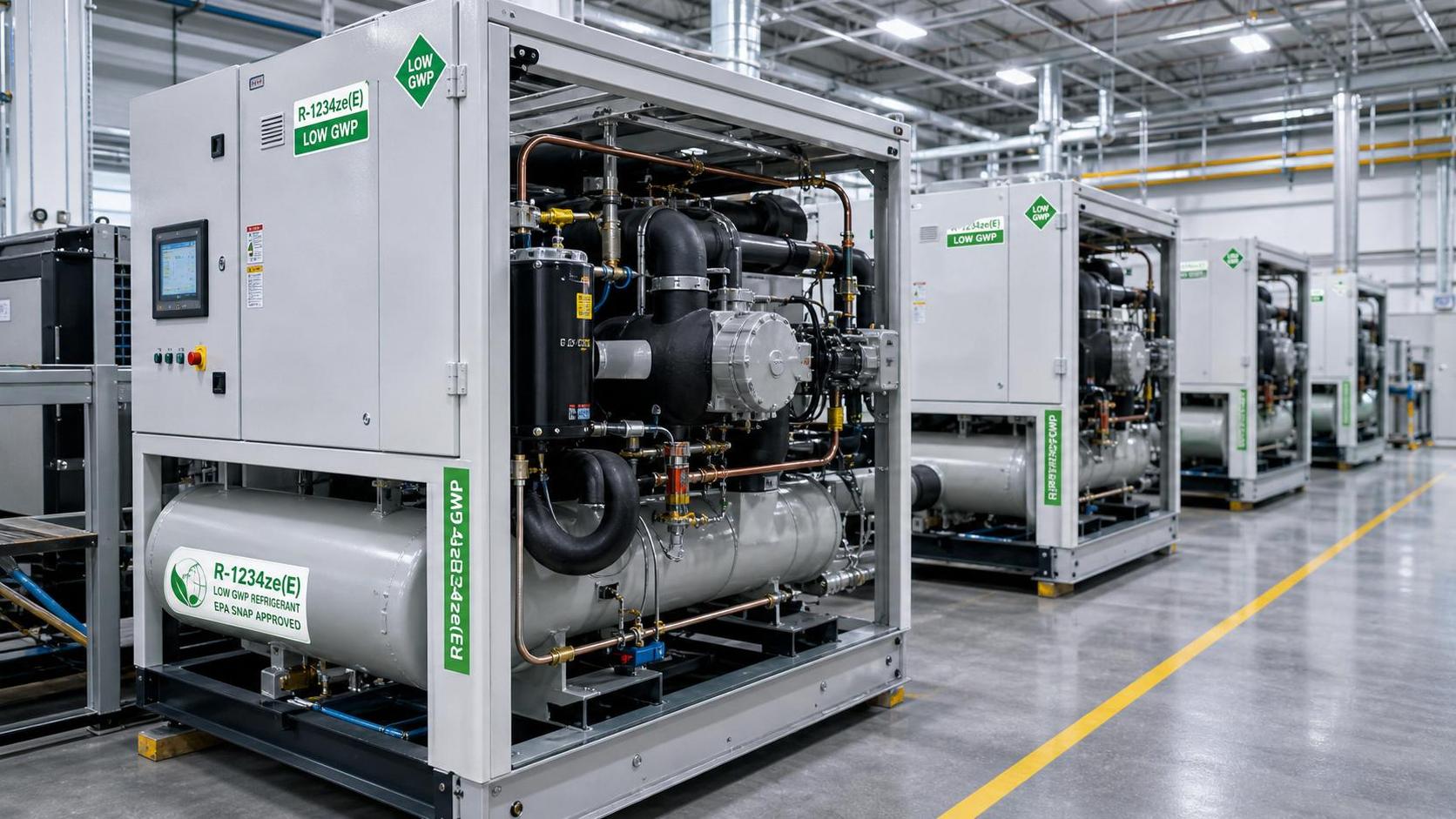
At the same time, greener refrigerants, smarter compression systems, and advanced heat exchangers are improving what precision platforms can deliver.
A stronger signal is operational. If teams repeatedly compensate for unstable temperature with manual intervention, the process is already paying a penalty.
That usually appears as wider setpoint buffers, inconsistent cycle times, overloaded chillers, or unexplained quality variation between shifts.
When those patterns persist, high-precision temperature control should be evaluated as a business correction, not just a technical upgrade.
How to Evaluate Suppliers Without Getting Lost in Specs
Spec sheets matter, but they rarely tell the whole story. A better review looks at control performance under real disturbance conditions.
- Ask for stability data under varying ambient and load conditions.
- Review recovery time after step changes, not only steady-state accuracy.
- Check sensor quality, control logic, and heat exchanger design together.
- Confirm service support, calibration practice, and spare parts availability.
- Model lifecycle energy use instead of comparing capital cost alone.
In actual procurement, the most expensive option is not always the best. The best choice is the one with the lowest cost of instability.
That lens is especially useful in cooling, compressed air, vacuum, and heat exchange applications, where thermal behavior influences the full production chain.
The Bottom Line
High-precision temperature control is worth the cost when thermal instability threatens margin, compliance, throughput, or energy efficiency in a measurable way.
It is less about buying tighter tolerance for its own sake. It is about paying for fewer losses, fewer surprises, and better operating confidence.
A disciplined evaluation starts with process sensitivity, then moves to total annual loss, then to supplier proof under real conditions.
If temperature variation already shows up in scrap, downtime, audit pressure, or utility waste, delaying the upgrade may be the more expensive decision.
Use that financial threshold as the decision point. When the cost of instability exceeds the premium, high-precision temperature control becomes a strategic investment.
Related News
- How Smart Thermal Systems Improve Industrial Cooling EfficiencyAuthor :Cryogenic Systems Expert

- How to Choose Process Cooling Equipment for Stable Temperature ControlAuthor :Cryogenic Systems Expert

- EU Finalizes 2026 HFC Quota Cut for R-134a ChillersAuthor :Cryogenic Systems Expert

- EU Tightens HFC-134a Quotas for Industrial ChillersAuthor :Cryogenic Systems Expert

- REACH SVHC Update Pressures HFC-134a Chiller Supply ChainsAuthor :Cryogenic Systems Expert

- EU PFAS Coolant Ban Reshapes Chiller ExportsAuthor :Cryogenic Systems Expert

- EU REACH Restricts PFAS Cooling Media ImportsAuthor :Cryogenic Systems Expert

- EU Ecodesign Rule Takes Effect for Industrial ChillersAuthor :Cryogenic Systems Expert

- EU REACH Rule Takes Effect for PFAS in Industrial Cooling ExportsAuthor :Cryogenic Systems Expert

- Industrial Cooling for Plastic Processing: How to Size for Stable Cycle TimesAuthor :Cryogenic Systems Expert

- EU F-Gas Update Bars R404A/R507 in Commercial CoolingAuthor :Cryogenic Systems Expert

- DOE Raises Chiller Efficiency Standard From October 2026Author :Cryogenic Systems Expert

- India Mandates BIS Energy Certification for Industrial ChillersAuthor :Cryogenic Systems Expert

- Energy-Efficient Heat Exchange for Process Cooling: Cost vs PaybackAuthor :Cryogenic Systems Expert

- EPA R-134a Import Ban Takes Effect on July 13, 2026Author :Cryogenic Systems Expert

- India BIS Rule Takes Effect for Industrial ChillersAuthor :Cryogenic Systems Expert

- EPA Cuts R134a Import Quotas 20% From July 10Author :Cryogenic Systems Expert

- How to Compare Energy-Efficient Cooling Systems for Factory Expansion ProjectsAuthor :Cryogenic Systems Expert

- Chiller Price Index Rises 11.3% in Q2Author :Cryogenic Systems Expert

- Saudi SASO Tightens Chiller Import Compliance From July 10Author :Cryogenic Systems Expert

- Dubai Opens Fast-Track Chiller TendersAuthor :Cryogenic Systems Expert

- Japan Raises Chiller COP Floor to 6.2 From Sept. 1Author :Cryogenic Systems Expert
![]()
- Compact Thermal Management in Smart Devices: Common Failure RisksAuthor :Cryogenic Systems Expert

- Thermal Management for Batteries: Cooling Methods ComparedAuthor :Cryogenic Systems Expert

- How Compact Thermal Design Extends Smart Device UptimeAuthor :Cryogenic Systems Expert

- Shanghai-Rotterdam Reefer Rates Jump 37% in a WeekAuthor :Cryogenic Systems Expert

- Process Cooling Equipment Low Maintenance: What Cuts Downtime Over 5 Years?Author :Cryogenic Systems Expert

- Semiconductor Cooling Solutions: Which Design Works Best for High-Density Tools?Author :Cryogenic Systems Expert

- Semiconductor Thermal Management Systems: Preventing Yield Loss from Heat DriftAuthor :Cryogenic Systems Expert

- EPA Clears R-1234ze(E) for Industrial ChillersAuthor :Cryogenic Systems Expert
 for Industrial Chillers")
- DOE Raises Chiller IEER Floor to 12.8 From Oct. 2026Author :Cryogenic Systems Expert

- Singapore Refrigeration Show Adds Green Compliance HubAuthor :Cryogenic Systems Expert

- How Food Industry Temperature Control Systems Reduce Product LossAuthor :Cryogenic Systems Expert

- EU REACH Adds 12 SVHCs, Raising Chiller Compliance RiskAuthor :Cryogenic Systems Expert

- Precision Temperature Control Air Cooling: Key Setup Mistakes That Reduce StabilityAuthor :Cryogenic Systems Expert

- India BEE Eyes APF Labels for Imported ChillersAuthor :Cryogenic Systems Expert