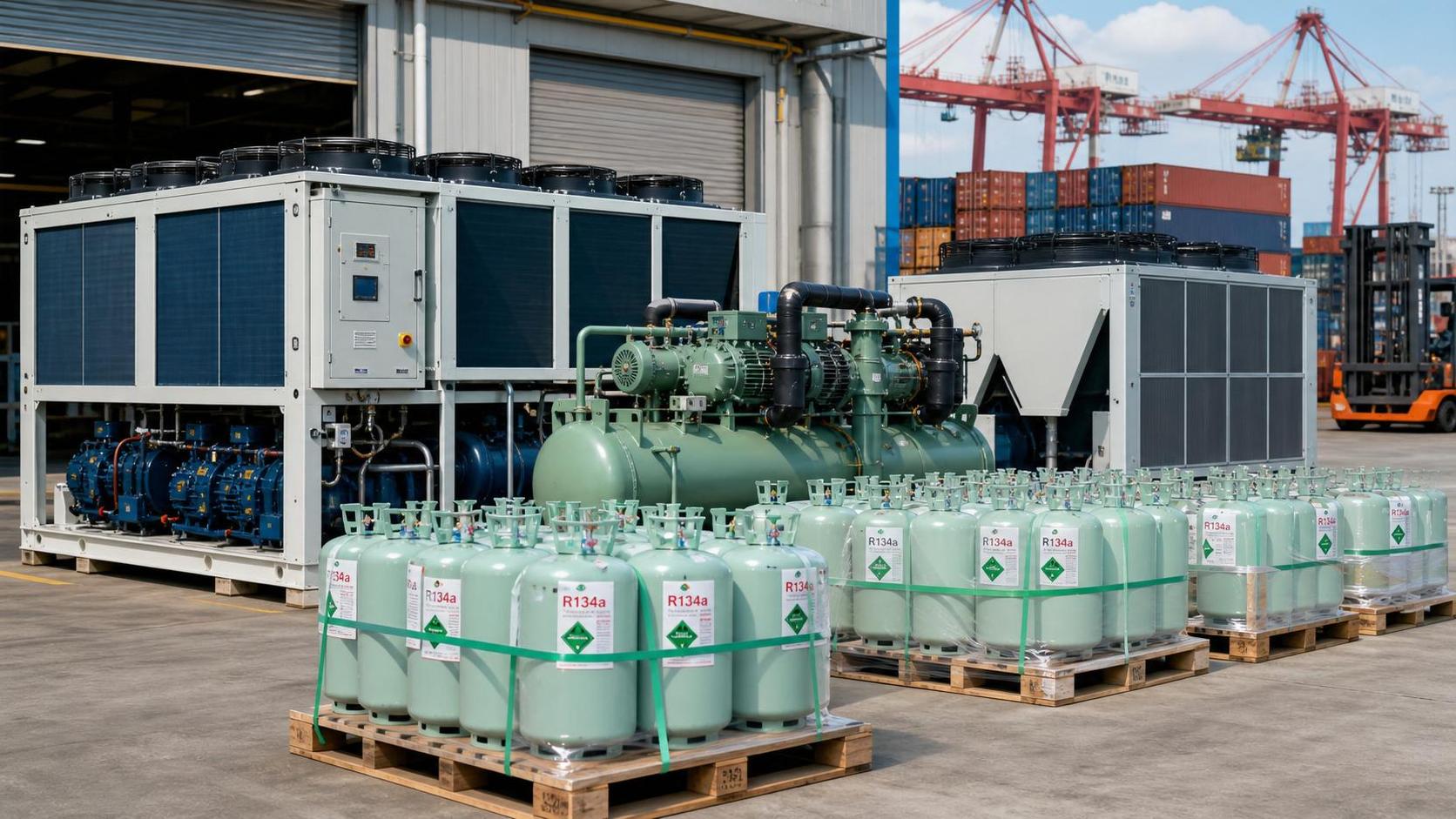
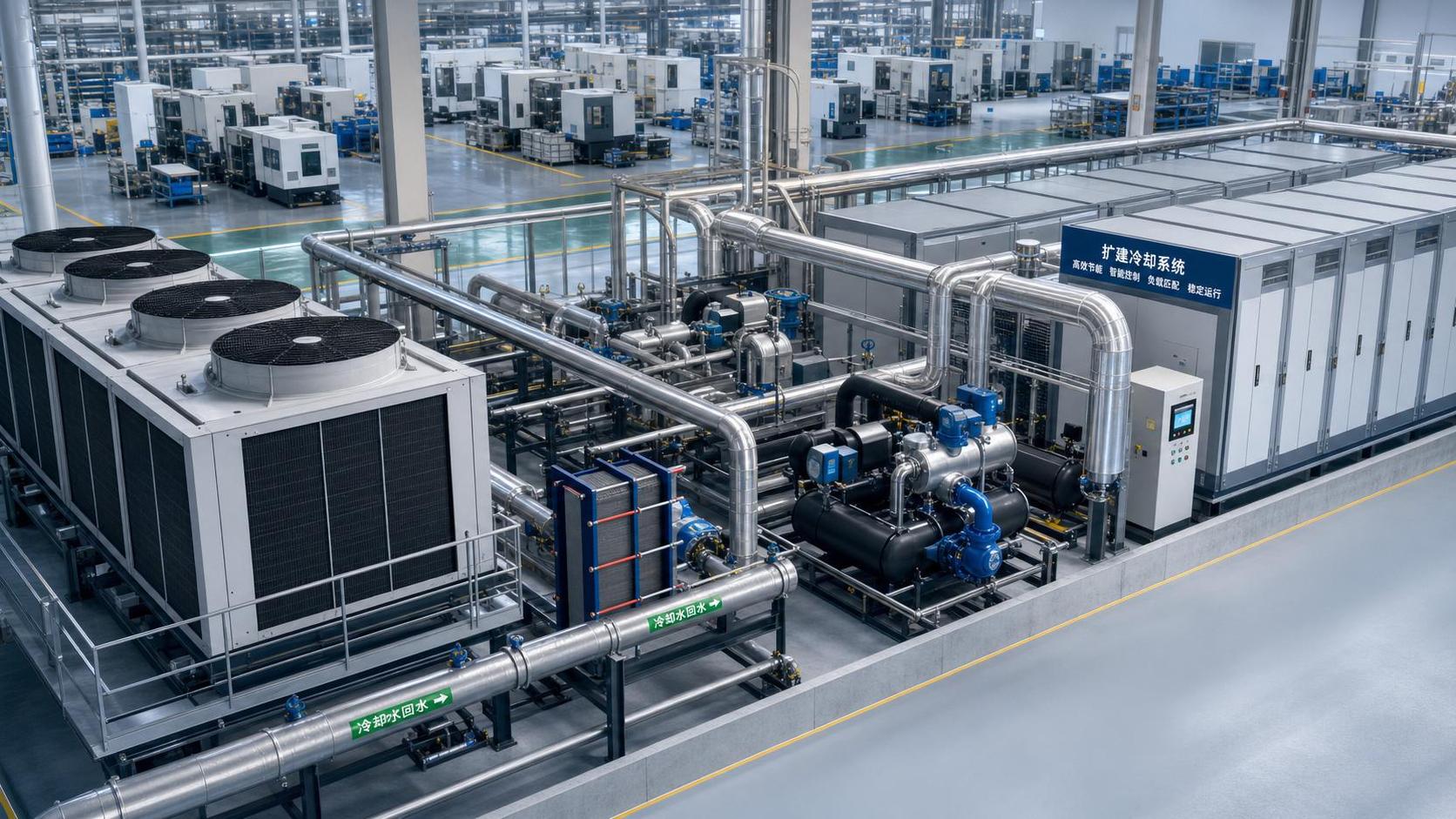
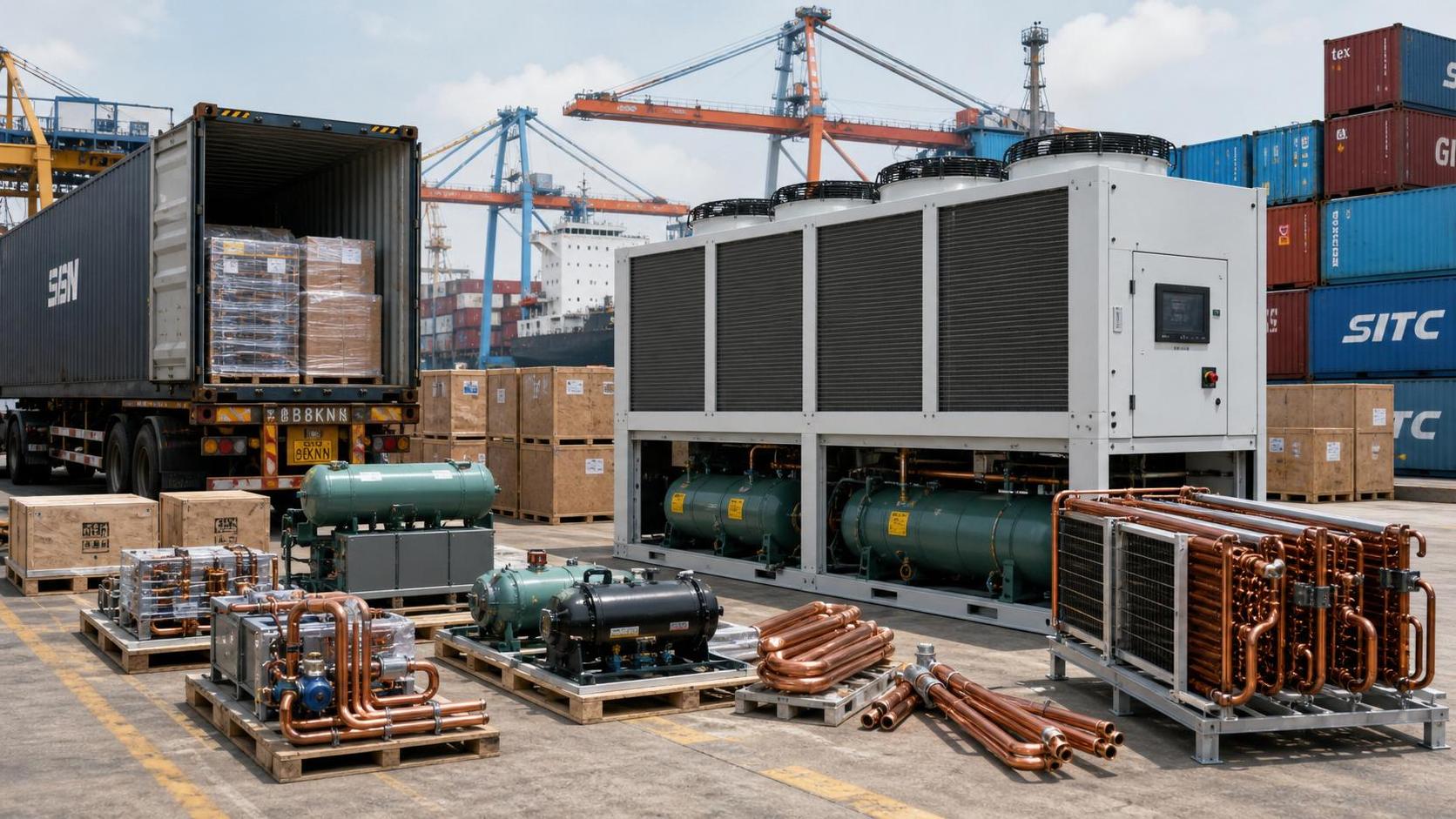
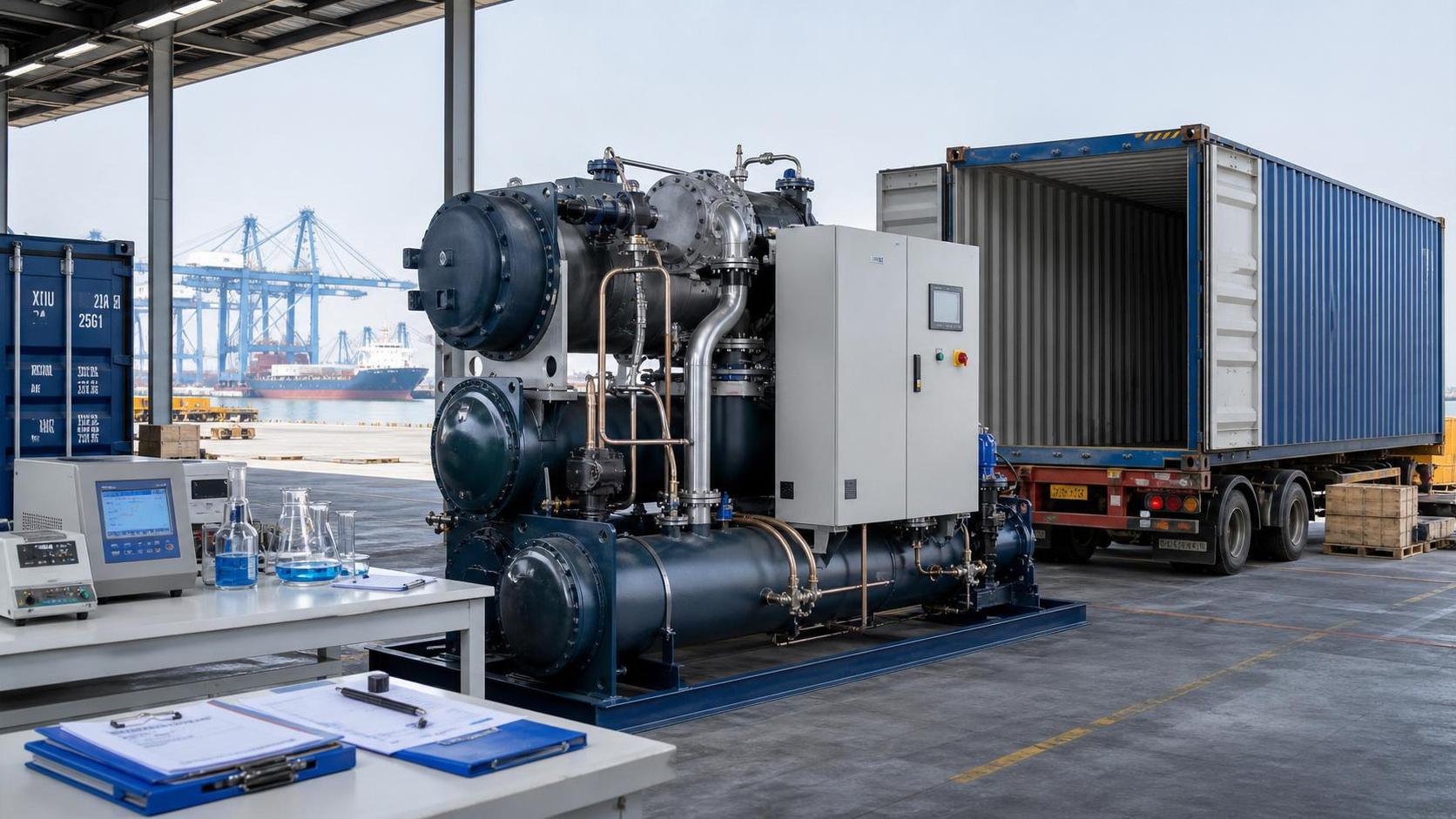
Green Cooling Zone Lifts Chiller Buying Focus at CTEF




On June 12, 2026, a new market signal emerged alongside the 16th Shanghai Fastener Professional Exhibition as CTEF introduced a dedicated matchmaking zone for green cooling and zero-carbon compression technologies. The move matters beyond exhibition activity because it points to changing buyer priorities around Industrial Chillers, Refrigerants, and Oil-free Systems, with likely effects on procurement review, export documentation, technical specifications, and compliance positioning for manufacturers, suppliers, and cross-border sellers.
A New Trade Signal From the Show Floor
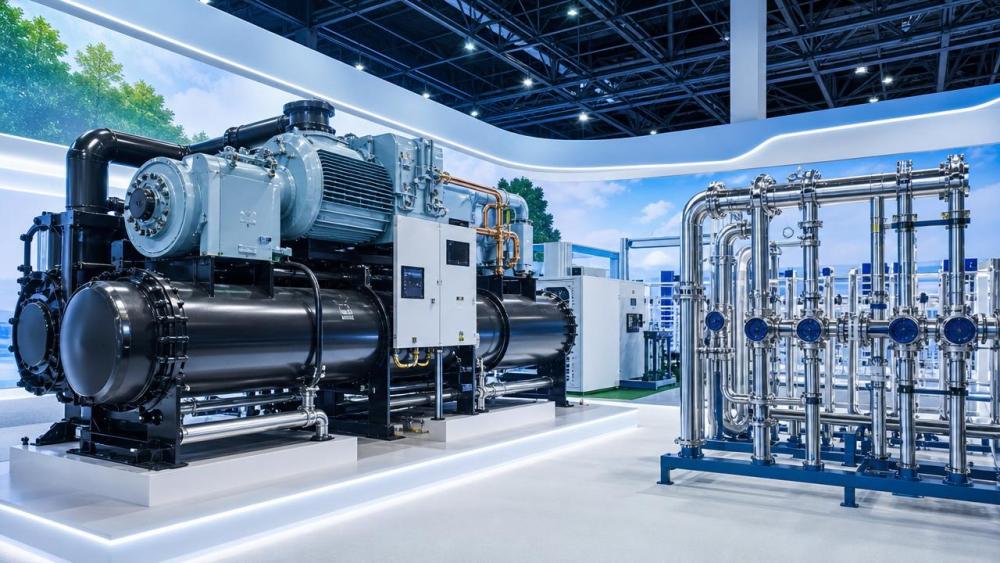
According to the provided event information, the exhibition opening on June 12, 2026 coincided with the first dedicated "Green Cooling and Zero-Carbon Compression" technology matchmaking zone.
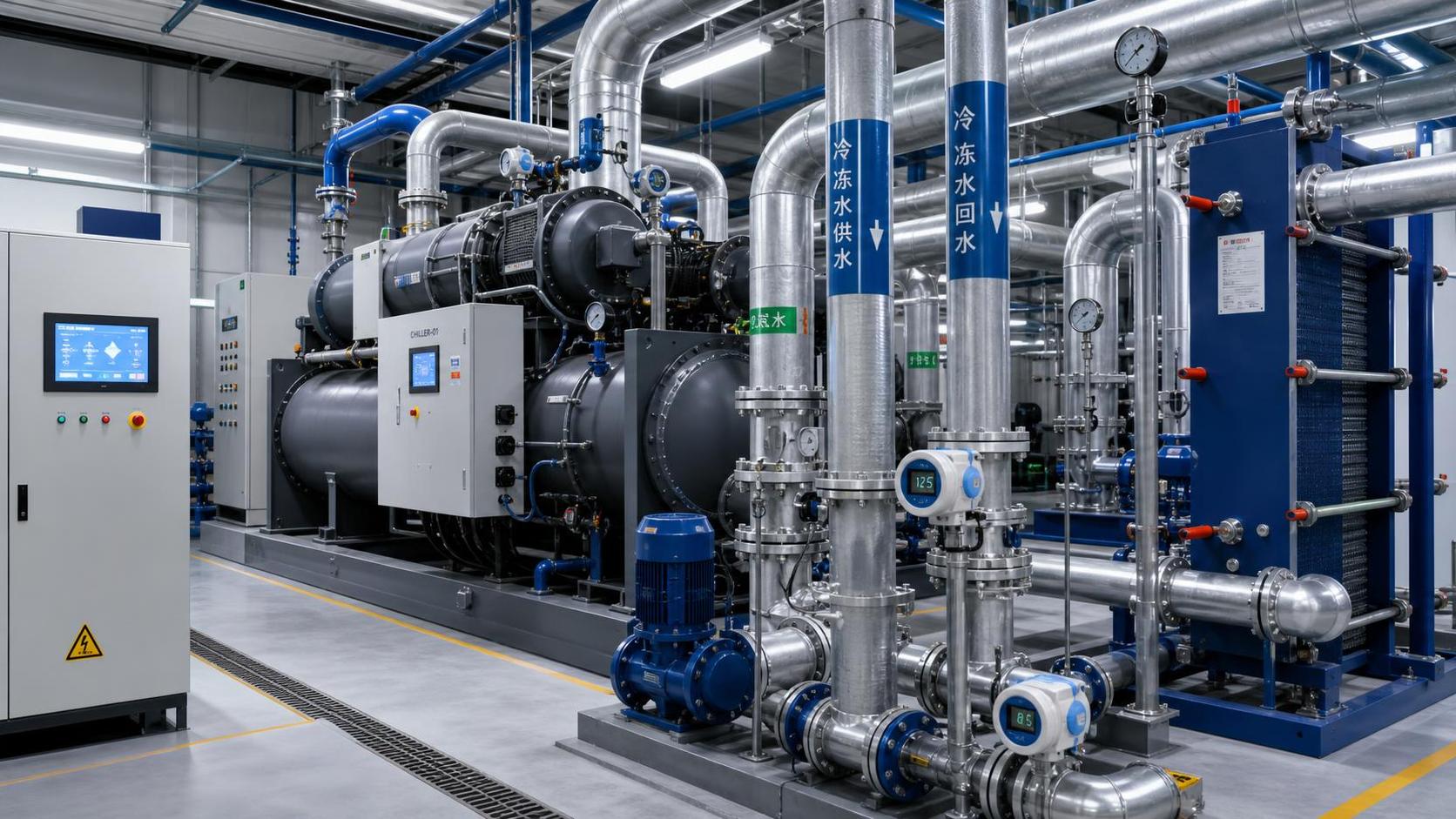
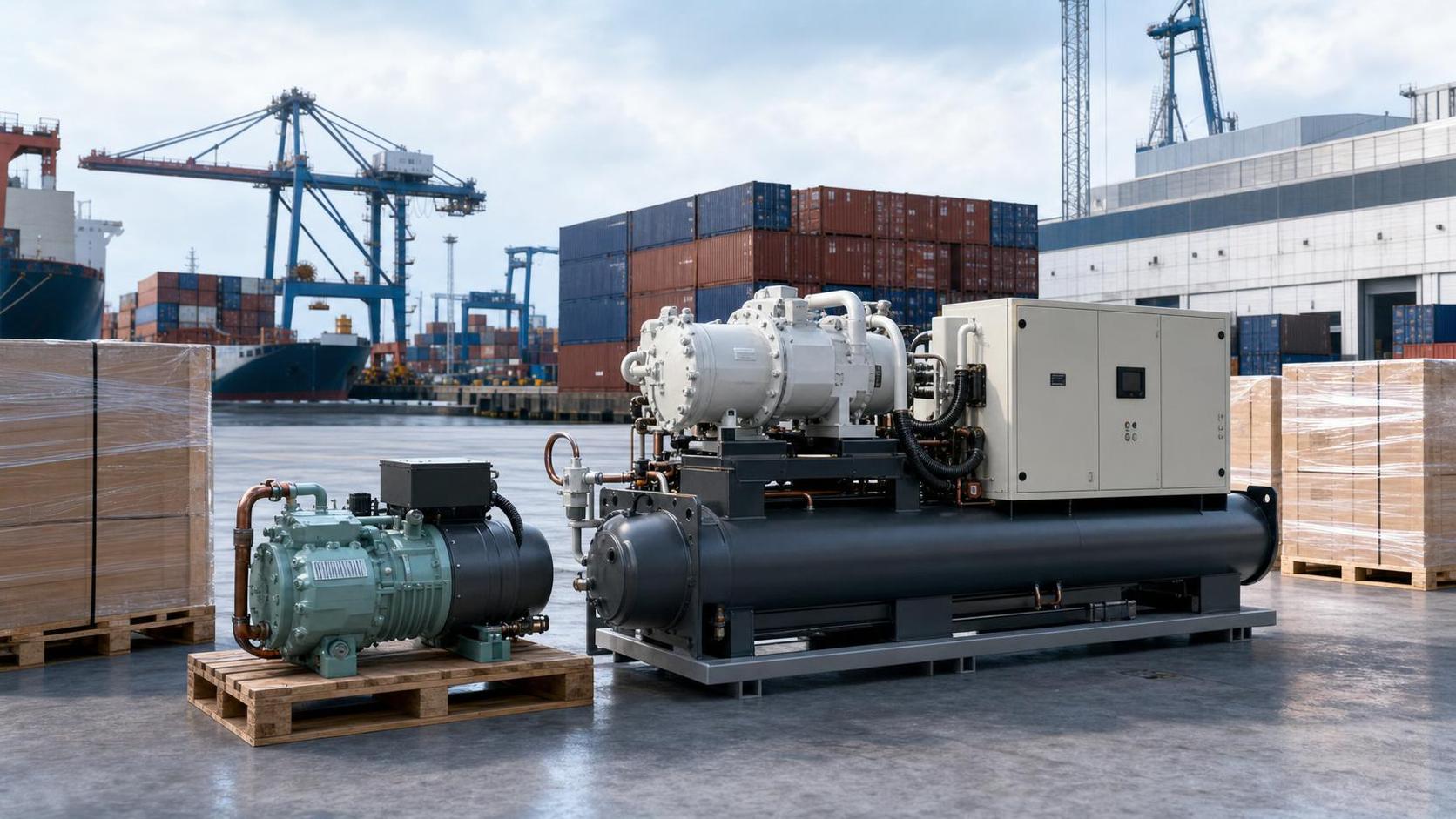
The zone focused on Industrial Chillers, Refrigerants, and Oil-free Systems.
The event summary states that intended orders on site exceeded RMB 120 million.
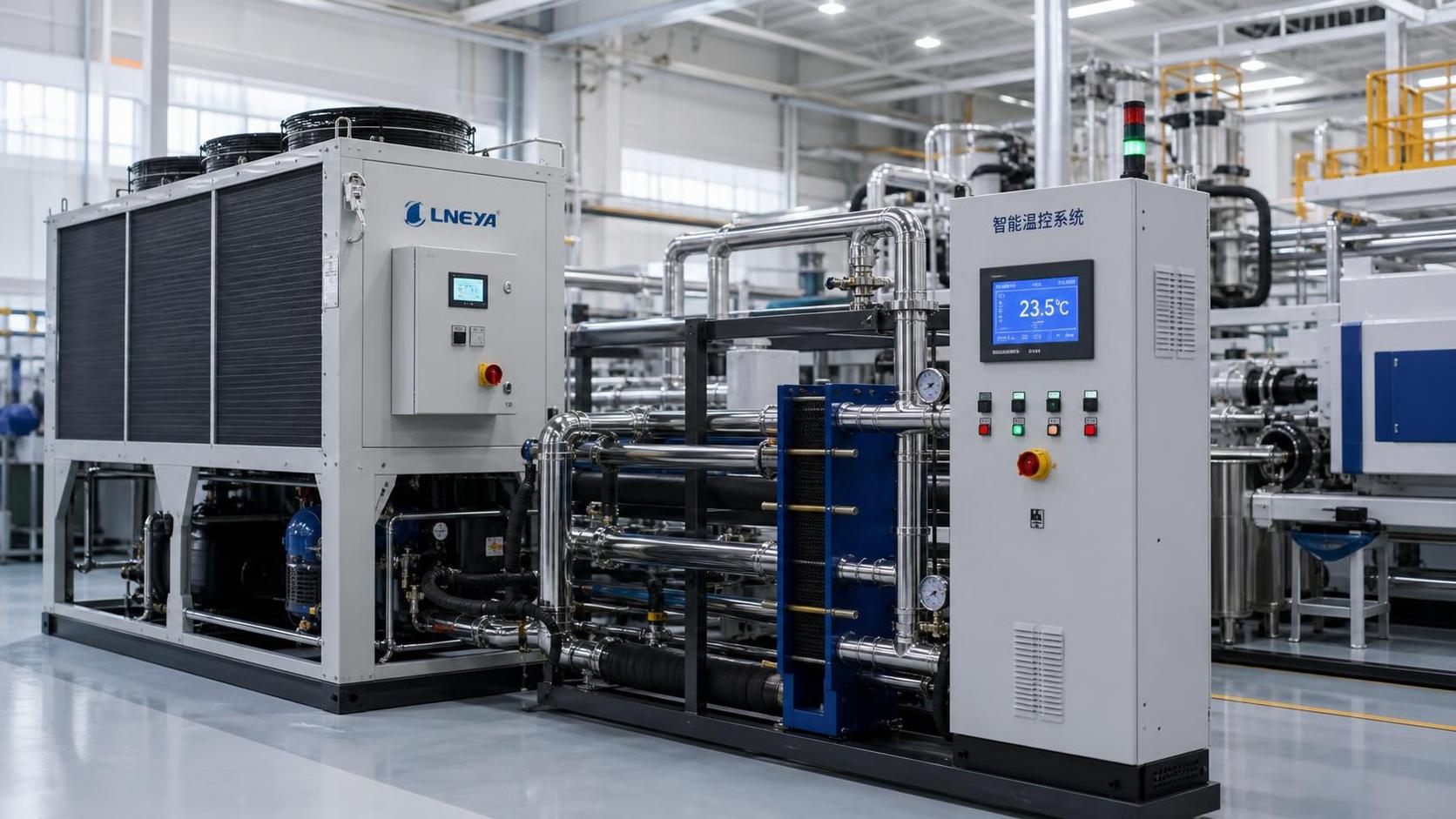
It also states that inquiries from European buyers for industrial chiller units equipped with AI-based energy efficiency management modules increased by 210% year on year.
In the same summary, R290 direct expansion models were identified as the preferred choice among Southeast Asian buyers.
Where the Pressure May Shift in Actual Business
Specification review is becoming more demanding for equipment suppliers
From an industry perspective, manufacturers and exporters of industrial chiller systems may be affected first because buyer attention is no longer limited to cooling capacity or delivery price. The confirmed rise in inquiries for AI-enabled energy efficiency management modules suggests that technical bid alignment, product documentation, and system configuration disclosure may receive closer scrutiny during quotation and procurement stages. What deserves closer attention is whether future tenders and purchase requests place greater weight on energy-management functions, refrigerant selection, or oil-free architecture.
Refrigerant choices may increasingly shape cross-border sales discussions
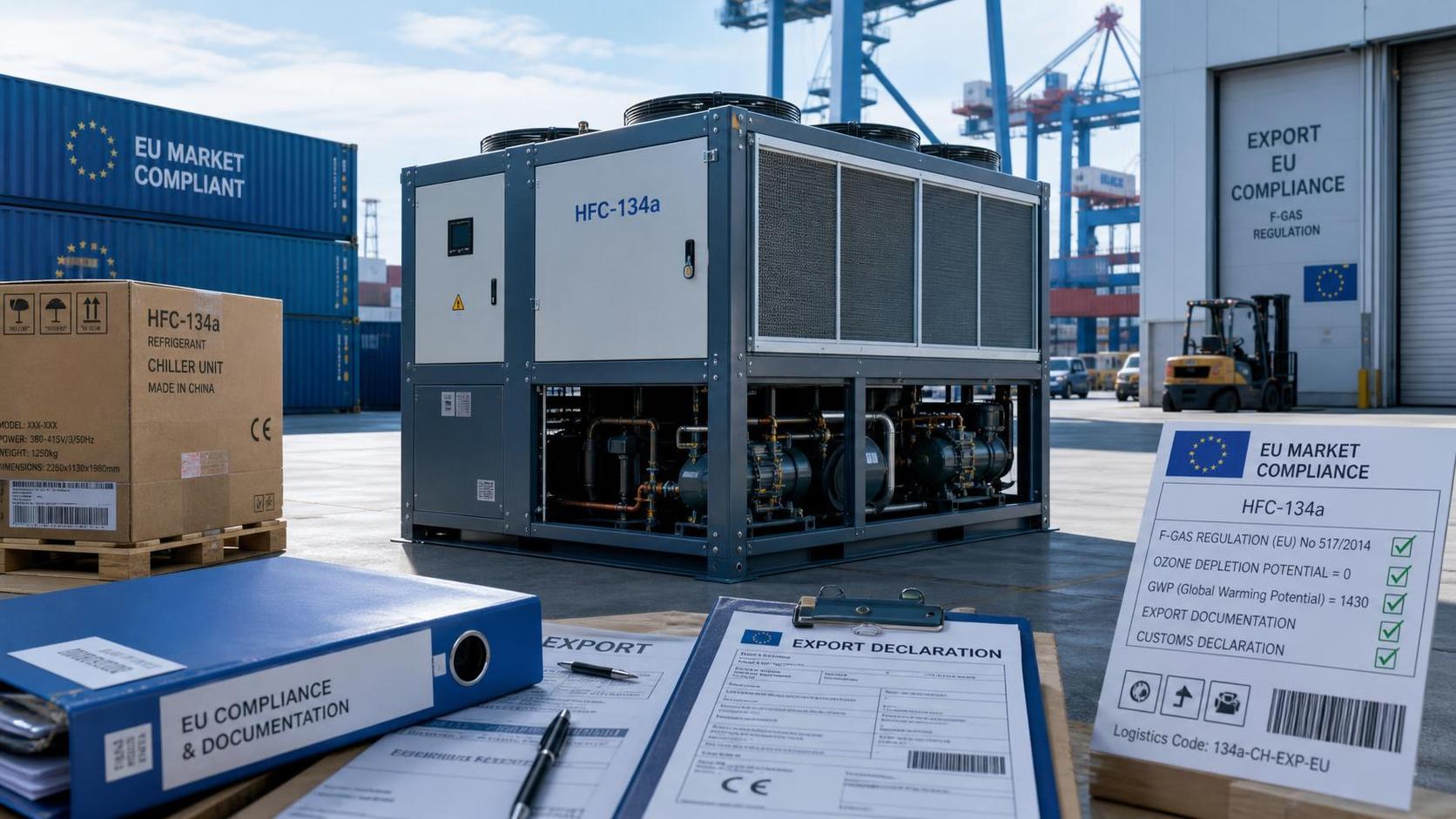
For suppliers involved in refrigerants, packaged systems, and export-oriented model selection, the preference for R290 direct expansion units among Southeast Asian buyers indicates that product-route decisions may increasingly interact with market-specific compliance expectations and import acceptance conditions. Analysis shows that sales teams, sourcing managers, and channel partners may need to pay closer attention to how refrigerant type is presented in technical files, shipping papers, after-sales instructions, and customer-side approval processes. The current event information does not define a new rule, but it does point to a procurement direction that could influence compliance review in later transactions.
Service, traceability, and delivery planning may become part of the buying decision
Supply chain service providers, after-sales teams, and procurement organizations may also feel the impact if buyers begin treating energy-management capability and low-carbon positioning as part of delivery acceptance rather than just marketing language. Observably, this can affect spare-parts preparation, technical handover materials, operating manuals, quality traceability records, and installation support arrangements. Companies active in multi-market delivery should therefore watch for changes in requested documents, testing records, and model-specific support commitments.
What Companies Should Watch Next
Check whether technical files match new buyer language
Companies offering industrial chillers should review whether brochures, bid documents, quotations, and datasheets clearly describe AI-based energy efficiency management functions, refrigerant routes, and oil-free system characteristics. Analysis shows that even without a confirmed new regulation in the provided information, mismatches between marketing claims and technical documentation could become a practical risk during procurement review.
Track market-specific compliance expectations before shipment
Exporters and trading companies should closely follow whether customer requirements begin to ask for more detailed declarations, testing materials, operating descriptions, or model-level compliance statements linked to refrigerants and energy performance. It is more appropriate to understand this as an area requiring continued verification rather than as a fully defined execution rule at this stage.
Prepare procurement and supplier qualification reviews earlier
Buyers and sourcing teams may need to reassess supplier qualification standards if green cooling or zero-carbon compression language starts appearing more often in RFQs, technical consultations, or procurement frameworks. What deserves closer attention is whether supplier selection increasingly depends on document completeness, configuration consistency, and delivery support capacity rather than price comparison alone.
Watch the after-sales burden behind product selection
Companies should also evaluate whether the preferred product routes highlighted at the event could create additional after-sales obligations in installation guidance, maintenance training, fault tracing, or spare-parts support. The current information does not confirm a unified execution standard, so this remains a practical observation point rather than a settled requirement.
Why This Looks More Like an Execution Signal Than a Final Rule
Analysis shows that the event is better read as a visible execution signal from the market rather than as proof of a completed regulatory change. The first-time creation of a dedicated green cooling and zero-carbon compression zone, together with concentrated buyer interest in AI-enabled chillers and R290 direct expansion models, suggests that commercial demand is beginning to translate sustainability and efficiency language into concrete sourcing behavior.
At the same time, it would be premature to treat this event alone as a final compliance benchmark. Observably, the more important next step is whether similar wording appears in certification practice, bid specifications, buyer qualification documents, technical acceptance criteria, or trade paperwork.
How This Update Is Best Understood for Now
At this stage, the development is best understood as a practical market cue that green cooling, refrigerant choice, and energy-management functions may be moving closer to the center of procurement and delivery decisions. For industry participants, the significance lies less in exhibition momentum itself and more in the possibility that technical compliance, product communication, and cross-border execution standards could tighten around these themes. A cautious reading is appropriate: the signal is real, but the detailed rules and market-wide execution thresholds still require observation.
Basis of This Article and What Still Needs Verification
This article is generated from the user-provided news title, event date, and event summary. For developments of this type, commonly relevant source categories may include official notices, regulator releases, customs or trade authority information, industry association updates, standards organization documents, and reporting from authoritative trade media.
No specific official source link was provided in the input, so the precise official basis still requires follow-up verification. Continued attention should be paid to later policy detail, certification interpretation, tender document changes, industry feedback, and how companies actually implement related procurement and delivery requirements.
Related News
- How Smart Thermal Systems Improve Industrial Cooling EfficiencyAuthor :Cryogenic Systems Expert

- How to Choose Process Cooling Equipment for Stable Temperature ControlAuthor :Cryogenic Systems Expert

- EU Finalizes 2026 HFC Quota Cut for R-134a ChillersAuthor :Cryogenic Systems Expert

- EU Tightens HFC-134a Quotas for Industrial ChillersAuthor :Cryogenic Systems Expert

- REACH SVHC Update Pressures HFC-134a Chiller Supply ChainsAuthor :Cryogenic Systems Expert

- EU PFAS Coolant Ban Reshapes Chiller ExportsAuthor :Cryogenic Systems Expert

- EU REACH Restricts PFAS Cooling Media ImportsAuthor :Cryogenic Systems Expert

- EU Ecodesign Rule Takes Effect for Industrial ChillersAuthor :Cryogenic Systems Expert

- EU REACH Rule Takes Effect for PFAS in Industrial Cooling ExportsAuthor :Cryogenic Systems Expert

- Industrial Cooling for Plastic Processing: How to Size for Stable Cycle TimesAuthor :Cryogenic Systems Expert

- EU F-Gas Update Bars R404A/R507 in Commercial CoolingAuthor :Cryogenic Systems Expert

- DOE Raises Chiller Efficiency Standard From October 2026Author :Cryogenic Systems Expert

- India Mandates BIS Energy Certification for Industrial ChillersAuthor :Cryogenic Systems Expert

- Energy-Efficient Heat Exchange for Process Cooling: Cost vs PaybackAuthor :Cryogenic Systems Expert

- EPA R-134a Import Ban Takes Effect on July 13, 2026Author :Cryogenic Systems Expert

- India BIS Rule Takes Effect for Industrial ChillersAuthor :Cryogenic Systems Expert

- EPA Cuts R134a Import Quotas 20% From July 10Author :Cryogenic Systems Expert

- How to Compare Energy-Efficient Cooling Systems for Factory Expansion ProjectsAuthor :Cryogenic Systems Expert

- Chiller Price Index Rises 11.3% in Q2Author :Cryogenic Systems Expert

- Saudi SASO Tightens Chiller Import Compliance From July 10Author :Cryogenic Systems Expert

- Dubai Opens Fast-Track Chiller TendersAuthor :Cryogenic Systems Expert

- Japan Raises Chiller COP Floor to 6.2 From Sept. 1Author :Cryogenic Systems Expert
![]()
- Compact Thermal Management in Smart Devices: Common Failure RisksAuthor :Cryogenic Systems Expert

- Thermal Management for Batteries: Cooling Methods ComparedAuthor :Cryogenic Systems Expert

- How Compact Thermal Design Extends Smart Device UptimeAuthor :Cryogenic Systems Expert

- Shanghai-Rotterdam Reefer Rates Jump 37% in a WeekAuthor :Cryogenic Systems Expert

- Process Cooling Equipment Low Maintenance: What Cuts Downtime Over 5 Years?Author :Cryogenic Systems Expert

- Semiconductor Cooling Solutions: Which Design Works Best for High-Density Tools?Author :Cryogenic Systems Expert

- Semiconductor Thermal Management Systems: Preventing Yield Loss from Heat DriftAuthor :Cryogenic Systems Expert

- EPA Clears R-1234ze(E) for Industrial ChillersAuthor :Cryogenic Systems Expert
 for Industrial Chillers")
- DOE Raises Chiller IEER Floor to 12.8 From Oct. 2026Author :Cryogenic Systems Expert

- Singapore Refrigeration Show Adds Green Compliance HubAuthor :Cryogenic Systems Expert

- How Food Industry Temperature Control Systems Reduce Product LossAuthor :Cryogenic Systems Expert

- EU REACH Adds 12 SVHCs, Raising Chiller Compliance RiskAuthor :Cryogenic Systems Expert

- Precision Temperature Control Air Cooling: Key Setup Mistakes That Reduce StabilityAuthor :Cryogenic Systems Expert

- India BEE Eyes APF Labels for Imported ChillersAuthor :Cryogenic Systems Expert