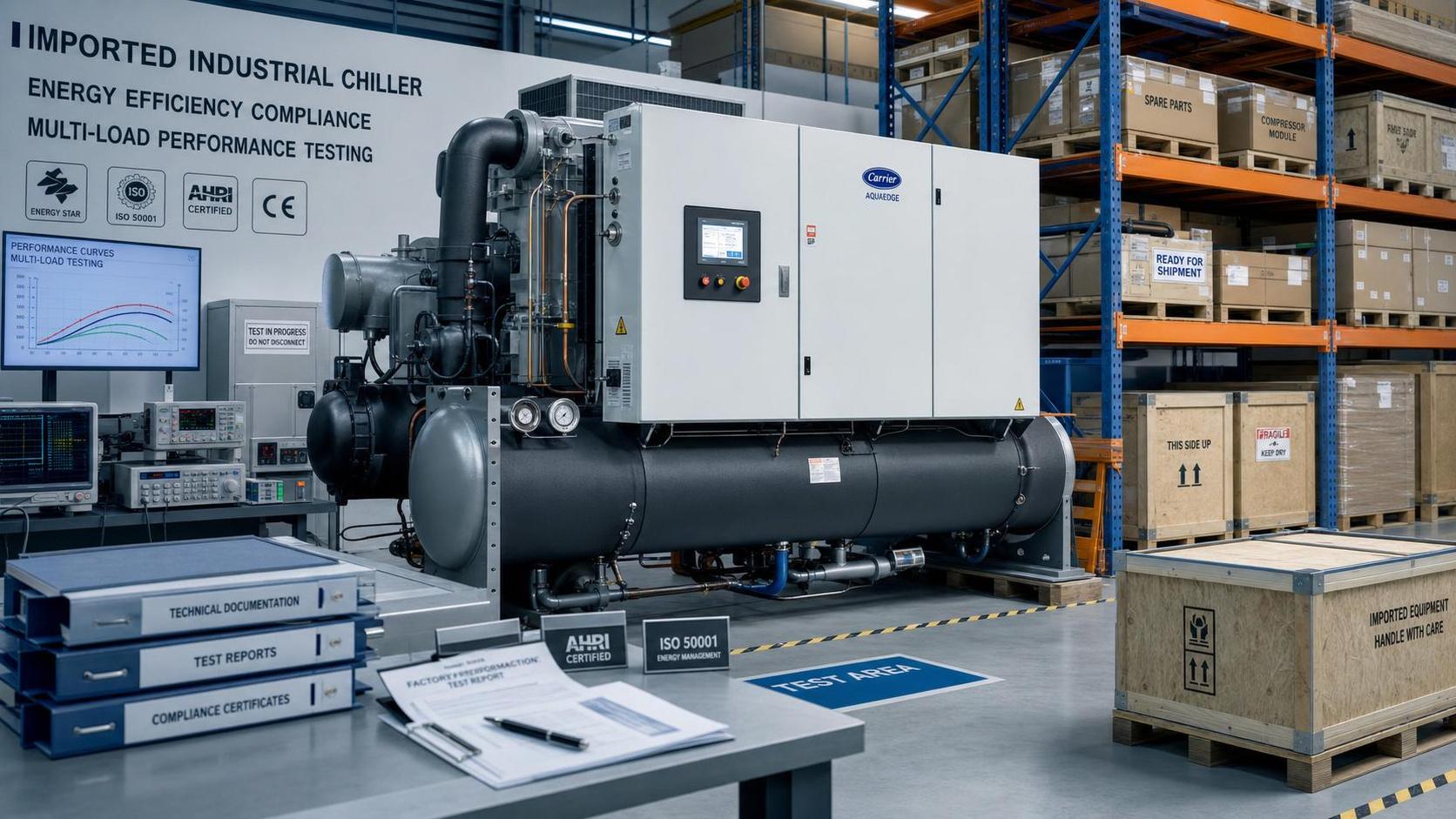
OPEC+ Nears Quota Reset as Refrigerant Feedstocks Steady




The timing of this development is not specified in the source material, but the signal is clear for the refrigeration supply chain: as OPEC+ moves close to completing the restoration of previously suspended oil output quotas, price swings in upstream inputs such as propane and isobutane for R290 and R600a are narrowing. At the same time, the new UL 60335-2-89 testing provisions have taken effect, prompting industrial chiller and cold storage equipment manufacturers to speed up batch certification and production conversion for R290 systems. For buyers, exporters, component suppliers, testing bodies, and compliance teams, this is worth close attention because it links feedstock stability with a live certification and product transition process rather than a standalone commodity story.
What has been confirmed at this stage
Confirmed information indicates that OPEC+ has already restarted most of the previously suspended production capacity measured in millions of barrels per day, and the final phase of quota removal has entered a countdown, with the original timeline pointing to 2027.
It is also confirmed that upstream price volatility for propane and isobutane, which are relevant feedstocks for R290 and R600a refrigerants, has narrowed.
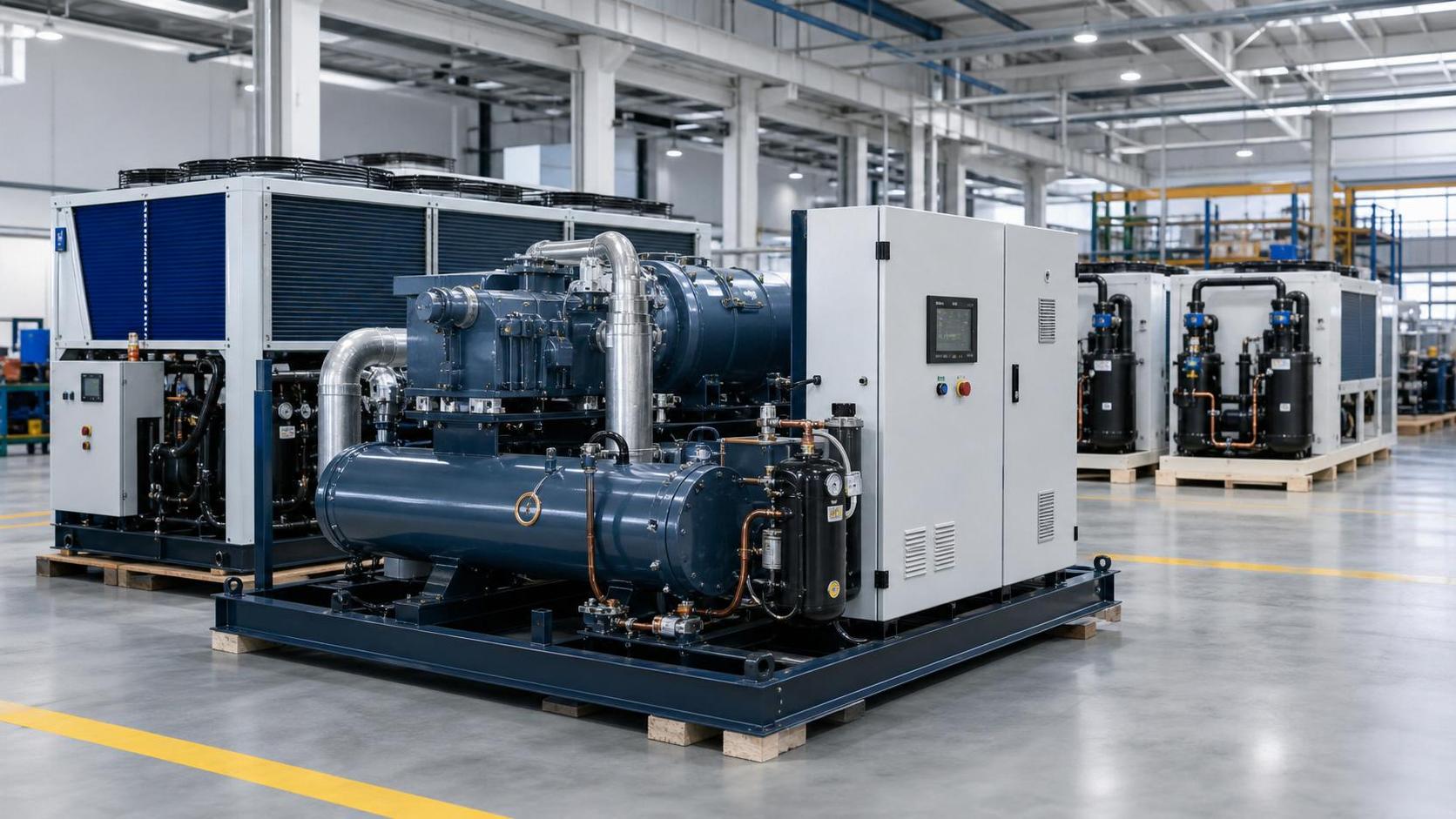
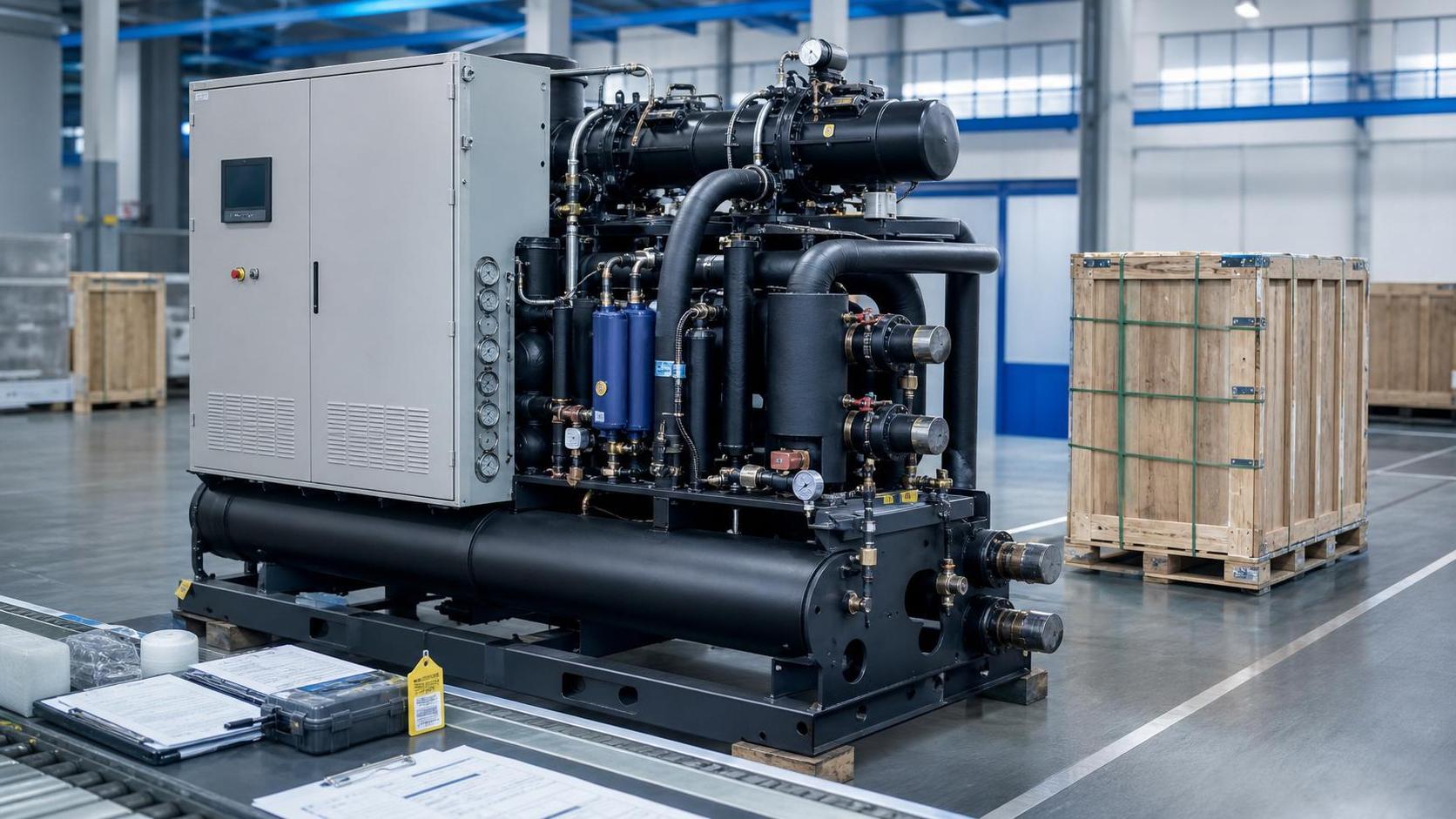
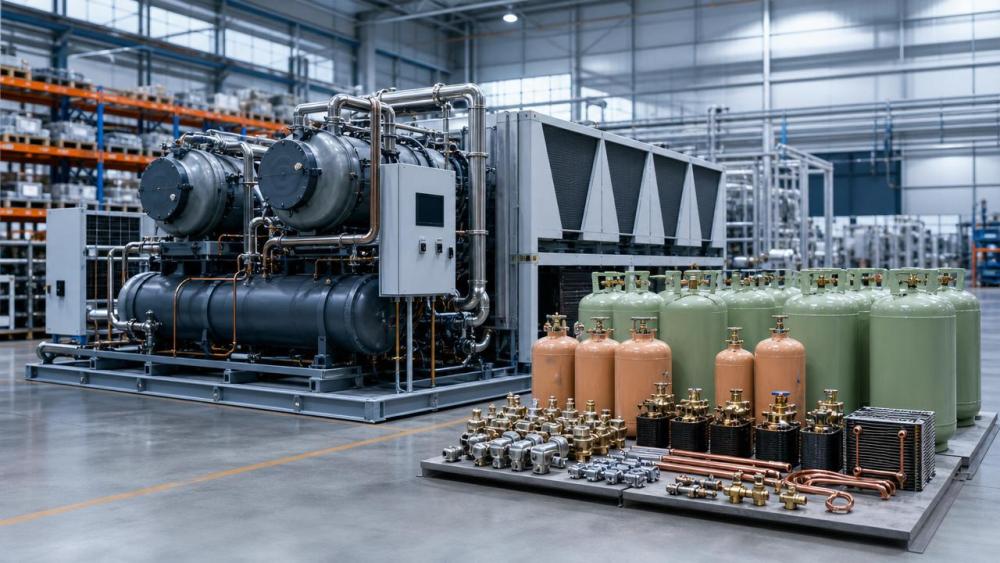
In parallel, new testing provisions under UL 60335-2-89 have come into effect. Against that backdrop, manufacturers of industrial chillers and cold storage equipment are accelerating batch certification and mass-production transition for R290 systems.
Why the rule and supply signals matter across the chain
For refrigerant and feedstock procurement teams
From an industry perspective, these teams may be affected because narrower volatility in propane and isobutane changes the procurement environment for R290 and R600a-related planning. The practical impact is less about declaring a new price trend and more about reassessing purchase timing, supplier discussions, and material allocation for projects linked to hydrocarbon refrigerant systems. What deserves closer attention is whether procurement documentation, internal approval standards, and supplier qualification files are aligned with products entering certification or production conversion stages.
For equipment manufacturers moving toward R290 platforms
The direct effect for industrial chiller and cold storage manufacturers is that feedstock conditions and certification requirements are now moving together. Analysis shows that the new UL 60335-2-89 testing provisions matter not only for laboratory testing but also for engineering release, product configuration control, and production scheduling. Companies in conversion phases may need to review technical files, test plans, model scope definitions, and the consistency between certified configurations and mass-production units.
For exporters, project suppliers, and channel partners
Observably, businesses involved in export delivery or project-based supply may see changes first in tender documents, customer technical specifications, and acceptance requirements. Where R290 systems are being introduced or scaled, the question is no longer only whether hydrocarbon systems are commercially available, but whether certification status, test evidence, and supporting technical documents are ready for transaction and delivery use. This can affect quotation assumptions, shipment preparation, and post-sale responsibility boundaries.
For testing, certification, and compliance support functions
Testing bodies and compliance service teams are likely to face more requests tied to batch certification, model coverage, and documentation review. The impact is operational: more attention may be required on test scope interpretation, document traceability, and the alignment between standard-based testing outputs and customer-facing compliance files. It is more appropriate to understand this as a live execution phase for certification work, rather than a purely formal standards update.
Operational points companies should watch now
Check whether certification timing matches production timing
Analysis shows that a faster move toward R290 mass production can create gaps if certification schedules, factory release plans, and customer delivery commitments are not synchronized. Companies should pay close attention to whether certified models, tested conditions, and actual deliverables remain consistent across sales, production, and shipment records.
Review technical and tender documents for new compliance language
As UL 60335-2-89 testing provisions have already taken effect, businesses should watch for updated wording in technical bids, customer specifications, inspection documents, and internal compliance checklists. If execution details are not fully visible from the current information, it should not be treated as a completed market-wide adjustment; instead, firms should verify how each downstream requirement is being written and applied.
Reassess sourcing plans around narrower feedstock volatility
Observably, narrower price swings in propane and isobutane may influence sourcing rhythm and inventory decisions for manufacturers connected to R290 and R600a systems. This does not confirm any fixed procurement advantage, but it does justify a closer review of supplier arrangements, order pacing, and the resilience of raw material supply for certified product ramp-up.
Prepare traceable files for delivery and after-sales support
For projects involving industrial chillers and cold storage systems, traceable records may become more important as product platforms shift. Companies should closely monitor the readiness of test reports, technical manuals, product configuration records, and after-sales reference documents so that compliance claims made during sale can be supported during delivery and service.
How this development is best understood
Observably, this development carries two signals at once. One is a supply-side signal: upstream feedstock conditions tied to hydrocarbon refrigerants appear more stable than during periods of sharper volatility. The other is an execution signal: the UL 60335-2-89 testing update is no longer an abstract standards topic, because manufacturers are already accelerating certification and production transition around R290 systems.
What deserves closer attention is that the market impact should not be overstated as a settled end-state. The current information does not confirm how all buyers, certification bodies, or project owners will apply the new requirements in practice. It is more appropriate to understand this as a combination of rule implementation and operational adjustment that still requires monitoring through document language, testing practice, and transaction-level feedback.
What the market can reasonably take from it
The practical significance of this development is not simply that oil-related supply is stabilizing, nor simply that a testing provision has taken effect. Its industry value lies in the way upstream raw-material conditions and downstream compliance milestones are beginning to reinforce each other for R290-based industrial refrigeration equipment.
From an industry perspective, the most balanced reading is that this is an active transition signal. It points to firmer execution conditions for certification and production switching, but it does not by itself confirm uniform market adoption, identical trade requirements, or fully settled delivery practices. Companies should therefore treat it as a meaningful implementation stage that still needs case-by-case verification.
Basis of this article and what still needs verification
This article is generated based on the user-provided news title, event timing, and event summary. The timing of the event was not specified in the input. No specific official source links were provided in the input, so further verification remains necessary.
For developments of this kind, commonly relevant source types may include official announcements, regulatory publications, trade authority information, industry association updates, standards organization documents, certification materials, and reporting by authoritative media. Subsequent monitoring should focus on detailed rule interpretation, certification execution practice, tender document changes, market feedback, and how companies are implementing product conversion and delivery compliance in practice.
Related News
- How Smart Thermal Systems Improve Industrial Cooling EfficiencyAuthor :Cryogenic Systems Expert

- How to Choose Process Cooling Equipment for Stable Temperature ControlAuthor :Cryogenic Systems Expert

- EU Finalizes 2026 HFC Quota Cut for R-134a ChillersAuthor :Cryogenic Systems Expert

- EU Tightens HFC-134a Quotas for Industrial ChillersAuthor :Cryogenic Systems Expert

- REACH SVHC Update Pressures HFC-134a Chiller Supply ChainsAuthor :Cryogenic Systems Expert

- EU PFAS Coolant Ban Reshapes Chiller ExportsAuthor :Cryogenic Systems Expert

- EU REACH Restricts PFAS Cooling Media ImportsAuthor :Cryogenic Systems Expert

- EU Ecodesign Rule Takes Effect for Industrial ChillersAuthor :Cryogenic Systems Expert

- EU REACH Rule Takes Effect for PFAS in Industrial Cooling ExportsAuthor :Cryogenic Systems Expert

- Industrial Cooling for Plastic Processing: How to Size for Stable Cycle TimesAuthor :Cryogenic Systems Expert

- EU F-Gas Update Bars R404A/R507 in Commercial CoolingAuthor :Cryogenic Systems Expert

- DOE Raises Chiller Efficiency Standard From October 2026Author :Cryogenic Systems Expert

- India Mandates BIS Energy Certification for Industrial ChillersAuthor :Cryogenic Systems Expert

- Energy-Efficient Heat Exchange for Process Cooling: Cost vs PaybackAuthor :Cryogenic Systems Expert

- EPA R-134a Import Ban Takes Effect on July 13, 2026Author :Cryogenic Systems Expert

- India BIS Rule Takes Effect for Industrial ChillersAuthor :Cryogenic Systems Expert

- EPA Cuts R134a Import Quotas 20% From July 10Author :Cryogenic Systems Expert

- How to Compare Energy-Efficient Cooling Systems for Factory Expansion ProjectsAuthor :Cryogenic Systems Expert

- Chiller Price Index Rises 11.3% in Q2Author :Cryogenic Systems Expert

- Saudi SASO Tightens Chiller Import Compliance From July 10Author :Cryogenic Systems Expert

- Dubai Opens Fast-Track Chiller TendersAuthor :Cryogenic Systems Expert

- Japan Raises Chiller COP Floor to 6.2 From Sept. 1Author :Cryogenic Systems Expert
![]()
- Compact Thermal Management in Smart Devices: Common Failure RisksAuthor :Cryogenic Systems Expert

- Thermal Management for Batteries: Cooling Methods ComparedAuthor :Cryogenic Systems Expert

- How Compact Thermal Design Extends Smart Device UptimeAuthor :Cryogenic Systems Expert

- Shanghai-Rotterdam Reefer Rates Jump 37% in a WeekAuthor :Cryogenic Systems Expert

- Process Cooling Equipment Low Maintenance: What Cuts Downtime Over 5 Years?Author :Cryogenic Systems Expert

- Semiconductor Cooling Solutions: Which Design Works Best for High-Density Tools?Author :Cryogenic Systems Expert

- Semiconductor Thermal Management Systems: Preventing Yield Loss from Heat DriftAuthor :Cryogenic Systems Expert

- EPA Clears R-1234ze(E) for Industrial ChillersAuthor :Cryogenic Systems Expert
 for Industrial Chillers")
- DOE Raises Chiller IEER Floor to 12.8 From Oct. 2026Author :Cryogenic Systems Expert

- Singapore Refrigeration Show Adds Green Compliance HubAuthor :Cryogenic Systems Expert

- How Food Industry Temperature Control Systems Reduce Product LossAuthor :Cryogenic Systems Expert

- EU REACH Adds 12 SVHCs, Raising Chiller Compliance RiskAuthor :Cryogenic Systems Expert

- Precision Temperature Control Air Cooling: Key Setup Mistakes That Reduce StabilityAuthor :Cryogenic Systems Expert

- India BEE Eyes APF Labels for Imported ChillersAuthor :Cryogenic Systems Expert