Industrial Cooling Systems: Common Sizing Mistakes That Raise Energy Use




Why sizing mistakes in industrial cooling systems cost more than expected
In industrial cooling systems, sizing errors rarely look dramatic on day one. Most problems show up later as unstable temperatures, high compressor cycling, and energy bills that keep climbing.
That is why sizing deserves a closer look during design review, retrofit planning, and equipment comparison. A system can run, yet still be wrong for the real load profile.
For technical evaluation, the key issue is simple. Capacity must match actual process demand, seasonal variation, control logic, and heat rejection conditions, not just nameplate expectations.
The Global Thermal & Compression Matrix, or GTC-Matrix, often tracks this pattern across sectors. Decisions improve when thermodynamic data, operating context, and efficiency trends are reviewed together.
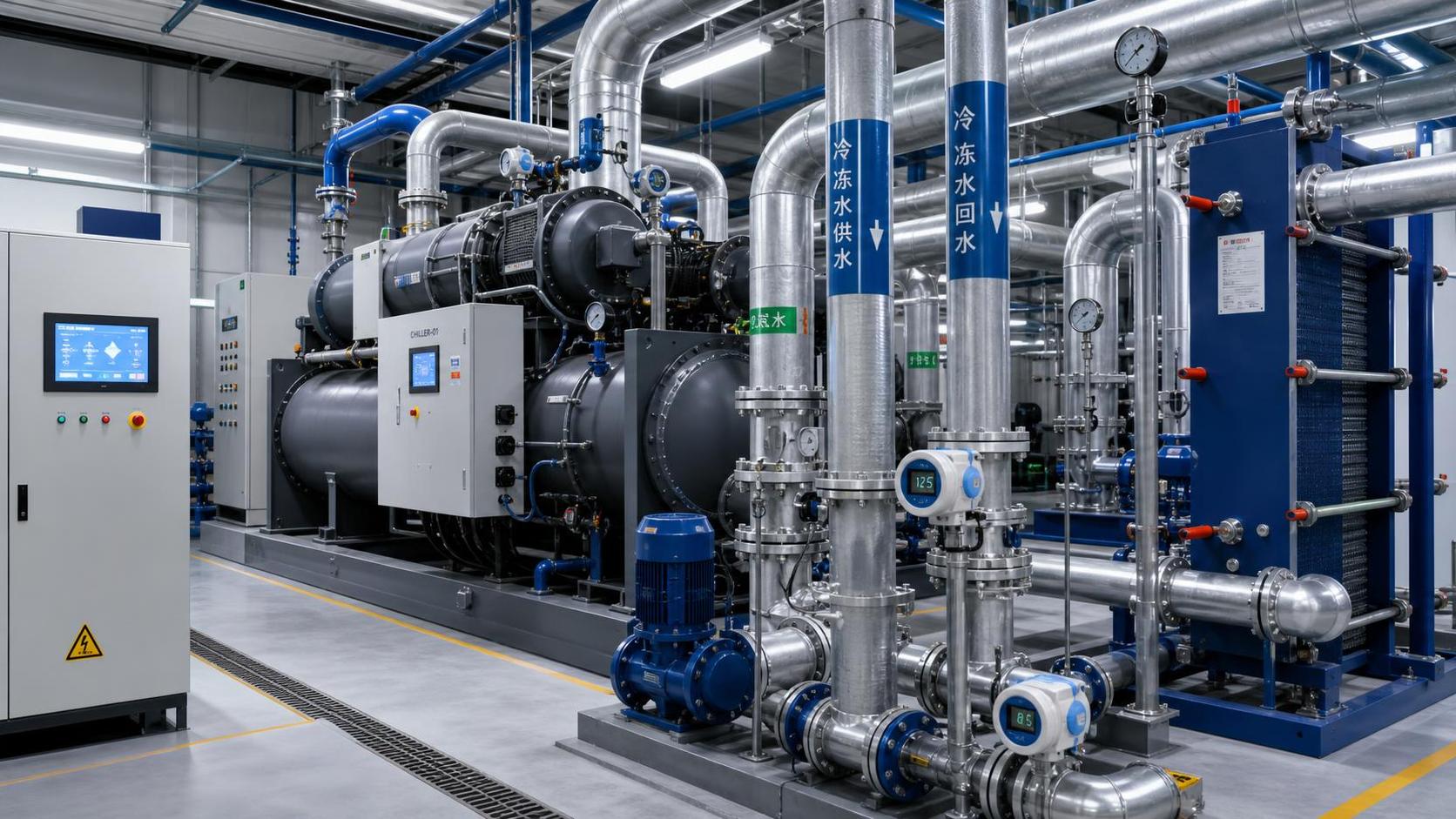
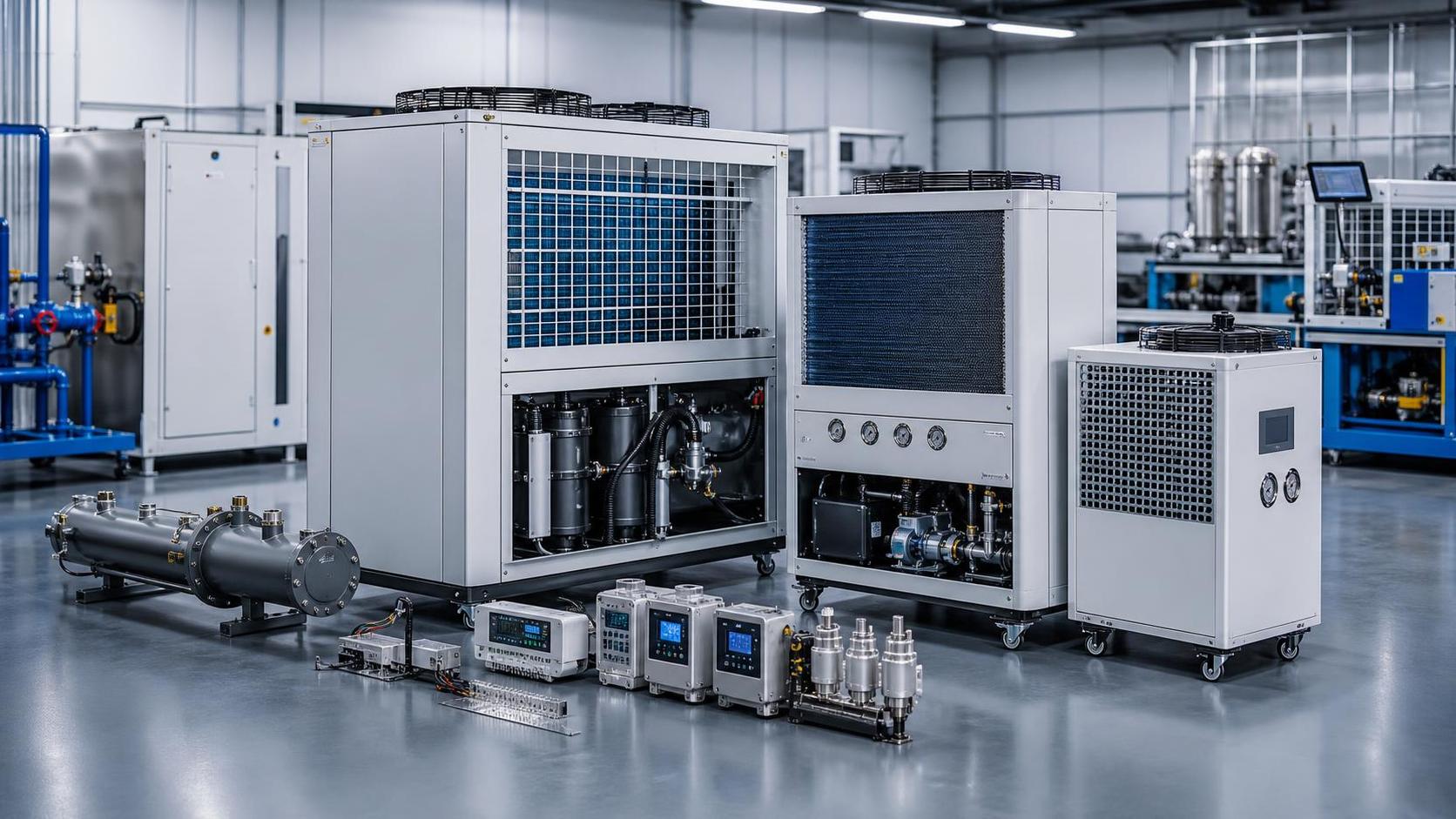
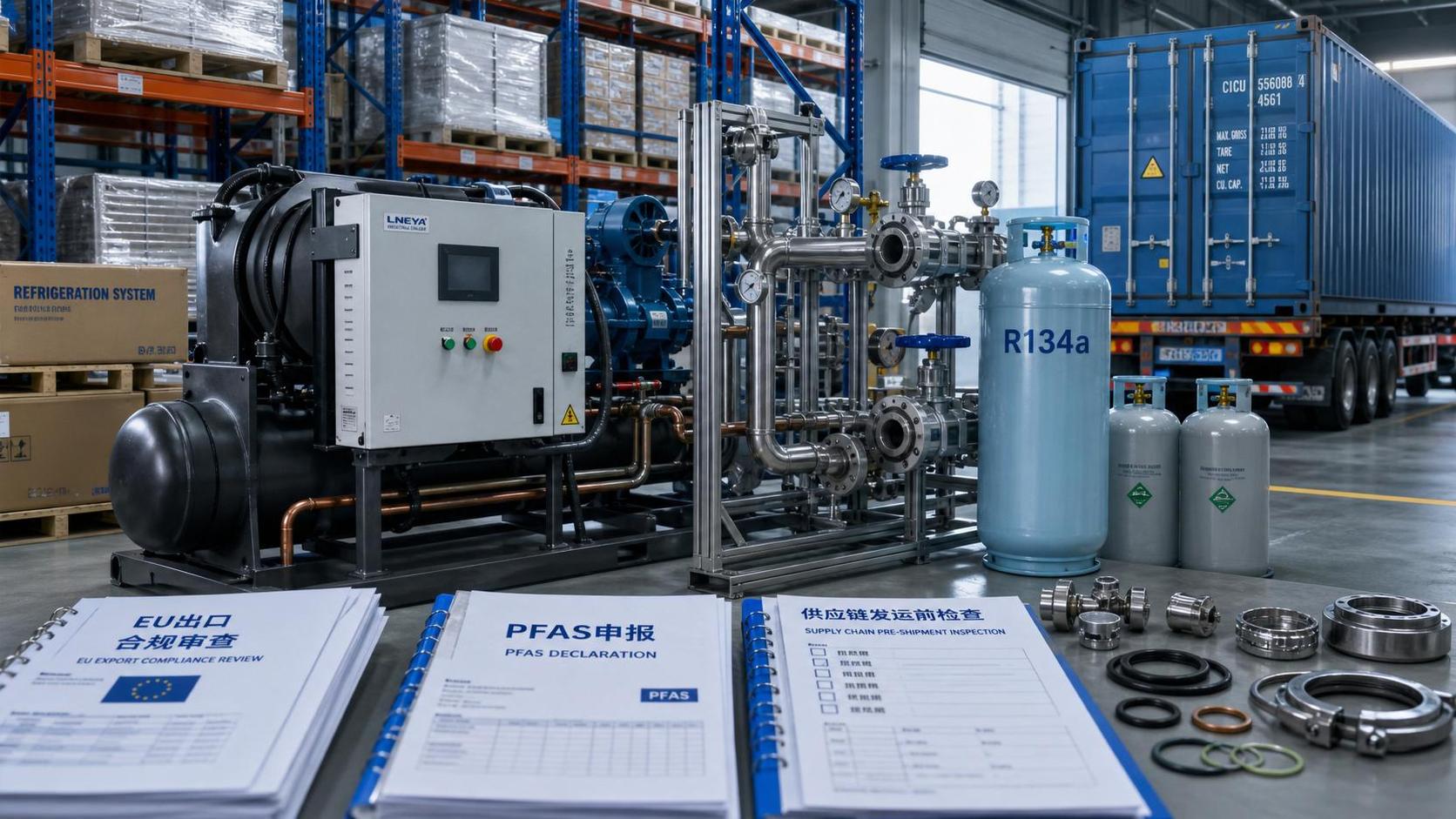
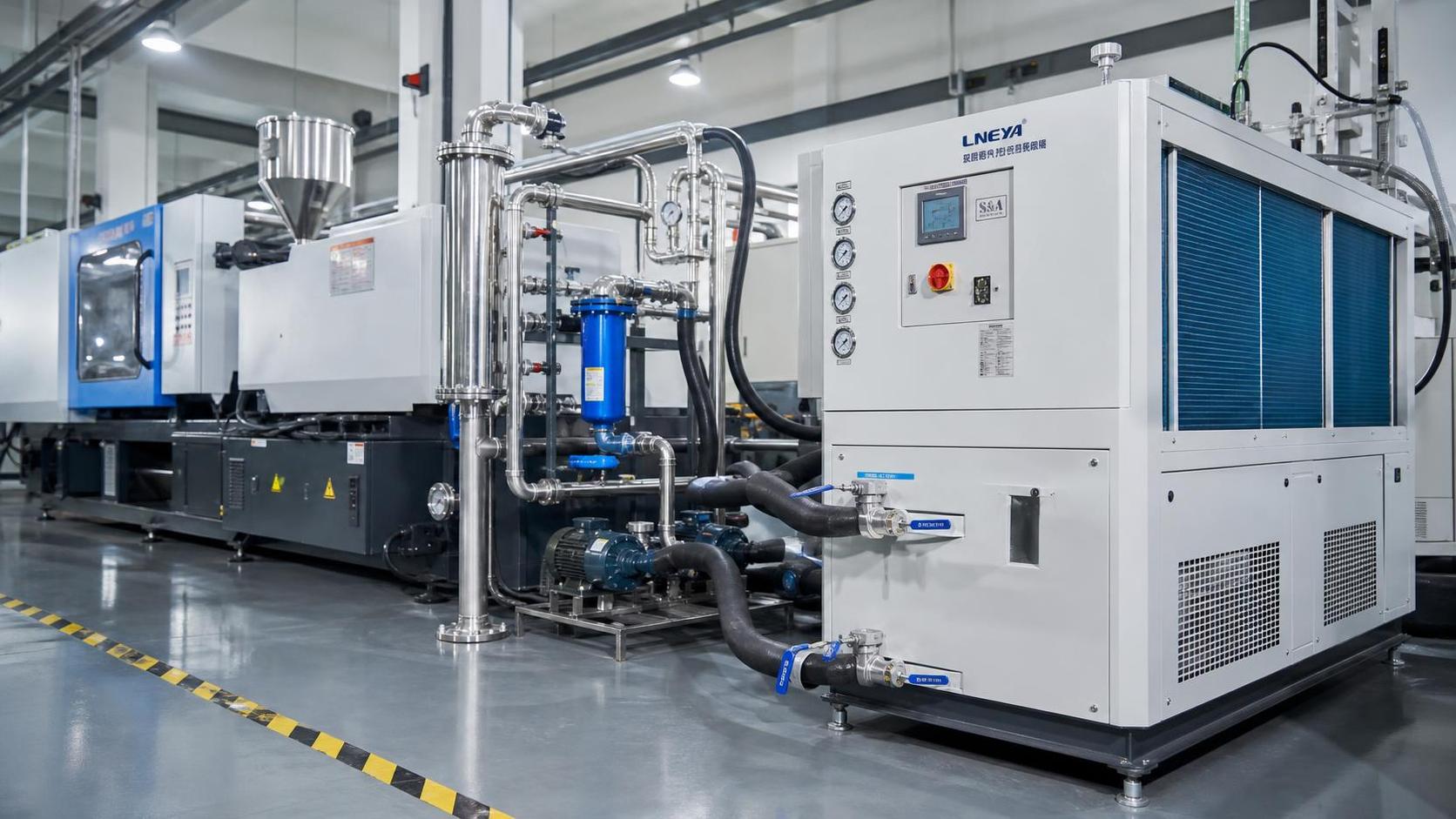
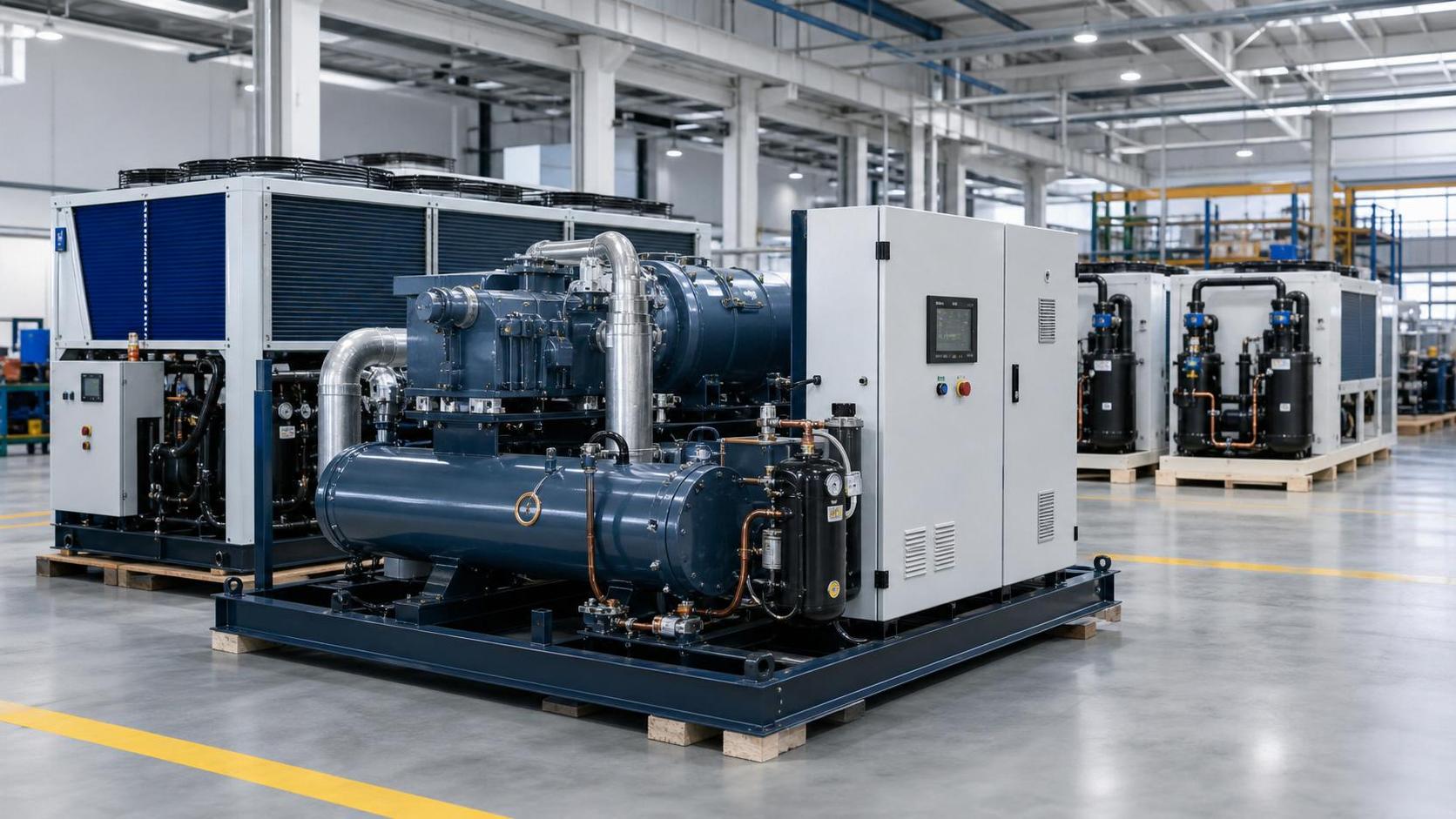
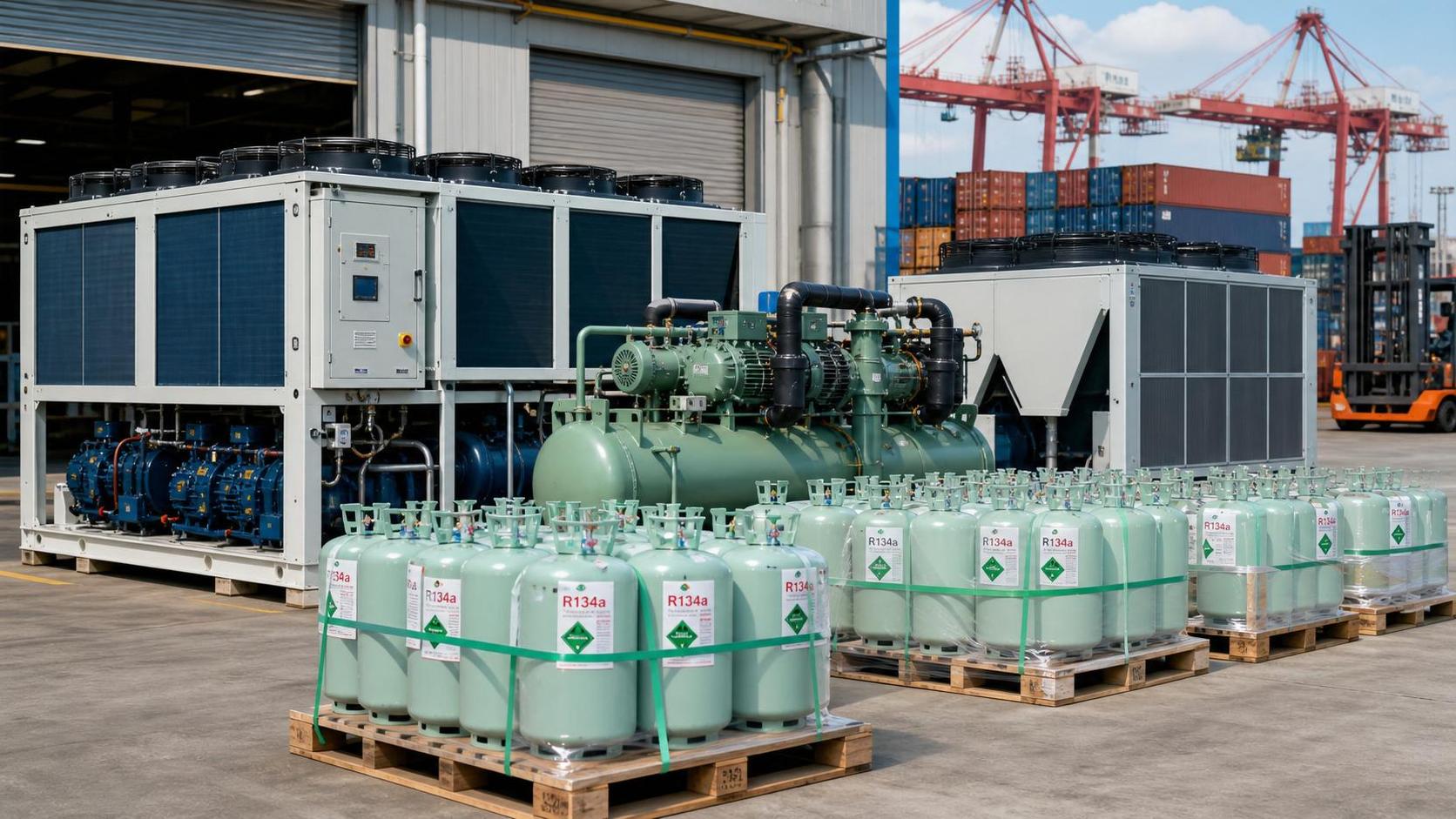
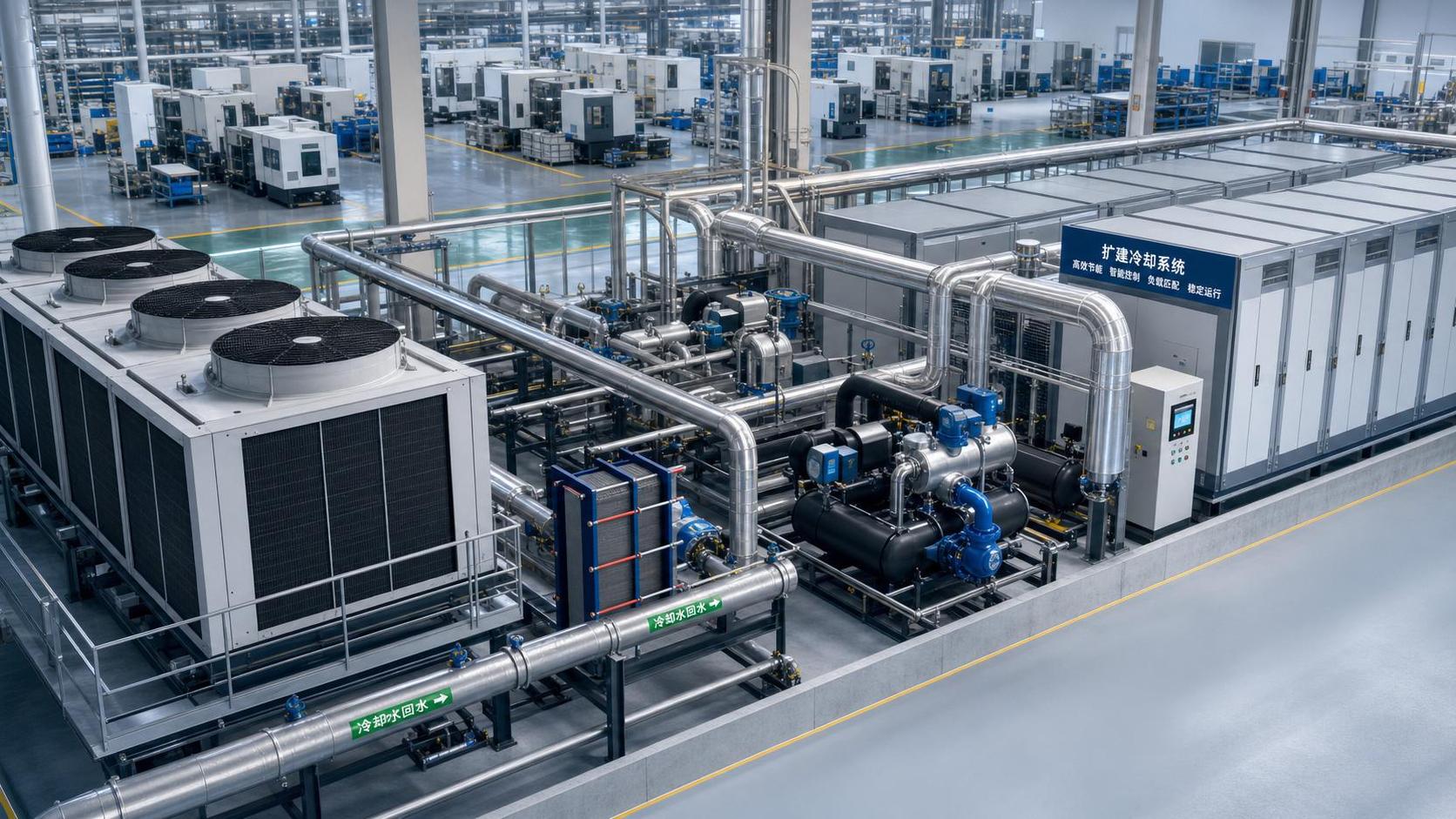
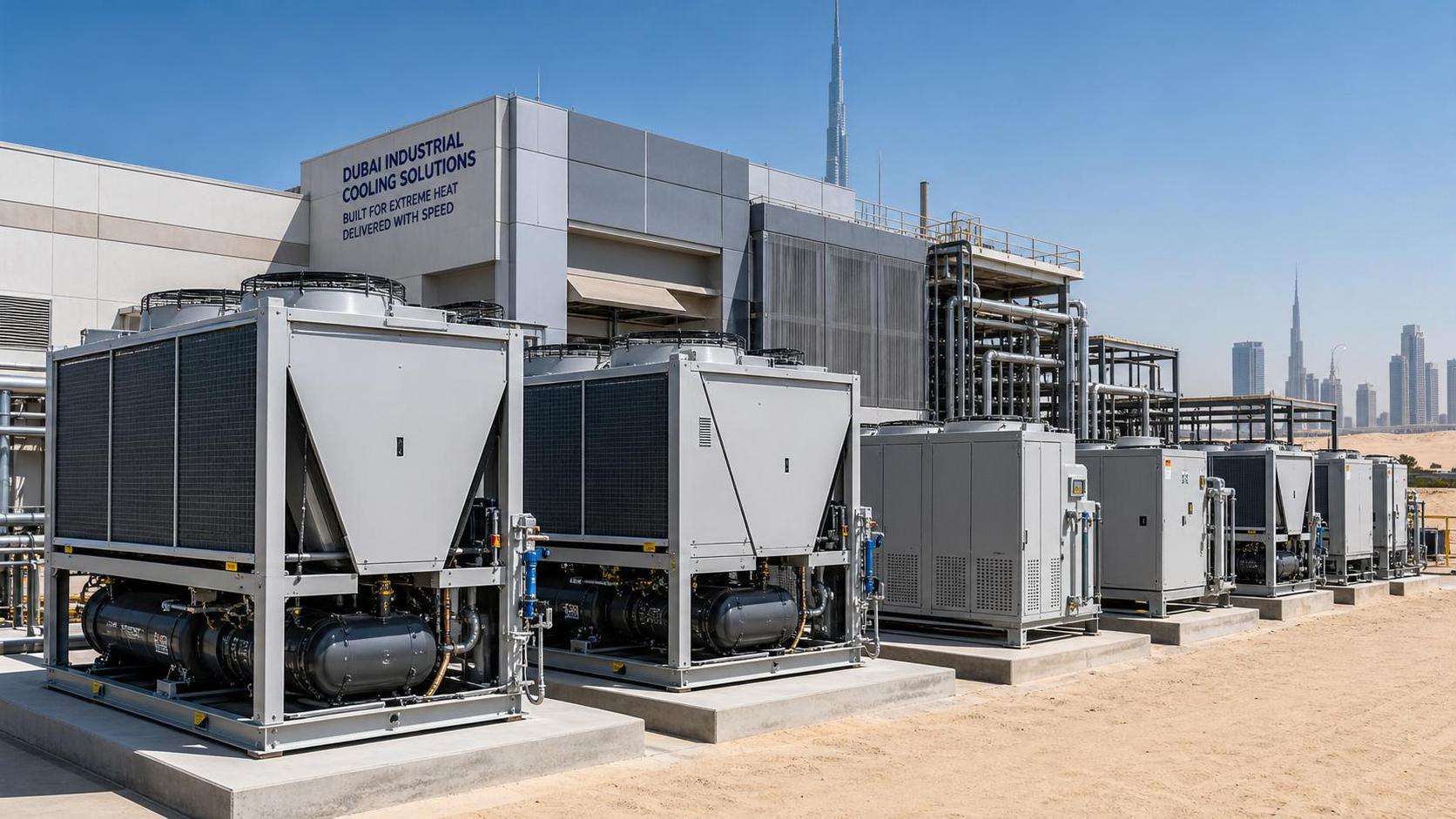
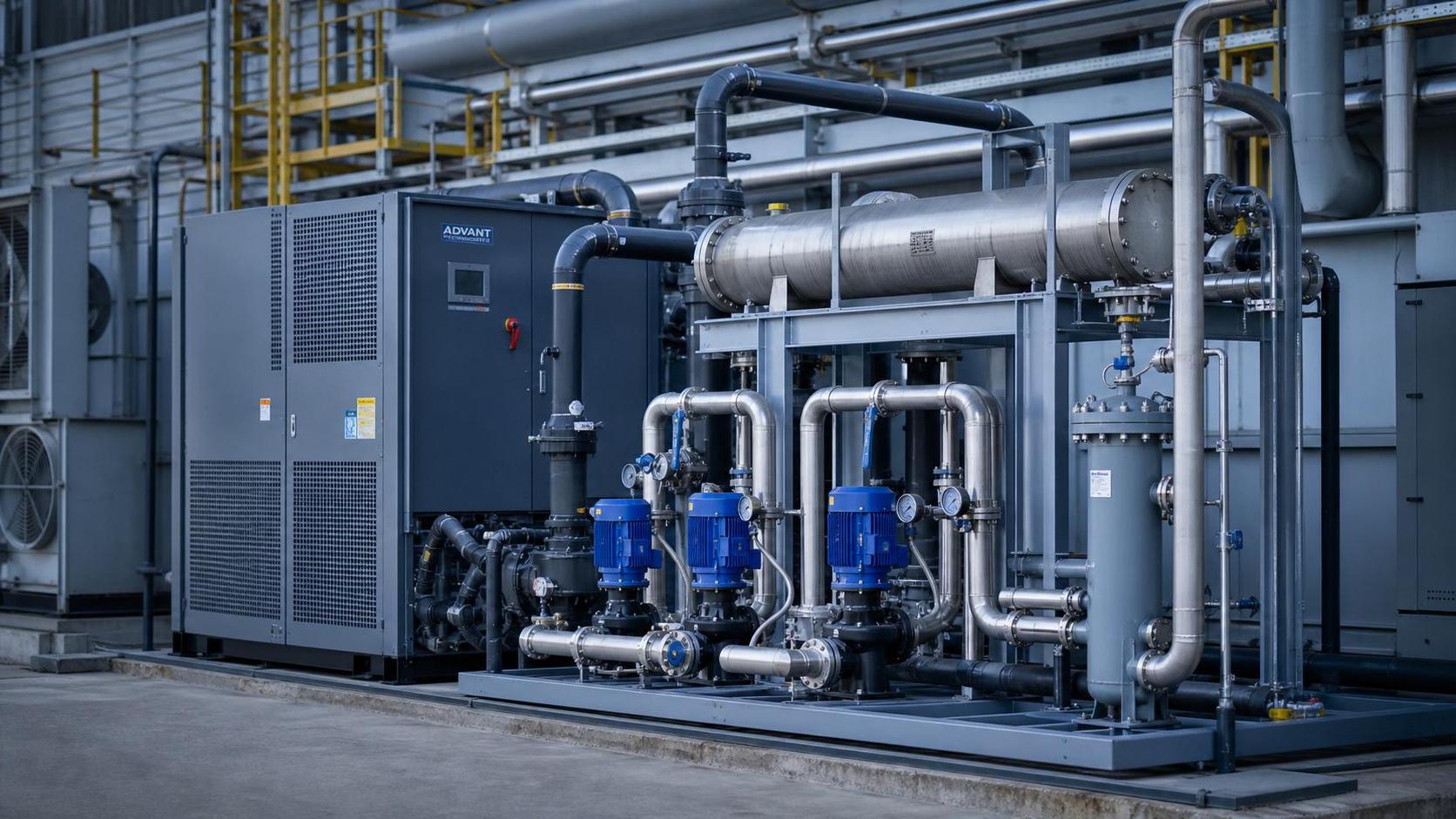
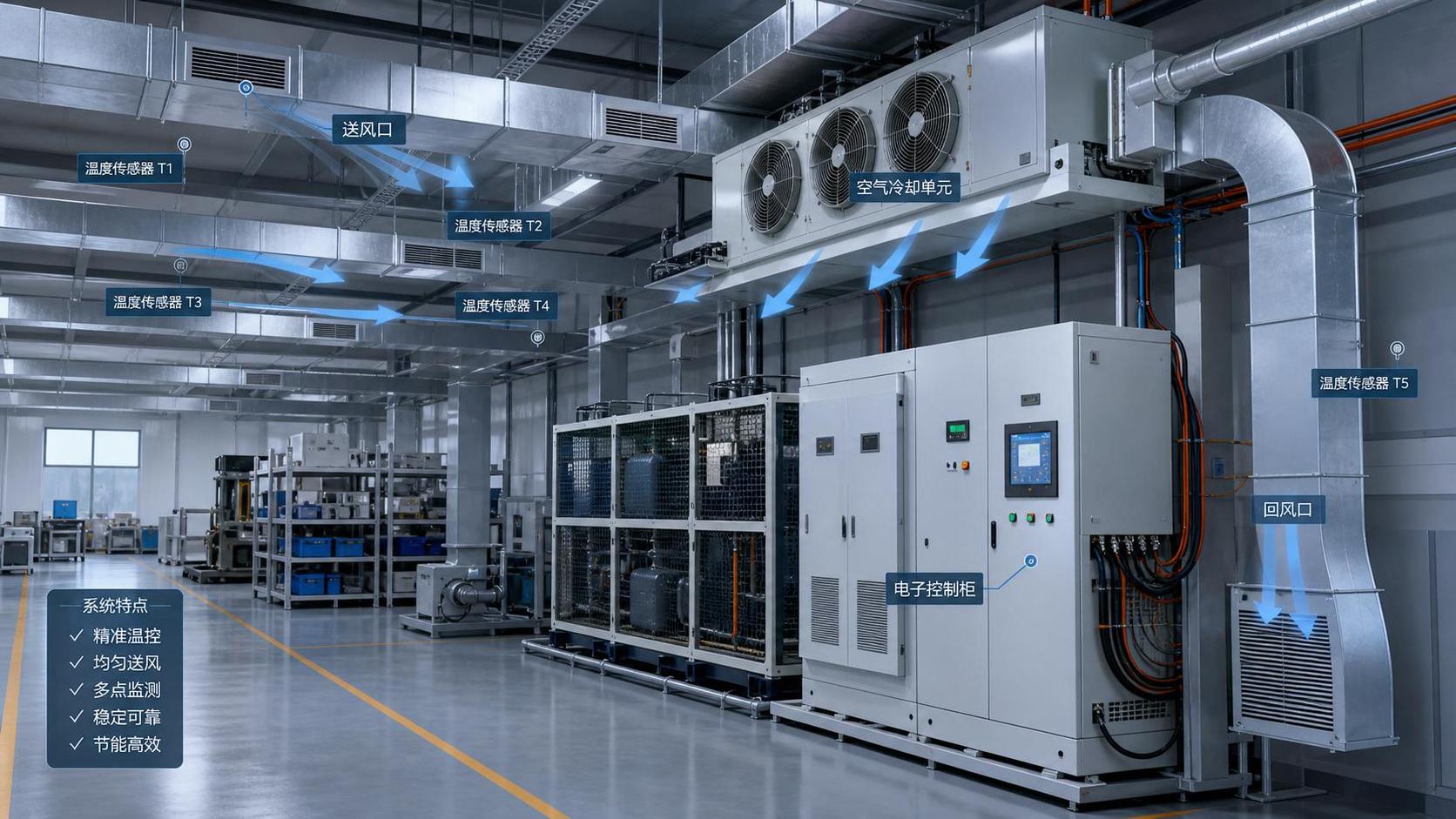
[Image 01: Technical review of industrial cooling systems sizing, load profile, and energy impact]
Below are the sizing mistakes that most often raise energy use in industrial cooling systems, along with practical ways to check them before they become a long-term operating penalty.
The mistakes that show up most often
- Oversizing for a “safe margin” often forces chillers and compressors to run at low part load, where cycling losses and poor control stability quietly increase annual energy use.
- Undersizing based on average demand ignores peak process heat, warm ambient shifts, and fouling reserve, which usually creates emergency operation, poor temperature control, and avoidable downtime risk.
- Using outdated load assumptions from old production lines can mislead industrial cooling systems selection, especially when process density, run hours, or equipment heat release has changed.
- Ignoring part-load behavior during equipment comparison makes nameplate capacity look sufficient, while real operating efficiency drops because the system spends most hours far below design load.
- Treating all loads as constant hides batch variation, startup spikes, and standby heat, which can distort piping, storage, and control valve sizing across the full cooling loop.
- Sizing around supply temperature only, without checking return temperature and delta-T performance, often leads to excess flow, pumping waste, and weak heat exchange efficiency.
- Forgetting condenser conditions is a common miss. Higher outdoor temperatures, dirty coils, or poor cooling water quality can reduce true capacity and push compressors harder.
- Assuming one future expansion scenario and sizing everything around it can lock industrial cooling systems into years of inefficient operation before added production ever arrives.
What oversizing really does
Oversizing sounds conservative, but it often creates unstable operation. Compressors start and stop more often, control valves hunt, and chilled water temperature drifts instead of staying tight.
The result is not only wasted electricity. It also raises wear on compressors, fans, and pumps. In many industrial cooling systems, reliability loss starts long before failure becomes visible.
Why undersizing becomes expensive fast
Undersizing usually looks efficient in a spreadsheet because installed capacity is lower. In operation, though, the system stays near maximum output and loses flexibility during peak heat periods.
That is when operators add temporary fixes, extend run hours, or lower setpoints to compensate. Those reactions often raise total energy use more than the original savings justified.
What to check before approving capacity
- Review hourly or batch-based load data, not just daily averages, because industrial cooling systems are usually stressed by short peaks and uneven process timing.
- Separate process cooling, space cooling, and utility loads before sizing. Mixing them too early can hide where diversity helps and where dedicated capacity is more efficient.
- Check the expected operating range below full load, since variable-speed chillers, pumps, and fans often determine annual energy performance more than peak capacity does.
- Validate ambient design conditions with site reality. Local wet-bulb, water quality, altitude, and seasonal heat waves can materially change available system performance.
- Confirm heat exchanger approach temperature and fouling allowance, because optimistic assumptions here often make industrial cooling systems appear stronger than they are in service.
- Map control strategy early. Capacity staging, buffer tanks, bypass logic, and sensor placement all influence whether the selected size will operate efficiently.
Where sizing errors commonly hide
Retrofit projects with mixed old and new equipment
Retrofits are one of the easiest places to miss the real load. Existing pumps, pipe sizes, and control sequences can limit performance even when new cooling equipment looks properly sized.
A good check is to compare measured return temperature, flow stability, and compressor loading during real production hours. That often reveals whether the bottleneck is capacity or system balance.
High-precision temperature control environments
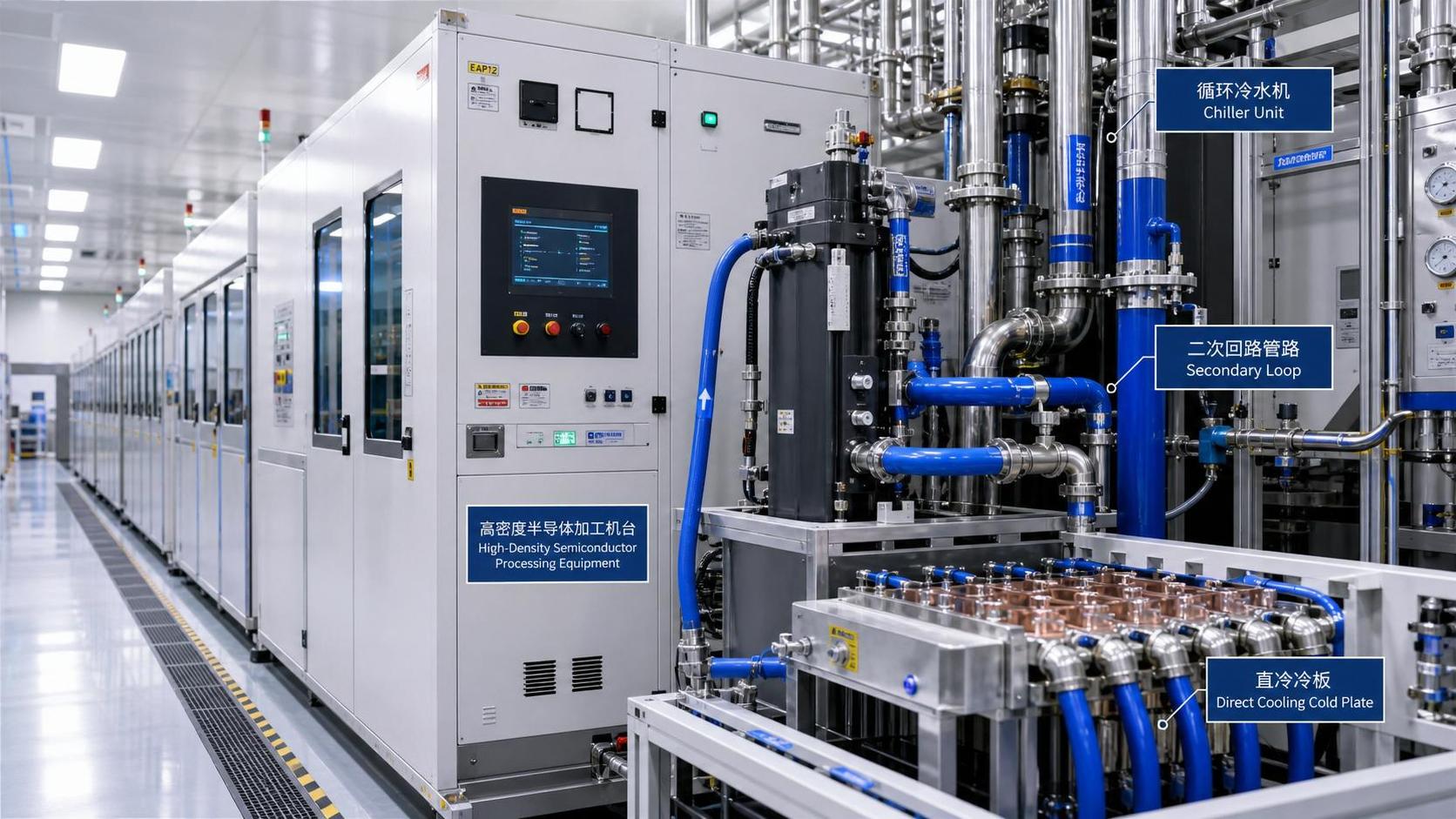
In pharmaceutical, semiconductor, and advanced food processes, sizing mistakes become visible faster. Small deviations in leaving water temperature can affect product consistency or environmental control.
GTC-Matrix frequently highlights this in its commercial insight work. When purity, precision, and uptime matter, industrial cooling systems should be evaluated as part of a full thermal chain.
Facilities planning future expansion
Expansion planning is valid, but it should not become an excuse for immediate oversizing. A phased approach often performs better than one large installation built around uncertain future load.
Modular chillers, staged compressors, and scalable heat exchangers usually provide a safer path. They protect current efficiency while preserving room for capacity growth later.
A practical comparison table for industrial cooling systems
Small details that are often missed
- A dirty heat exchanger can mimic undersizing, so measure fouling impact before approving extra cooling capacity or replacing equipment too early.
- Sensor location matters more than many specifications suggest. Bad temperature readings can drive false conclusions about industrial cooling systems performance and needed size.
- Pumping energy is part of the sizing story. A cooling design that increases flow unnecessarily may reduce thermal efficiency even when chiller selection looks acceptable.
- Compressed air and vacuum rooms add hidden heat. In integrated utility areas, those adjacent loads should be counted in cooling calculations.
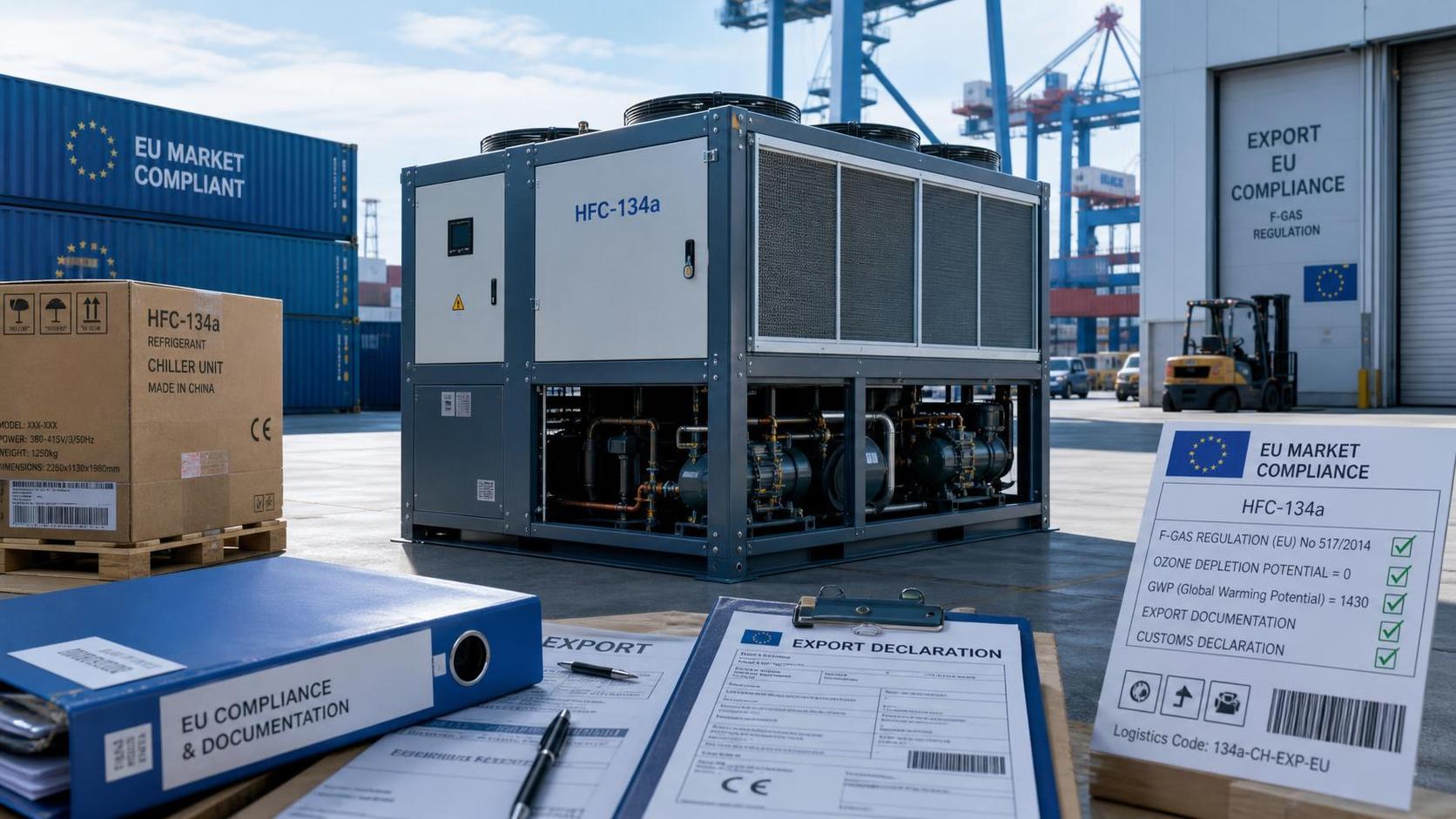
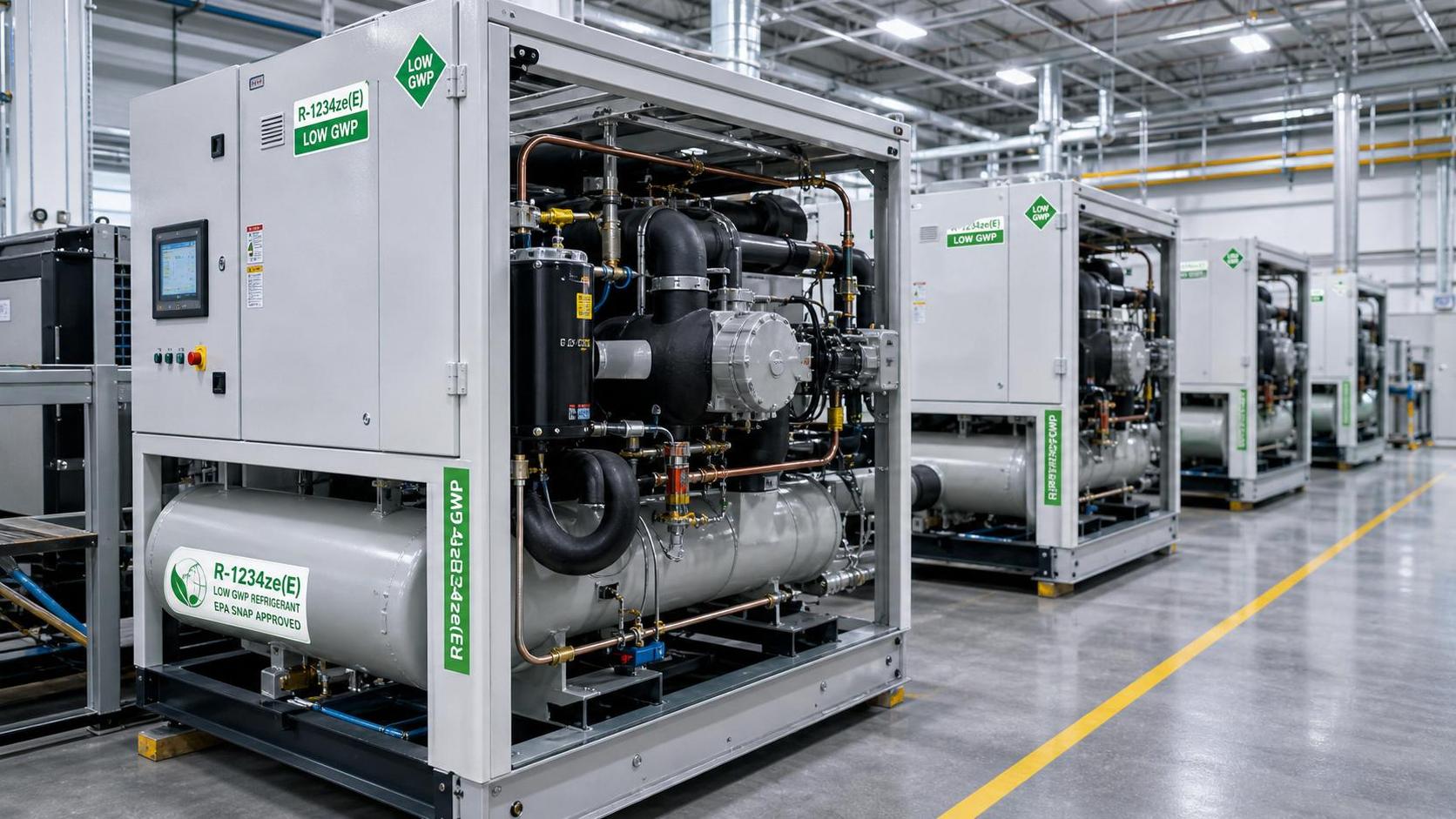
- Refrigerant and policy changes can affect upgrade strategy. Efficiency, compliance, and future serviceability should be reviewed together during system sizing decisions.
How to make the next evaluation more reliable
Start with measured data whenever possible. Even two to four weeks of trend logs can reveal more than a static design assumption built from old production conditions.
Then compare thermal load, compressor behavior, heat rejection limits, and control sequence together. Industrial cooling systems are rarely inefficient for only one reason.
This is where a broader industry lens helps. GTC-Matrix connects cooling, compression, vacuum, and heat exchange intelligence so sizing decisions reflect actual energy conversion performance, not isolated equipment ratings.
If the current system shows unstable temperatures, frequent cycling, or unexplained energy growth, the next step is not automatically more capacity. It is a better sizing review based on real operating conditions.
In practice, the most effective question is simple: does the installed capacity match the real process, across the hours that matter most? That answer usually leads to better industrial cooling systems decisions.
Related News
- How Smart Thermal Systems Improve Industrial Cooling EfficiencyAuthor :Cryogenic Systems Expert

- How to Choose Process Cooling Equipment for Stable Temperature ControlAuthor :Cryogenic Systems Expert

- EU Finalizes 2026 HFC Quota Cut for R-134a ChillersAuthor :Cryogenic Systems Expert

- EU Tightens HFC-134a Quotas for Industrial ChillersAuthor :Cryogenic Systems Expert

- REACH SVHC Update Pressures HFC-134a Chiller Supply ChainsAuthor :Cryogenic Systems Expert

- EU PFAS Coolant Ban Reshapes Chiller ExportsAuthor :Cryogenic Systems Expert

- EU REACH Restricts PFAS Cooling Media ImportsAuthor :Cryogenic Systems Expert

- EU Ecodesign Rule Takes Effect for Industrial ChillersAuthor :Cryogenic Systems Expert

- EU REACH Rule Takes Effect for PFAS in Industrial Cooling ExportsAuthor :Cryogenic Systems Expert

- Industrial Cooling for Plastic Processing: How to Size for Stable Cycle TimesAuthor :Cryogenic Systems Expert

- EU F-Gas Update Bars R404A/R507 in Commercial CoolingAuthor :Cryogenic Systems Expert

- DOE Raises Chiller Efficiency Standard From October 2026Author :Cryogenic Systems Expert

- India Mandates BIS Energy Certification for Industrial ChillersAuthor :Cryogenic Systems Expert

- Energy-Efficient Heat Exchange for Process Cooling: Cost vs PaybackAuthor :Cryogenic Systems Expert

- EPA R-134a Import Ban Takes Effect on July 13, 2026Author :Cryogenic Systems Expert

- India BIS Rule Takes Effect for Industrial ChillersAuthor :Cryogenic Systems Expert

- EPA Cuts R134a Import Quotas 20% From July 10Author :Cryogenic Systems Expert

- How to Compare Energy-Efficient Cooling Systems for Factory Expansion ProjectsAuthor :Cryogenic Systems Expert

- Chiller Price Index Rises 11.3% in Q2Author :Cryogenic Systems Expert

- Saudi SASO Tightens Chiller Import Compliance From July 10Author :Cryogenic Systems Expert

- Dubai Opens Fast-Track Chiller TendersAuthor :Cryogenic Systems Expert

- Japan Raises Chiller COP Floor to 6.2 From Sept. 1Author :Cryogenic Systems Expert
![]()
- Compact Thermal Management in Smart Devices: Common Failure RisksAuthor :Cryogenic Systems Expert

- Thermal Management for Batteries: Cooling Methods ComparedAuthor :Cryogenic Systems Expert

- How Compact Thermal Design Extends Smart Device UptimeAuthor :Cryogenic Systems Expert

- Shanghai-Rotterdam Reefer Rates Jump 37% in a WeekAuthor :Cryogenic Systems Expert

- Process Cooling Equipment Low Maintenance: What Cuts Downtime Over 5 Years?Author :Cryogenic Systems Expert

- Semiconductor Cooling Solutions: Which Design Works Best for High-Density Tools?Author :Cryogenic Systems Expert

- Semiconductor Thermal Management Systems: Preventing Yield Loss from Heat DriftAuthor :Cryogenic Systems Expert

- EPA Clears R-1234ze(E) for Industrial ChillersAuthor :Cryogenic Systems Expert
 for Industrial Chillers")
- DOE Raises Chiller IEER Floor to 12.8 From Oct. 2026Author :Cryogenic Systems Expert

- Singapore Refrigeration Show Adds Green Compliance HubAuthor :Cryogenic Systems Expert

- How Food Industry Temperature Control Systems Reduce Product LossAuthor :Cryogenic Systems Expert

- EU REACH Adds 12 SVHCs, Raising Chiller Compliance RiskAuthor :Cryogenic Systems Expert

- Precision Temperature Control Air Cooling: Key Setup Mistakes That Reduce StabilityAuthor :Cryogenic Systems Expert

- India BEE Eyes APF Labels for Imported ChillersAuthor :Cryogenic Systems Expert